What the Weather Here Does to It
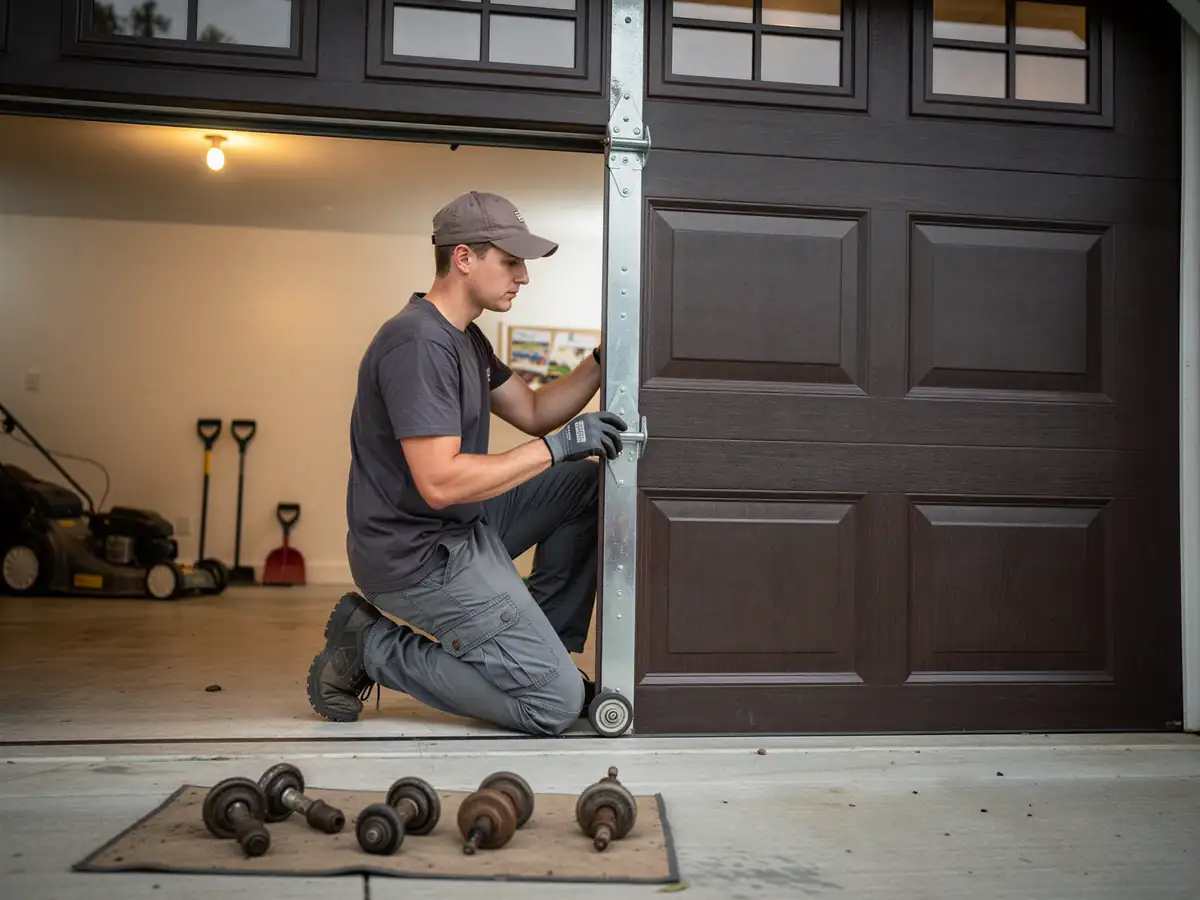
Sunrise sits in a mild temperate band - no hard freezes, no freeze-thaw cycle that cracks concrete or seizes metal the way it does further north. That's the good news, and it means we almost never see the frozen-track calls that are routine in colder climates. The trade-off is humidity and heat that stay high most of the year with no cold snap to dry things out or reset lubricant. On the 1960s-70s steel hardware that's common across this area, that shows up as surface rust on tracks and hinges well before the metal is actually worn out, and as hardened grease on rollers that seizes them in place rather than letting them turn. We see more opener gear-wear from heat cycling than from cold, and we see springs that look fine but have lost tension gradually in a way a freeze-thaw climate would have made obvious sooner through sudden snapping. A mild climate doesn't mean a forgiving one - it just fails differently, and slower, which is its own problem when nobody notices until the door won't lift.
The Situation
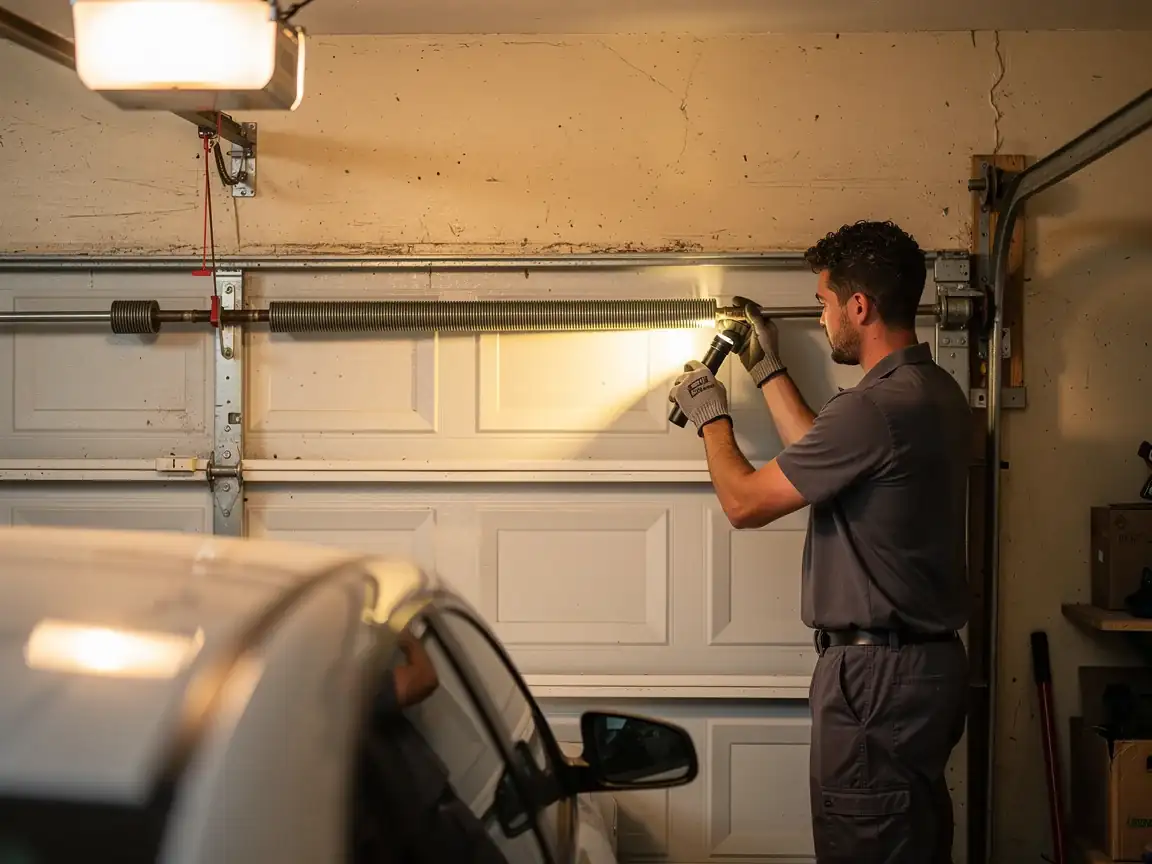
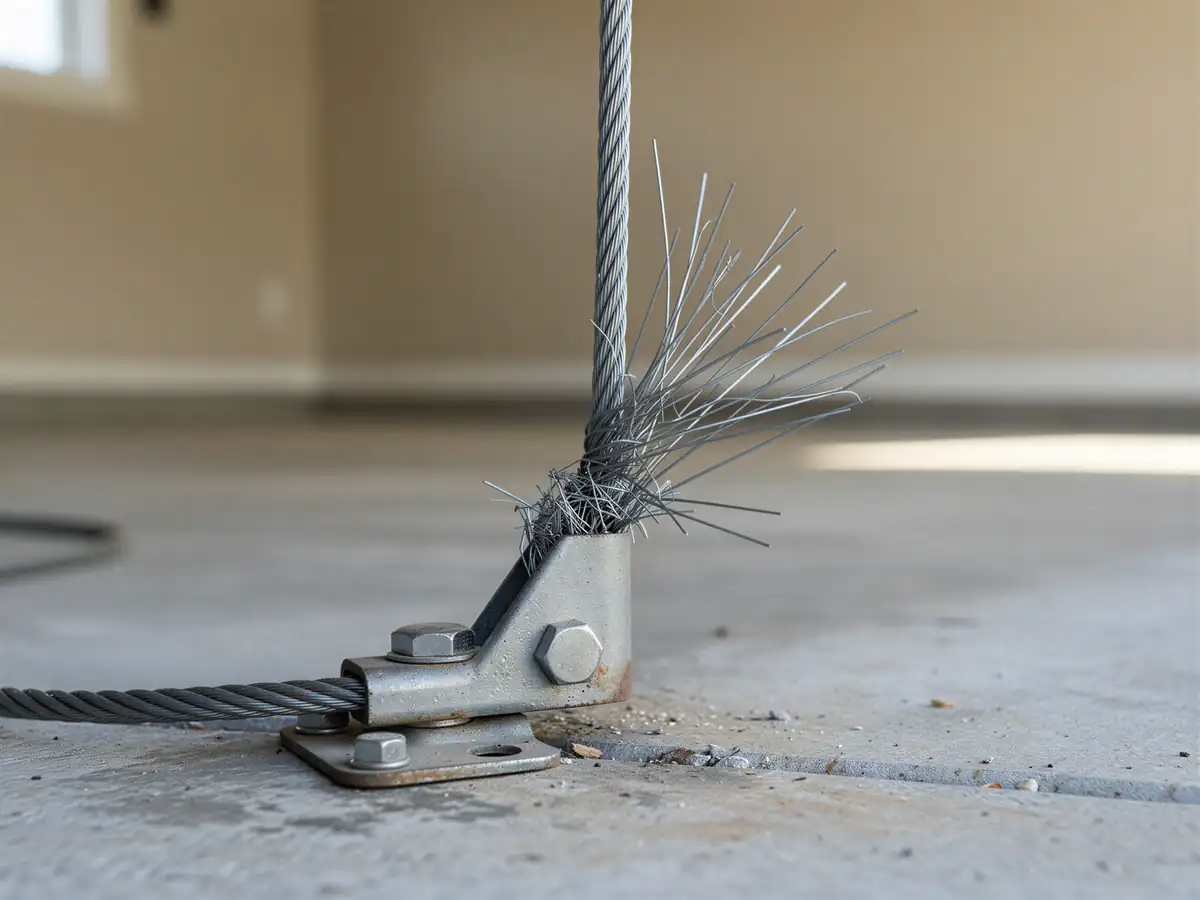
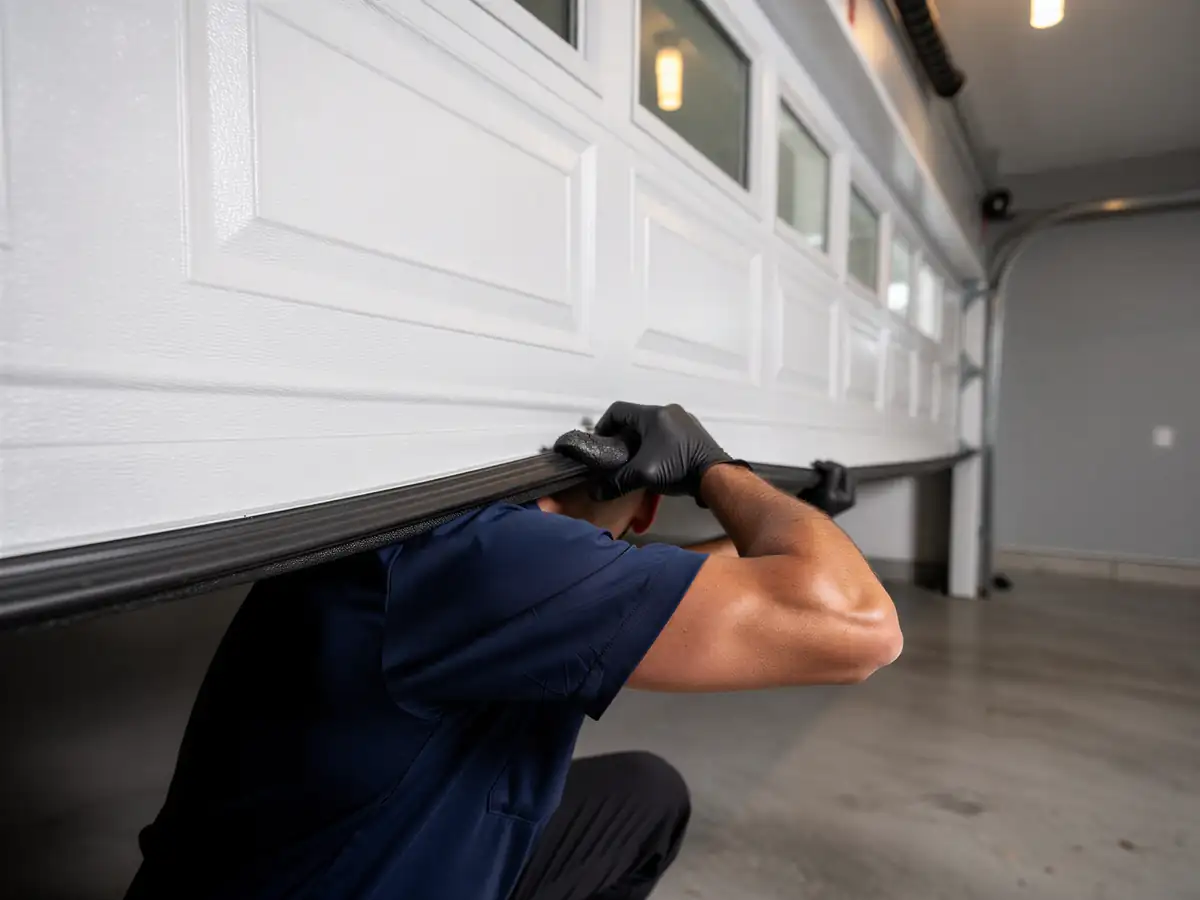
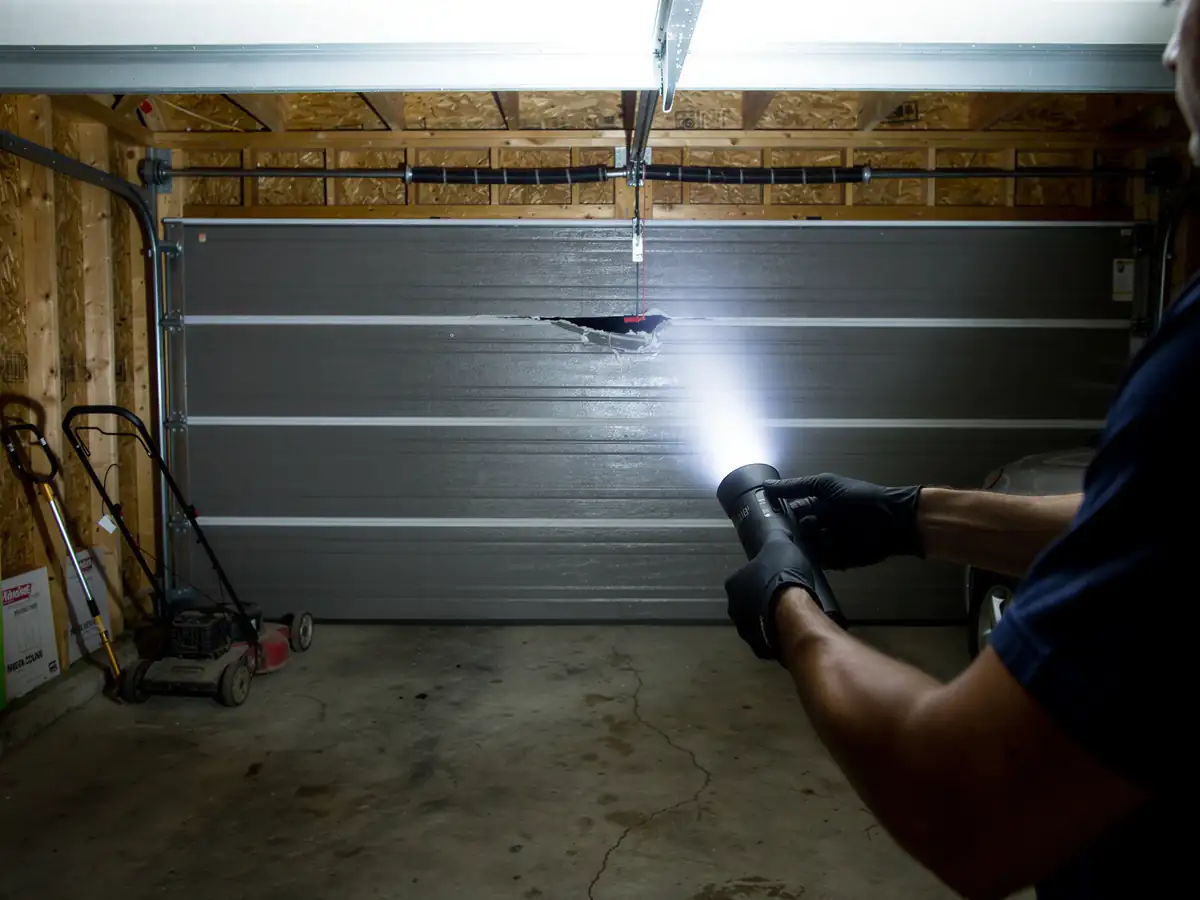
A service call starts with us telling you what's actually wrong, not just what's broken. On a door from the 1962-2005 build window that's common here, that often means separating the symptom from the cause - a door that won't close might be a sensor, a bent track, or a spring that's lost just enough tension that the opener is doing work it was never built to do. We check the spring tension, the cable condition, the track alignment, the opener's force settings, and the hardware on the panel itself, because on original equipment any one of those can be masking a problem in another. Across the roughly 76,302 owner-occupied houses in this service area, the median household income sits around $63,423, and we size the repair to match - if a $40 roller fix solves what looks like an opener problem, we tell you that instead of selling the opener. We work this radius out to places like Tamarac and Lauderhill a couple miles out, Lauderdale Lakes and North Lauderdale a bit further, and on out toward Margate and Coconut Creek, and the housing pattern holds pretty steady across that whole stretch.