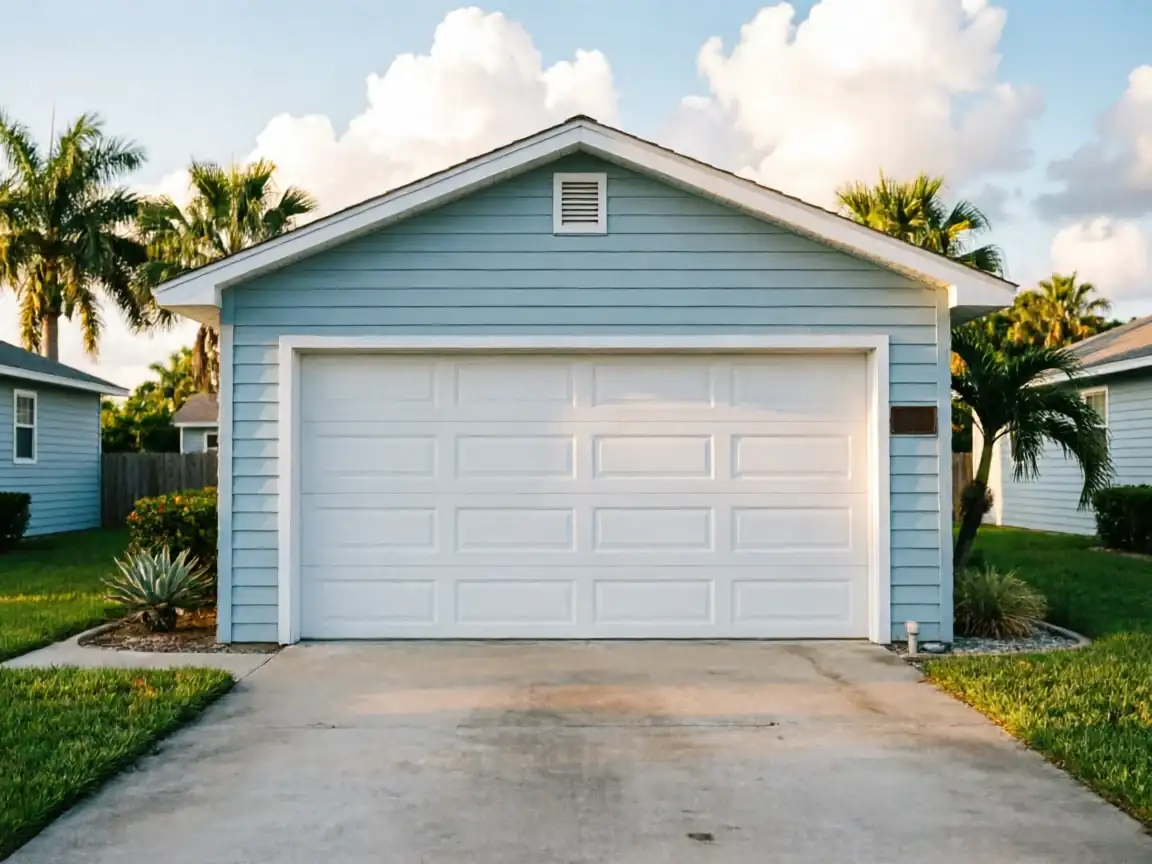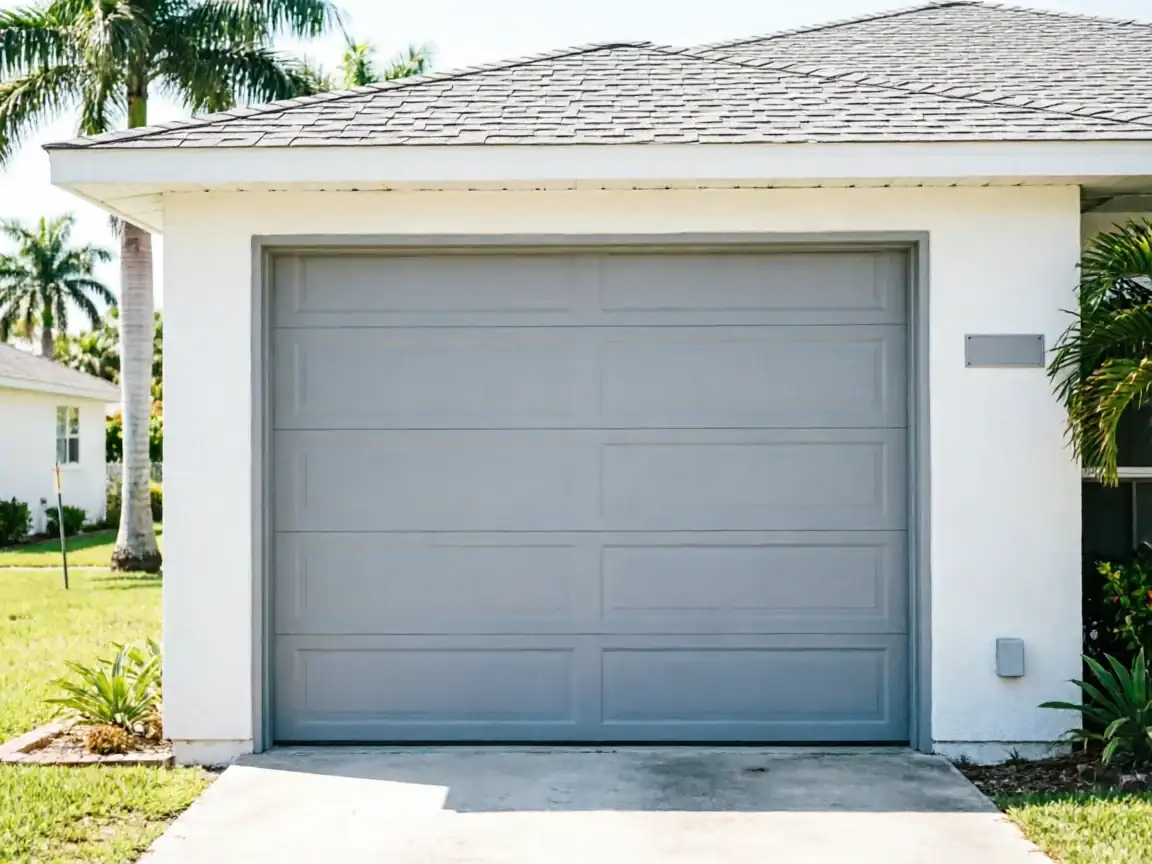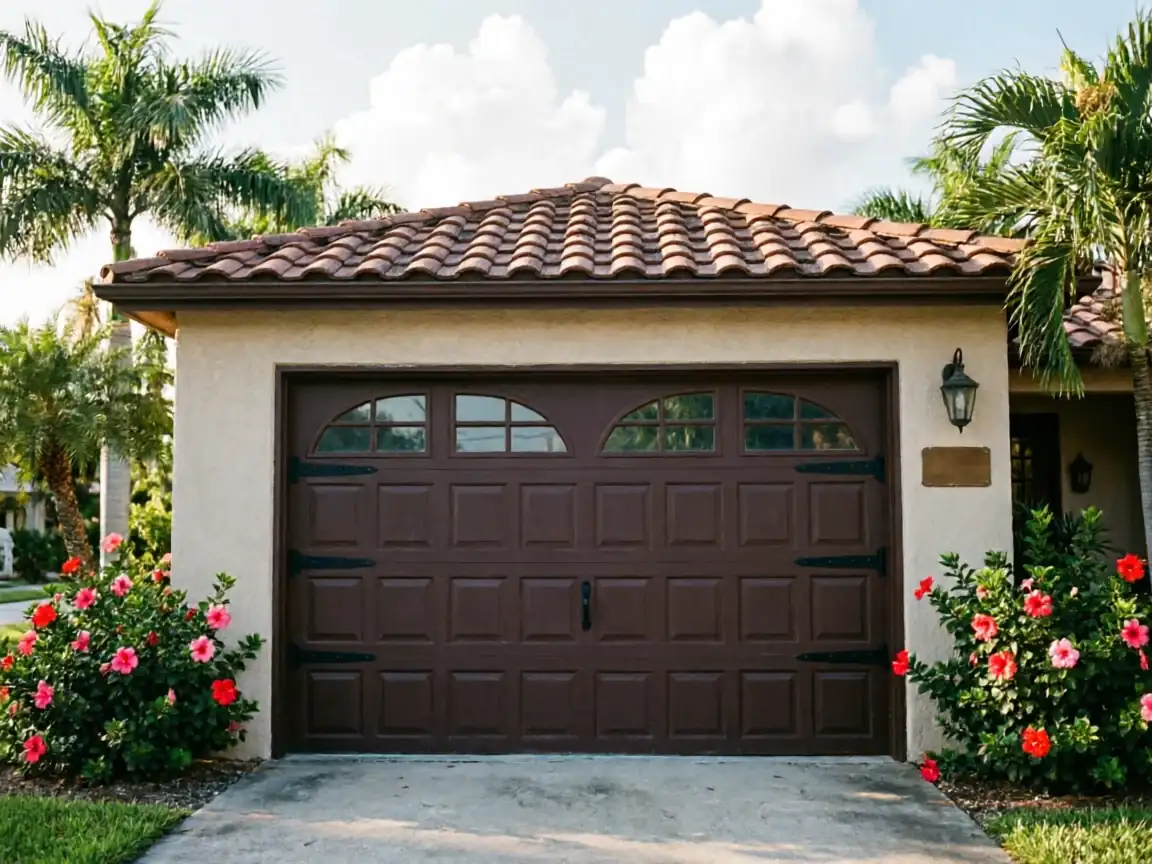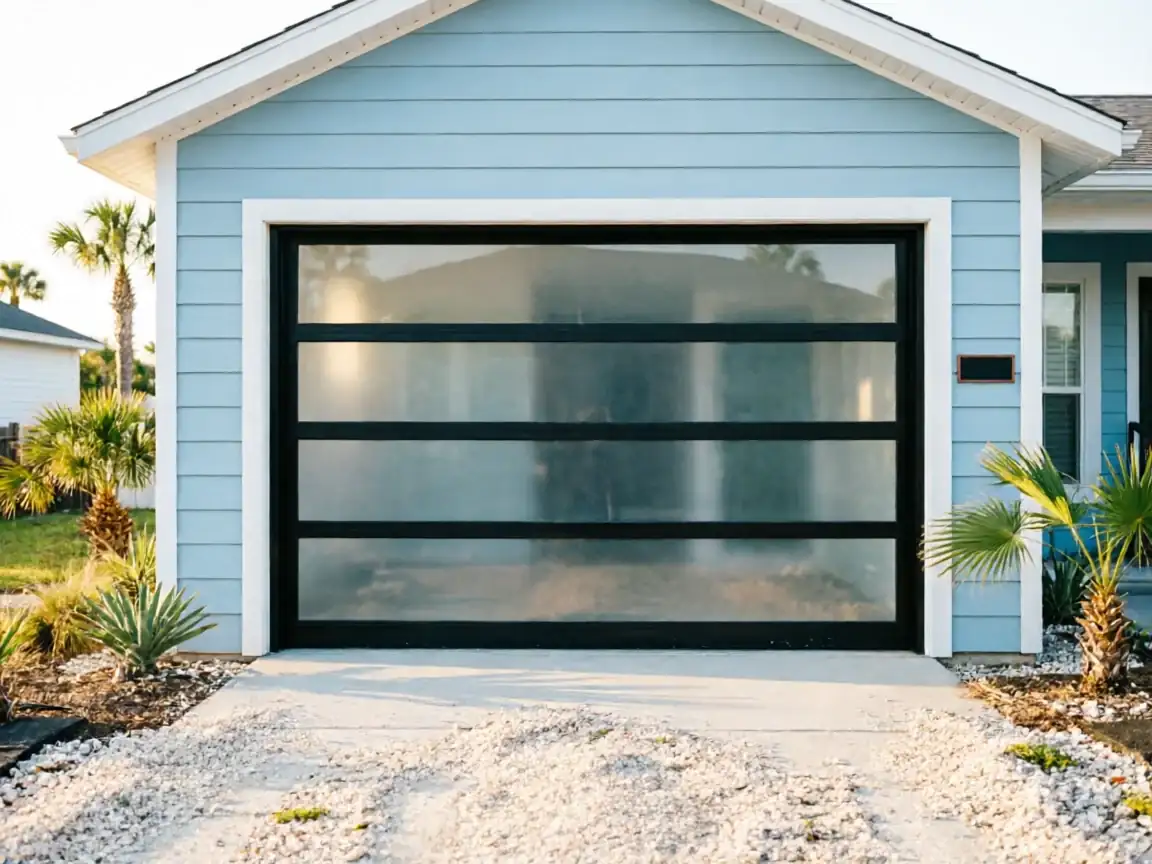
Why It Happens Here
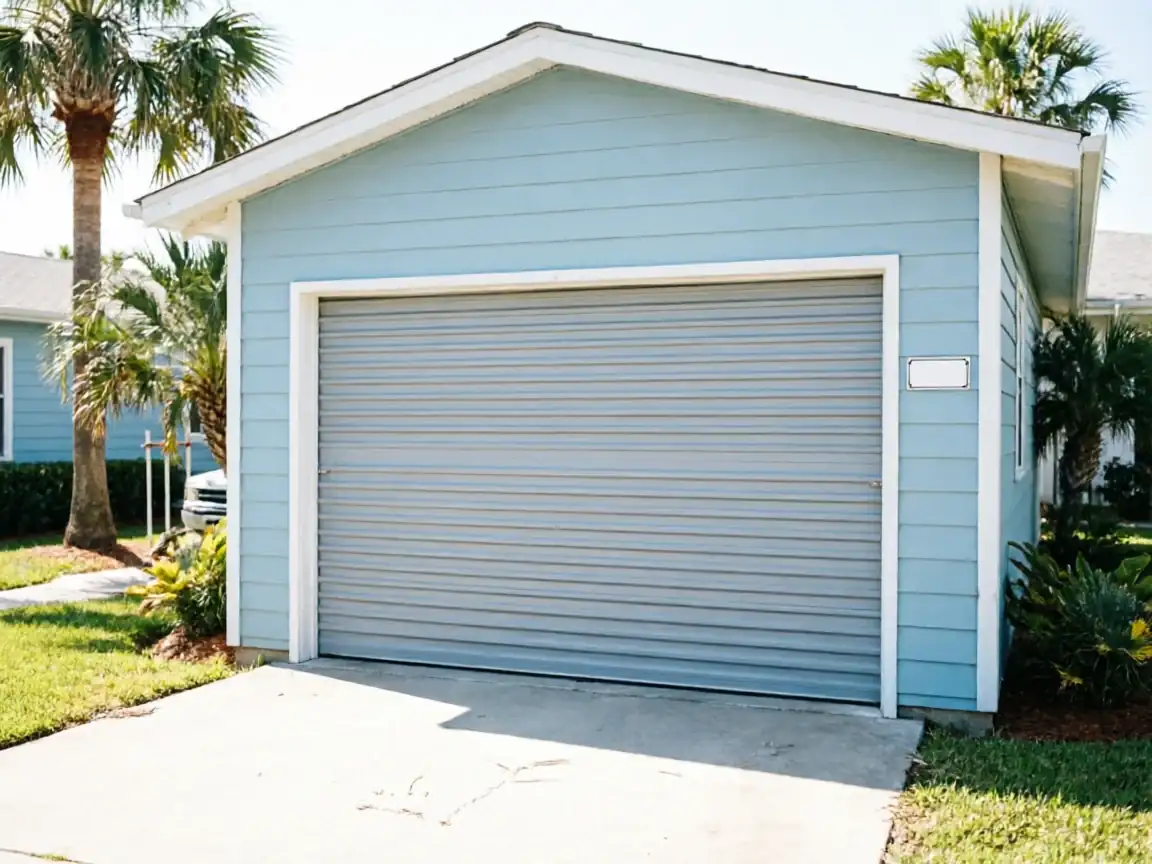
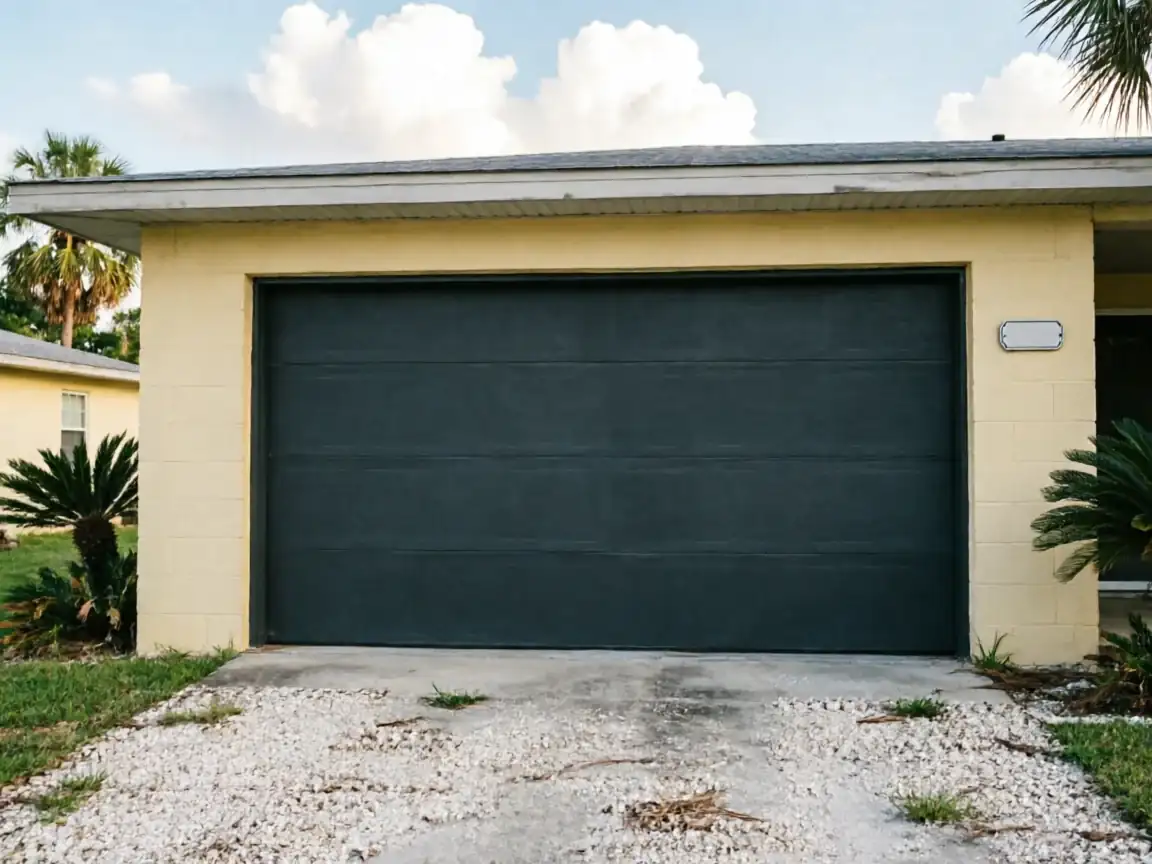
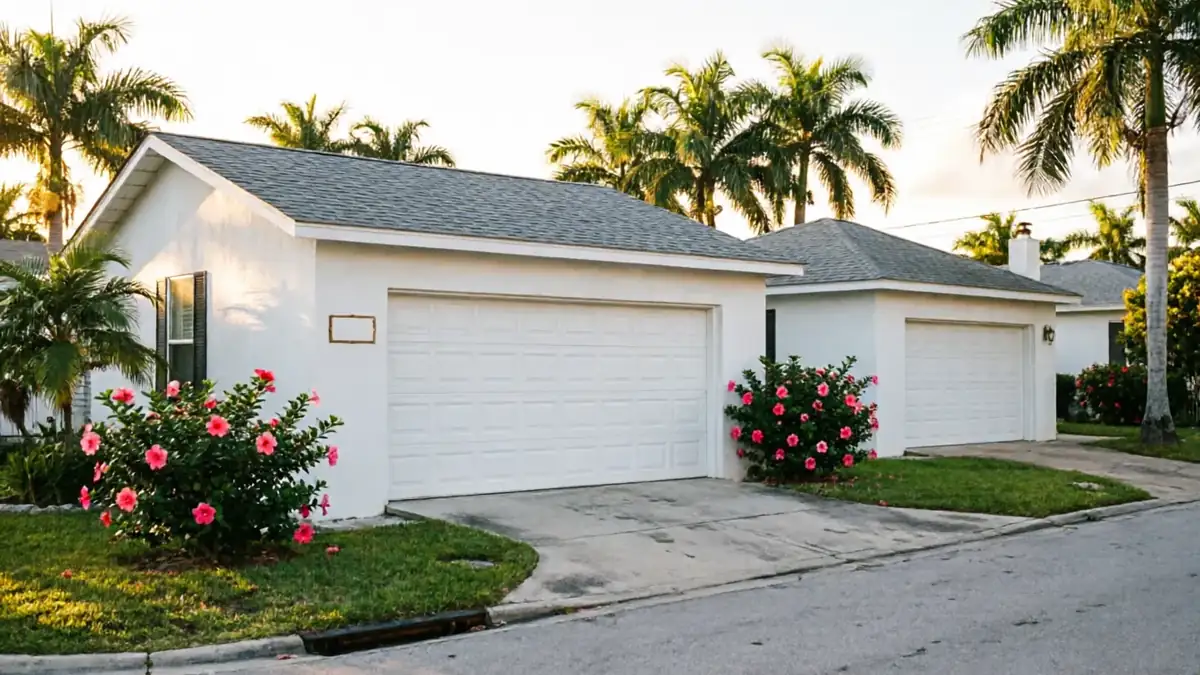
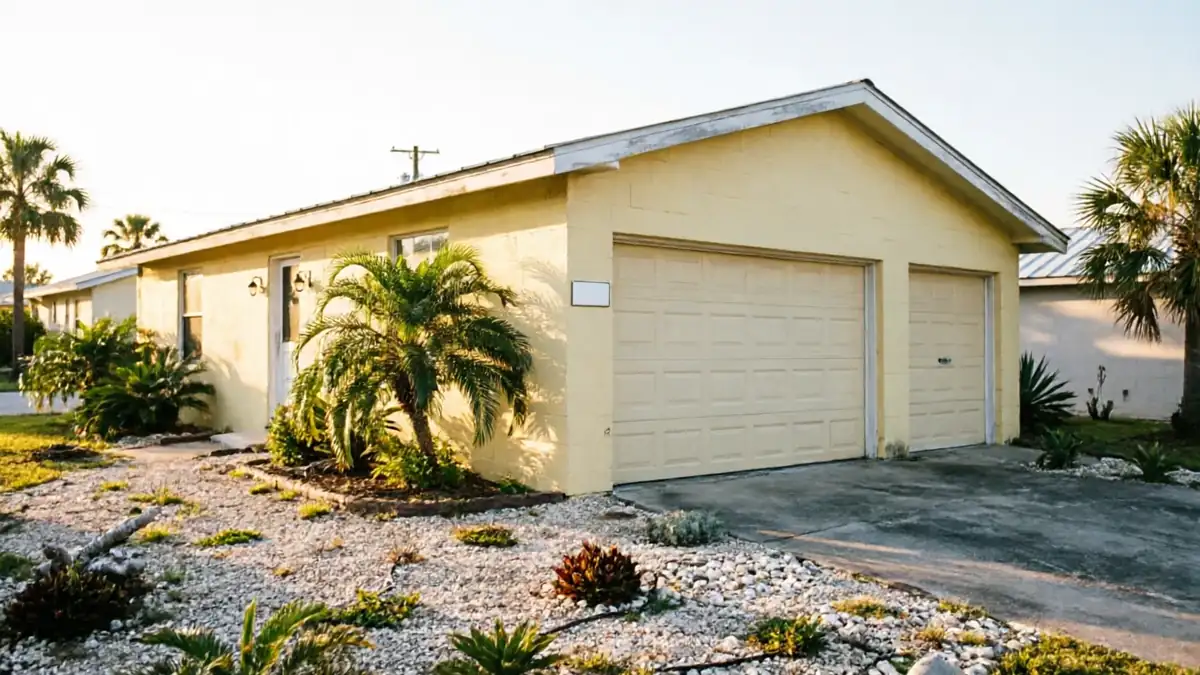
Most of the garage doors we get called out on in this part of Broward County sit in homes built between 1962 and 2005
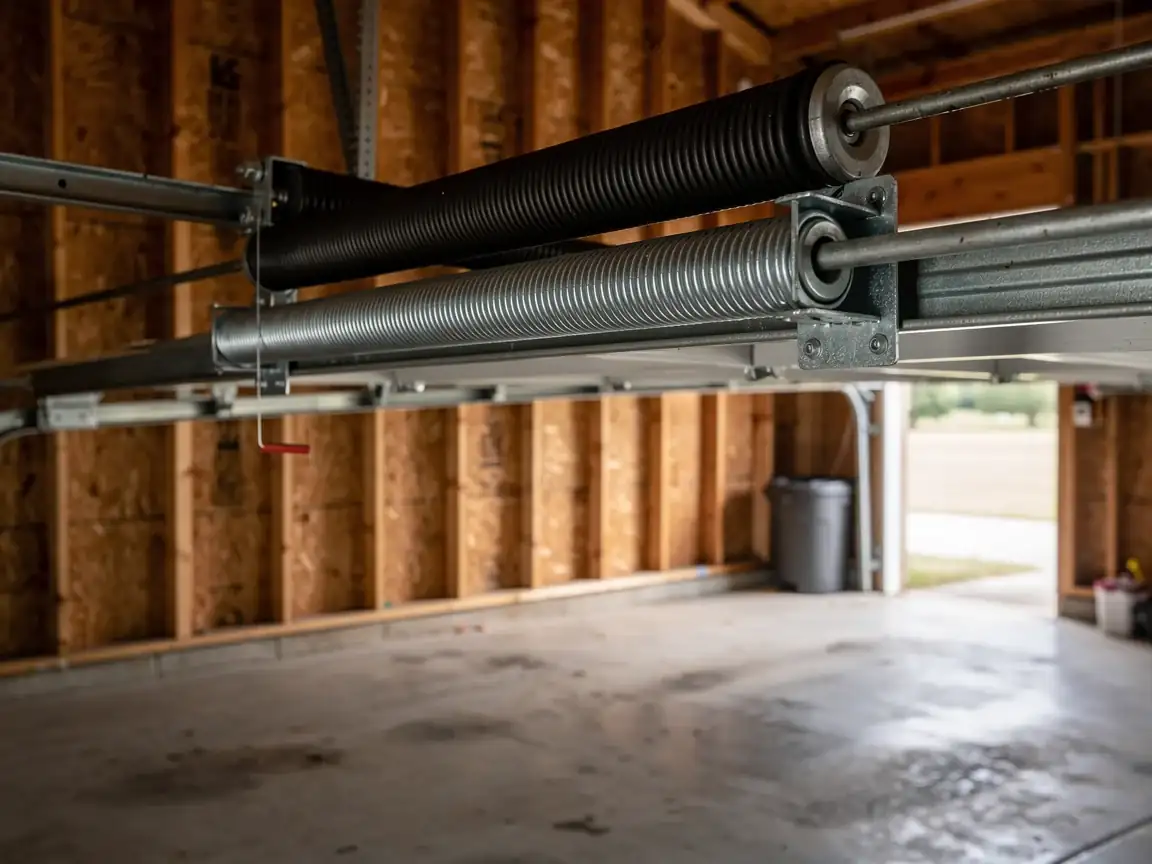
With a big cluster from the 1960s and 70s. That matters because those decades used torsion and extension spring setups that were never built to last fifty years, and a lot of the original hardware is still hanging in these garages right now. Springs rated for a certain cycle count don't care how well you've maintained the rest of the house - they wear on a clock, and that clock started decades ago for a huge share of the housing stock here.
The mild, humid year-round climate adds its own wear pattern
There's no hard freeze to crack a spring outright, but the constant moisture and heat cycle corrodes cable ends, pits torsion bar coils, and dries out nylon rollers faster than you'd see in a drier climate. We don't get the sudden cold-snap spring snaps you'd see up north - what we get instead is slow metal fatigue that finally lets go on an otherwise ordinary afternoon, usually while someone's halfway out the driveway.
Put those two things together
Older spring hardware plus a climate that corrodes rather than cracks - and you get a steady stream of emergency calls that aren't really sudden at all. The failure was years in the making. The timing just looks sudden from the driveway.
What You Are Seeing
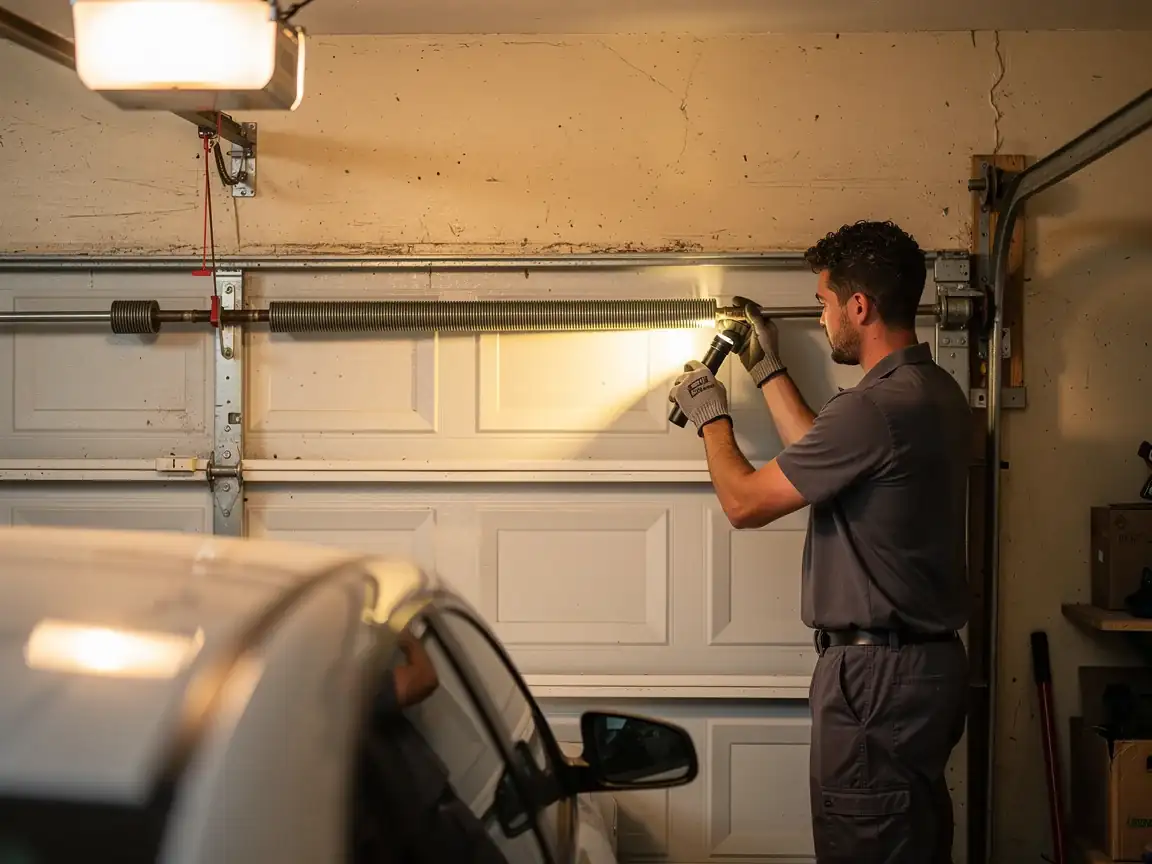
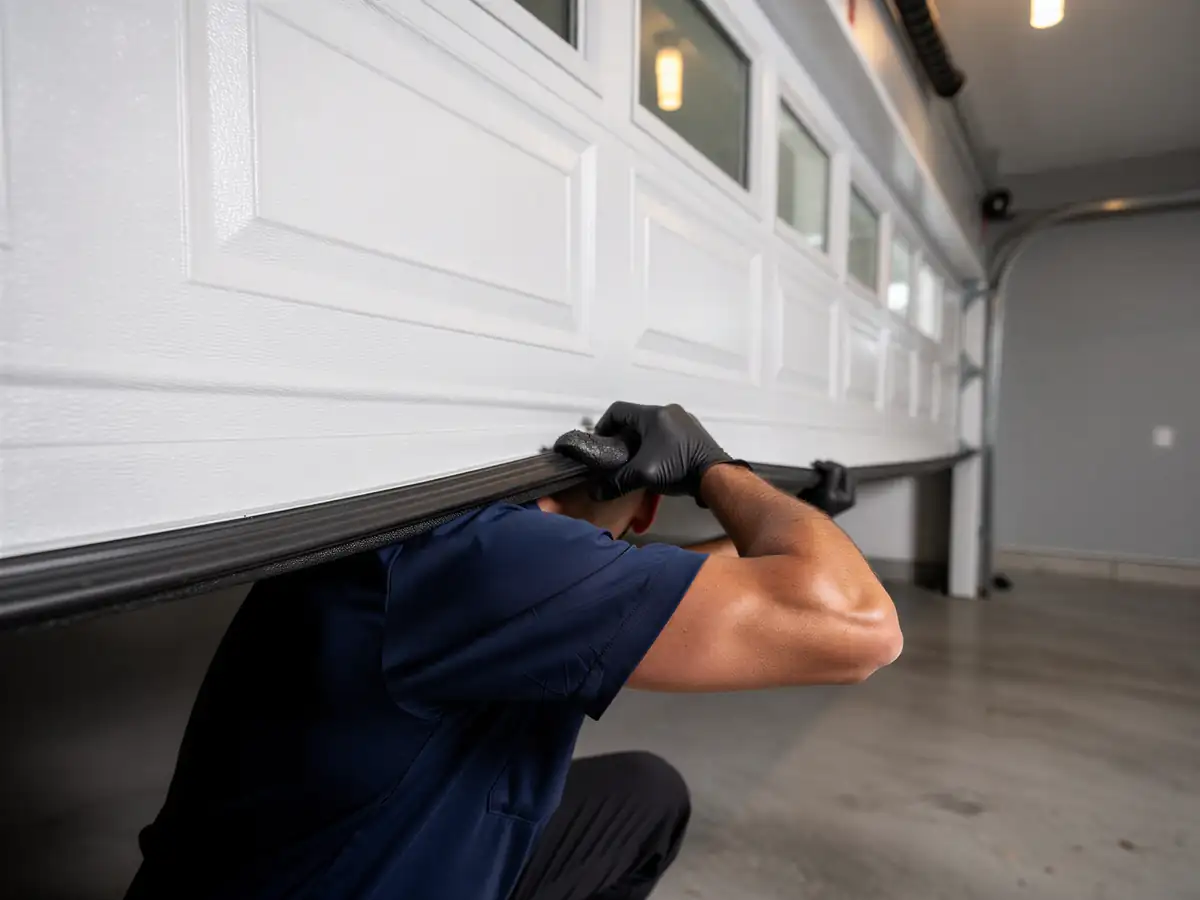
The call we get most is a door that won't move at all - it drops a few inches and stops, or the opener strains and clicks without lifting. That's almost always a broken torsion spring, and on a double door built in that 1962-2005 window, it's often a single-spring setup carrying weight it was never quite sized for to begin with.
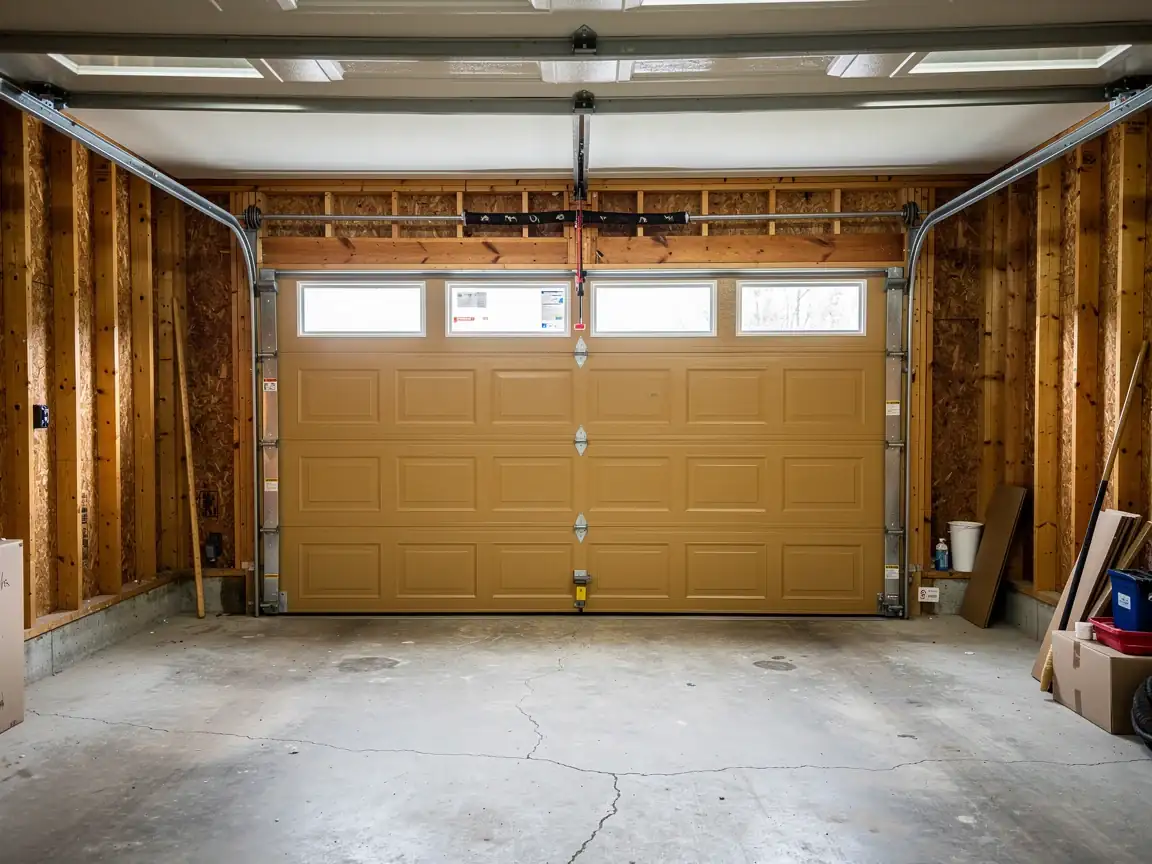
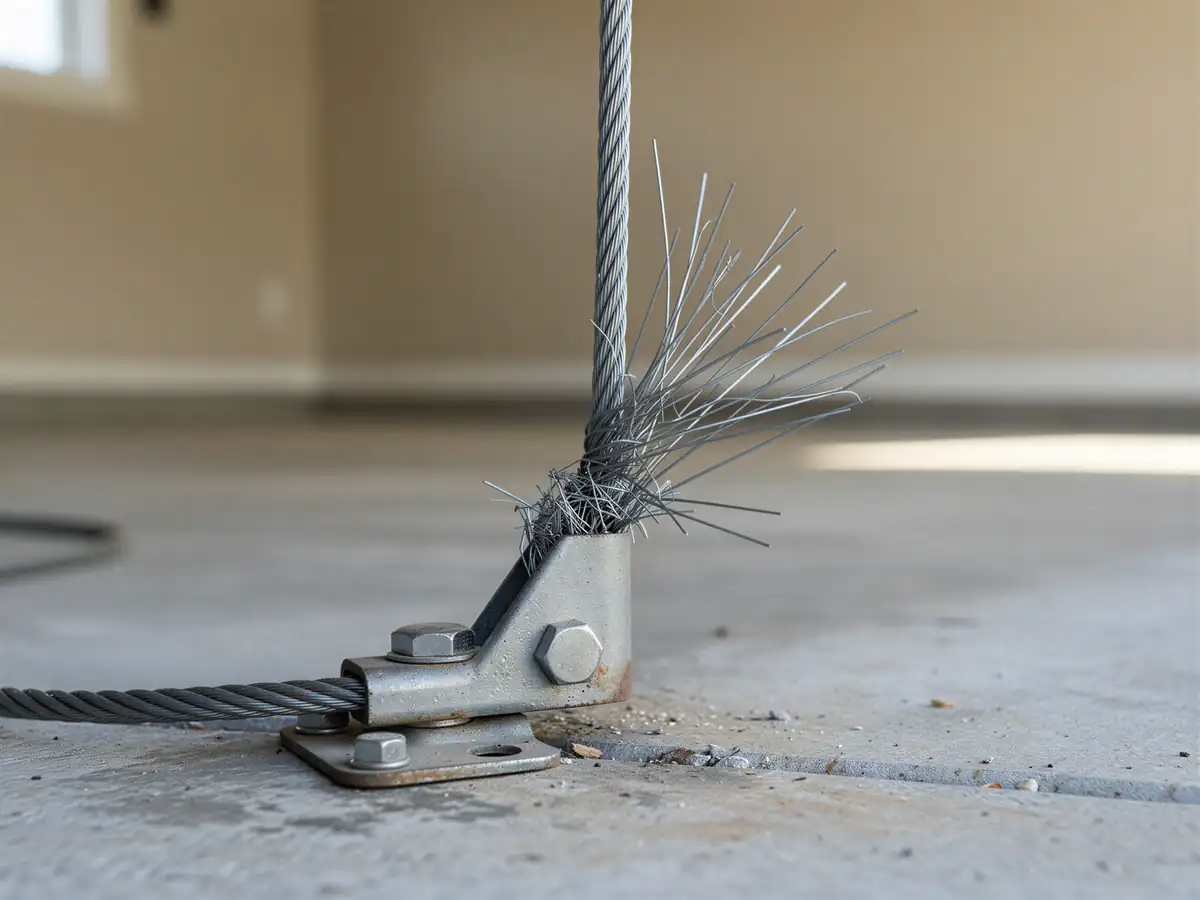
Second most common: a cable that's jumped the drum or frayed through, usually on the side where the door's been slightly out of balance for a while without anyone noticing. You'll see one corner of the door hanging lower than the other, or the door racking sideways in the track instead of coming down level.
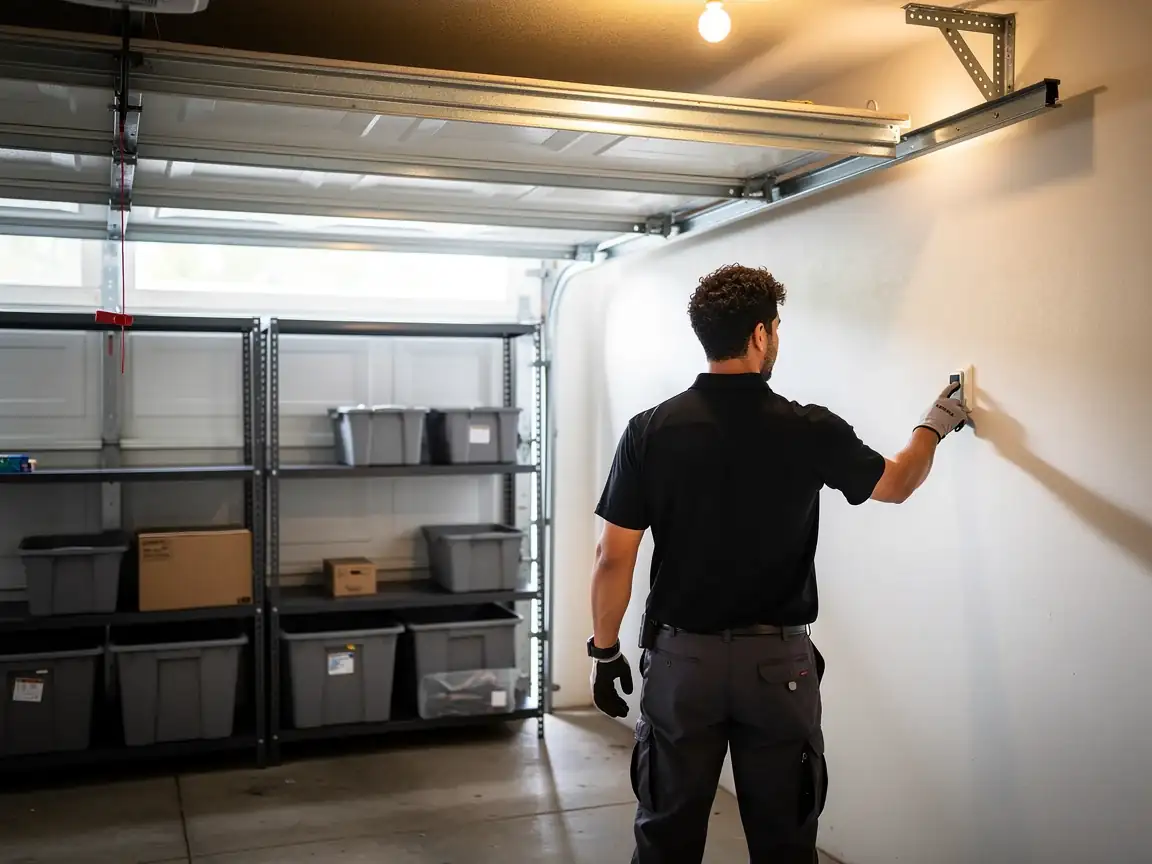
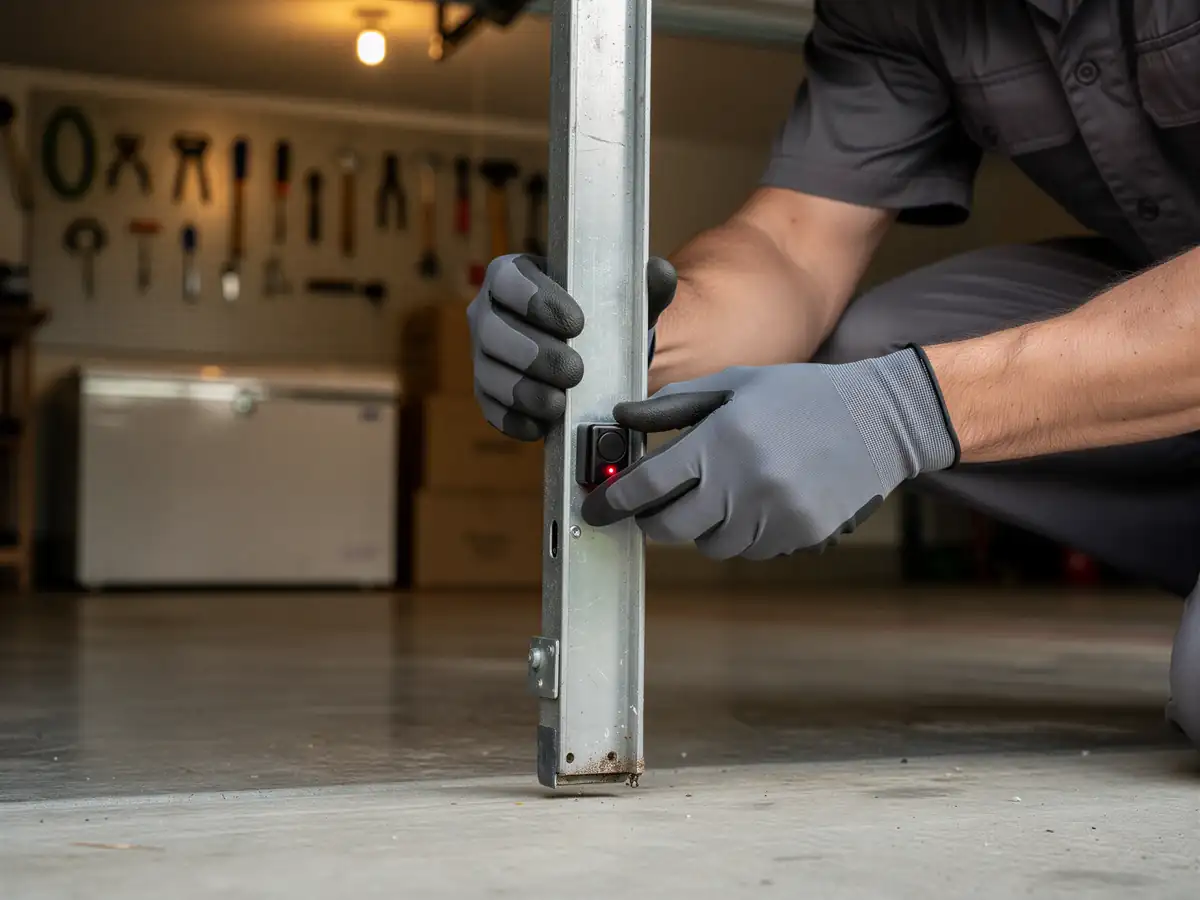
Then there's the opener that runs but the door won't respond - gears stripped inside the unit, or a sensor knocked out of alignment. That one's less dramatic but still locks the car in or out, which is why it still counts as an emergency for most households.
What we're not usually seeing: a door that just needs lubrication, or a remote battery. Those matter, but they're not 2 a.m. calls. If what's wrong is cosmetic or minor, we'll tell you that on the phone instead of running a truck out for it.
Time on the Job
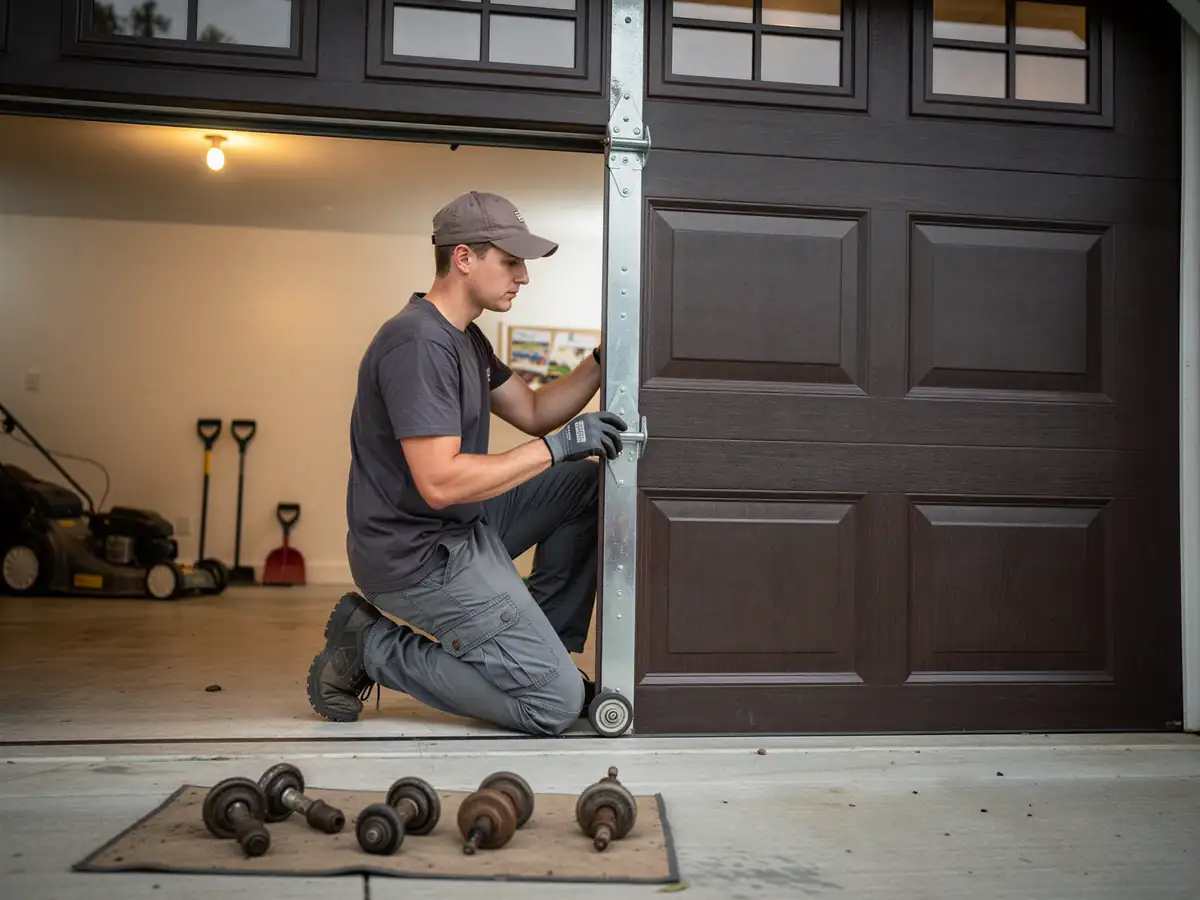
A torsion spring replacement on a standard double door is typically a same-visit fix - we carry common spring sizes because we know how often this exact failure shows up in homes from this era. A cable repair or drum replacement runs about the same.
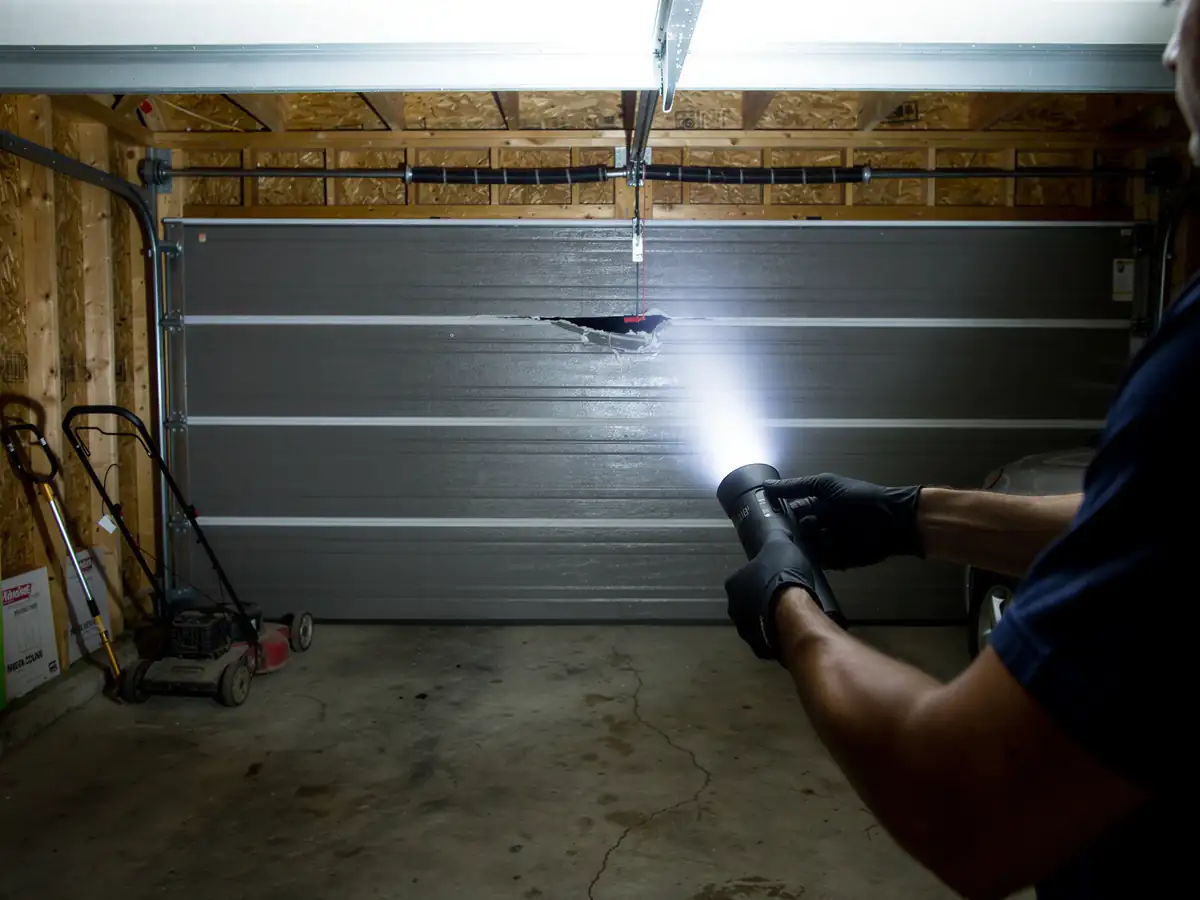
Where it slows down is anything involving a bent track, a damaged panel, or an opener that needs a part we don't carry on the truck. Panels and certain opener gear kits sometimes have to be ordered, and that's the honest limitation here: if your door is an older or less common model, we may not have the exact panel in stock, and you're looking at a short wait instead of a same-day finish. We'll always tell you upfront if that's the situation rather than stringing you along.
The Cost of This Job
What drives the bill on an emergency repair isn't the emergency part
It's which component failed and how many of them. A single broken torsion spring on a double door is a narrower job than a spring plus a damaged cable plus a bent roller, which is what you sometimes get when a door's been limping along out of balance for a while before it finally fails.
Given that household incomes across this service area run a median around $63,423
We try to be straight about what's actually broken versus what's merely worn. If a cable's frayed but the drum and spring are fine, we're not going to sell you a full hardware replacement. If the opener's gearing is stripped but the motor's sound, we replace the gear kit, not the whole unit. We can't quote an exact number without seeing the door, since spring size, door weight, and panel condition all move the price, but we'll give you a number before we start, not after.