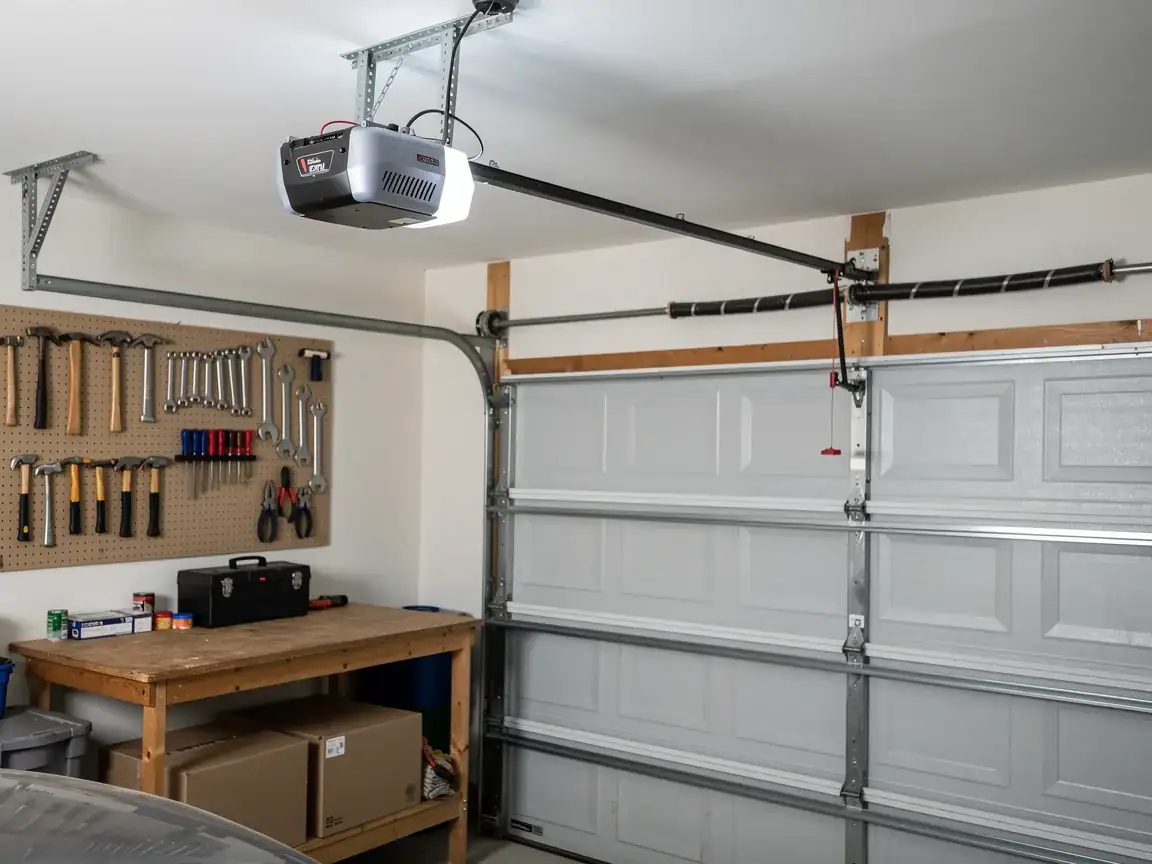
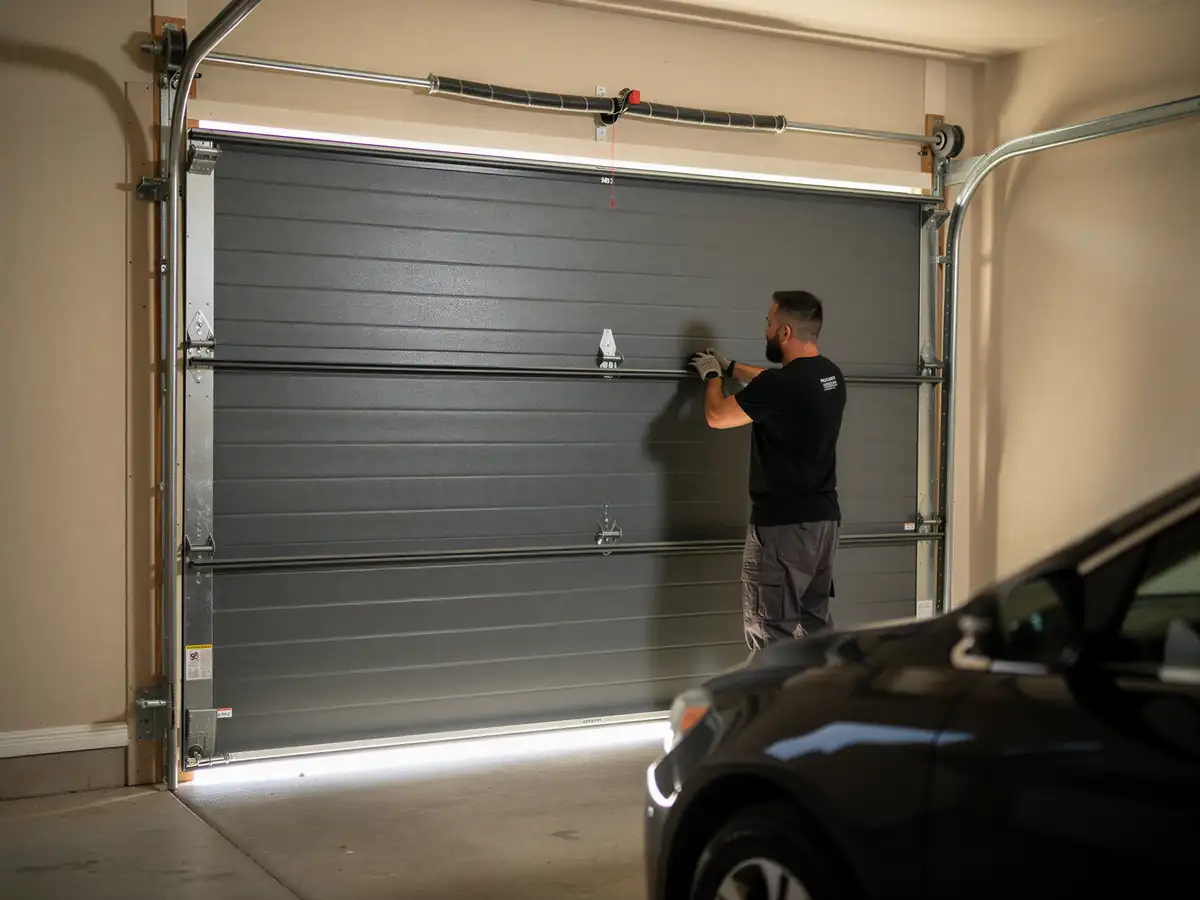
Opener grinding, reversing, or dead on a Sunrise home built between 1962 and 2005? We diagnose the gear, board, or sensor fault and quote the fix on site.
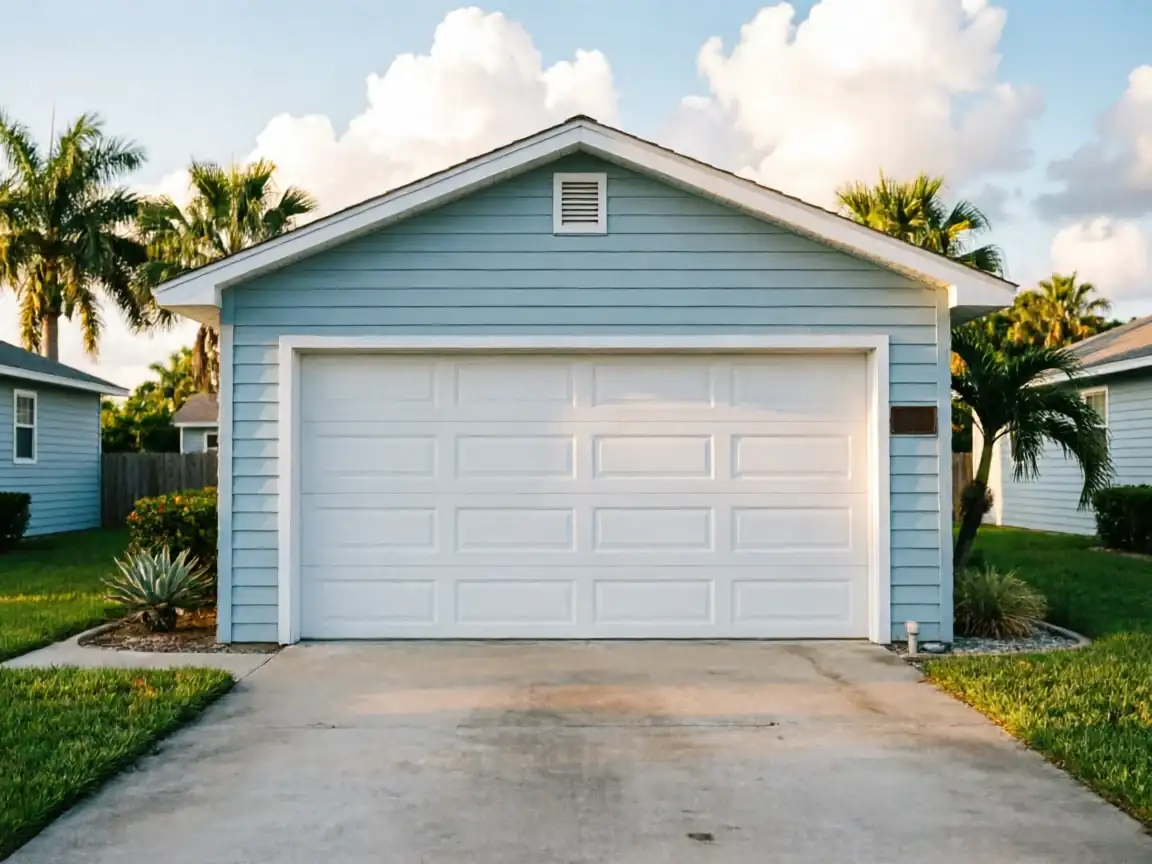
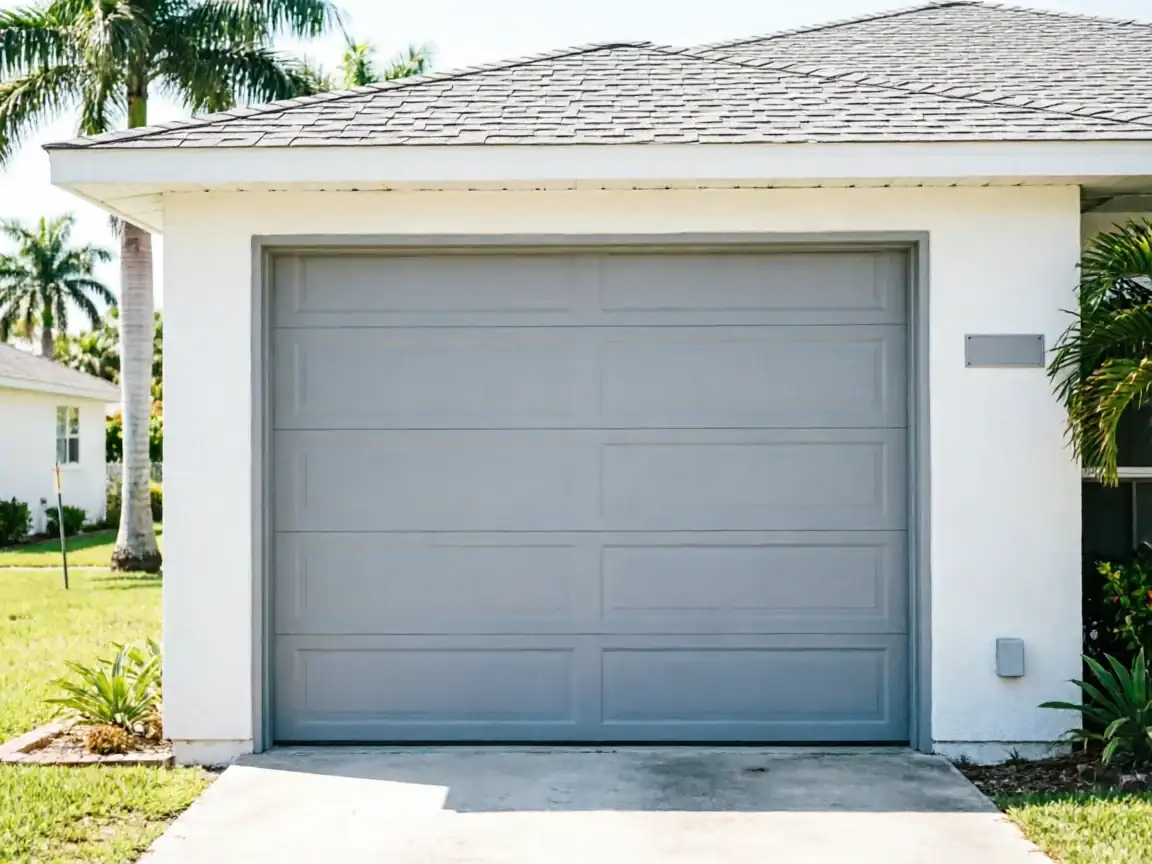
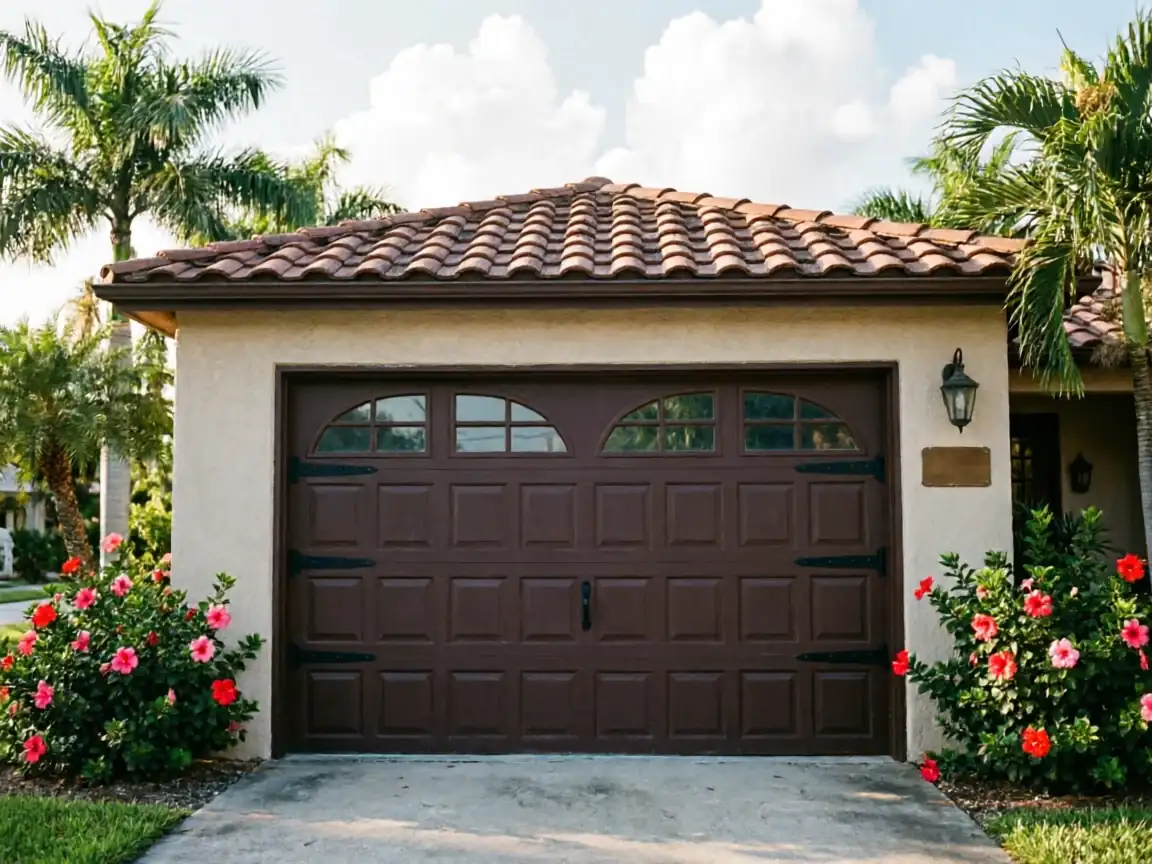
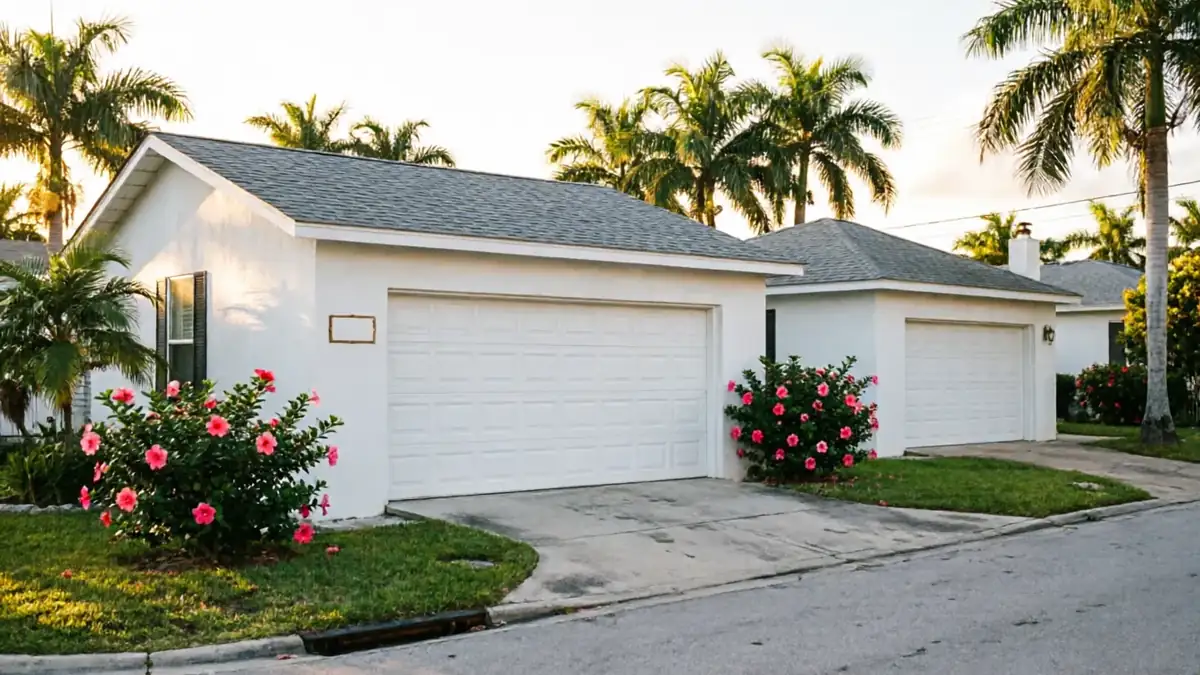
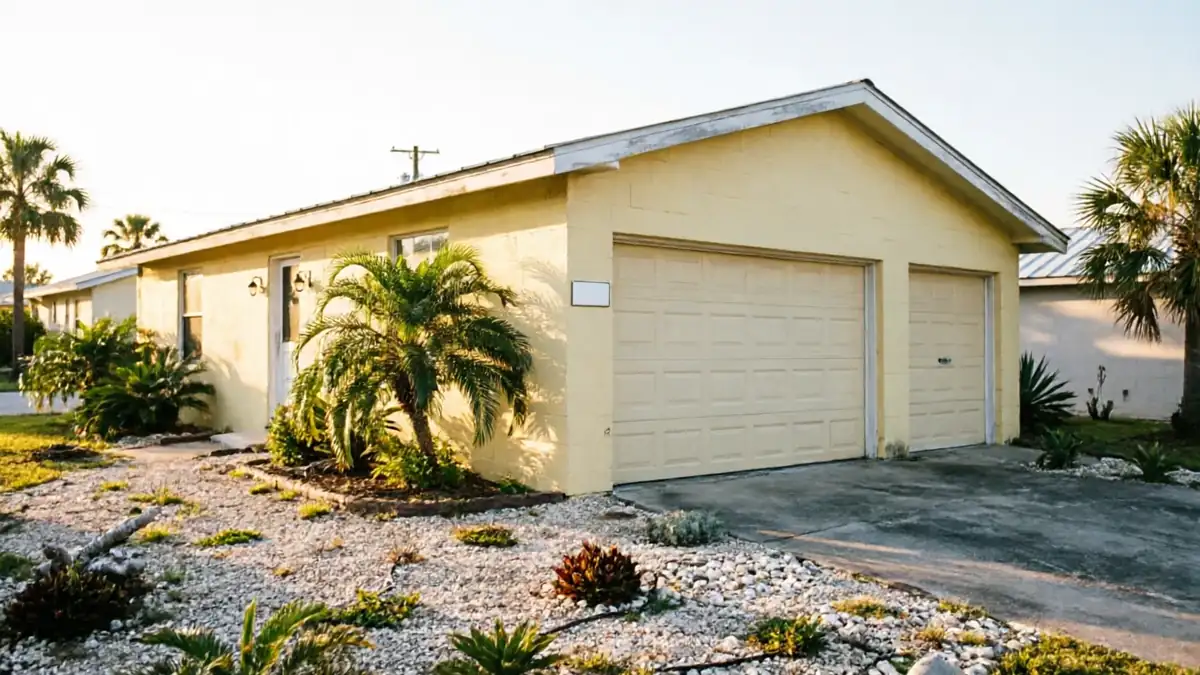
Most houses in this part of Broward County went up between 1962 and 2005, with a lot of that stock clustered in the 1960s and 70s across the 25 or so named neighborhoods that make up this service area. That matters for openers because a huge share of those original units, or their first replacements, are now on their second or third logic board, and the gears inside the older chain-drive models are plastic that was never built to run forty, fifty years. Heat is the other half of it. This is a mild temperate zone with no real winter stress on the hardware, but garages here still sit in the 80s and 90s for most of the year, and that steady warmth dries out opener gearbox grease faster than a four-season climate would. You end up with a motor that runs fine but a gear that's stripped, or a capacitor that's cooked from sitting in a hot attic-adjacent garage for two decades. It's less a weather-event problem and more a slow-cook problem - the kind that shows up as a sudden failure but was years in the making. None of this is Sunrise-specific drama, it's just what forty years of continuous mild heat does to a plastic gear and a sealed circuit board.
What You Are Seeing
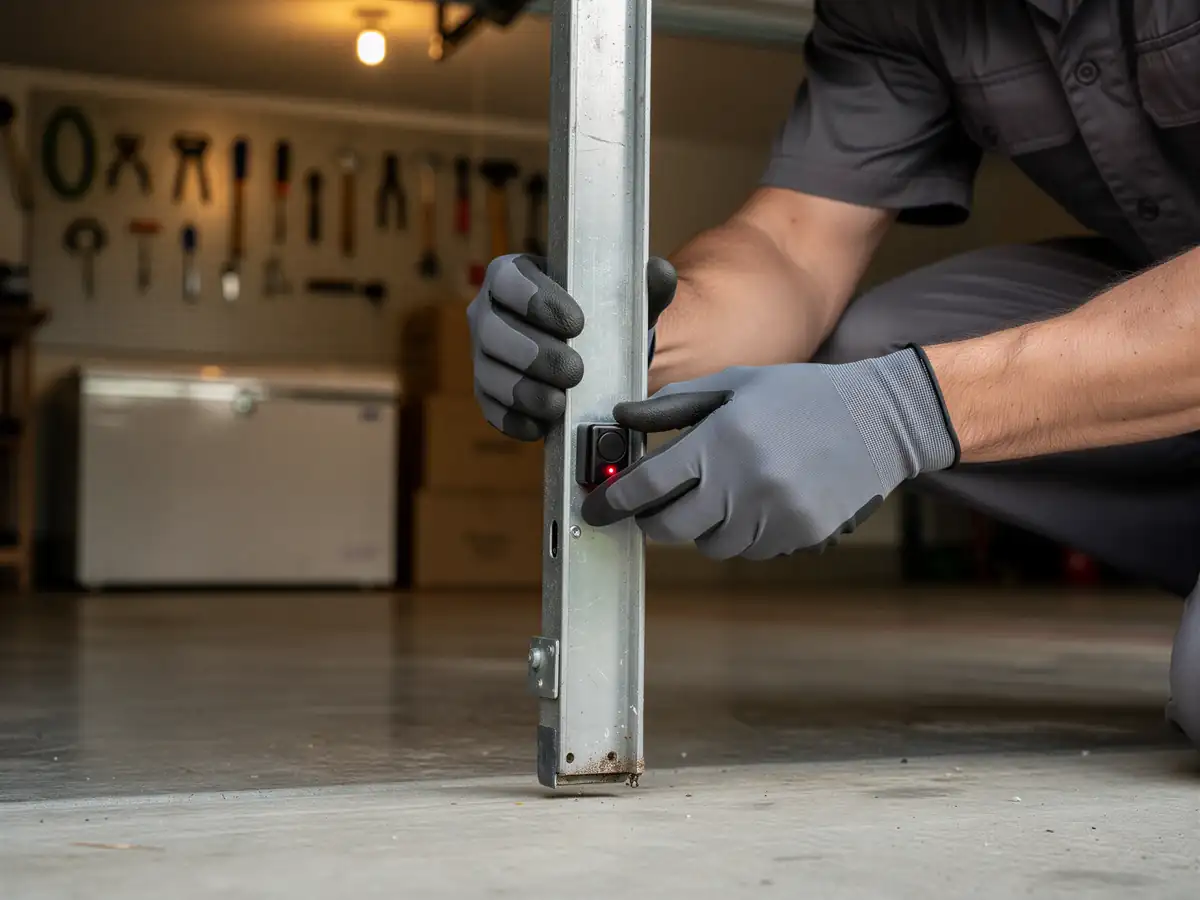
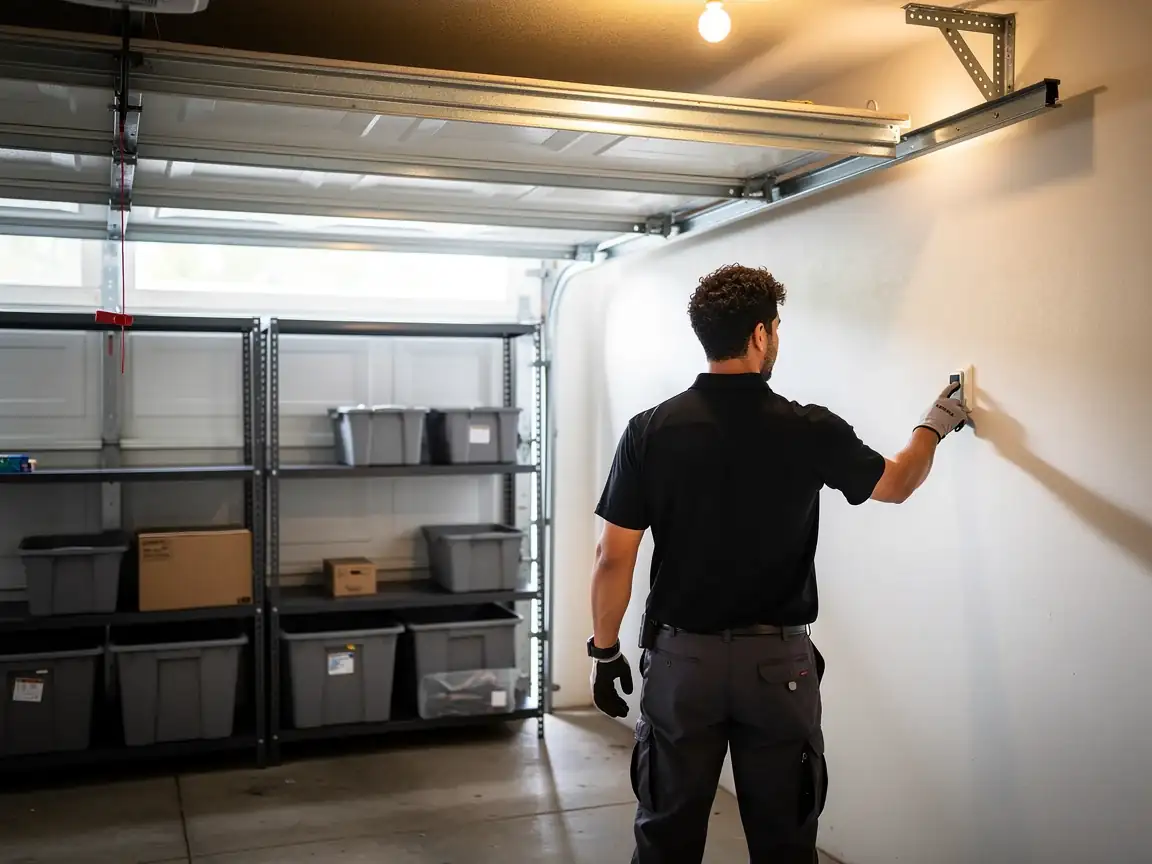
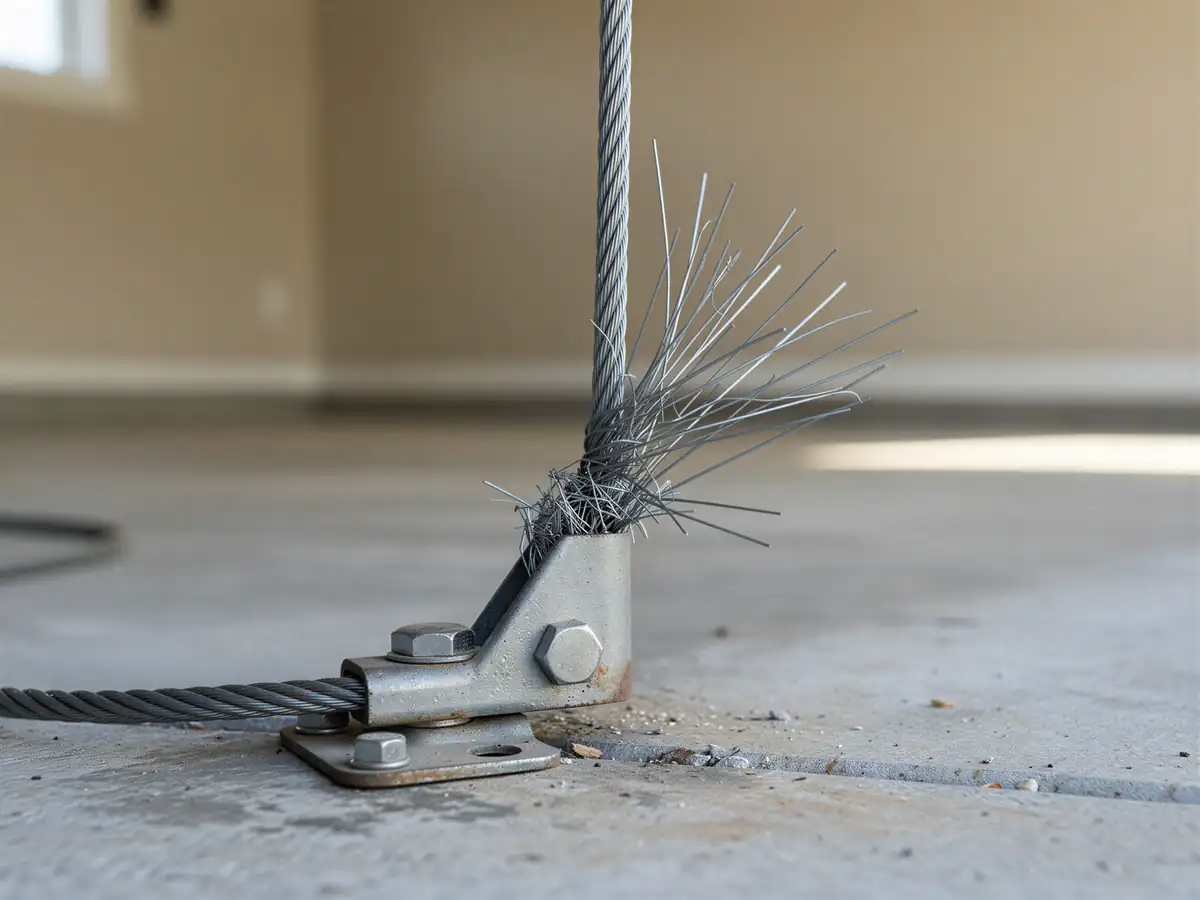
The calls we get break into a short list. The door doesn't move at all and the opener light doesn't come on - usually a dead capacitor or a tripped breaker feeding an older unit. The opener runs but the door doesn't move - that's almost always a stripped drive gear, common on chain-drive openers original to houses from the 1960s-70s wave. The door reverses right before it closes, or won't close at all unless you hold the button - that's a safety sensor out of alignment or a logic board losing its mind, both of which show up more often on openers that have been running fifteen-plus years in a hot garage. And then there's the remote that works sometimes, from some angles, which is usually a dying circuit board rather than a remote battery. We check which of these it is before we touch anything, because a gear job and a board job cost different money and take different time, and guessing wrong wastes your afternoon and ours.
Time on the Job
A stripped gear kit or a bad capacitor is a same-visit fix once we've confirmed that's the problem - we carry the common gear kits because we see that failure often enough in opener units from this era. A logic board replacement depends on whether we're matching an older chassis; some of the opener models original to homes built before the 1990s use boards that aren't on the truck and need to be ordered, so that one can turn into a two-trip job. Sensor alignment and wiring faults are usually fifteen minutes once we're looking at them, but they're easy to misdiagnose over the phone, which is why we don't quote a fix sight unseen. If your opener is original to a house built in the 1970s or early 80s, we'll tell you straight when the unit itself is the real problem and a repair is just delaying a replacement you'll need anyway.
The Cost of This Job
We don't have a flat number to print here because gear kits, boards, and sensors price out differently and we're not going to guess at a figure that doesn't match your opener. What we can tell you is how we price on site: we diagnose first, we show you what's actually broken, and we quote before any work starts. Given the median household income in this service area sits around $63,000, we know most people calling about an opener aren't shopping for a luxury fix - they want the door working again without paying for parts they don't need. If the failure points to an opener that's near the end of its life rather than one bad part, we'll say so, because recommending a repair on a unit that's going to fail again in six months isn't a favor to anyone.
How it works
From “it’s stuck” to “it’s fixed”
01
Tell us what’s wrong
Describe the symptom - won’t open, loud bang, opener runs but the door won’t move.
02
On-site diagnosis
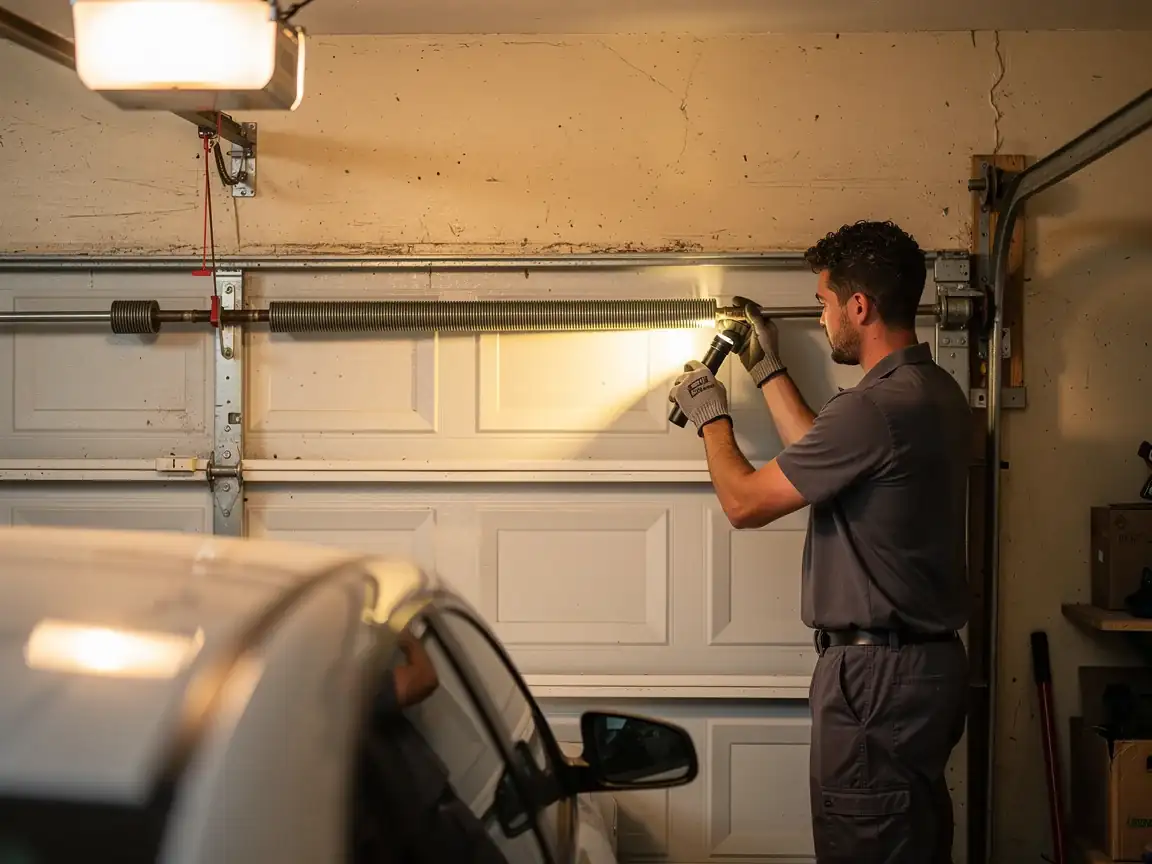
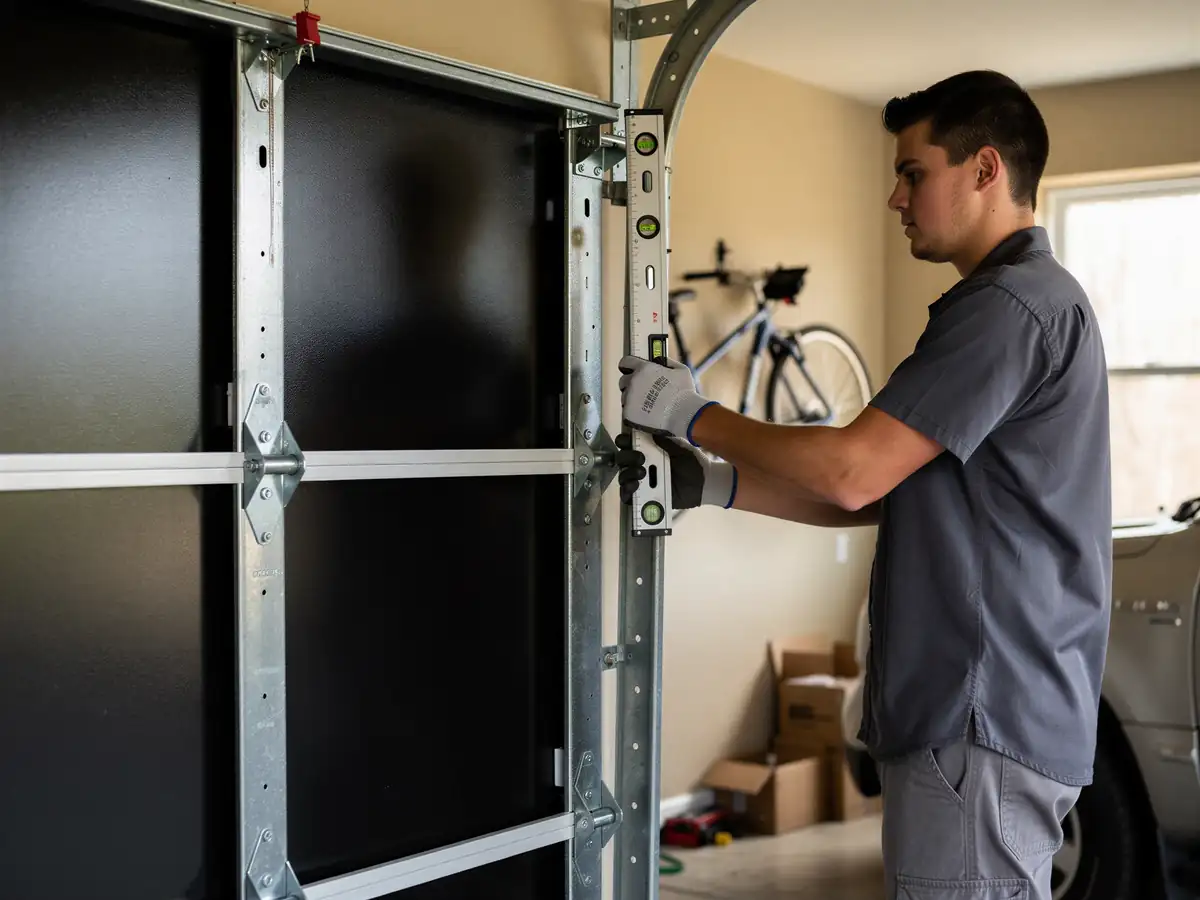
A technician tests the door under power and by hand and finds what actually failed.
03
Clear, up-front plan
You get the fix that’s needed and what drives the cost - before any work starts.
04
Repaired & tested
The repair is done, the door is set true and tested, and the work area left clean.
Not sure which repair your door needs in Sunrise, FL? Describe what it’s doing - every job starts with a diagnosis.
Why does my opener work fine in the morning and jam by afternoon?
That's a heat-expansion issue, common in this climate where garages run warm most of the year. Metal track brackets or a slightly misaligned sensor can shift just enough as things heat up to cause an intermittent reverse or stop. We check alignment under actual working conditions, not just at rest.
Is it worth repairing an opener from the 1970s or 80s?
Sometimes, if the fault is a simple gear or capacitor. But boards for chassis that old are getting hard to source, and if we can't get the part same-visit, you're looking at a second trip. We'll tell you honestly when a repair is throwing money at a unit that's near the end anyway.
My remote only works sometimes - is that the opener or the remote?
Usually the opener's receiver board, not the remote battery, especially on units over ten years old. A failing board gets inconsistent at reading the signal before it quits entirely. We test the receiver directly rather than replacing a remote that was never the problem.
Do you service openers in neighboring areas like Tamarac or Lauderhill?
Yes, this service area covers Sunrise and the surrounding towns including Tamarac, Lauderhill, Lauderdale Lakes, and North Lauderdale. Each area has its own page with local detail; this page covers the opener repair service itself.
Ready to get your garage door sorted?
Tell us what it’s doing and where you are in Sunrise - we’ll take it from there.