Why It Happens Here
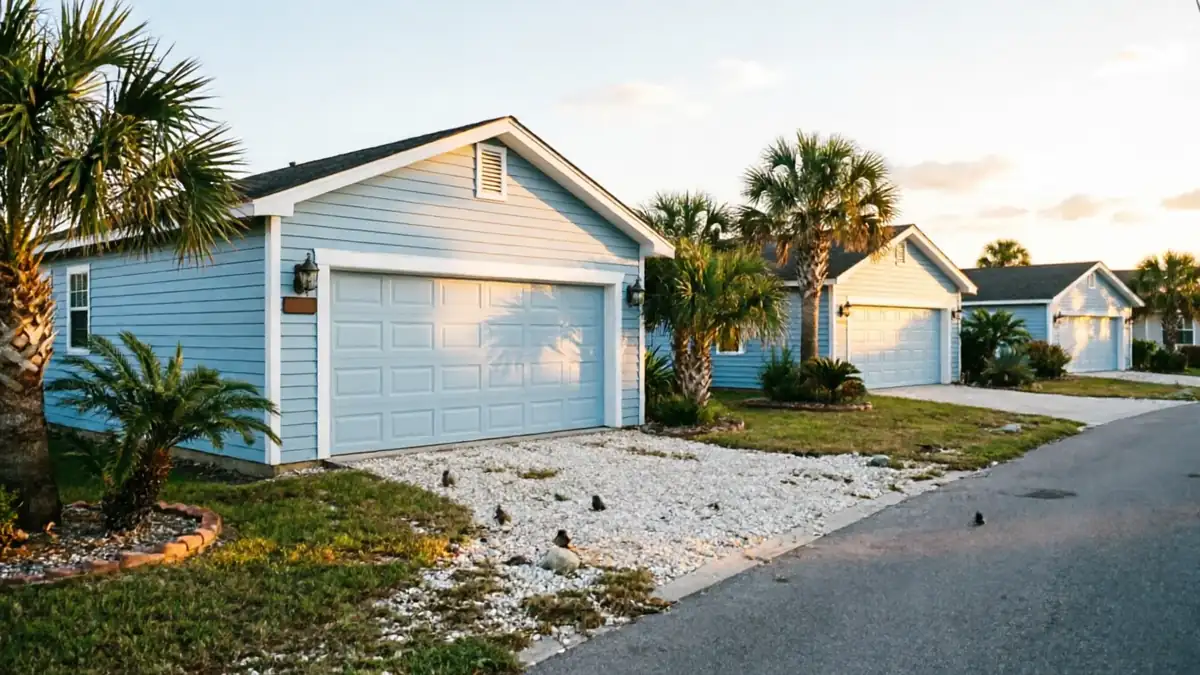
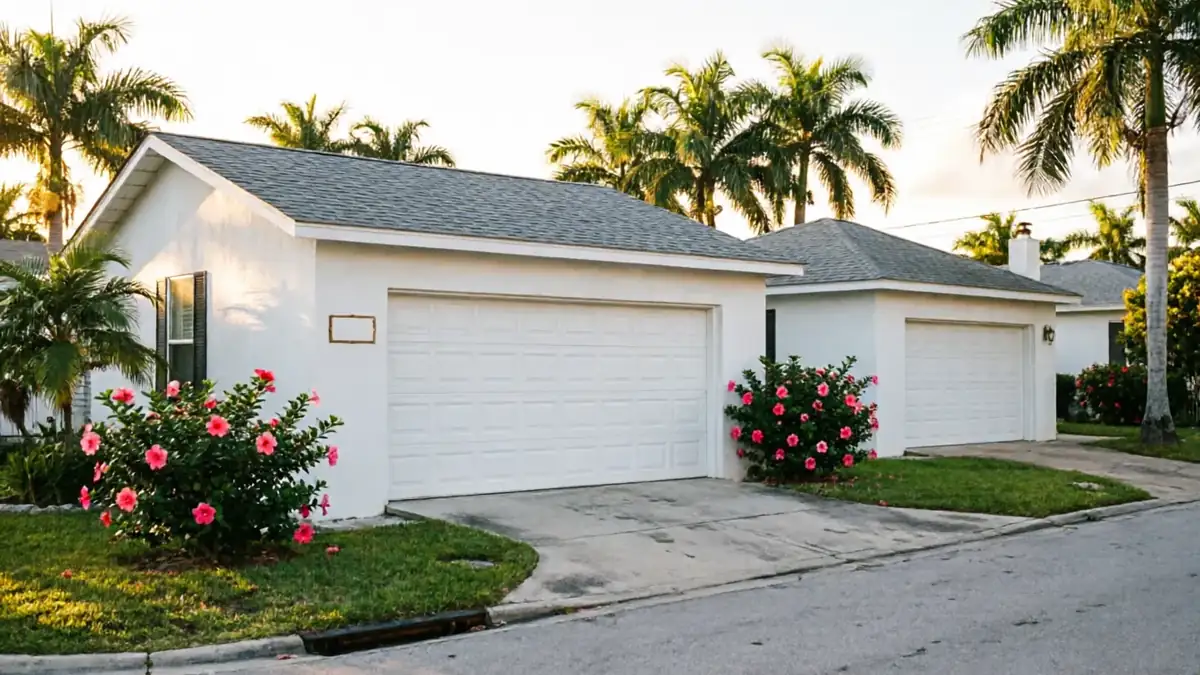
Most of the houses we work on in Sunrise went up somewhere between 1962 and 2005
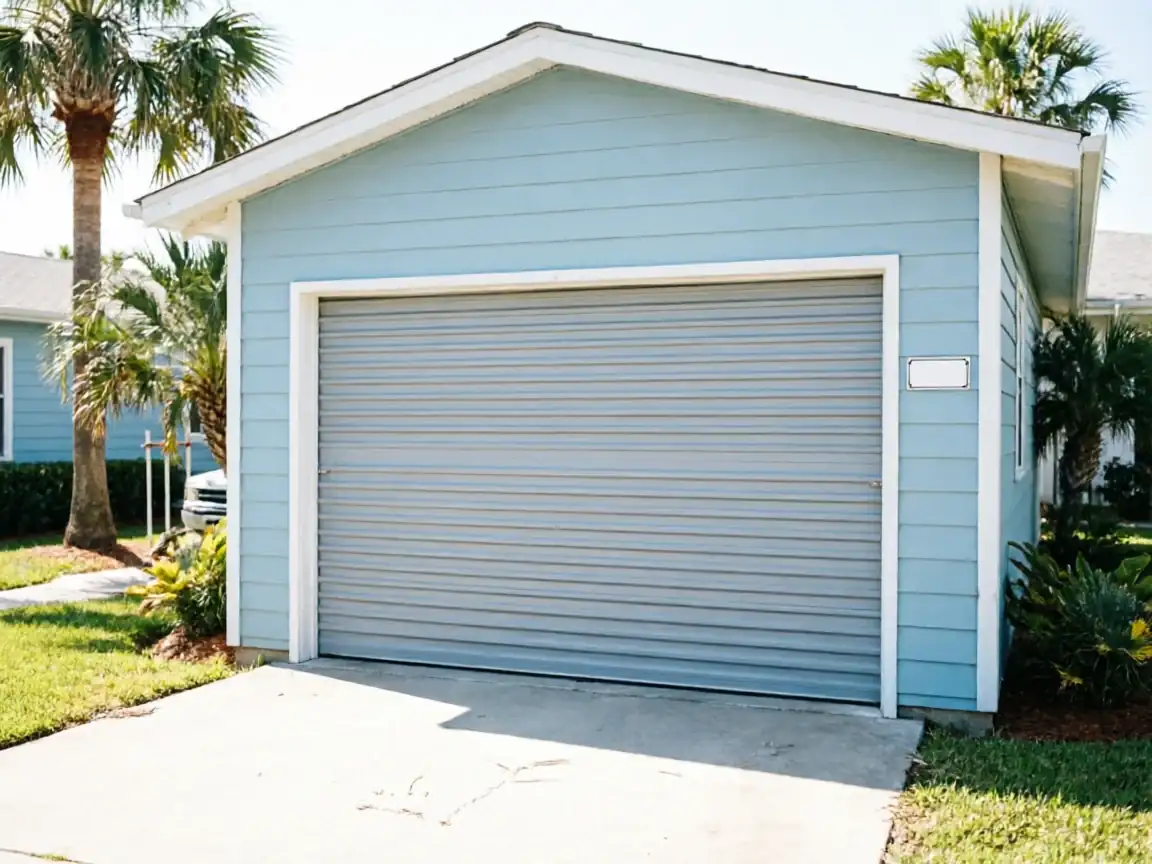
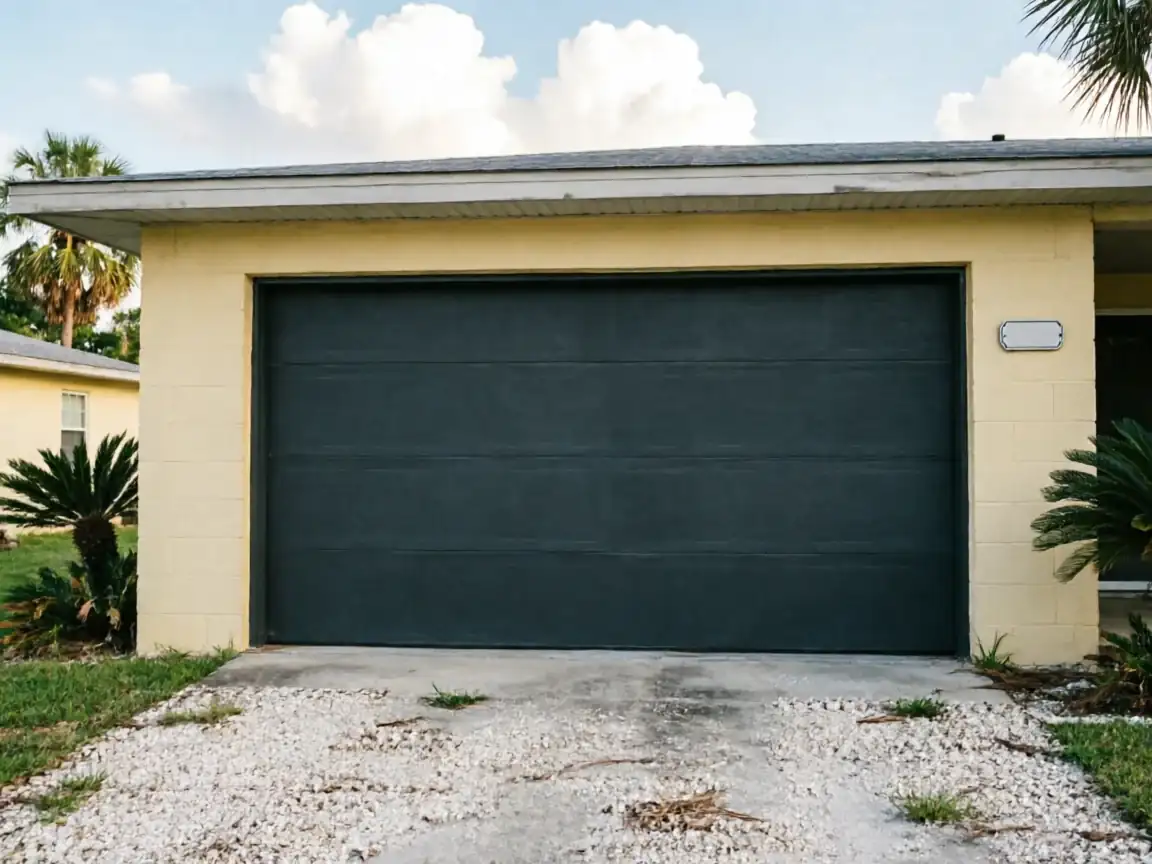
With a lot of that stock clustering around the mid-1970s. That means a big share of the doors we touch are original to houses that are now pushing fifty years old, or they're a second-generation door installed on hardware that's still original. Across the 25 named areas that make up this part of the county, the pattern repeats: 1960s and '70s construction with steel tracks and springs that were never swapped out, because nobody thinks about a garage door until it stops working.
The other factor is the climate
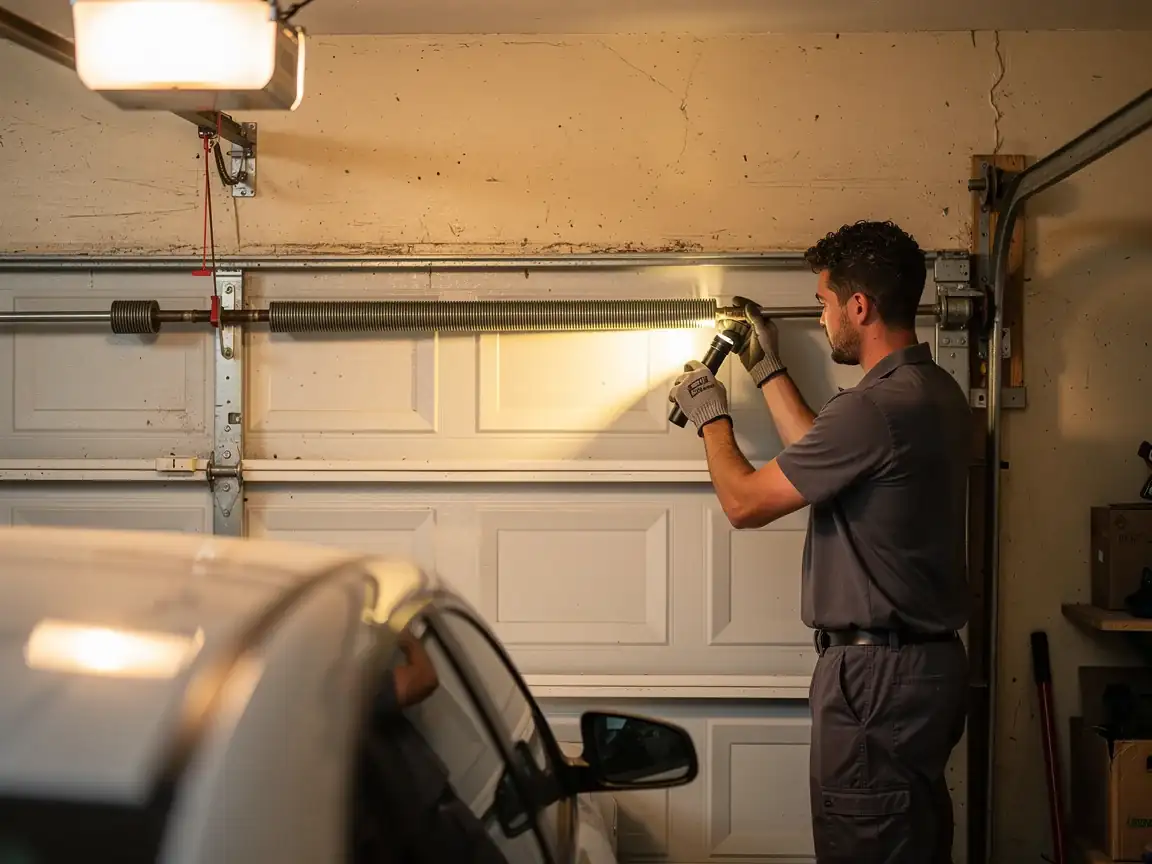
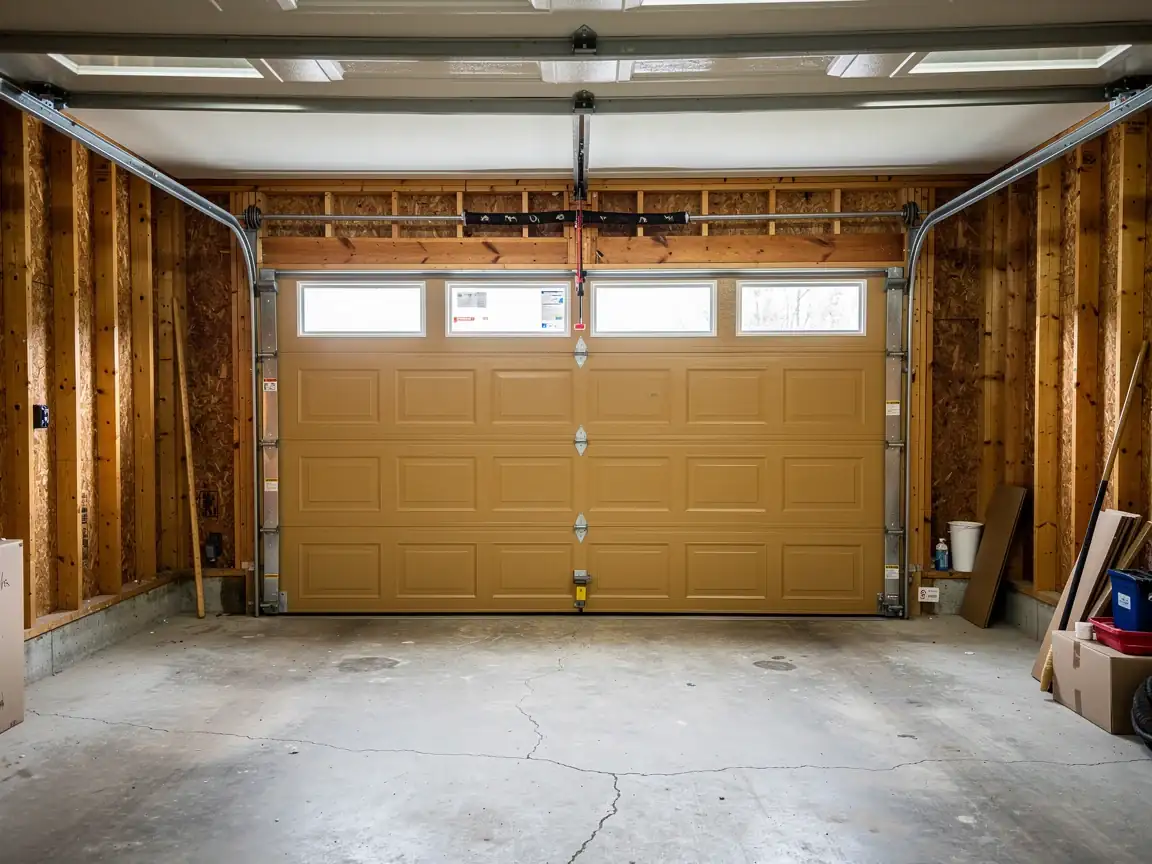
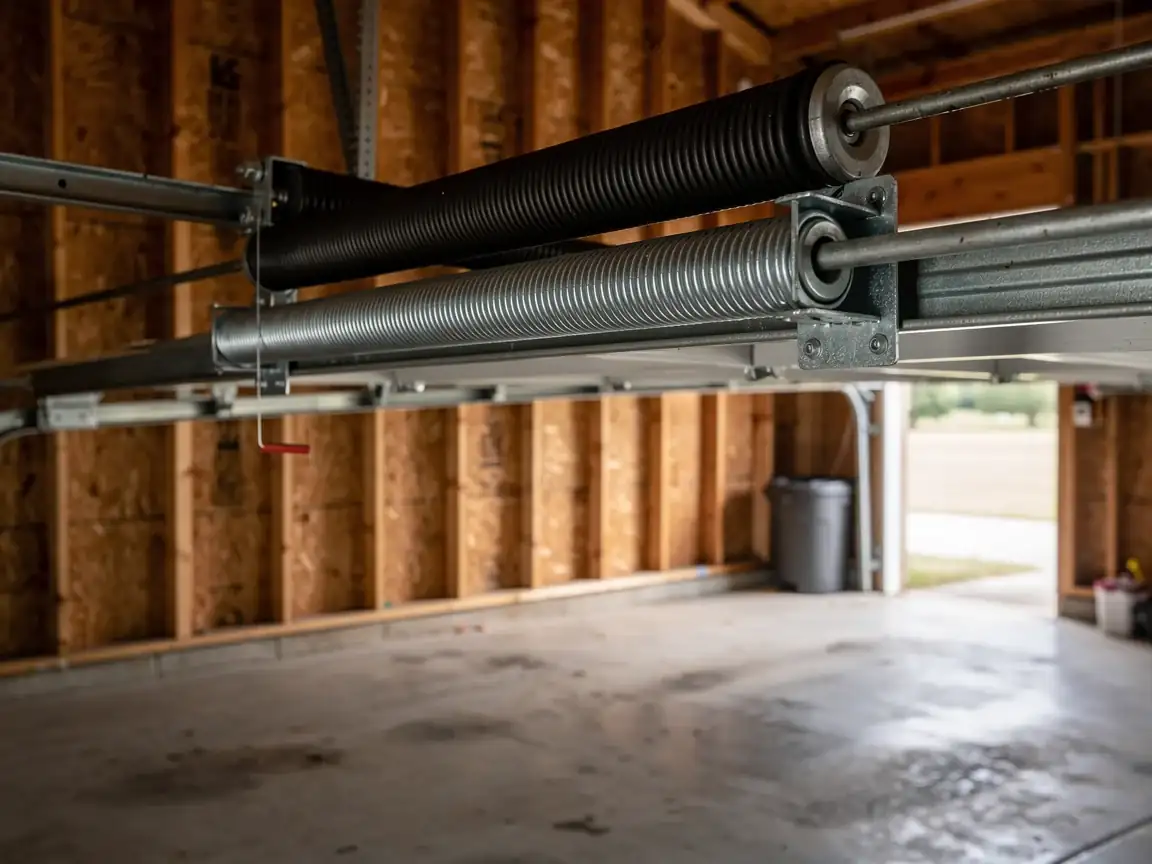
This is a mild temperate zone, so we don't get the freeze-thaw cycles that crack concrete slabs or warp wood jambs up north. What we do get is steady humidity and salt-laden air drifting in off the coast, which works on exposed springs, hinges, and bottom brackets year-round instead of seasonally. A spring that might last fifteen years somewhere dry can start showing rust pitting well before that here, and rust-weakened coils don't fail gently - they fail suddenly, usually when you're already late for work.
What You Are Seeing
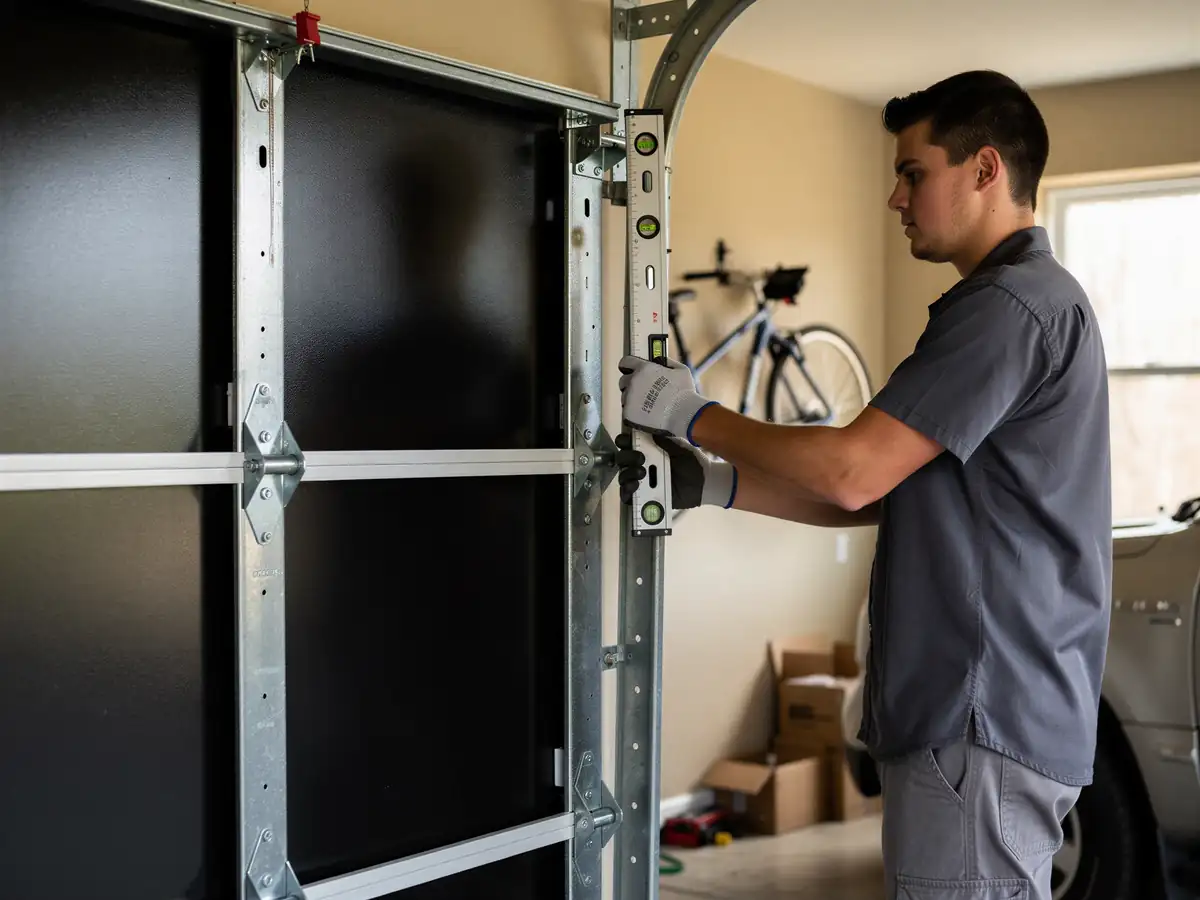
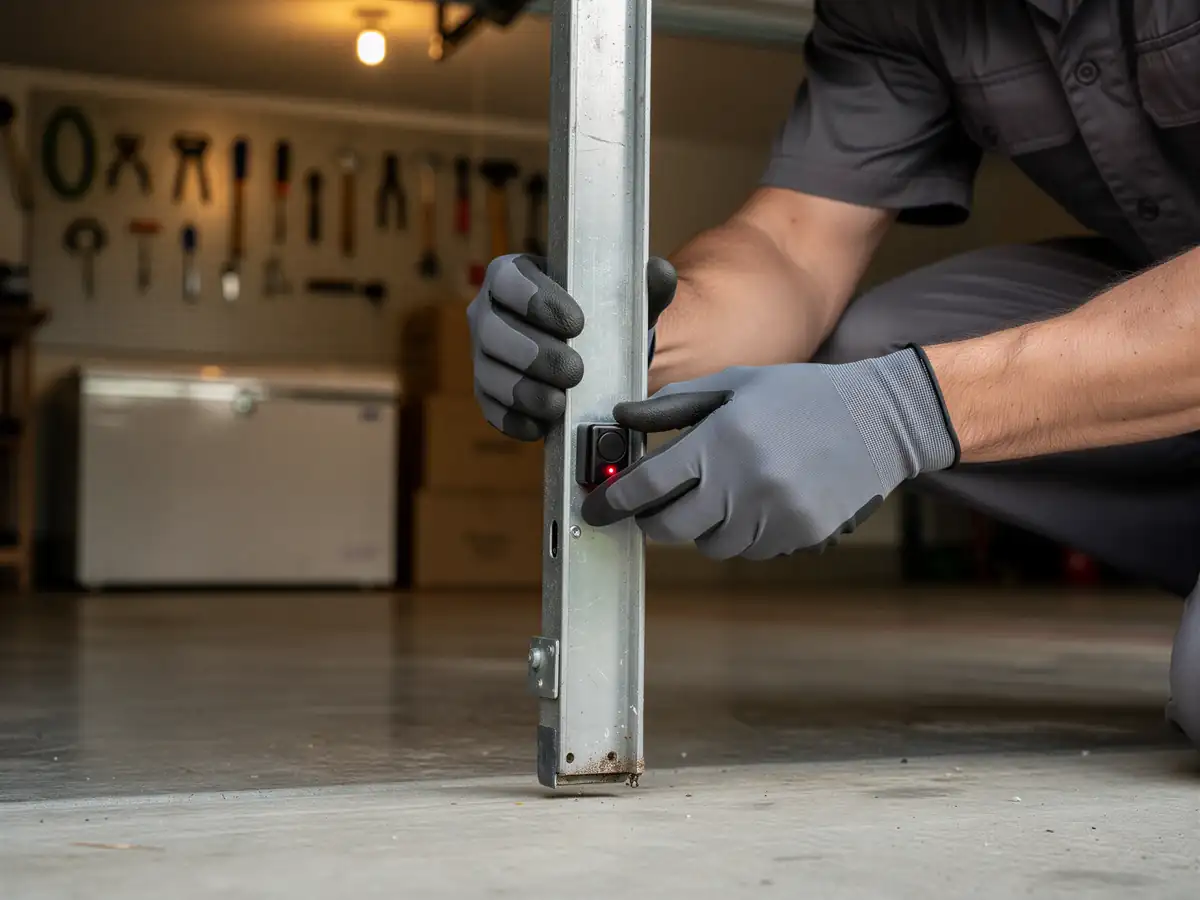
If your door is from that 1962-2005 build window, the symptoms tend to follow a script. A door that groans or jerks partway up is usually a torsion spring losing tension unevenly, not an opener problem. A door that reverses itself halfway down, or won't close all the way, often points to a sensor that's drifted out of alignment or a roller that's worn its track groove wide enough to bind.
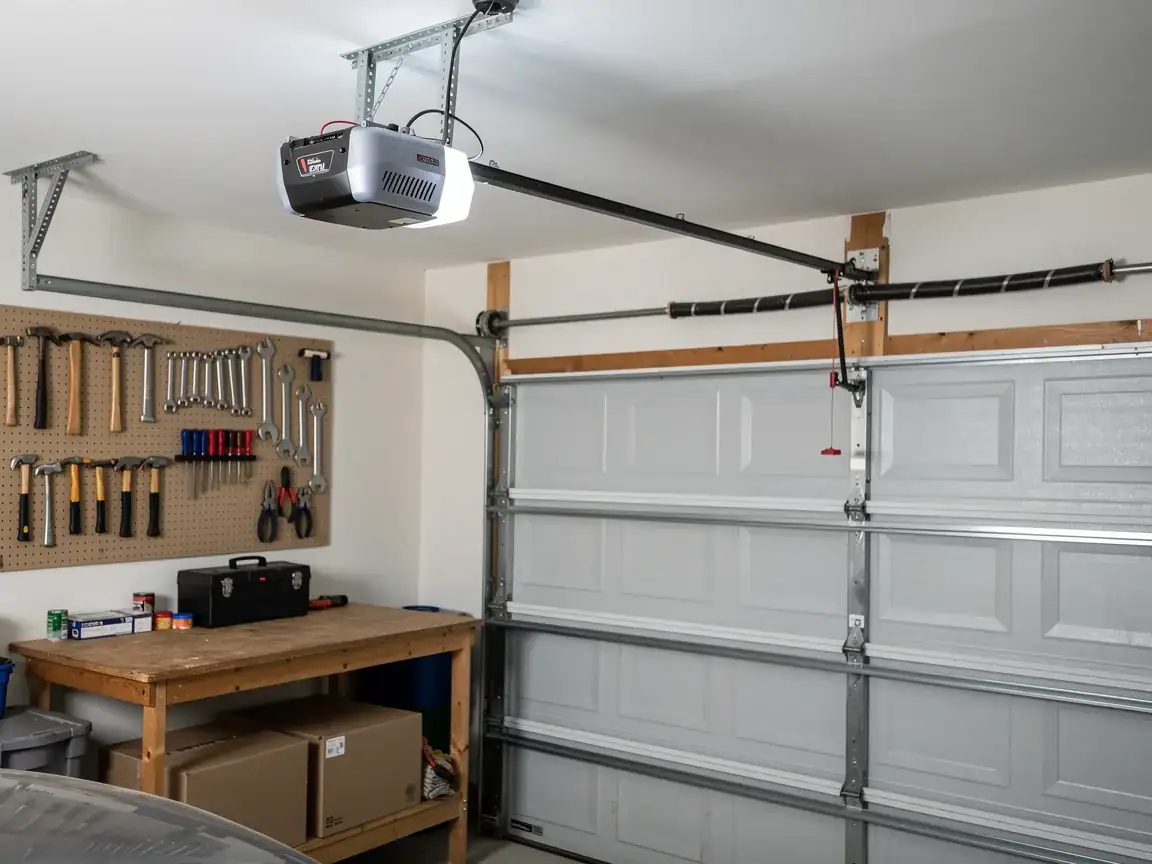
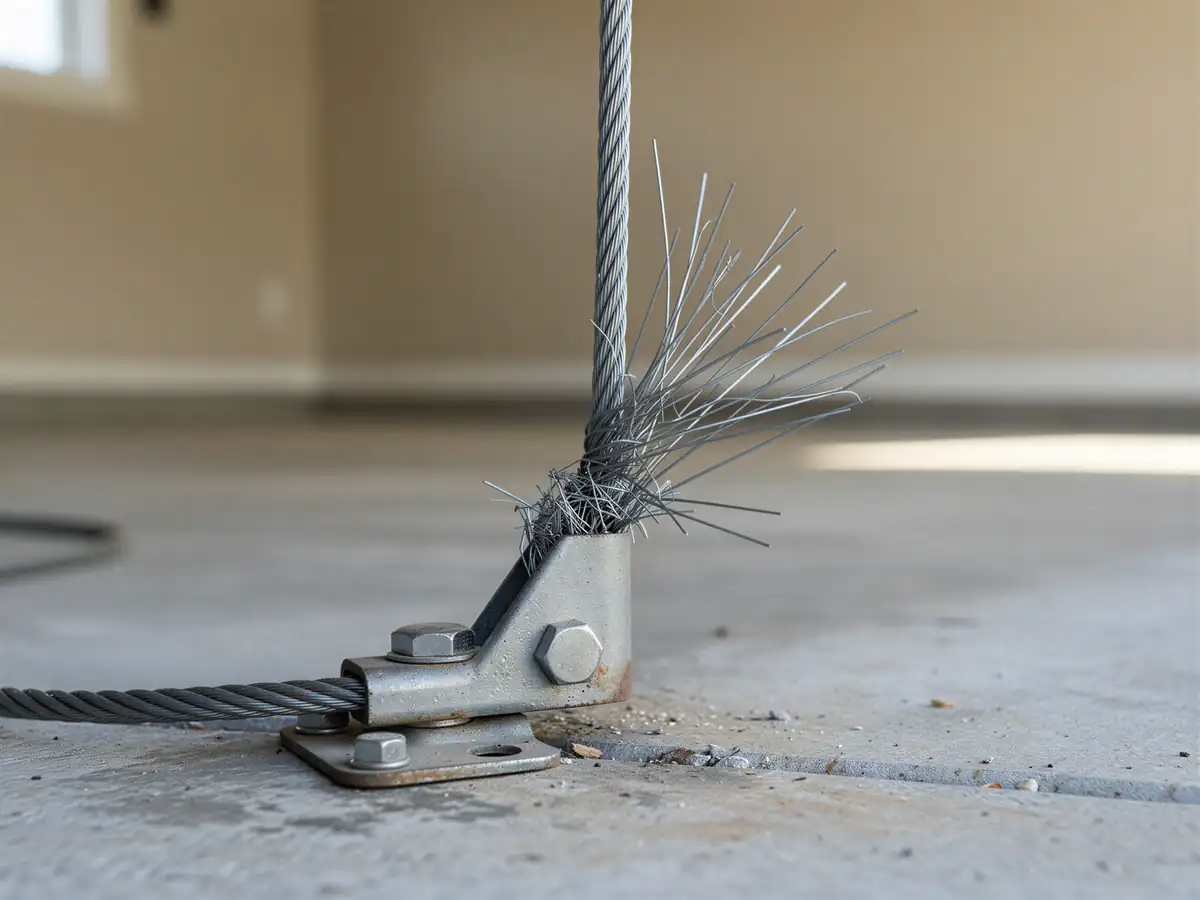
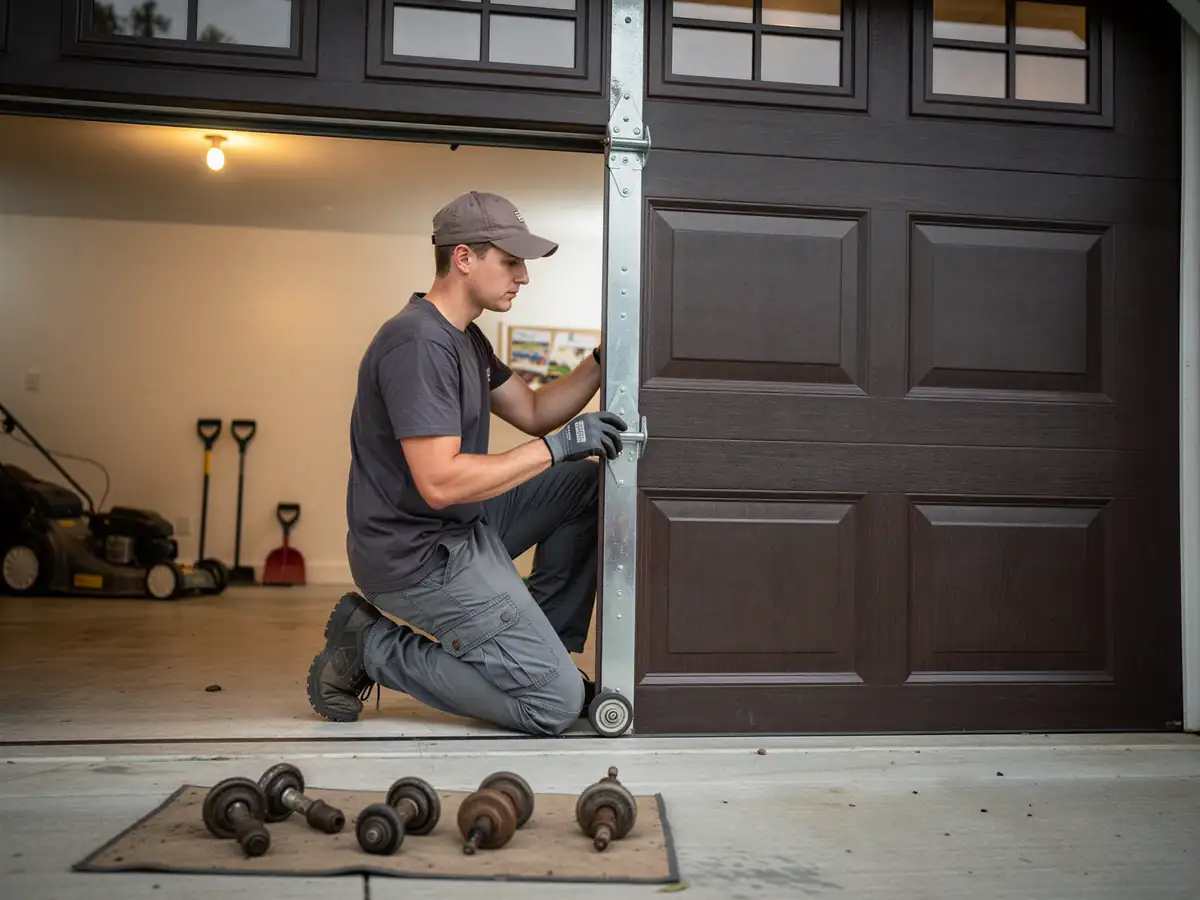
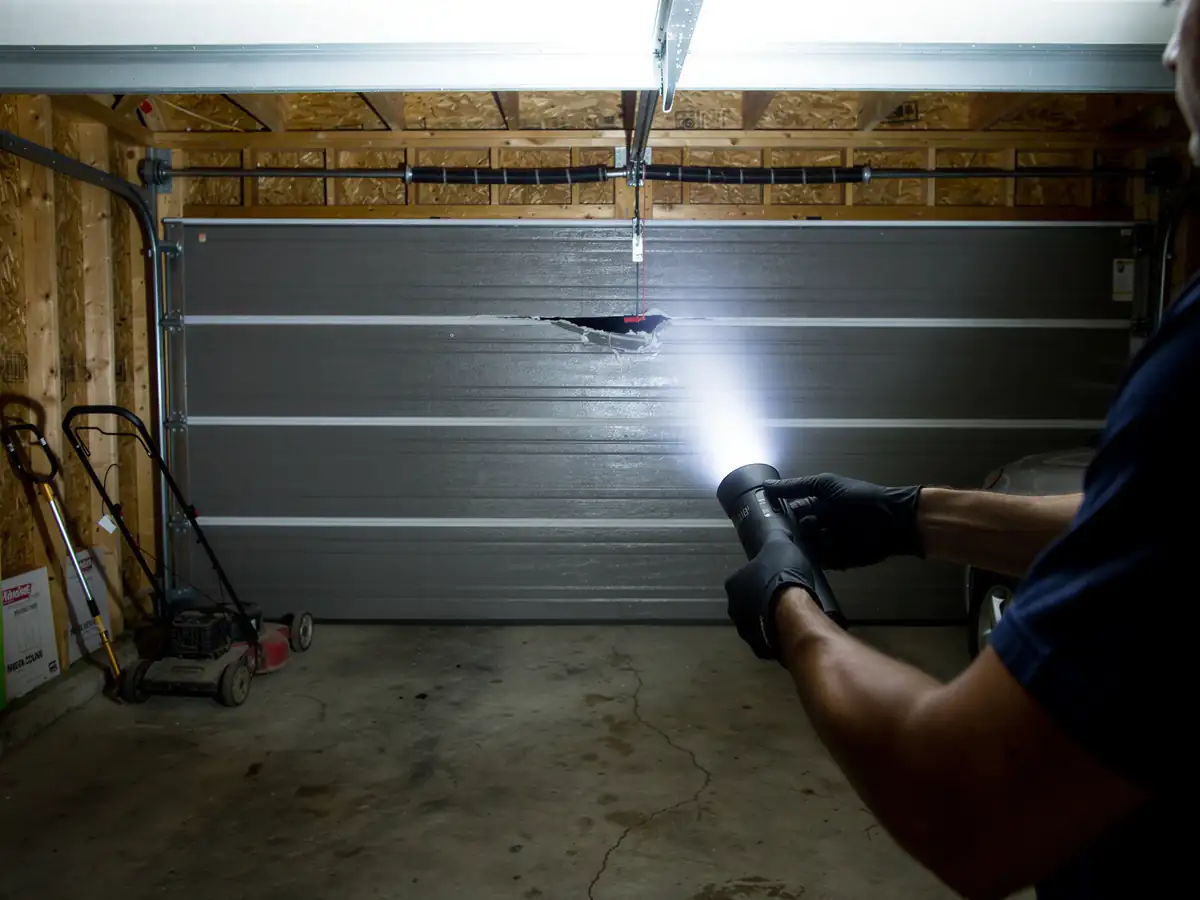
On the older end of that housing range, we also see galvanized rollers that have gone from round to oval, which is a slower failure - the door just gets noisier and stiffer over months, not days. On houses closer to the 2000s end of the build window, the complaint is more often an opener logic board or a worn drive gear, since those doors came with a first-generation chain or belt opener that's now at or past its expected service life. None of this is dramatic until the day a cable snaps or a spring lets go - then it's a door that won't move at all, and sometimes a dented panel from the sudden drop.
Time on the Job
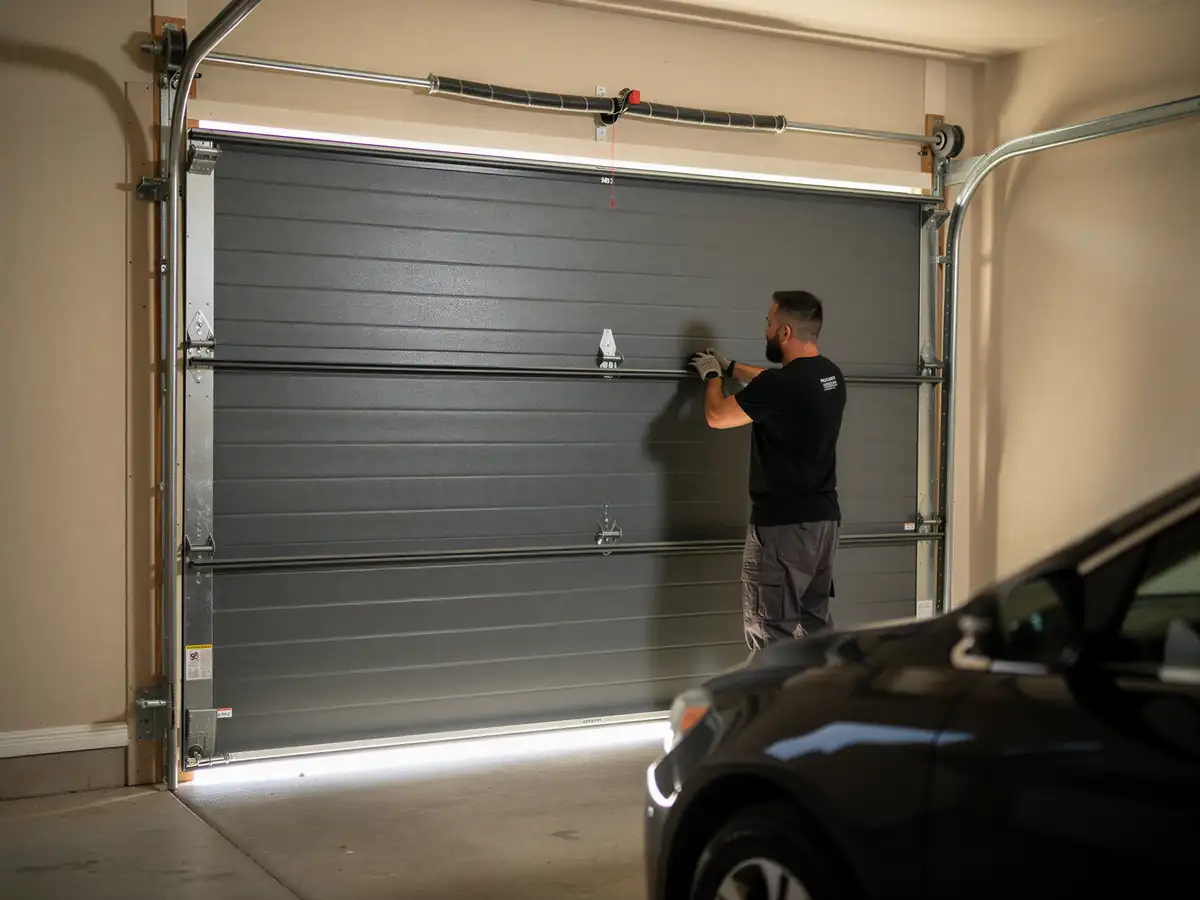
A straightforward torsion spring replacement or roller swap is usually a same-visit fix - we diagnose, we have the part on the truck or close to it, and the door is back in service before we leave. Alignment issues with sensors or tracks go even faster once we're on site.
Where it stretches out is anything involving a full opener swap or a panel that needs to be special-ordered, since not every size or finish is something we keep stocked. If your house falls into the older end of that 1960s-70s cluster and still has an odd-width door from before sizes standardized, that's the case most likely to need a return trip. We'll tell you up front if that's where your job is headed instead of promising a one-visit fix we can't back up.
The Cost of This Job
We don't publish flat prices for repair work here
Because what a torsion spring job costs versus a full track-and-roller rebuild versus an opener replacement are different jobs with different parts. What we can tell you is that most households in this service area sit around a median income of $63,423, and we price repairs with that in mind rather than treating every call like a luxury job.
- $63,423 median household income
The honest advice: if your door is original to a house built in the 1960s or '70s and the opener is also original
Replacing the opener at the same time as a spring repair is often the smarter spend, since a second truck visit later for a failing opener usually costs more in total than doing both now. We'll walk you through the actual numbers for your door once we've seen it, not before.