Why It Happens Here
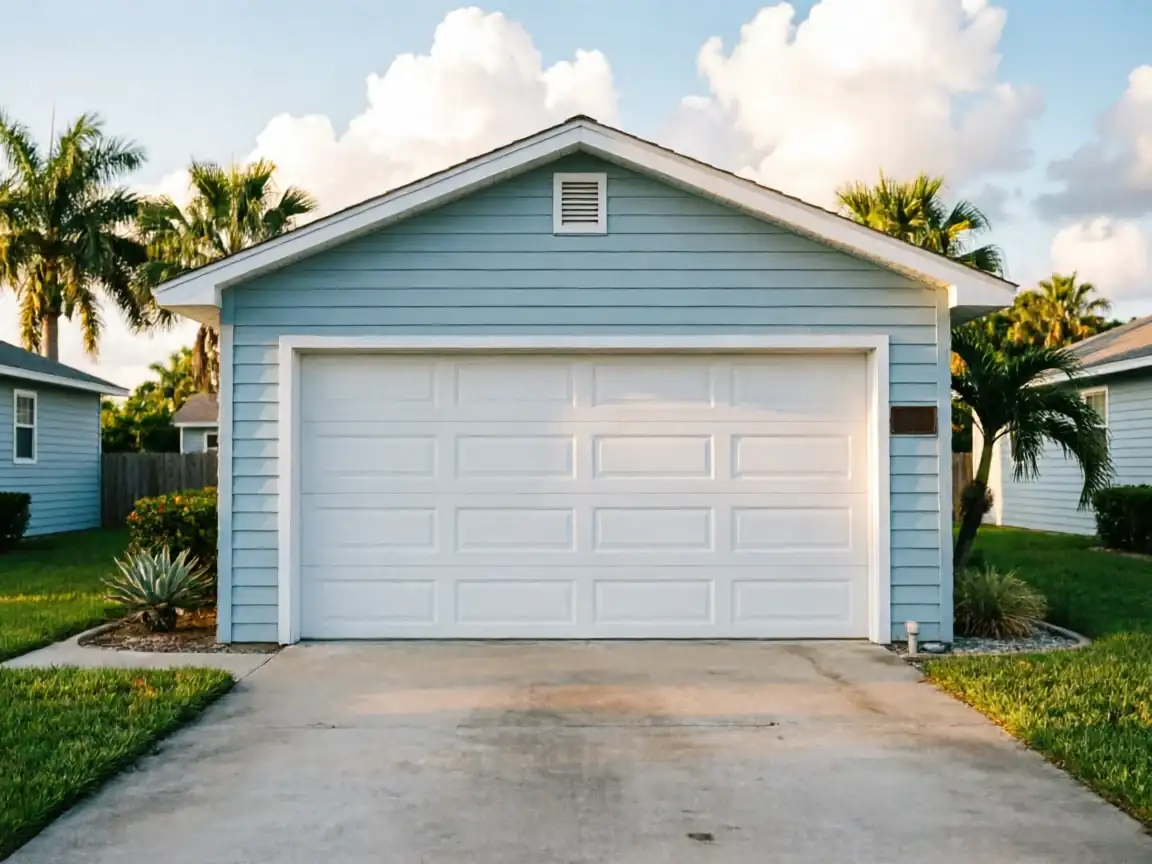
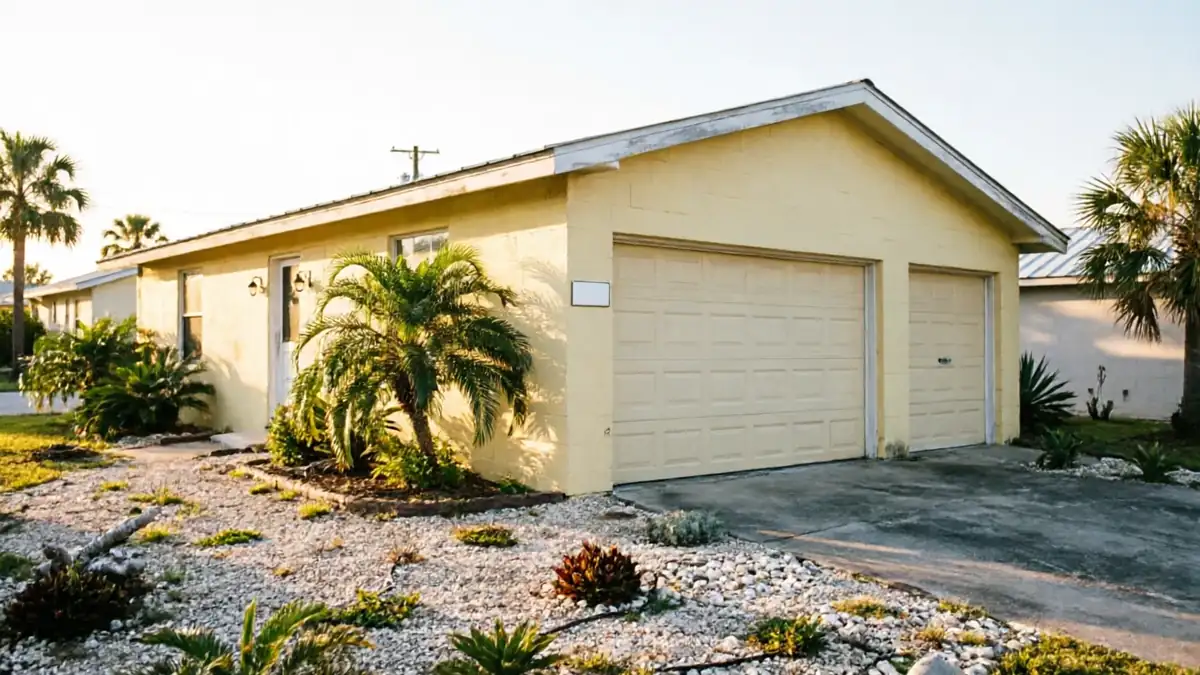
Sunrise's housing stock went up mostly between 1962 and 2005
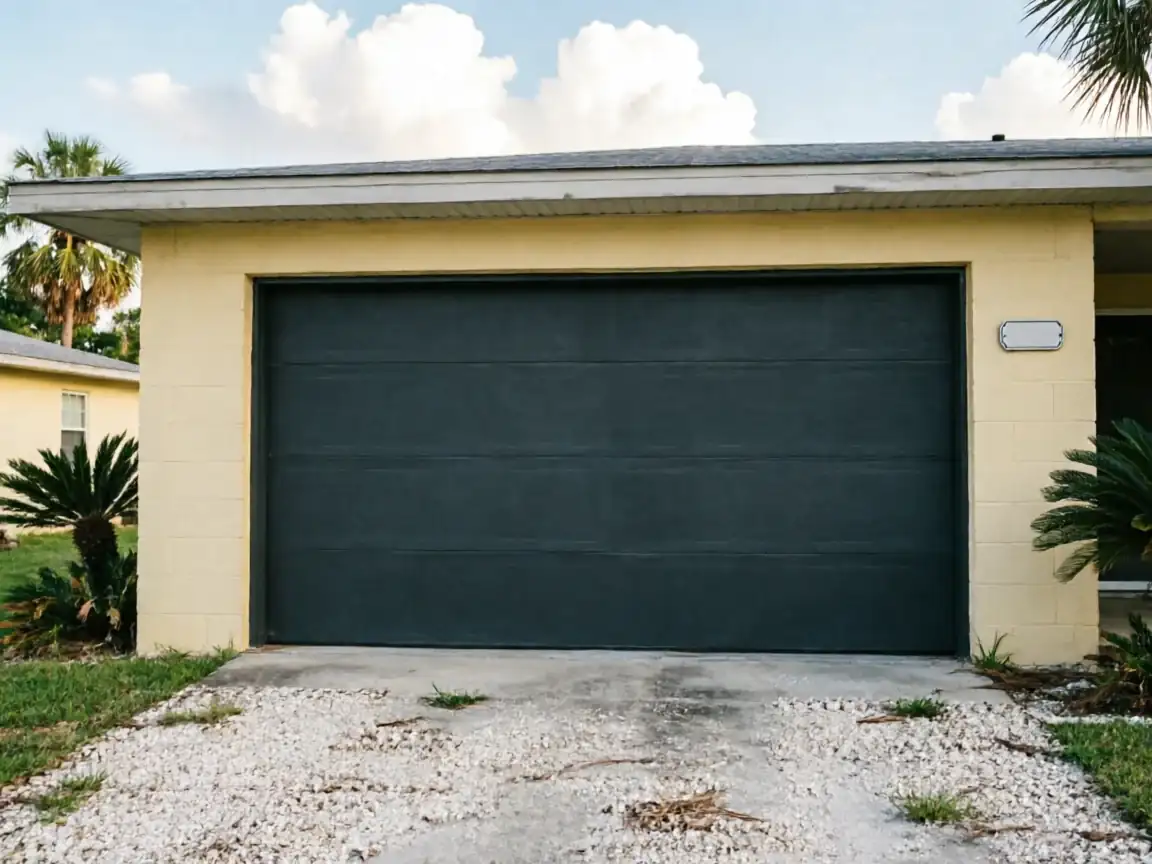
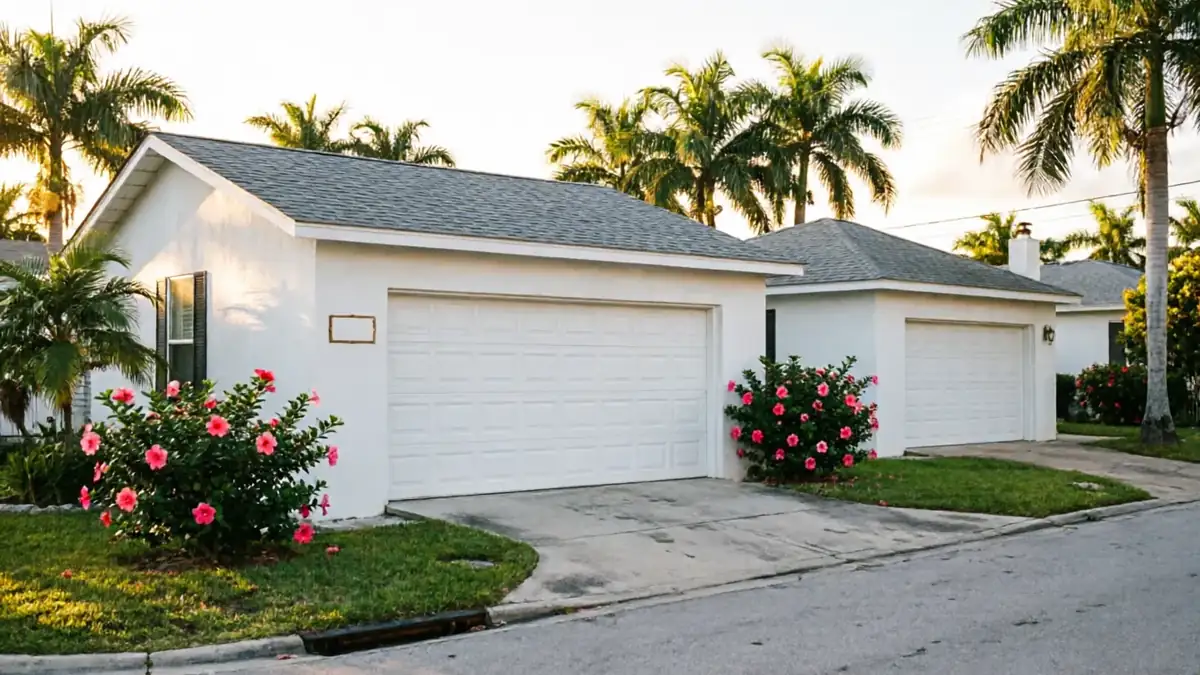
With the median build year landing around 1976. That means a lot of doors on torsion springs, rollers, and openers that are older than the owners realize, installed under building codes and hardware standards that have changed twice over since. Across the 25 neighborhoods we cover, the bulk of that stock is still 1960s and 70s construction, so entire blocks age out of their original hardware in the same stretch of years.
- 25 neighborhoods
The climate here sits in a mild temperate band
No hard freeze-thaw cycles snapping cold springs the way they do up north. That's the good news. The bad news is the door still runs every day, all year, with no winter break to slow the wear on rollers, cables, and lubrication. Heat and humidity work on rubber seals and bearings at a steady rate instead of in sharp seasonal spikes. The failure mode isn't dramatic, it's gradual: a spring that's been cycling for three decades, a roller track that's never been lubed, an opener gear set that's outlived its warranty years ago. Maintenance in this area is less about storm prep and more about catching fatigue before it becomes a Saturday morning the door won't open.
What You Are Seeing
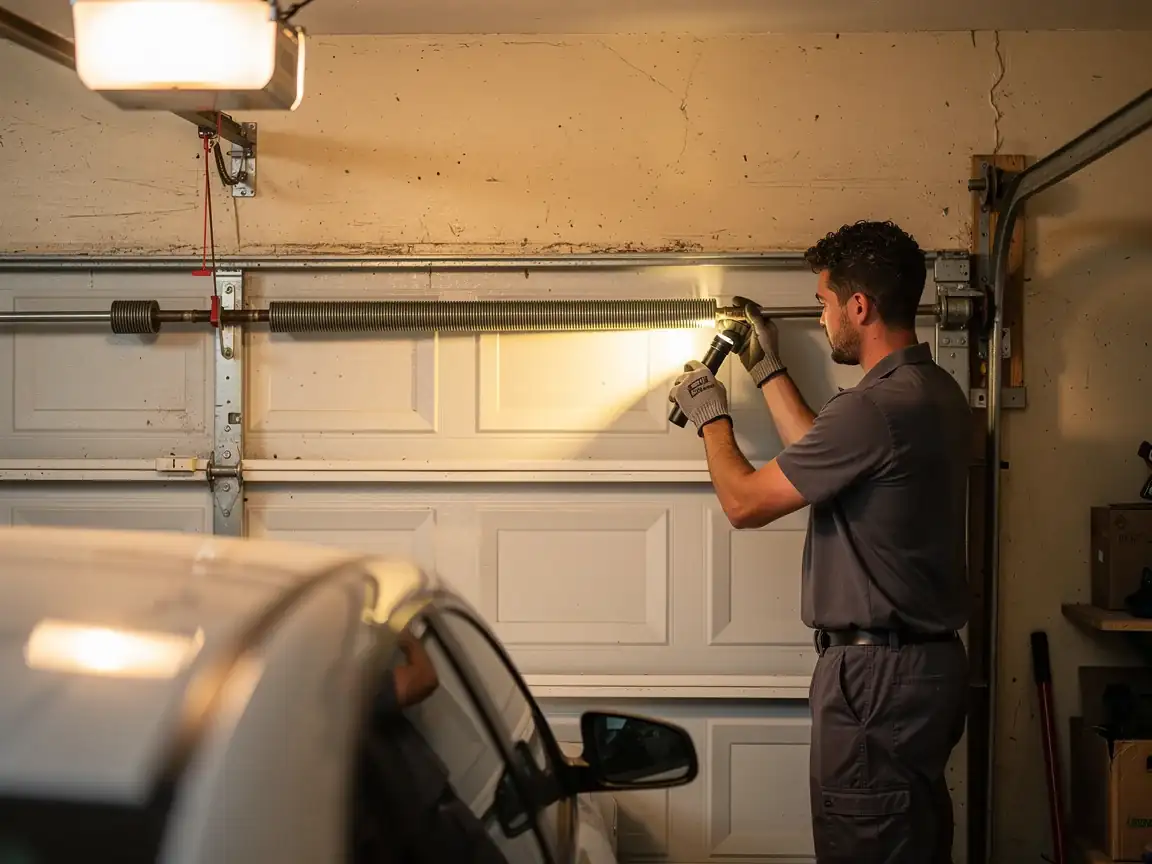
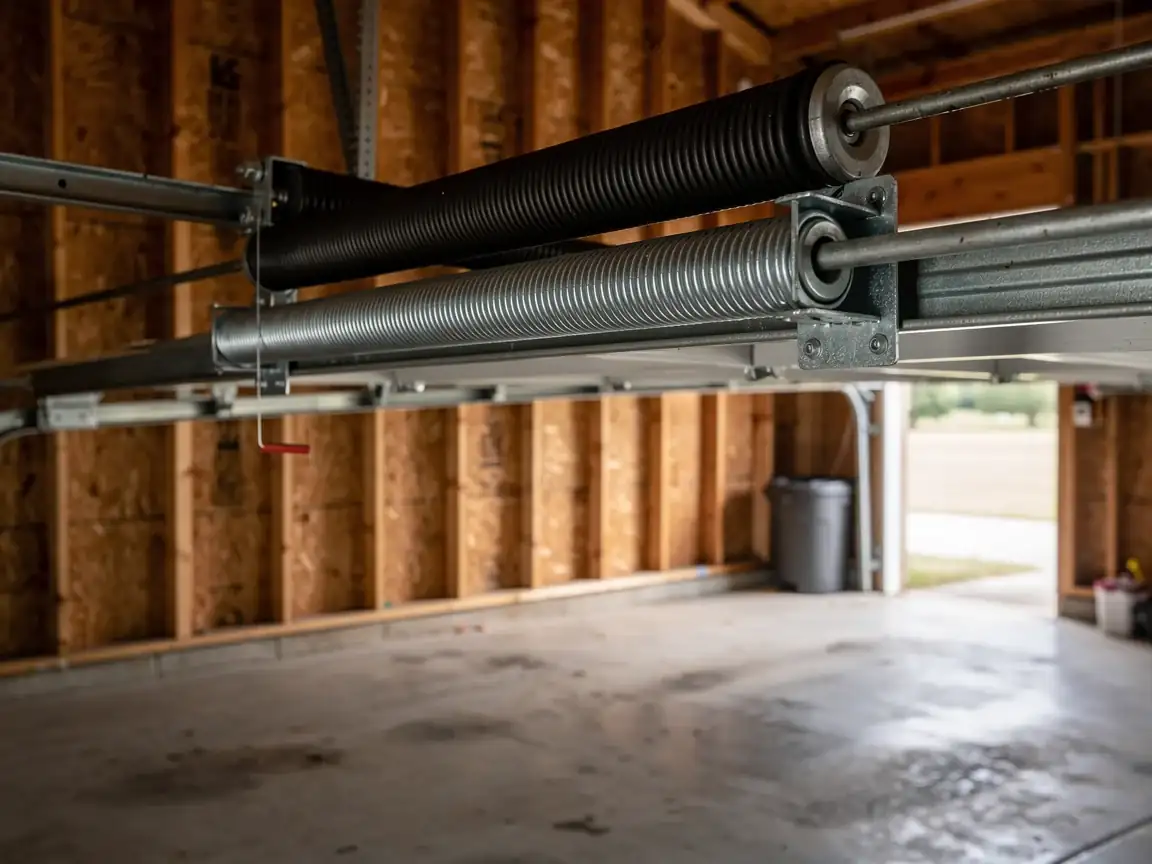
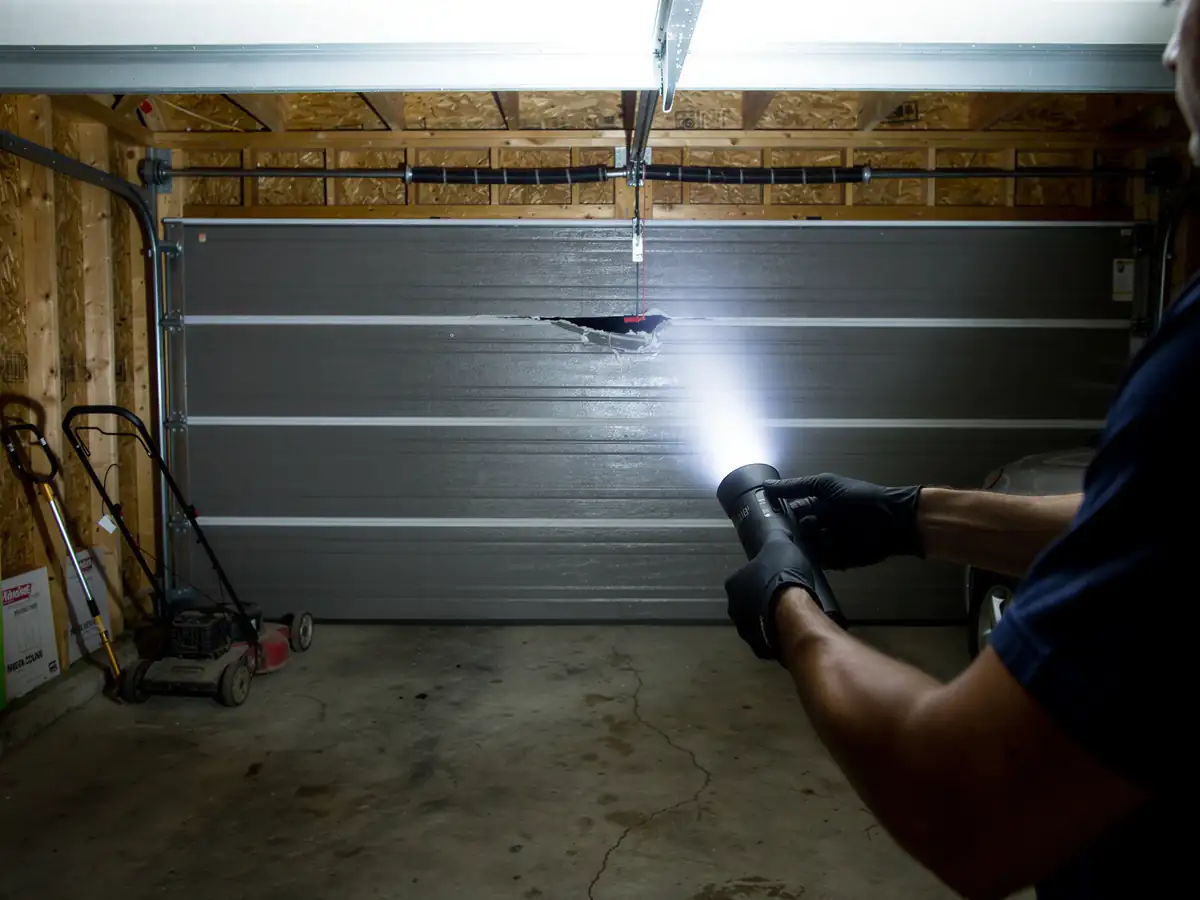
Most calls start with something small. A door that hesitates halfway up. A grinding or popping sound from the spring side when it closes. Rollers that have gone from quiet to rattly over a few months. An opener that strains, reverses on its own, or runs longer than it used to before the door actually moves.
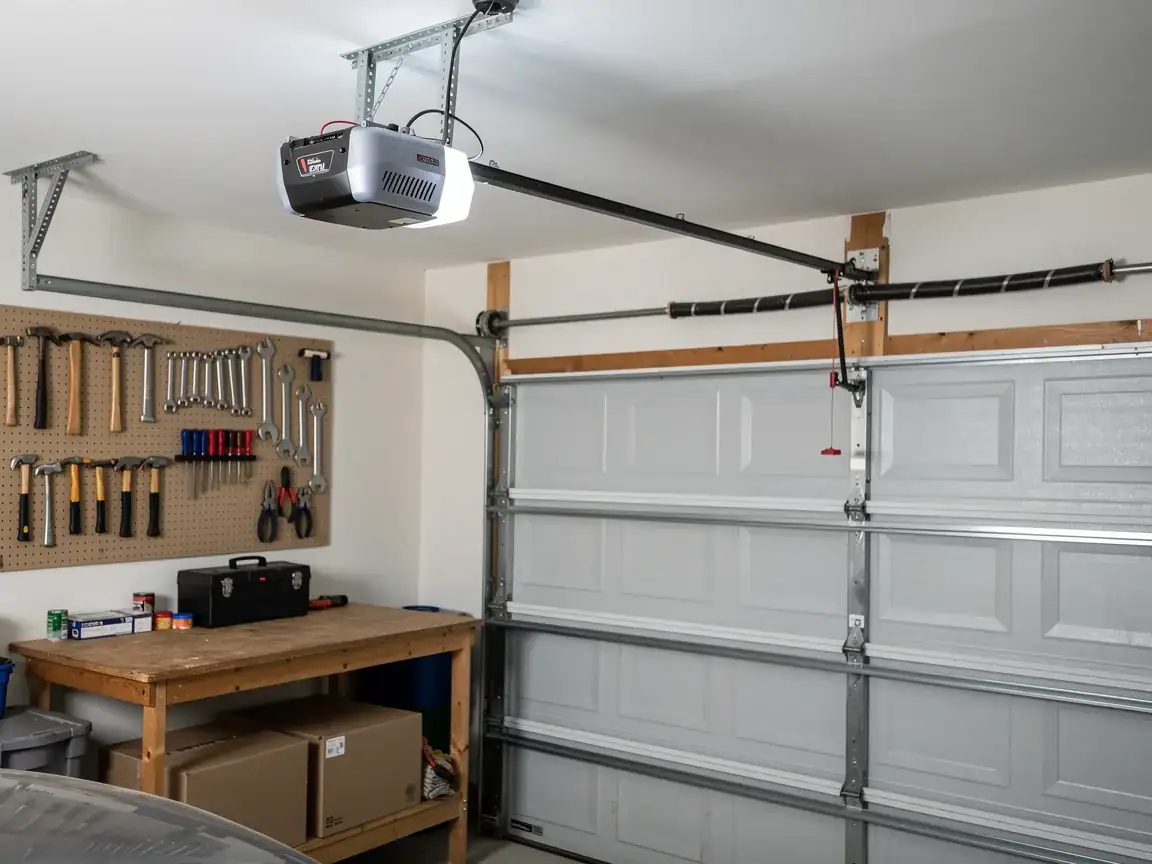
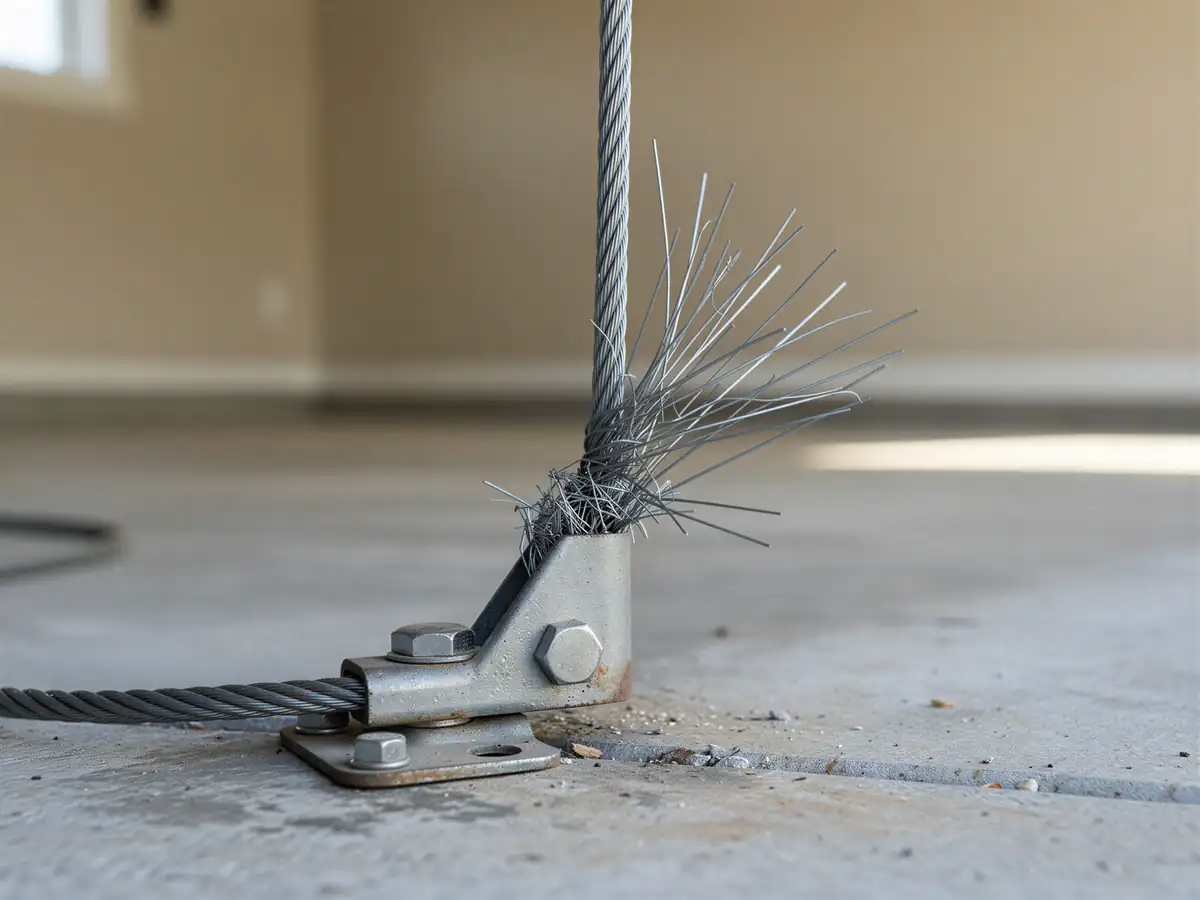
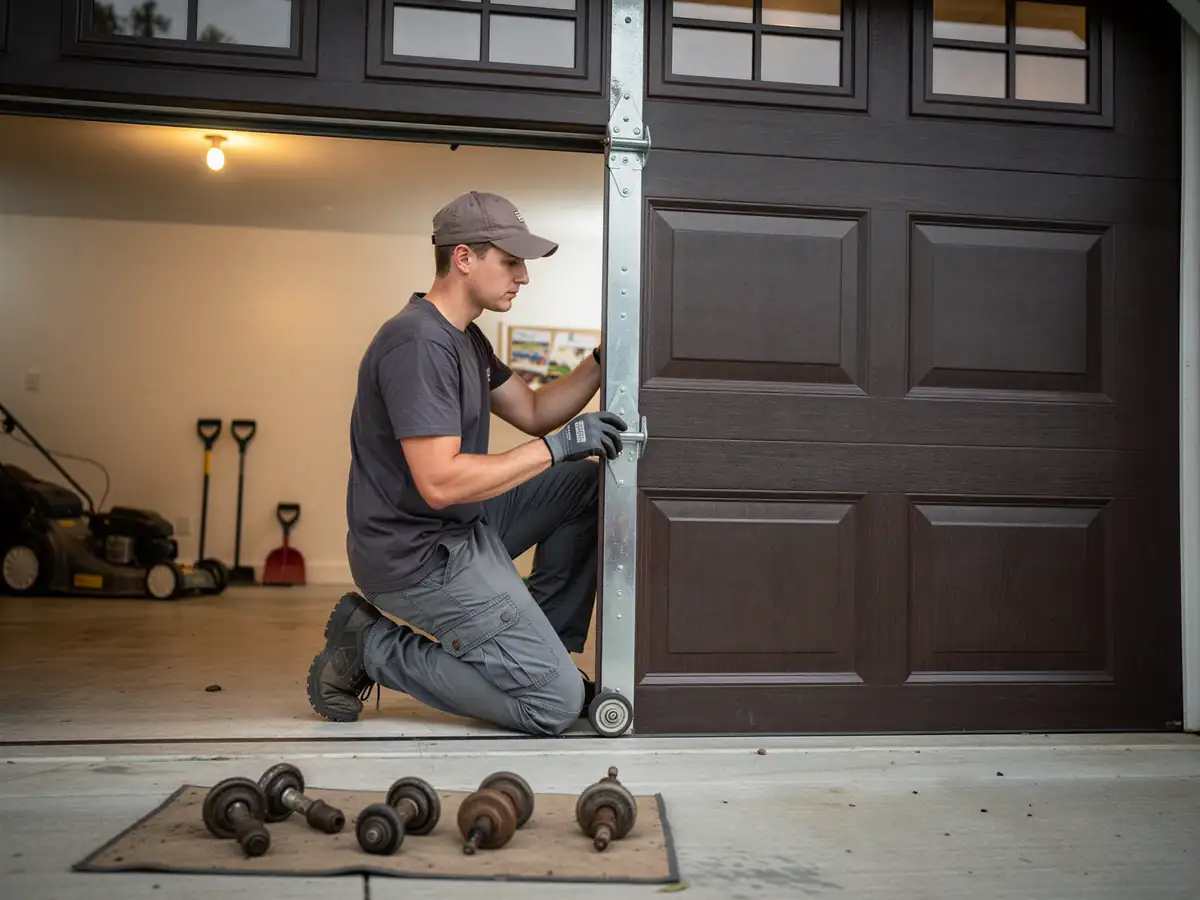
On houses from the older end of Sunrise's building range, we see a lot of worn or rusted torsion springs that were never serviced, galvanized cable starting to fray where it wraps the drum, and nylon rollers that have gone brittle and started chipping. Houses closer to the newer end of that 1962-2005 range tend to show opener strain first - gears or belts wearing out faster because the spring tension drifted out of balance years ago and nobody adjusted it.
None of this is an emergency on day one. It's the kind of wear that gets worse in the background until the door won't lift at all, usually on the day you need it to. If your door is making noise it didn't make a year ago, or the opener light blinks through a cycle count before it moves, that's the hardware telling you it's due.
Time on the Job
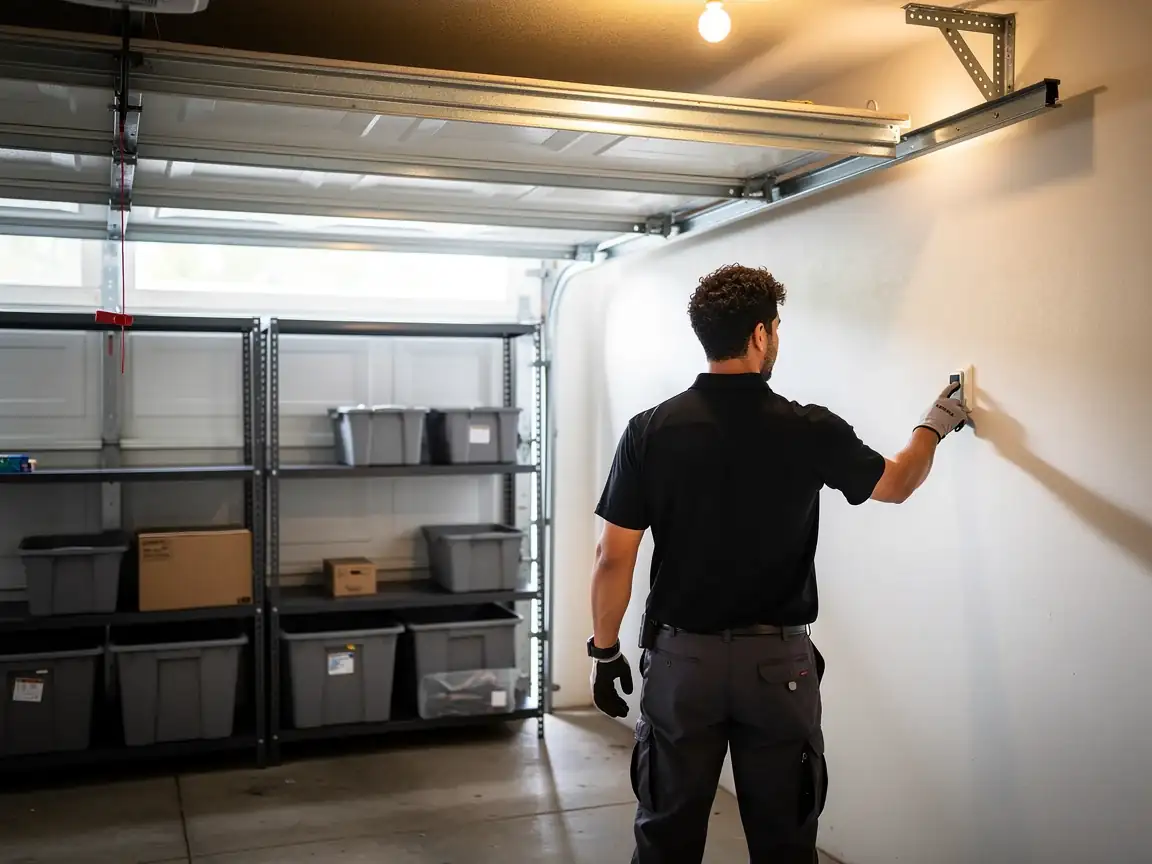
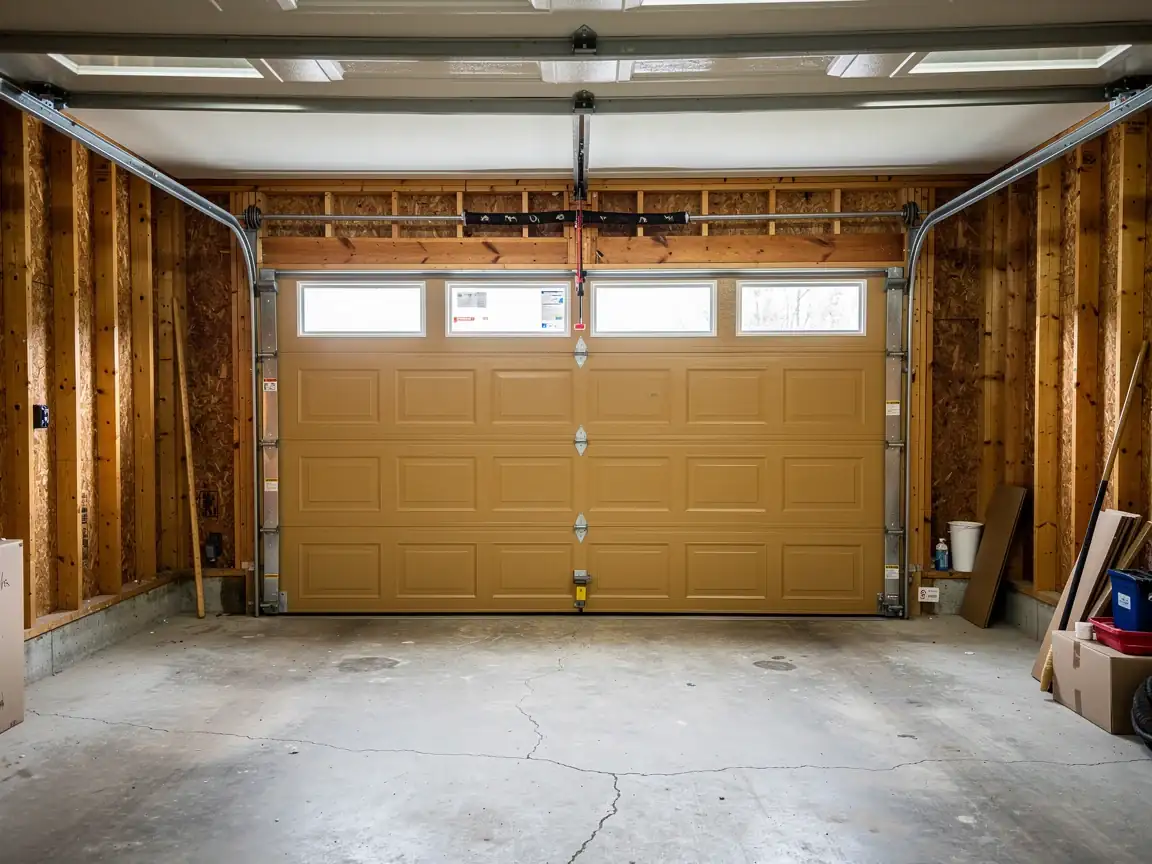
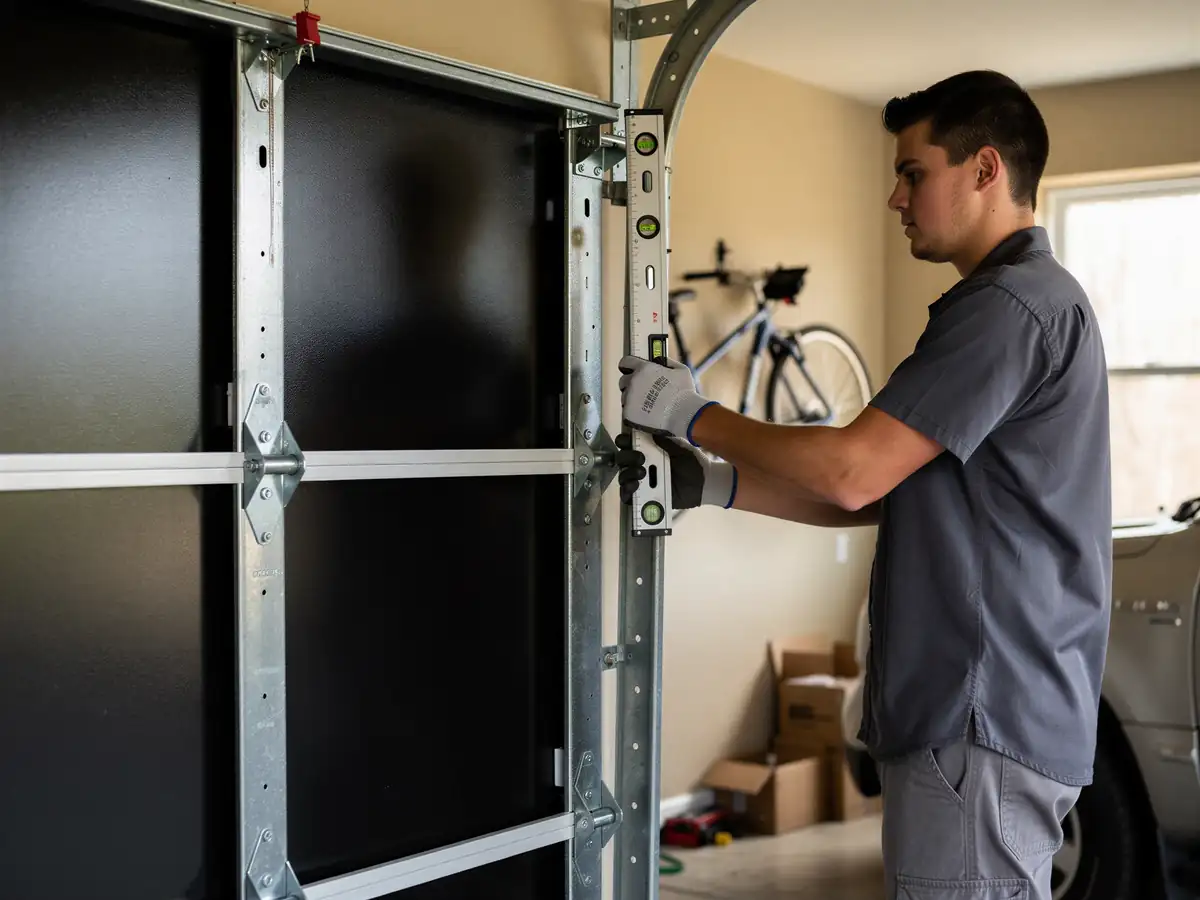
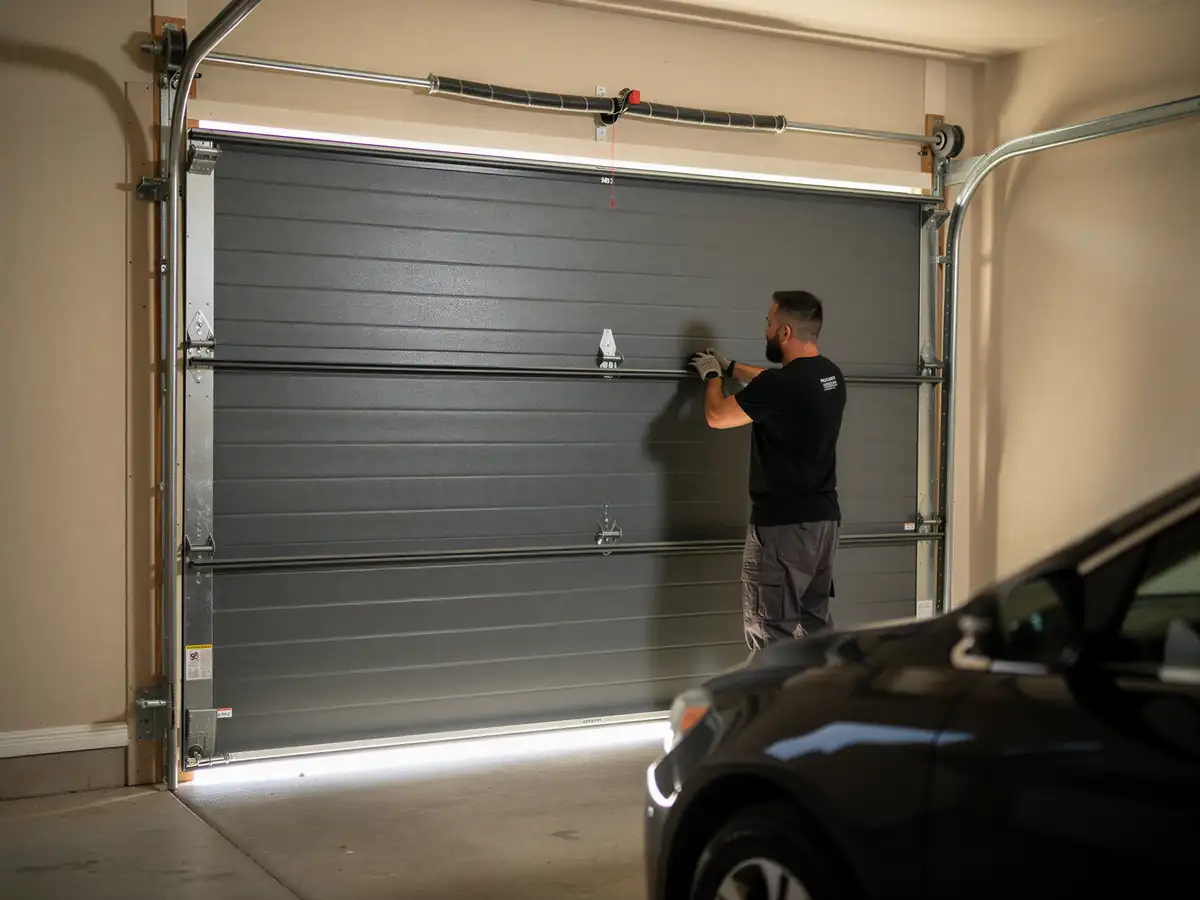
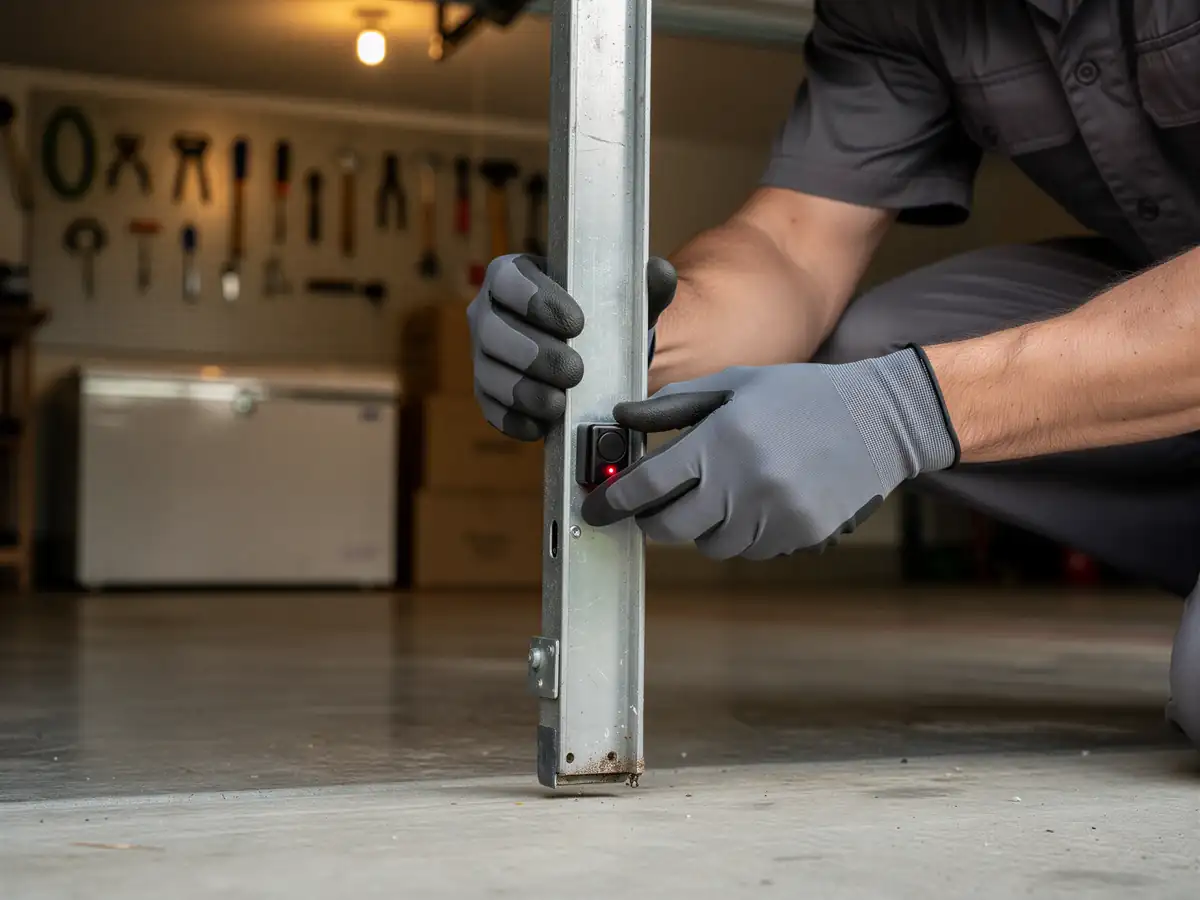
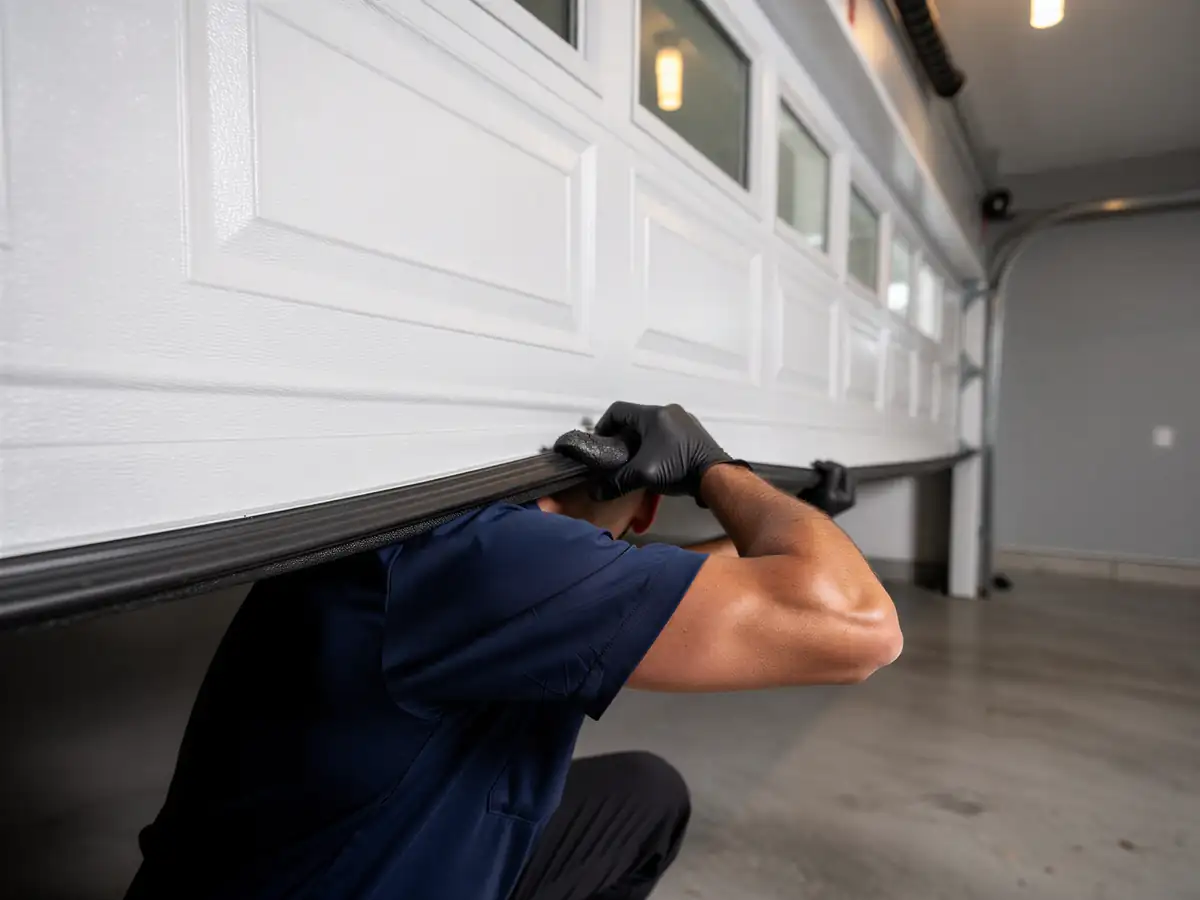
A straight maintenance visit - lubing the track and hinges, checking spring tension, tightening hardware, testing the opener's force and travel limits - is a shorter job than a repair. Beyond that, we're not going to give you a number here, because the actual time on site depends on what the door tells us once we're looking at it: how many points need adjusting, whether a roller or cable needs swapping while we're already in there, how the opener responds to a force test.
What we can tell you is that maintenance visits run shorter and simpler than repair calls almost every time, which is the whole argument for doing them before something breaks instead of after. A door that's been checked on a regular basis takes less time to service at each visit, because nothing's had years to drift out of adjustment. A door that's never been touched since it was installed sometime in that 1962-2005 window usually needs more hands-on time the first visit, just to bring it back to where it should be.
The Cost of This Job
We're not going to quote a price here
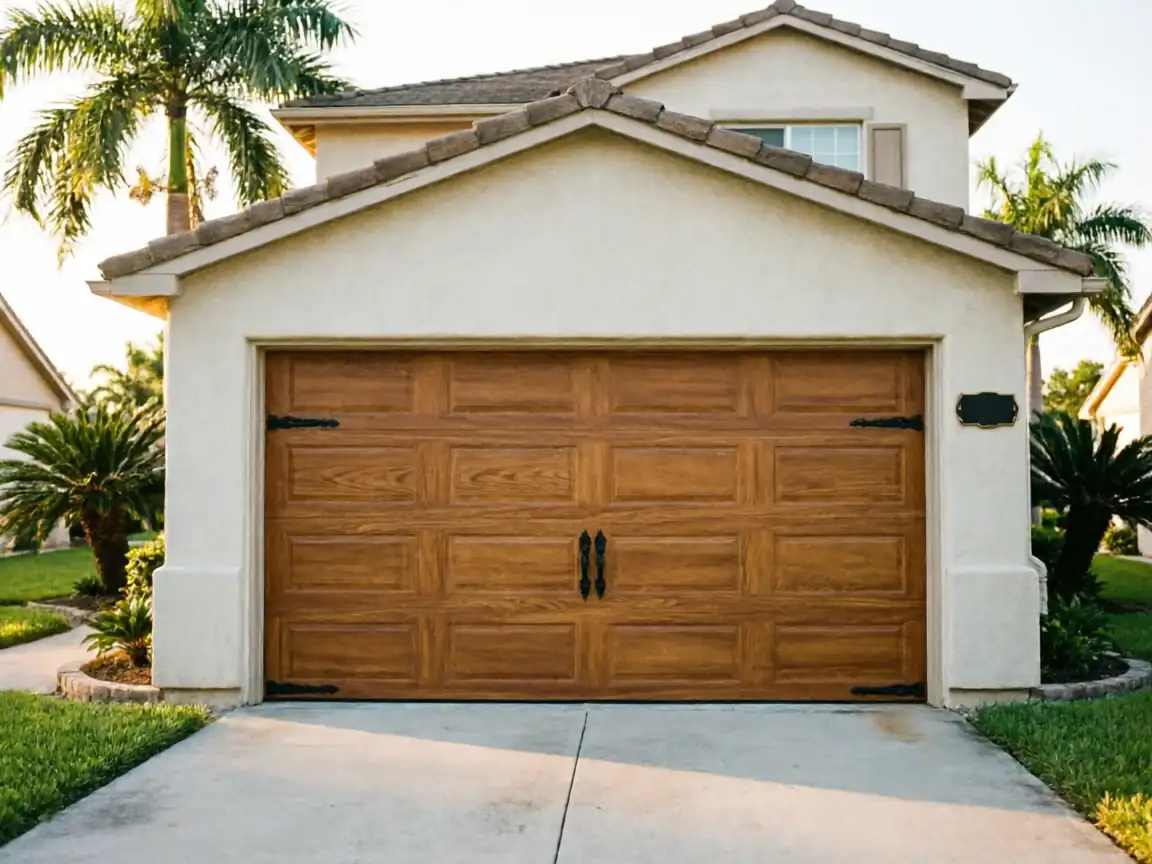
Costs depend on what your door needs, and that varies house to house even within the same neighborhood. What we can say is that across the service area, where median household income runs around $63,423, most owners we talk to are looking to extend the life of a door that still has good years left in it, rather than replace it outright. Maintenance is the cheaper half of that equation almost every time.
- $63,423 median household income
The honest limitation
If a door's springs, rollers, and opener are all failing at once, or the panels themselves are rusted or warped from age, a maintenance visit won't fix that - at some point the math shifts toward replacement instead of keeping a 1970s-era door limping along. We'll tell you straight if that's where your door is instead of running up a bill on parts that won't hold. For most doors in this area, though, especially ones that haven't been looked at in a few years, a maintenance call catches the wear before it turns into a failed spring on a Monday morning.