Why It Happens Here
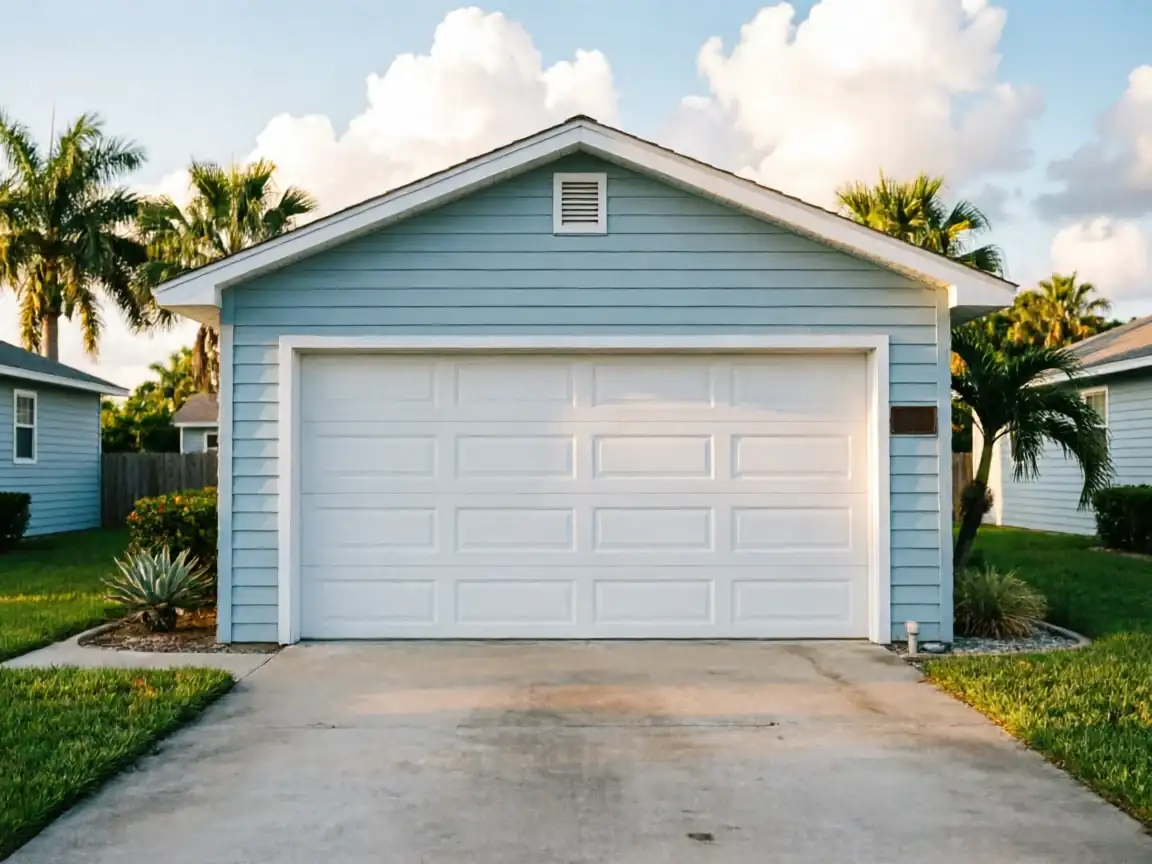
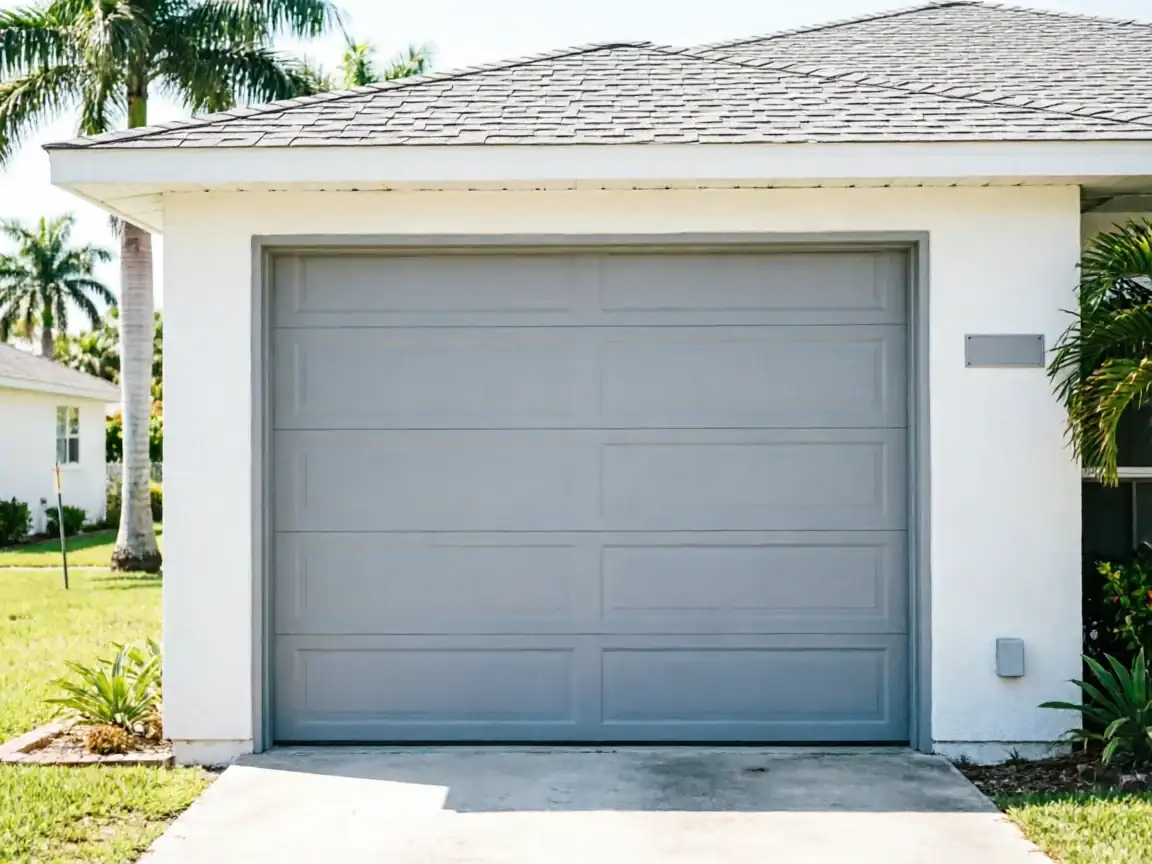
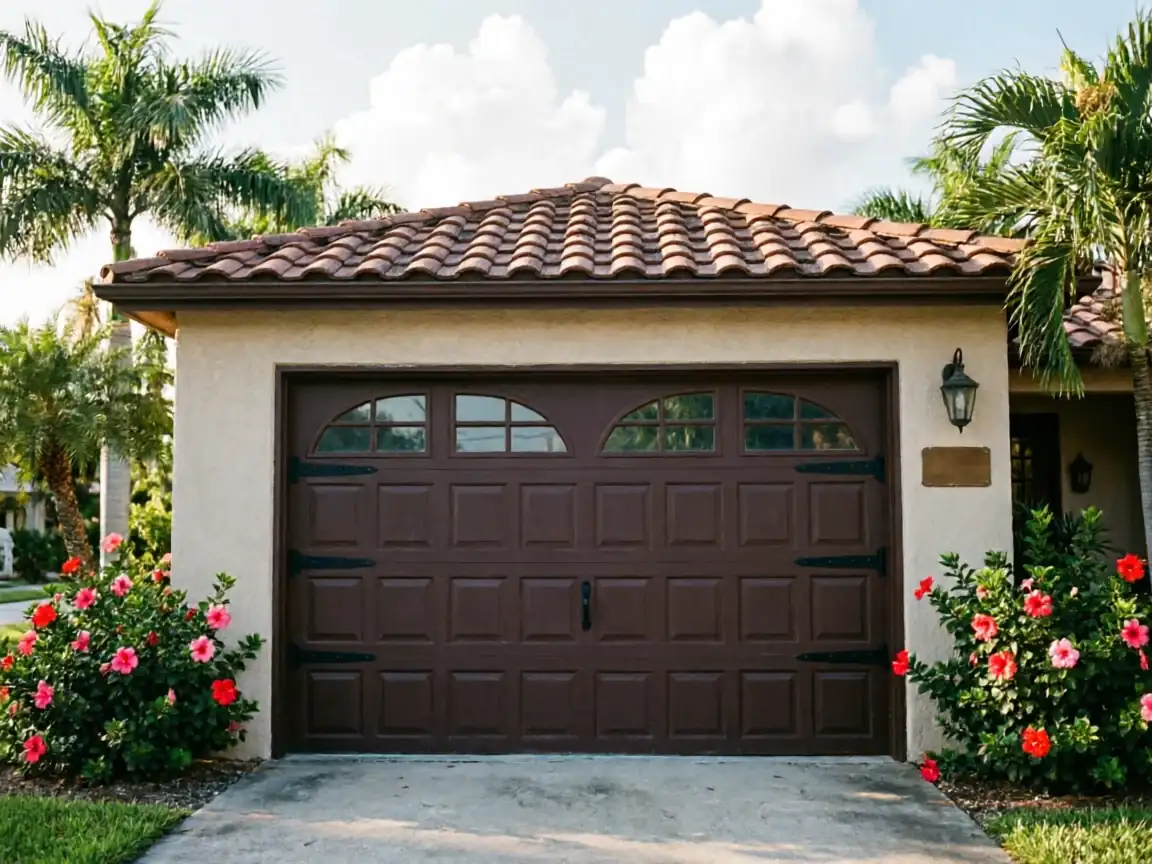
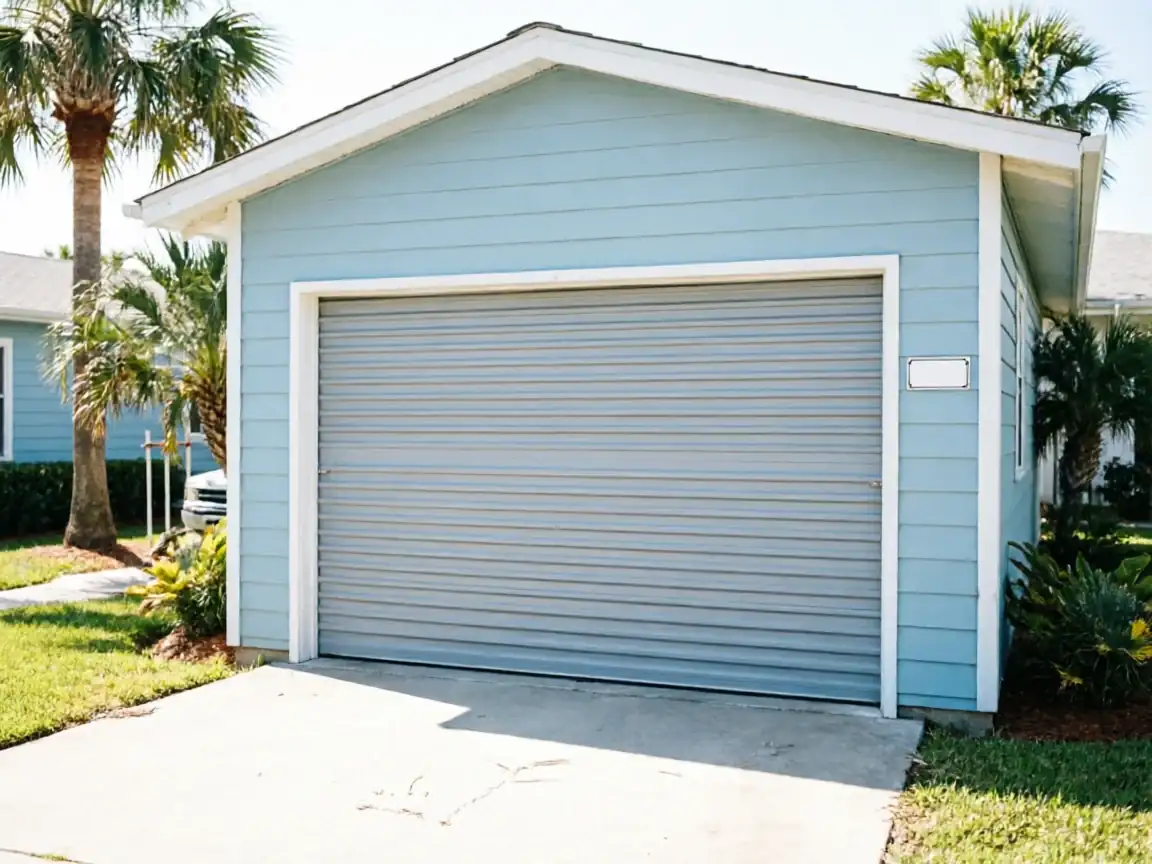
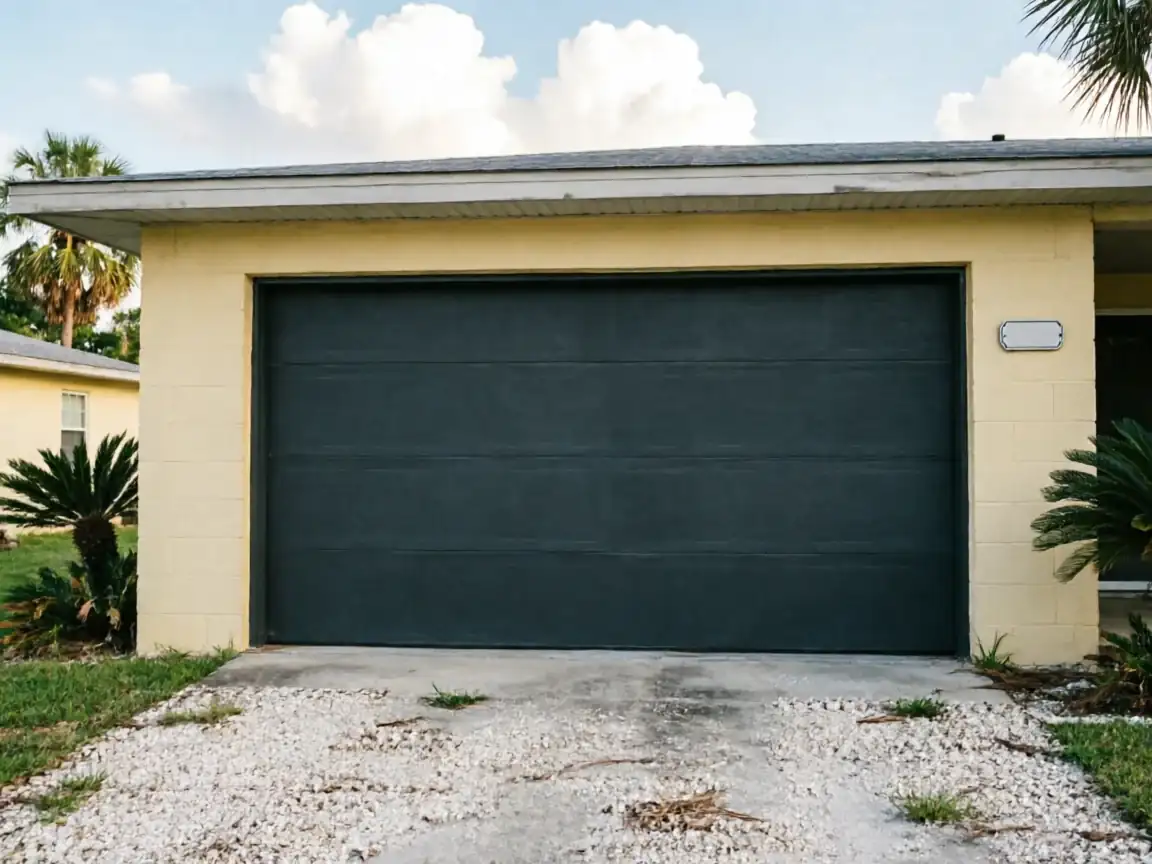
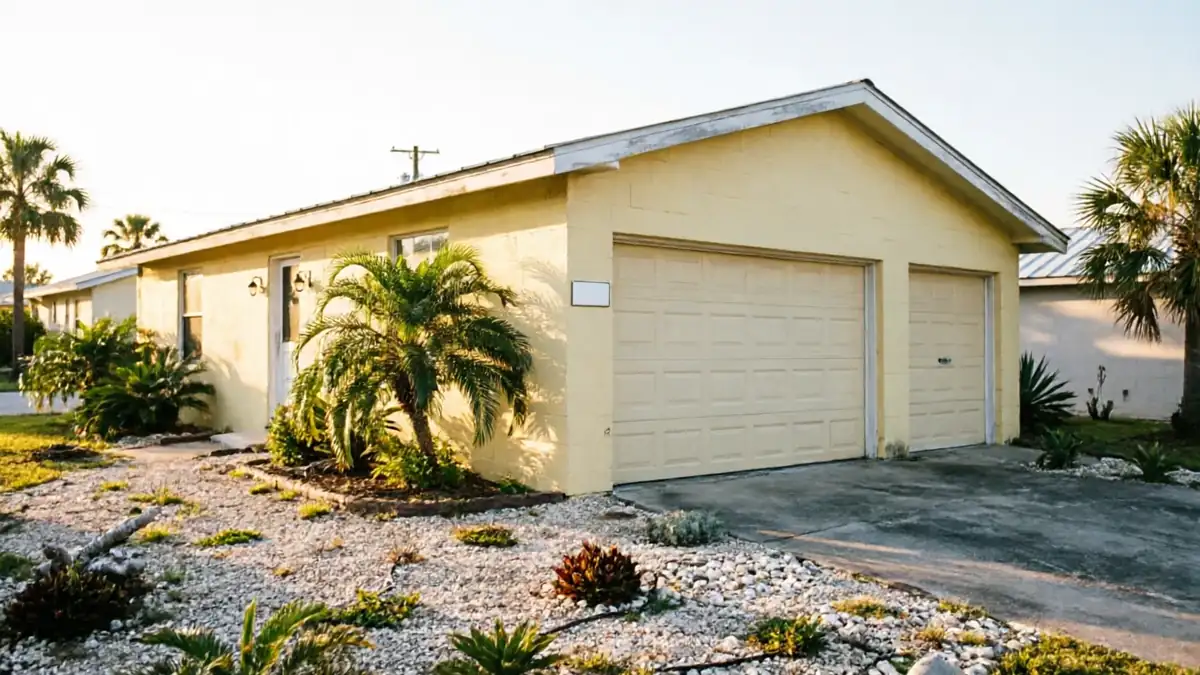
Most driveways in Sunrise front houses built between 1962 and 2005
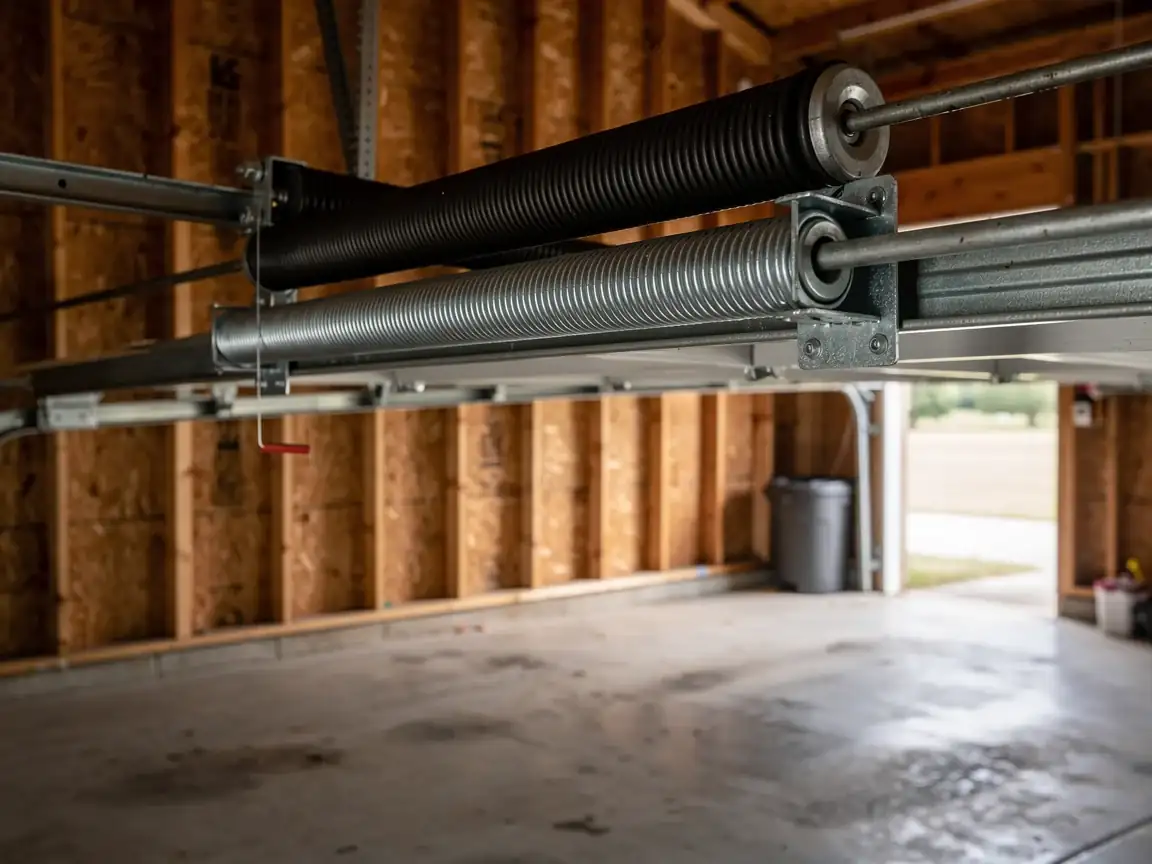
With the typical home going up in 1976. That matters for what breaks. A door installed in that window has had thirty to sixty years of daily cycles on its original torsion spring, and springs don't fail because of one bad day - they fail from accumulated fatigue.
Across the 25 named areas that make up this stretch of Sunrise, the garage stock leans 1960s-70s
Which means a lot of original torsion hardware sized for doors nobody makes anymore. That's a different problem than a door installed in the last decade.
Sunrise sits in a mild temperate band
So the failures here come from decades of heat-cycle fatigue on steel, not from freeze-thaw cracking like up north. Steel expands and contracts with heat even without frost, and a galvanized spring that's been doing that since the Carter administration is closer to the end of its life than most owners think. Humidity plays a role too - it's not dramatic, but it's constant, and constant beats dramatic over forty years.
What You Are Seeing
On a lot of these older Sunrise doors, the first sign isn't a dead stop - it's a door that's gotten loud, or one that starts fast and then hangs for a second before the opener forces it the rest of the way. That hesitation is usually a spring that's lost tension, not an opener problem, even though the opener takes the blame.
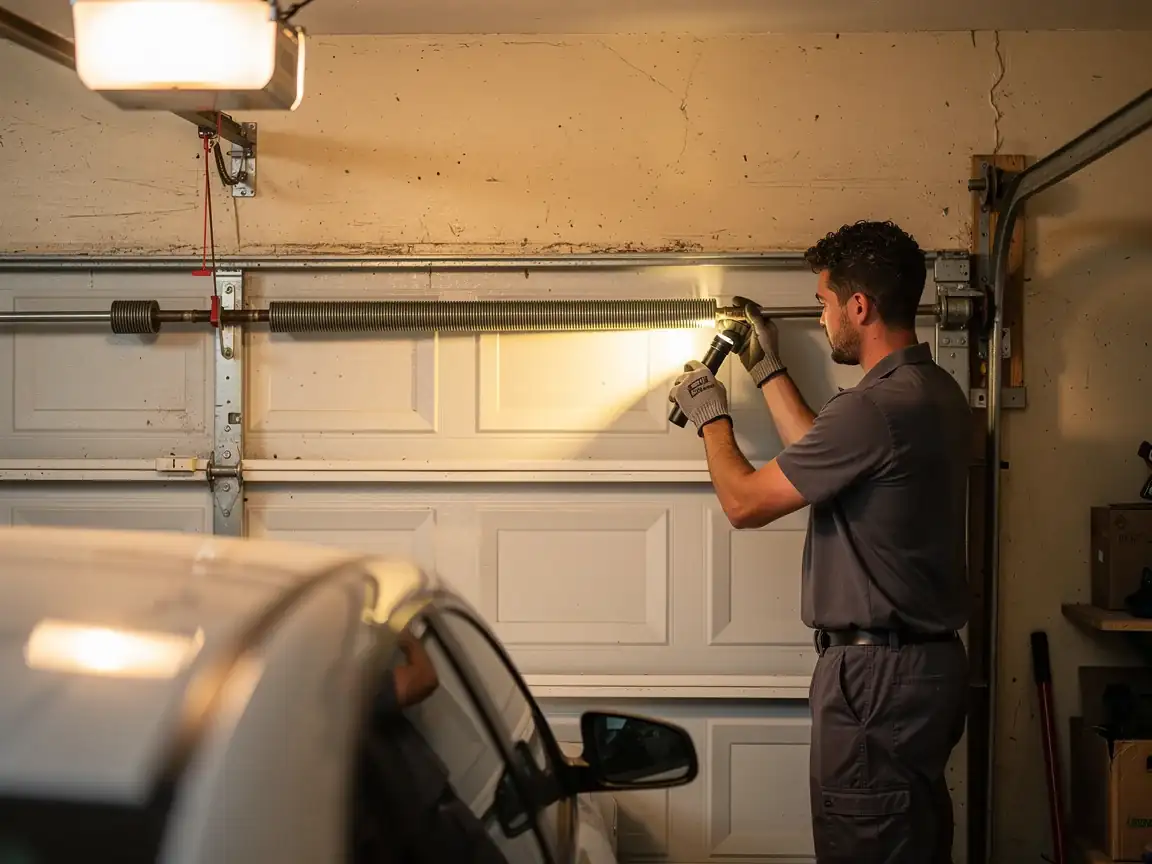
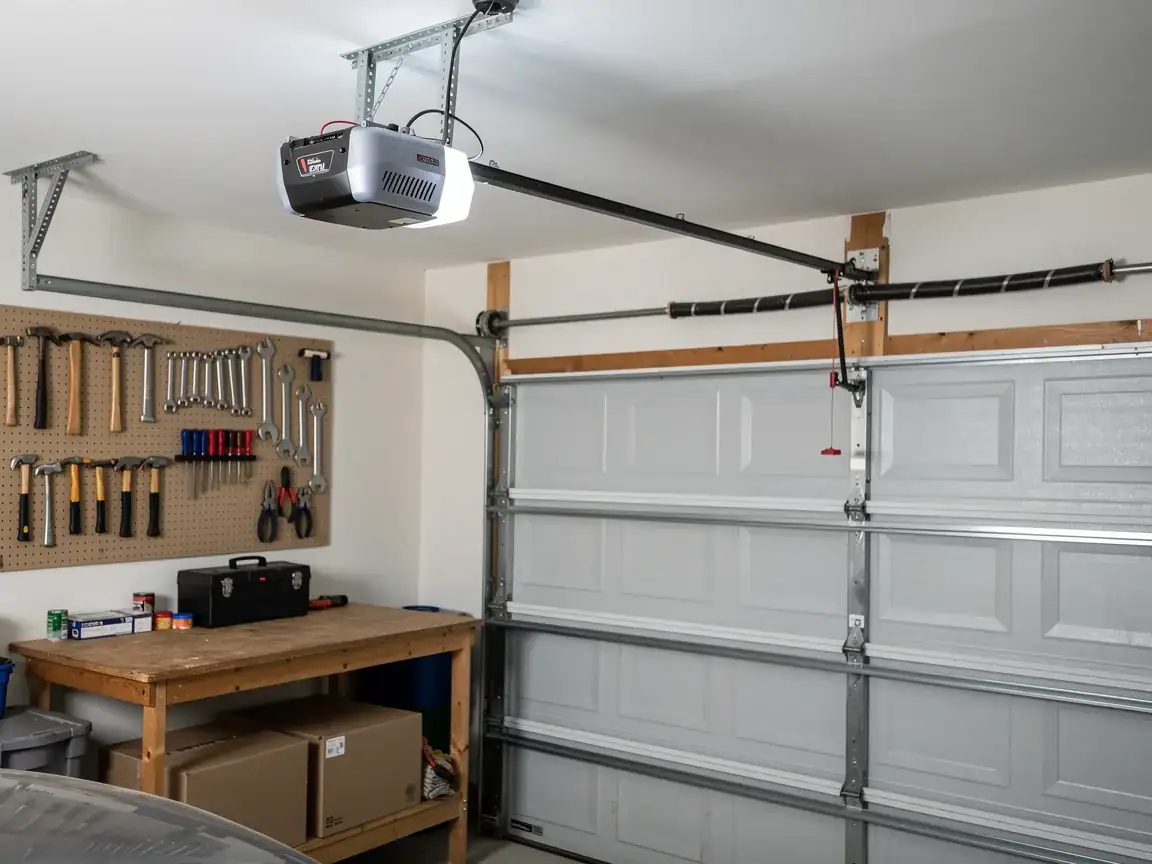
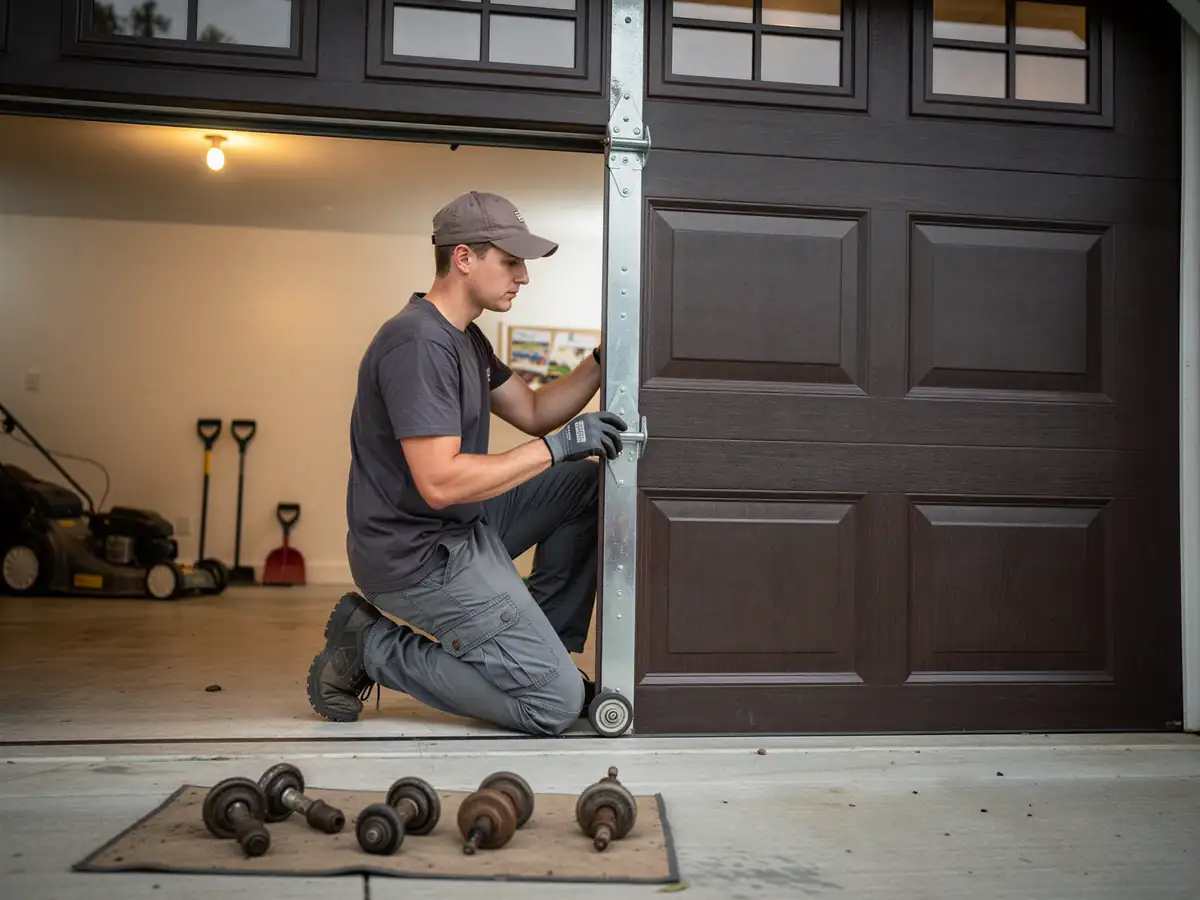
On original hardware from the 1960s-70s era, you'll often see surface rust on the spring coils and cable ends even in a mild climate, because the coating that was standard then wasn't as good as what goes on new hardware now. Rollers on these doors are frequently the old steel kind, not nylon, and they're loud and gritty long before they actually fail.
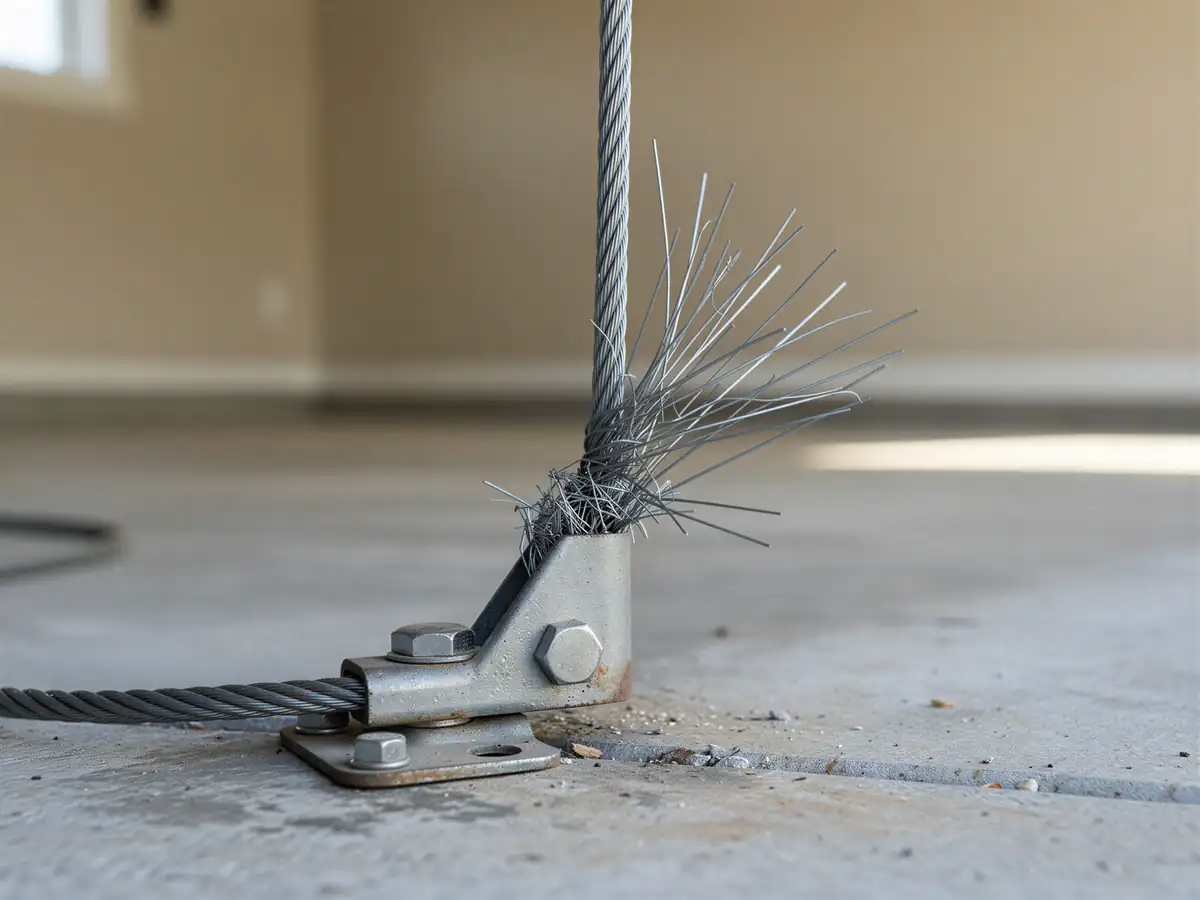
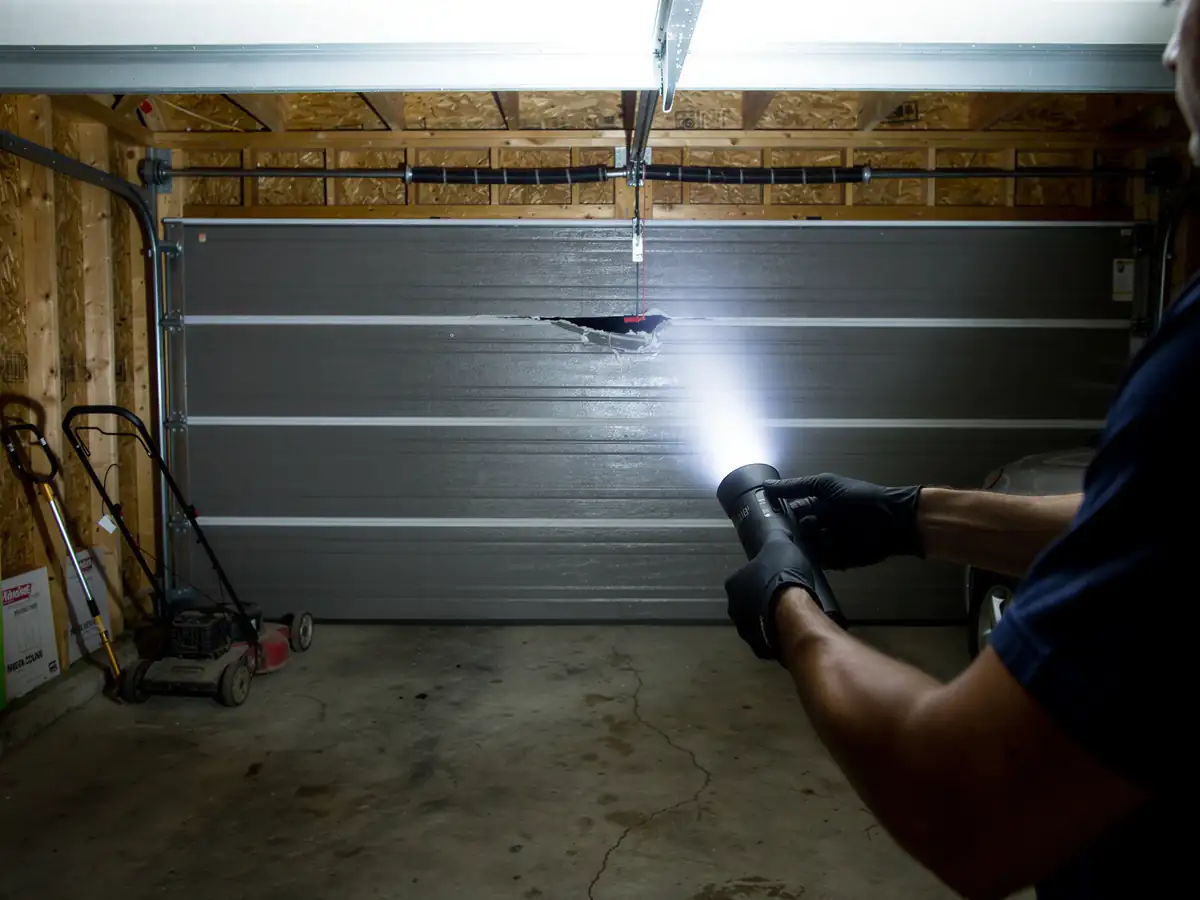
A bent track or a cable that's frayed at the drum end both show up as a door that walks sideways on its way down. If you're hearing a pop or a bang and then the door won't move at all, that's almost always a broken spring, and it's not safe to force the door by hand or with the opener.
Time on the Job
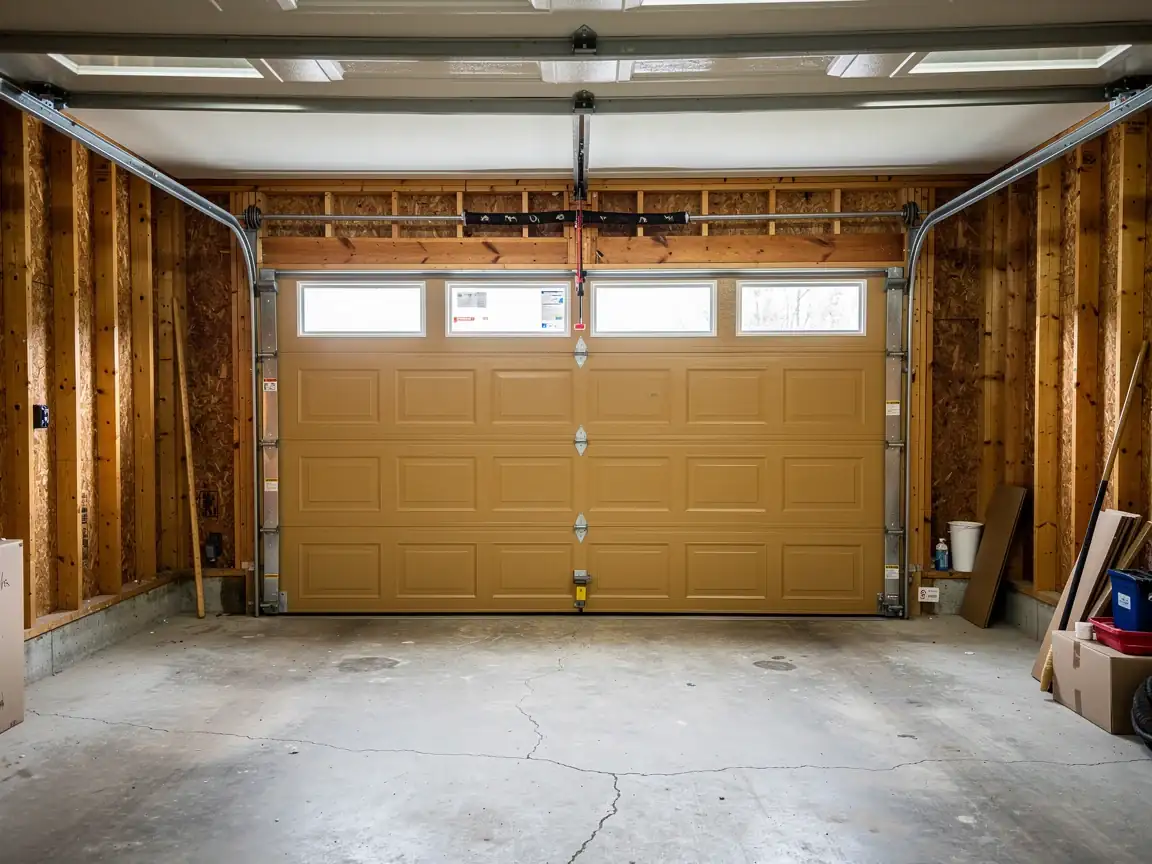
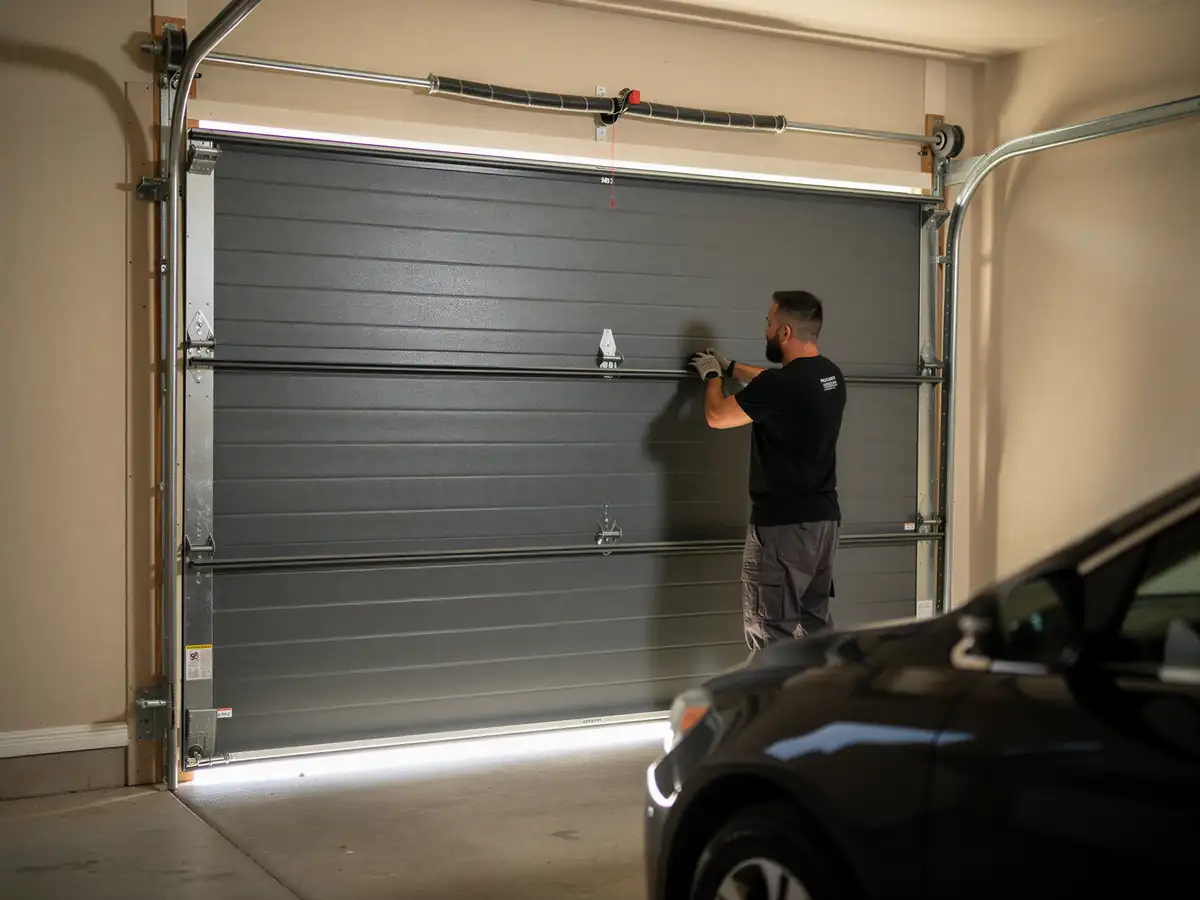
A straightforward spring replacement on a standard double door is a same-visit job once the right spring is on the truck. What slows things down in Sunrise specifically is matching parts to older torsion hardware - a door from the 1960s-70s stock sometimes runs a drum size or shaft diameter that isn't the current standard, and that can mean a short parts delay rather than a same-day fix.
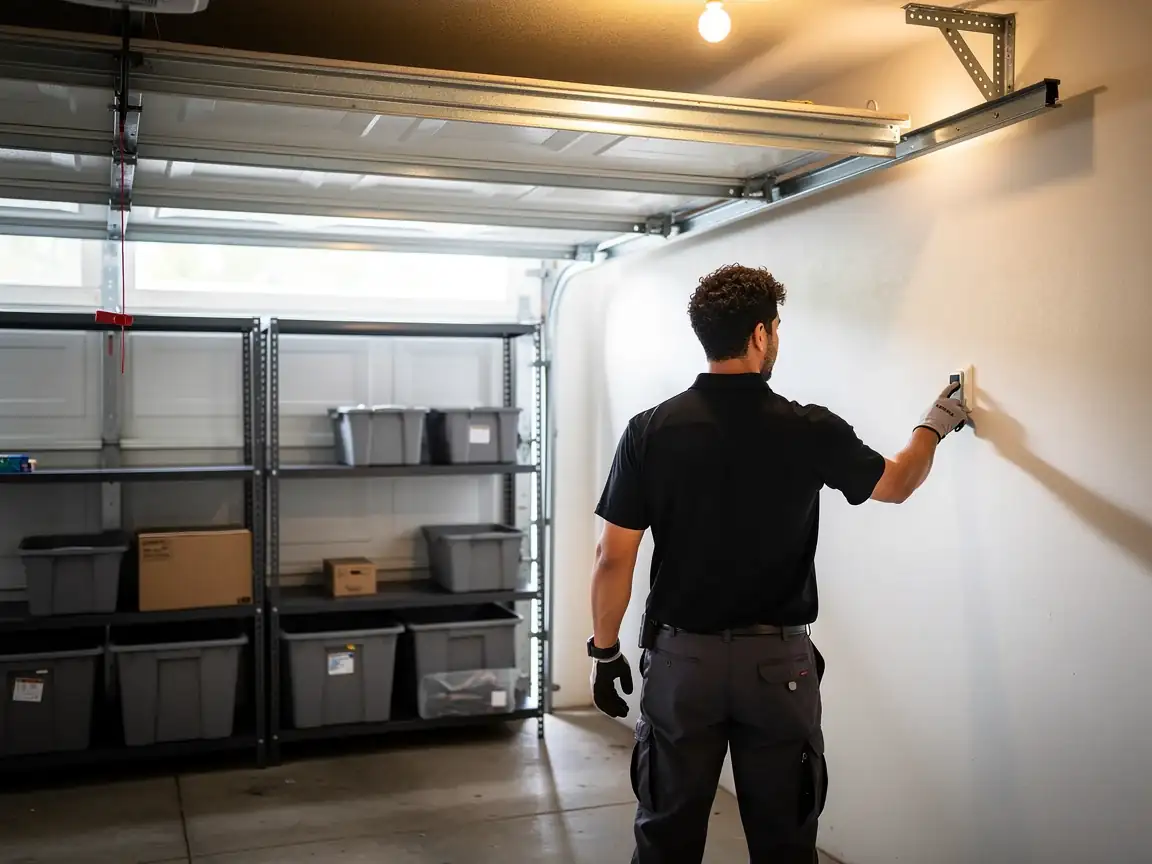
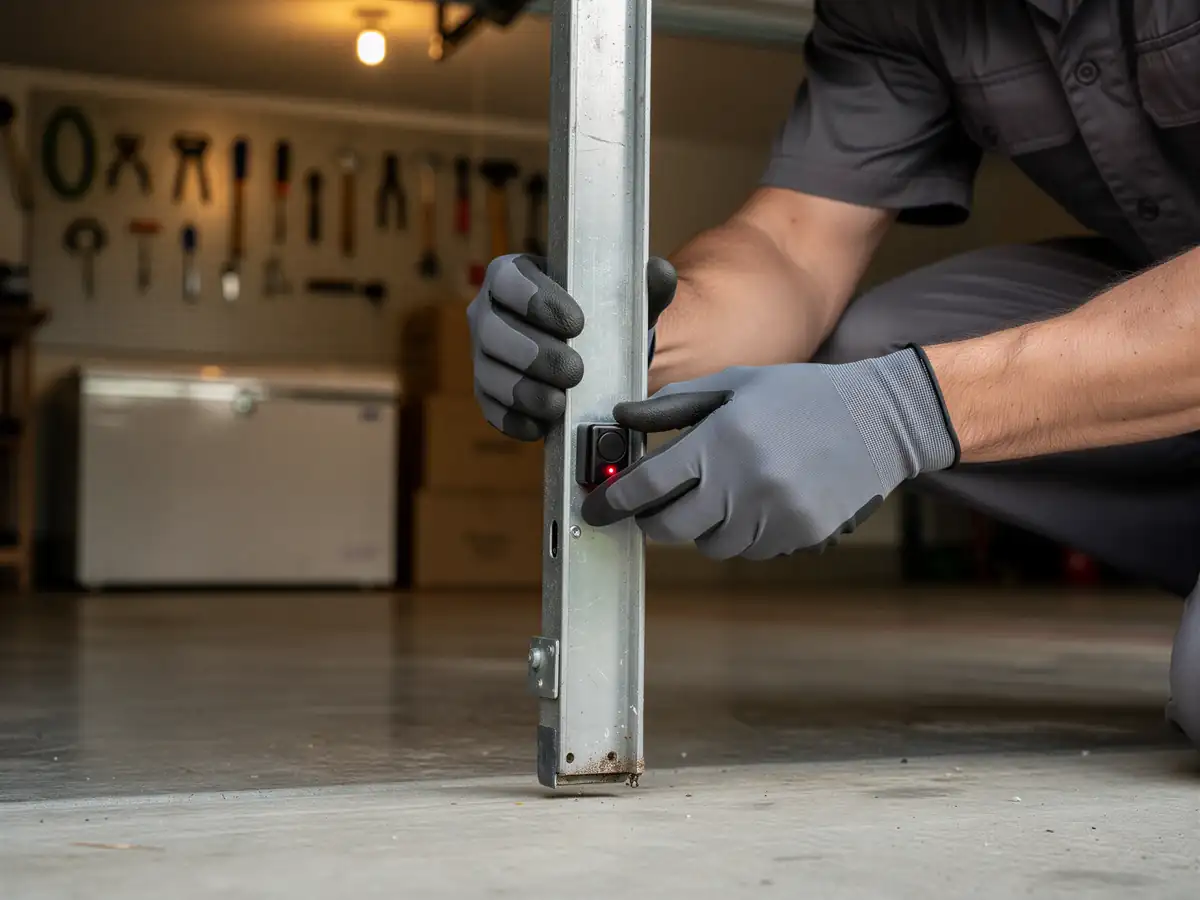
Opener swaps take longer than spring jobs because of the wiring and safety sensor alignment, but they're still usually a single visit. Track and roller work depends on how far the damage has spread - one bent section is quick, a door that's been running on a bent track for months usually has roller wear and panel stress that need a look before we can say how long it'll take.
We won't guess a time on the phone before seeing the door. A spring job and a full torsion system rebuild look the same from the driveway but aren't the same job.
The Cost of This Job
We don't post flat prices for spring and opener repair because the cost swings on what's actually on the door
Spring size, whether it's a single or double door, and whether the hardware is original 1960s-70s gear or a newer replacement. Older hardware sometimes costs more simply because the matching part isn't the one every supplier stocks.
With a median household income of $63,423 across the service area and 76,302 owner-occupied houses here
Most owners we talk to are deciding between a repair and a replacement, not between brands or add-ons. That's a fair question to ask on-site, and we'll tell you straight when a repair isn't worth it compared to replacing the door outright.
- $63,423 median household income
- 76,302 owner-occupied
We'll give you a number after we've looked at the door and the hardware, not before
That's the honest answer, even if it's not the fastest one to give over the phone.