Common Jobs Here
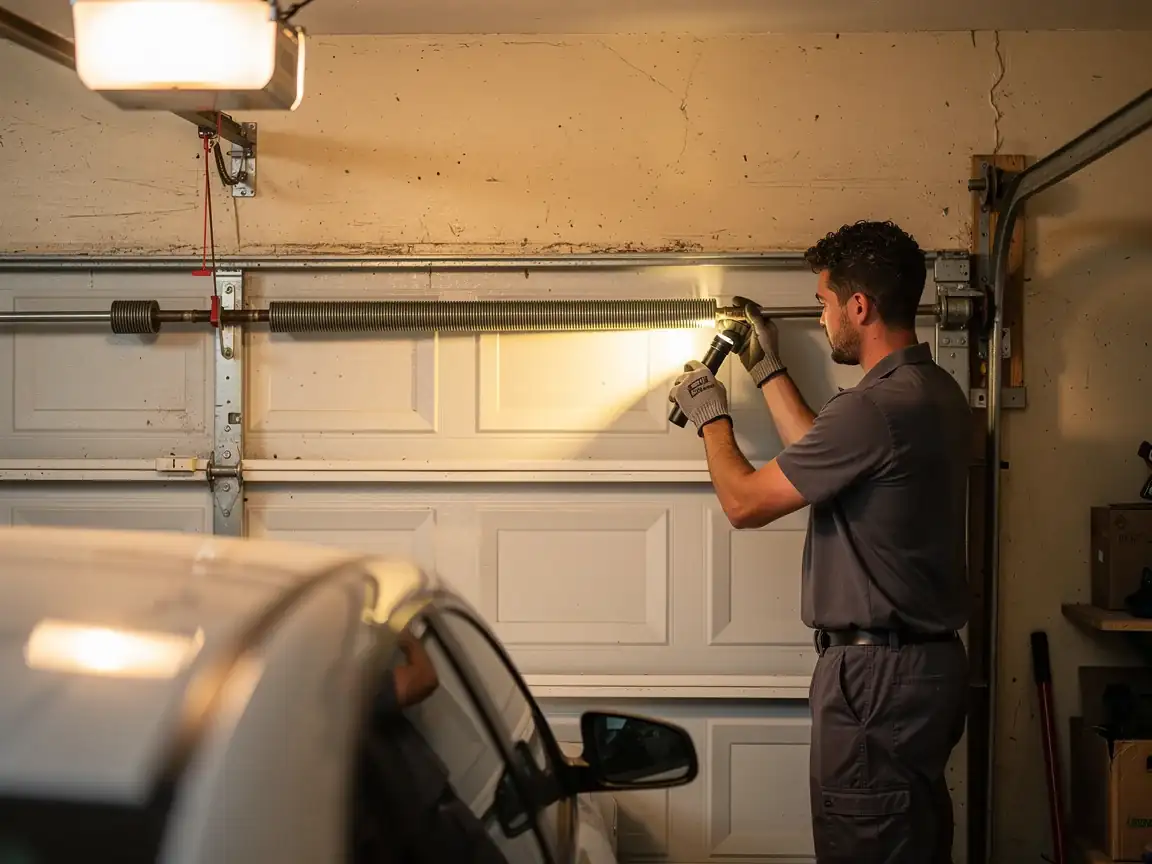
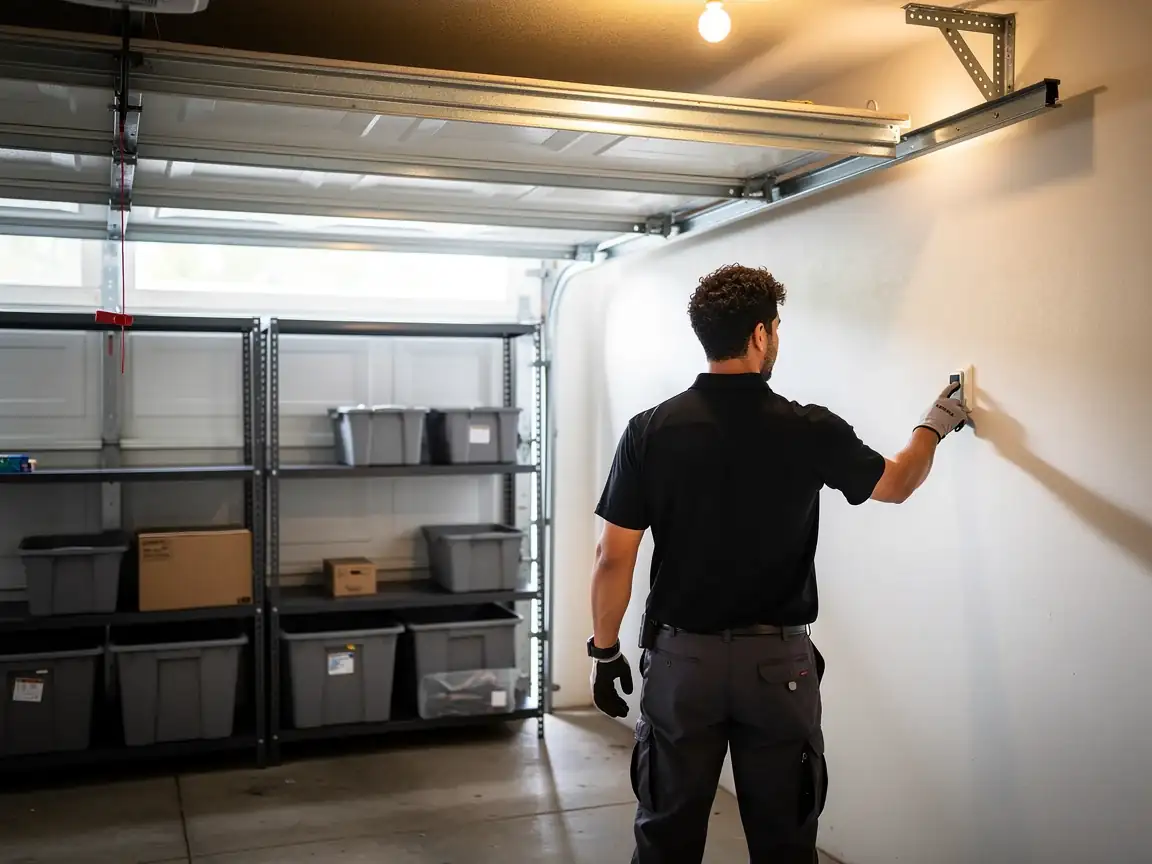
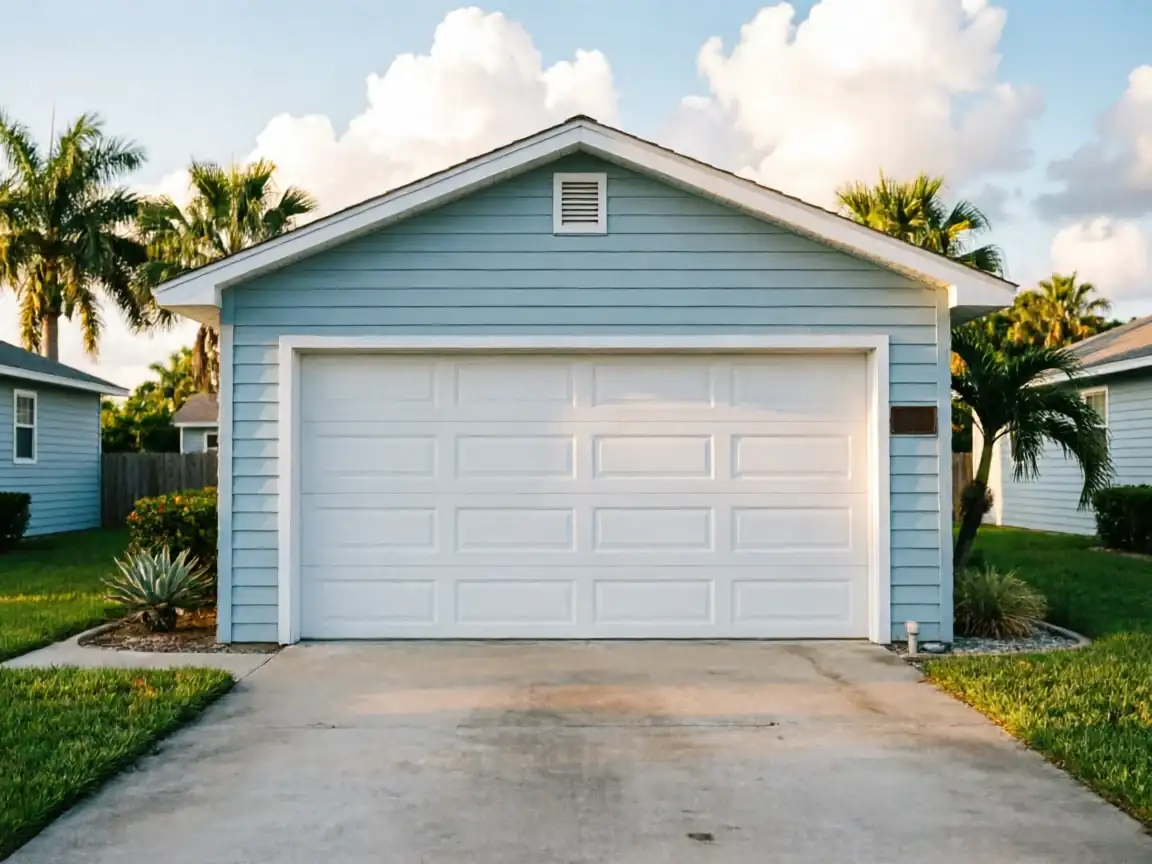
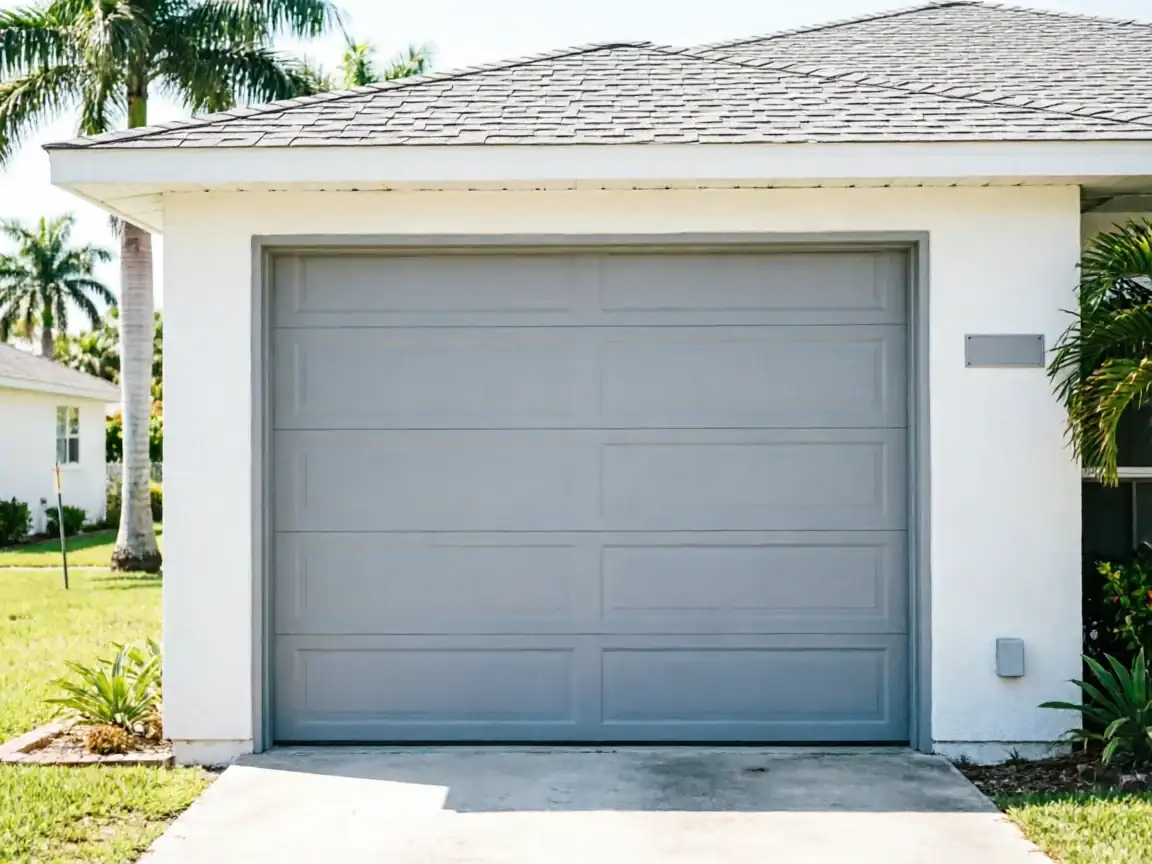
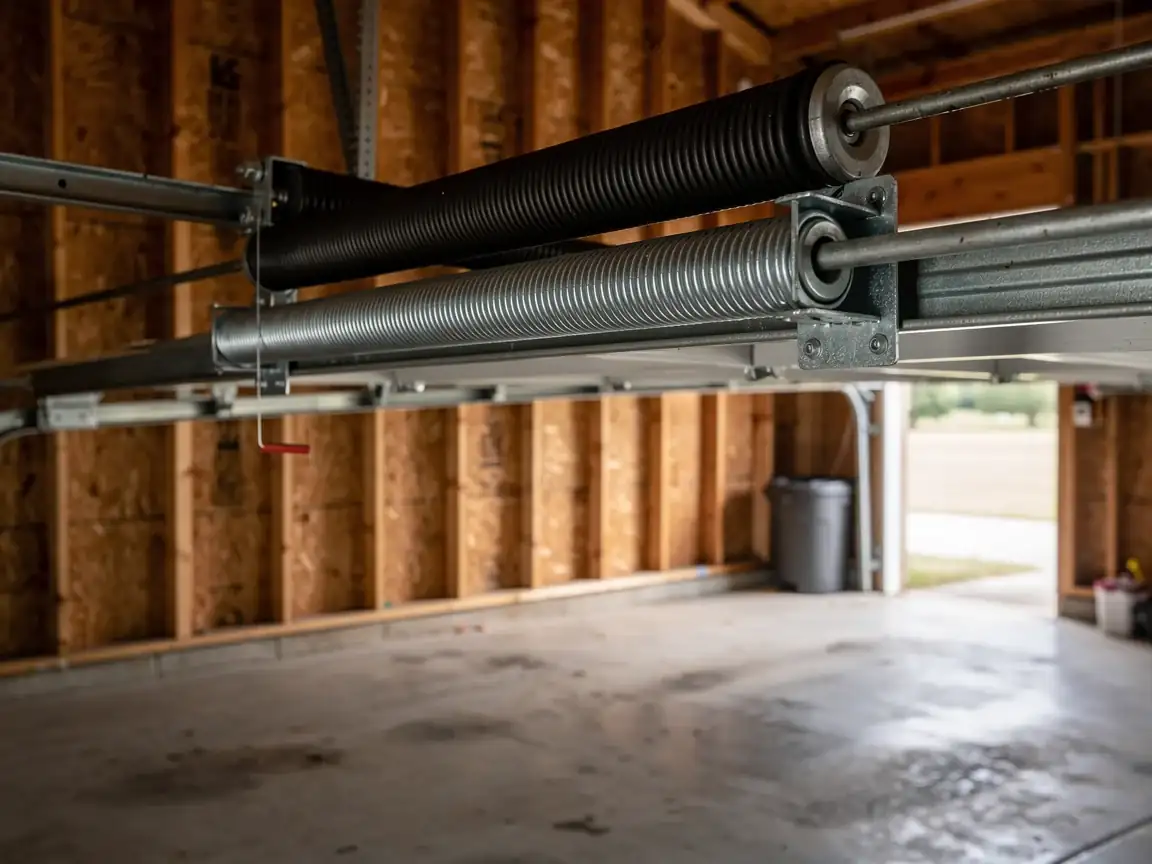
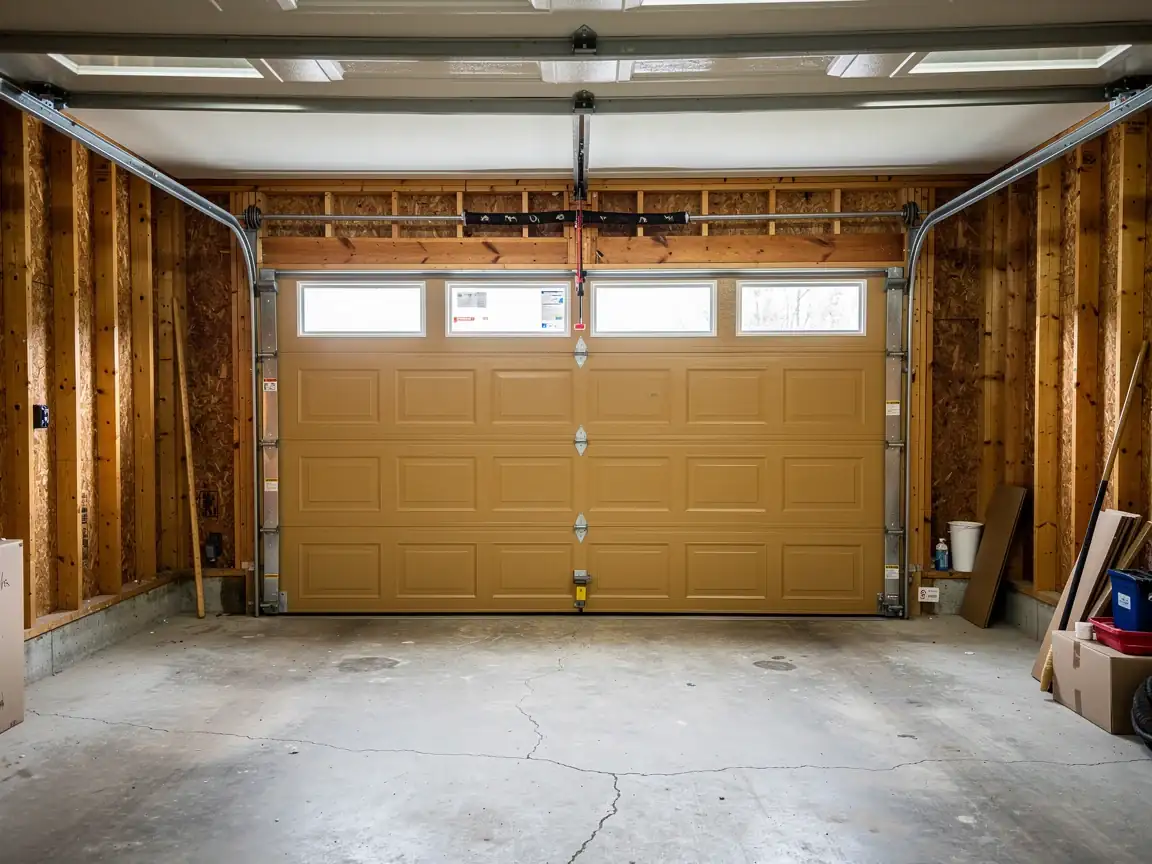
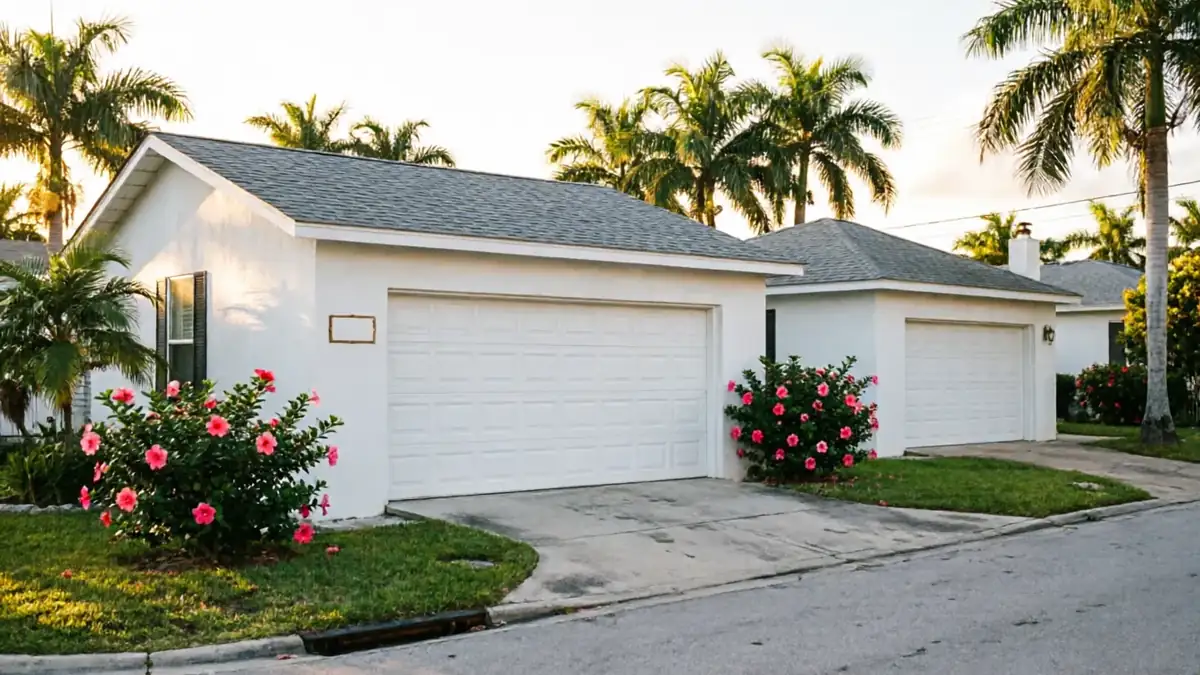
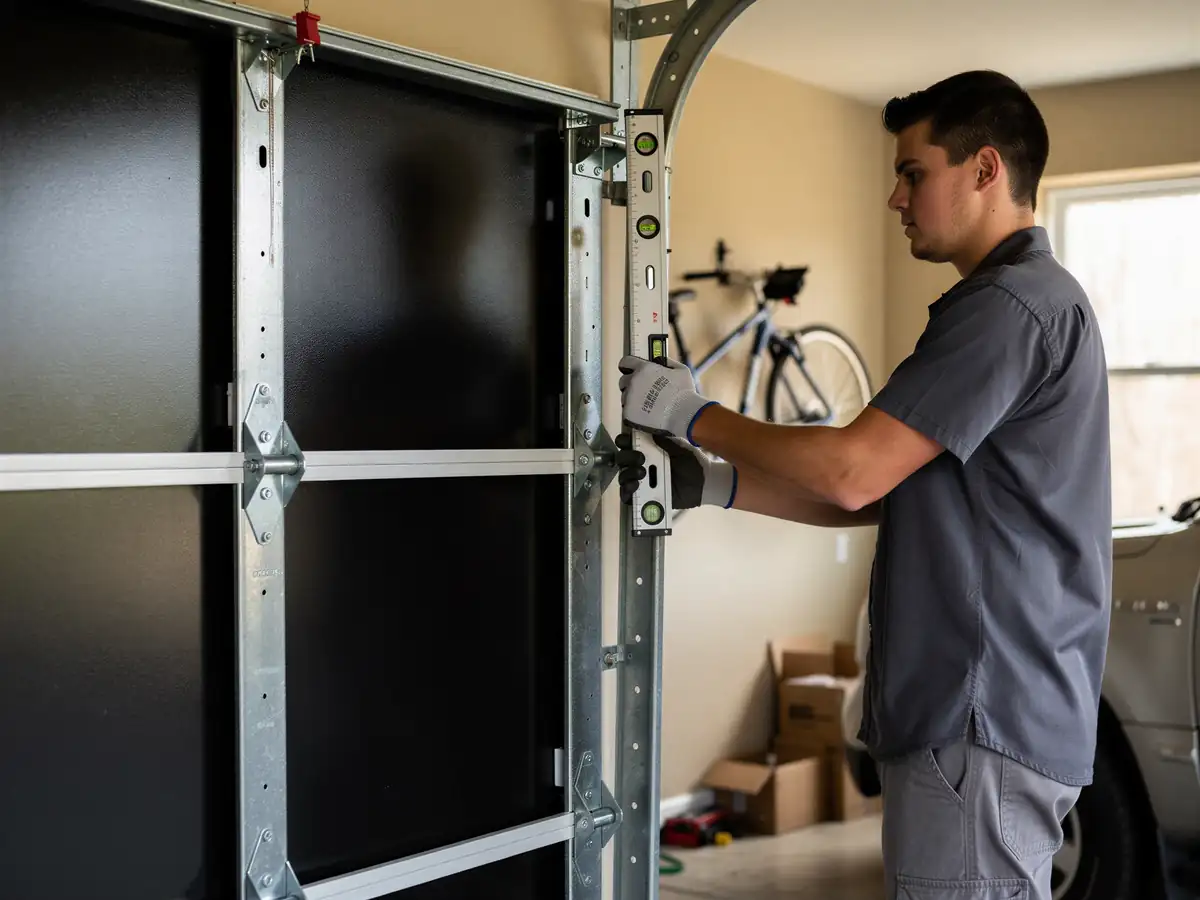
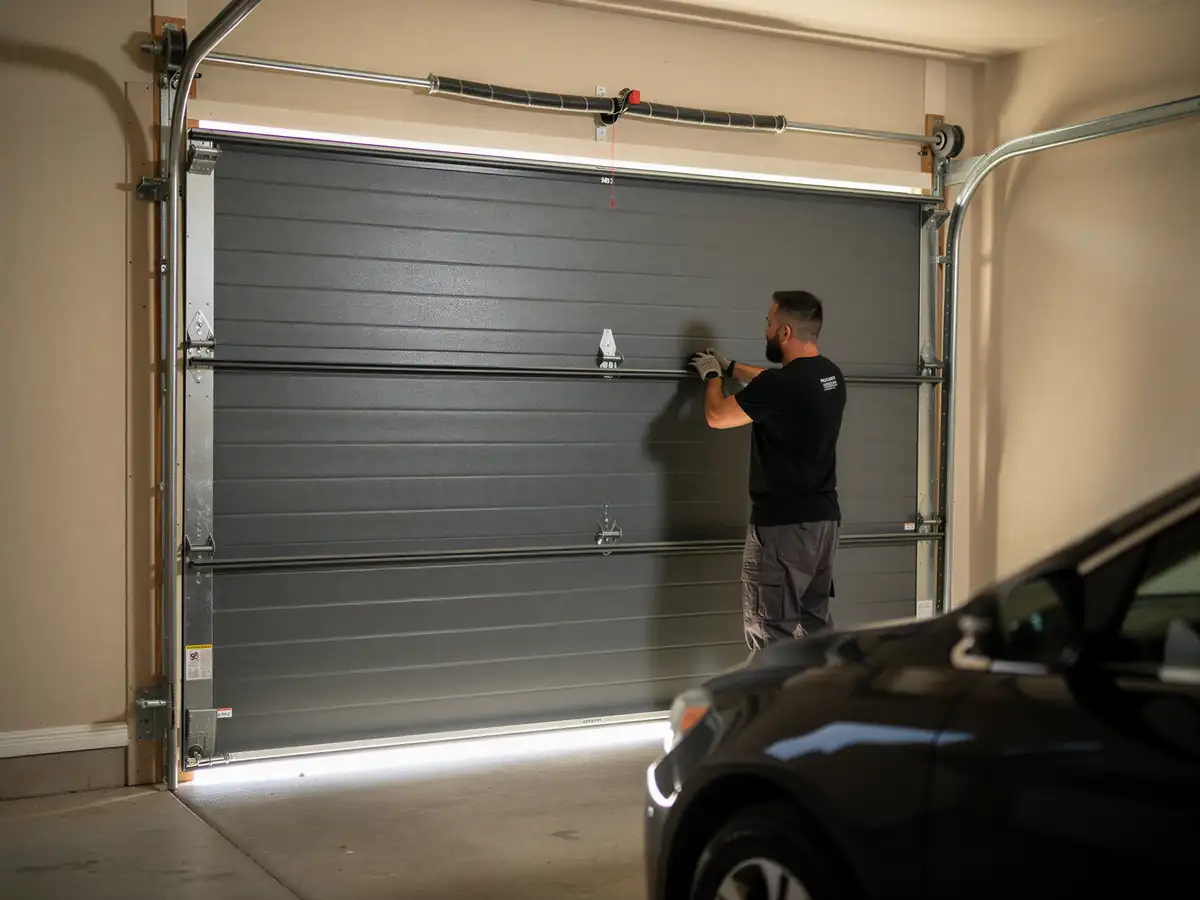
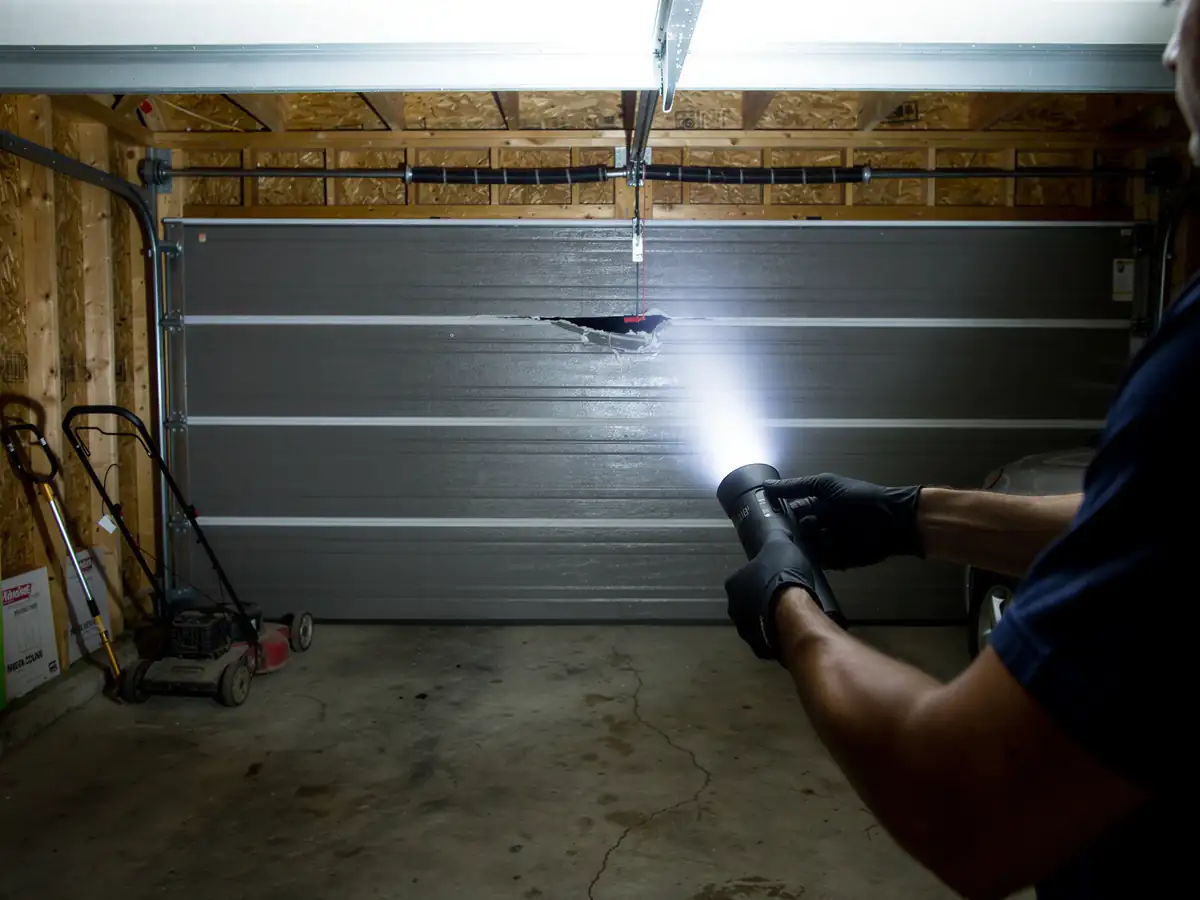
The median home in this part of Coconut Creek went up around 1989, a good decade and more newer than the 1976 median across the wider service area. That matters for what breaks. You're less likely to have the old one-piece slab doors on side-mounted torsion hardware that show up in the earlier-built neighborhoods closer to Sunrise, and more likely to have sectional steel doors on extension or torsion springs rated for a late-80s/early-90s opener setup. The jobs we see most here are worn rollers and cracked bottom panels on doors pushing 30-plus years old, opener drive gears that strip after two decades of daily cycling, and torsion springs that are original to the house and finally giving out. We also get called for track realignment after a car clips the door - standard stuff, not weather-driven, since this is a mild climate without the freeze-thaw cycles that crack slabs or warp tracks up north.
What the Housing Means for Your Door
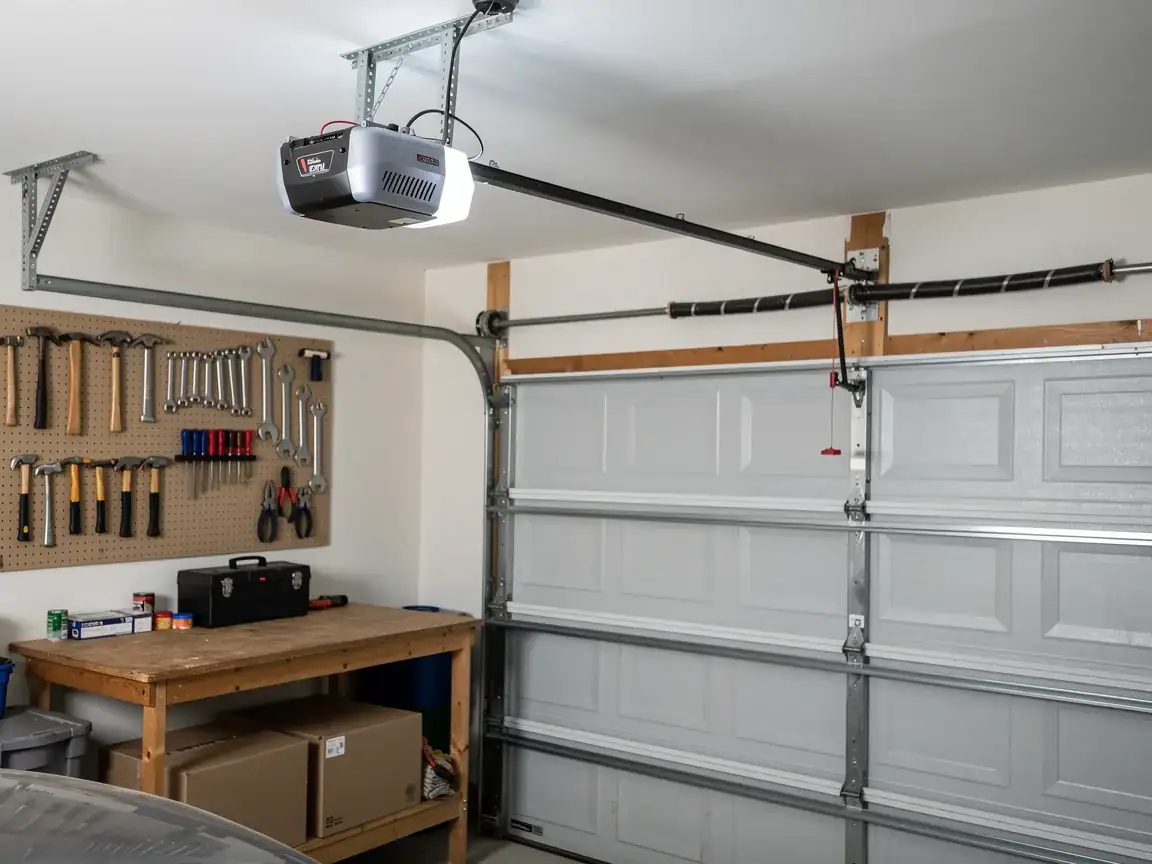
A house built in 1989 was designed around garage door and opener specs that are a full generation past what you'd find in an older neighborhood near Sunrise. Door openings tend to be standard widths, opener horsepower is usually modest by today's standard, and the torsion spring systems were sized for the heavier wood-composite doors common at the time - not the lighter insulated steel doors homeowners often swap in now. If you've replaced the door but kept the original spring, that mismatch is worth a second look, since an undersized or oversized spring shortens cable and bearing life either way. One honest limit here: if your opener is original to a 1989 build, parts for it are often discontinued, and a repair quote on a 35-year-old unit should always include the cost of just replacing it, because chasing parts for something that old can cost more than a new opener.