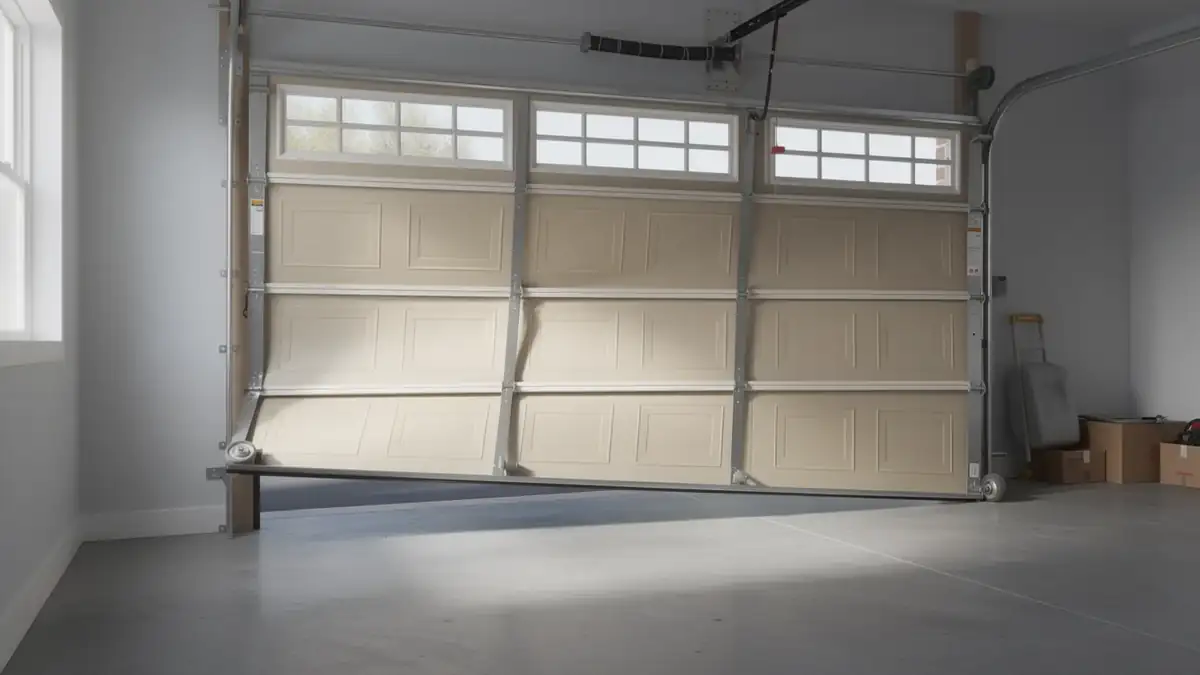
What to Look At First
Start at the rollers
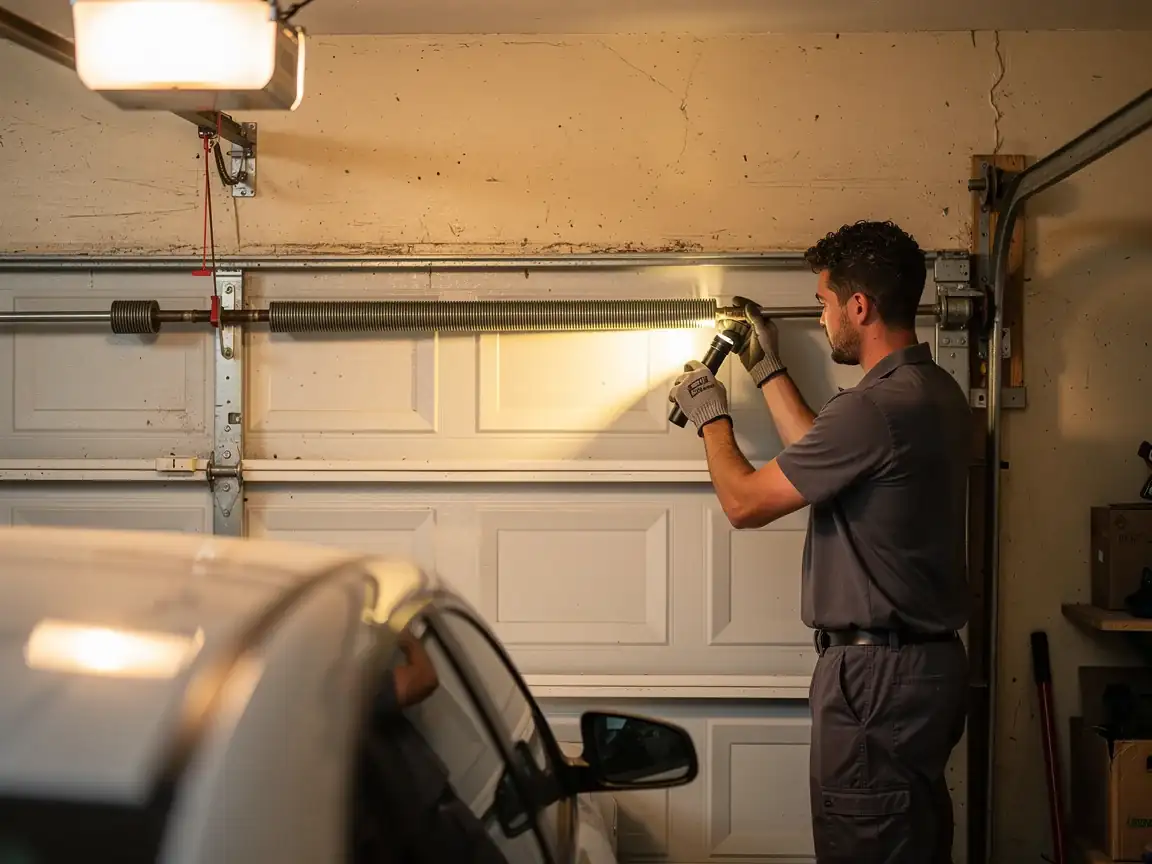
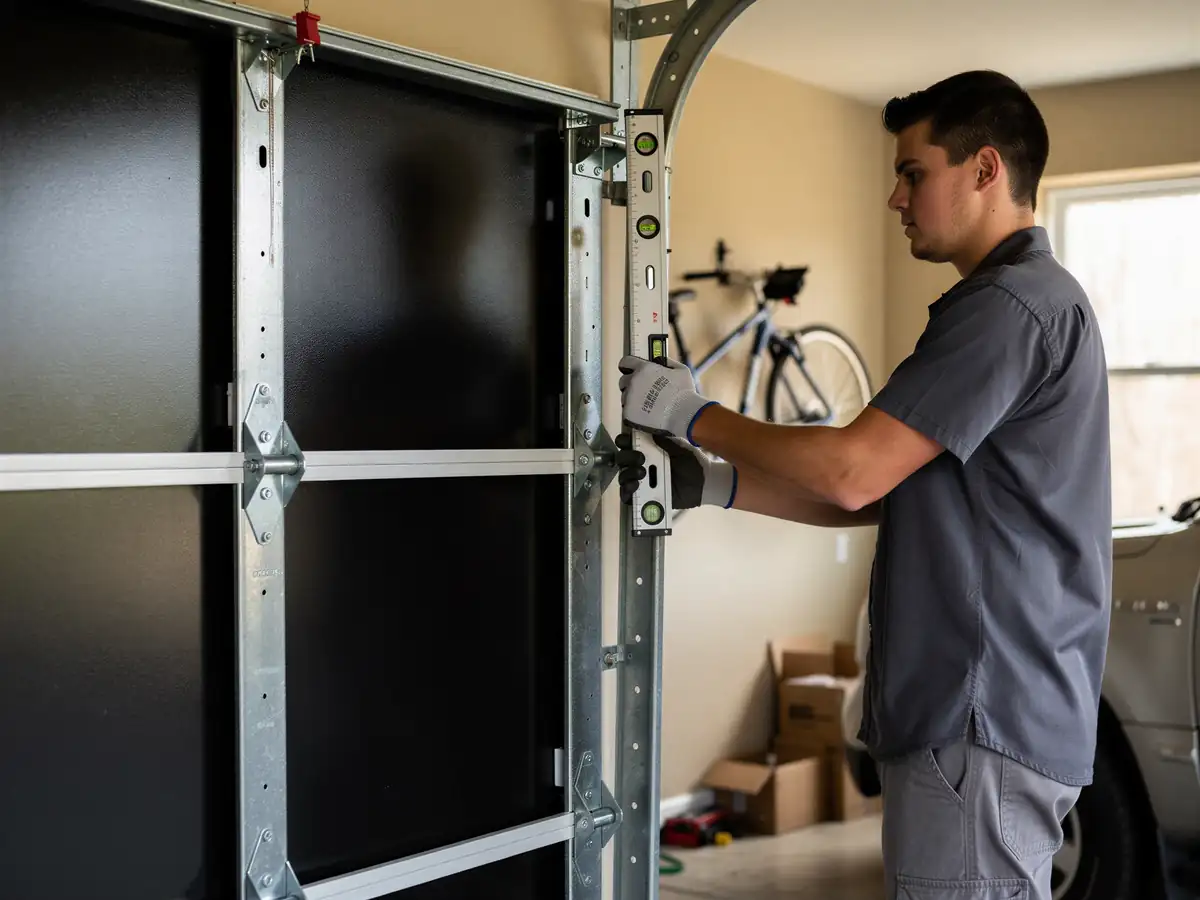
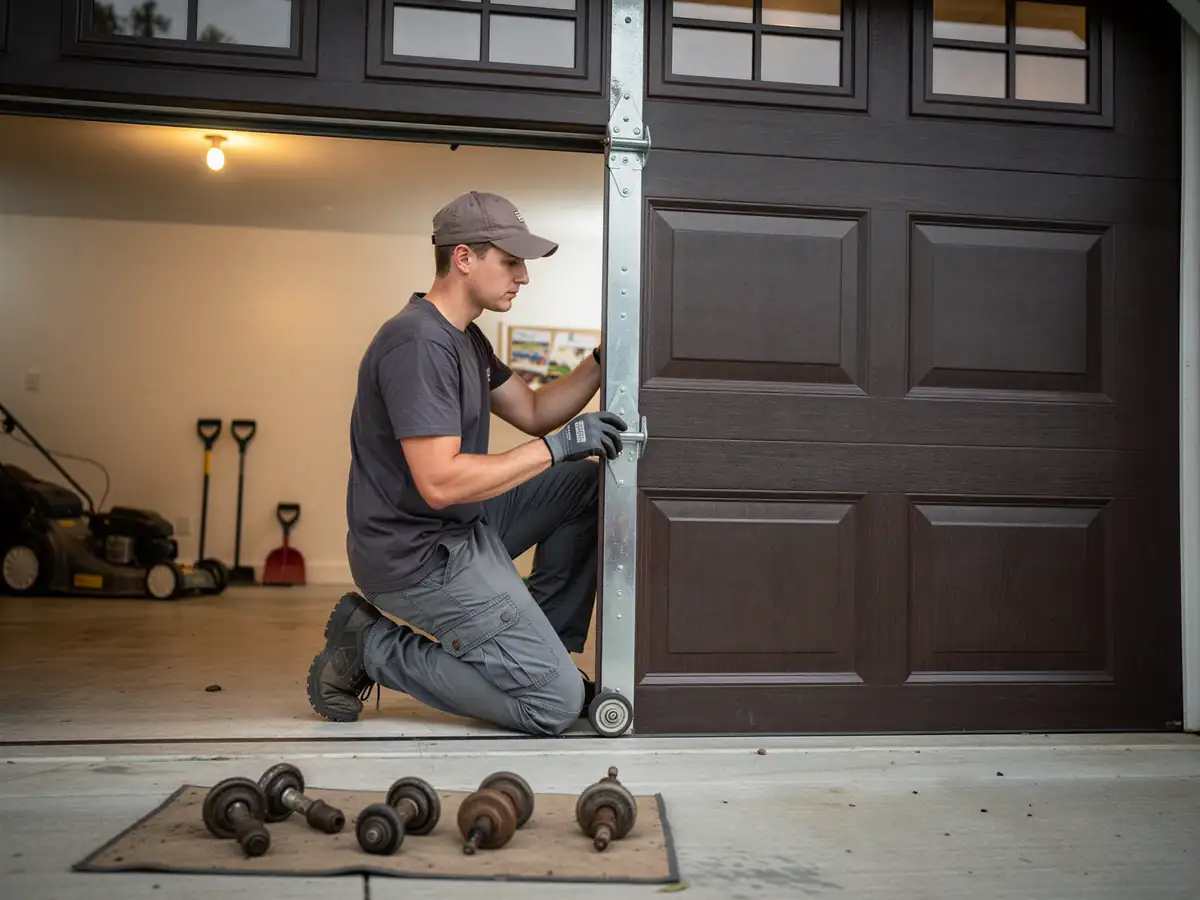
On a door that's off track, the roller has usually popped out of the track at a bend point - either the curve where the horizontal track meets the vertical, or a spot where a bracket has worked loose. Look for a roller sitting outside the track channel, or a track that's visibly bowed or pulled away from the wall.
A lot of the housing stock in this part of Broward went up between 1962 and 2005
With a good chunk of it clustered in the 1960s-70s era across the 25 or so named areas that make up this market. That means a large share of doors out there are either original hardware or a second-generation door hung on the original track and jamb brackets. Those older brackets were fastened into framing that's had fifty-plus years to settle slightly, and a bracket that's even an eighth of an inch out of plane will let a roller walk off the rail under normal cycling.
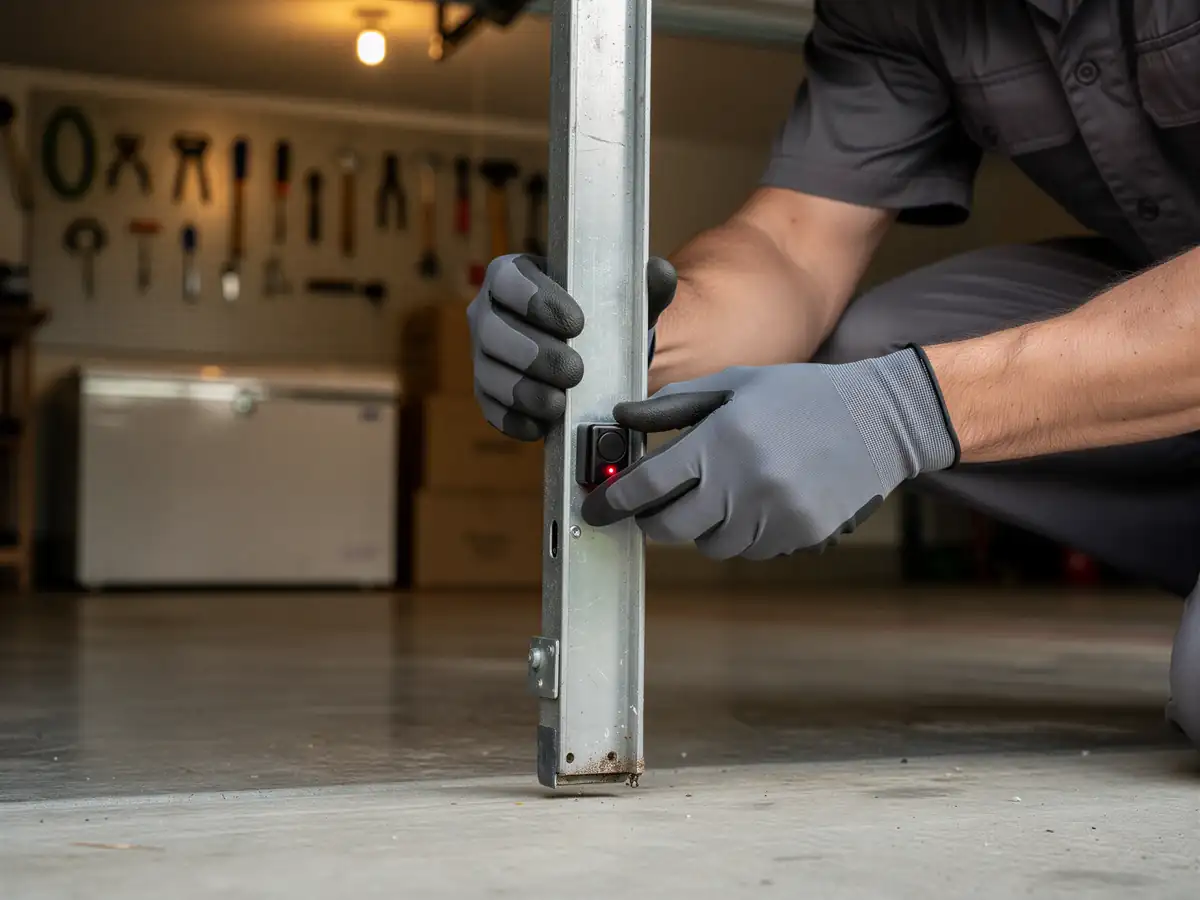
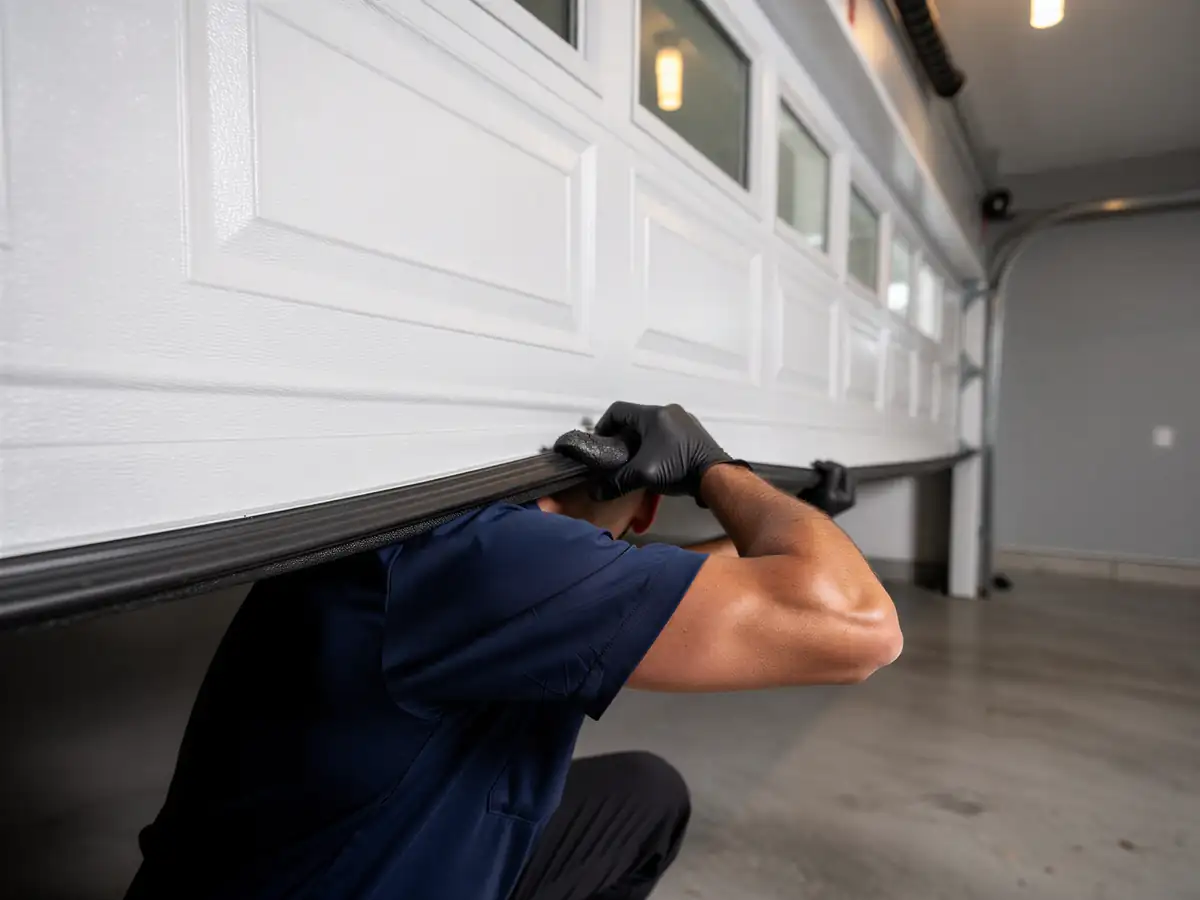
Check the bottom corners too
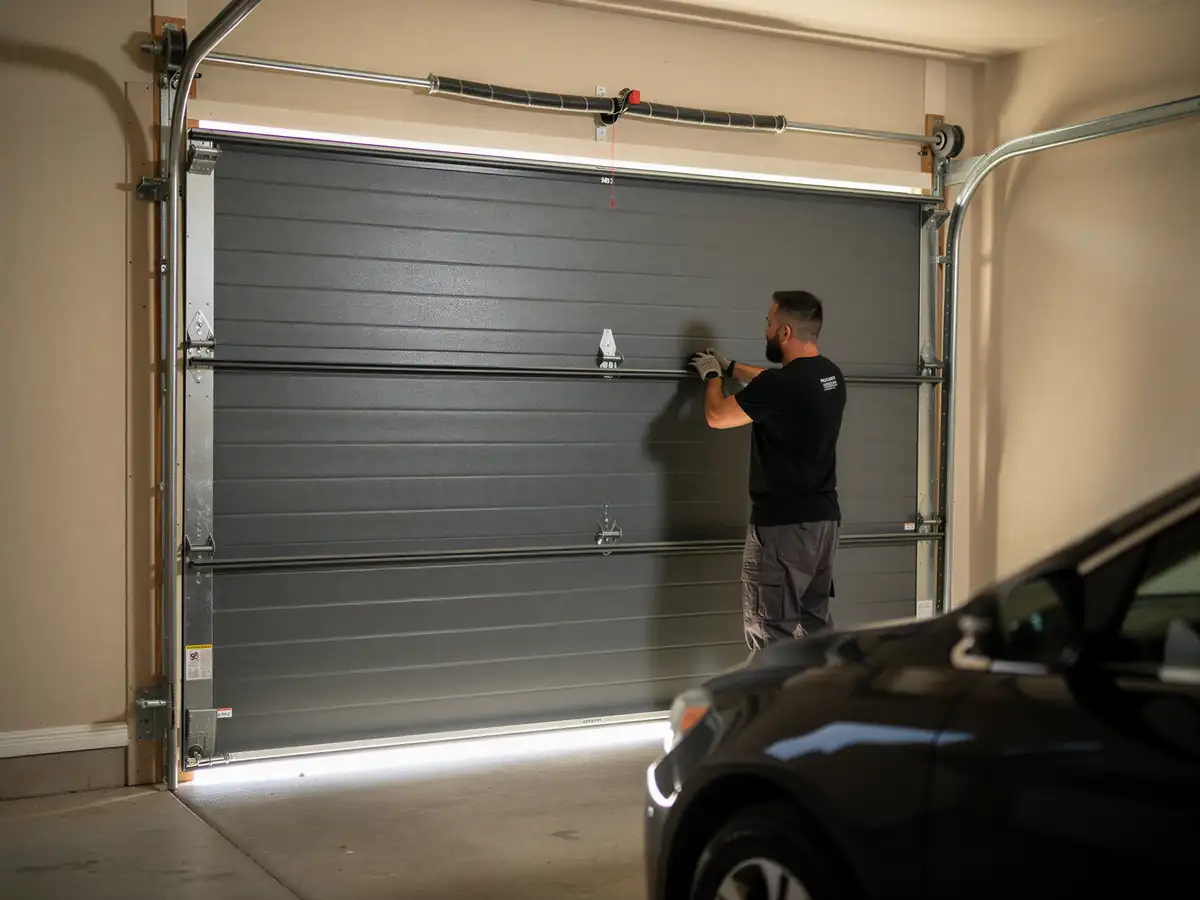
If one side of the door is lower than the other when it's down, a cable or a bent track on that side is often the real cause, not the roller itself.
What the Weather Here Does to It
This area sits in a mild temperate band - no hard freezes, no big swings that crack metal from cold. That's a point in your favor, but it's not nothing. Consistent humidity and warm air keep moisture in contact with steel track and hardware year-round, and over decades that shows up as surface rust on track bolts, roller stems, and the hinges that hold panels square to each other.
Rust doesn't bend a track, but it does two things that lead to a door going off track: it seizes a roller so it stops spinning and starts scraping instead, and it lets bolts back out slightly as the threads corrode. A roller that's dragging instead of rolling puts sideways load on the track it wouldn't otherwise see, and that's often the actual mechanical start of a door walking off the rail. In a climate with real winter, you'd be looking at cold-stiffened grease and ice in the track as the bigger culprit. Here, it's slow corrosion and humidity doing the work instead - different cause, same result at the track.
The Situation
Put those two things together - a lot of original or near-original hardware from a 1962-2005 build window, and a climate that corrodes steel slowly rather than cracking it fast - and you get a specific failure pattern: tracks that are still structurally fine but whose brackets have crept, paired with rollers that are rusted enough to bind. Neither one looks dramatic from the driveway. The door still opens. It just doesn't stay seated in the track the way it did when the house was new.
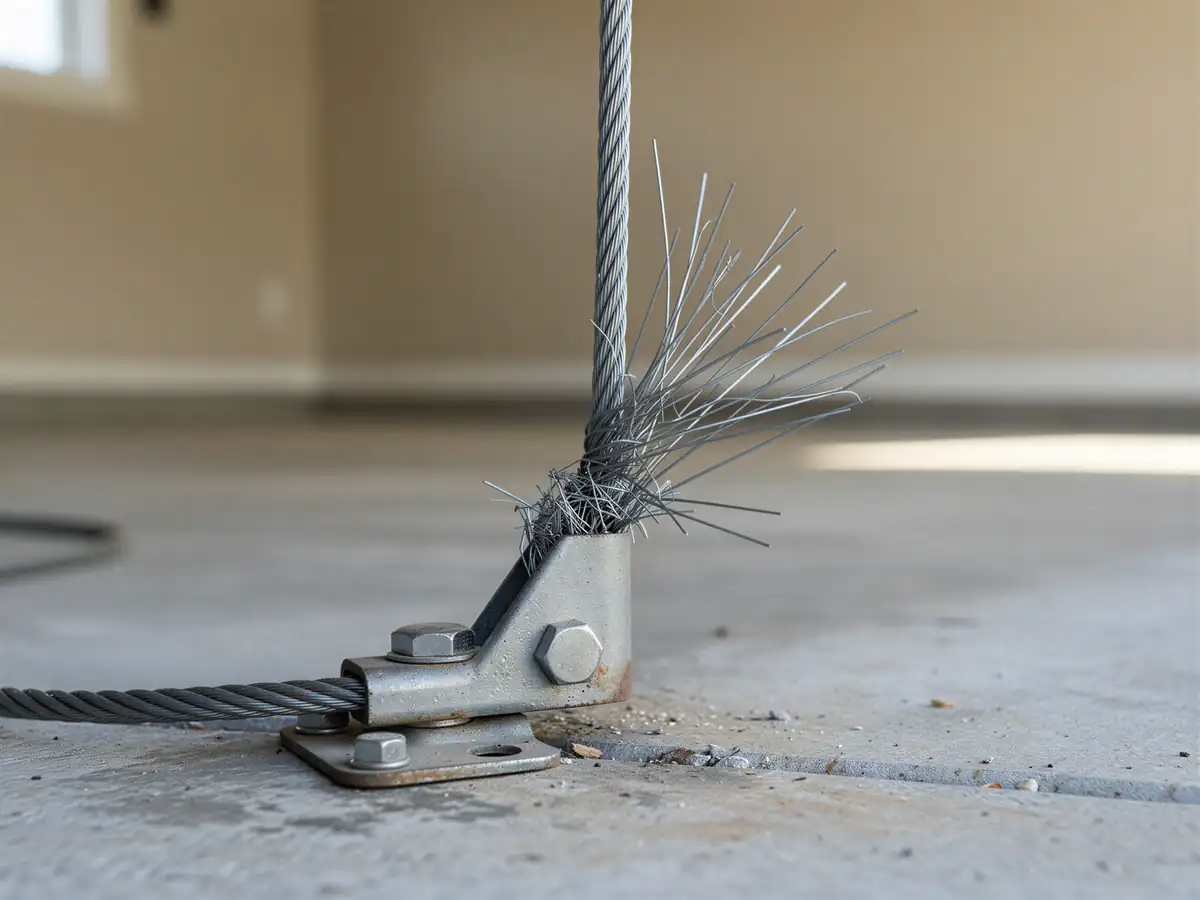
I'll be straight about the limit here: if the track itself is bent, not just loose, bending it back rarely holds. A track that's been forced or hit once usually needs to be replaced rather than reset, because the metal doesn't return to true and it'll pop again within a few cycles. That's a parts call, not a labor call, and it's worth knowing before someone tells you it's a quick fix.
Doing Nothing For Now
If the door is still opening and closing and nothing looks bent
You can usually wait before calling anyone. A roller that's rattling but still inside the track is a maintenance item, not an emergency. What you shouldn't do is keep running the opener on a door that's visibly off the rail on one side - that's how a track bracket tears out of the jamb instead of just bending.
Given how much of the housing here is original-era hardware
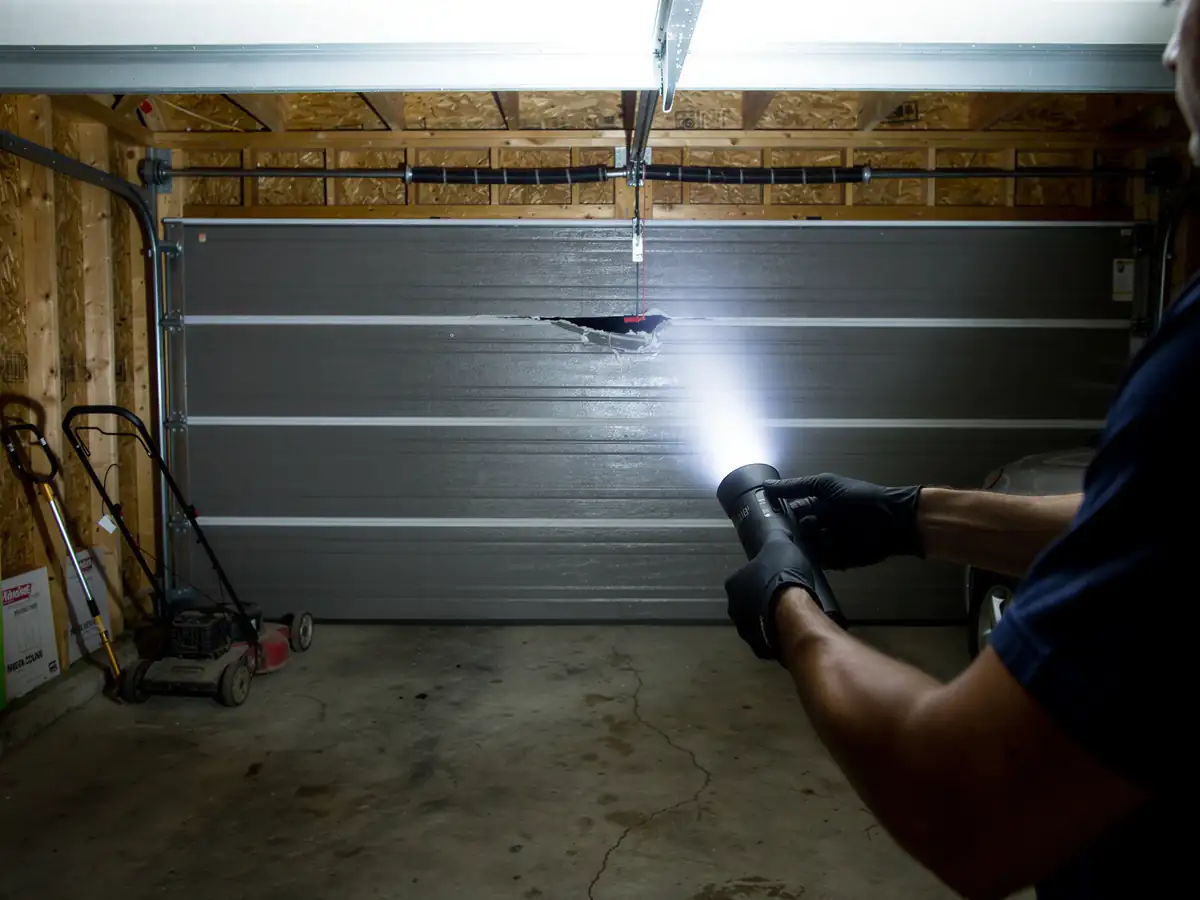
The honest move for most owners is to get the track and roller condition looked at before it becomes a stuck door at 7am. It's a short visit either way.