Timing on This Area
Miami Lakes sits about 18 miles from our Sunrise base
Which is farther than most of the territory we cover day to day. That distance doesn't change the parts on the truck, but it does mean we route Miami Lakes calls together when we can rather than treating every call as a one-off run across the county. If you call with a spring that's already snapped and the door won't move at all, tell us that up front - a dead door jumps the queue ahead of a slow opener problem. We're not going to promise a same-day window here the way we might for a job five minutes from the shop, because that promise would depend on traffic and what else is on the schedule that morning, not on anything about your house.
- 18 miles
What we can tell you is that once we're on-site
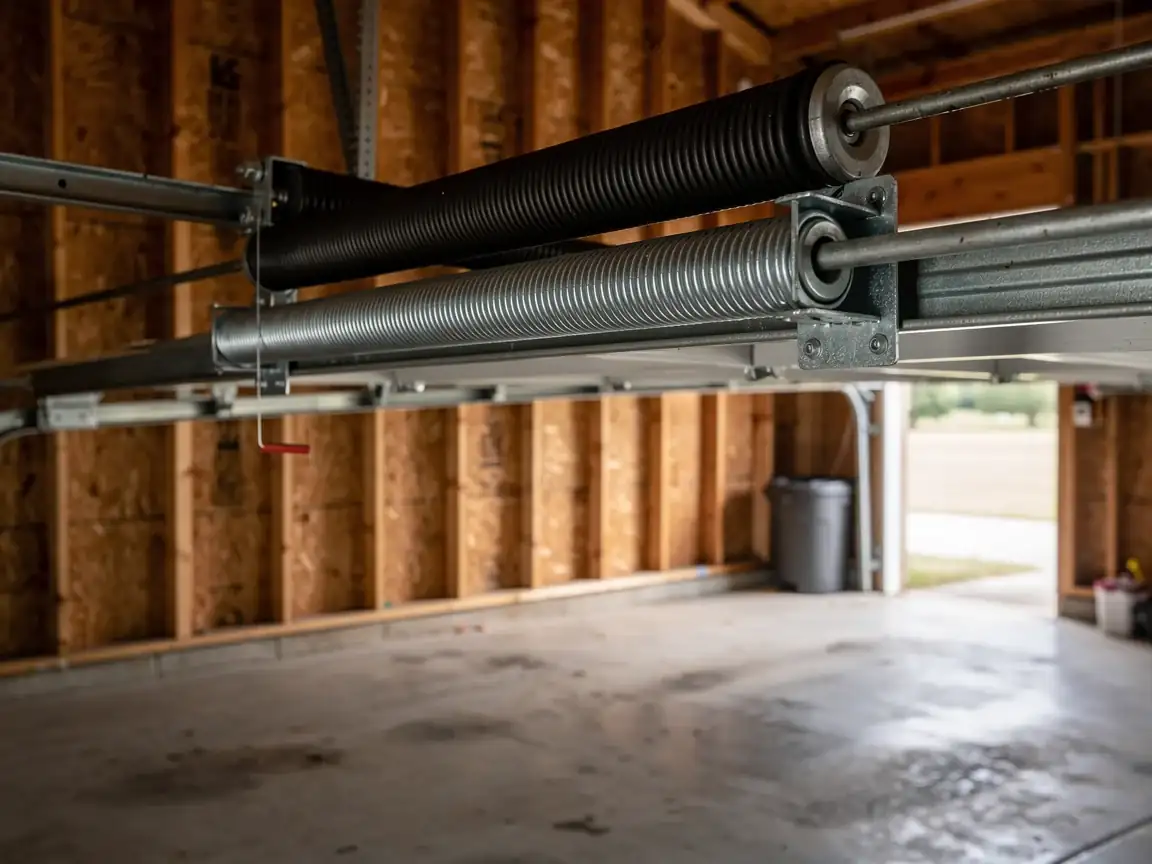
The work itself doesn't take longer because of where you live. A torsion spring swap is a torsion spring swap whether the house is in Sunrise or 18 miles out. The honest limitation is scheduling flexibility, not skill or parts.
- 18 miles
Common Jobs Here
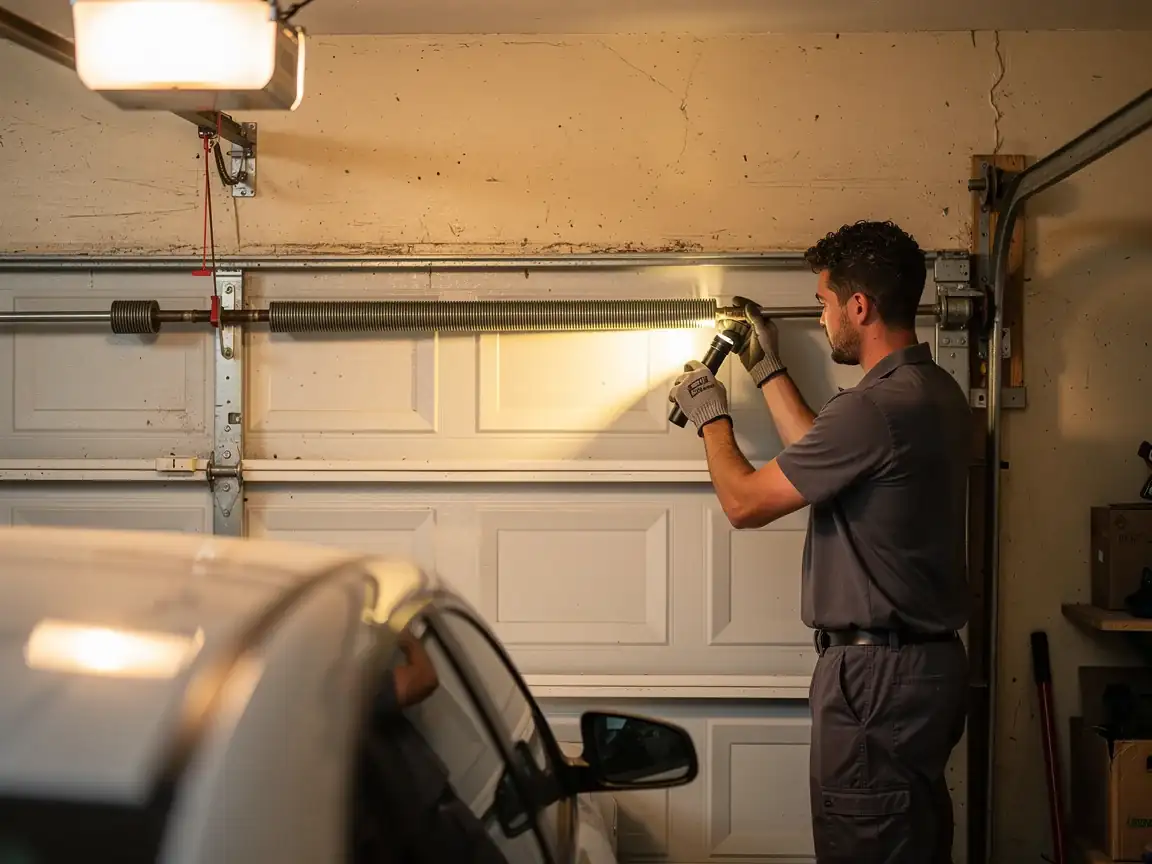
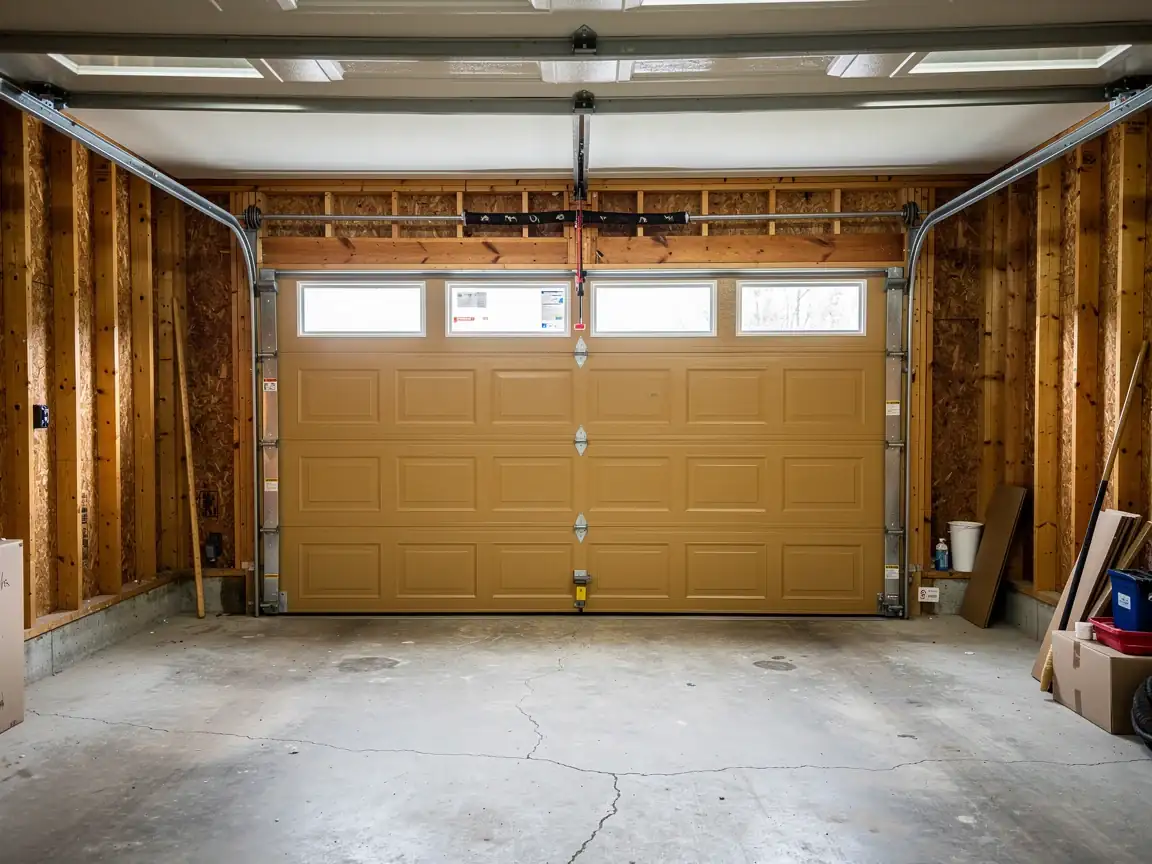
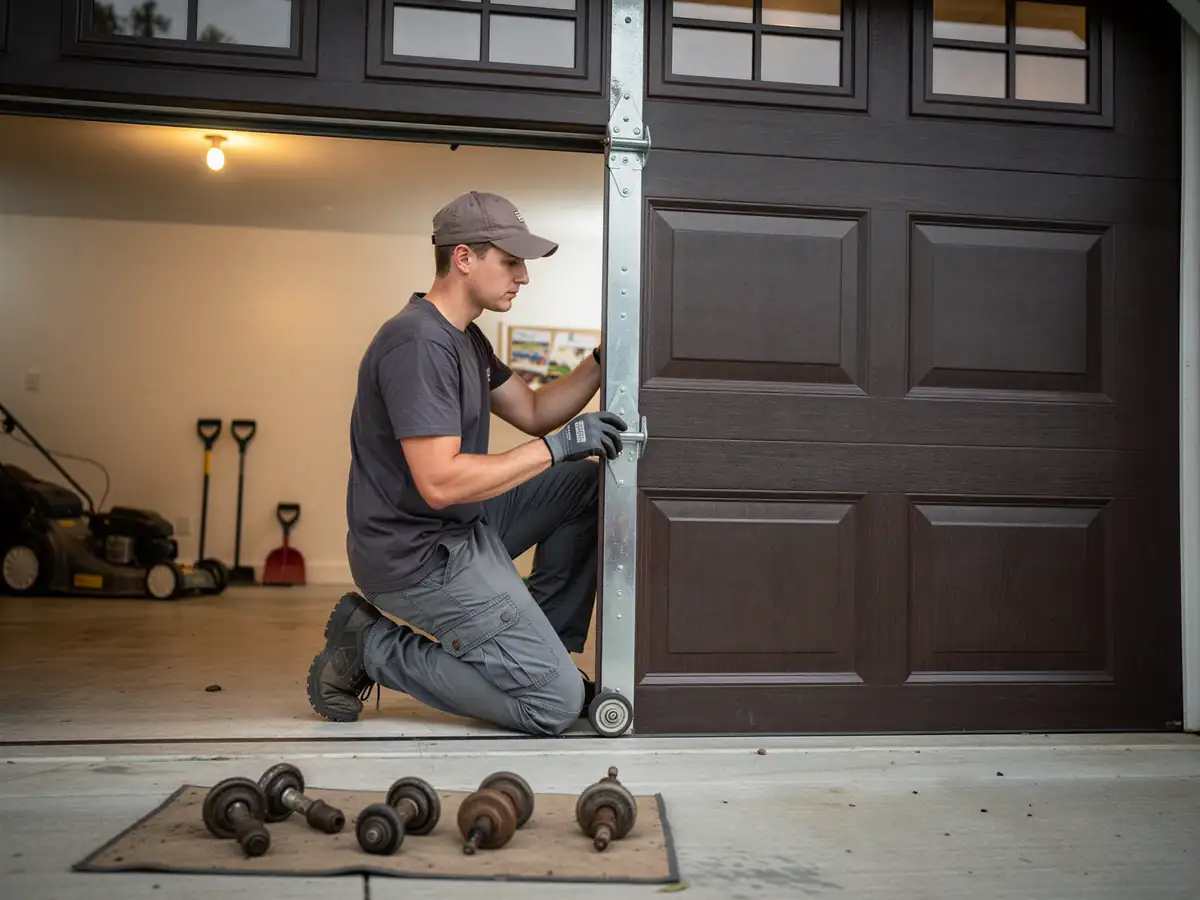
Miami Lakes homes are newer than a lot of what we see closer to Sunrise, with a median build year around 1990 instead of the 1970s stock that dominates the rest of our coverage area. That shows up directly in what breaks. Instead of original one-piece doors on side-mounted hardware, you're mostly looking at sectional steel doors on standard torsion springs - the common, stockable kind, which is good news for repair turnaround. The jobs we run most in Miami Lakes are opener logic board failures, worn rollers on doors that have had 30-plus years of daily cycling, and torsion spring replacement on doors that are heavier than their 1970s counterparts because of thicker insulation in the panels.
We see less of the oddball stuff - no obsolete low-headroom torsion conversions, no doors sized for openings that don't match anything sold today. Miami Lakes' housing stock is young enough that parts fit without much hunting, which keeps these jobs more predictable than older-stock neighborhoods nearby.
What the Housing Means for Your Door
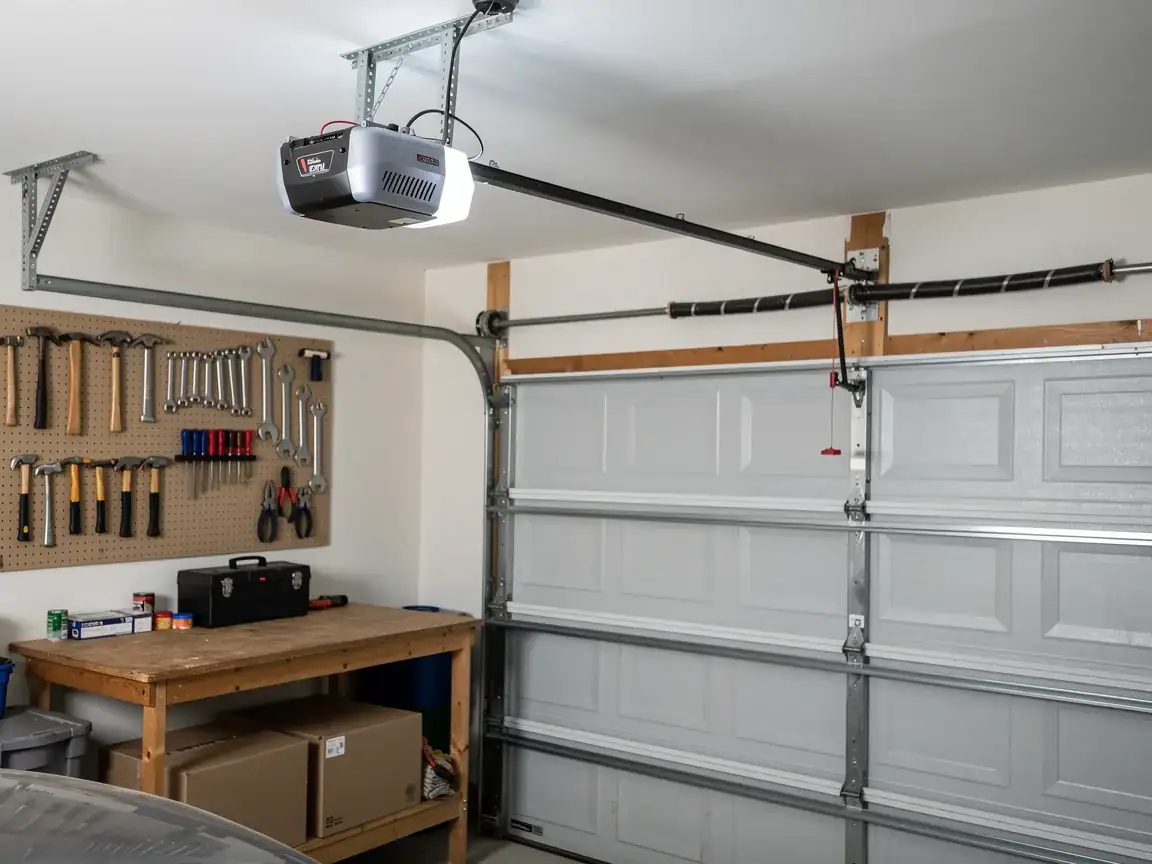
A house built around 1990 was built to a different garage door standard than one built in 1970. Door openings are more uniform, torsion spring systems are standard rather than the older extension-spring setups some pre-1970s stock still carries, and insulation in the panels themselves is heavier - which means more weight on the springs and more strain if a spring is even slightly undersized for the door. With median household income in Miami Lakes around $97,255, we also see more double-car, heavier insulated doors here than in lower-income pockets of the wider service area, which again points back to torsion spring sizing as the job that matters most.
The mild South Florida climate doesn't stress hardware the way freeze-thaw cycles do farther north, so you're not dealing with ice-cracked seals or cold-stiffened springs. What ages a Miami Lakes door is mechanical cycling and humidity on exposed steel hardware over three-plus decades, not weather extremes.
What Was Built Here
Across the wider service area the housing stock runs from 1962 to 2005 with a median around 1976
Spread over 25 named communities. Miami Lakes breaks from that pattern - its homes cluster closer to a 1990 median, with roughly 11,268 households in the area. That's a meaningfully younger build year than the service-area median, and it's the single fact that should drive how you think about your door before you call anyone. A door that's original to a 1990-built house is now pushing or past the general lifespan window for torsion springs and rollers, even though the house itself doesn't look dated.
- 11,268 households
This isn't a place where we're swapping out one-piece wood doors or chasing down parts for hardware nobody made after a certain year
It's a place where steady, predictable wear on standard sectional door components is the story - which, frankly, makes most Miami Lakes jobs more straightforward than what we run into elsewhere in the territory.