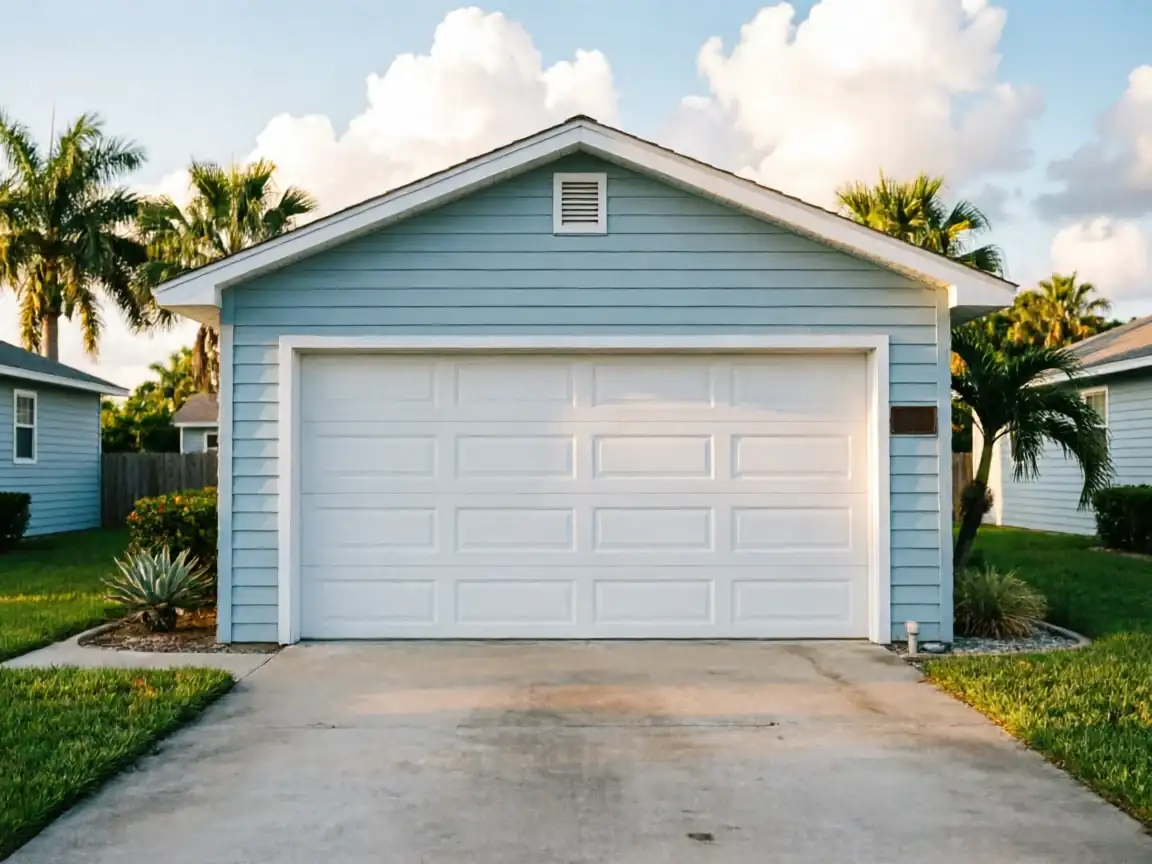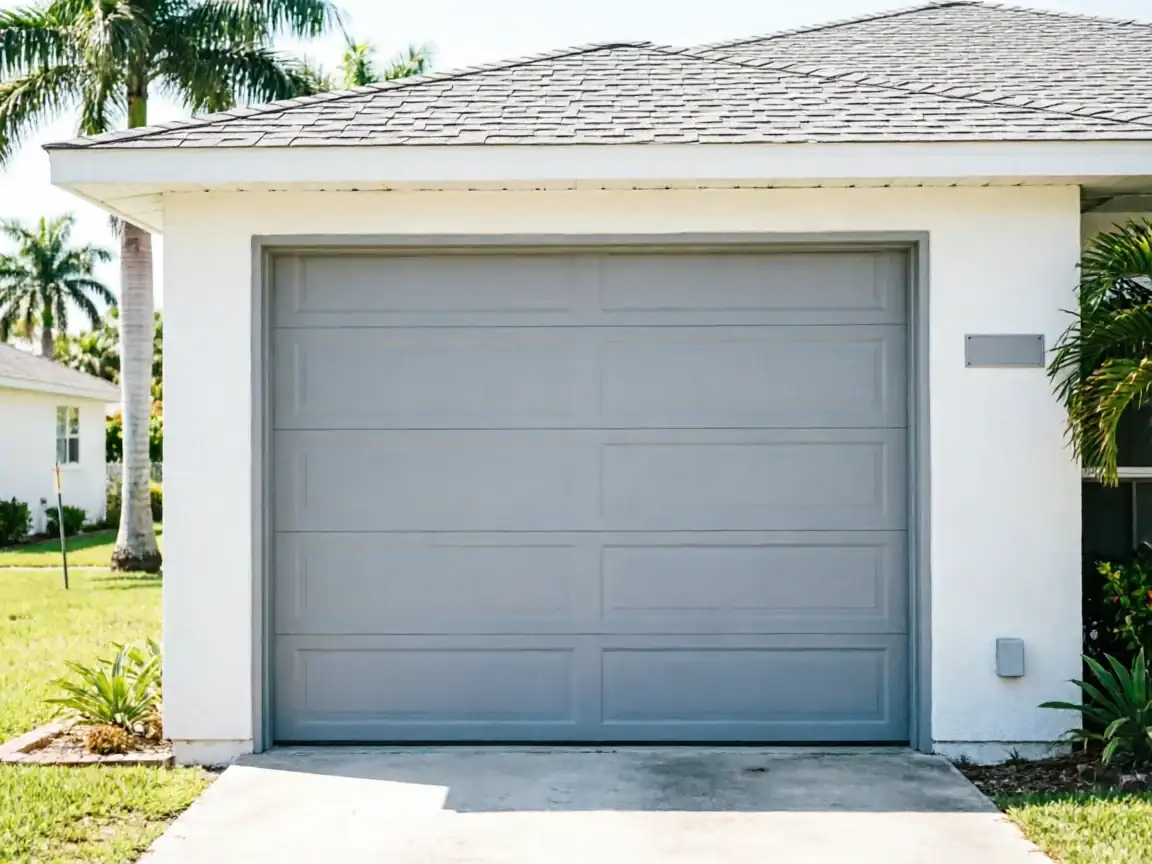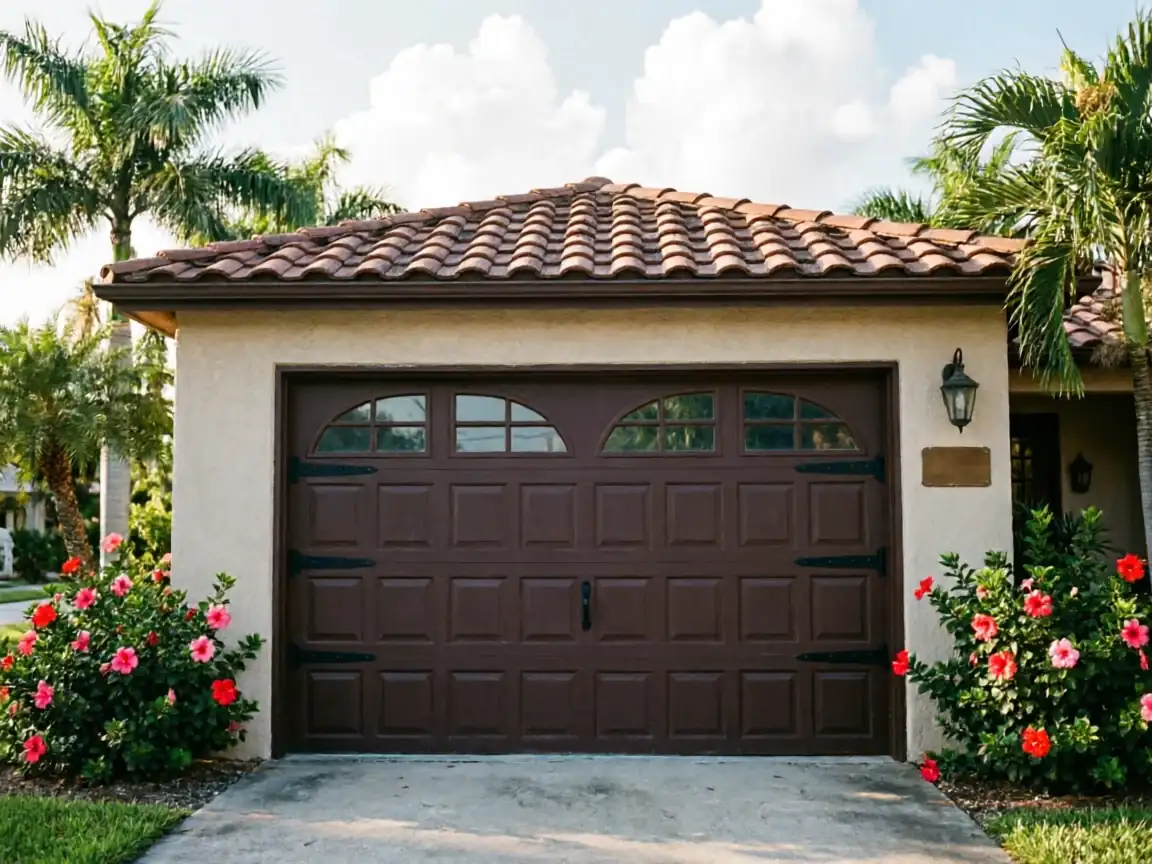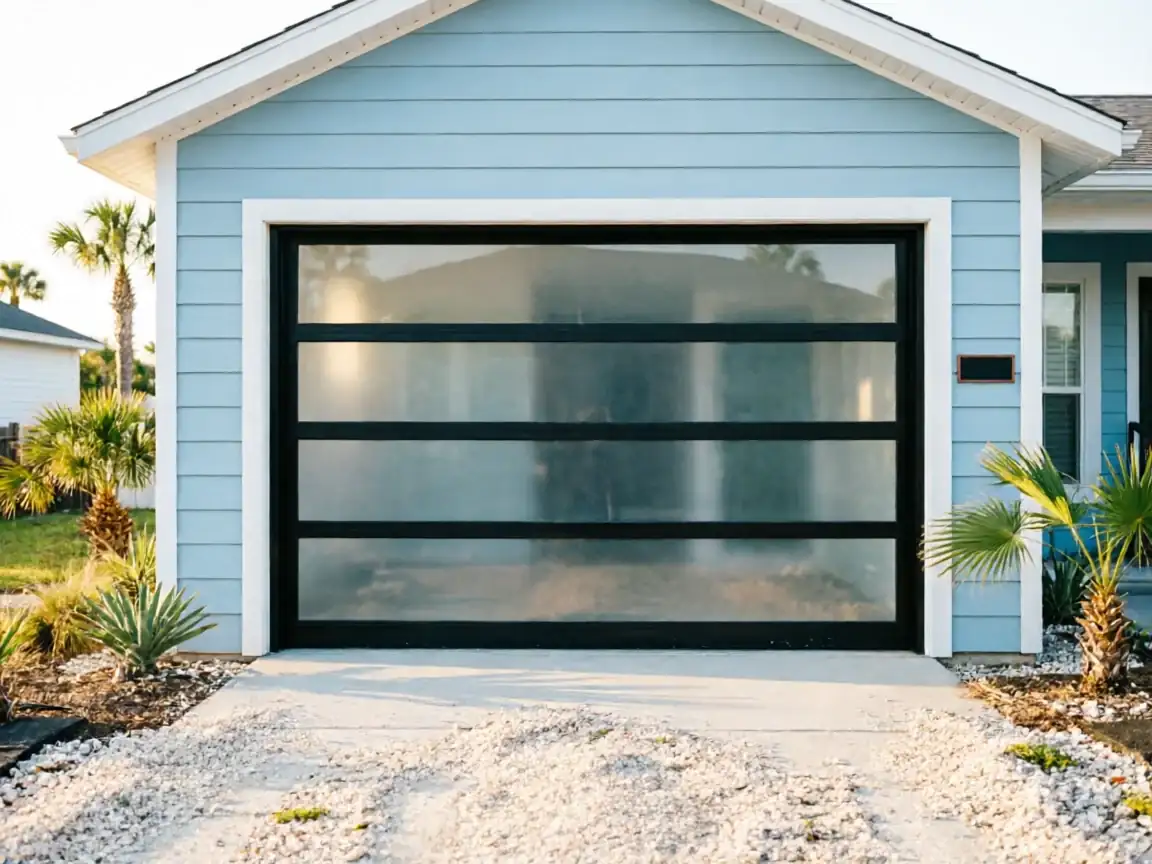
Why It Happens Here
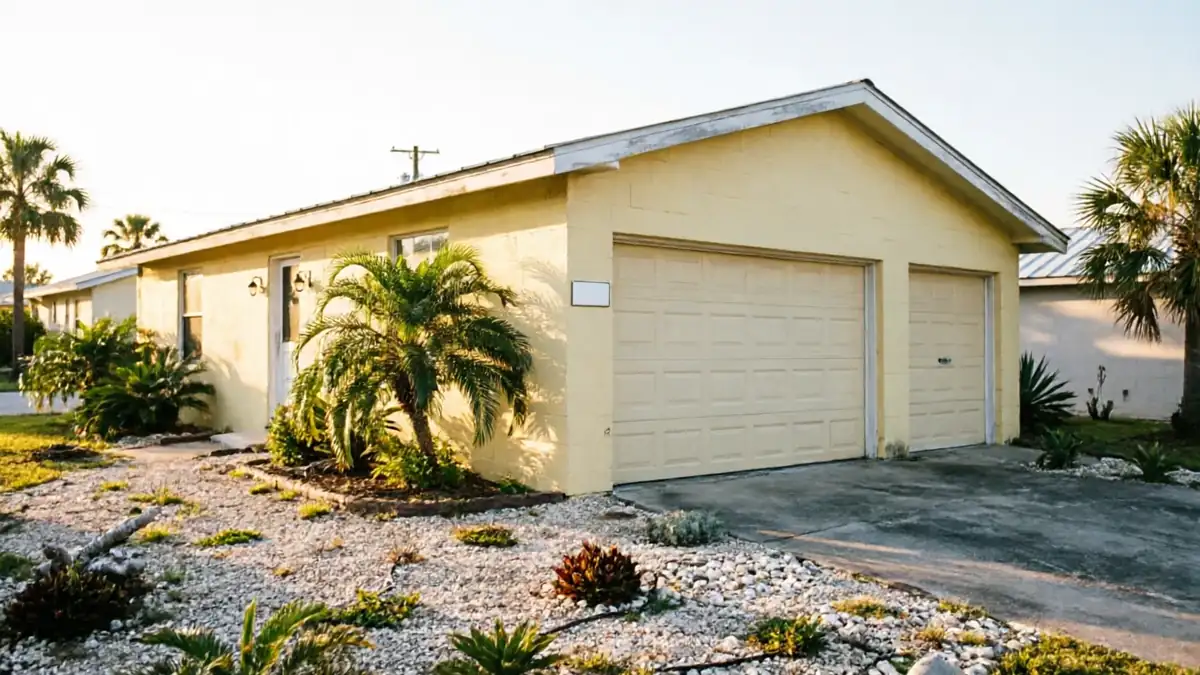
Most houses in Sunrise went up between 1962 and 2005
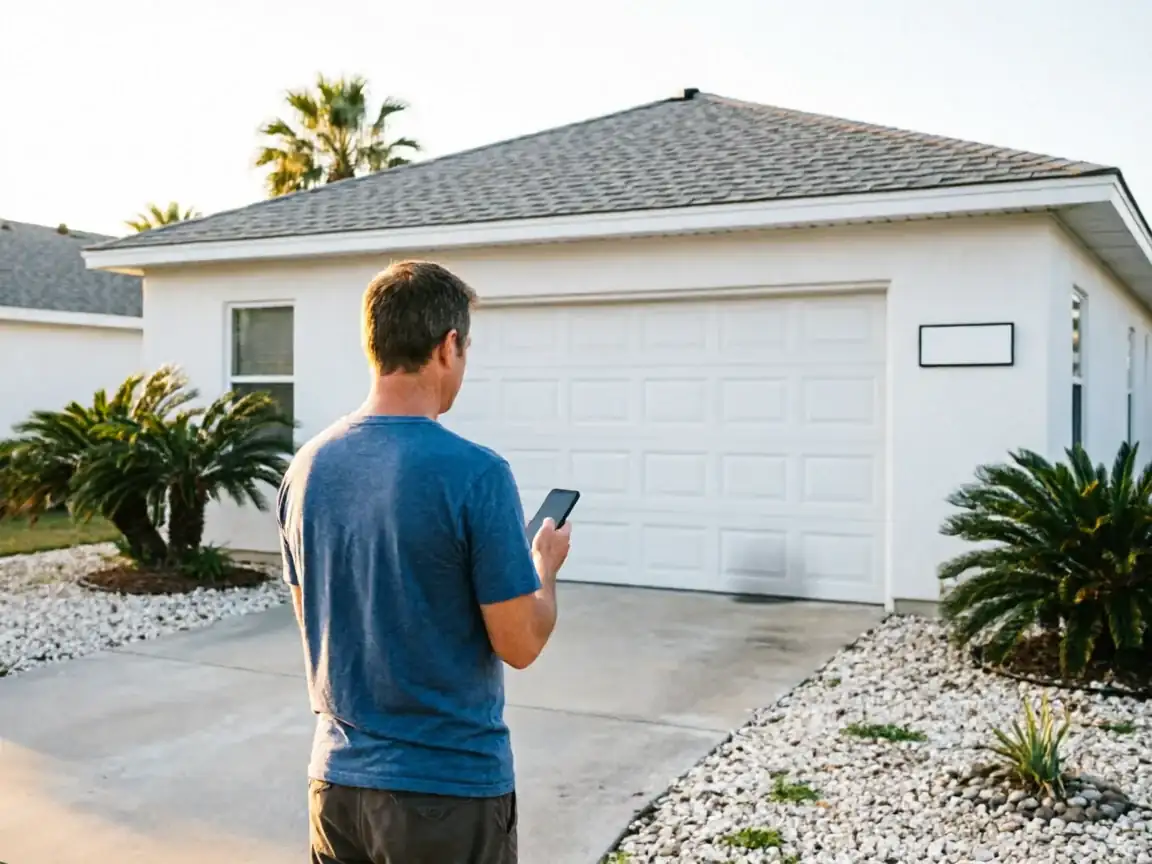
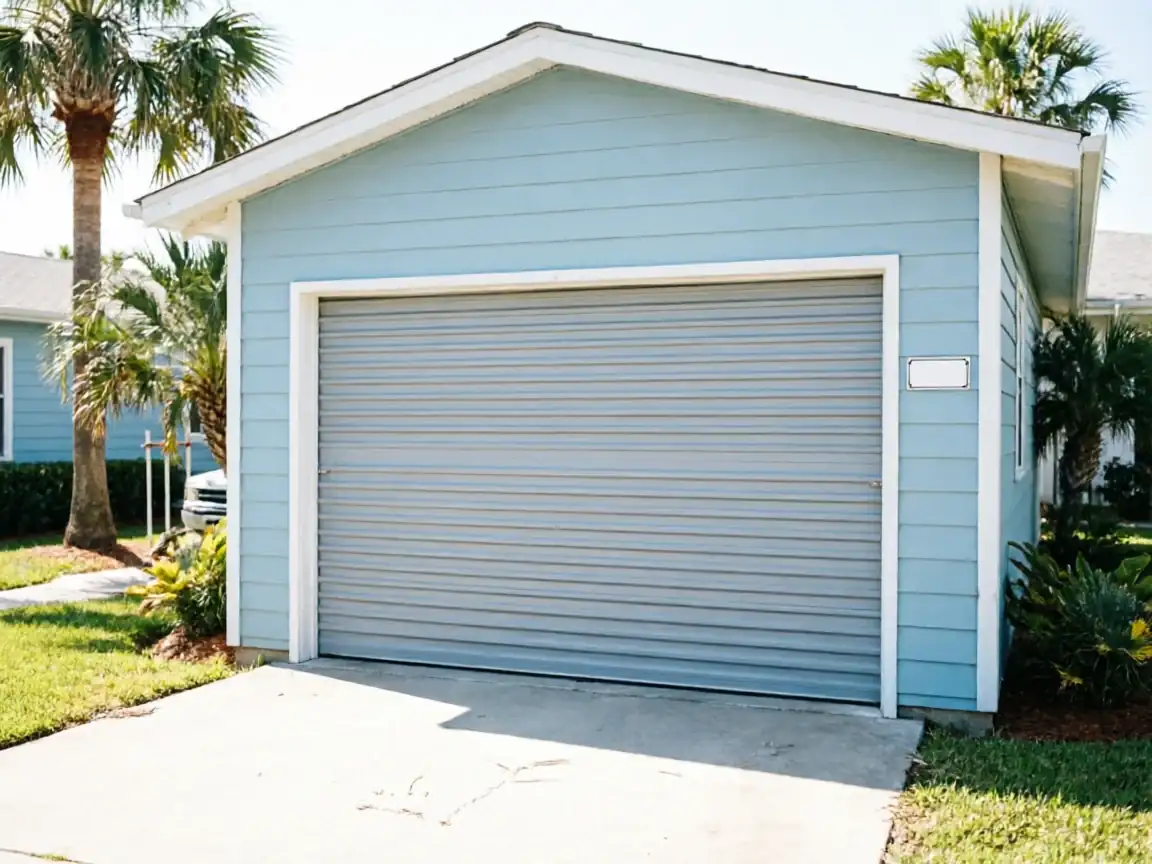
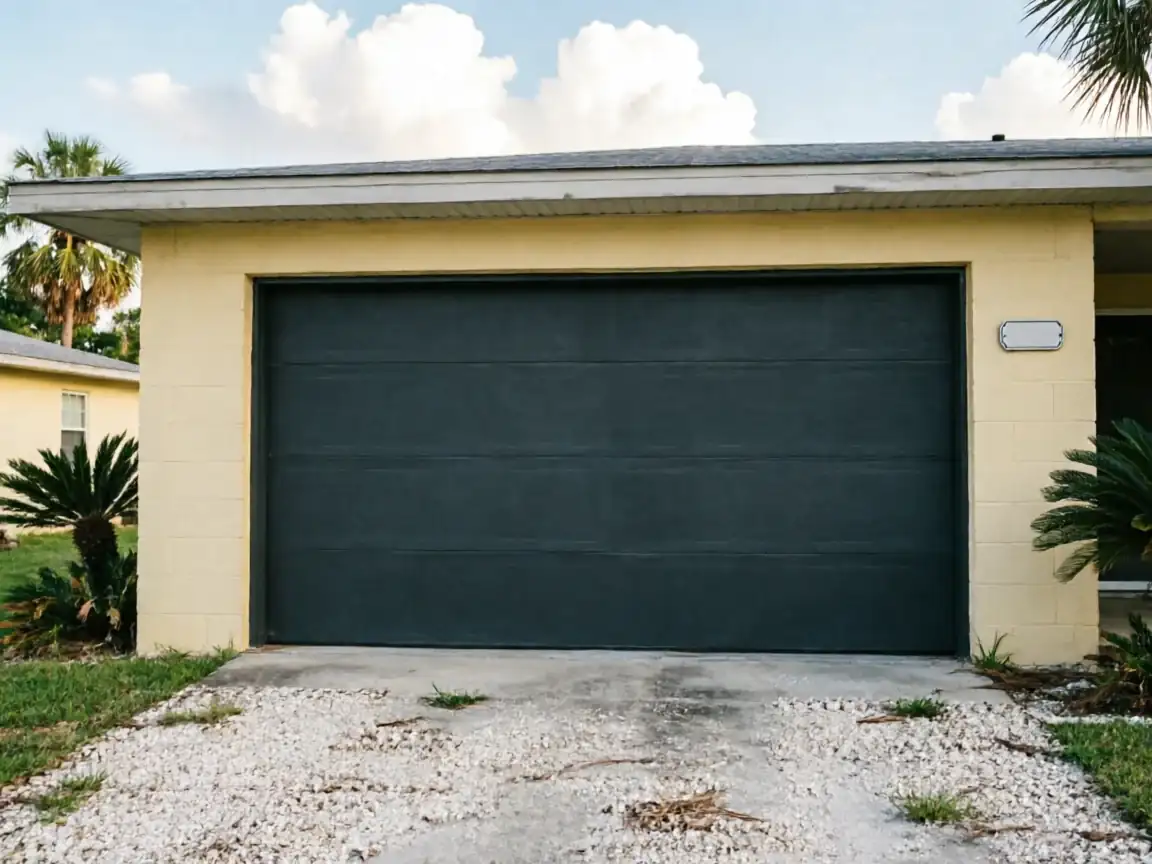
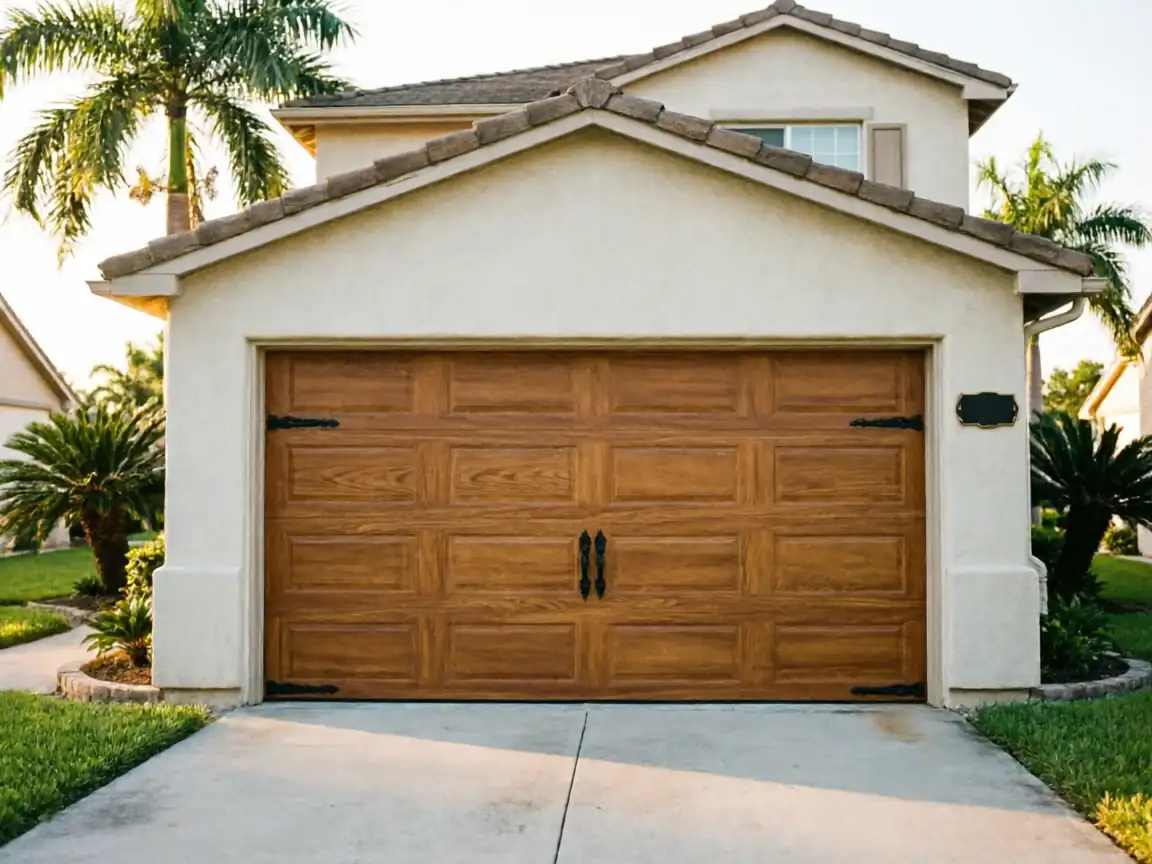
With the median build year sitting around 1976. That's a long stretch, and it means the city is a mix of original single-layer steel doors from the 70s, builder-grade replacements from the 90s, and newer stock from the 2000s - often sitting on tracks and headroom sized for whatever was standard the year the house was framed. When a homeowner calls for installation, the job usually isn't a blank slate. It's matching a new door to an opening that was built around an old one, in a part of the county where the original hardware is long out of production.
The mild temperate climate here doesn't put the kind of thermal stress on a door that you'd see further north
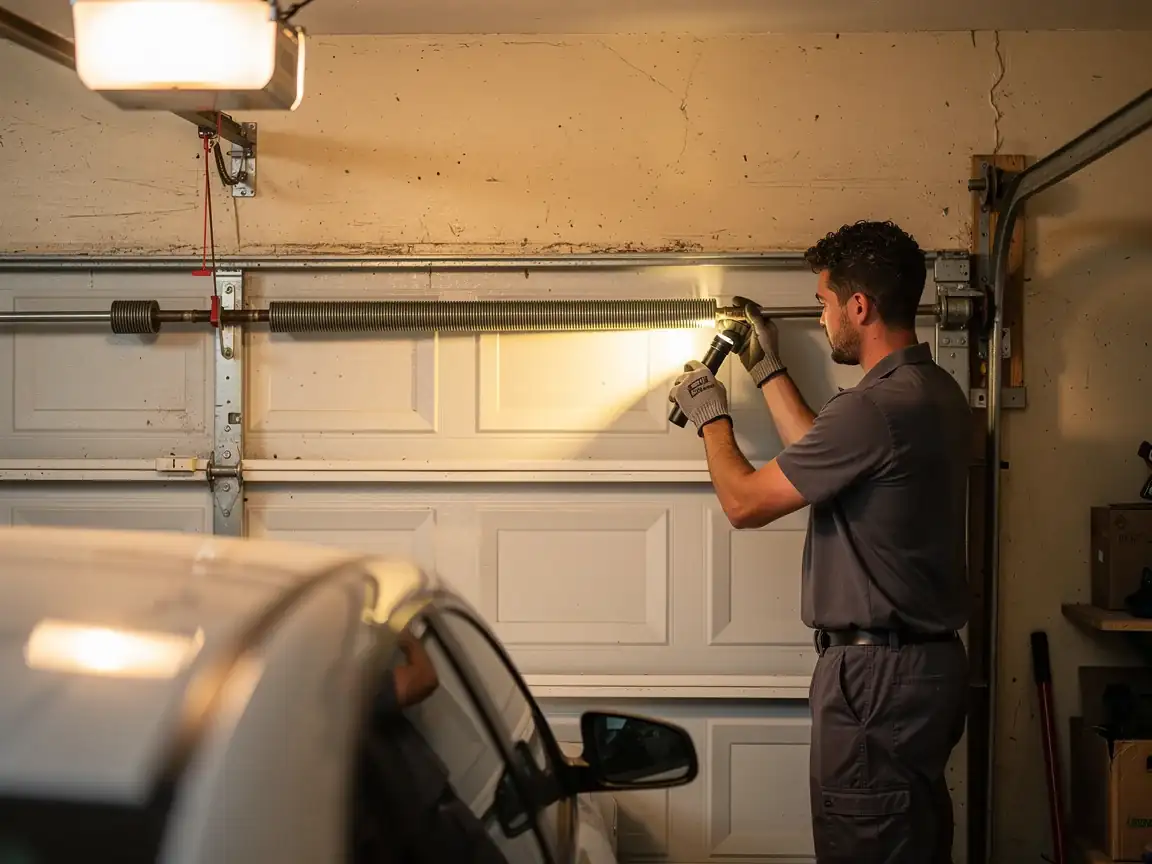
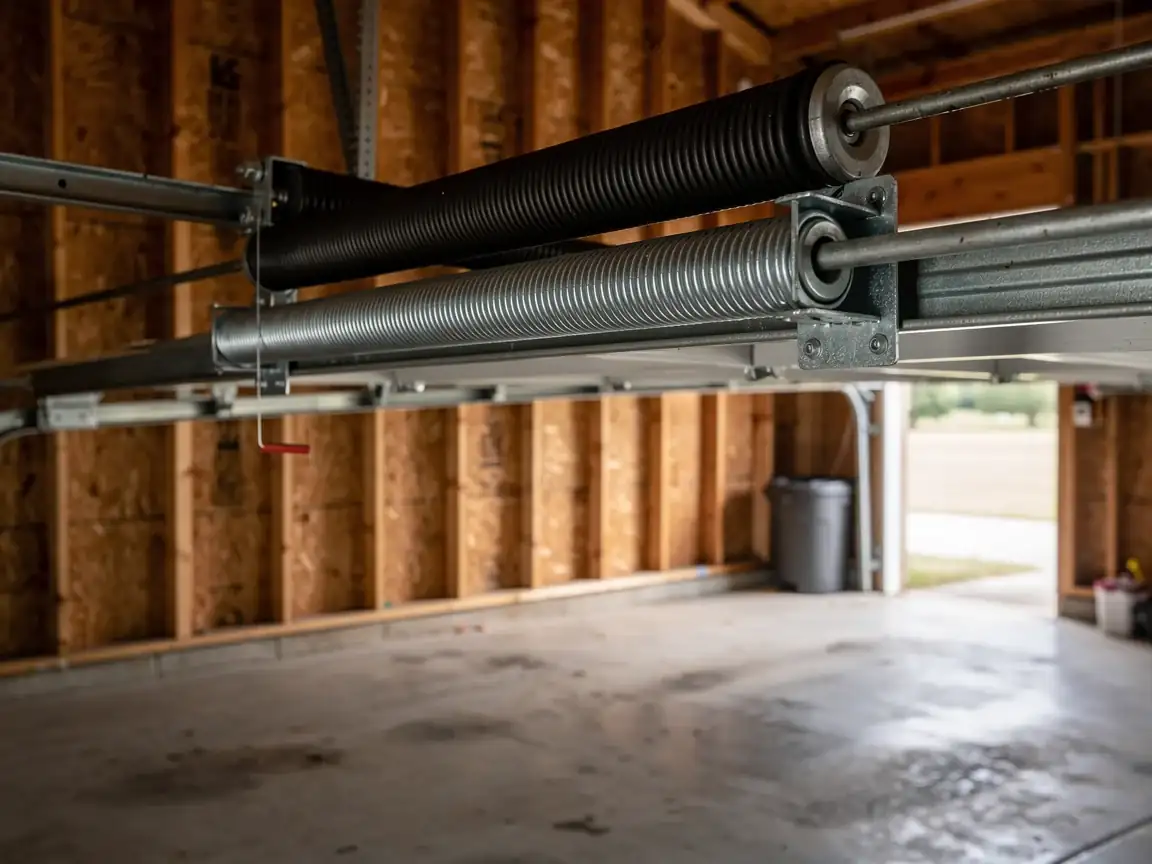
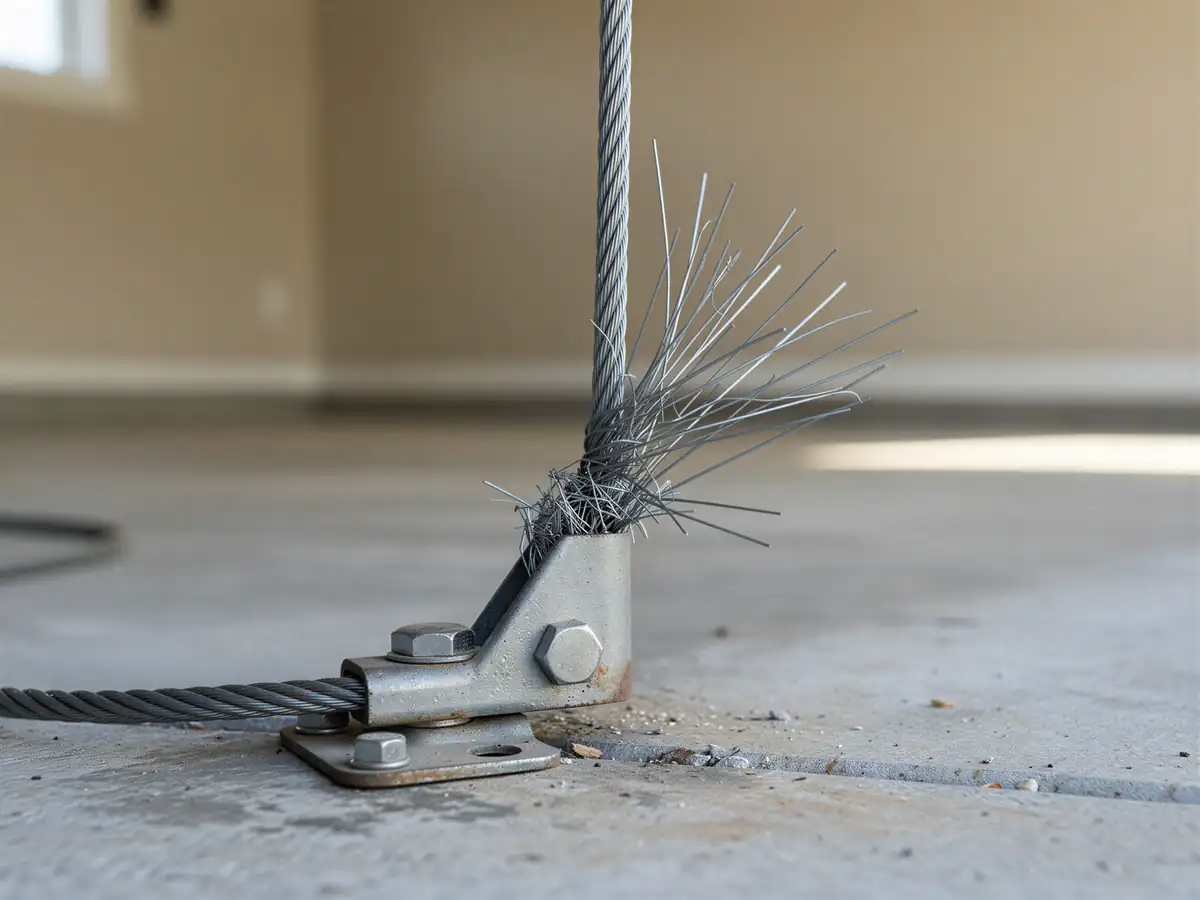
So we're not fighting panel warping from freeze-thaw cycles. What we are fighting is corrosion on older galvanized track and springs that have sat through decades of humidity, plus the fact that a lot of these openings were never insulated to begin with. If you're replacing a door that's original to a house built in the 70s or 80s, expect the rough opening and the track spacing to be a factor in what fits without reframing.
What You Are Seeing
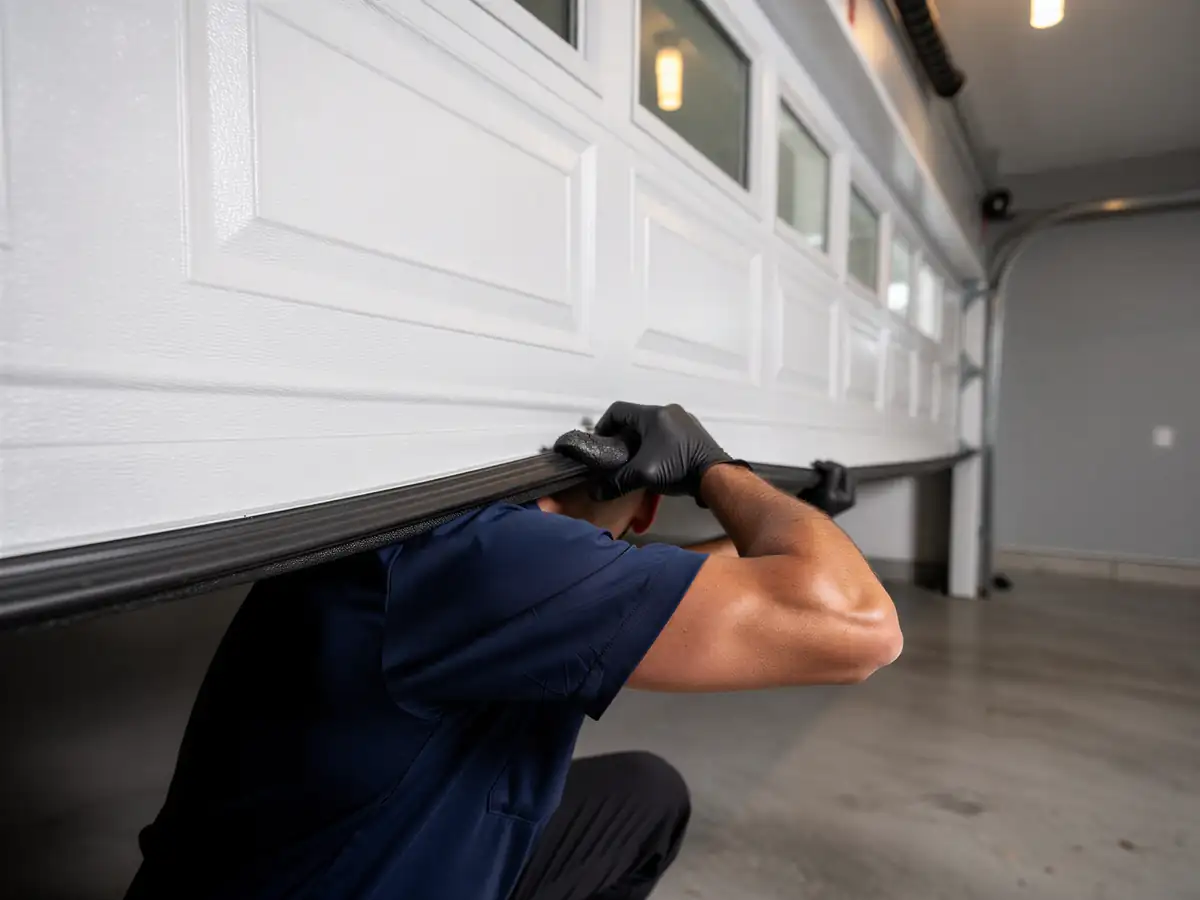
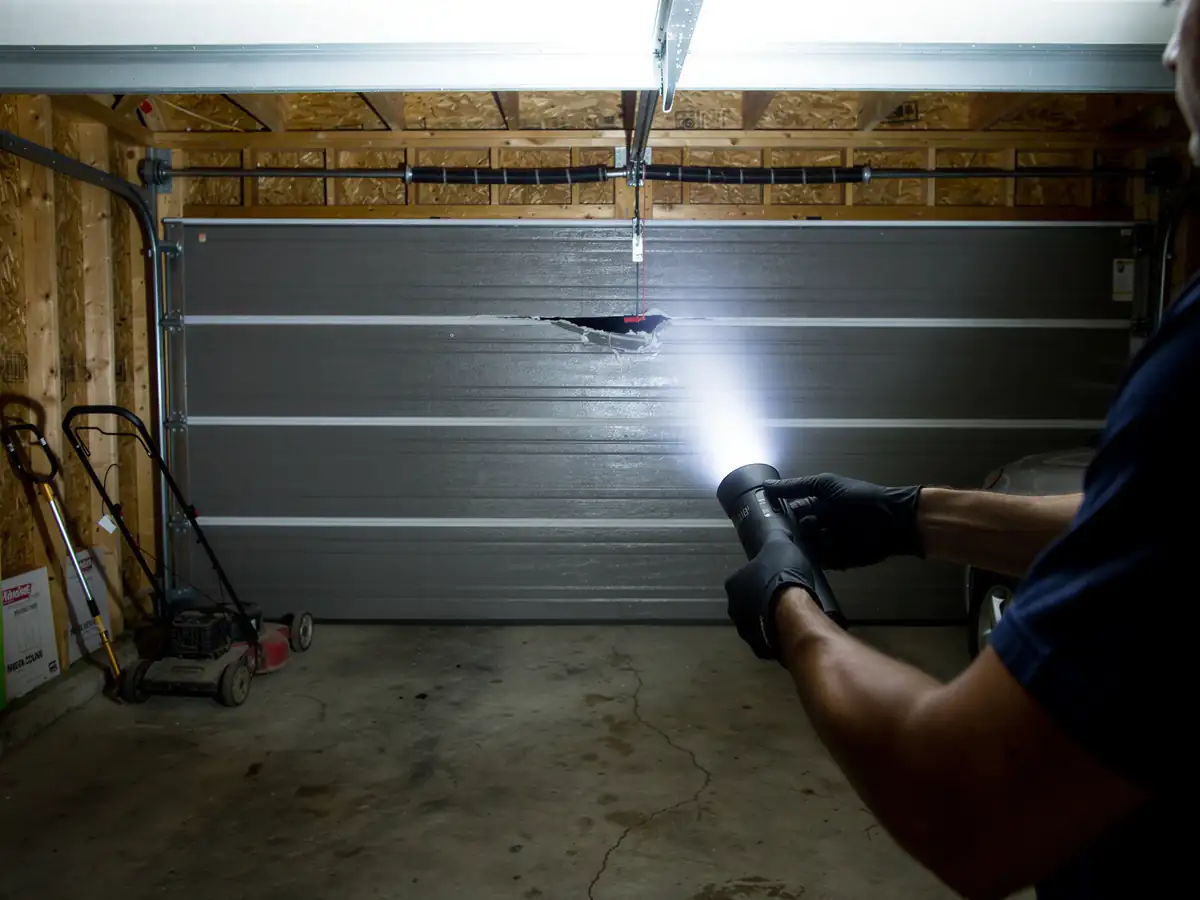
If your door is sagging in the middle, binding on one track, or the opener strains and reverses before it closes, that's usually a door that's outlived its hardware, not necessarily one that needs full replacement - but on homes from the 1962-2005 era in this area, we see enough warped single-layer panels and pitted track that full installation ends up being the honest answer more often than a patch job.
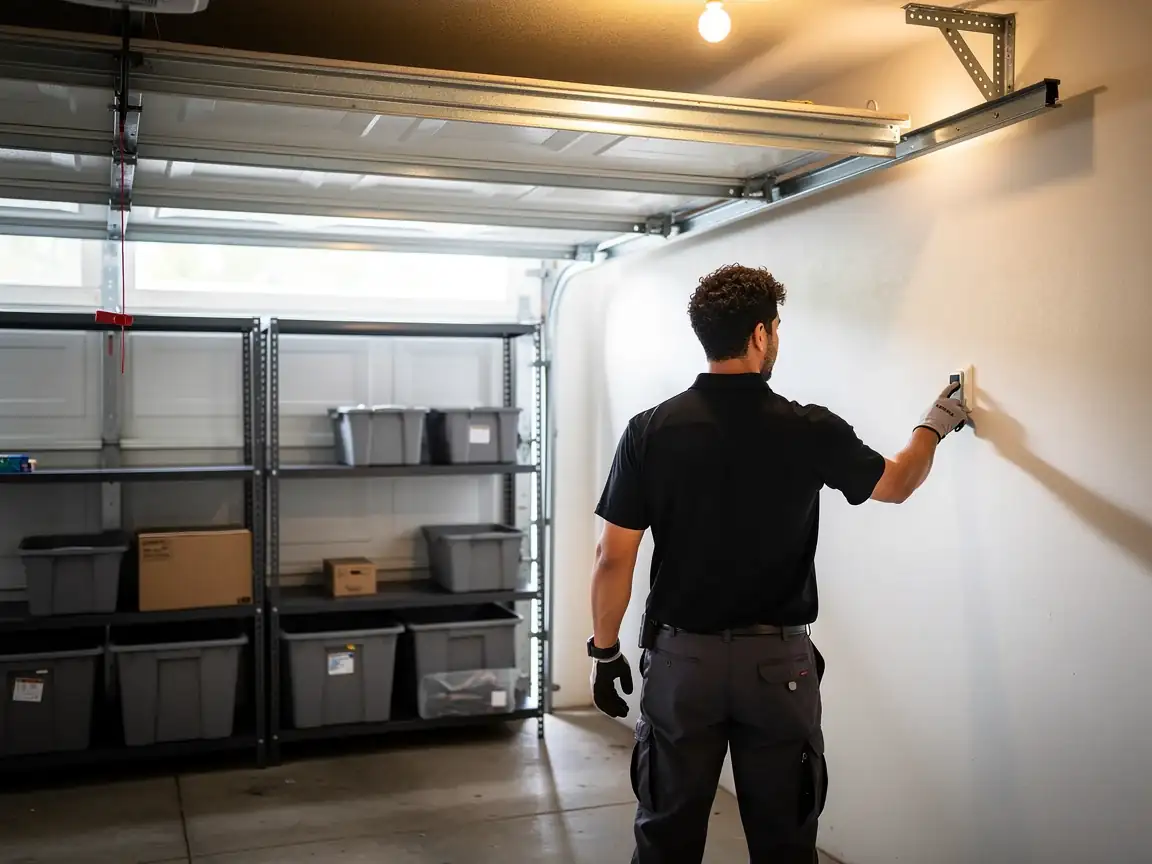
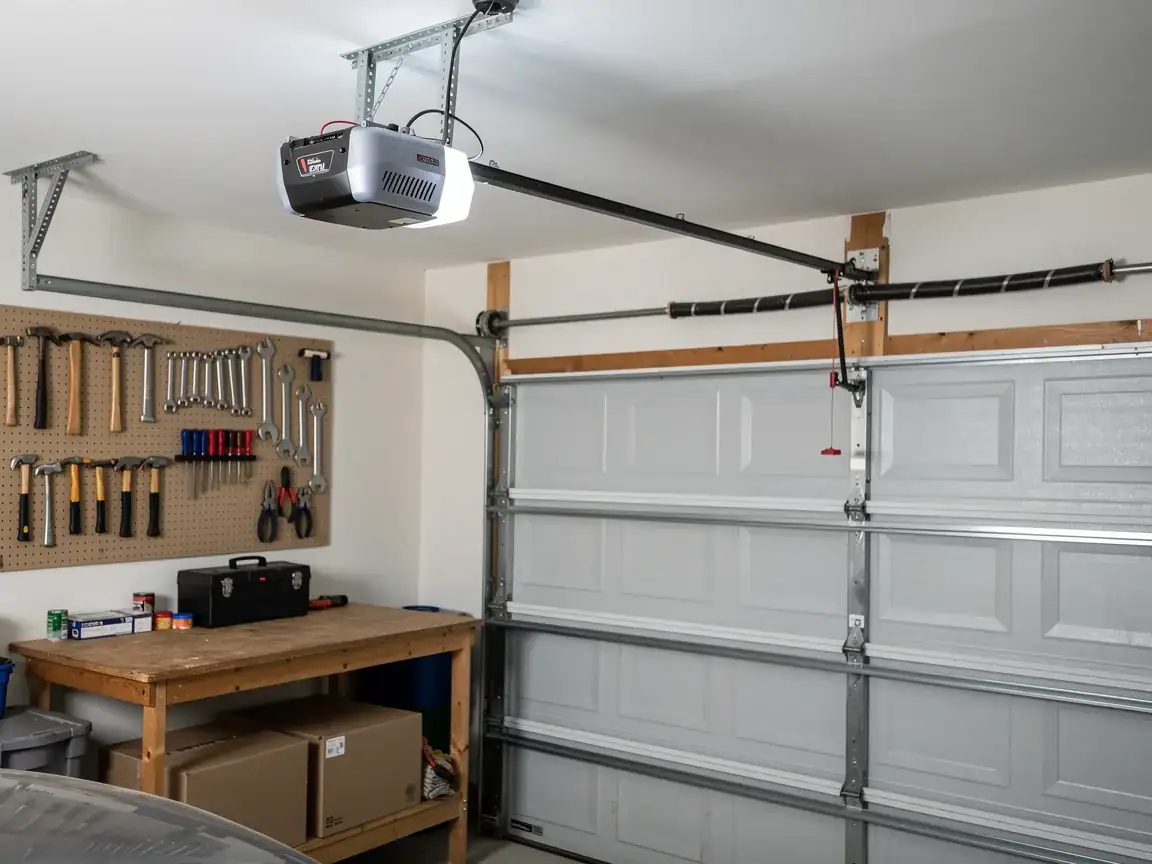
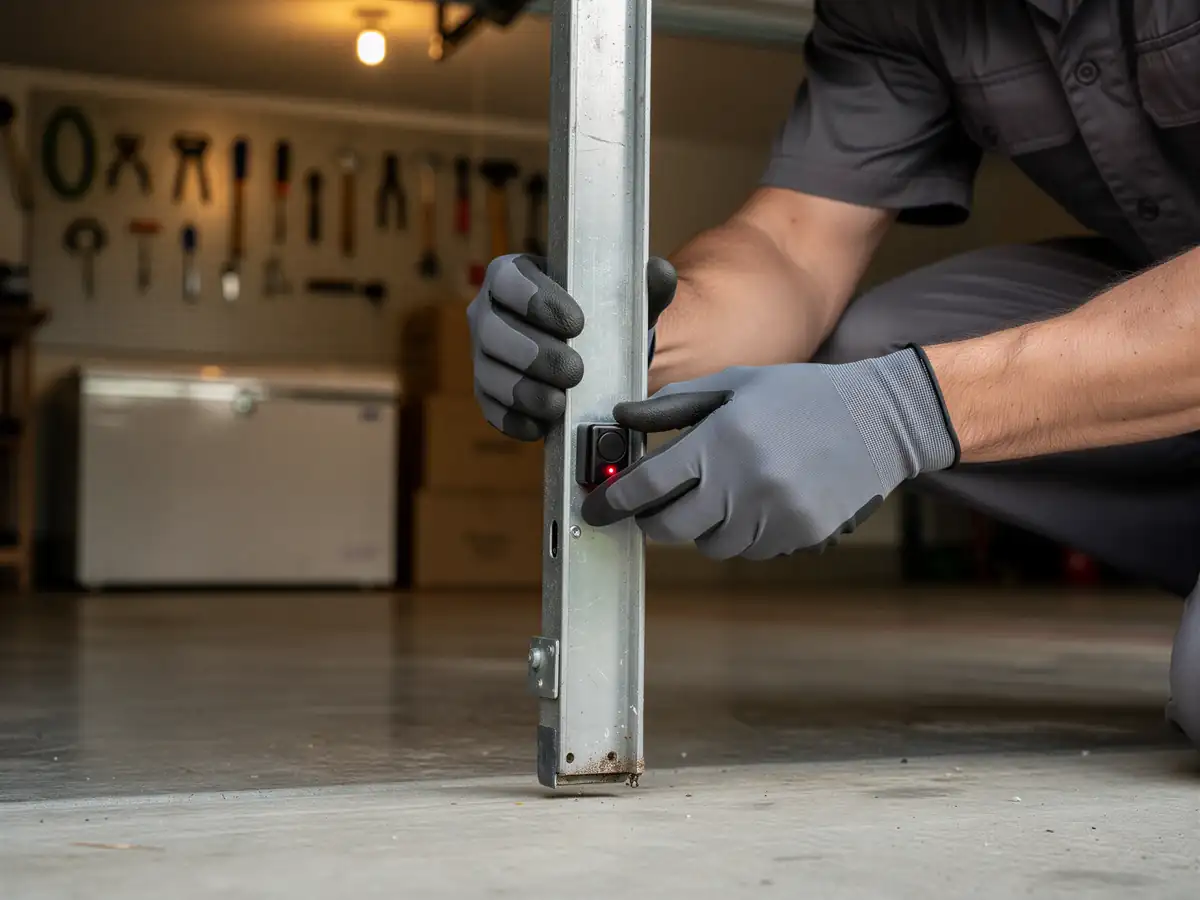
Another pattern: owners who've already replaced the opener once or twice but never touched the door itself. The door is original, the track is original, and the new opener is just working harder against old resistance every cycle. That shows up as noise, slow travel, and a remote that only works some of the time.
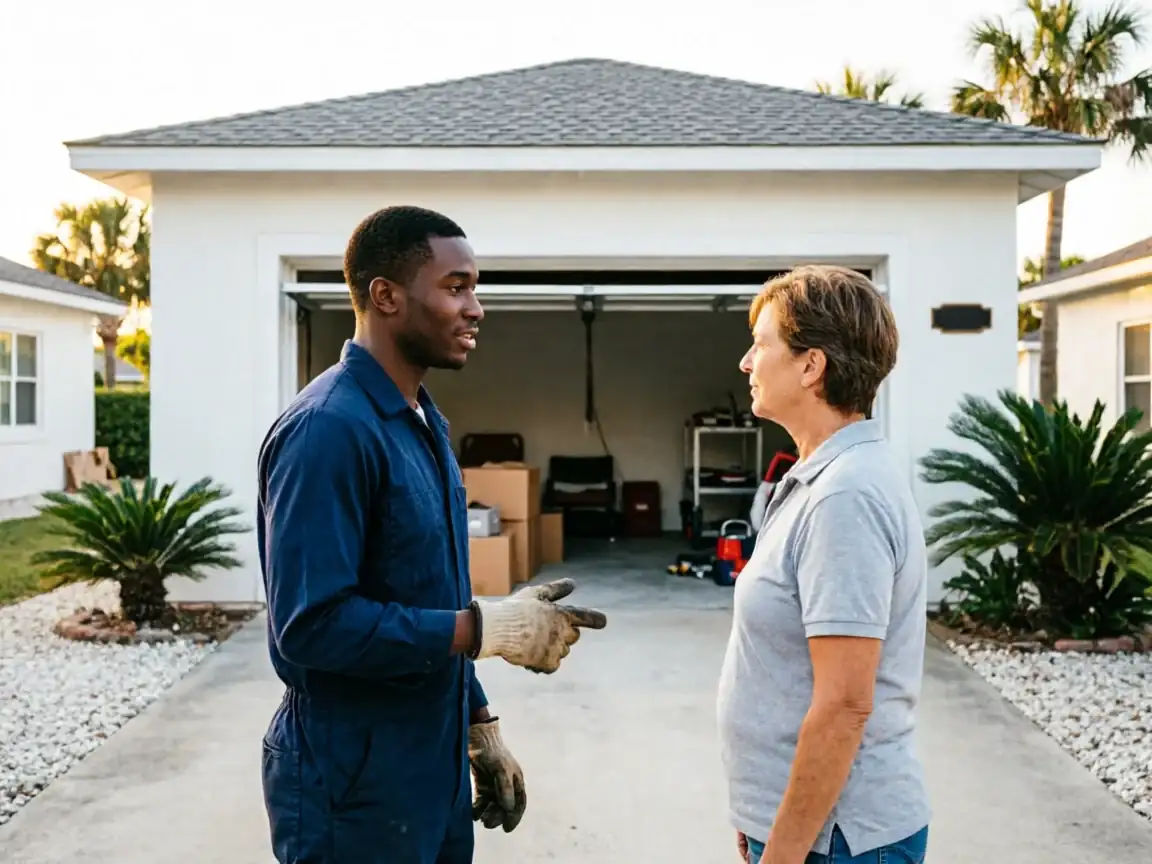
We also see a fair number of doors that were installed correctly decades ago but were never built with insulation, which matters less for temperature here given the mild climate band, but does matter for noise and for how much the garage bay heats up during the day. If you're deciding between repair and replacement, the honest limitation is this: we won't talk you into a full install if the fix is a spring and a set of rollers. We'll tell you straight when that's all it needs.
Time on the Job
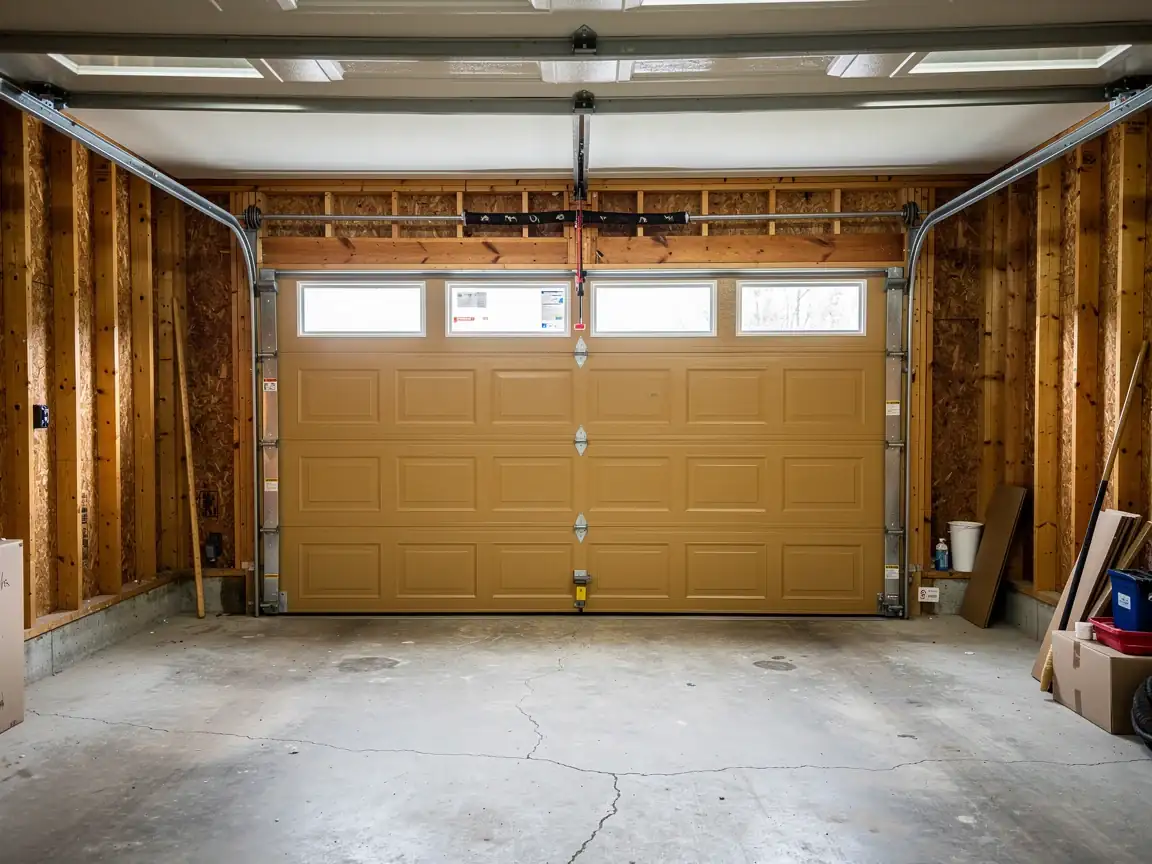
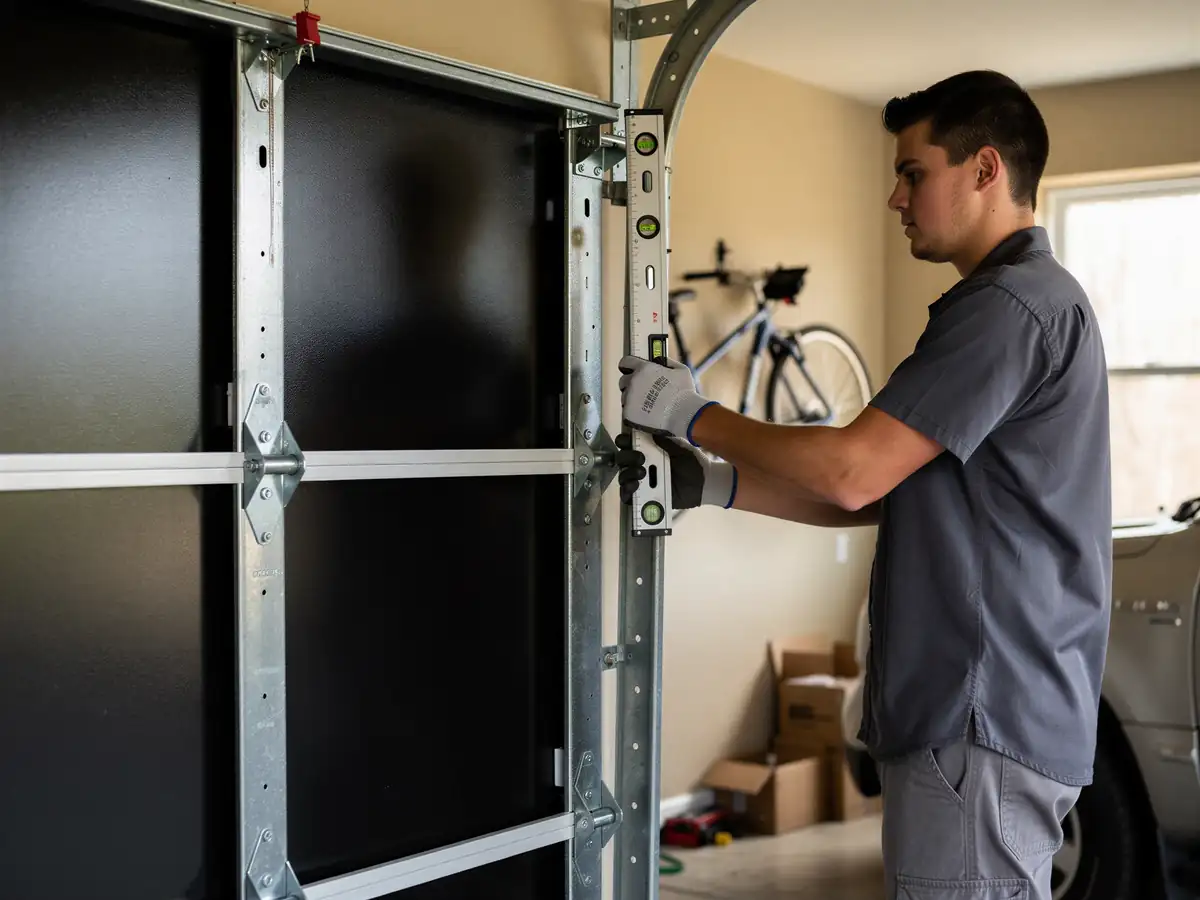
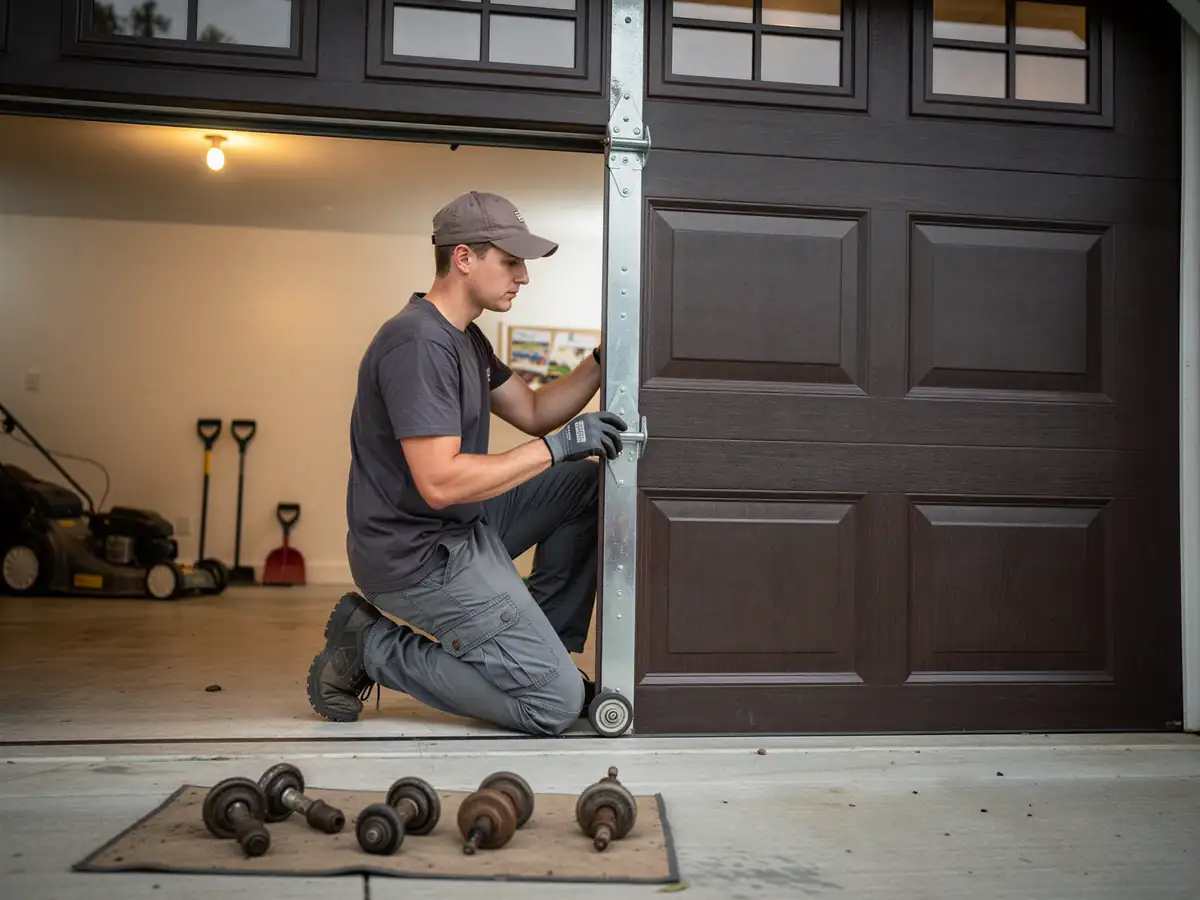
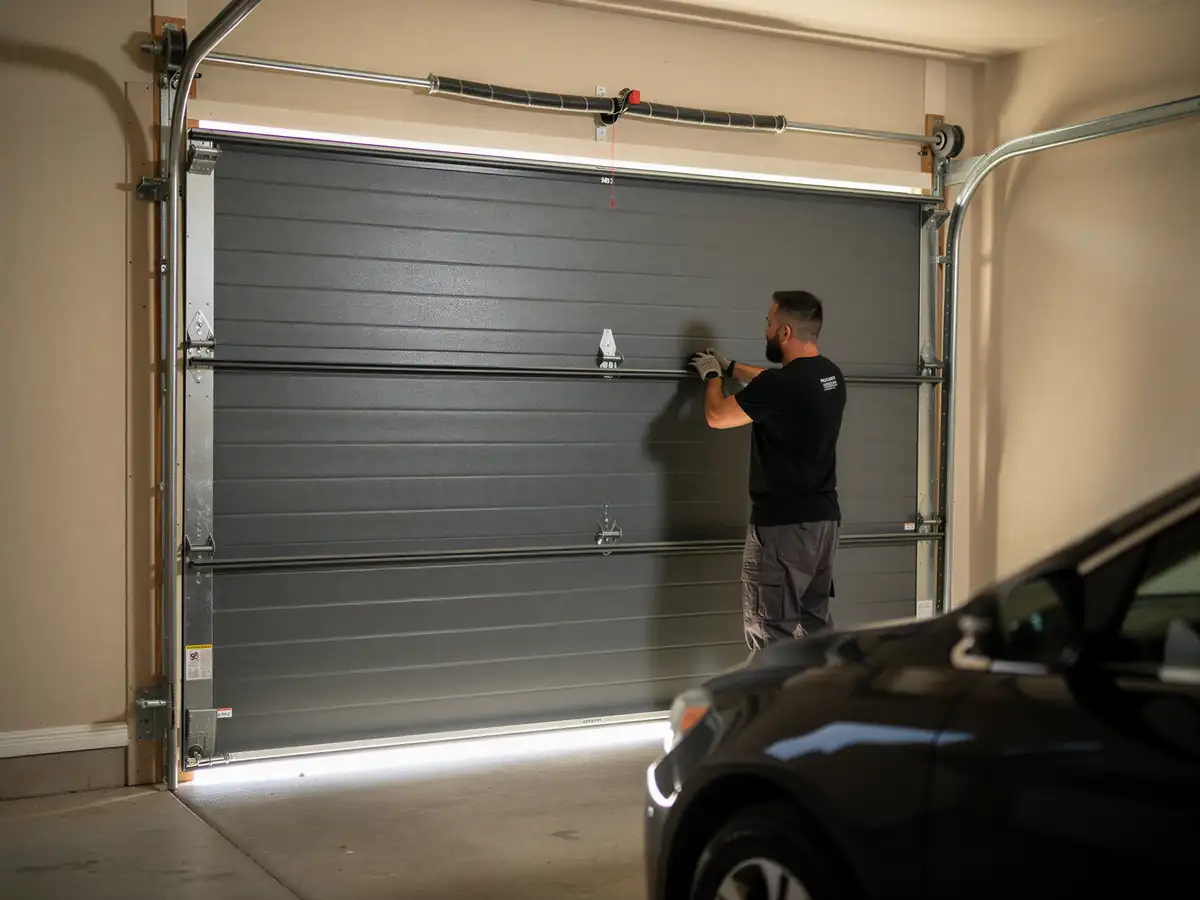
A standard single or double door installation on an opening that doesn't need reframing is usually a single-visit job. Where it runs longer is on the houses from the older end of that 1962-2005 build range, where the opening, jamb, or header was never squared to current standards and needs shimming or minor carpentry before the new door and track will sit right.
We also build in time for hauling off the old door and hardware - on a lot of these older Sunrise homes that's a heavier single-layer steel panel, not the lighter stuff you see in newer builds, and it takes more than one person to move safely. If your job involves custom sizing, because the opening doesn't match a stock width, that adds lead time on ordering the panel before we can even schedule the install date.
The Cost of This Job
We don't post a flat number for installation because the two biggest cost drivers
Door material and whether the opening needs rework - vary house to house, especially across a service area where housing spans more than four decades of construction. A straightforward swap on a standard-width opening costs less than a job where we're also correcting track spacing or reinforcing a header that was never built for a heavier door.
What we can tell you locally
With a median household income in this service area around $63,423, most of the installs we quote land in a range that owners plan for rather than finance as an emergency. If you want a number you can hold us to, that comes from seeing the actual door and opening, not from a phone estimate on a house we haven't looked at.