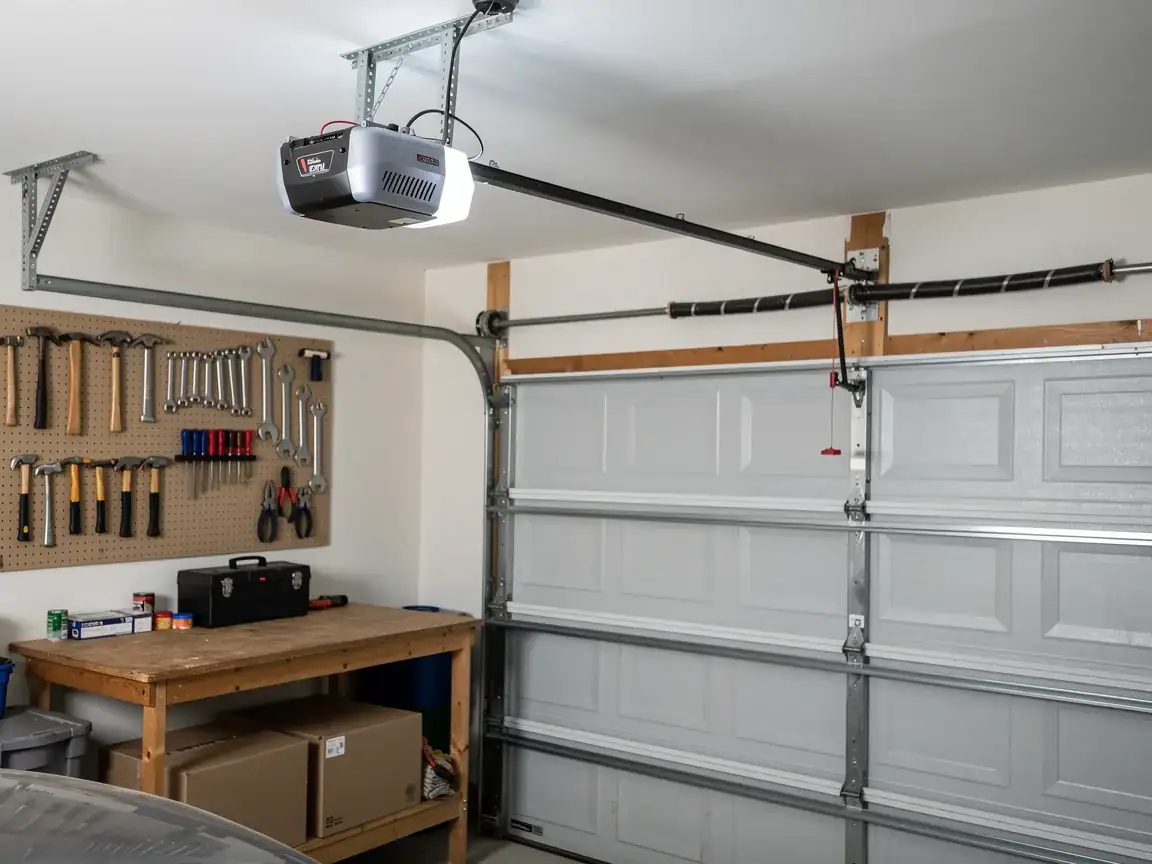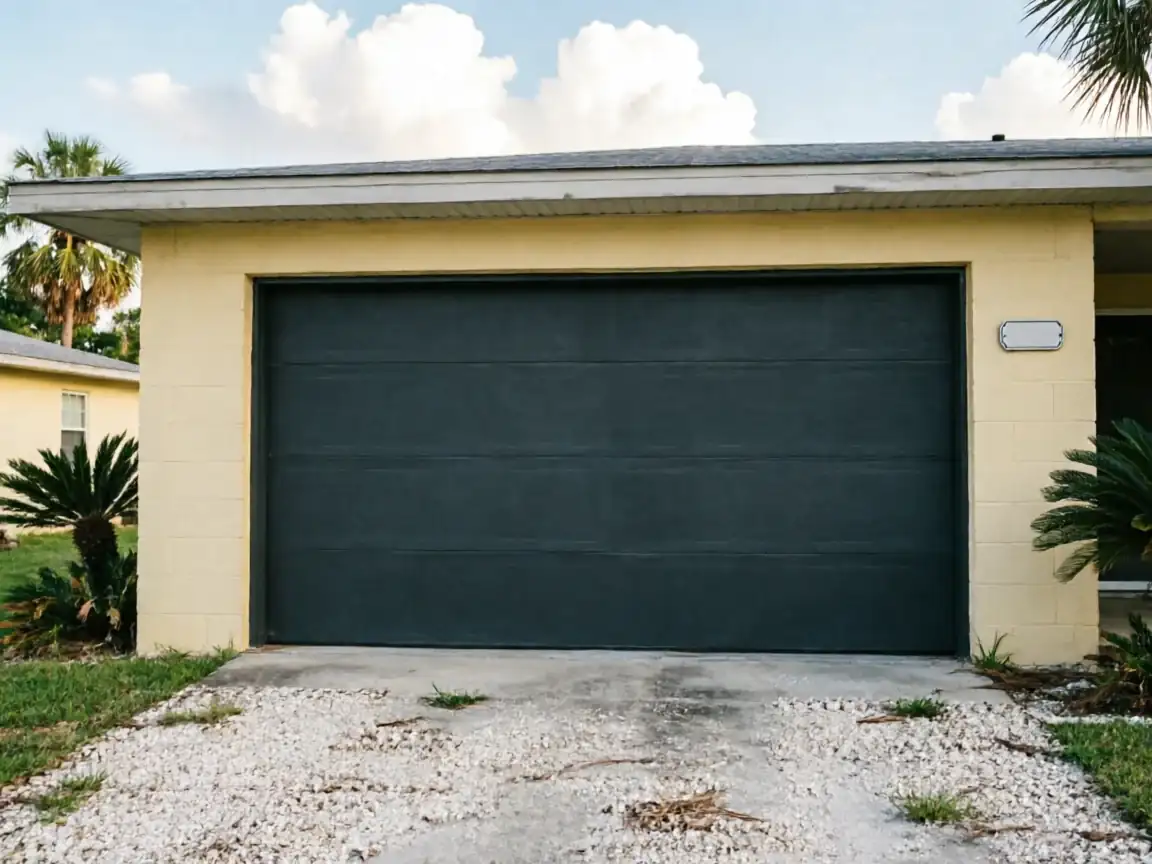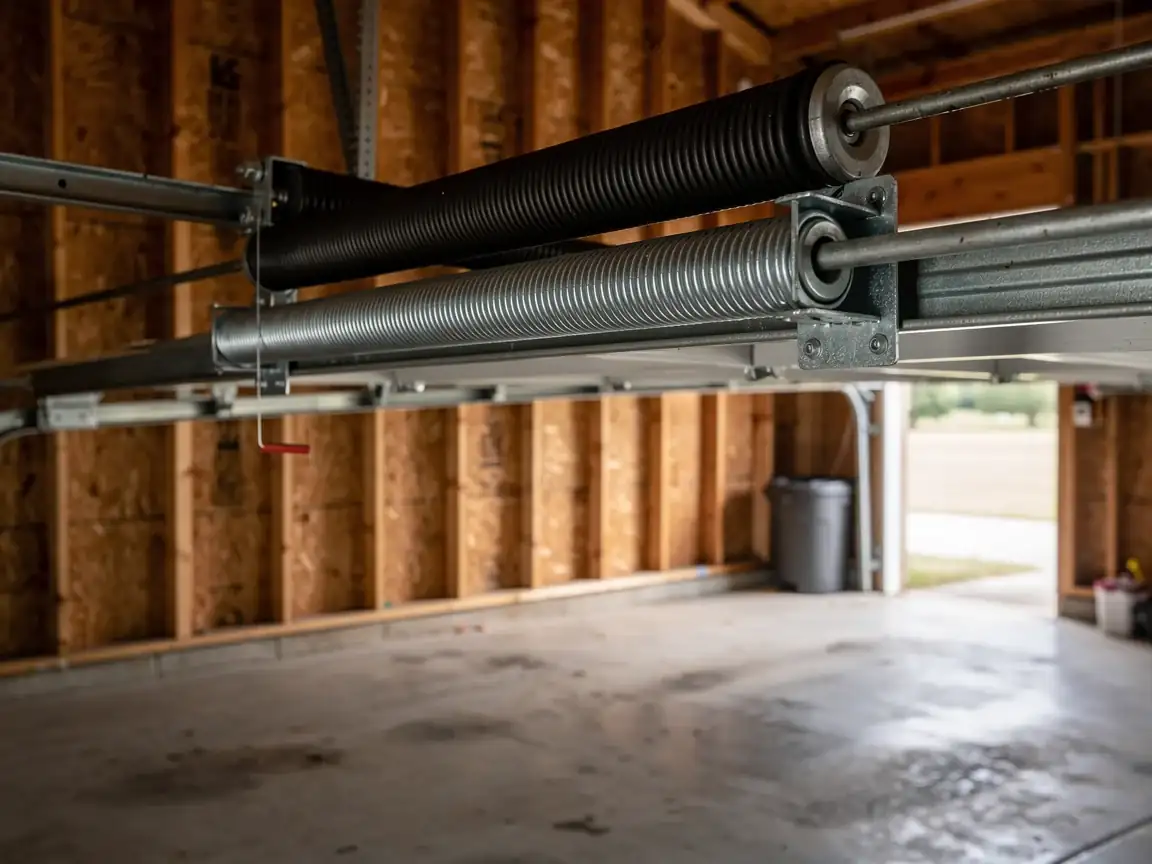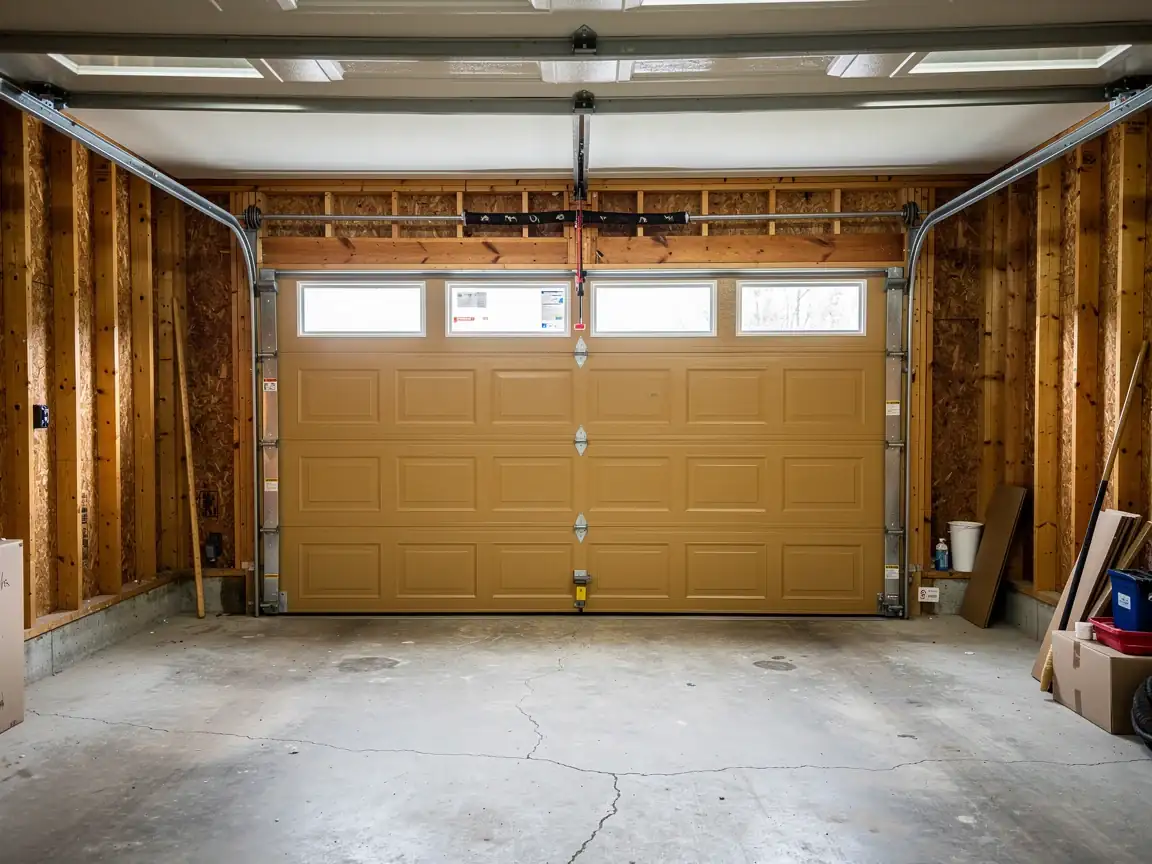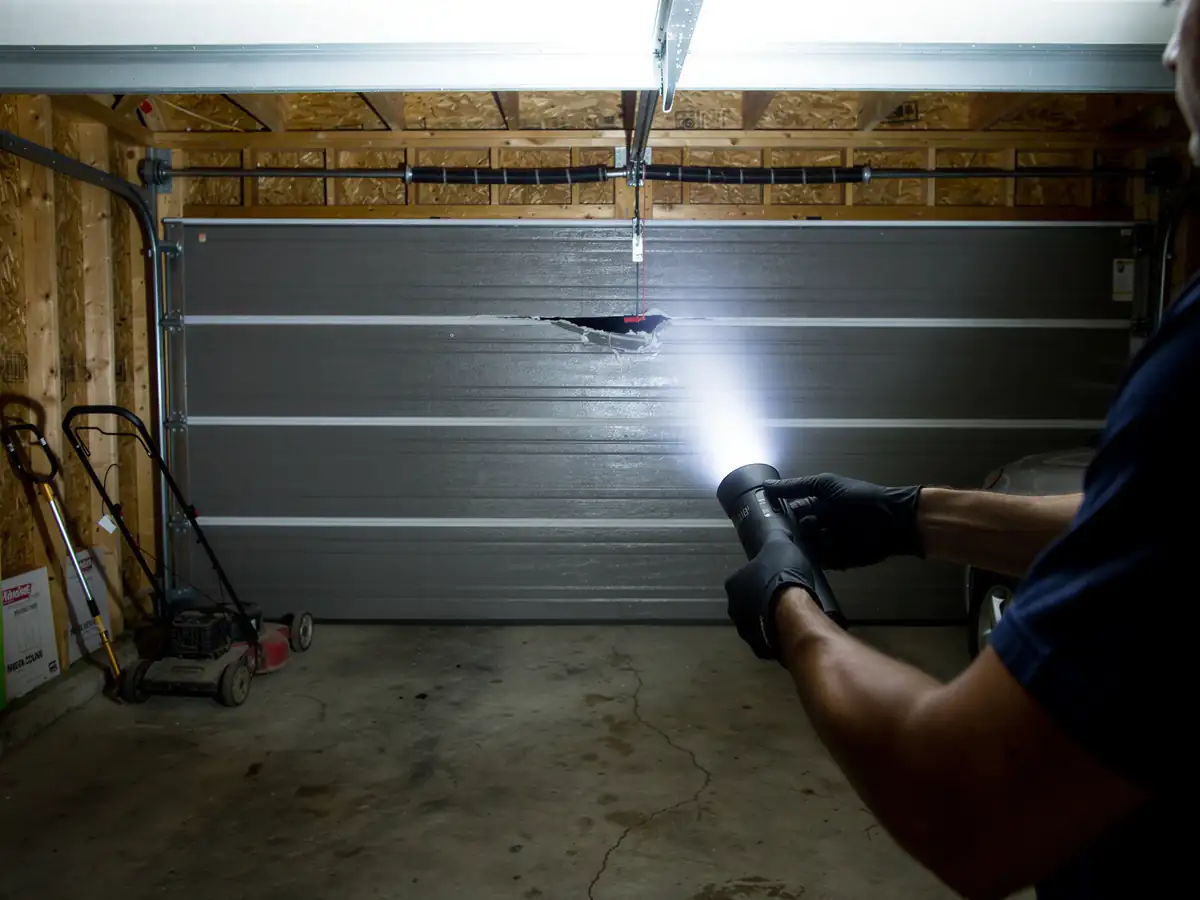
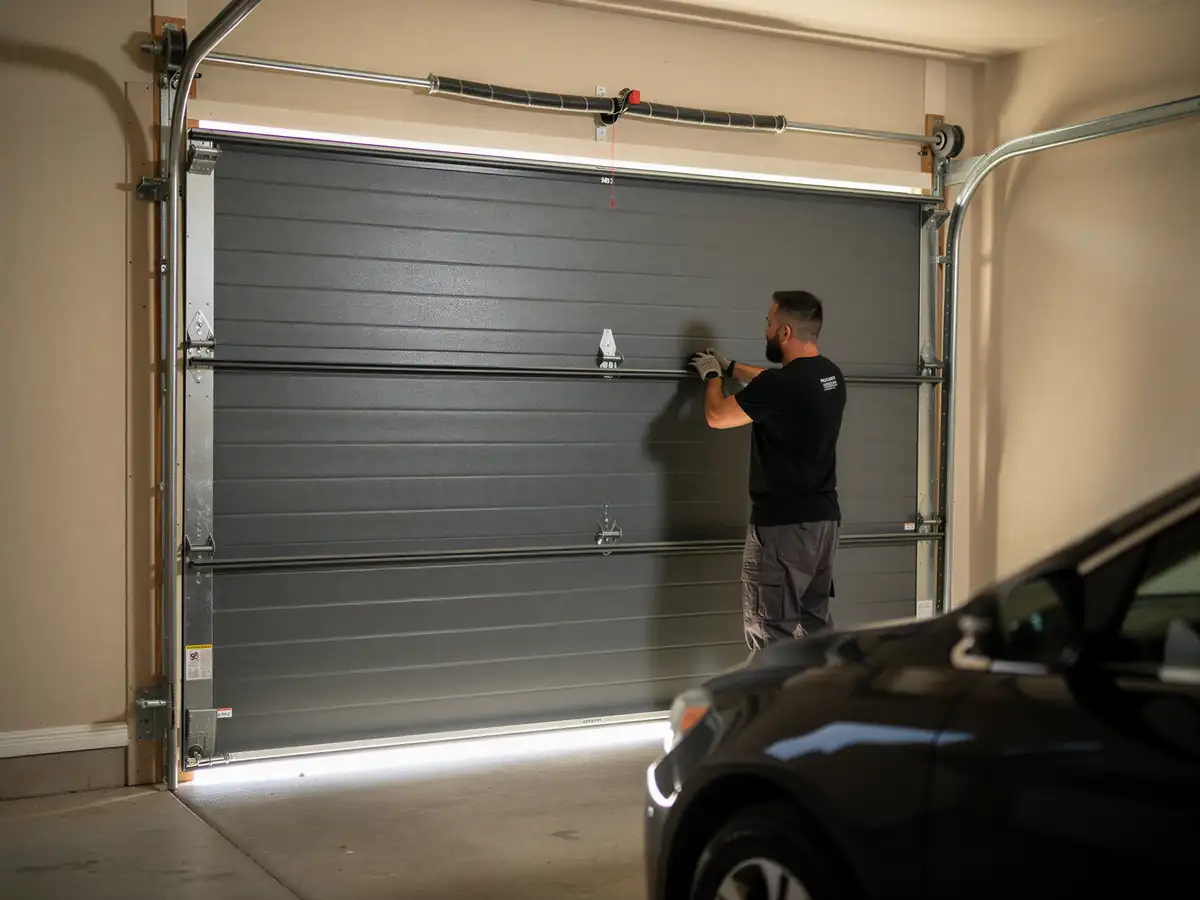
Stocked Parts
Most of the doors we pull out in Coconut Creek are the same story
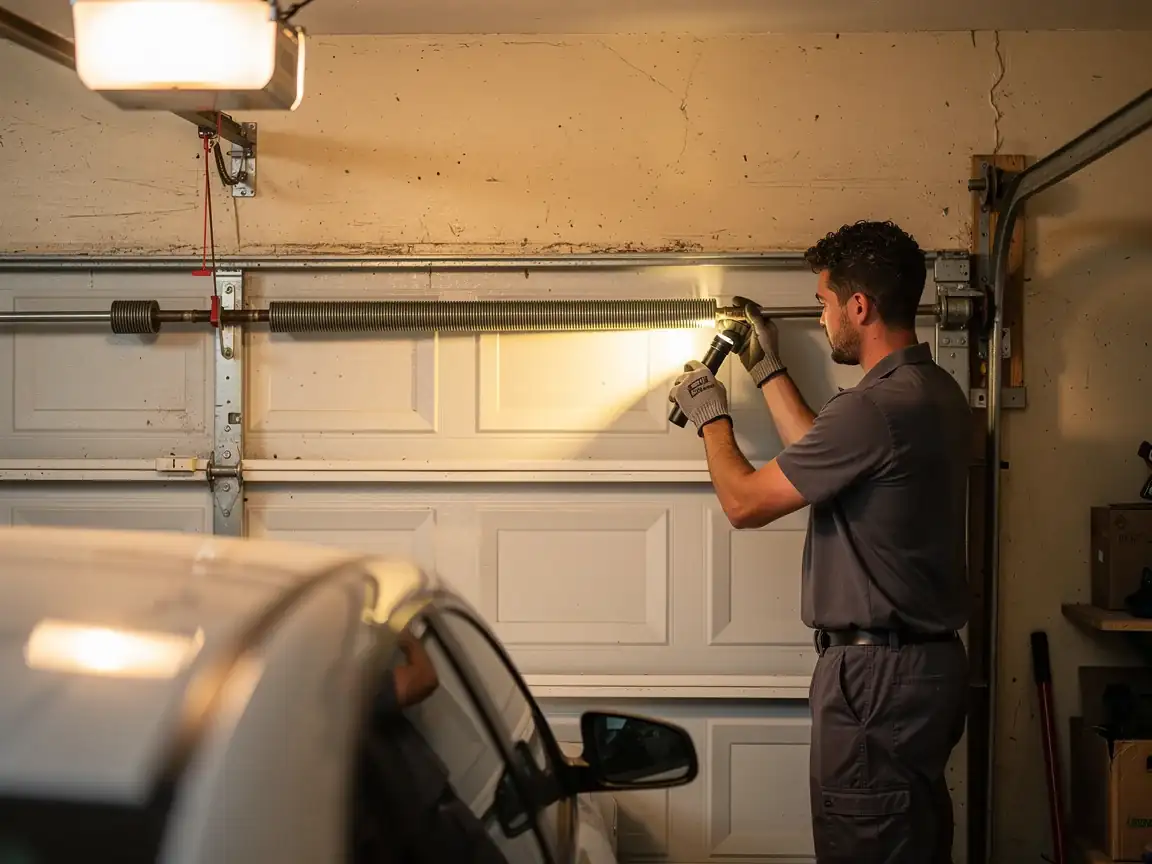
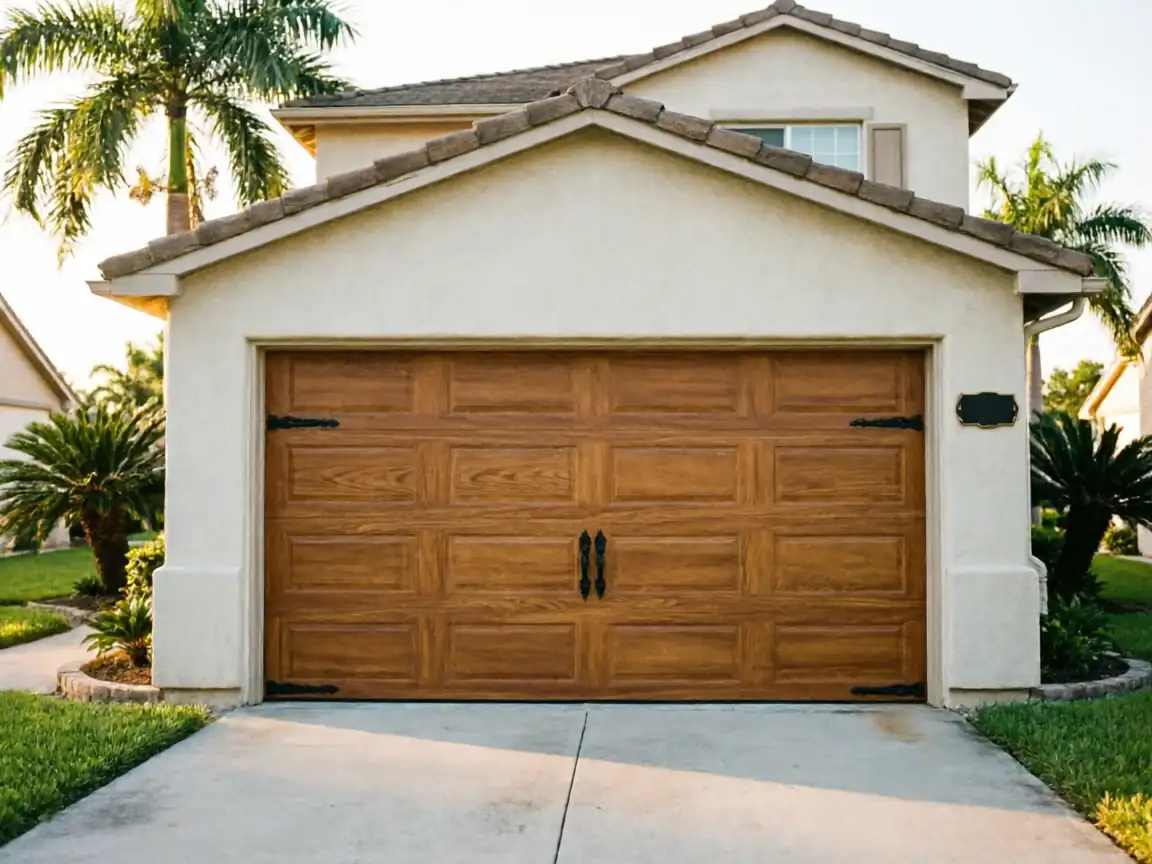
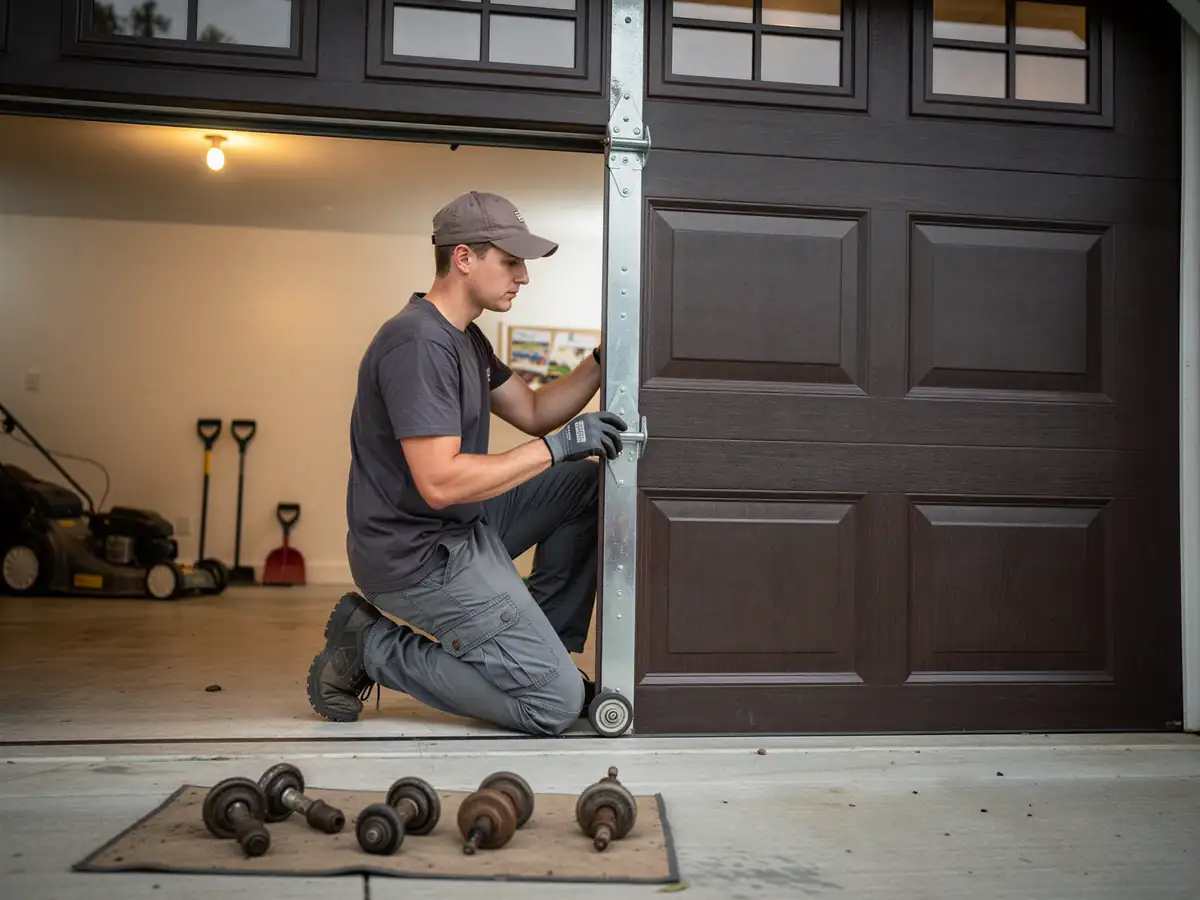
A raised-panel steel door on an extension spring system, hung sometime around 1989 when a lot of this part of the county was still being built out. That's a full decade past the median build year for the wider area we cover, and it matters, because extension spring hardware and the brackets that hold it are different parts than the torsion-bar setups common in the older pockets closer to Sunrise.
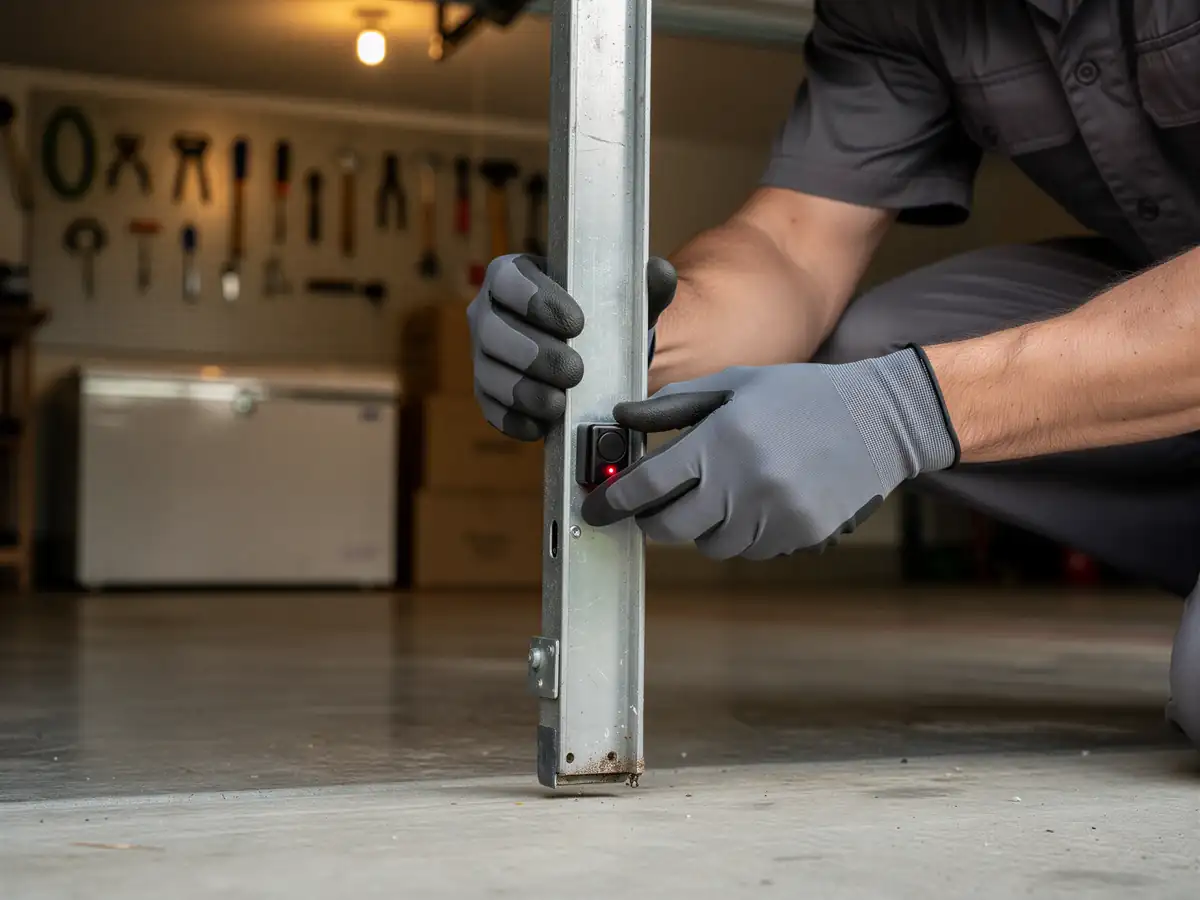
On the truck we carry standard torsion springs and cable for new installs
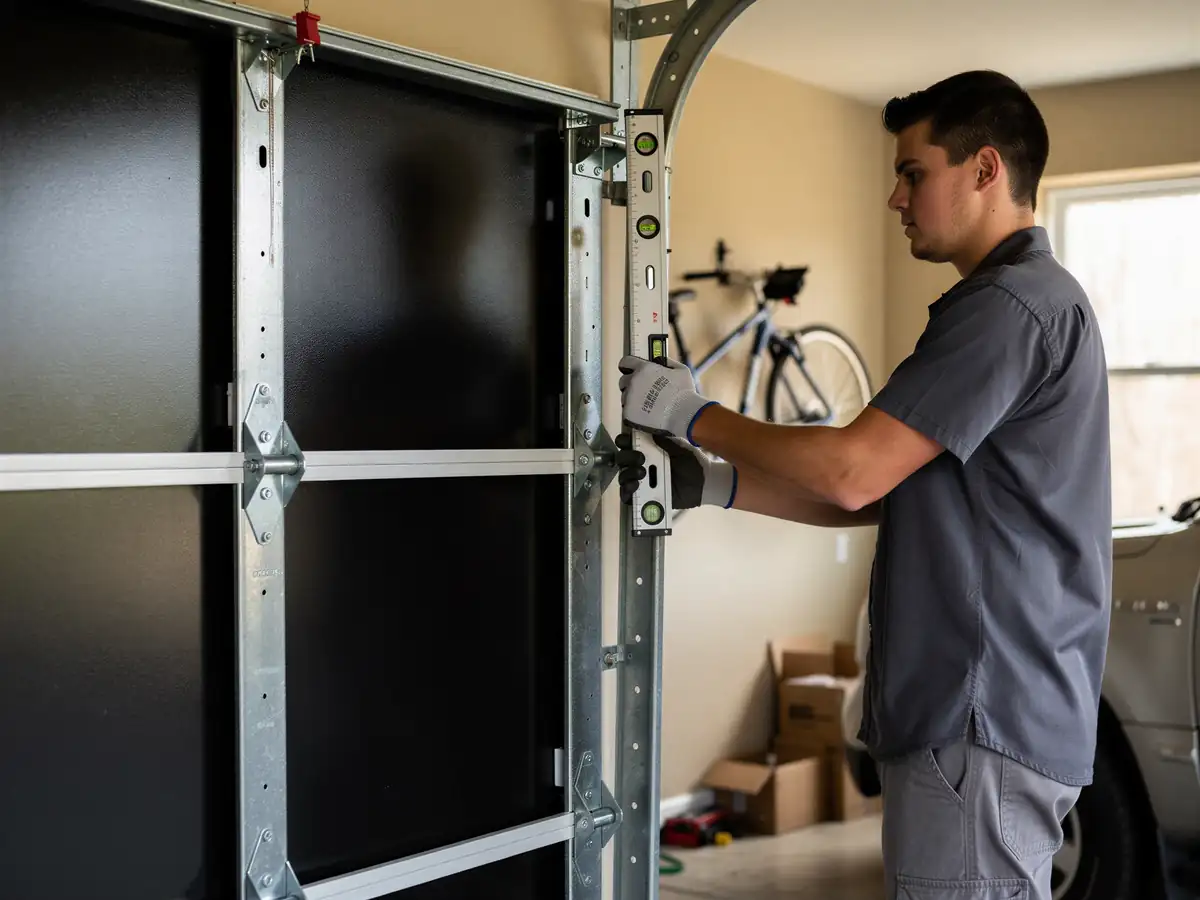
8-foot and 16-foot steel sections in the common panel styles, rollers, hinges, and the brackets that go with a torsion conversion when a homeowner wants to swap off the old extension system for good - which we recommend for most new installs here, since torsion hardware holds up better and is safer to work on later.
What we don't carry is every custom color or insulated panel profile
If a homeowner wants a specific finish or an R-value upgrade beyond our standard stock, that door has to be special-ordered, and we tell people that up front rather than promise a same-day install we can't back up.
The Cost of This Job
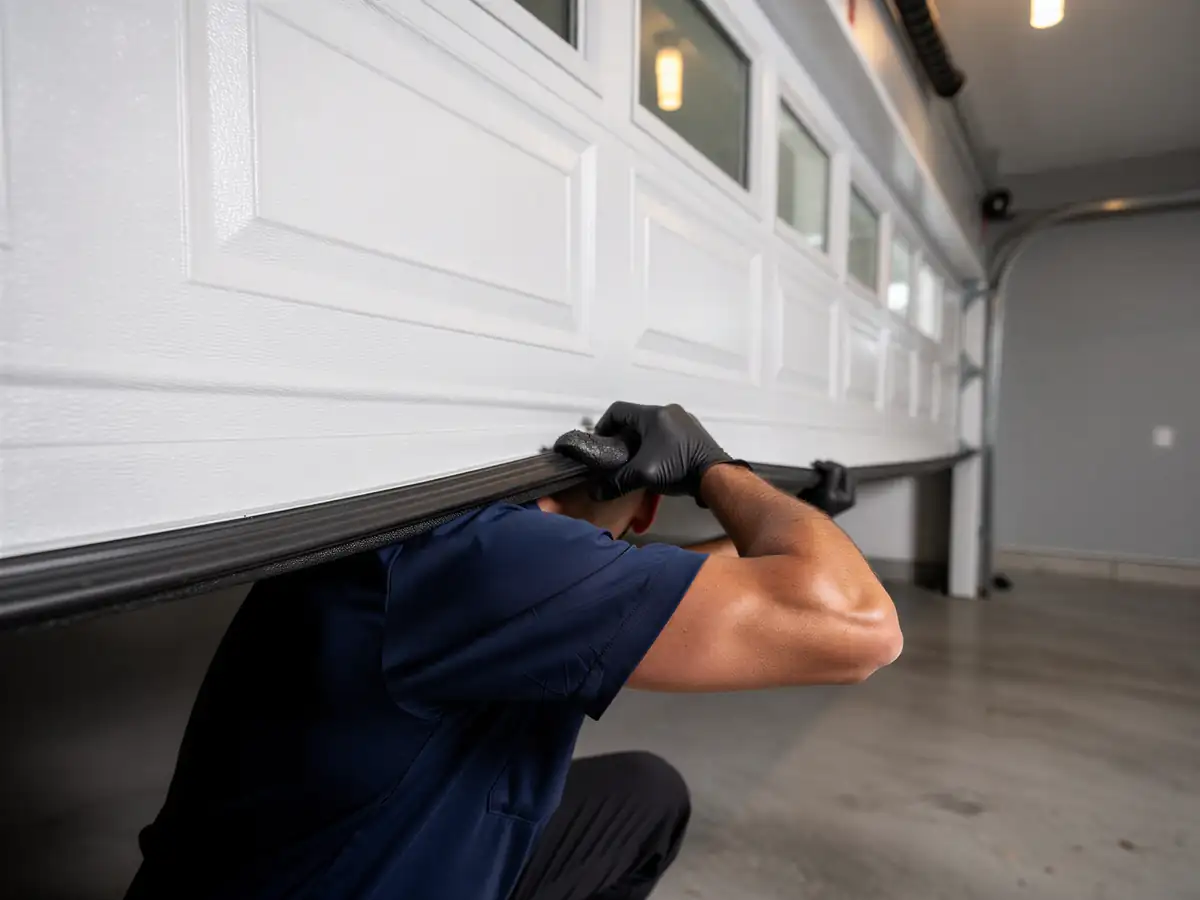
We don't post a flat number for a new install here, because the price swings on door material, insulation, and whether we're also swapping the opener and converting old extension spring hardware to torsion - and in a neighborhood built mostly in 1989, that conversion comes up a lot.
Coconut Creek's median household income, at $75,516, runs noticeably above the $63,423 median across the rest of our service area, and in practice that shows up in what people choose: more requests here for insulated steel or composite doors over the bare builder-grade panel, and more openers with battery backup and smart controls rather than the basic chain-drive unit.
The honest limitation is that we can't quote a firm number without seeing the opening and the existing hardware. A single door with standard torsion springs costs less than a double door needing a full header rebuild, and nobody should pay for the second job when they only need the first.
Booking a Visit
We run this job out of Sunrise, about nine miles from Coconut Creek, so a visit here gets scheduled rather than squeezed in between other calls. That's not a complaint about the distance - it's just how we plan the day, and it means we ask a few questions up front about door size, age, and whether the opener is original, so the truck is loaded with the right springs and panel stock before we leave the yard.
If what you're dealing with is a door that still works but is sticking, dragging, or making noise rather than one you've decided to replace, our repair page for this town covers that: /coconut-creek-garage-door-repair/. And if you're comparing what a new install looks like back at our home base, the Sunrise page lays out the general process: /garage-door-installation-sunrise-fl.
For Coconut Creek specifically, the thing worth telling us on the phone is the age of the house. A 1989 build almost always means we're pulling an extension spring door, and knowing that before we arrive saves a trip back to the truck.
Why It Happens Here
Coconut Creek's housing stock centers on 1989
Which puts it well past the 1962-2005 span and 1976 median that describes the area as a whole - this town built up later, and later building meant steel doors on extension springs instead of the older one-piece or early torsion setups you still find closer in toward Sunrise.
The climate band here is mild temperate
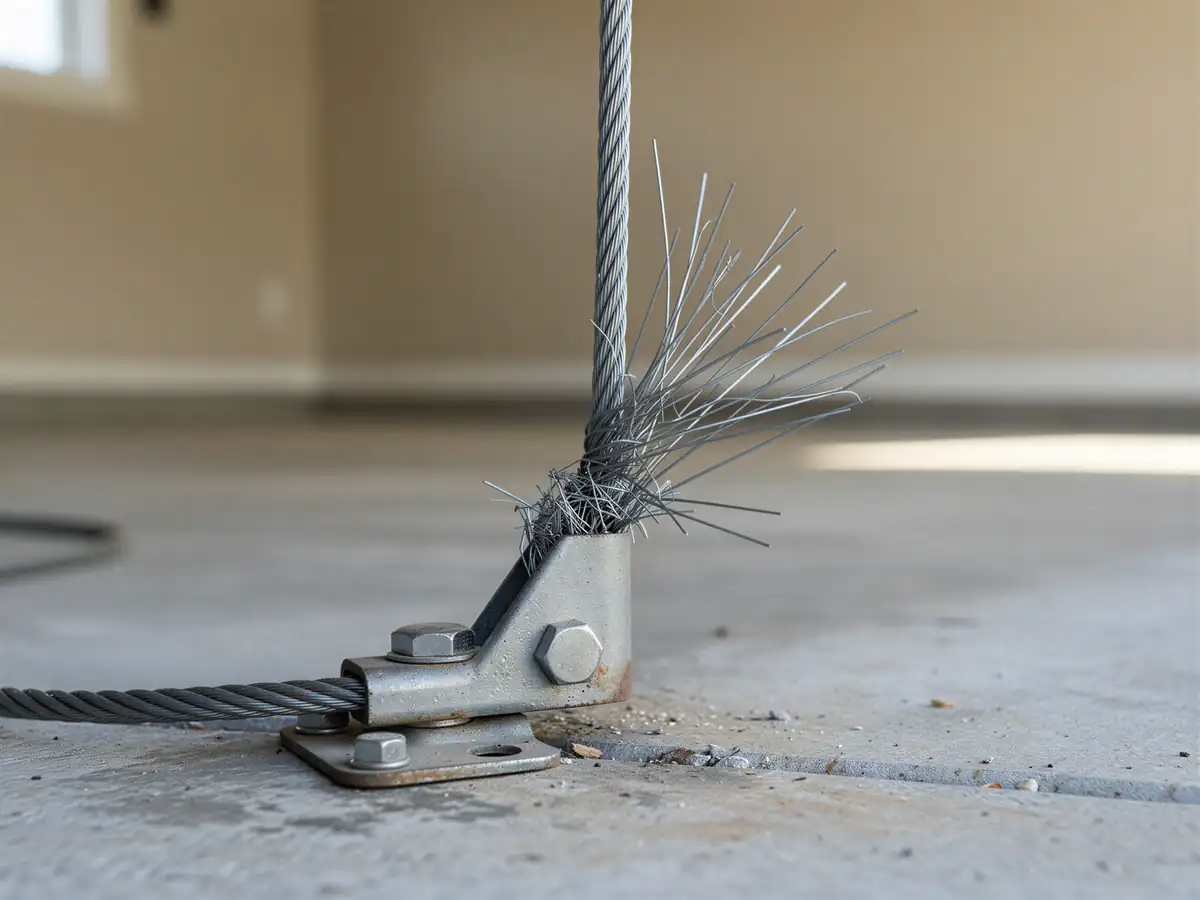
Which is kind to garage door hardware compared to places with hard freeze-thaw cycles, but thirty-plus years is still thirty-plus years. Extension springs stretch and lose tension gradually rather than snapping outright the way a torsion spring sometimes does, so a lot of these doors get sluggish and heavy on the opener long before anyone notices a problem - which is often the moment the opener motor burns out trying to lift a door that's lost half its spring assist.
With 24,107 households in Coconut Creek built in that same narrow window
The failure pattern is consistent enough that when we get a call about a heavy, slow-closing door built in the late '80s, we already have a good guess what we'll find before we open the panel.
- 24,107 households