Stocked Parts
Miami Lakes is a smaller suburb than most of what we cover
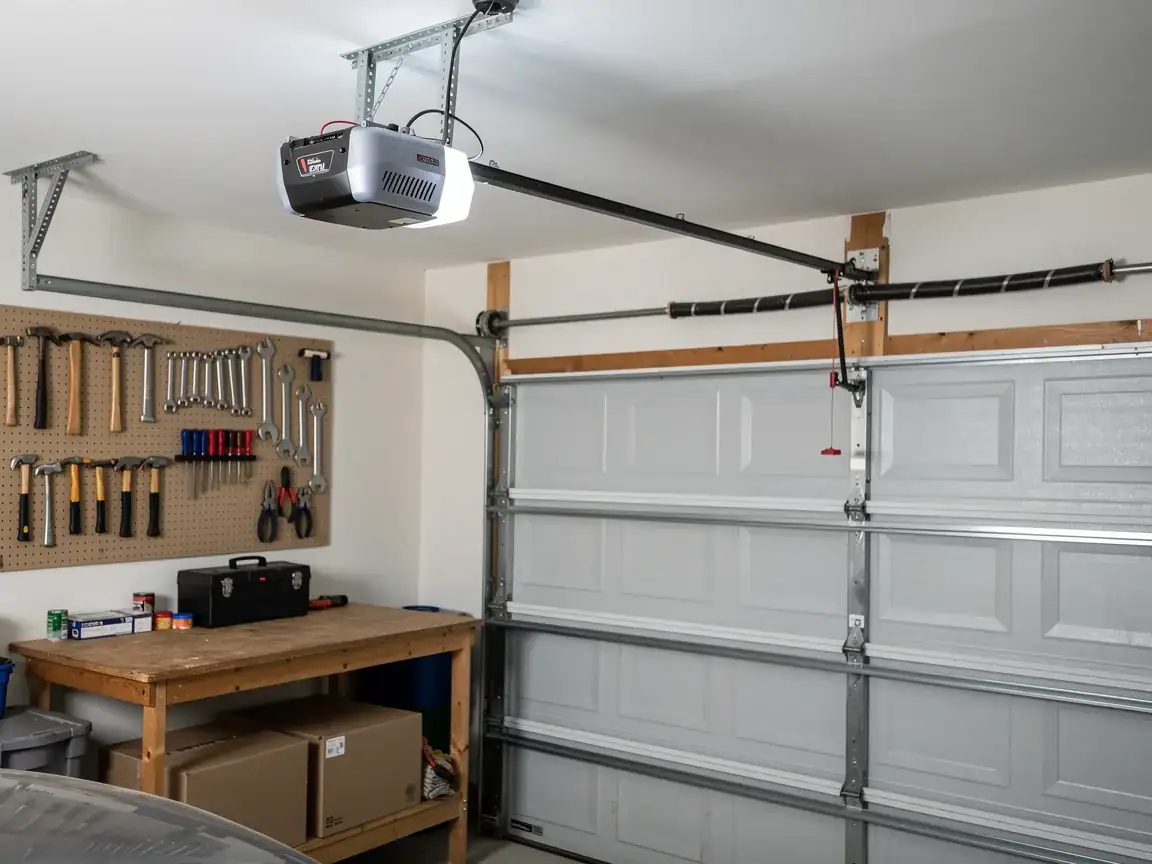
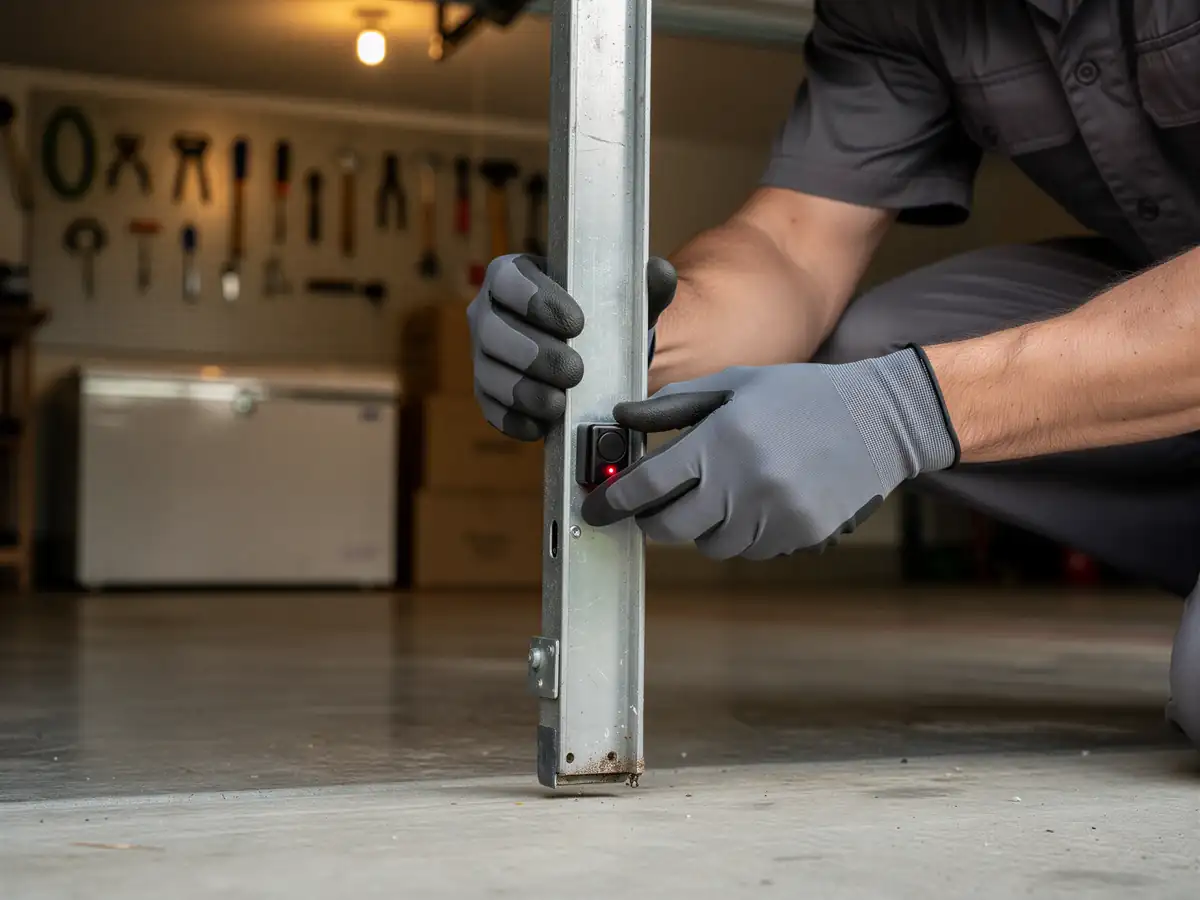
About 11,268 households, not the sprawl you get closer to Sunrise. That size matters for parts planning: we're not guessing across dozens of housing eras here, we're mostly dealing with one. The area built out heavily around 1990, so the openers we pull off walls are chain-drive units from that window, often with original circuit boards that the manufacturer stopped making years ago. We carry replacement logic boards, drive gears, and wall consoles sized for that generation of hardware, plus the photo-eye sensor kits that era didn't originally ship with and that code now requires. If your opener predates safety sensors entirely, that's usually the first thing we flag, not the last.
- 11,268 households
We don't carry every obsolete board for every opener ever made
Some 1990 units used proprietary boards that are genuinely gone, and in those cases replacement is the honest answer, not a repair quote that drags out over a backordered part.
The Cost of This Job
We're not going to hand you a number we don't have - pricing depends on what's actually wrong once we're looking at the unit, and we're not going to invent a figure for this page. What we can tell you is what drives the cost up or down in a neighborhood like this one. A stripped plastic gear or a dead capacitor on a 1990s chain-drive opener is usually the cheaper fix. A fried logic board on a unit where the manufacturer discontinued that board years back pushes you toward full replacement, because sourcing a one-off part can cost more than a new opener with a modern board.
Miami Lakes households run a higher median income than much of the rest of our service area, and in practice that means more owners here ask us to just replace rather than chase a 15-year-old part. That's a reasonable call on an opener this old - we'll tell you straight when repair isn't worth it instead of running up a bill trying to save a board that's on its last legs anyway.
Booking a Visit
We don't keep a crew stationed in Miami Lakes - we run the job out from Sunrise, about 18 miles out, so we schedule the visit rather than showing up same-hour. Tell us the opener brand and roughly how old the house is when you call; for a town built mostly around 1990, that's usually enough for us to bring the right board and sensor stock on the truck the first time instead of making a second trip.
If the opener still runs but the remote or wall button has stopped talking to it, mention that specifically - it changes whether we bring a full replacement unit or just a receiver and keypad. Either way, having the model number off the motor housing before we arrive saves time on-site.
Where This Job Goes Sideways
The failure pattern in Miami Lakes tracks the housing stock directly
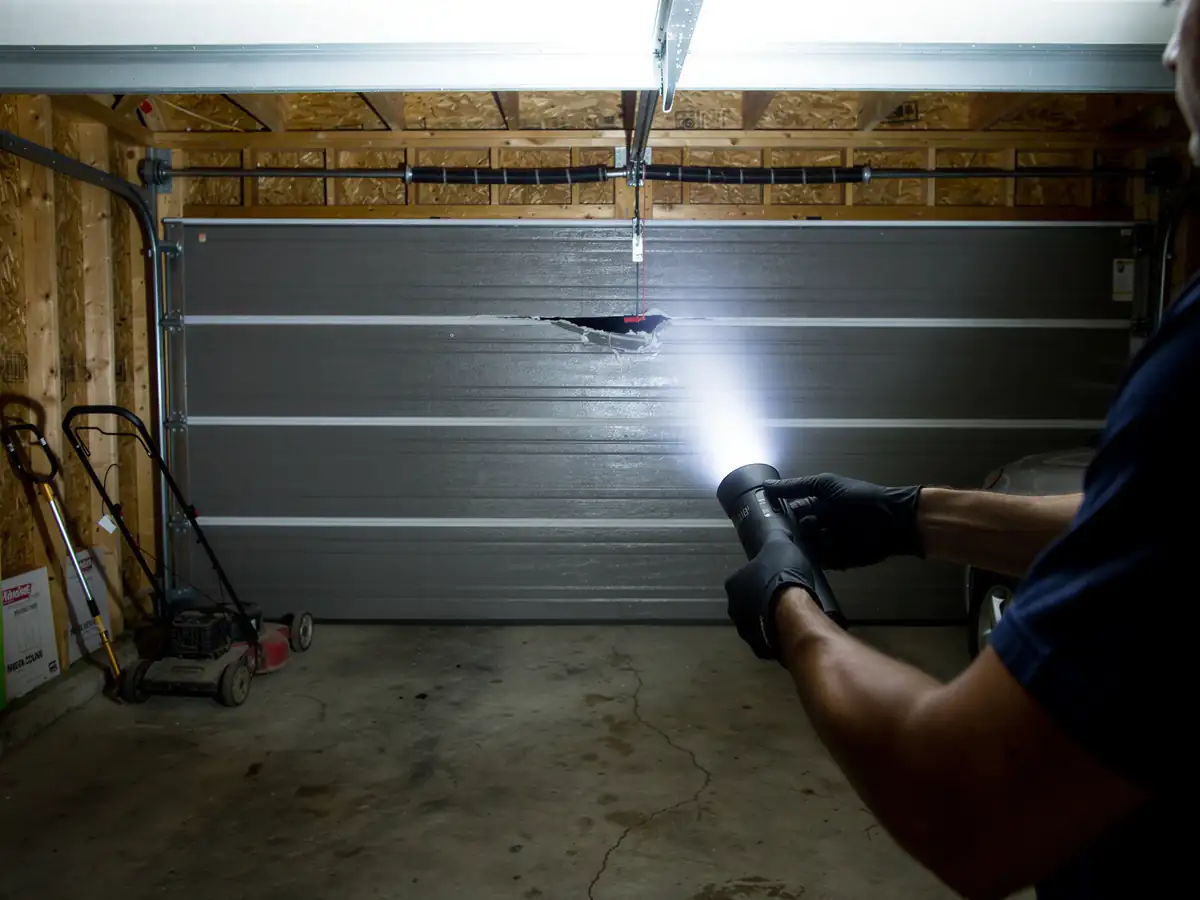
Openers installed when these houses went up in 1990 are now well past the point where plastic drive gears hold up - they strip quietly, so the opener runs but the door doesn't move, or moves and reverses for no visible reason. On these older units, that symptom often gets misread as a sensor problem when it's actually the gear.
The other common trap
A homeowner replaces the opener logic board themselves, gets the door moving again, and doesn't realize the original photo-eye sensors from a 1990 install were never wired to the safety-reversal circuit the way current code requires. The door works, but it's not safe the way a newer system is. We check that wiring on every opener call here regardless of what brought us out, because it's cheap to fix and expensive to ignore.
Why It Happens Here
Miami Lakes mostly built out around 1990, a decade or so after the bulk of the service area's housing went up. That means the openers failing now in this town are a fairly tight generation - late-80s to mid-90s chain-drive units, mostly 1/2 horsepower, mostly without the belt-drive quiet motors or battery backup that became standard later. They were solid machines for their time, but thirty-plus years of South Florida humidity works on the gears, the capacitors, and the board solder joints at a pretty consistent rate regardless of how well the door itself was maintained.
With around 11,268 households in the town, we're not covering a huge spread of build eras the way we do elsewhere - it's a more predictable call than in neighborhoods where 1960s and 1990s houses sit on the same block.
Can You Do This Yourself
Swapping a remote battery or reprogramming a keypad code is fine to do yourself, and most 1990s-era openers still have a simple learn button for that. Realigning a photo-eye sensor that's gotten bumped is also reasonable - you're looking for a steady light on the receiver side, no tools required.
Where we'd stop you is opening the motor housing to replace a logic board or a drive gear. On an opener this old, the board layout and gear specs aren't always documented anywhere easy to find, and getting the wrong part means a second order and the unit sitting dead in the meantime. If the door won't move at all, or moves and reverses without an obstruction, that's a call for someone who works on this specific generation of hardware regularly, not a weekend project.