Booking a Visit
We run this job out of our Sunrise shop, six miles from Margate
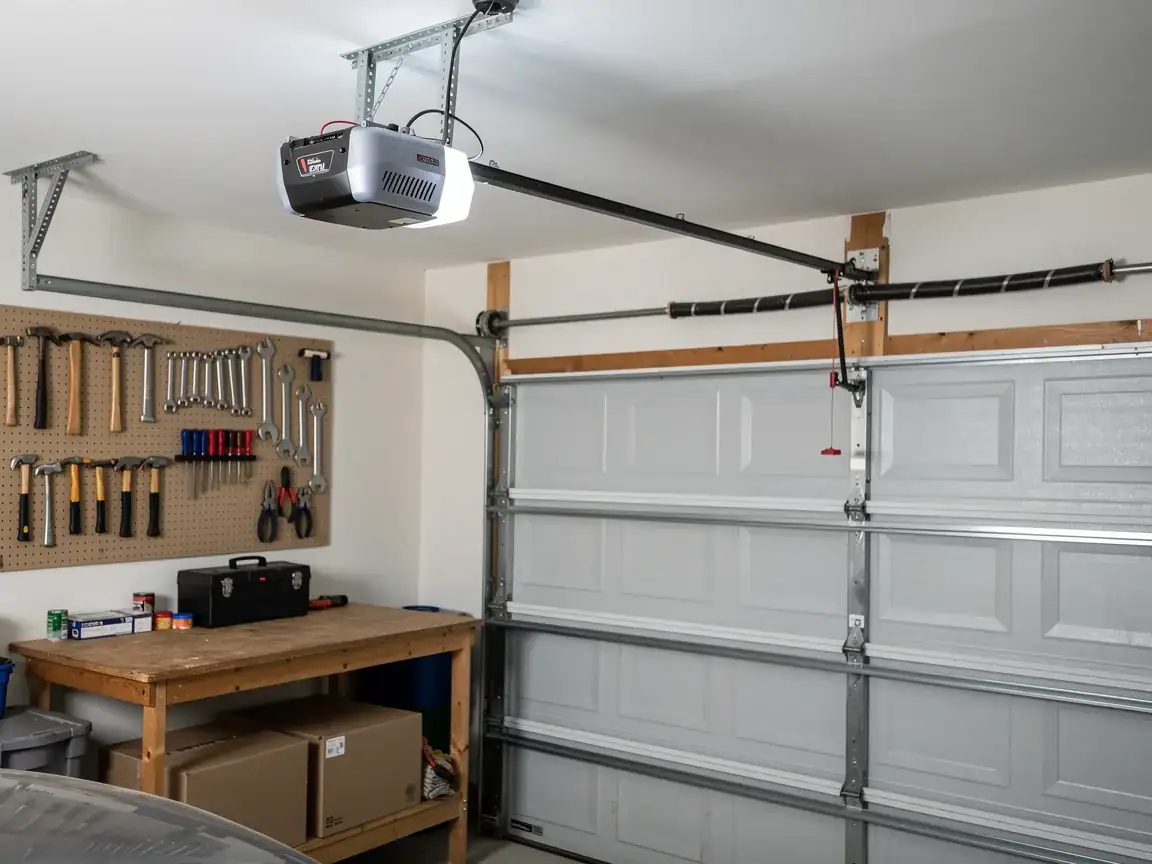
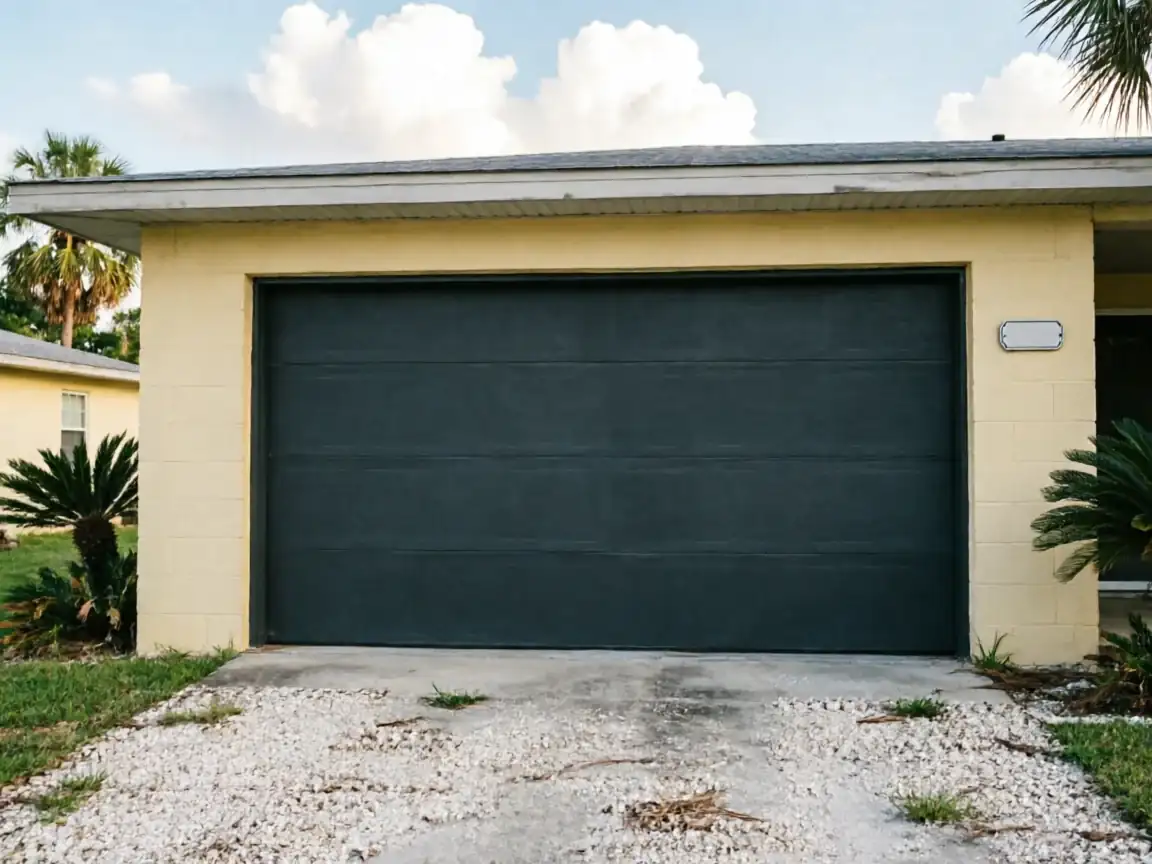
So when you call we're not guessing at drive time or dodging a dispatch board from three counties over. Most of what we see in Margate traces back to one thing: houses here went up around 1978, a few years past the service area's overall median build year of 1976, which puts a lot of this town squarely in the era of steel sectional doors on extension-spring hardware rather than the torsion setups that came standard later.
That matters when you're booking
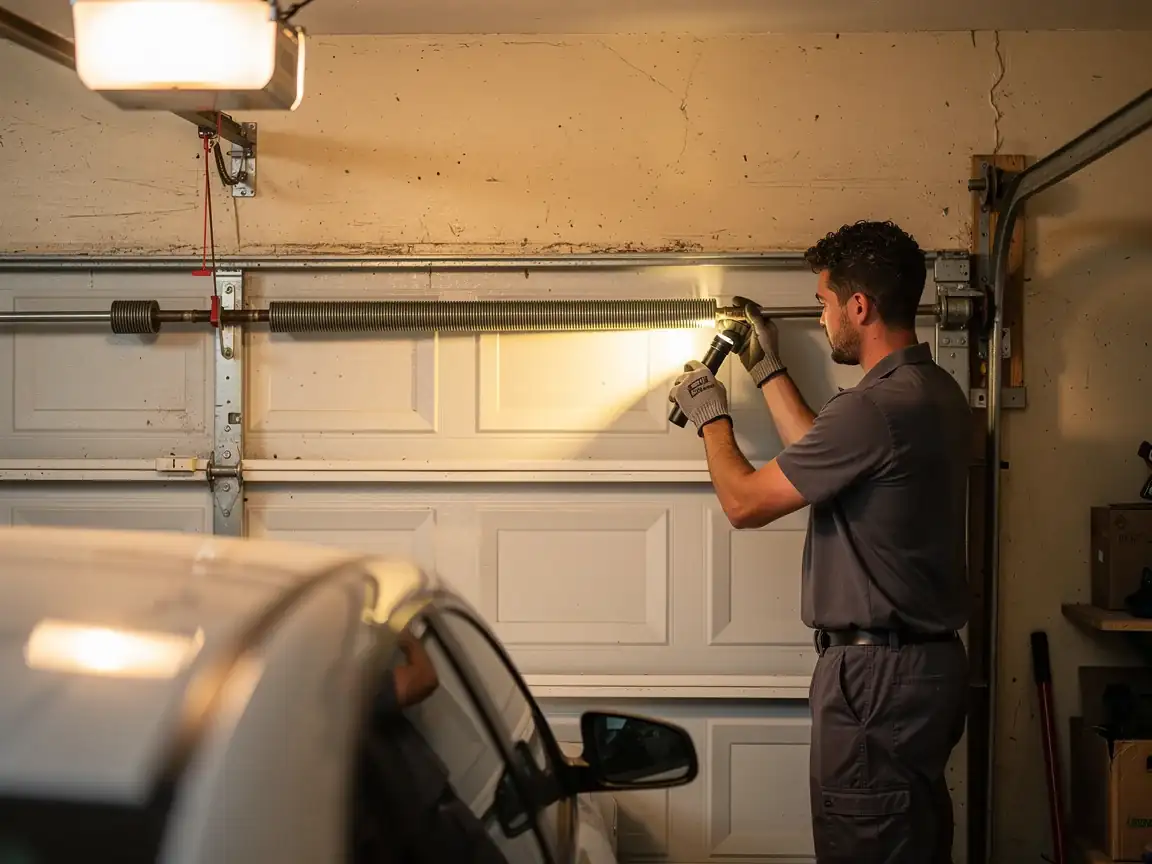
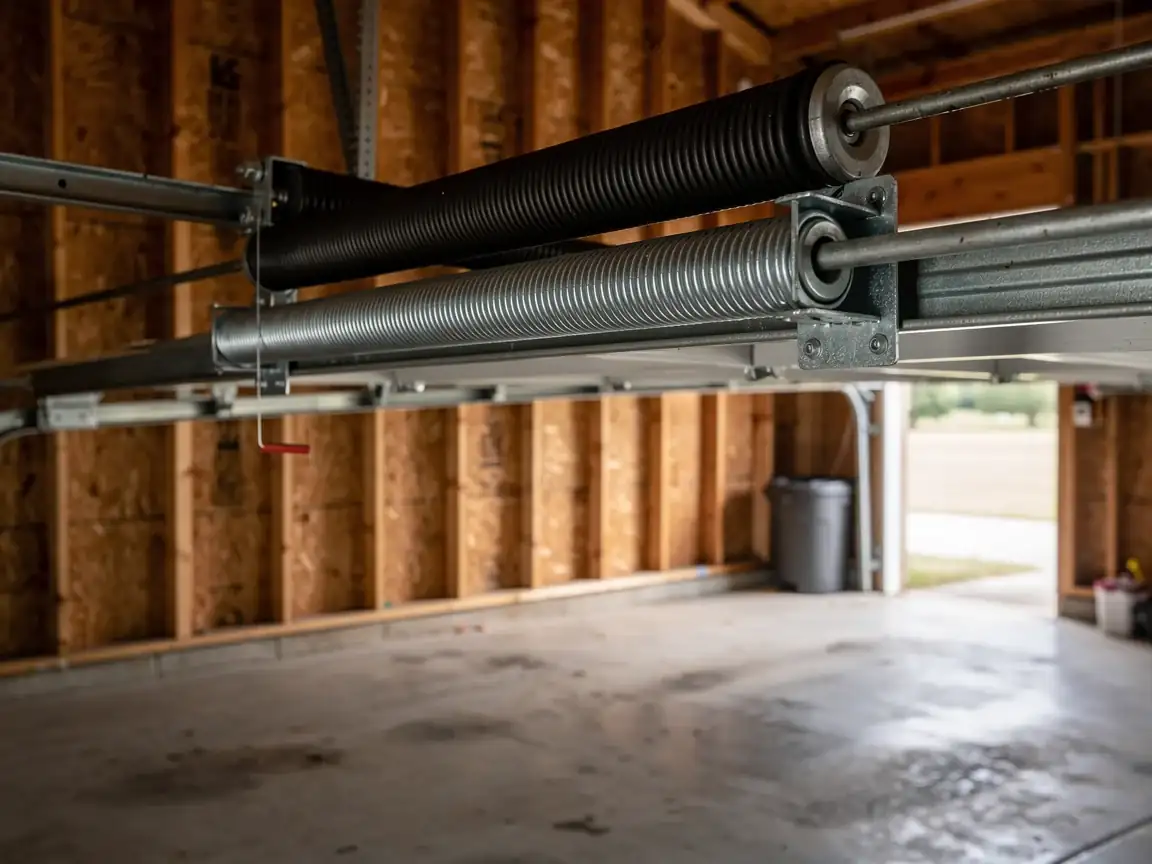
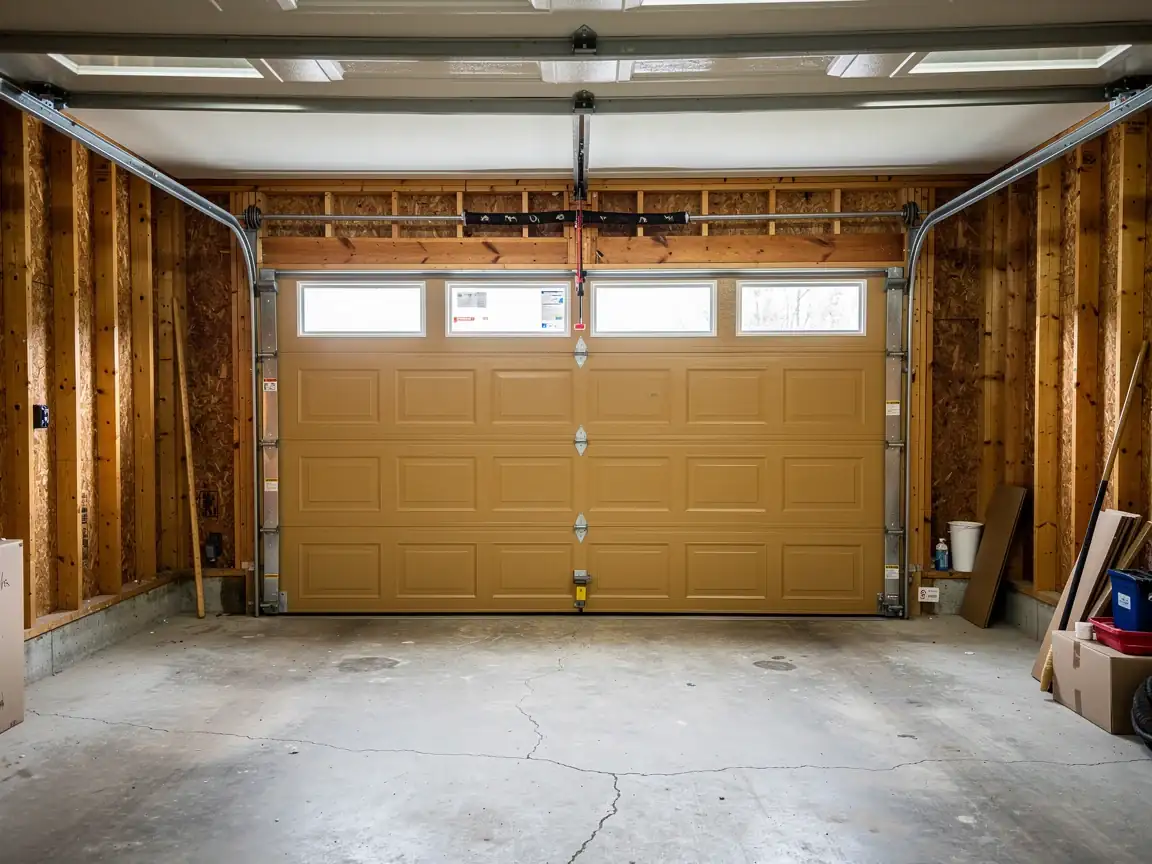
Because the fix for an extension-spring door isn't the same fix as for a torsion door, and telling us which one you have on the phone saves a wasted trip. If you're not sure, a photo of the springs stretched out above the horizontal track (extension) versus a single spring over the header (torsion) tells us everything we need before we load the truck.
We don't keep a branch in Margate
We come from Sunrise - so we ask a few more questions up front than a shop sitting on your block would. It's a short drive, not a long one, but it means the call matters more than usual.
Time on the Job
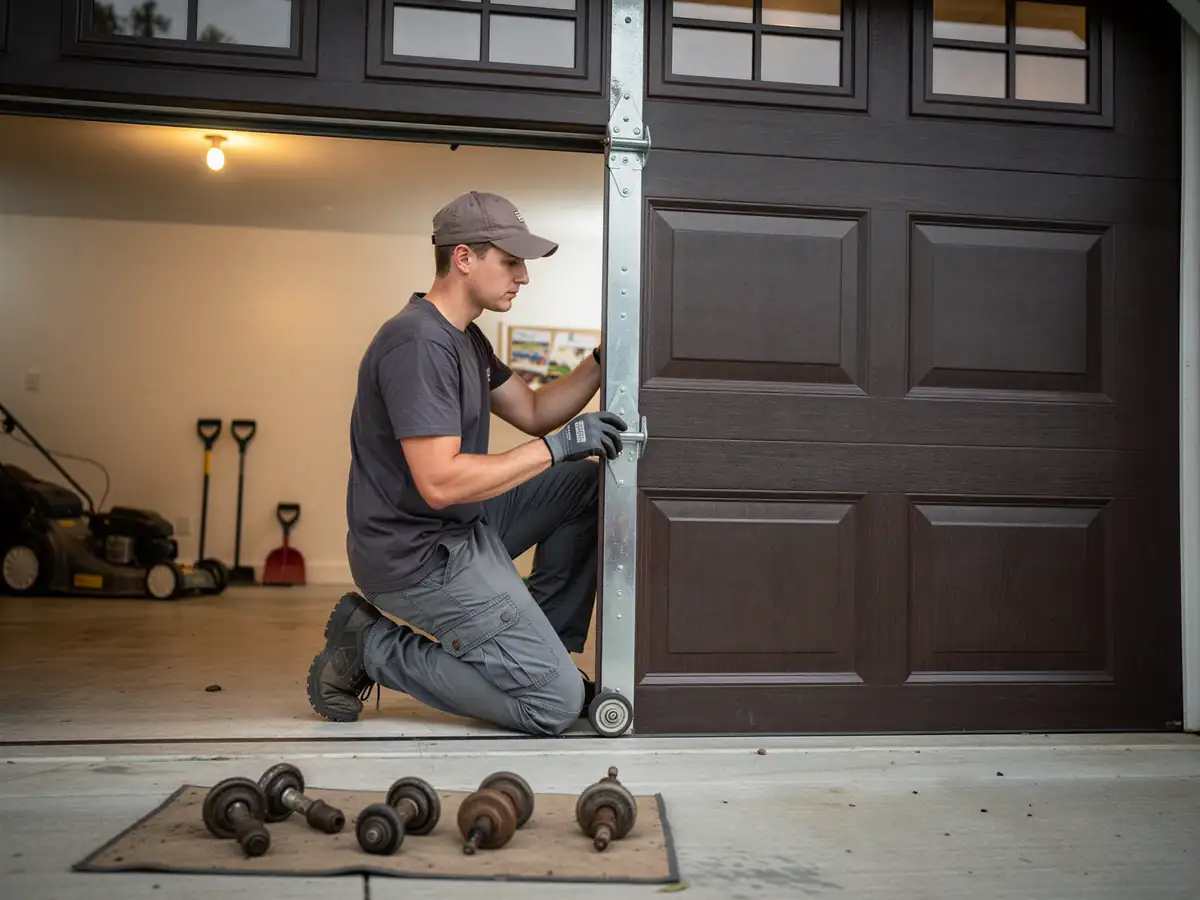
A straightforward spring swap or opener replacement on a late-1970s Margate door runs about what you'd expect for the hardware of that era - these are simpler mechanisms than what's gone into new construction since, with fewer safety sensors and simpler drums to deal with. That can cut either way: less to diagnose, but also older galvanized track and worn pulley sheaves that need replacing alongside whatever actually failed.
We don't pad time on the clock to justify the drive from Sunrise. If the job is a cable off a drum, that's a short visit. If the door needs a full spring conversion because the original extension setup is stripped past safe adjustment, that's a longer one, and we'll tell you which before we start, not after.
One honest limit: if a part is obsolete enough that nobody stocks it - which happens more with 1970s-era track hardware than with anything built in the last twenty years - we may need to order it, and that adds days, not hours, to the job. We'll say so up front rather than let you wait and wonder.
Can You Do This Yourself
Extension springs, the kind common on Margate's older stock, are the ones we tell people not to touch without the right bars and clamps. Unlike a torsion spring sitting on a fixed shaft, an extension spring under load can whip the length of the track if a cable slips, and there's no safety cable retrofit on most of these older setups unless someone's already added one.
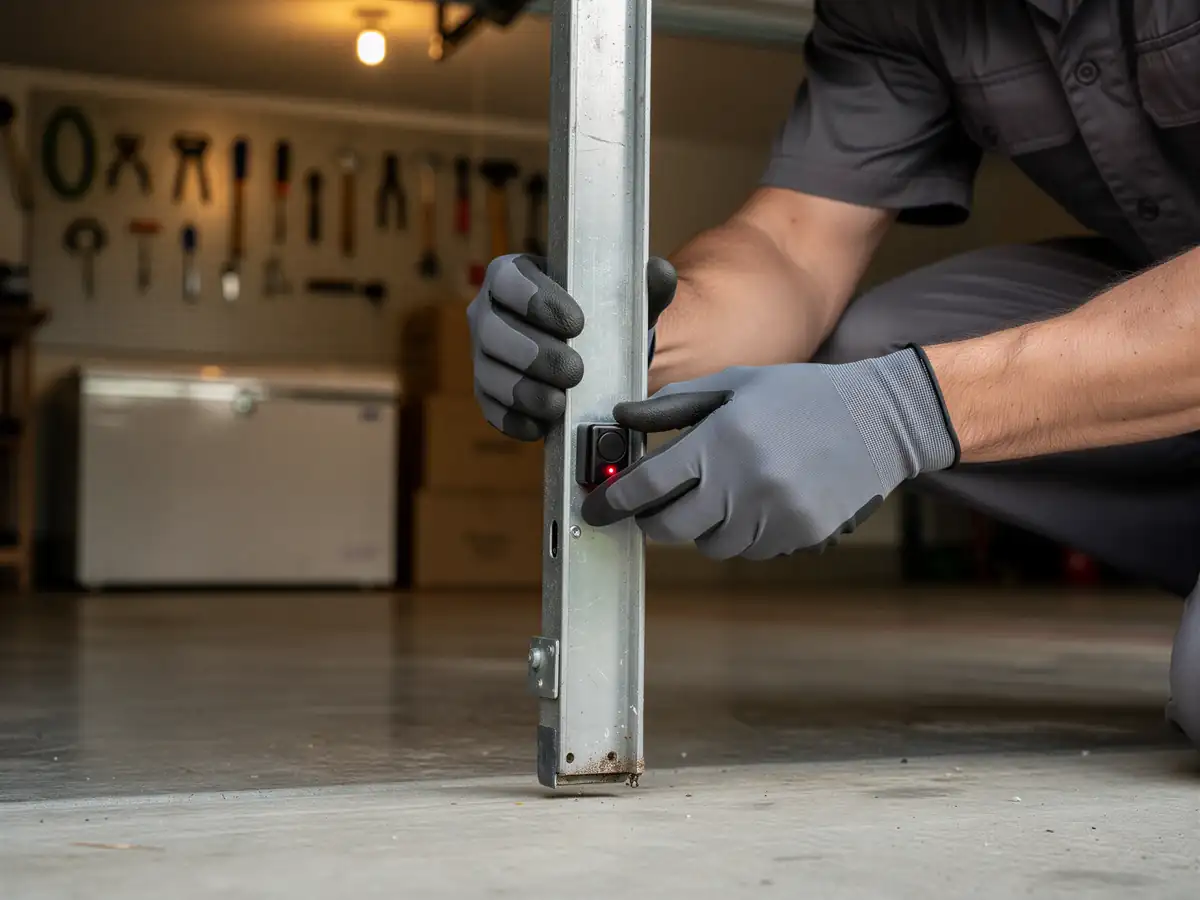
If your door is sticking or noisy, you can safely check the simple things yourself: tighten loose bolts on the track brackets, clean and lube the rollers, make sure the opener's photo-eye sensors near the floor aren't knocked out of alignment. None of that touches the spring system.
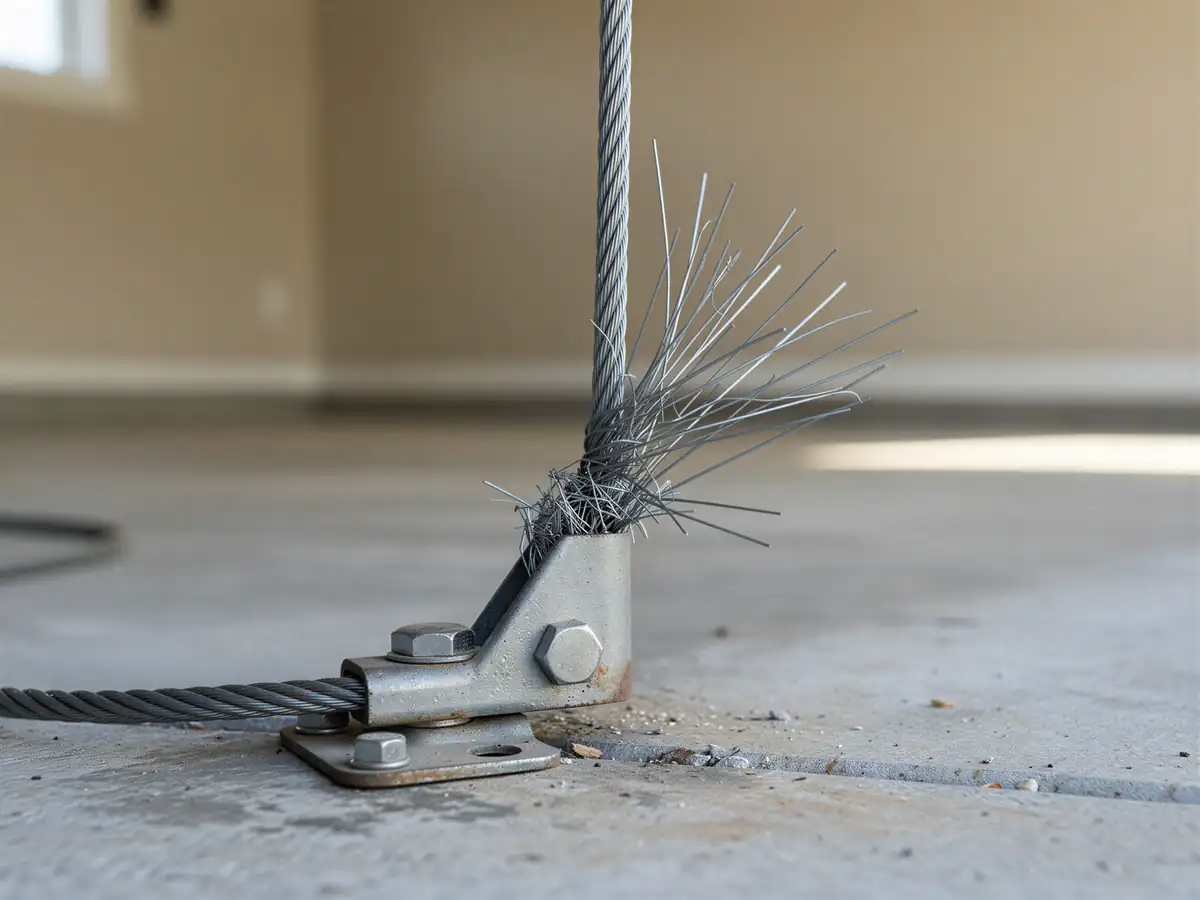
Where we draw the line is anything involving the spring itself, the cables, or the drums at the top of the track. On a door from this era, those parts are often original, meaning forty-plus years of fatigue nobody's measured. That's not a sales pitch - it's the actual physics of a stretched spring losing tension unevenly over decades. Replacing it yourself with the wrong length or wind direction for your door's weight is how people get hurt.
What You Are Seeing
The complaint we hear most from this part of town is a door that slams the last foot of travel instead of settling
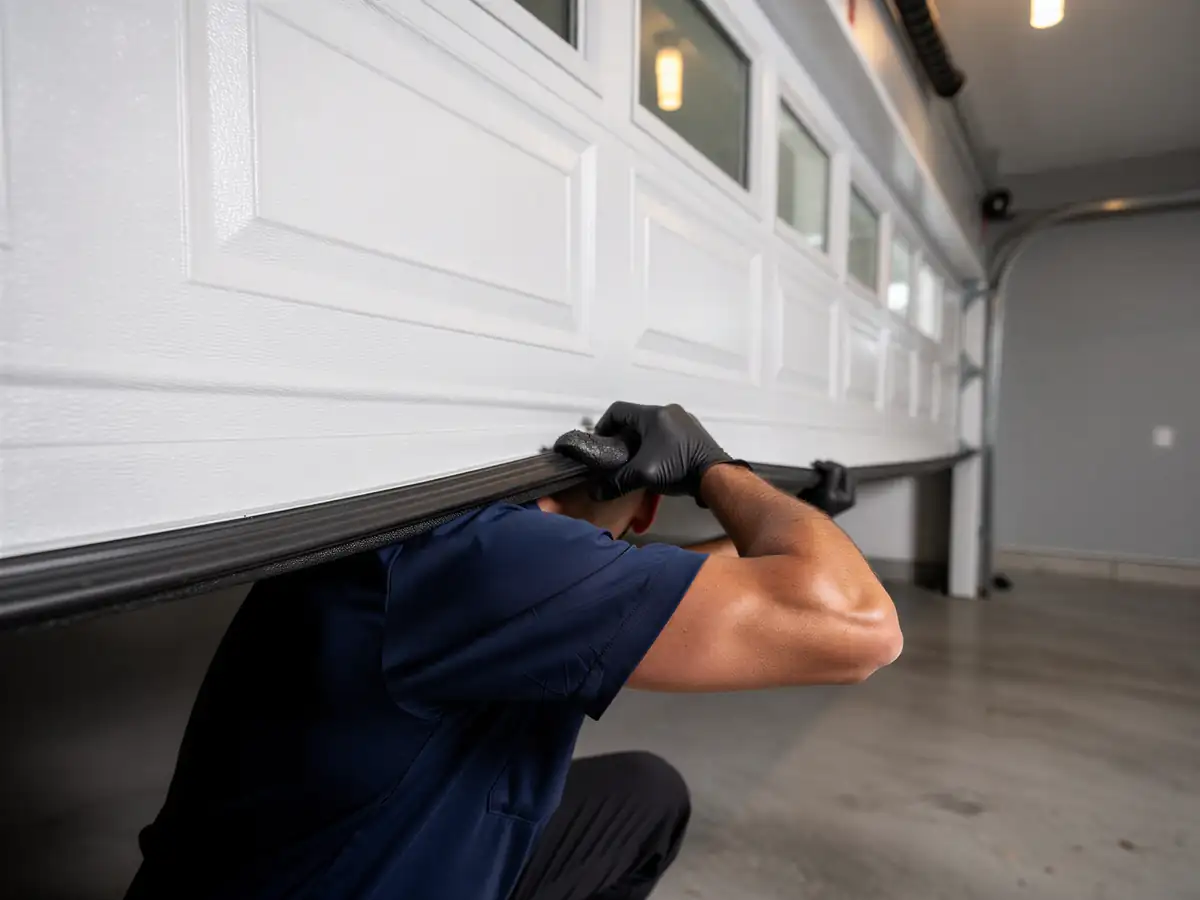
Or one that feels heavier on one side when you lift it by hand with the opener disconnected. Both point to an extension spring that's lost tension unevenly - common once a spring from the late 1970s build era has been cycled for decades without anyone checking it.
A second pattern: openers that reverse for no clear reason
On houses from this stretch of Margate's build years, the opener itself has often been replaced once already, but it was bolted onto original track and hardware that's slightly out of square from age. The opener's force sensors read that as an obstruction and reverse the door, even though nothing is actually in the way.
Mild coastal South Florida weather doesn't crack panels the way freeze-thaw cycles do farther north
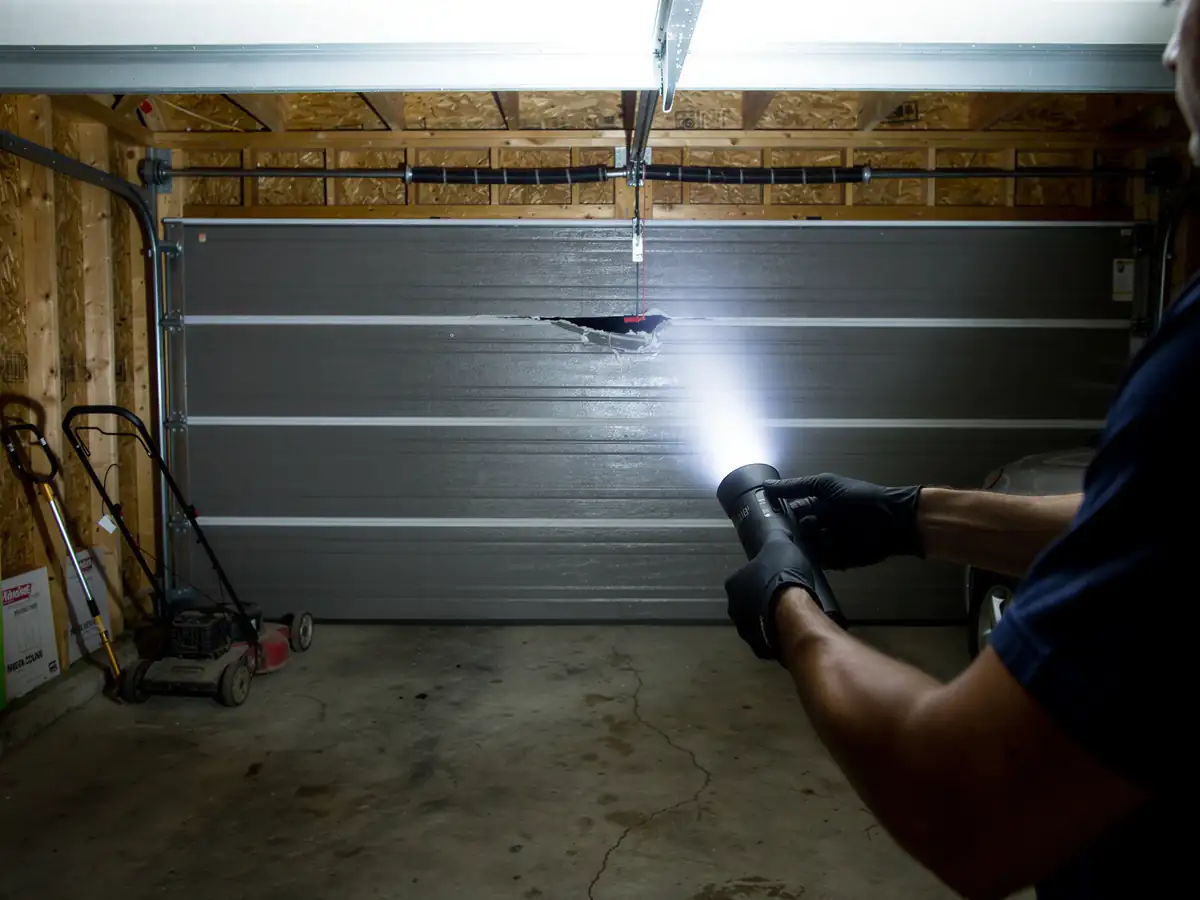
So when we do see panel damage here it's almost always physical - a backed-into door, not a weather-related one. That's one less thing to worry about, and one reason doors in this area often outlast their springs and cables by a wide margin.