Booking a Visit
Margate isn't where we're based
But it's a short run - six miles out from Sunrise - so a call here goes on the same truck route as jobs closer to home. That matters for opener work specifically, because most opener failures aren't same-day emergencies the way a snapped spring is; they're a dead remote, a motor that hums but won't lift, or a unit that reverses halfway up. Those can wait for a scheduled slot instead of a rush trip.
We ask a few questions before we come out
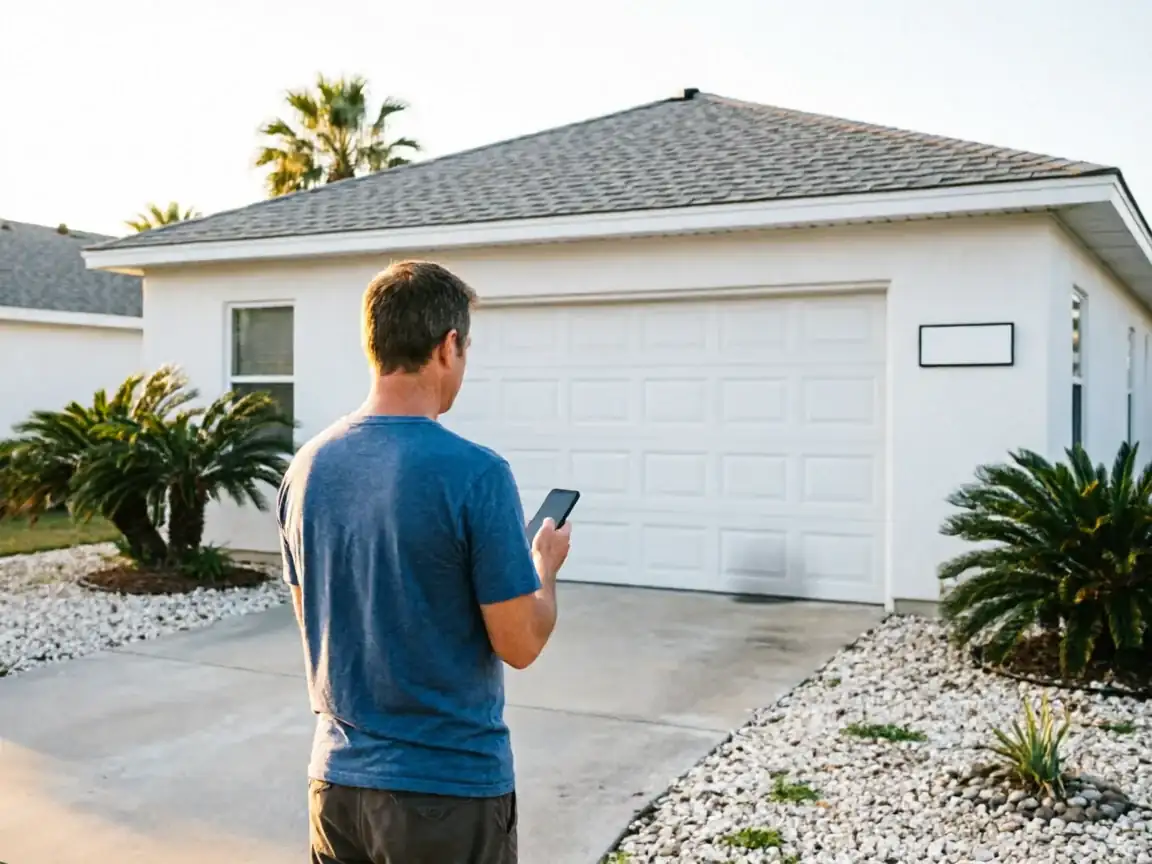
Brand and age of the unit if you know it, whether the door moves by hand, and whether the wall button does anything the remote doesn't. With roughly 24,634 households in Margate, we're dealing with a town of real size, not a handful of streets, so the openers we find here run the full range - some original to the house, some swapped once or twice by a previous owner. Knowing which generation we're walking into saves a second trip for the right part.
- 24,634 households
We don't keep a branch or depot in Margate itself
Everything rolls from Sunrise, so the appointment window is the one we can actually hold, not a guess.
Time on the Job
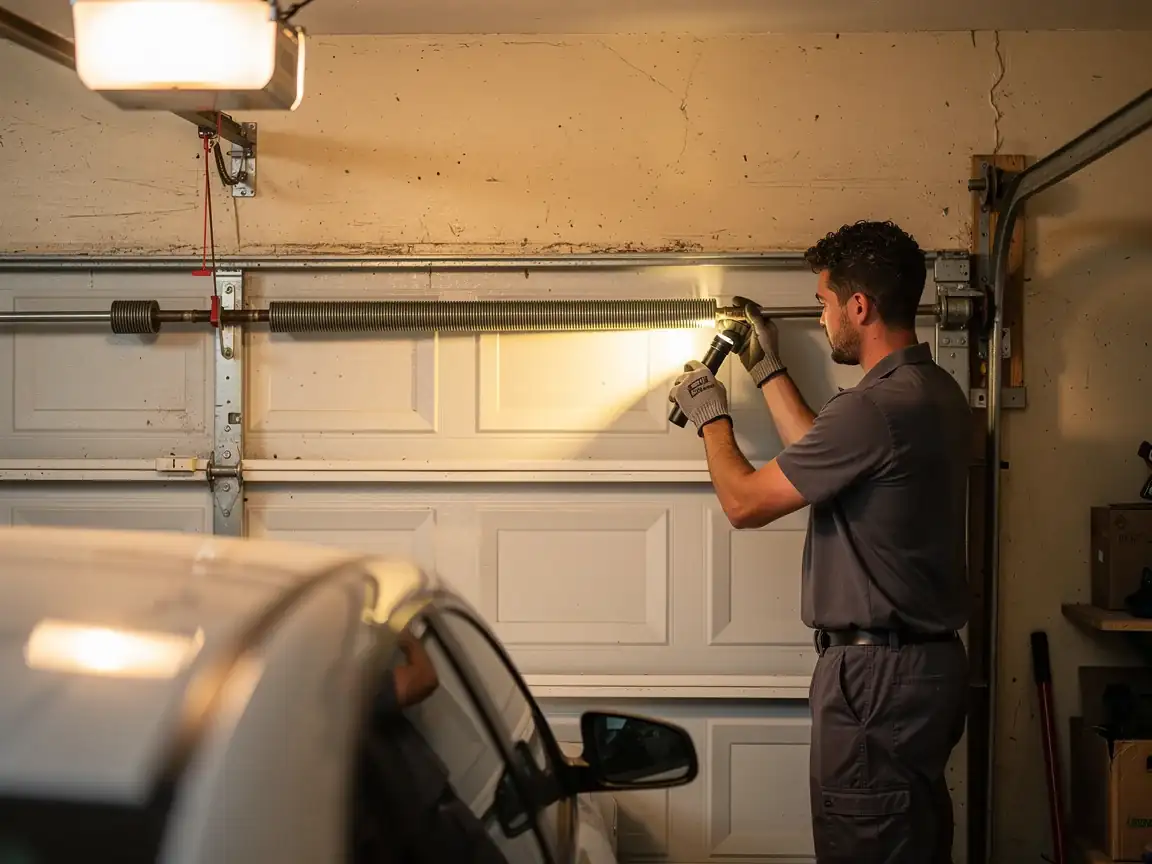
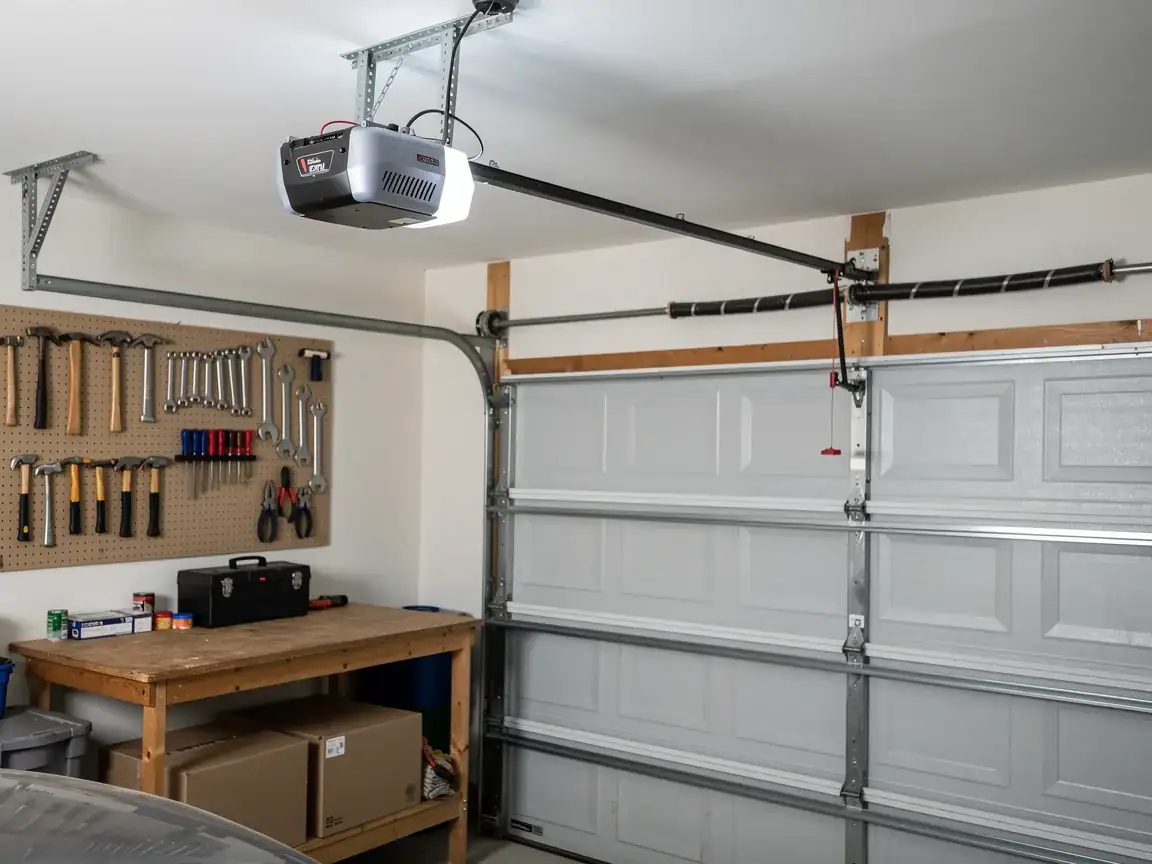
A straightforward opener repair - a bad capacitor, a worn gear, a sensor out of alignment - usually runs under an hour once the truck is parked and the unit is open. Logic board swaps and full motor replacements take longer, mostly because of testing: we don't leave until the door runs a full cycle clean, reverses on contact, and the remotes are re-paired.
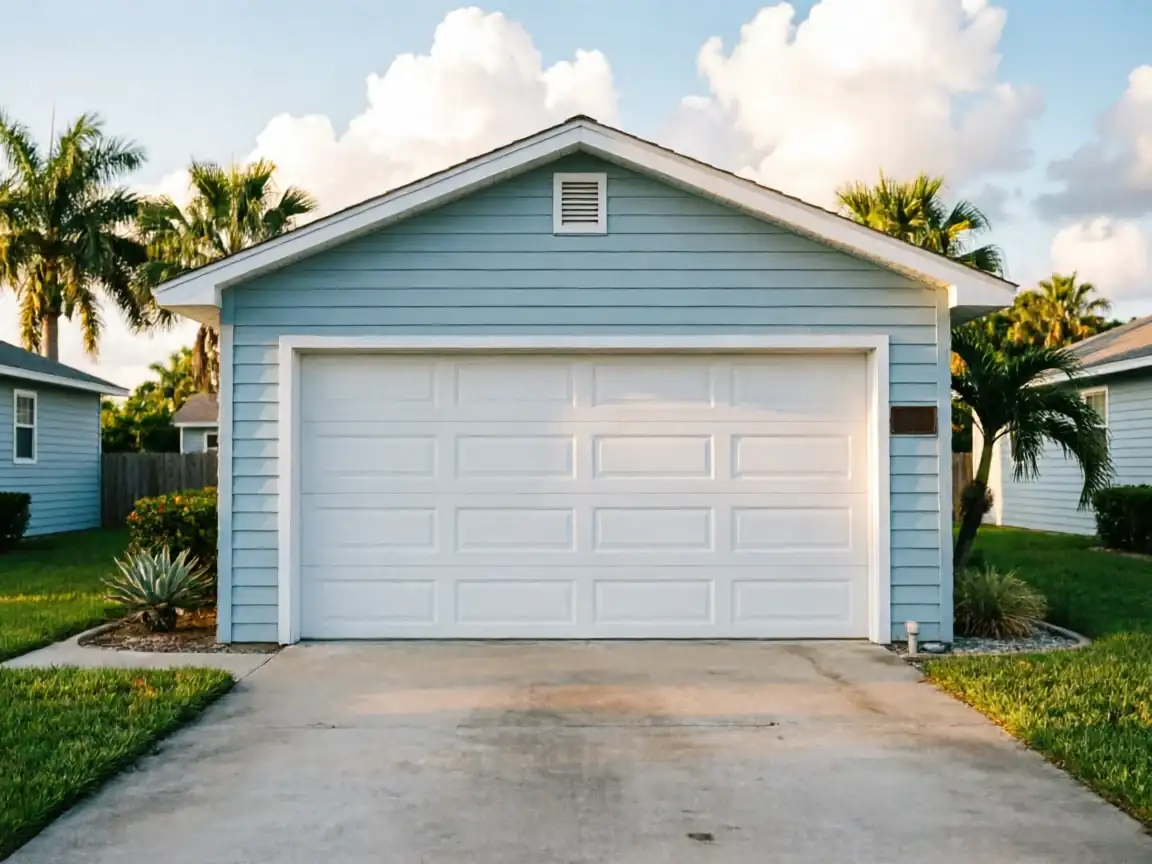
Margate's housing runs newer on average than a lot of the service area - the typical home here was built around 1978, compared with a median closer to 1976 across the wider territory we cover. That few years matters for openers specifically, because it's close to when chain-drive and belt-drive units started replacing the earliest screw-drive designs in new construction. We see fewer of the oldest screw-drive motors here than in some of the pre-1965 pockets nearby, and more mid-production chain units that are now well past their expected service life on gears and sprockets.
Parts availability is the one thing that can stretch a visit. A board for a unit from the late '70s or early '80s sometimes has to be ordered rather than pulled off the truck, and that can mean a second trip.
Can You Do This Yourself
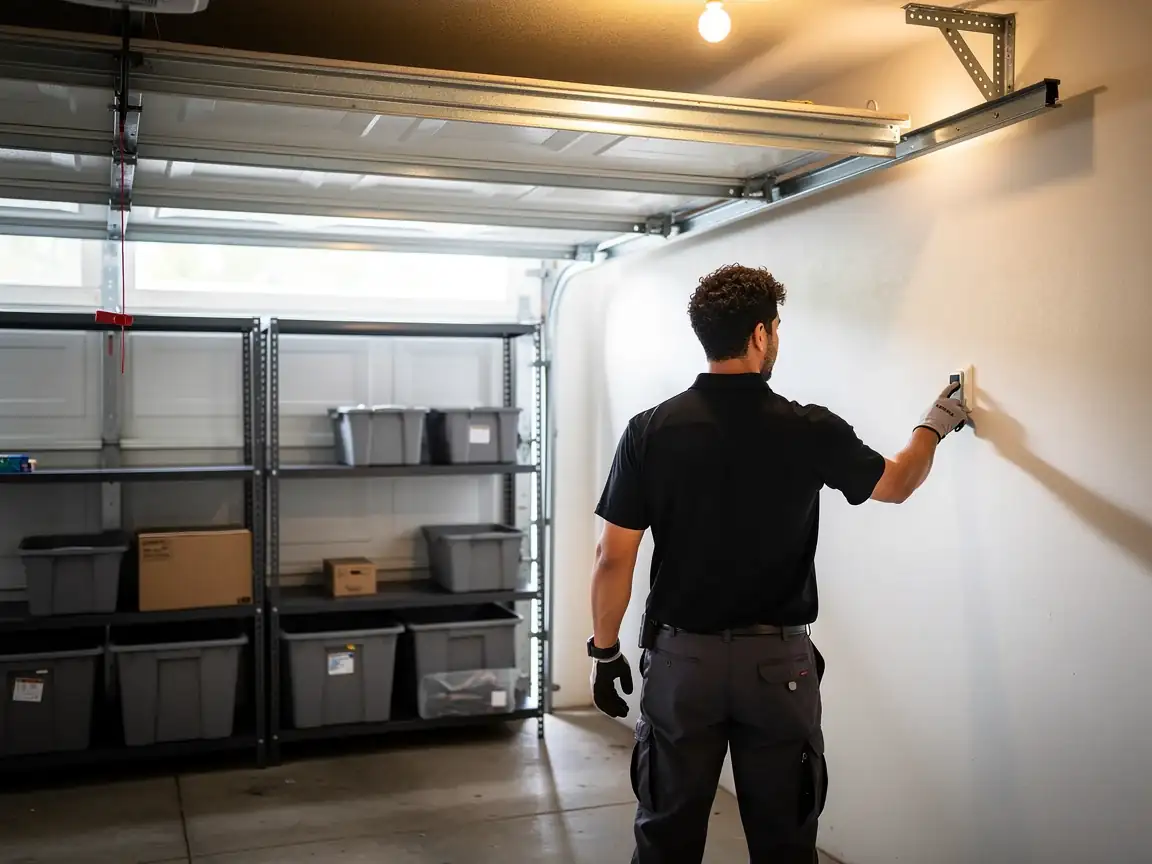
Some of it, yes. Reprogramming a remote, replacing batteries, cleaning the photo-eye sensors and making sure they're aligned - all of that is safe to try yourself and often fixes the problem without a call. Tightening a loose wall-button wire or resetting the travel limits on the motor is also fair game if you're comfortable with a screwdriver and the owner's manual.
Where we'd tell you to stop is anything involving the motor's internal gearing, the drive chain or belt tension, or the high-voltage side of the unit. These aren't complicated machines, but they store tension and they're wired into household power, and a mistake there can cost more to fix than the original problem. If the opener runs but the door doesn't move - meaning the drive gear has stripped - that's a part swap, not an adjustment, and it's not a great first repair job to learn on your own equipment.
One honest limit on our end: if an opener is old enough that the manufacturer no longer makes boards or gear kits for it, we'll tell you straight that replacement is the better call rather than chasing parts that don't exist anymore.
What You Are Seeing
The two complaints we hear most from Margate are the door that reverses right after it starts closing
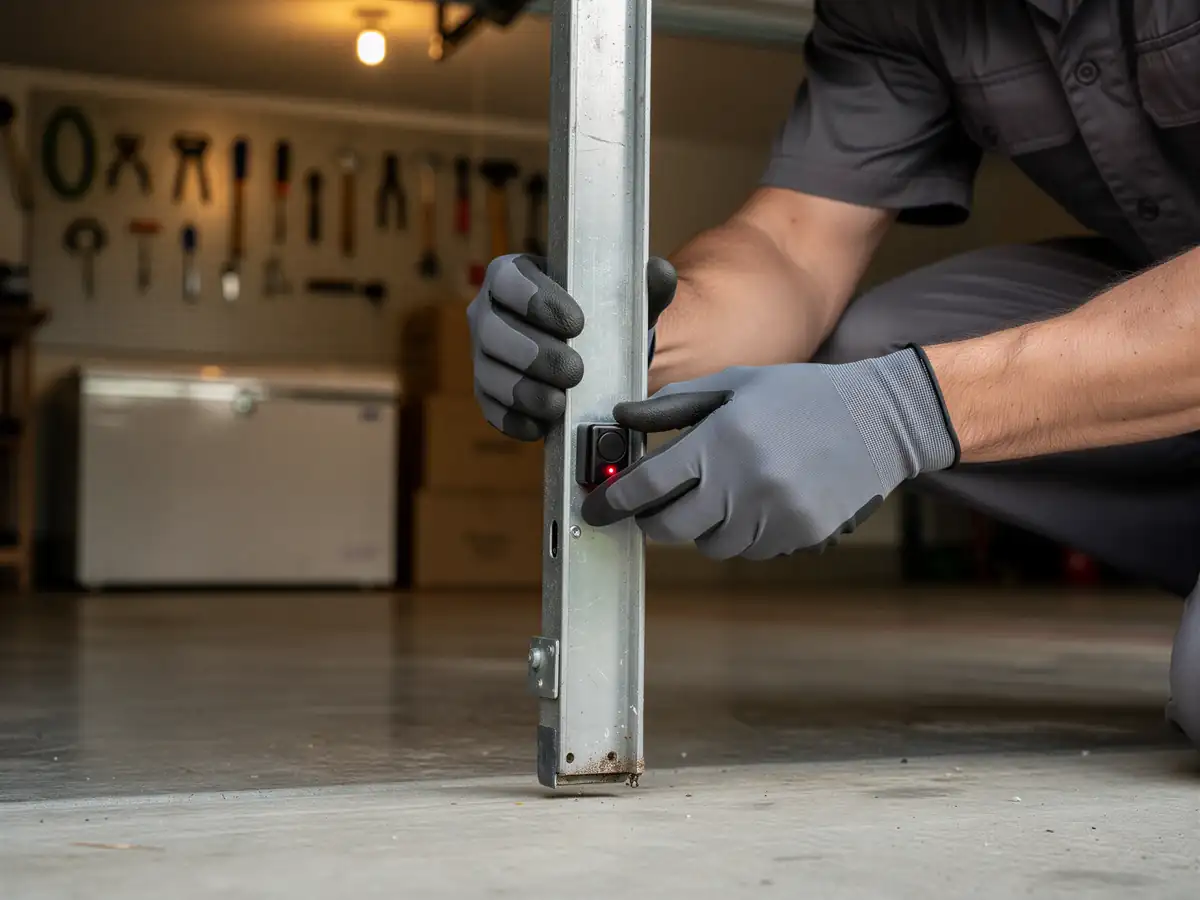
And the opener that runs but the door just sits there. The first is almost always the safety sensors - dirty lenses, a sun glare issue, or a bracket that's drifted out of alignment over the years. The second is usually the drive gear or sprocket worn down, common on units now in their third or fourth decade of daily use.
Given that typical Margate homes date to around 1978
We're not usually fighting the very oldest screw-drive technology, but we are fighting age on the units themselves - logic boards that have outlived their rated life, capacitors that have dried out, remotes on discontinued frequencies. None of that is dramatic; it's wear, on schedule.
We don't see much weather-driven opener failure here
The region sits in a mild temperate band, so we're not chasing freeze damage the way some climates do. What we do see is straightforward mechanical fatigue on hardware that's simply been running for a long time.