Stocked Parts
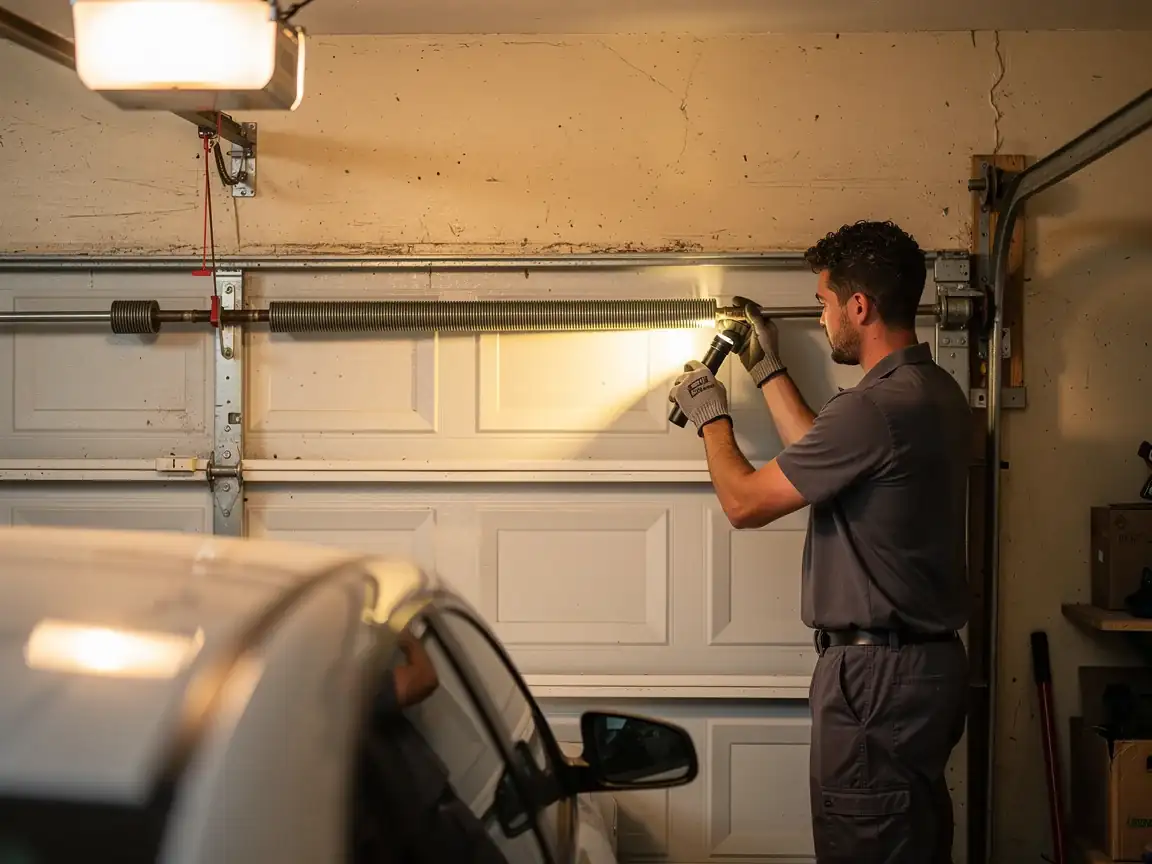
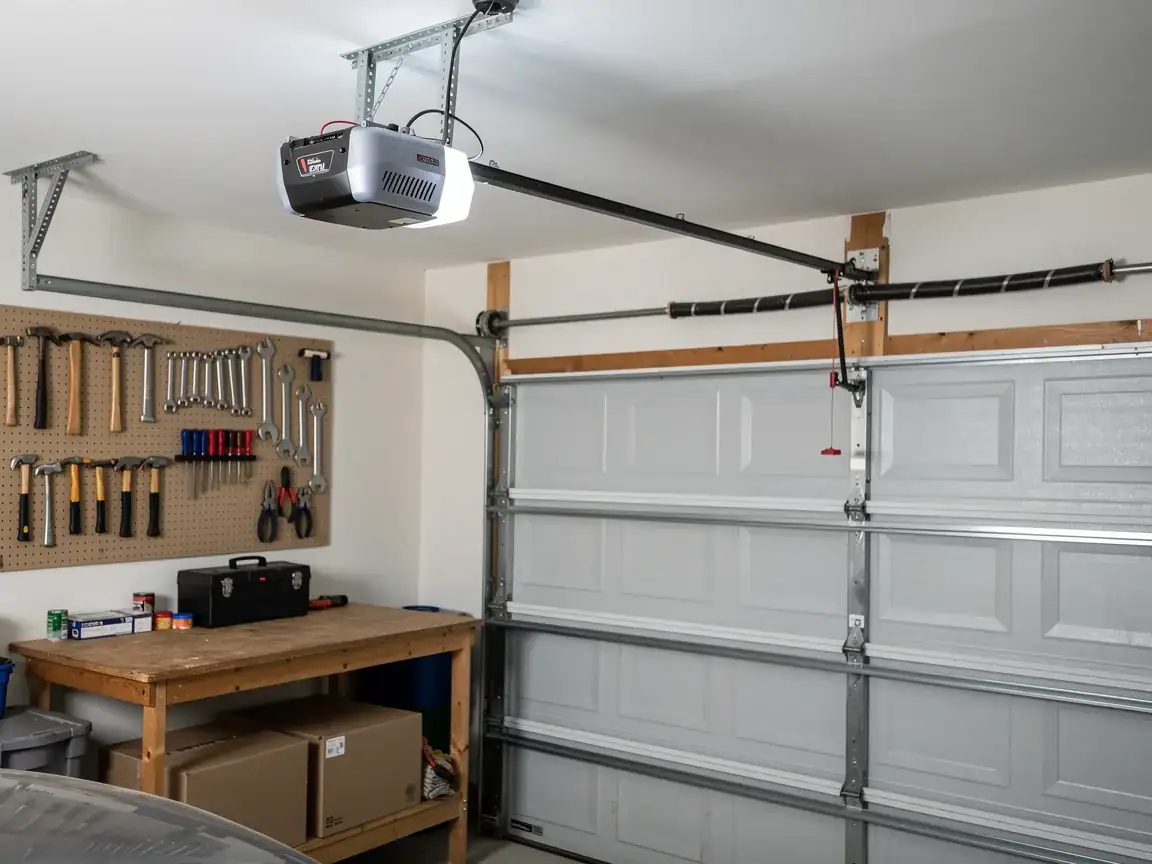
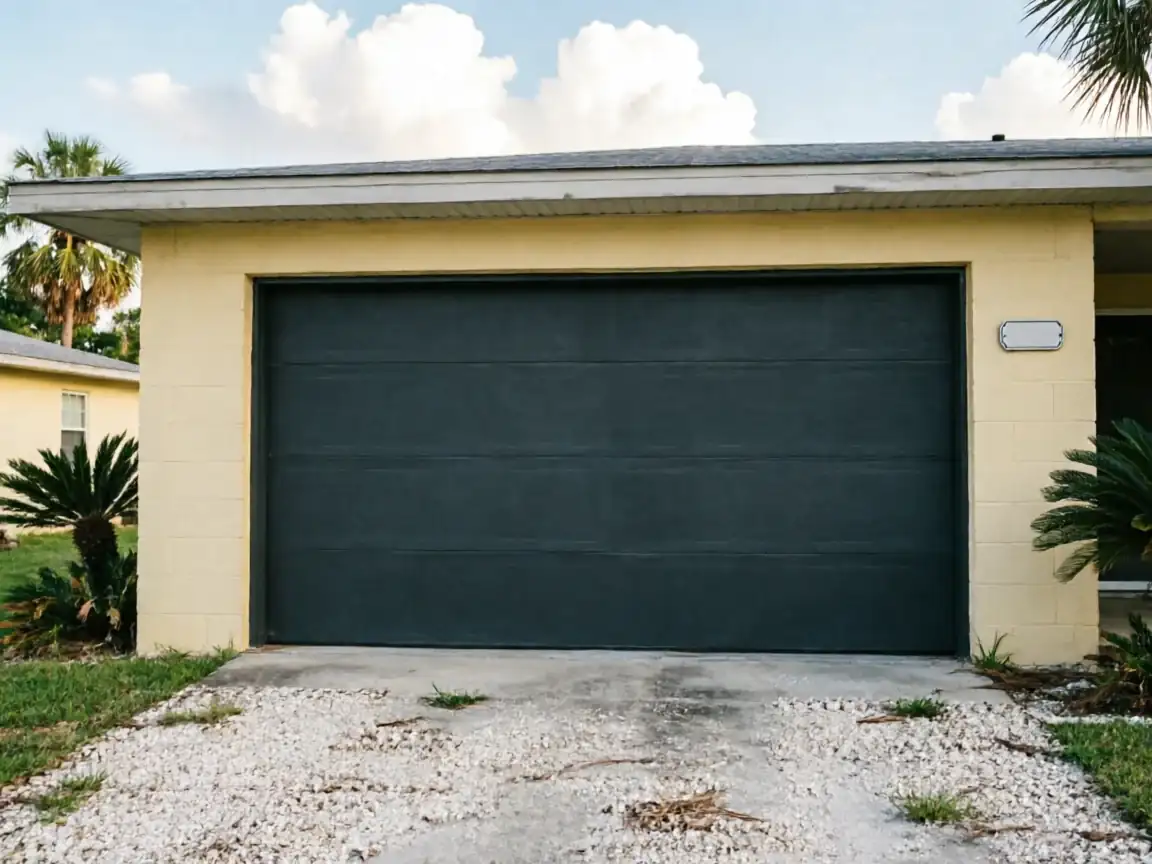
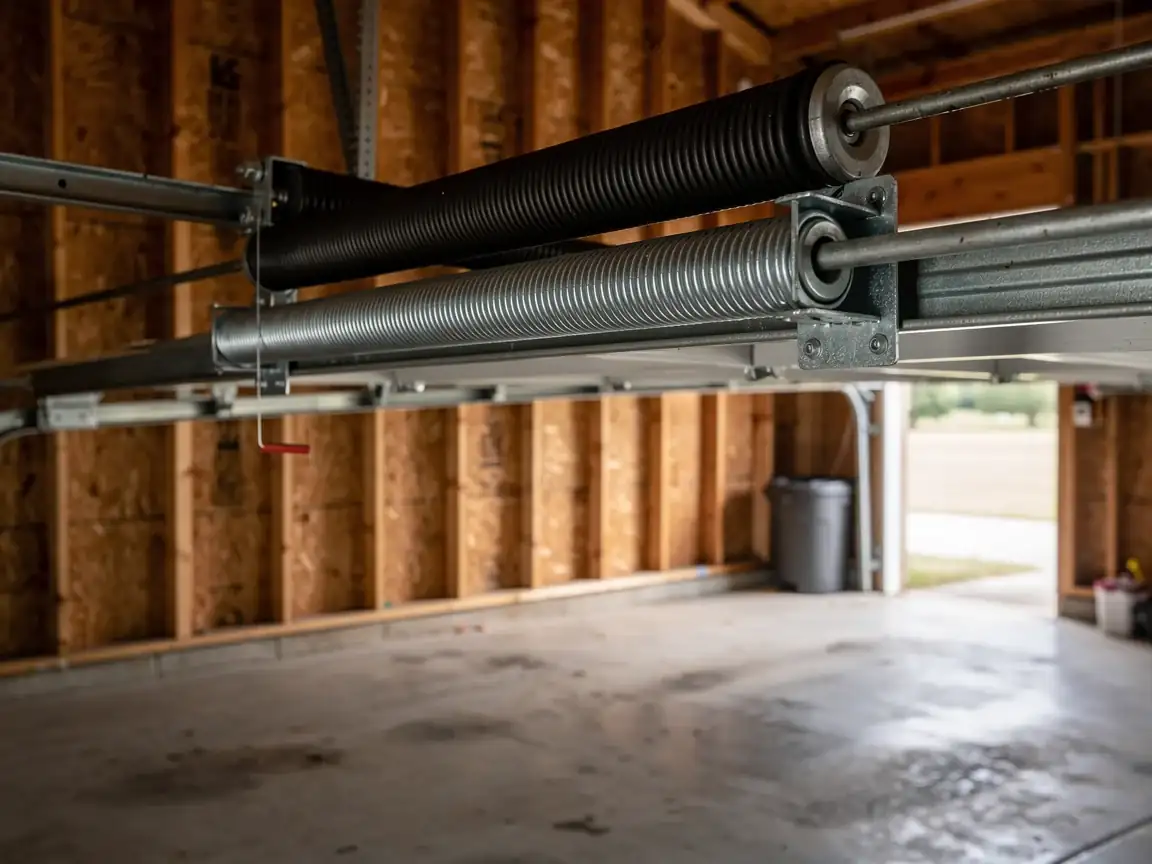
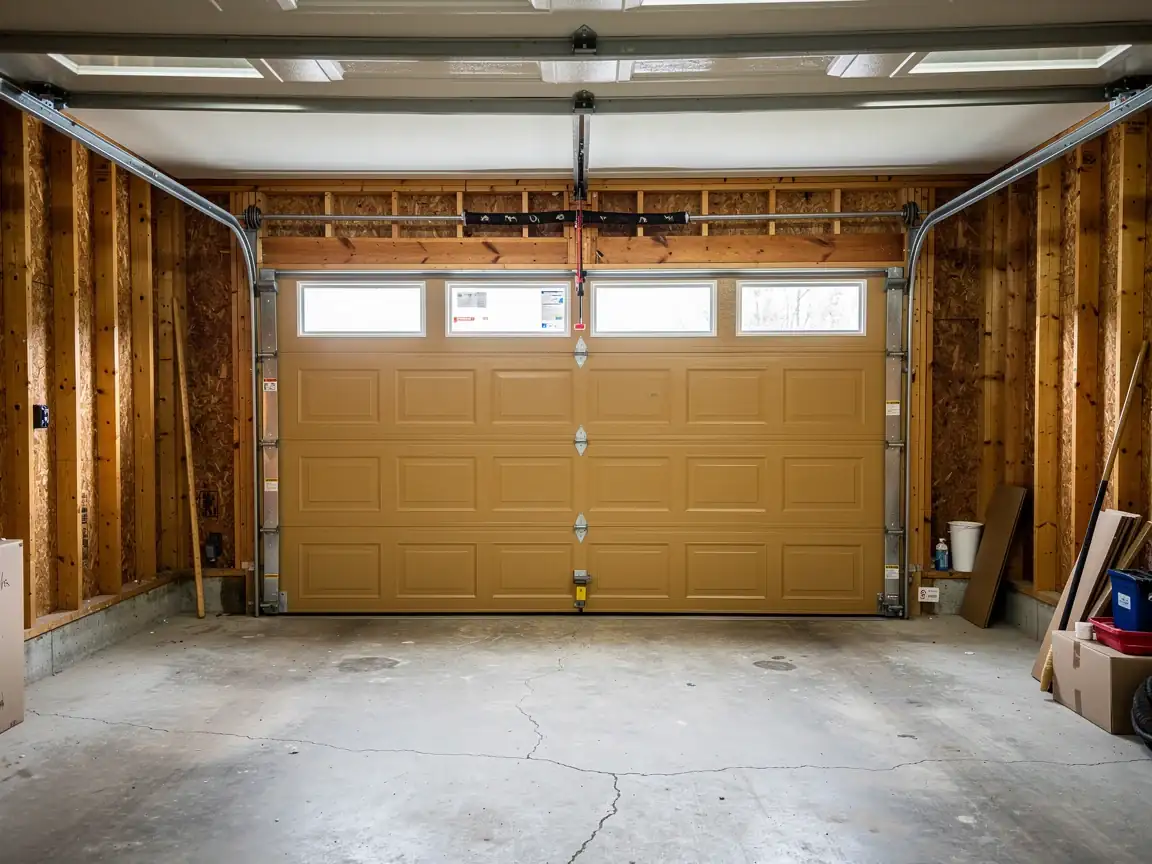
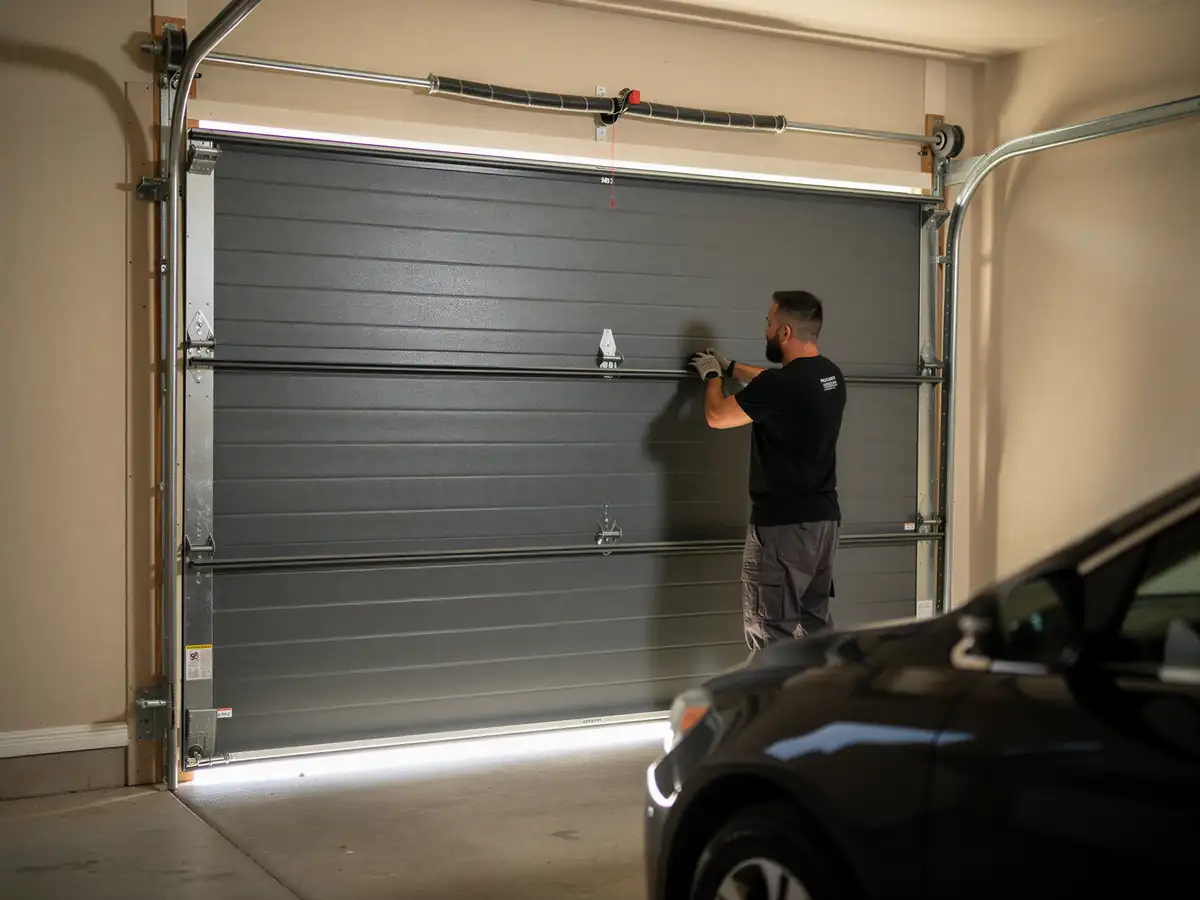
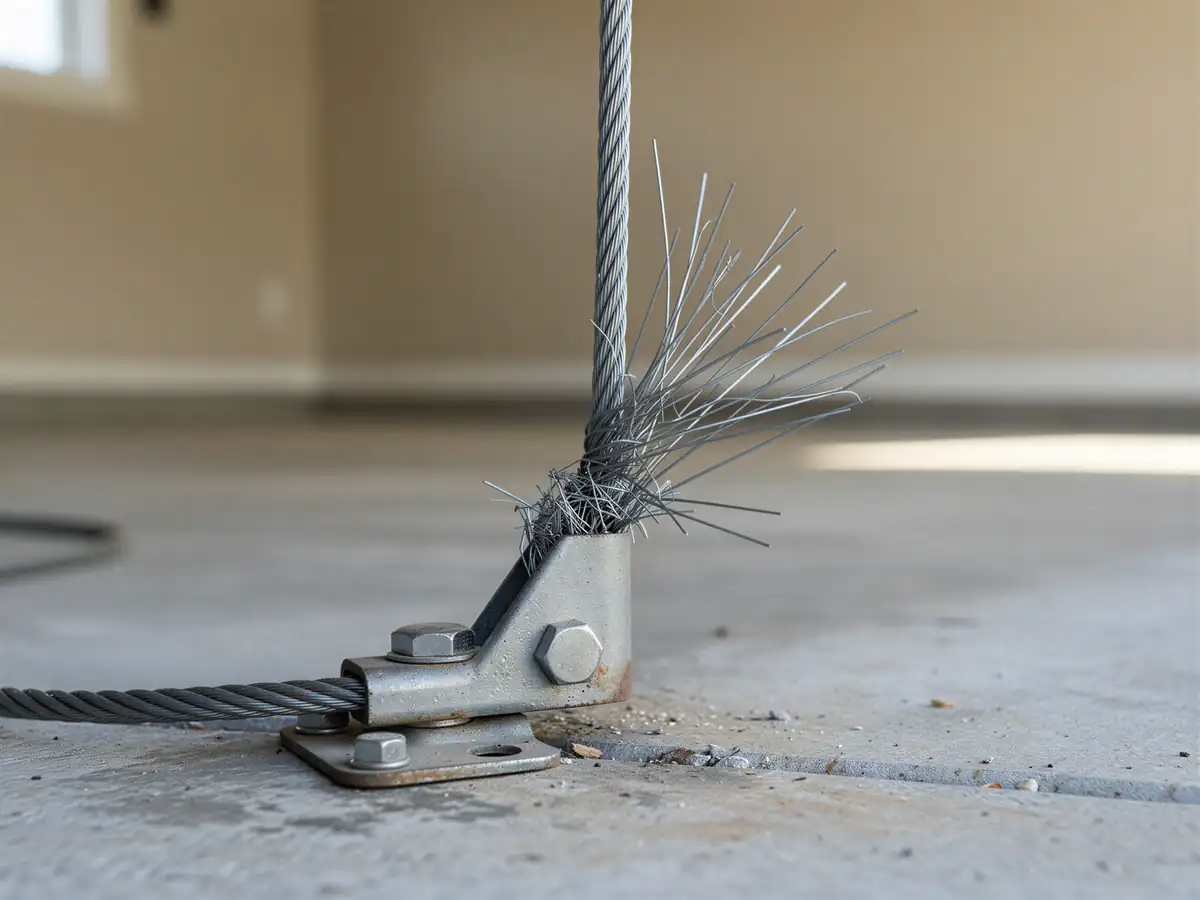
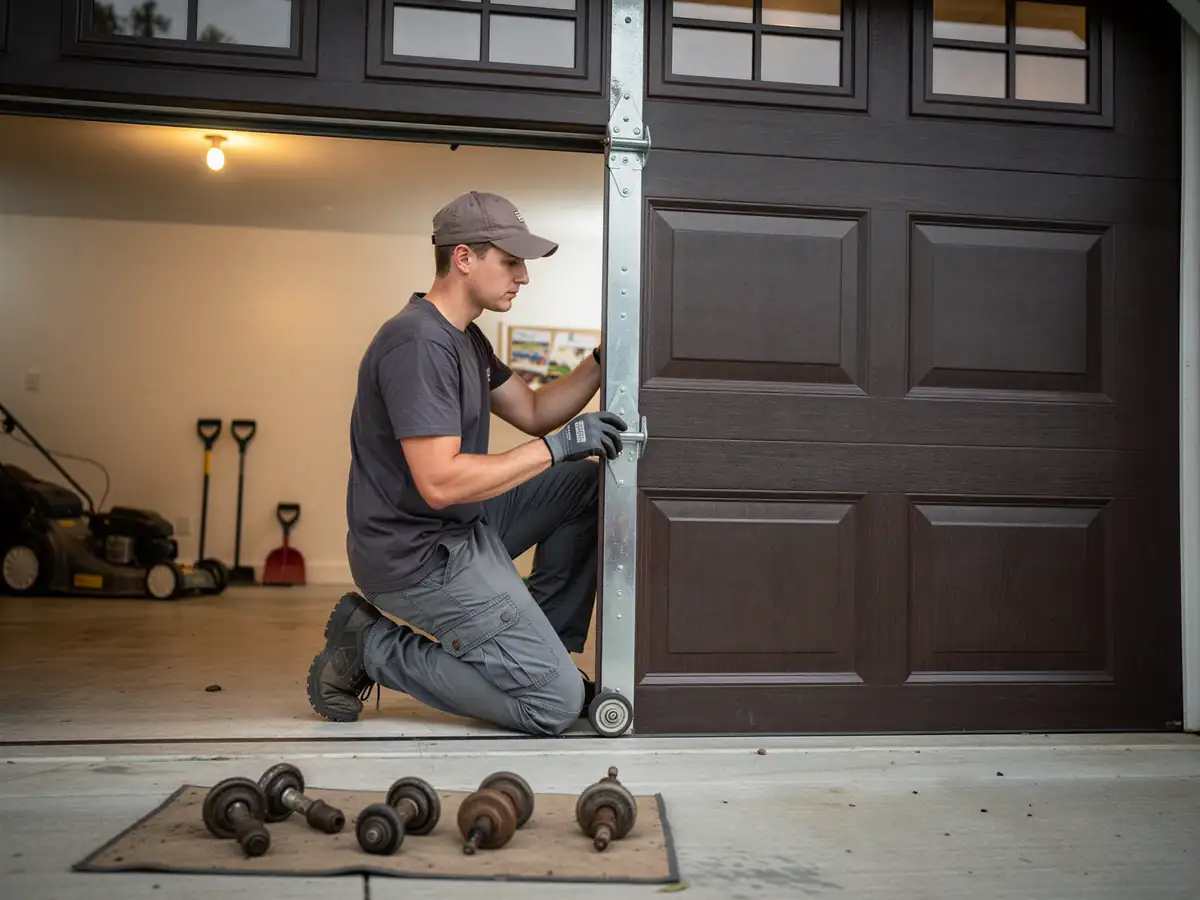
A door from 1971 means torsion springs sized for the heavier gauge steel panels of that period, not the lighter springs that come standard on new doors today. We carry a range of spring sizes on the truck because a house built in the early 1970s often still has its original spring diameter even after two or three replacements over the decades - people tend to match what was there rather than upgrade. Rollers on these doors are usually steel, sometimes with the original nylon already swapped out once, and they wear tracks unevenly over fifty years of use. We stock standard roller and track sections, plus common cable gauges, so most spring and roller jobs on a 1971-era door get done in one visit. What we don't always have on the truck is a replacement panel matched to an old discontinued design - those sometimes mean a special order, and we'll tell you straight if that's the case rather than pretend we can match a 50-year-old panel from stock.
The Cost of This Job
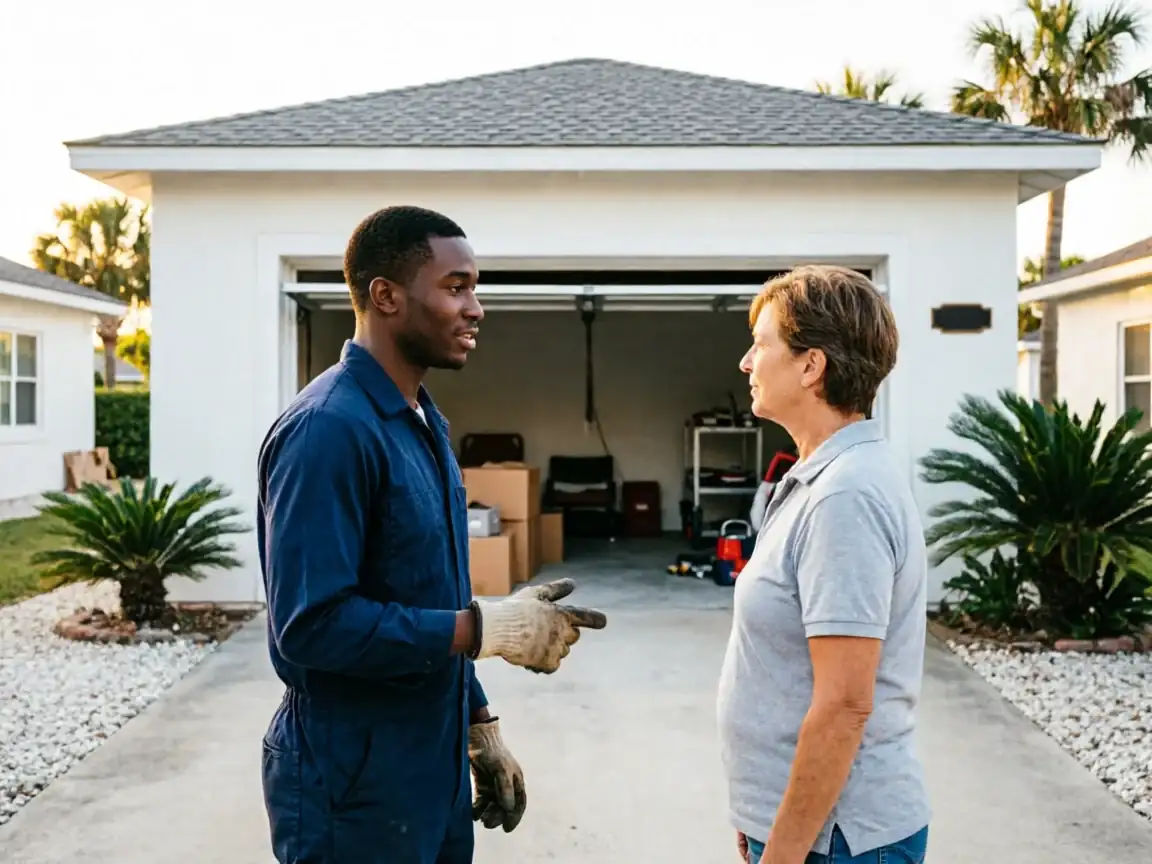
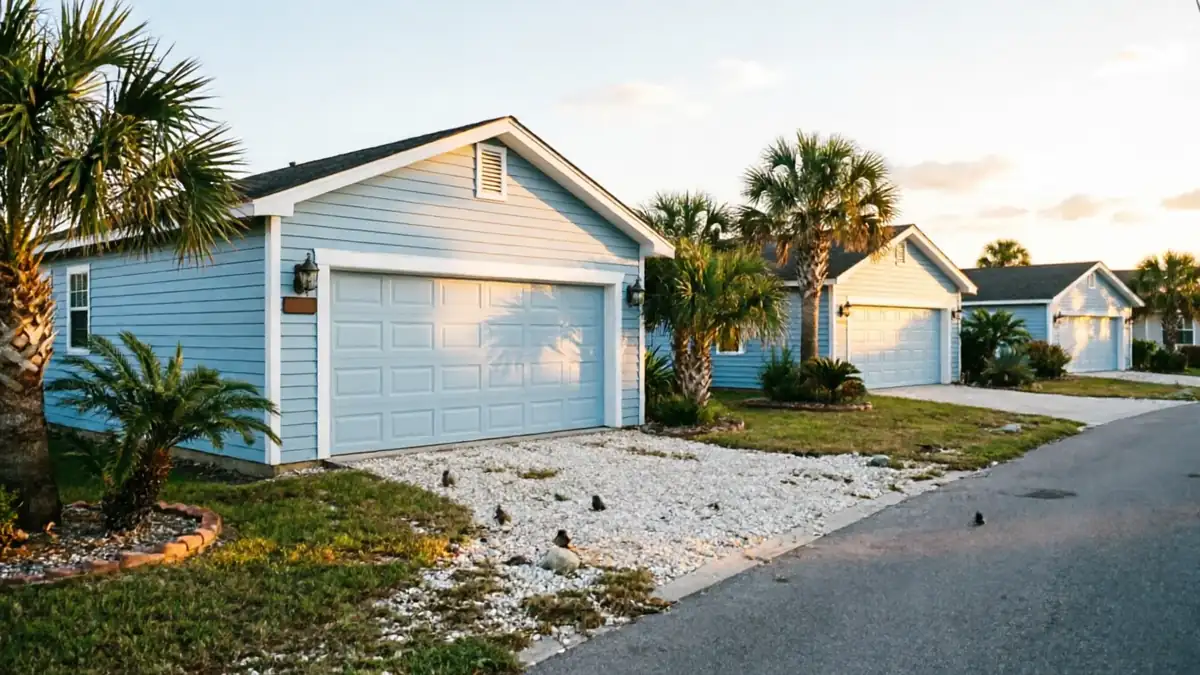
Wilton Manors households run a median income of $79,390, noticeably higher than the roughly $63,423 median across the wider service area we cover from Sunrise. That matters less for what a spring or roller job costs - parts and labor don't change by zip code - and more for the kind of decision homeowners here tend to make: replacing a tired door outright rather than patching it a third time. With under 7,000 households in Wilton Manors itself, it's a tight market, and a fair number of these doors have had at least one prior repair already. We'll always quote the repair first. If the door is original steel from the early 1970s and the track or panel is bent beyond a clean fix, we'll say so, and let you decide whether a repair or a full replacement makes more sense for a door this age.
Where This Job Goes Sideways
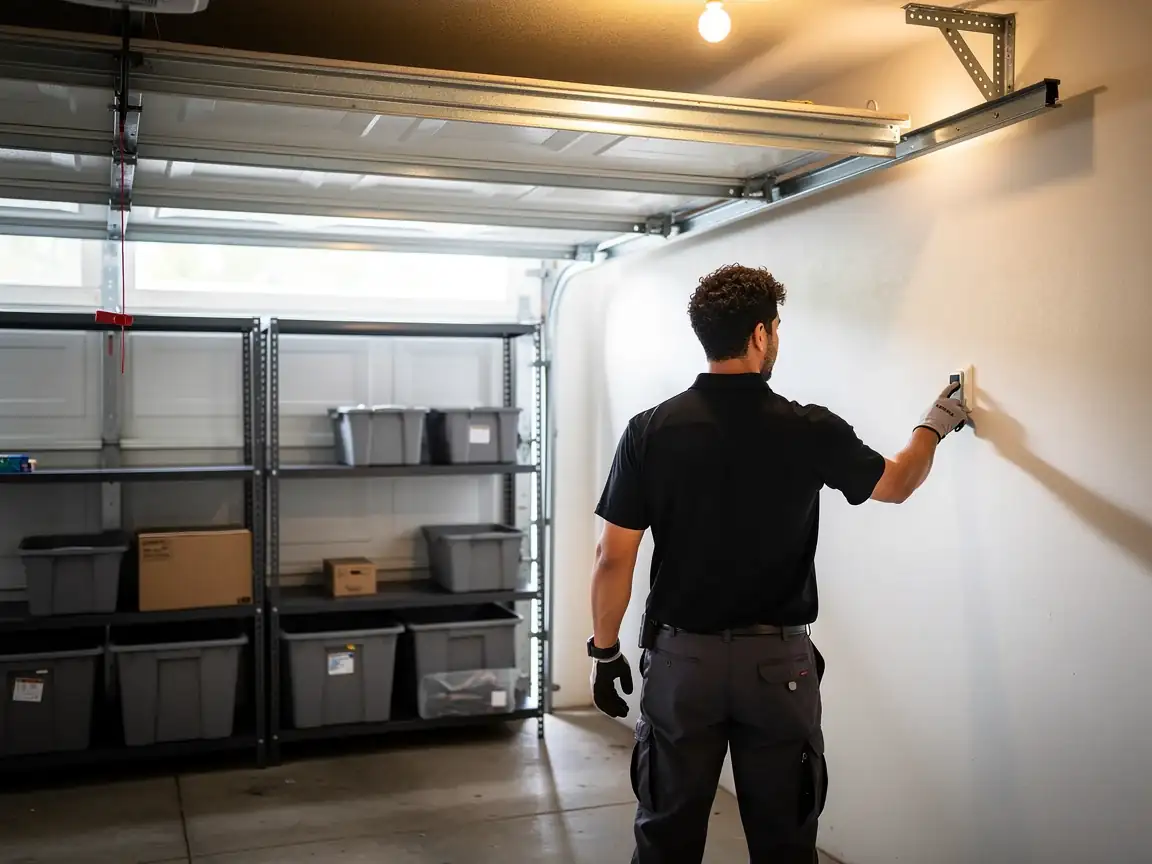
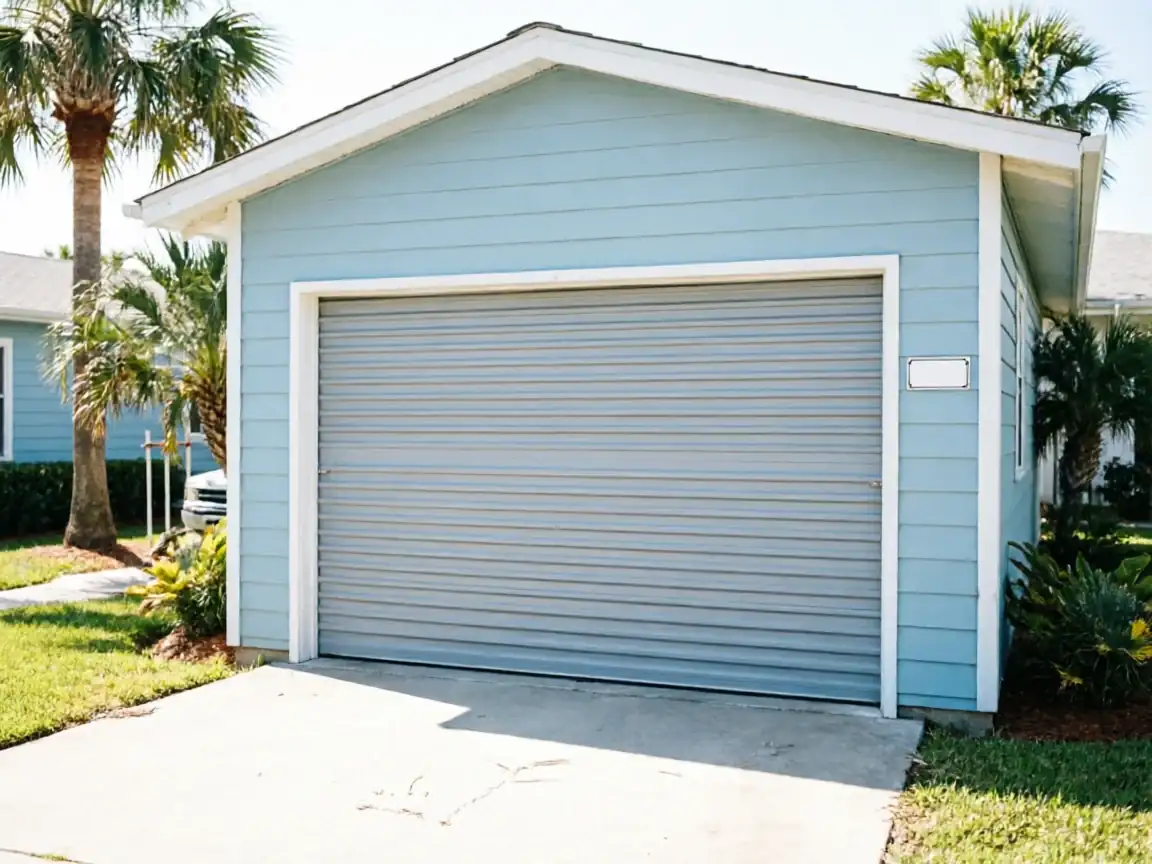
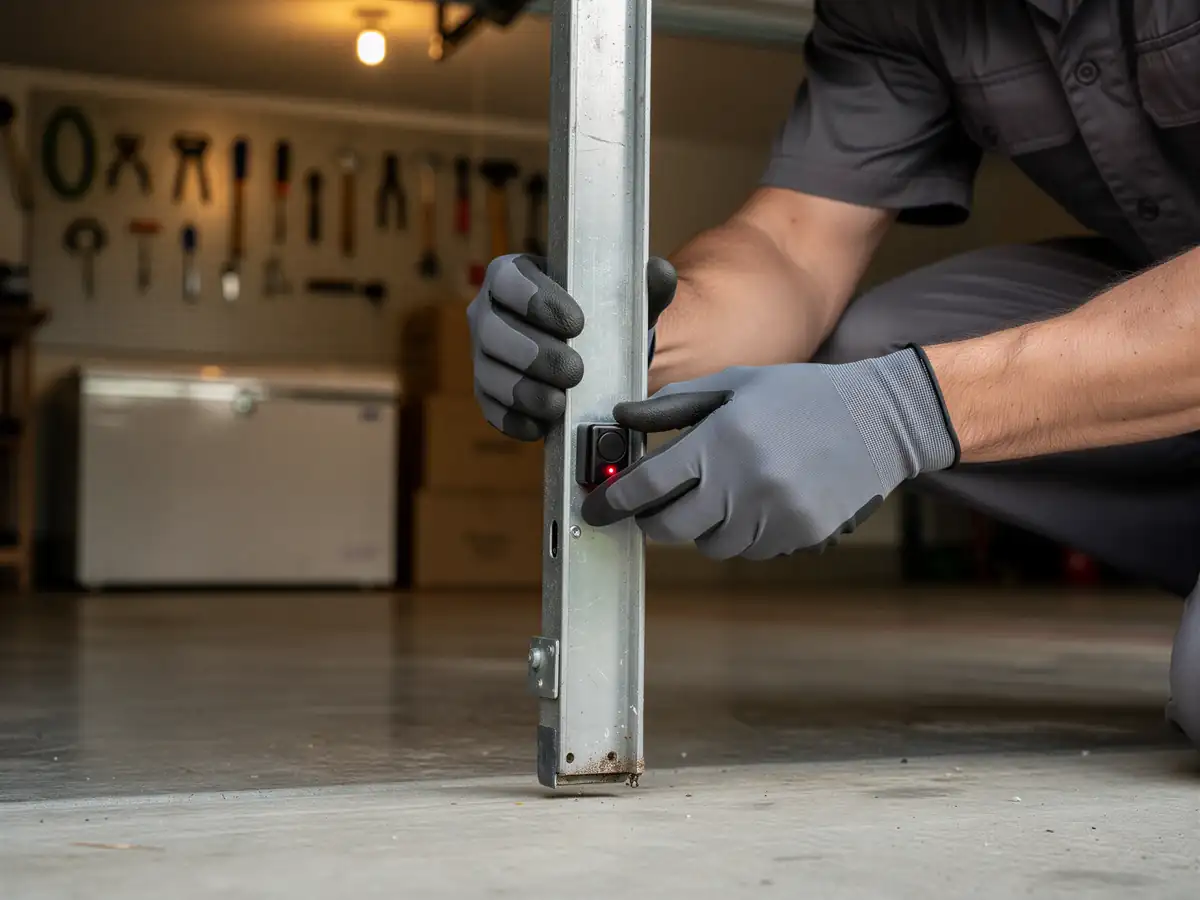
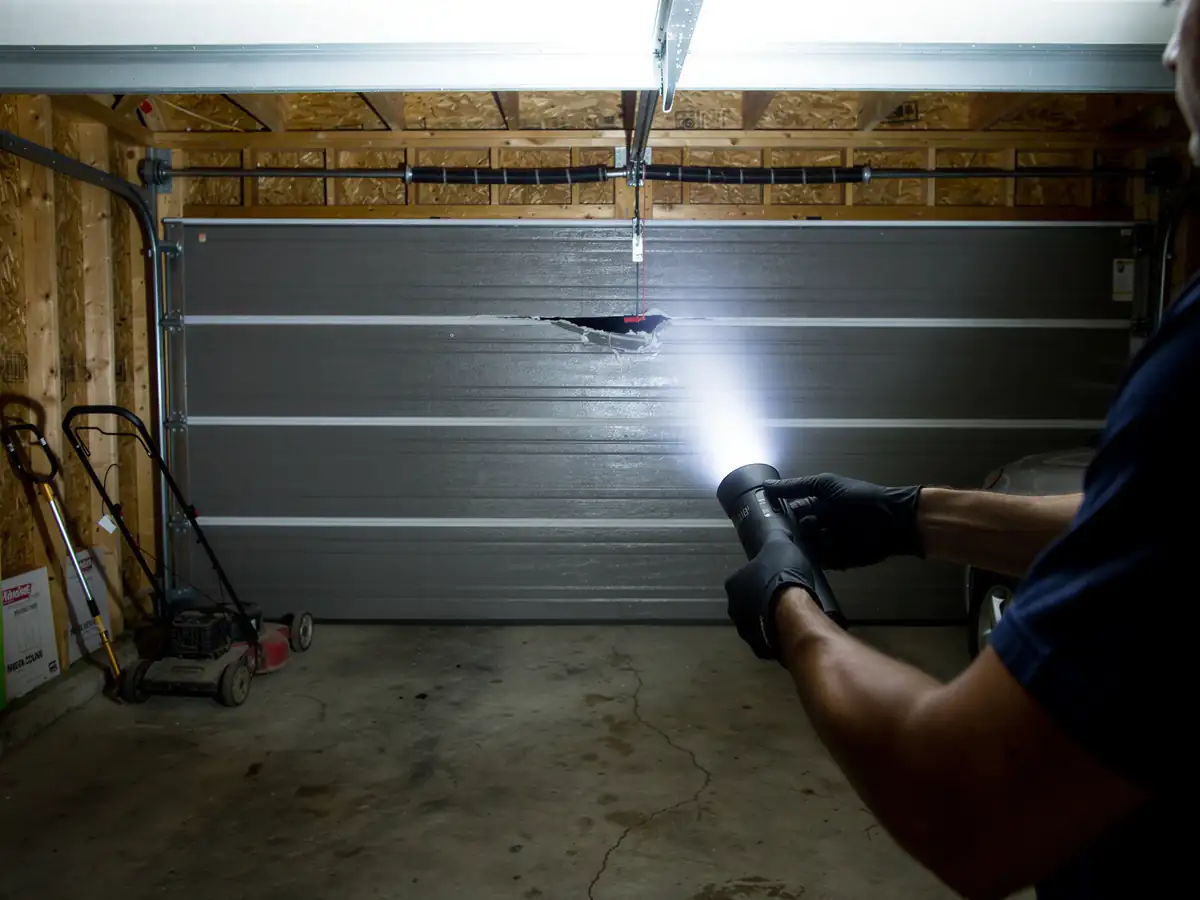
The trouble spot on a lot of these older Wilton Manors doors is mismatched hardware from past repairs - a replacement roller that doesn't match the original track width, or a spring swapped to the wrong size because it was the one on hand that day. Over fifty years, a door can end up with three different eras of parts working against each other, and that's when a simple roller job turns into diagnosing why the door binds halfway up. We also run into panels that were patched with a different gauge steel after storm damage, which throws off the balance even after a fresh spring is installed. The honest limit here: if the door's structure itself has racked or warped from decades of settling, no spring or roller adjustment fixes that, and we'll tell you when the fix is cosmetic and when it's the frame underneath. We'll always say so before we put new parts on an old problem.