Stocked Parts
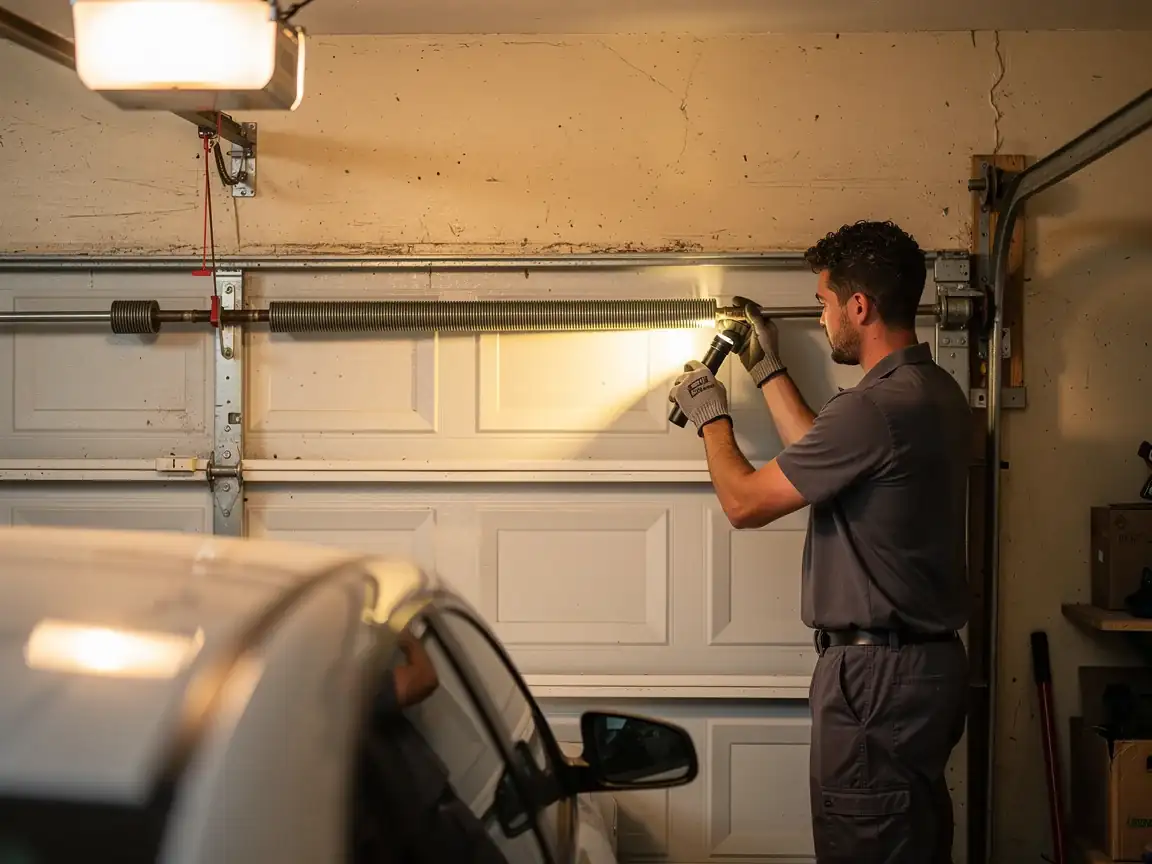
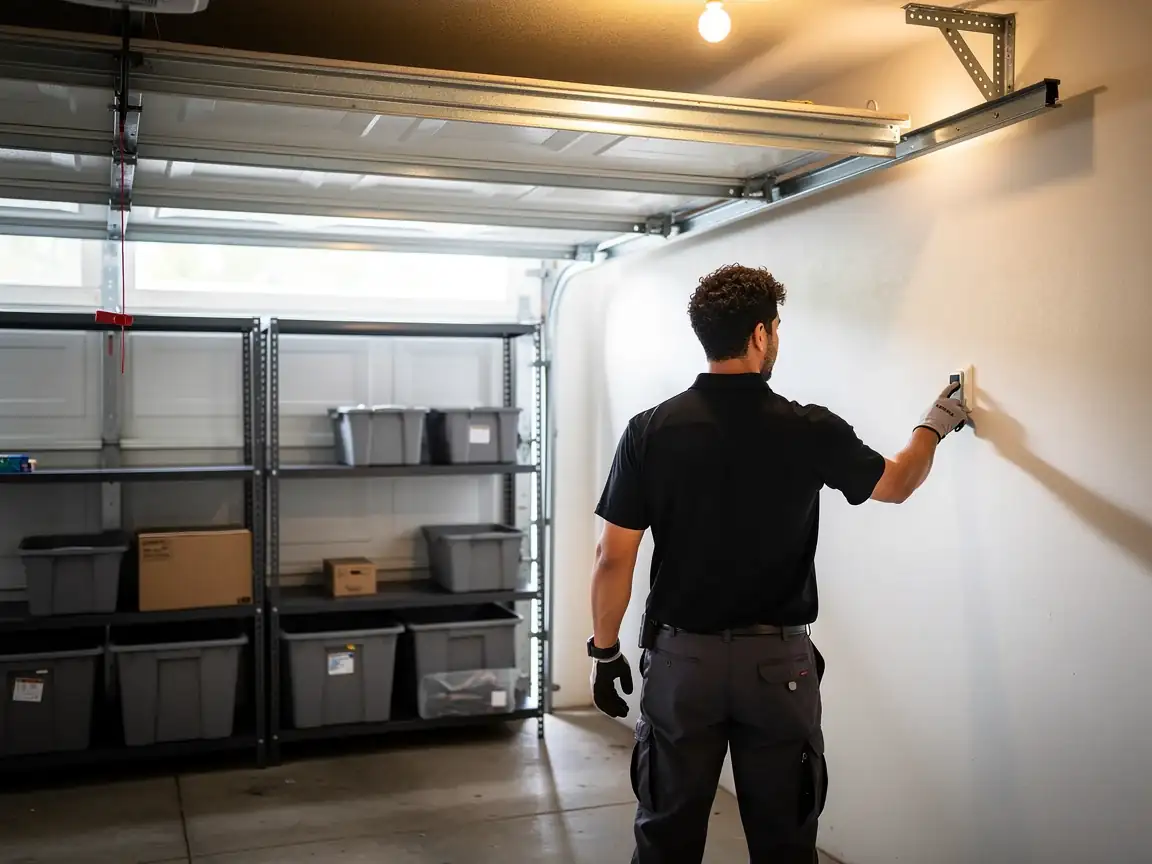
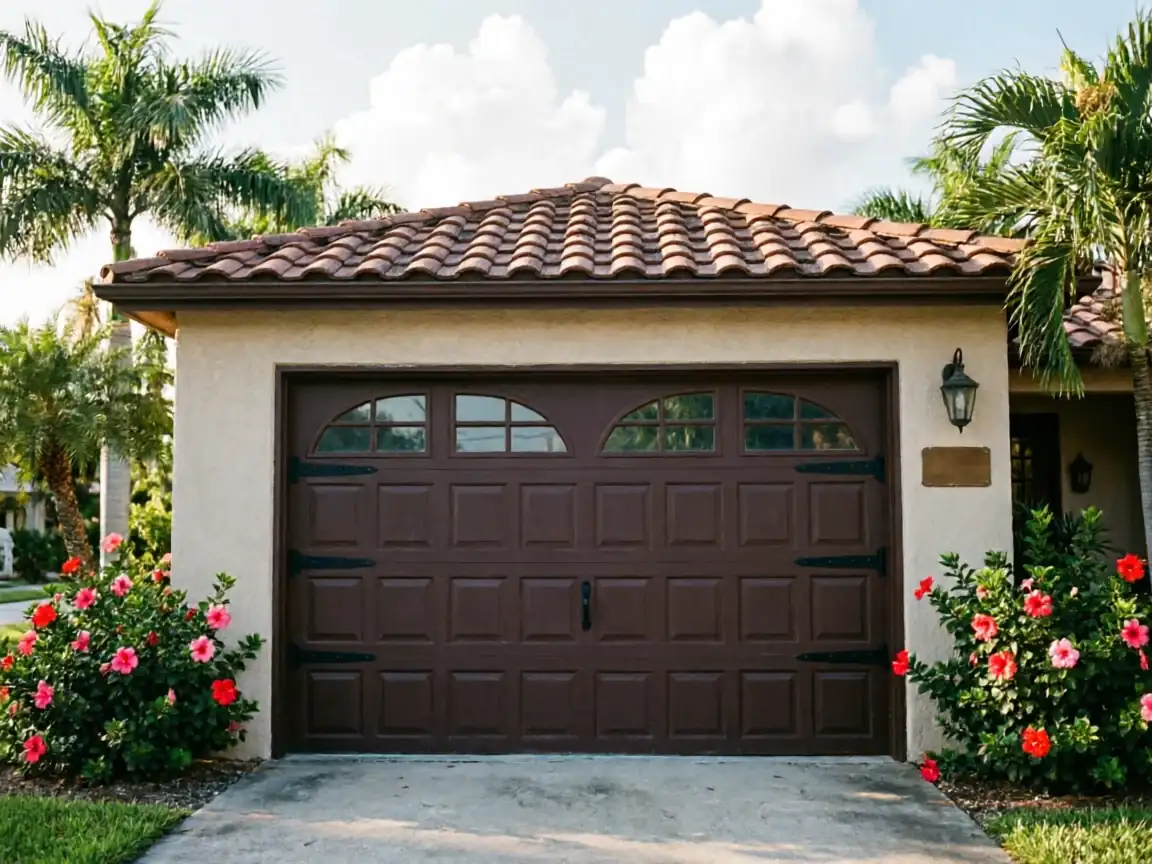
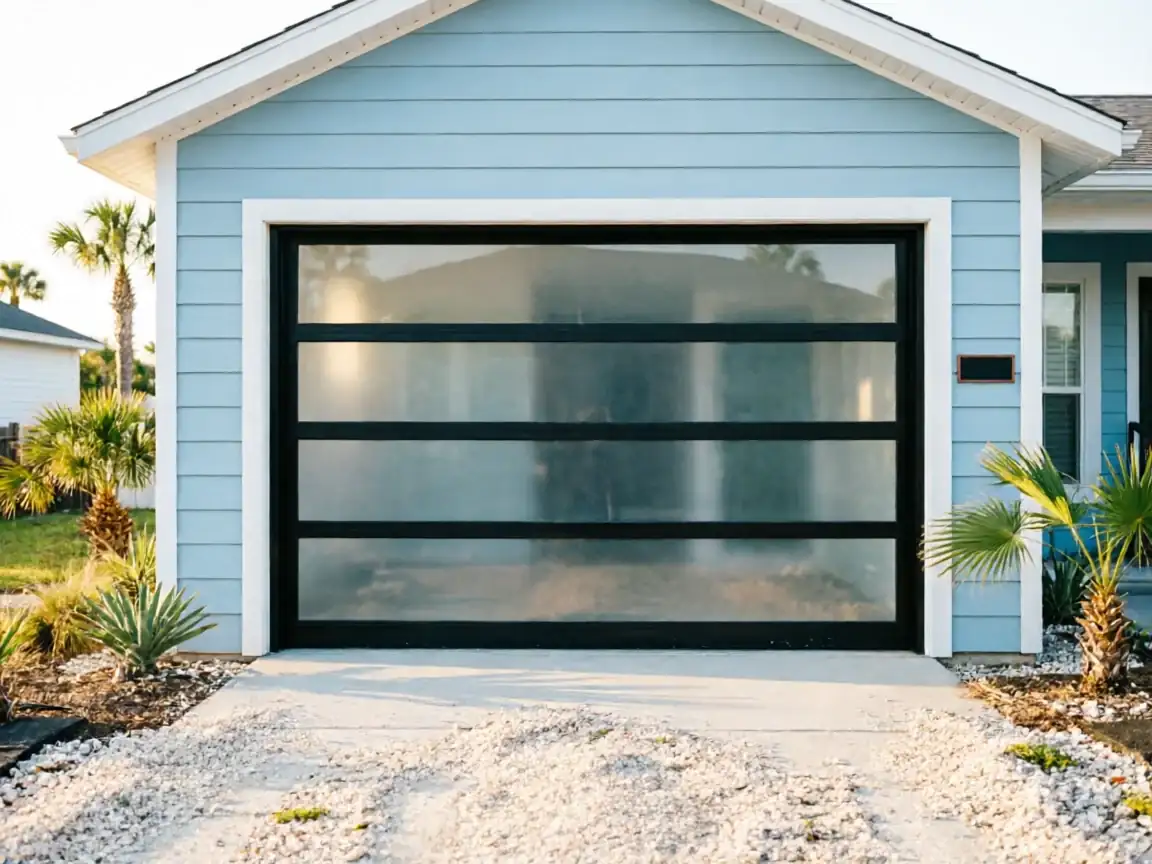
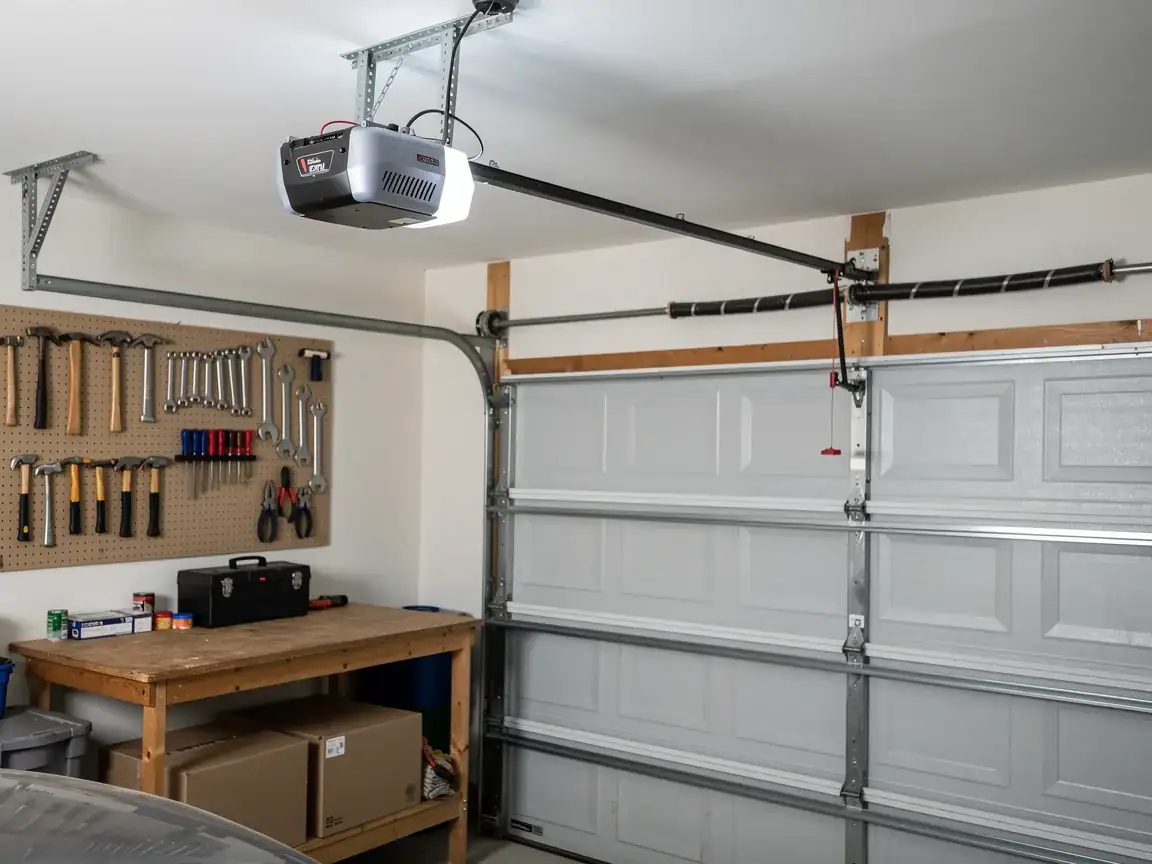
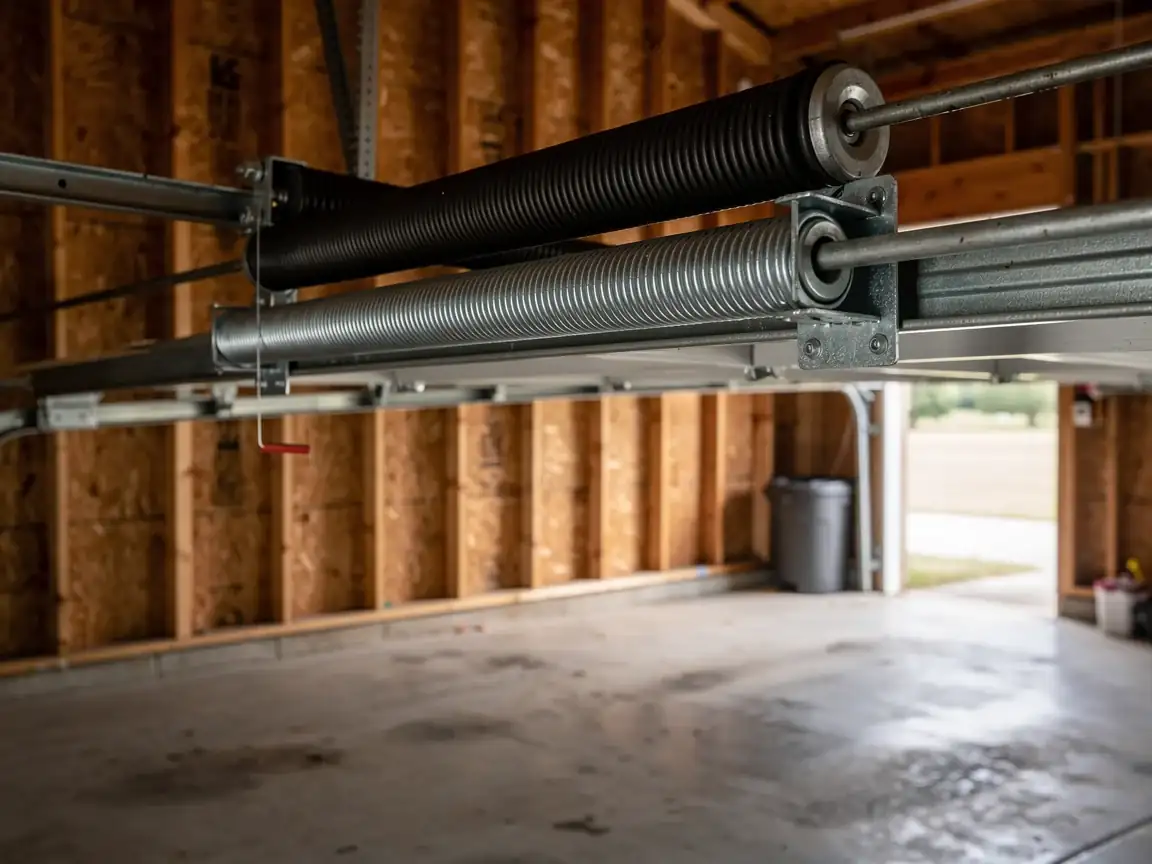
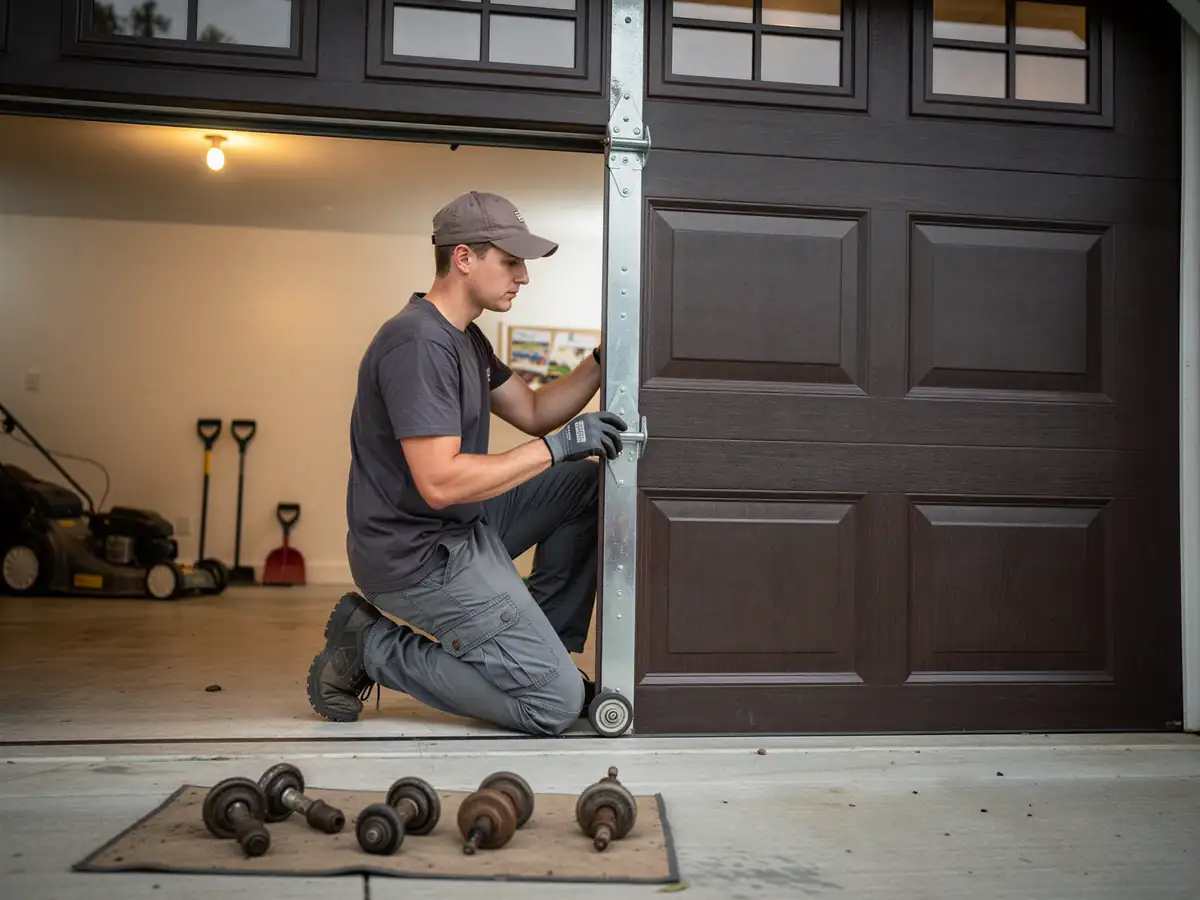
Houses in this part of the service area were mostly built in the 1960s and 70s, and Wilton Manors sits right in that window at a median build year of 1971. That means older jamb widths, shorter headroom above the opening in some cases, and track hardware that doesn't always match what ships standard on a new door today. We carry adapter brackets and low-headroom track kits on the truck because we run into that mismatch often enough in homes this age that showing up without them means a second trip. What we don't stock is anything custom-ordered - a non-standard width panel or a specialty finish has to come from the manufacturer, and that's a lead-time item we can't shrink by driving faster. For a standard steel or aluminum door in a common size, we're not waiting on backorder; for something wider or taller than the opening this era of home usually has, plan for a few extra days before the install date, not the quote date.
The Cost of This Job
Median household income in Wilton Manors runs about $79,390, noticeably higher than the roughly $63,423 median across the wider area we cover. That doesn't set your price - materials and labor do - but it does shape what gets asked for: more requests here for insulated steel doors and quieter belt-drive openers, fewer calls asking us to patch the cheapest option back together. A new single-door install with a standard steel panel and new torsion springs sits at one price point; adding an insulated door, a new opener, and low-headroom track hardware for an older jamb pushes it up. We don't post a flat number here because every opening in a 1971-built house isn't identical - some have been reframed over the years, some haven't. We'll give you a firm number after we see the opening, not a range that moves once the truck's unloaded.
Where This Job Goes Sideways
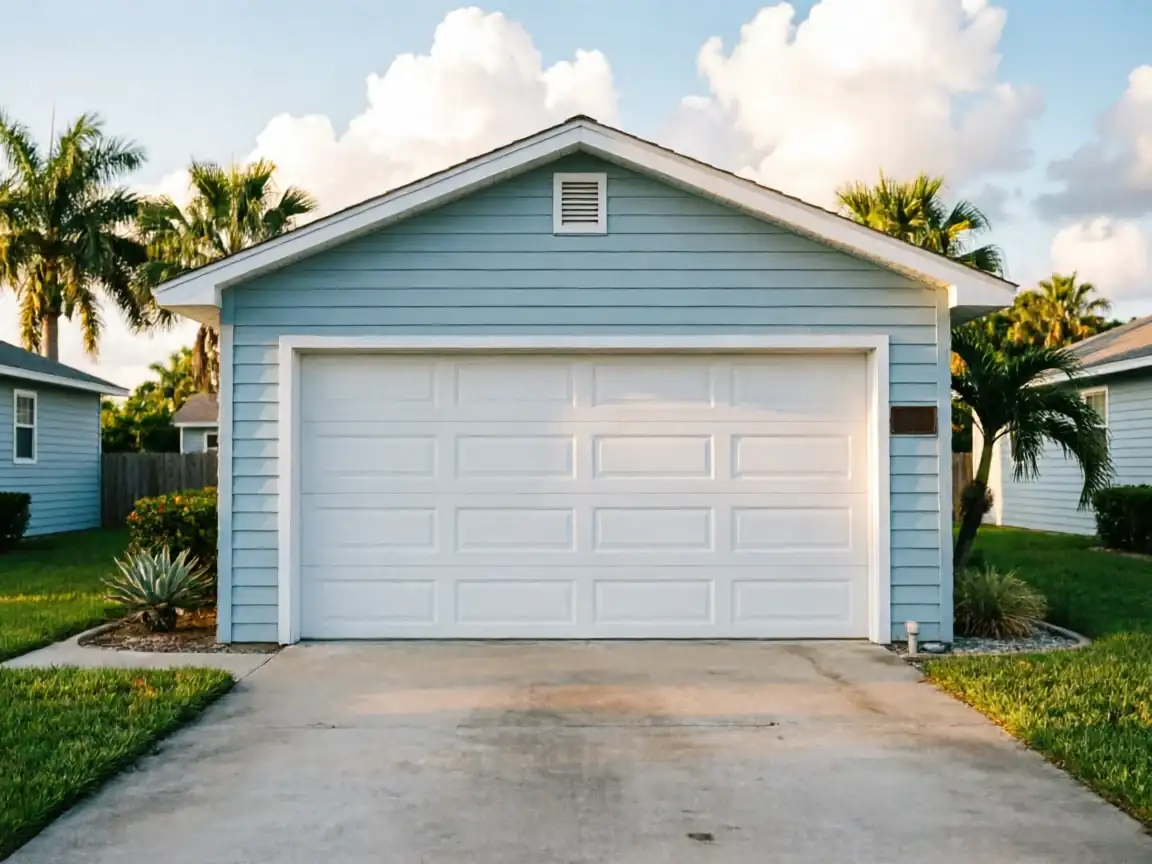
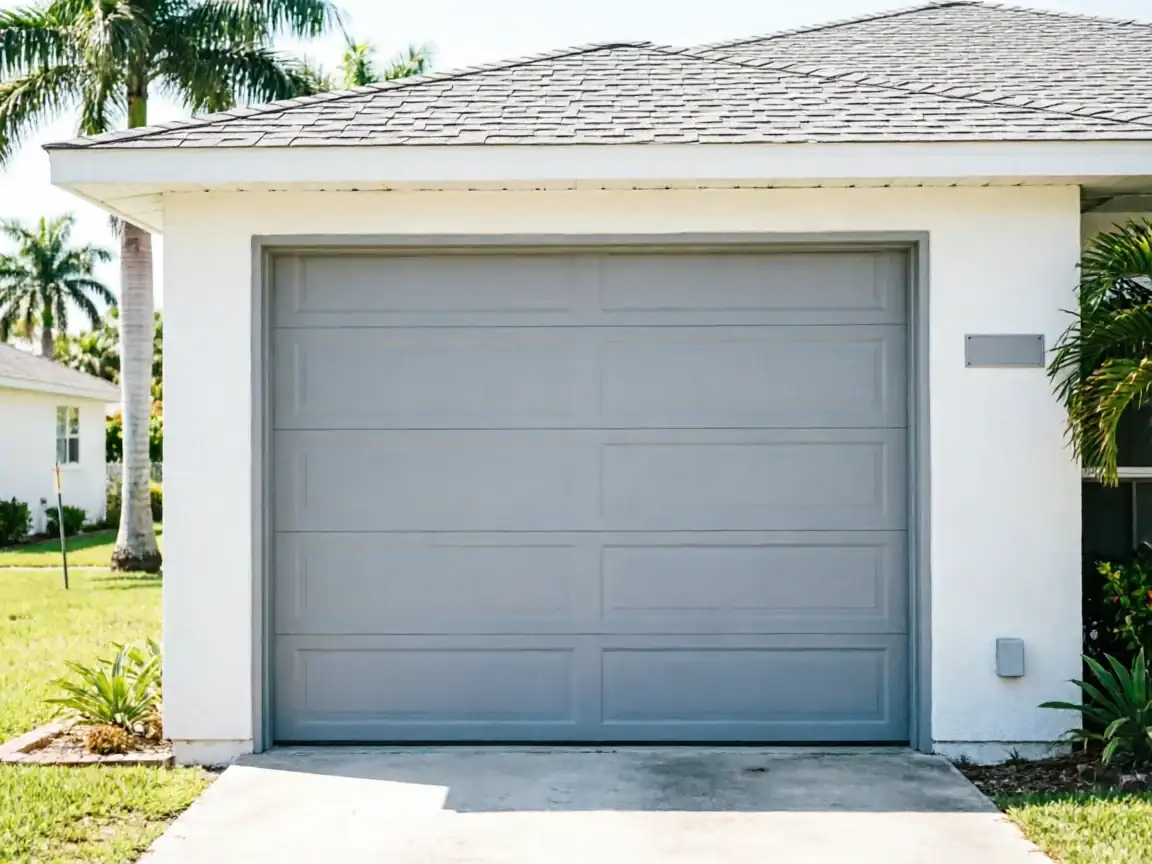
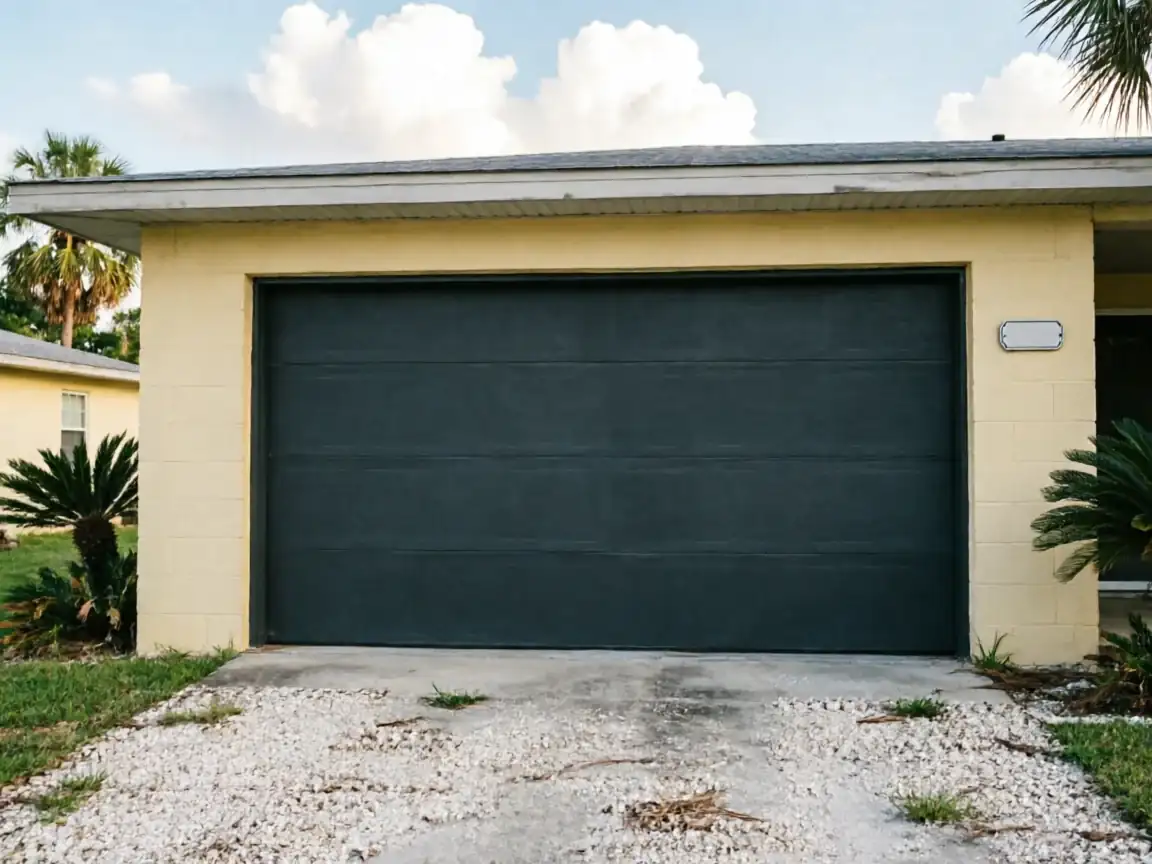
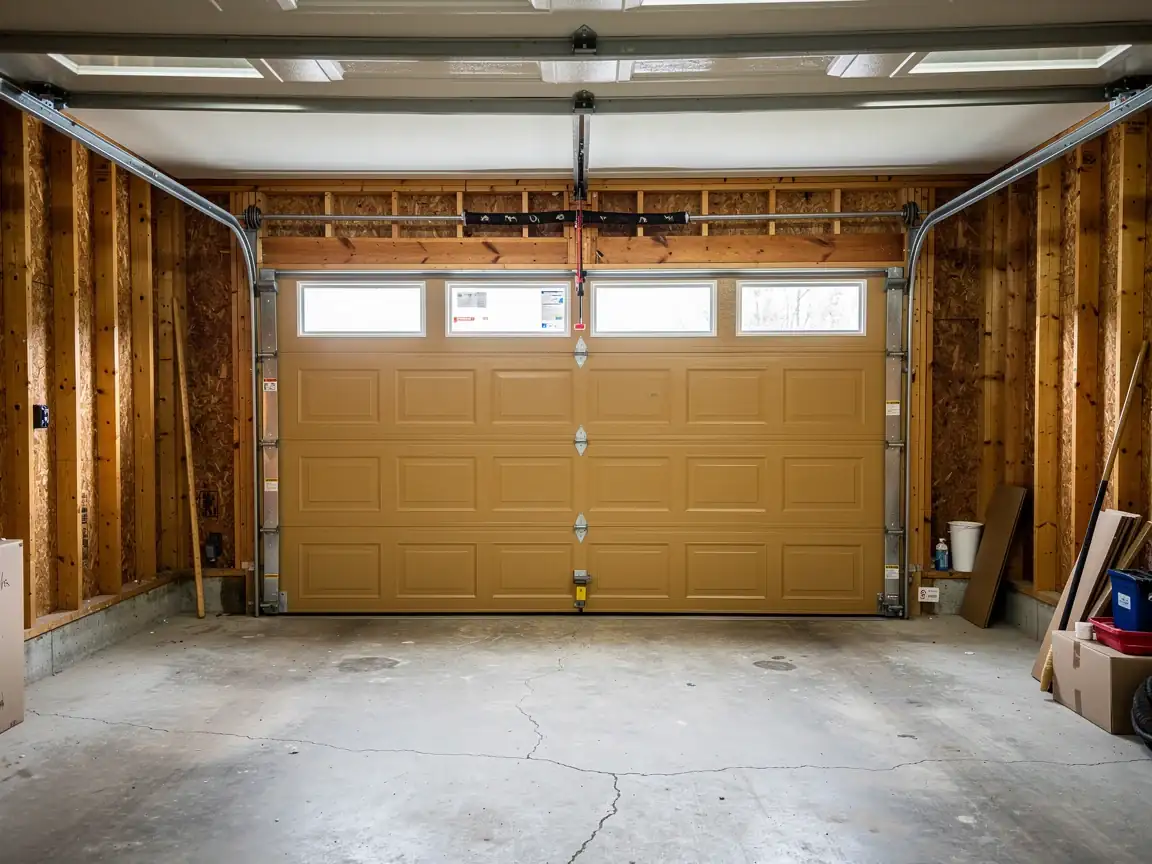
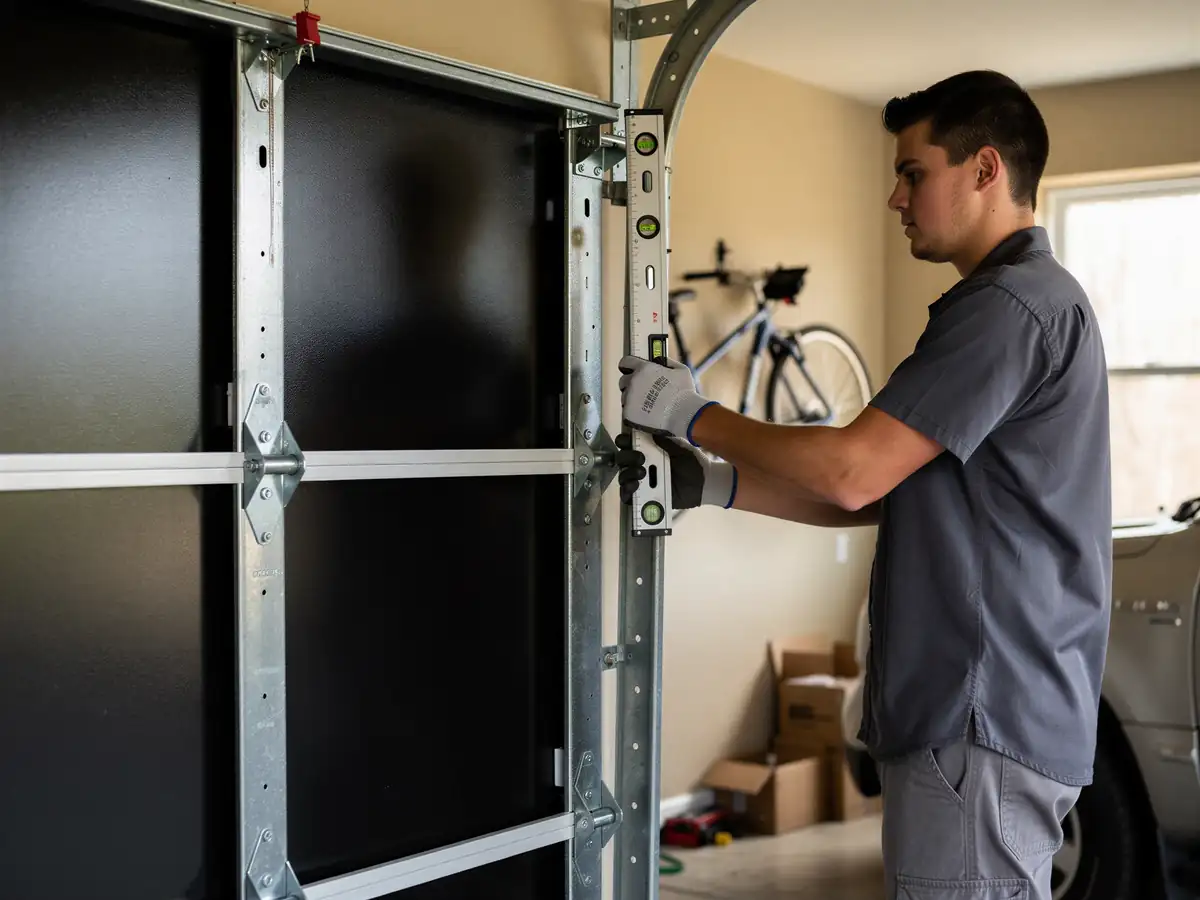
The most common surprise on a job like this is finding the opening isn't the size the old door led us to believe - a 1971-era jamb can be narrower than a modern standard width by an inch or two, which doesn't sound like much until the new door shows up and doesn't sit flush. The fix is a filler kit or trimming the new jamb, and either adds time to the install day. The other place it goes sideways is the header: if the house has been reframed or the garage was converted and un-converted over the decades, the header board over the opening might not take a new heavier insulated door without reinforcement. We check both before we quote, not after. Where we draw the line: if the opening is badly out of square or the framing is compromised, that's a carpentry job before it's a garage door job, and we'll tell you that instead of forcing a door into a frame that won't hold it straight.