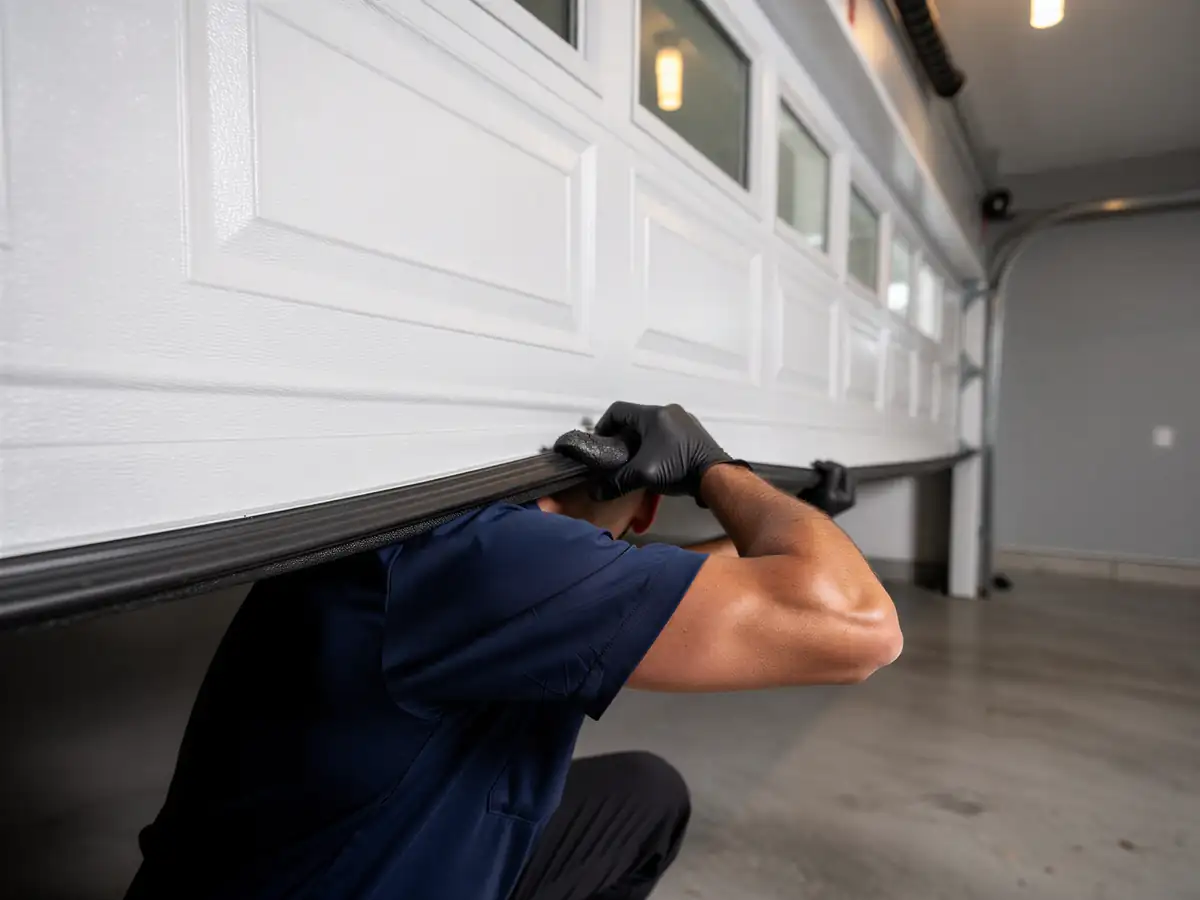
Booking a Visit
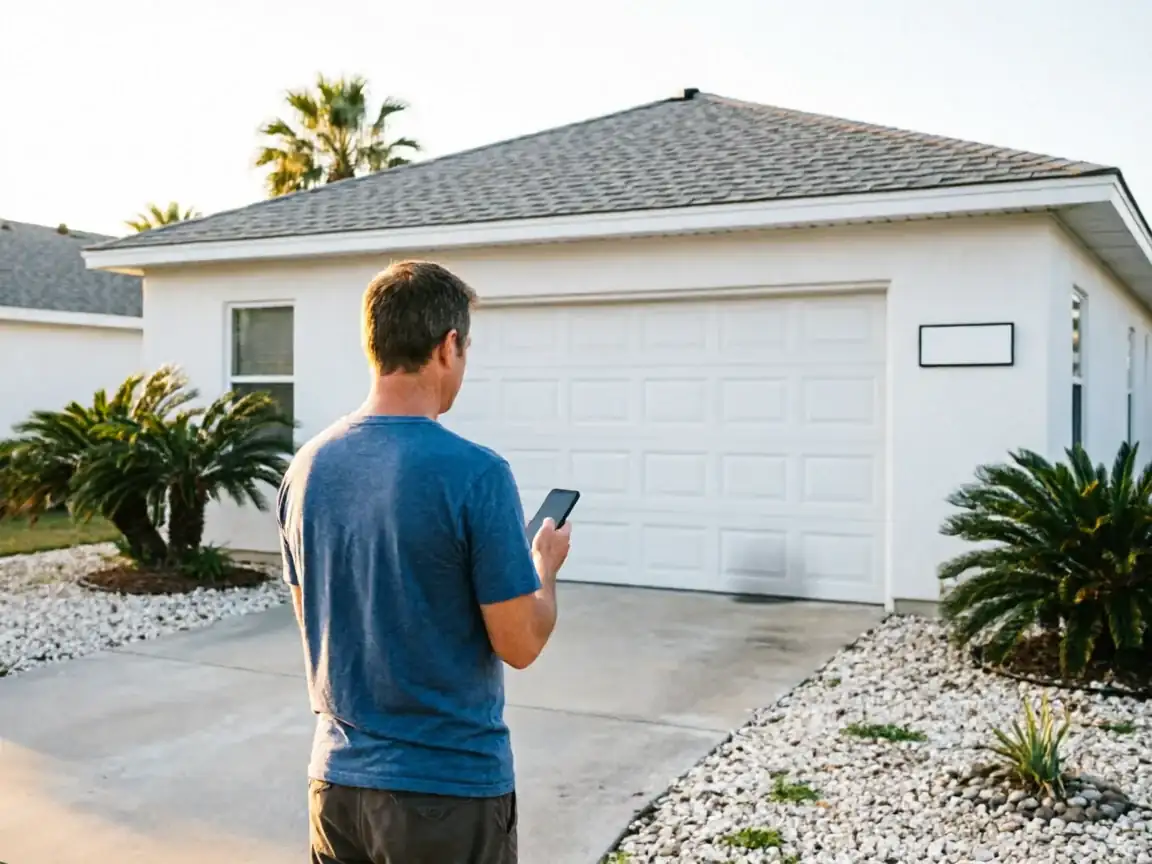
We work out of Sunrise, about 2 miles from most Tamarac addresses
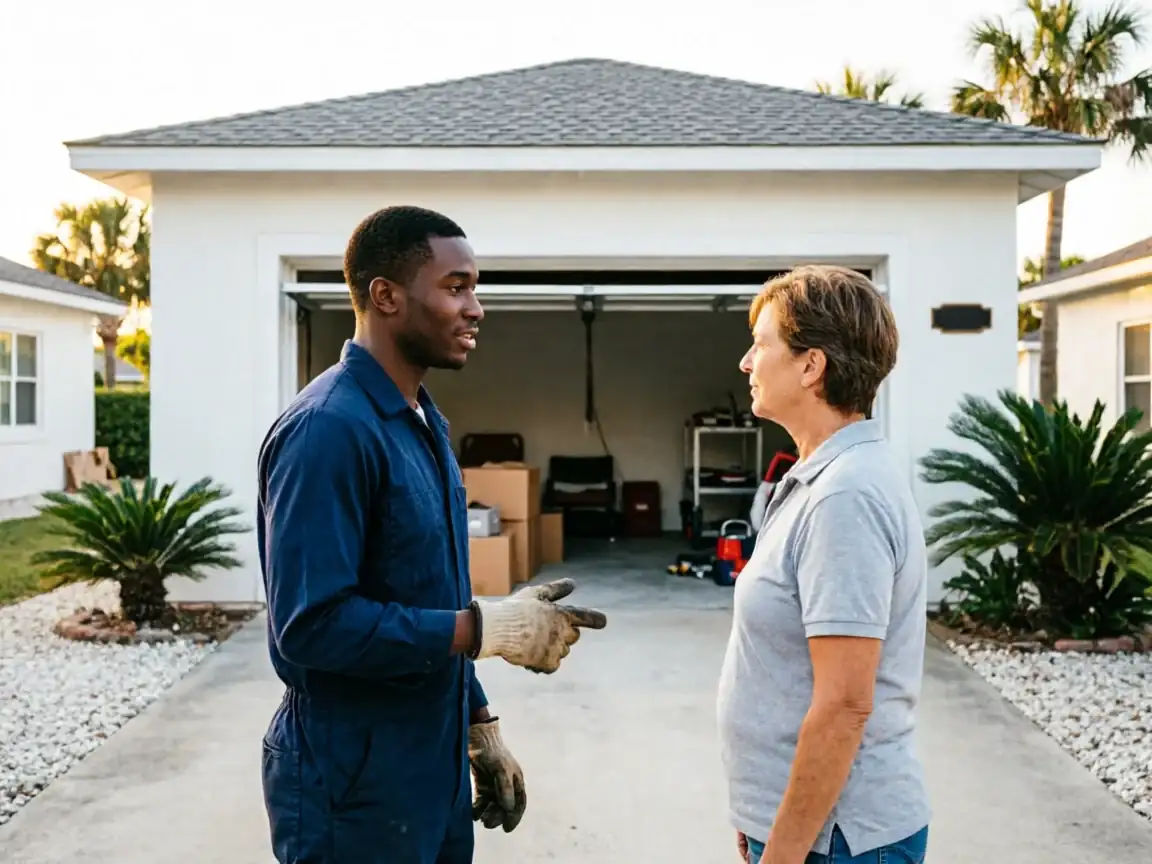
So a call doesn't mean waiting on a crew that's crossing the county. When a spring snaps or a door won't budge, tell us what you're seeing and we'll get a truck moving. We don't keep a branch office in Tamarac itself - we travel in for every job, which means we ask a few more questions up front (door size, opener brand if you know it, whether the door is stuck open or stuck shut) so the truck rolls with the right parts the first time.
- 2 miles
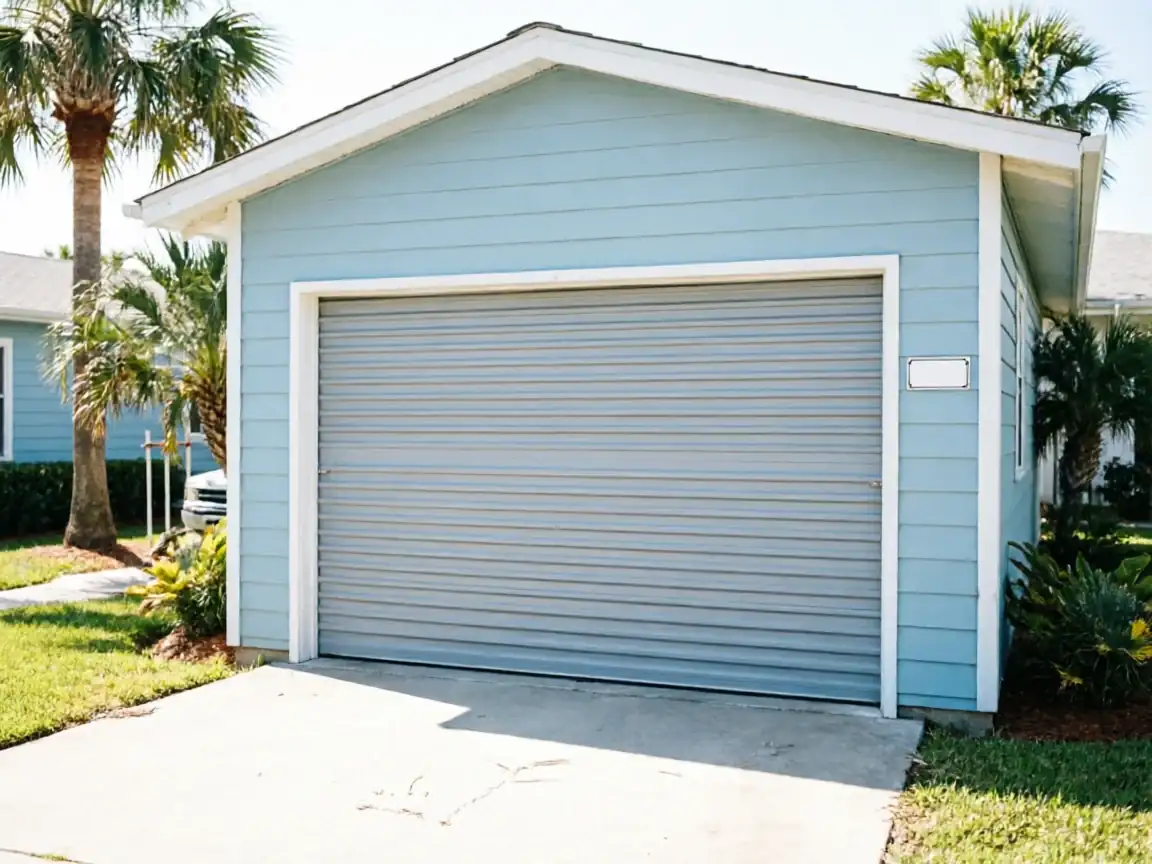
Tamarac's housing stock
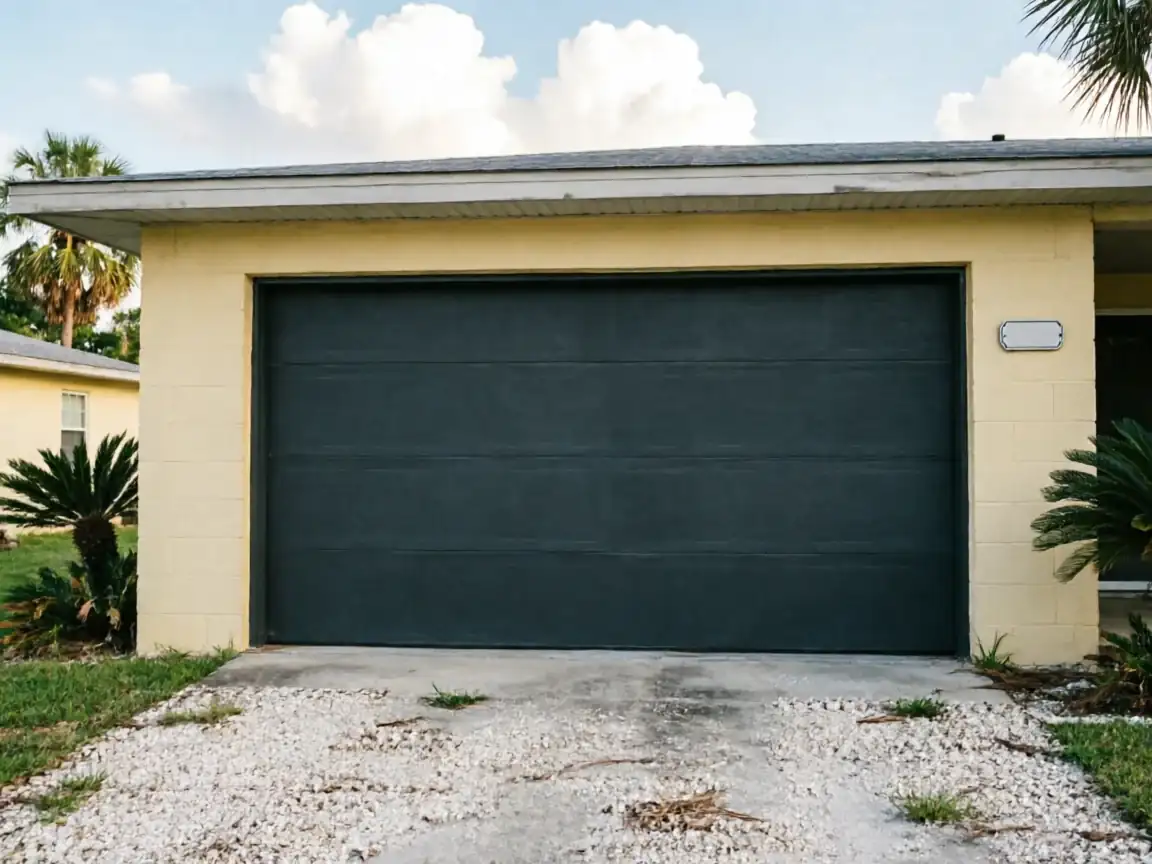
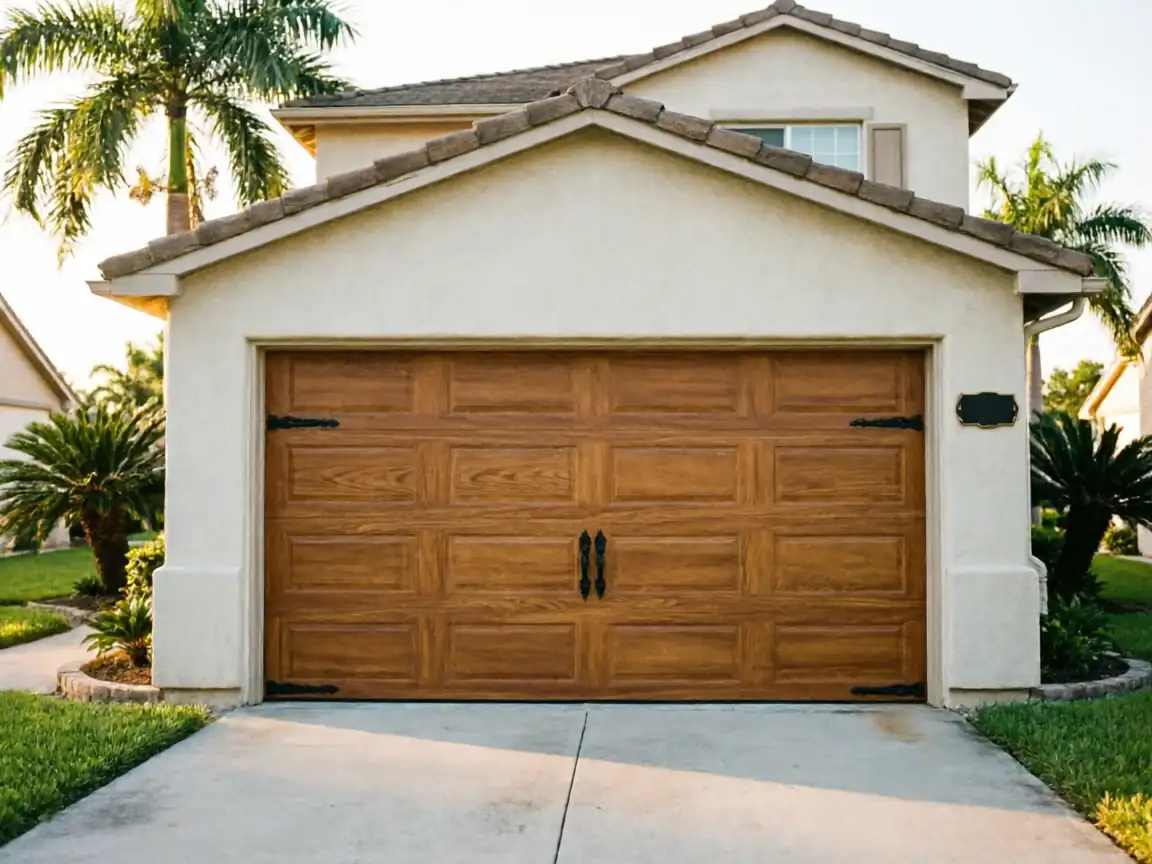
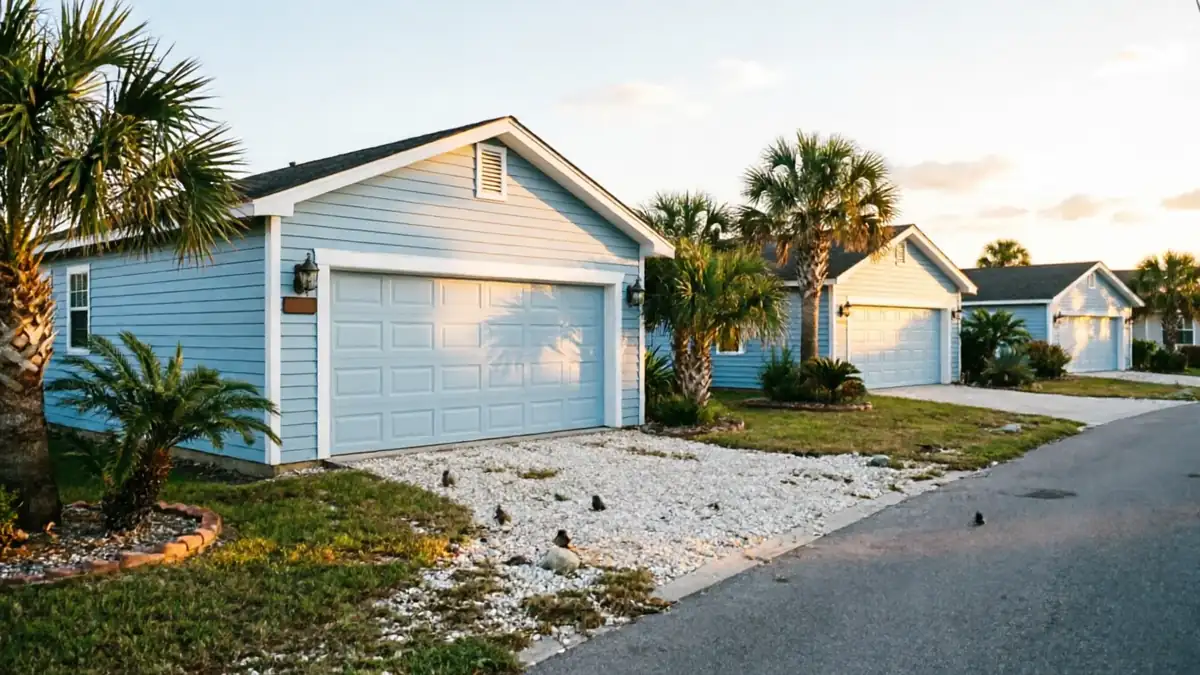
With a median build year around 1981, means we're usually dealing with openers and torsion setups installed or replaced sometime in the 80s through 2000s rather than the older one-piece doors you find in towns with 1950s-60s stock. That's good news for parts availability - most of what fails on a house from this era is still a common part, not something we have to hunt down.
What You Are Seeing
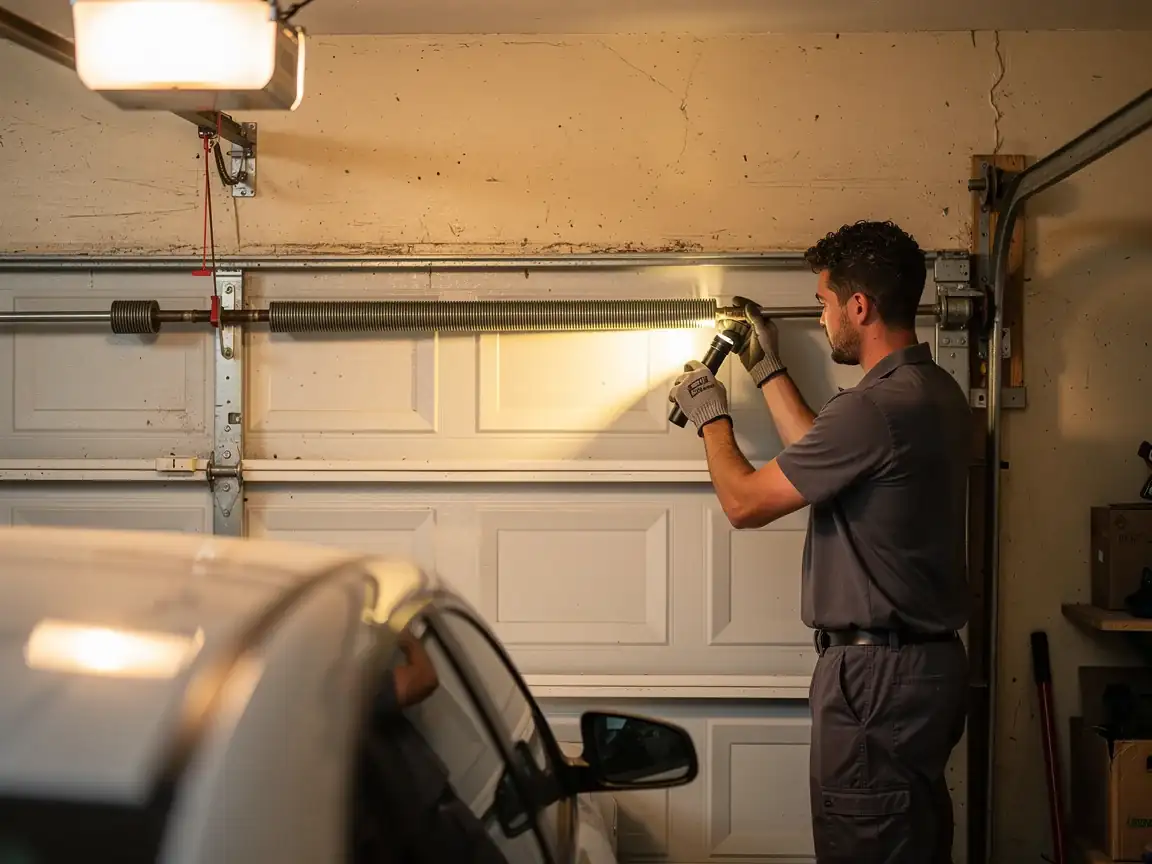
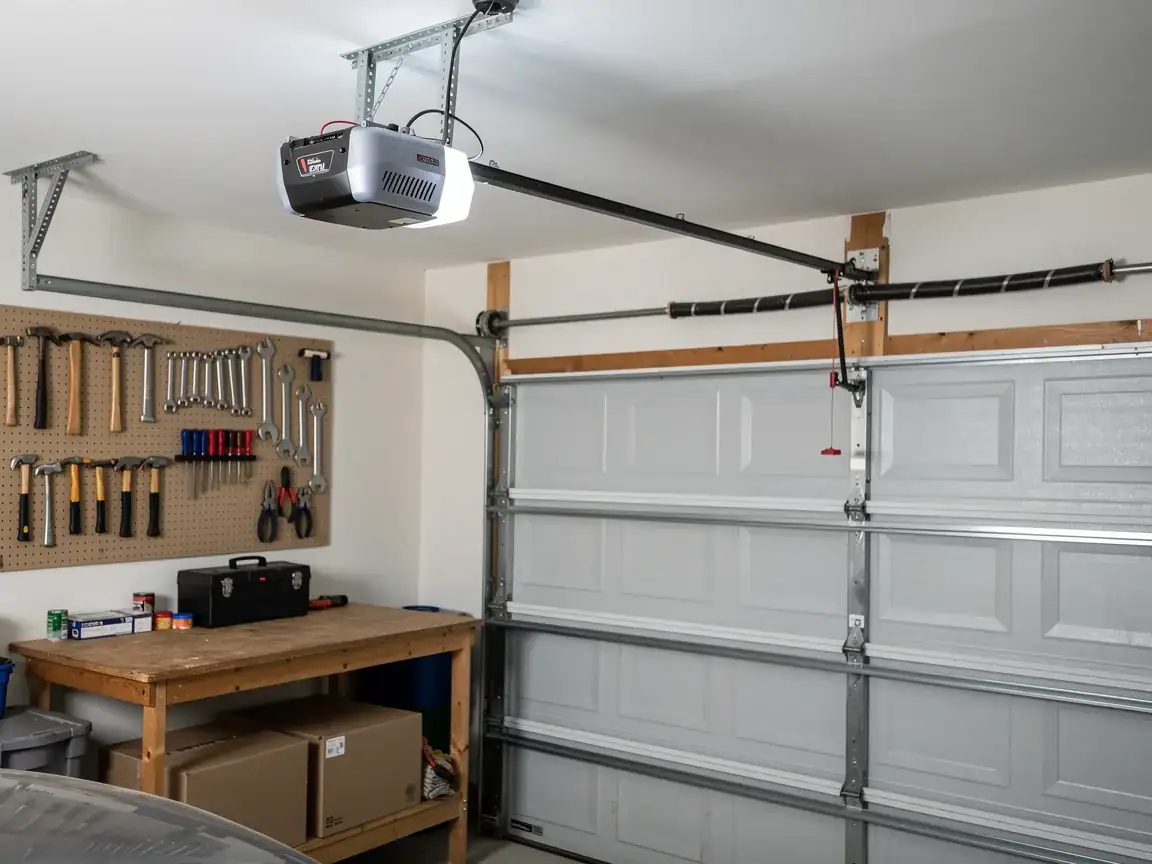
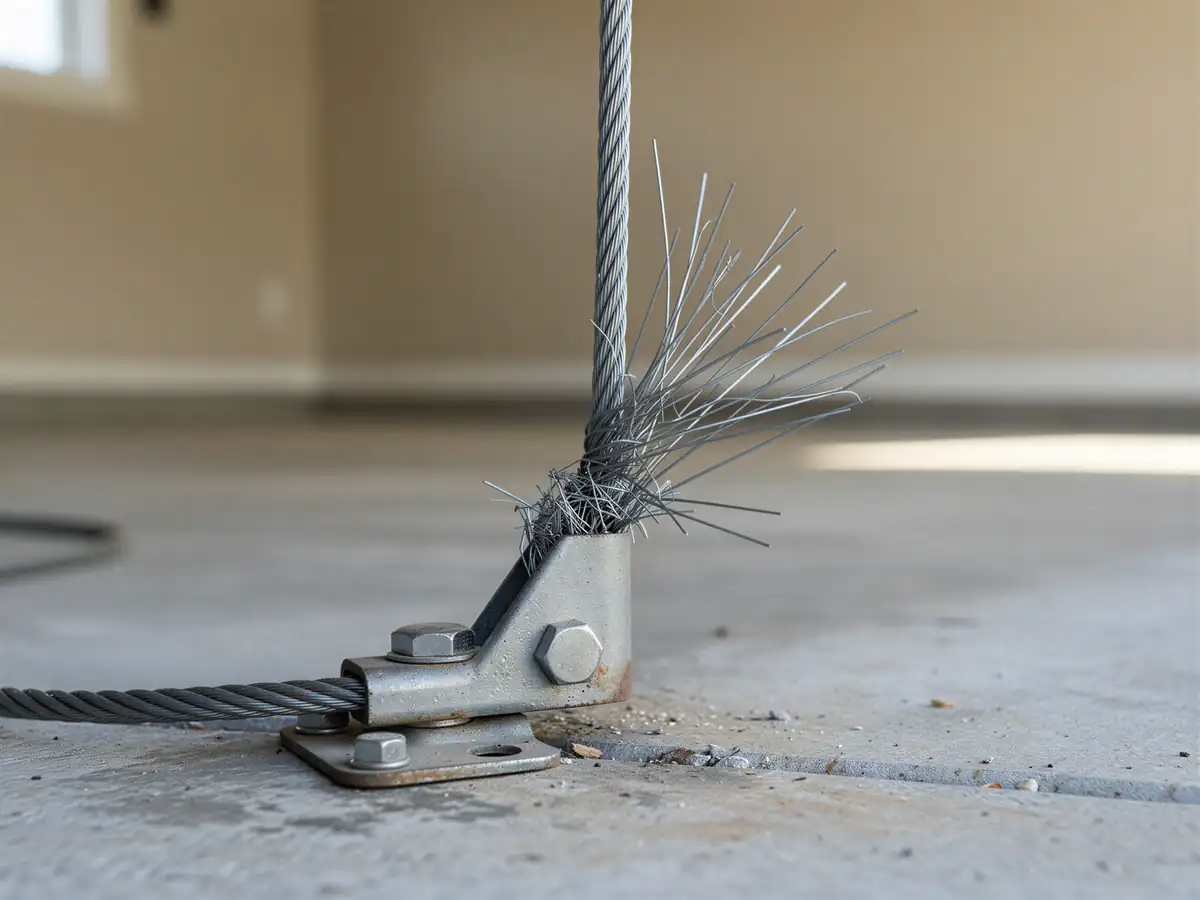
A door that reverses halfway up, a loud bang followed by a door that won't lift, or a garage door that's dropped crooked on one side - these are the calls we treat as emergencies, not maintenance. On a house built in the early 80s, the usual culprit is a torsion spring that's finally given out after decades of cycles, or a cable that's frayed off the drum. Chain-drive and belt-drive openers from that build era are common across Tamarac, and when the opener motor runs but the door doesn't move, it's almost always the spring or a cable, not the opener itself.
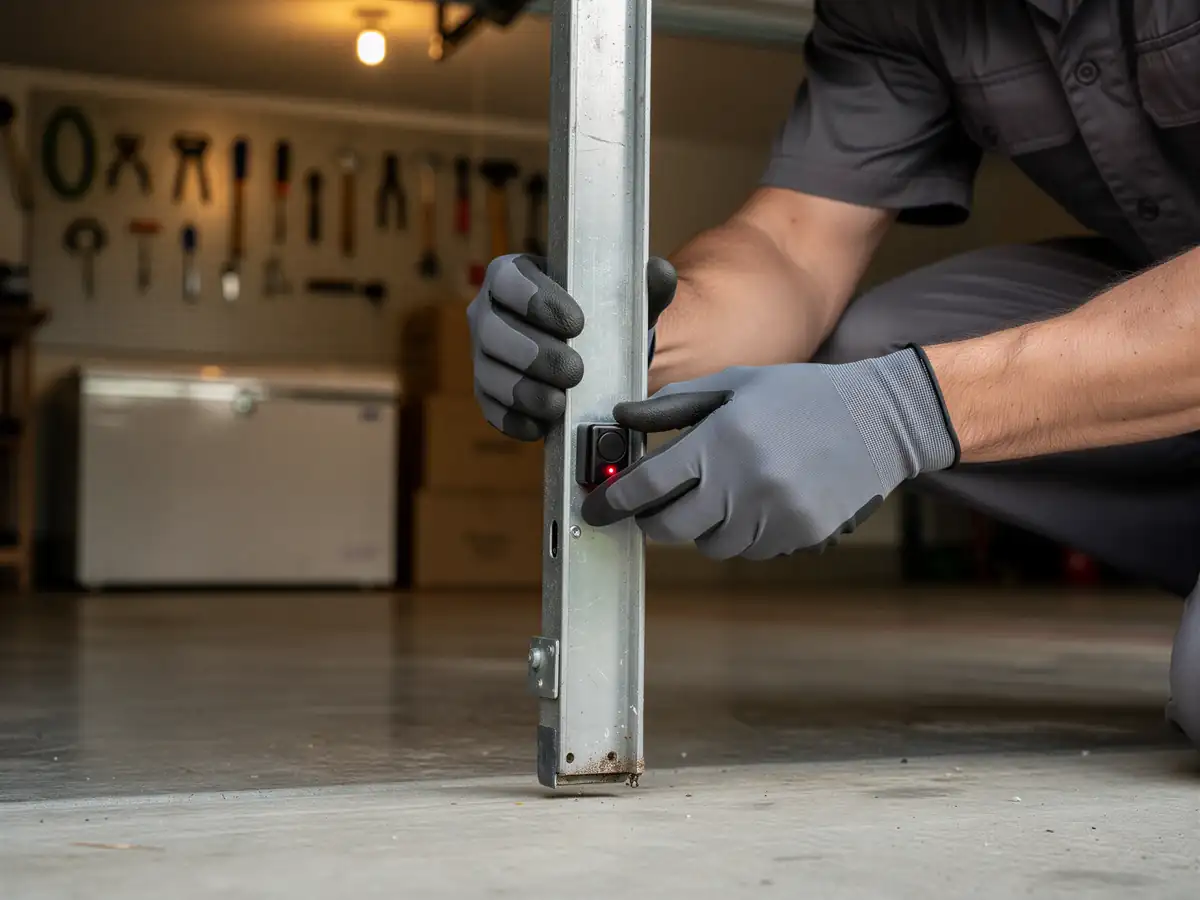
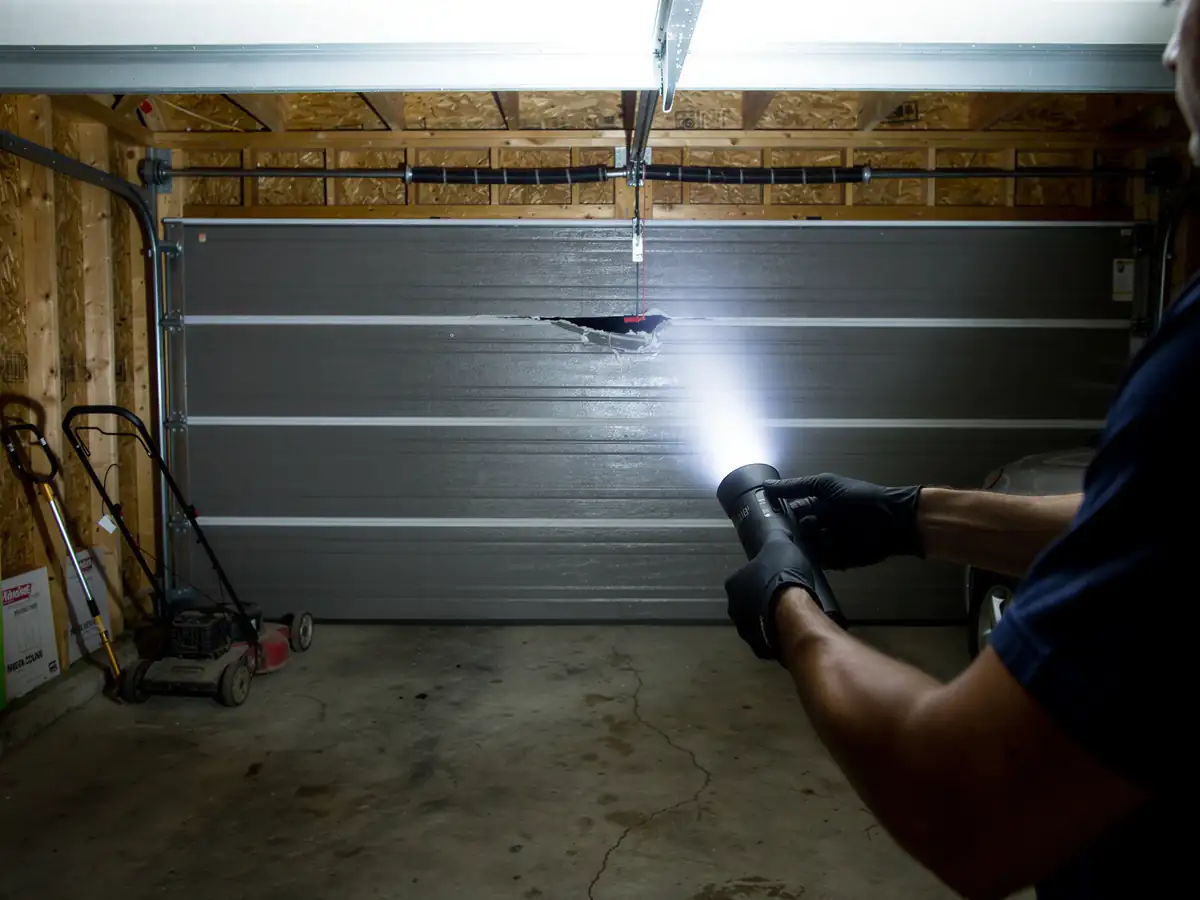
We also see panel damage from cars backing into closed doors, and track misalignment where a roller has jumped the rail. None of that is specific to Tamarac weather - our climate band here stays mild temperate year-round, so we're not chasing the kind of expansion-and-contraction cracking that shows up in doors built for harsher swings. The failures we see are mechanical fatigue, not weather damage.
What the Repair Takes
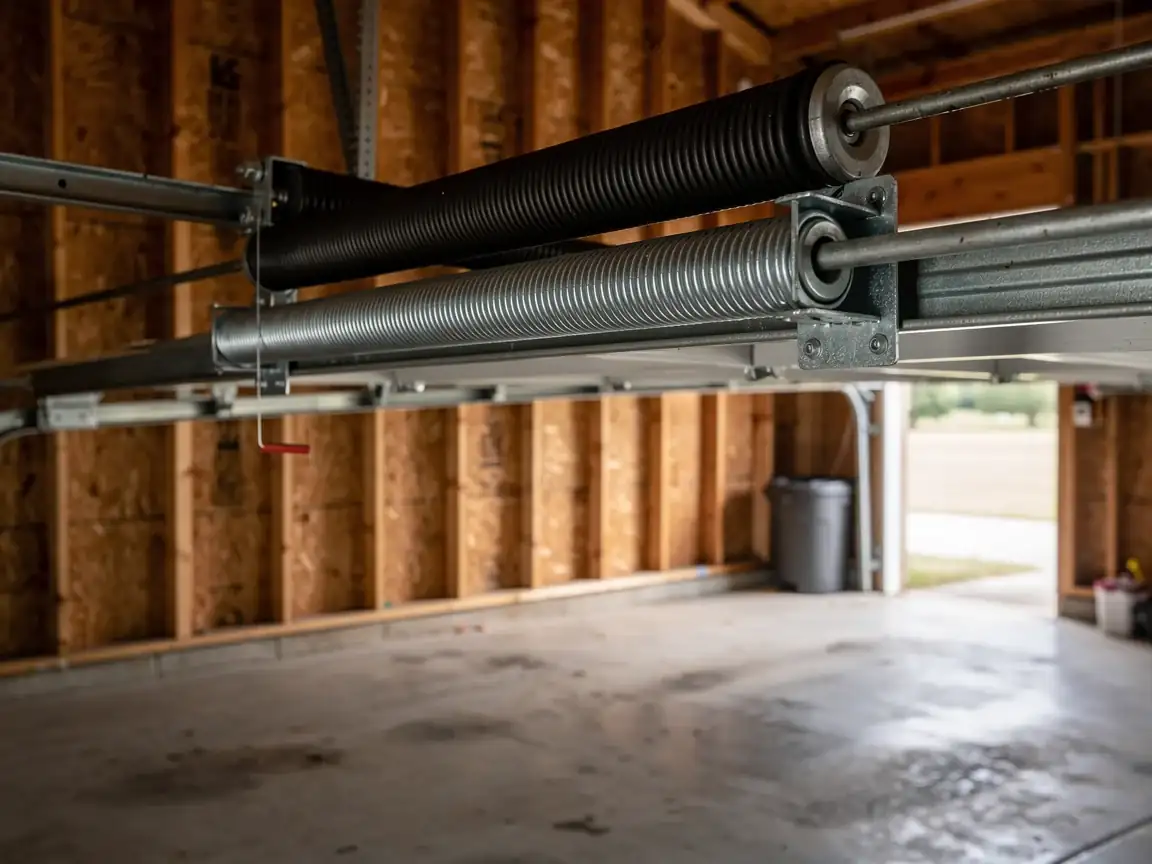
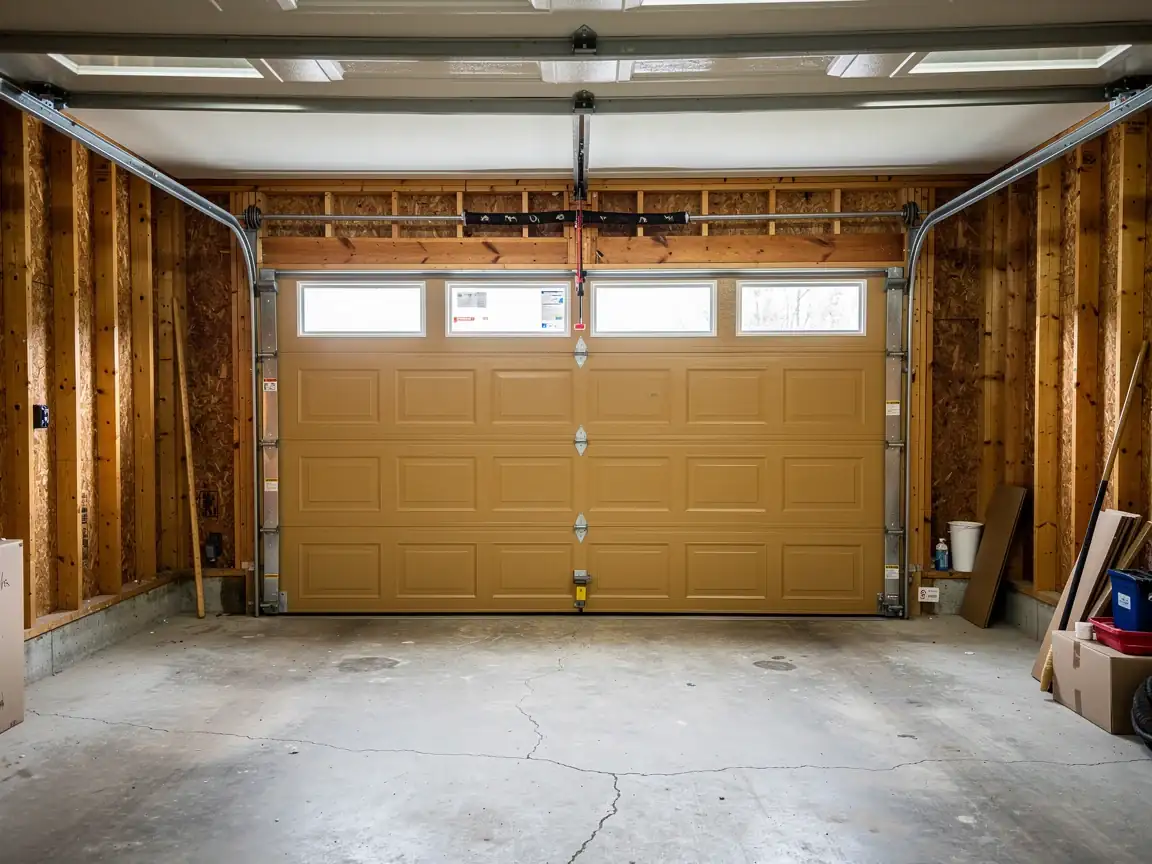
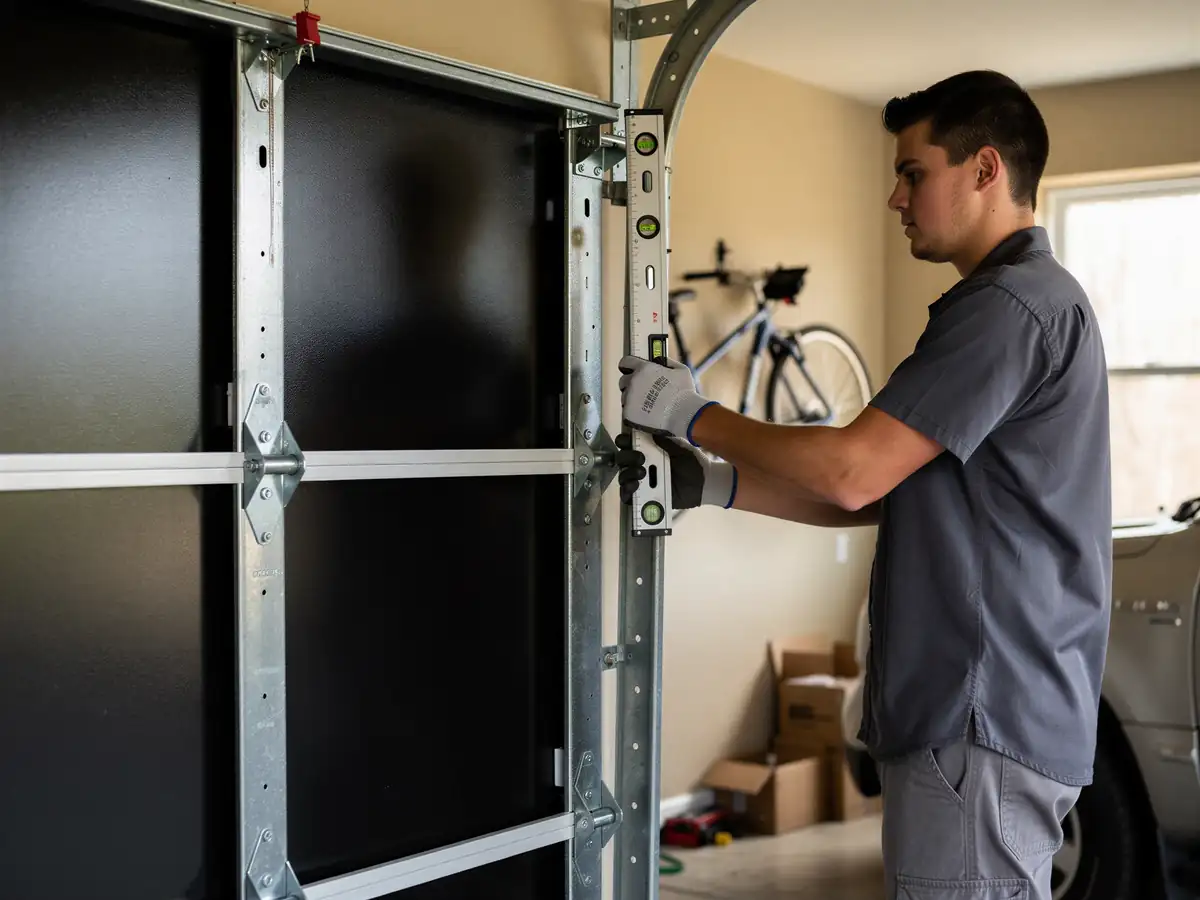
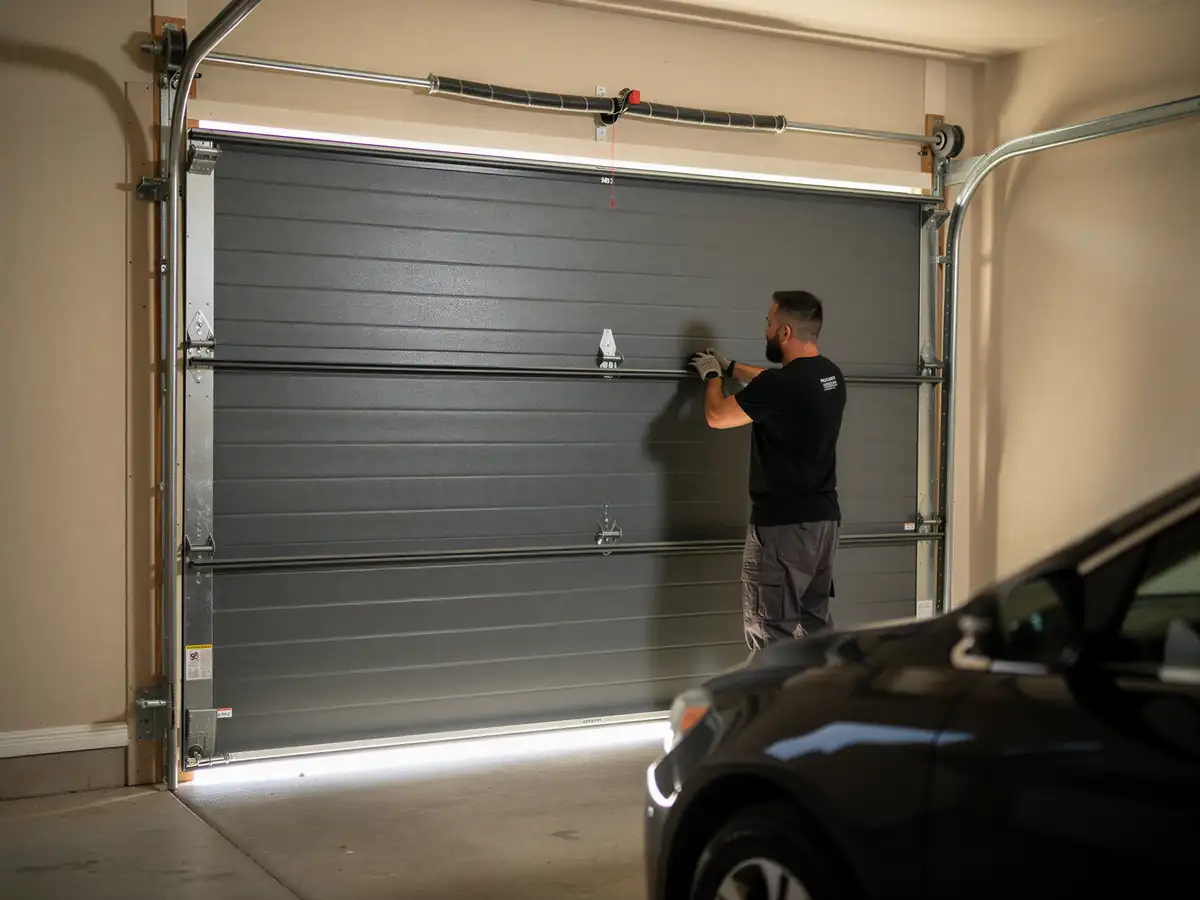
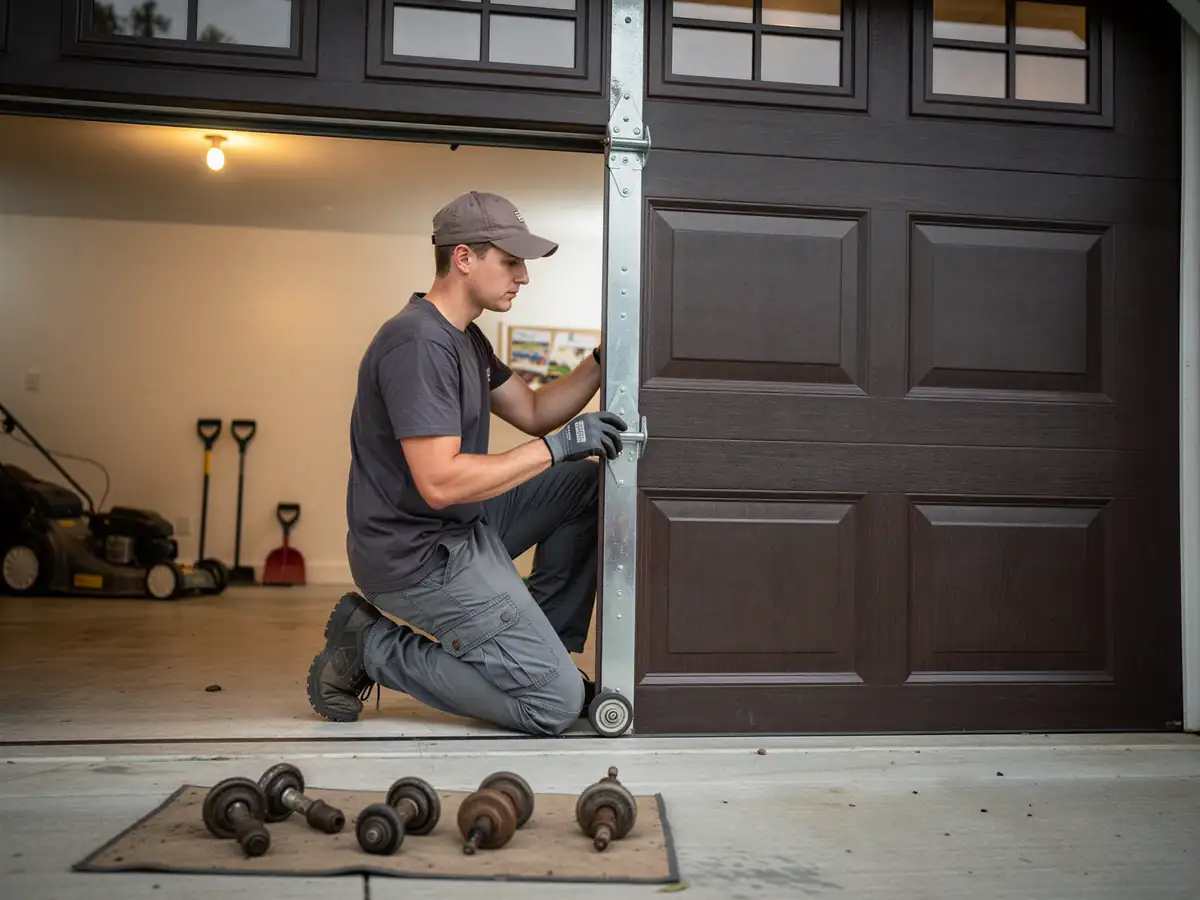
Most emergency calls in Tamarac are spring replacement, cable replacement, or a track realignment, and all three are same-visit jobs once we're on site with the right parts. A broken torsion spring on a standard double door is the most common call we get from this area, and we carry stock sized for the openers and door weights typical of homes built in that early-80s to 2000s range.
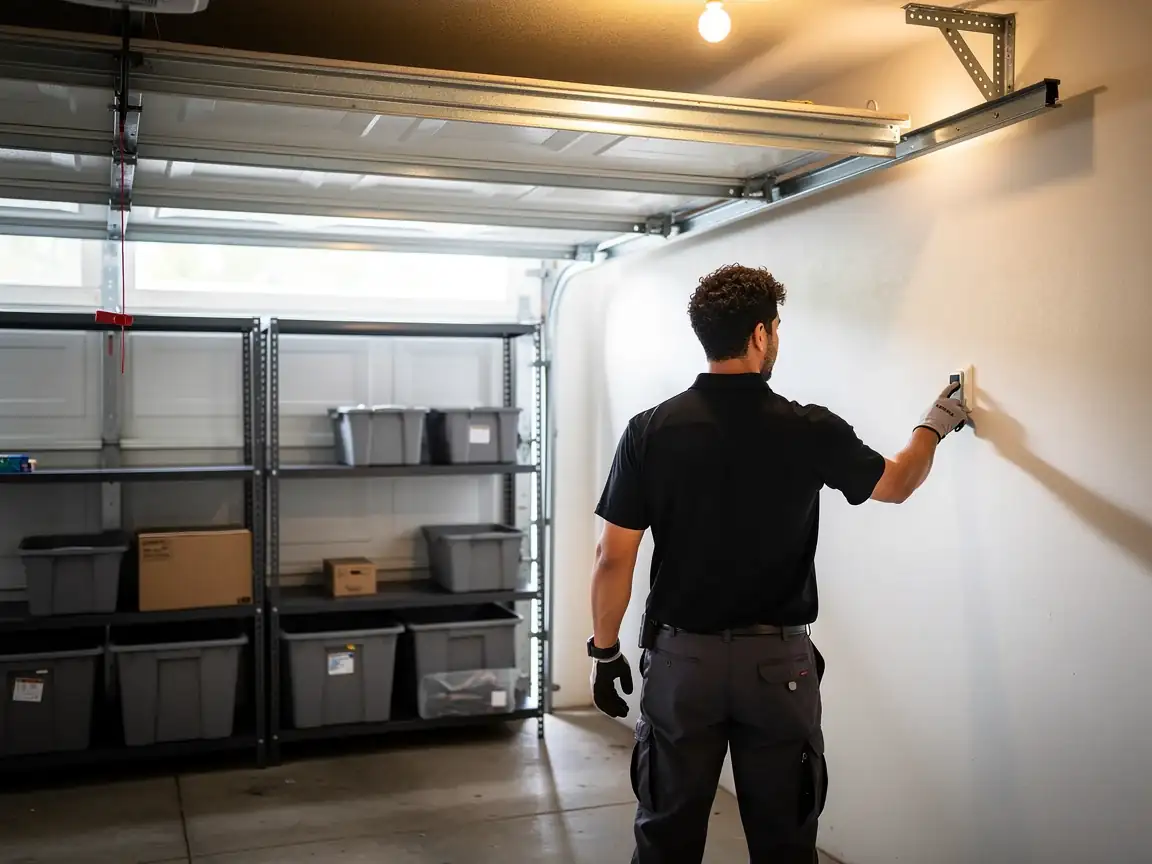
Where it gets longer is if the opener itself is original to the house - a motor that old sometimes can't be repaired, only replaced, and we'll tell you that straight rather than patching something that'll fail again in a month. We don't try to resurrect a dead circuit board just to save a trip; if replacement is the honest answer, we say so before we start billing time on a repair that won't hold.
Where This Job Goes Sideways
The job gets harder when a homeowner has already tried to force the door open or closed after it jammed
Forcing a stuck door against a broken spring or snapped cable can bend the track or crack a panel, turning a spring swap into a track-and-panel job. If your door won't move, the safest thing is to leave it alone and call rather than keep hitting the opener button.
We also run into trouble on double doors with two torsion springs where only one has broken
Replacing just the failed spring leaves a mismatched pair that wears unevenly and fails again sooner. On a 1981-era double door that's original equipment, we'll generally recommend both springs go at once, which costs more up front but avoids a second emergency call a year or two later. That's a judgment call we make on site, not a blanket rule, since some setups genuinely only need the one.