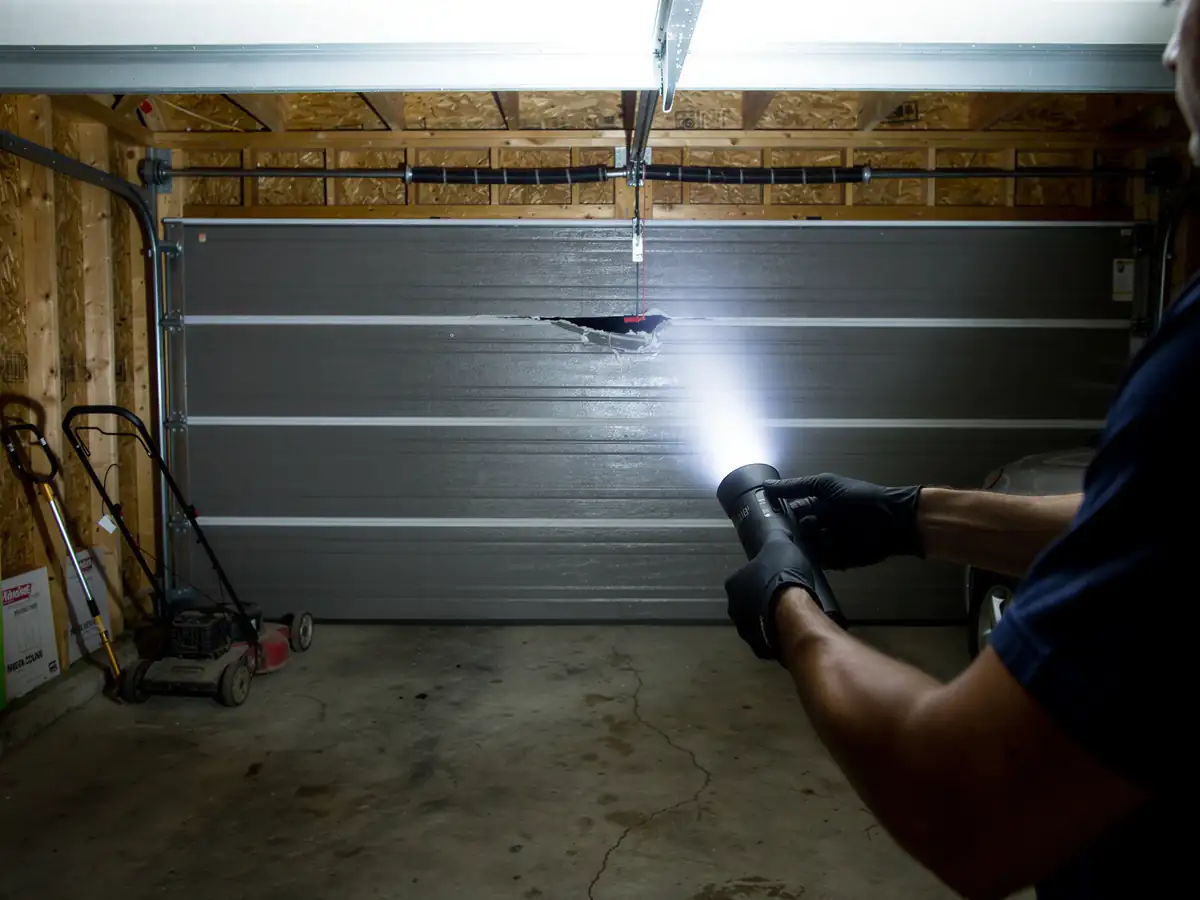
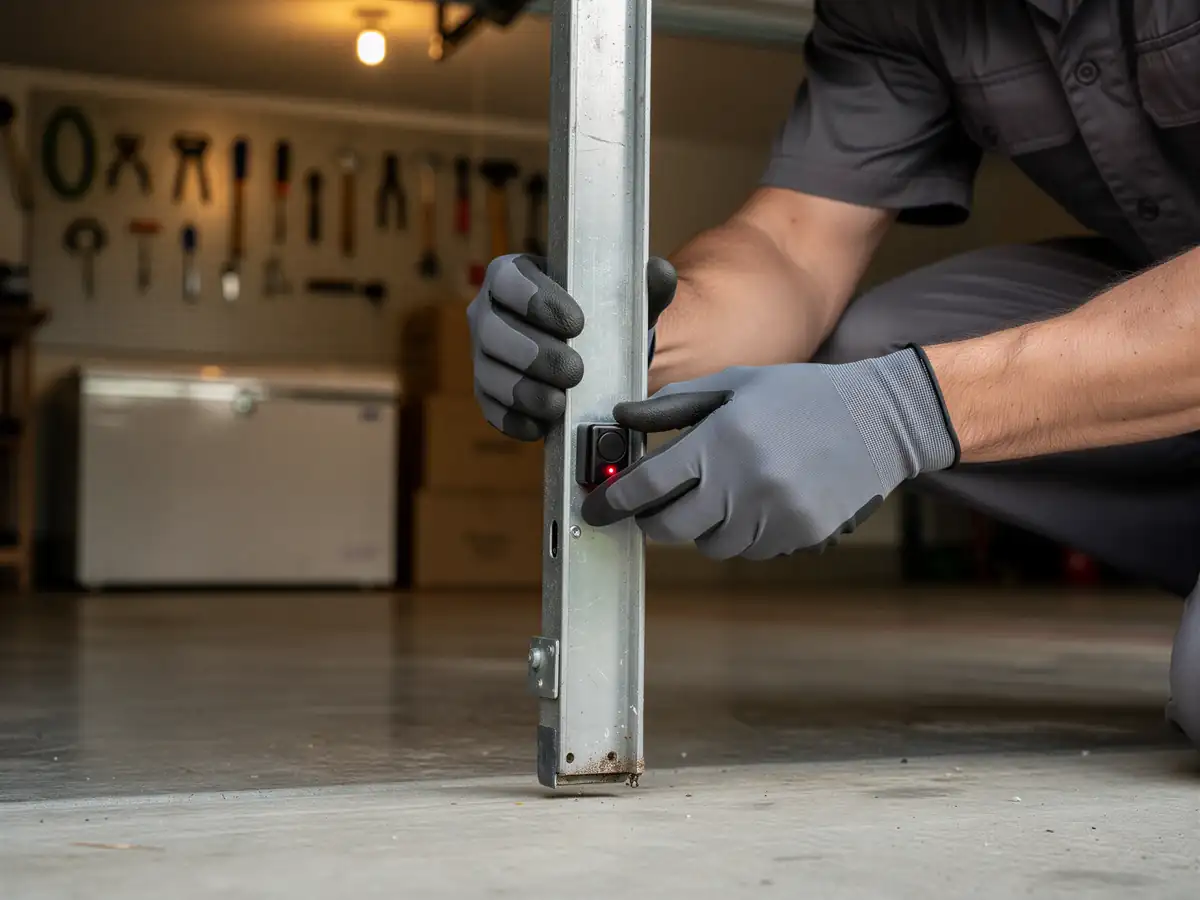
What You Are Seeing
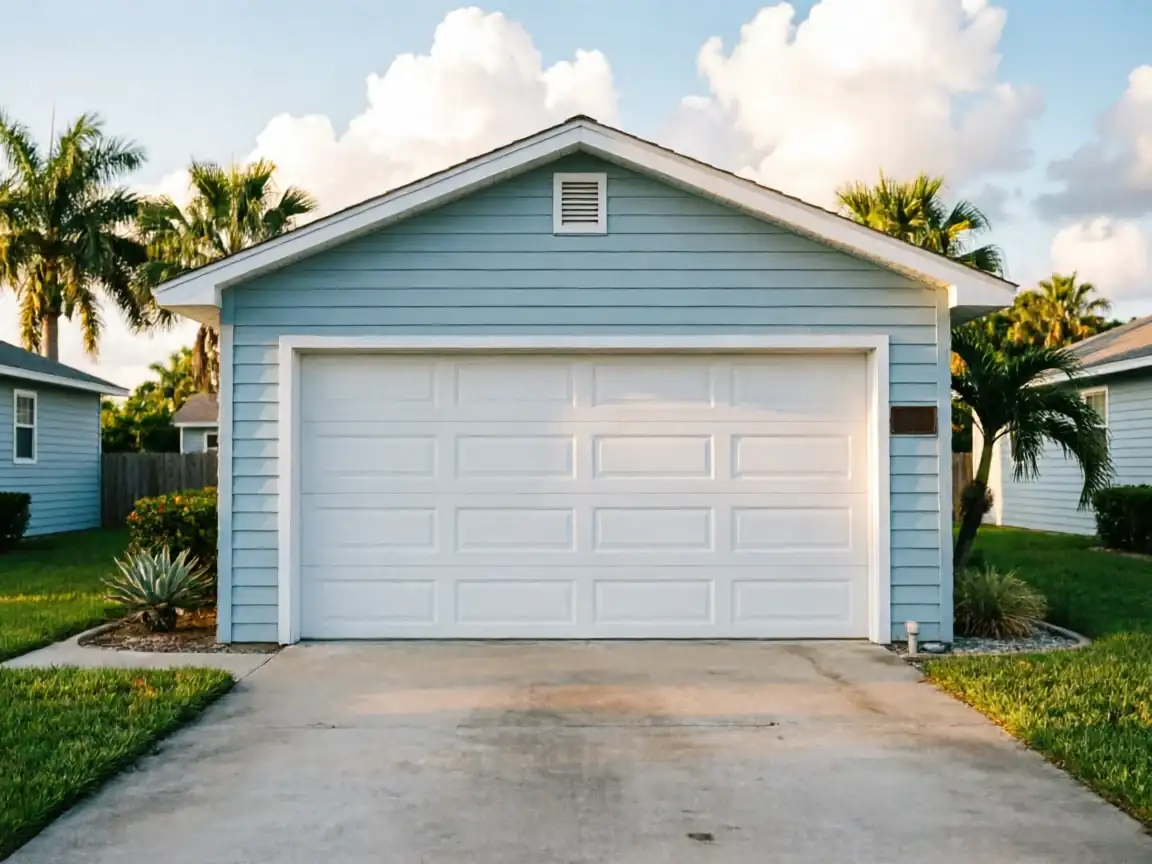
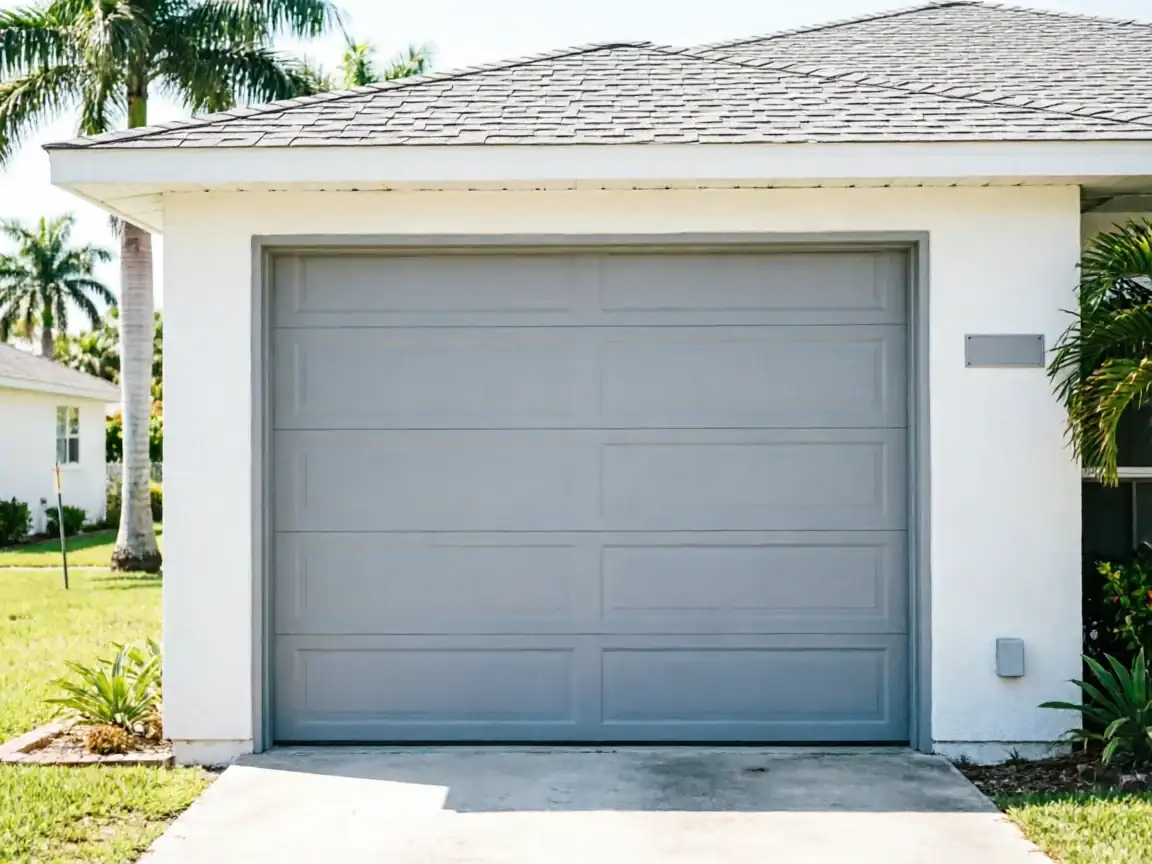
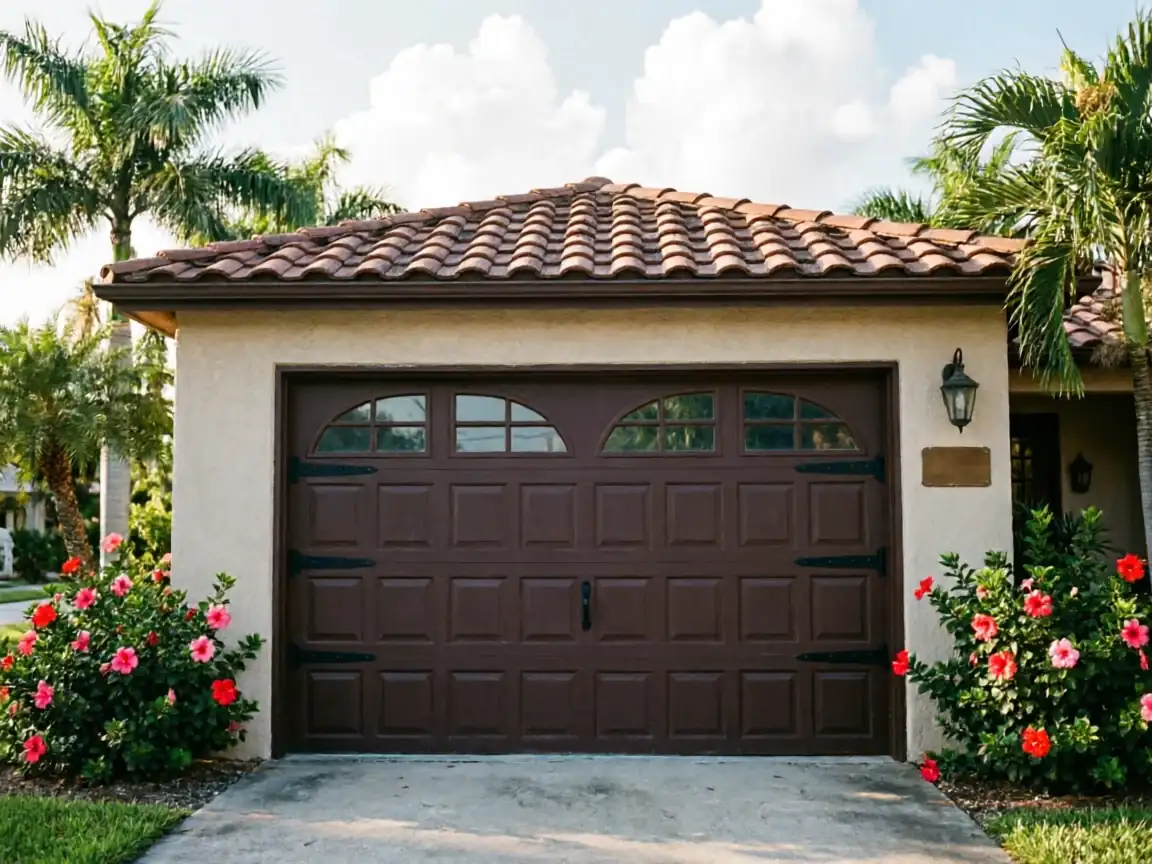
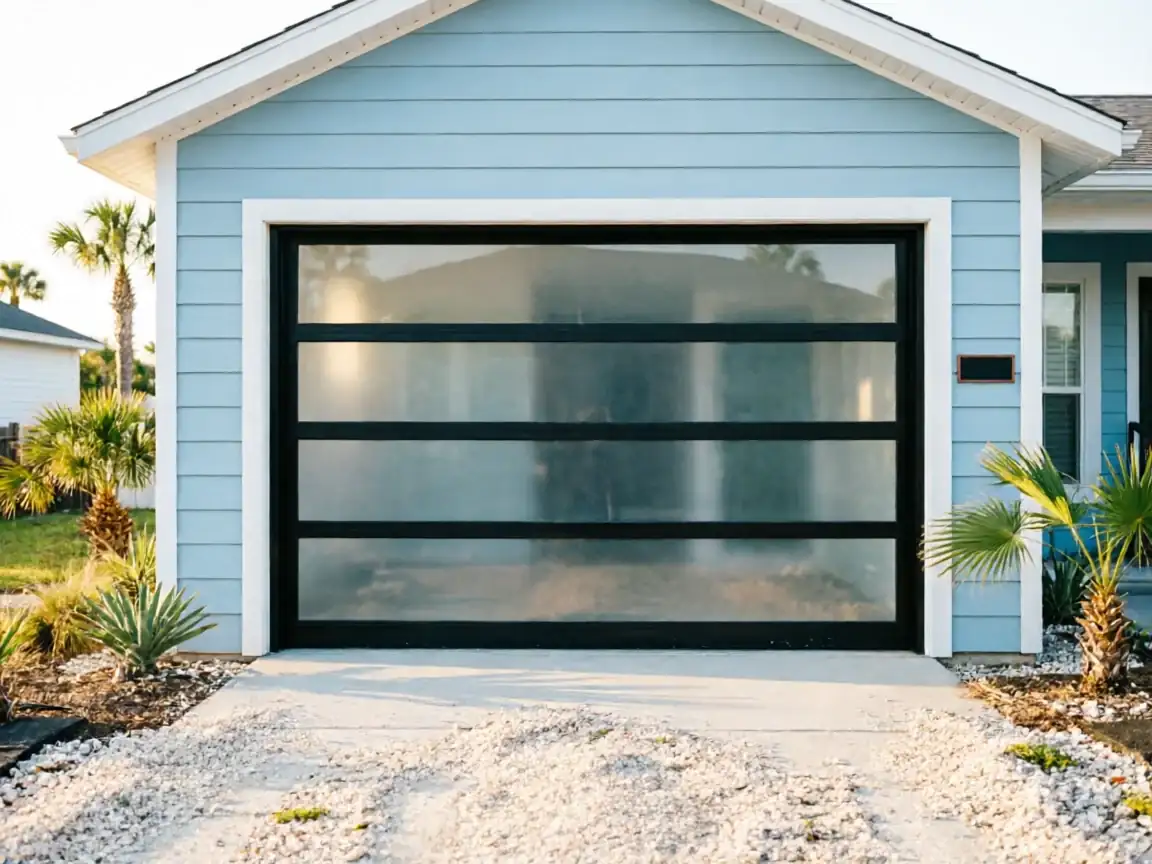
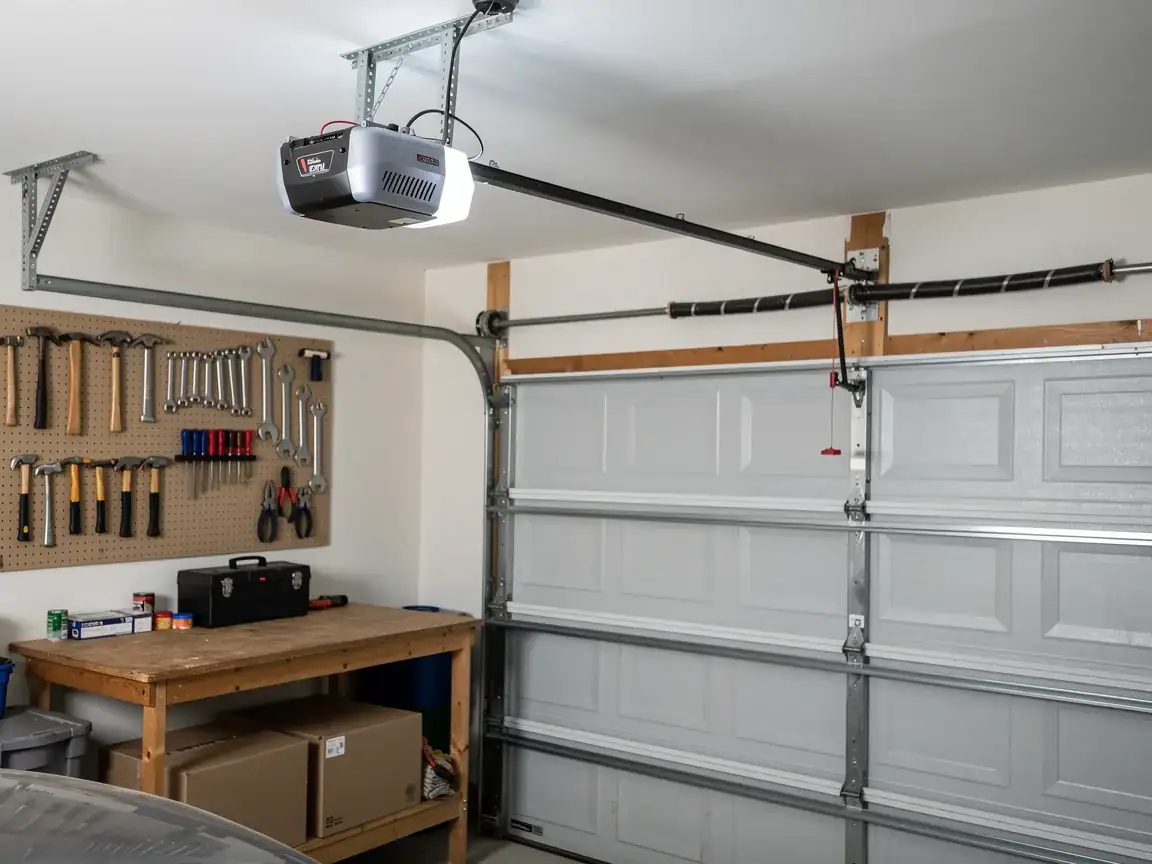
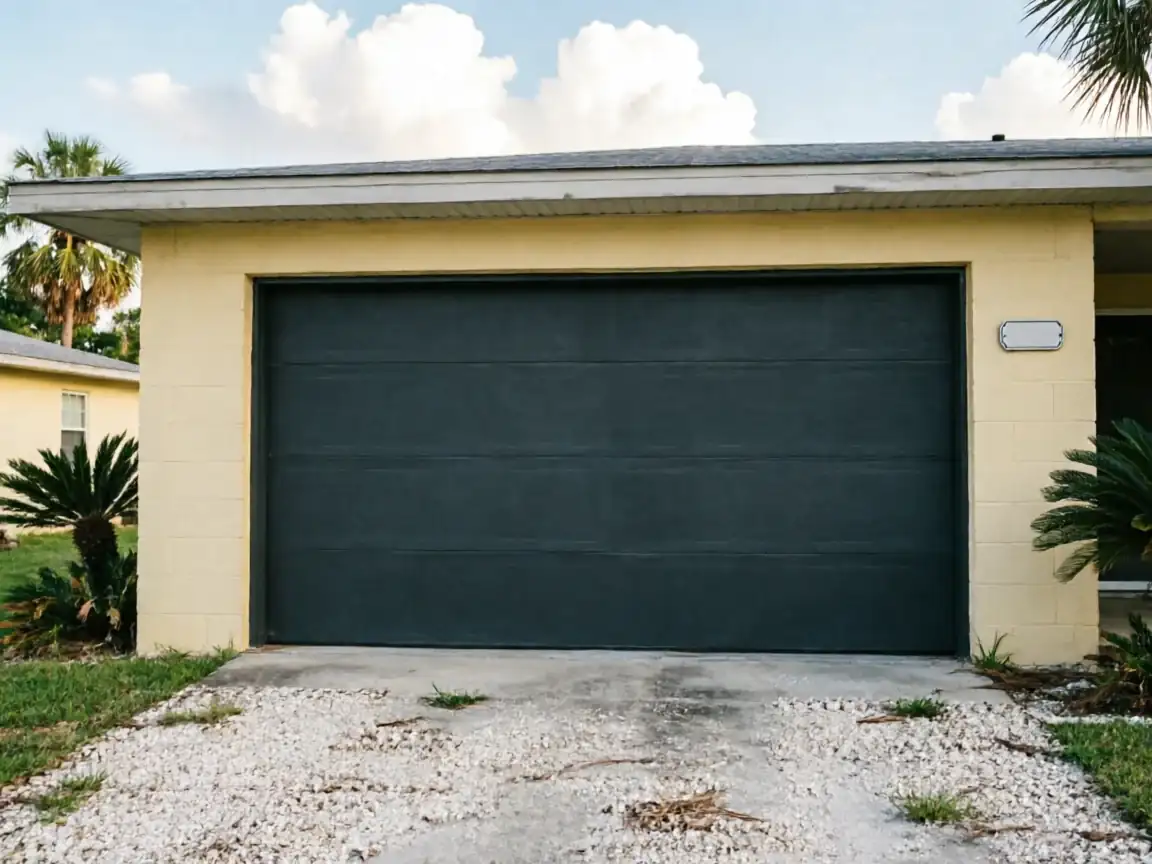
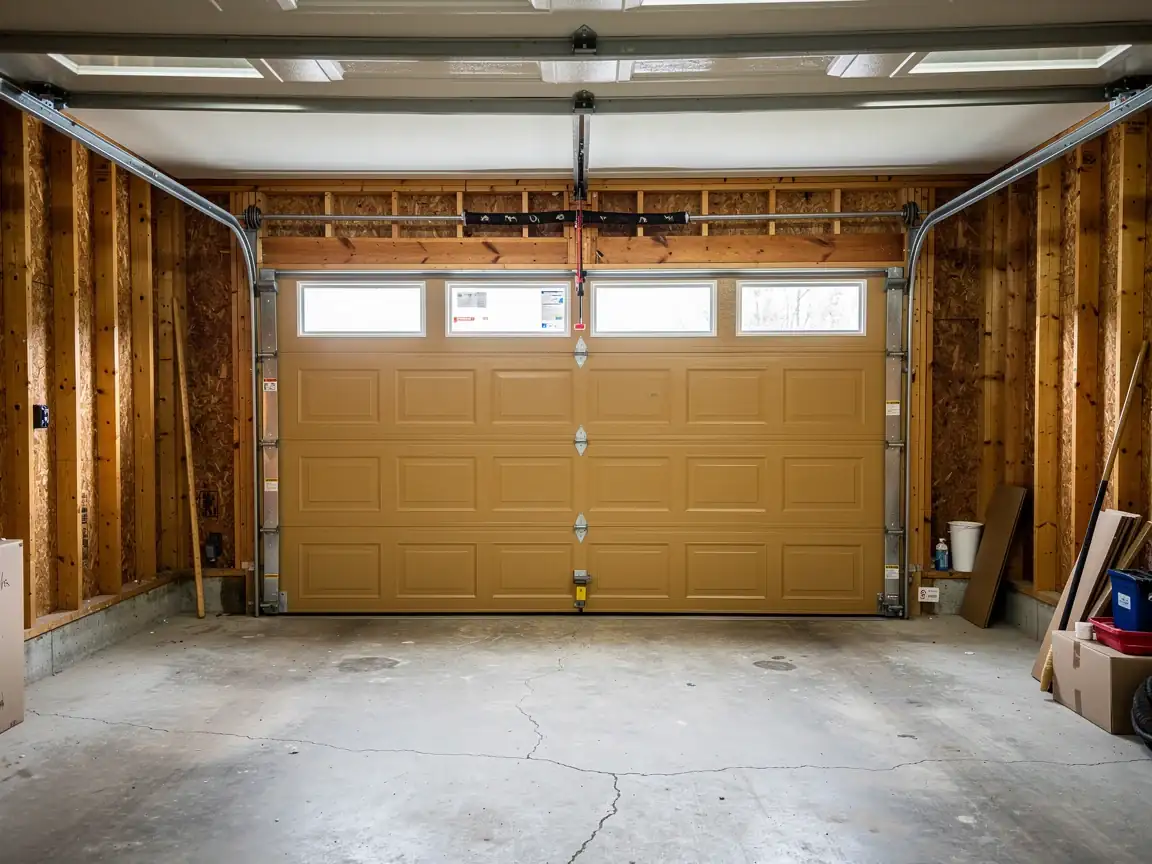
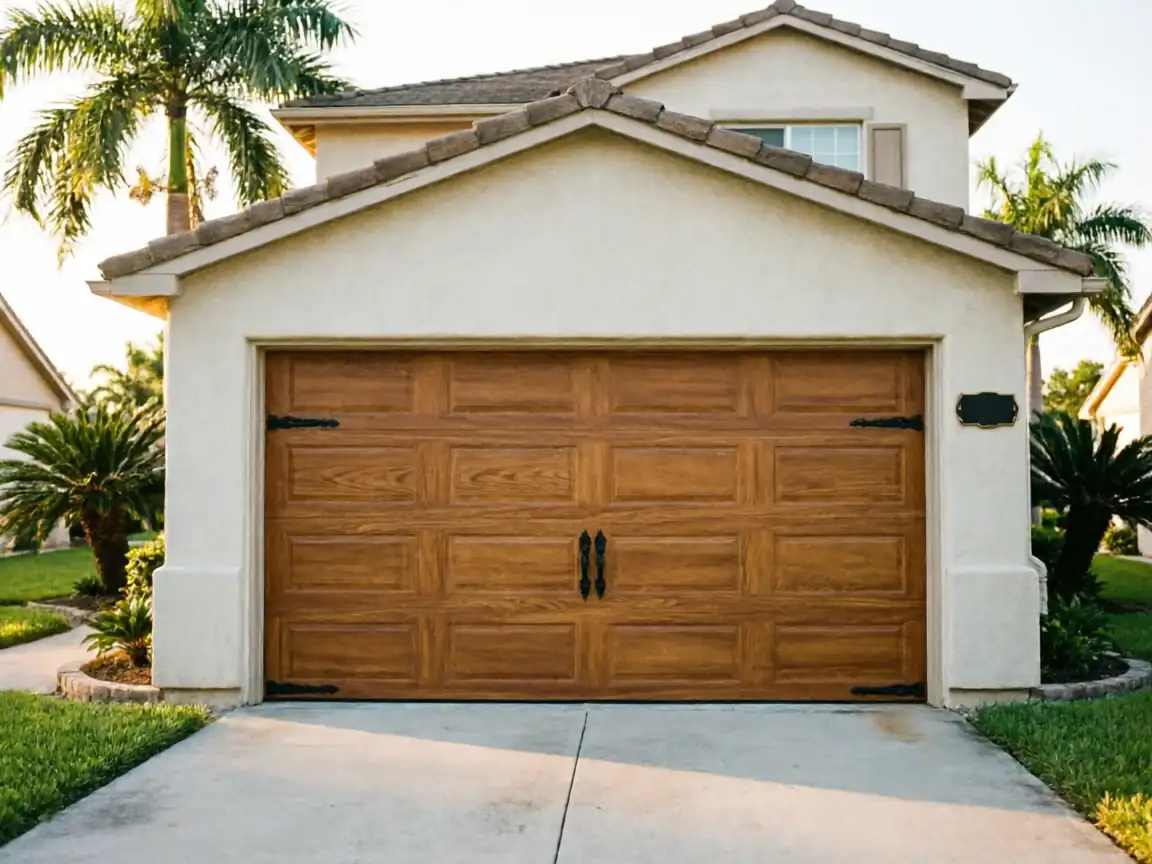
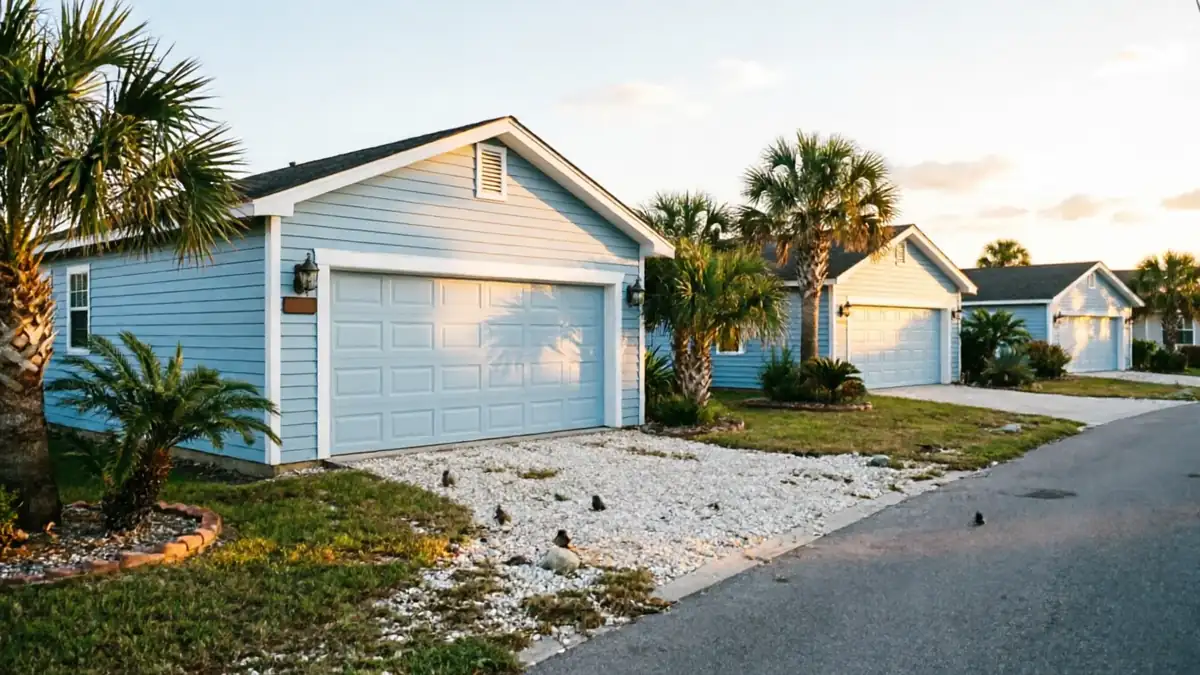
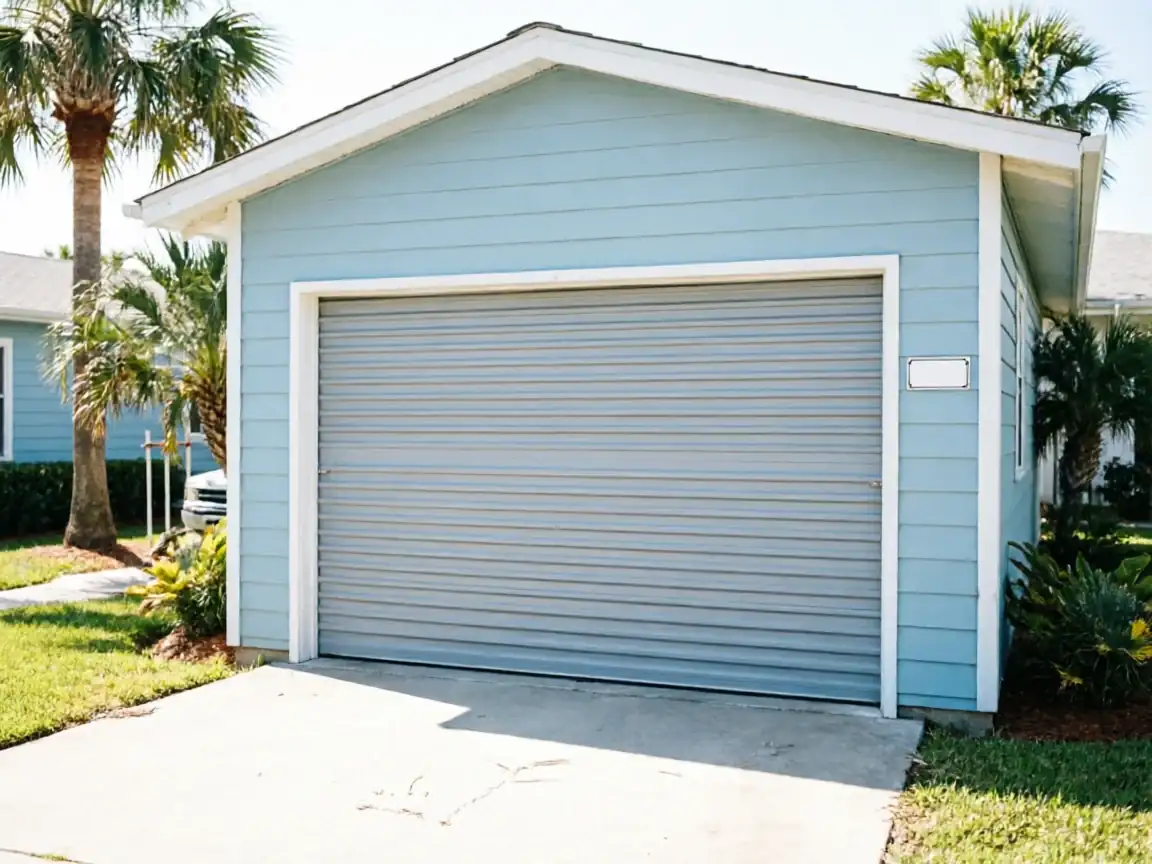
The median home in Tamarac was built around 1981, which puts most of the town's garages a decade or more past the oldest stock we see elsewhere in the service area (areas going back to 1962). That matters here specifically: 1980s construction means chain-drive and screw-drive openers installed as original equipment, often never swapped once in forty-plus years, with steel chains that stretch and screw rails that dry out and start chattering. A door that drifts a few inches before the opener catches up, or an opener that strains on the first foot of travel and quiets down after that, points to that stretch. Circuit boards from that era also fail in a specific way: the wall button works, the remote doesn't, or vice versa, because one relay on the board has gone bad while the rest of the unit still runs. In Tamarac's mild climate we don't see the cold-snap failures that crack plastic gears up north, but heat and humidity still dry out lubricant and swell wood jambs enough to throw the travel limits off.
What the Repair Takes
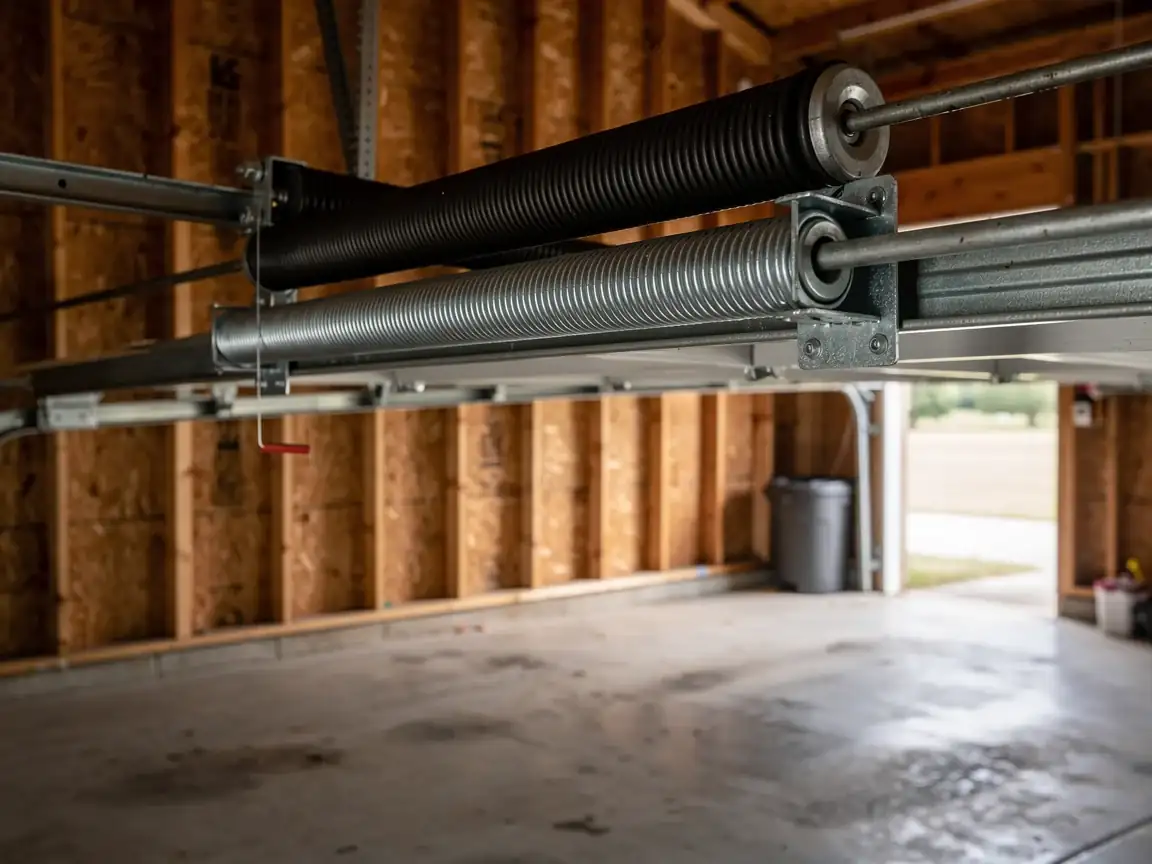
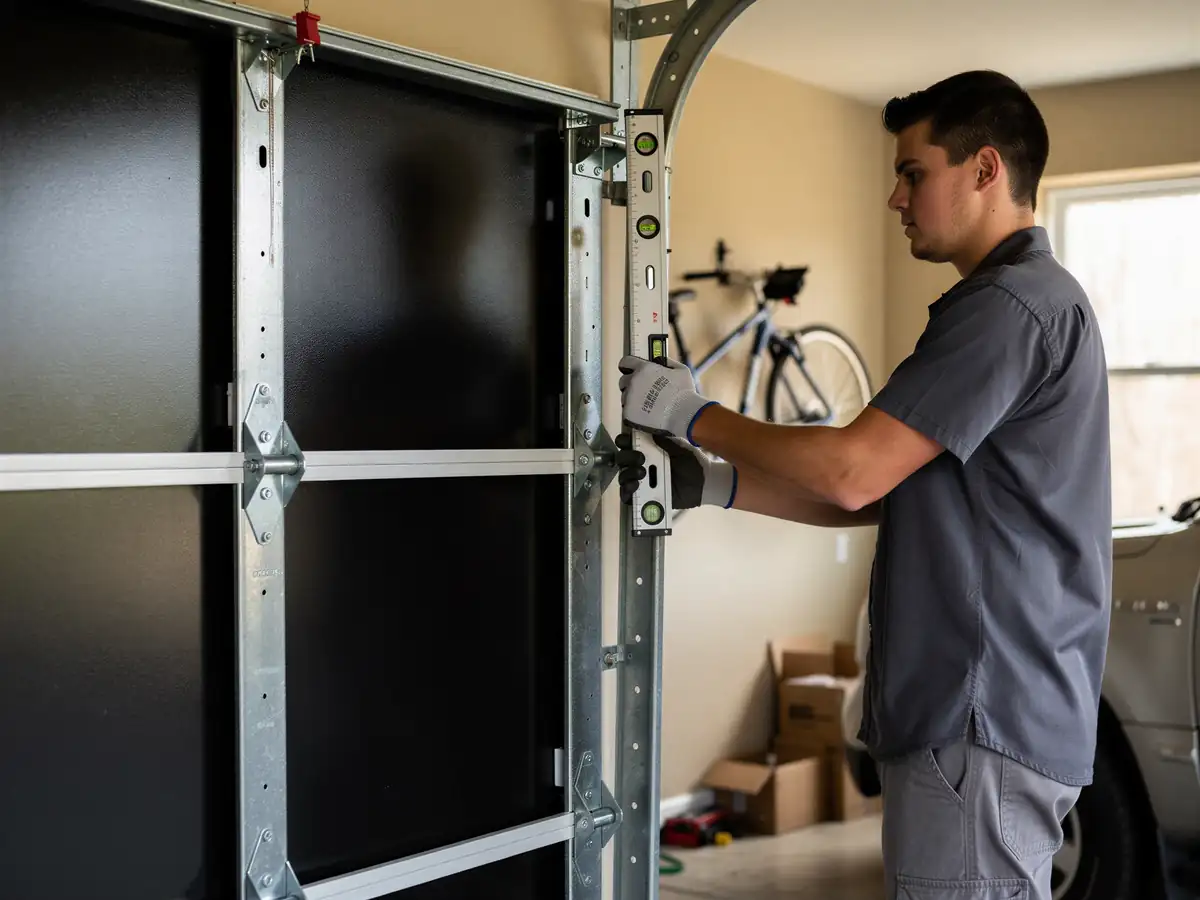
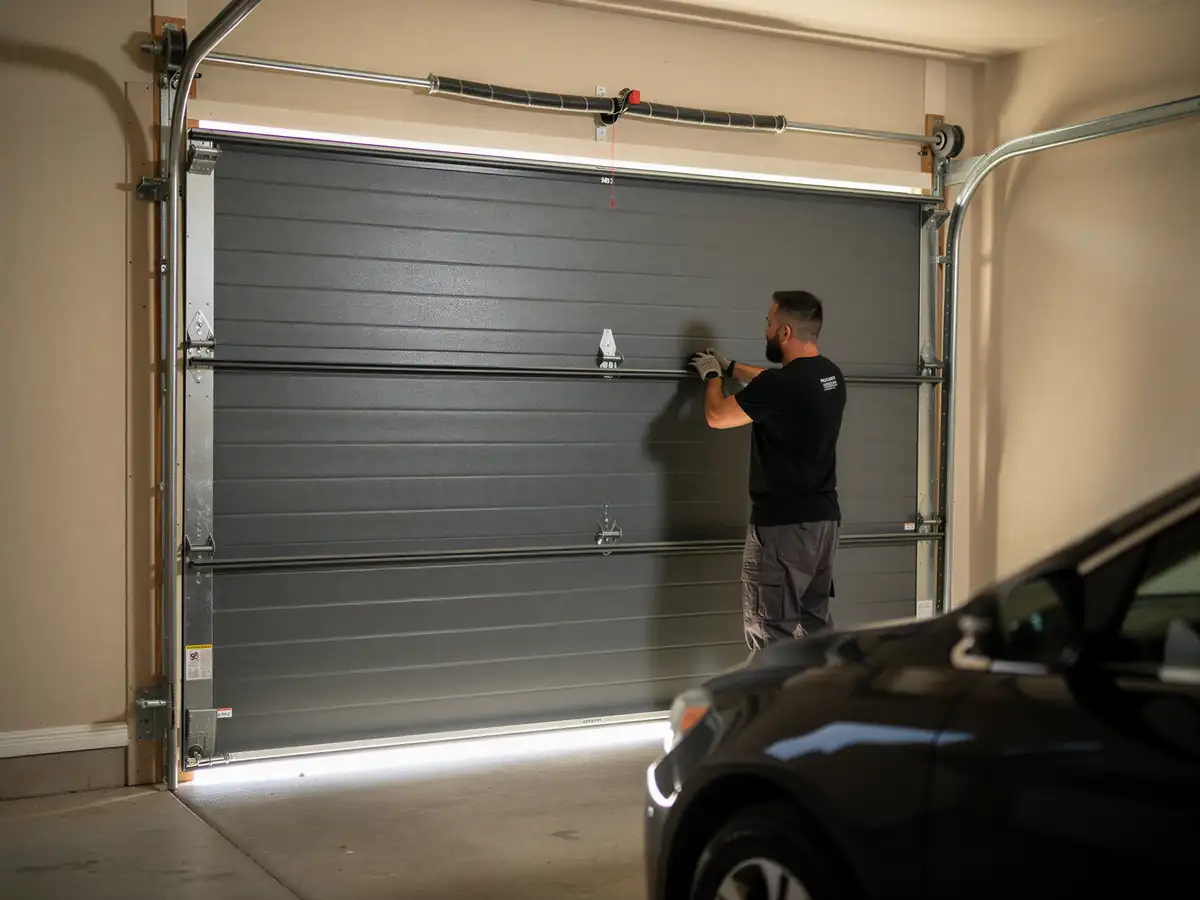
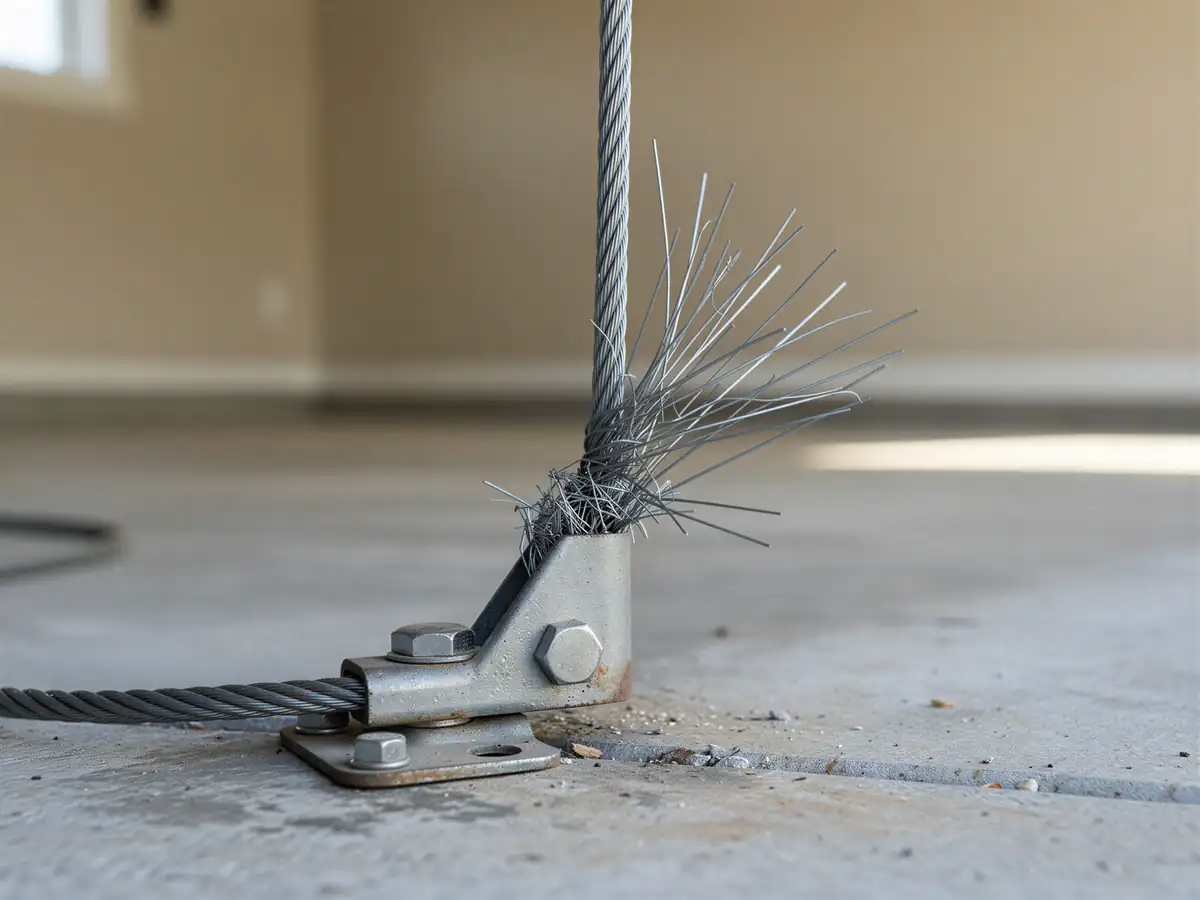
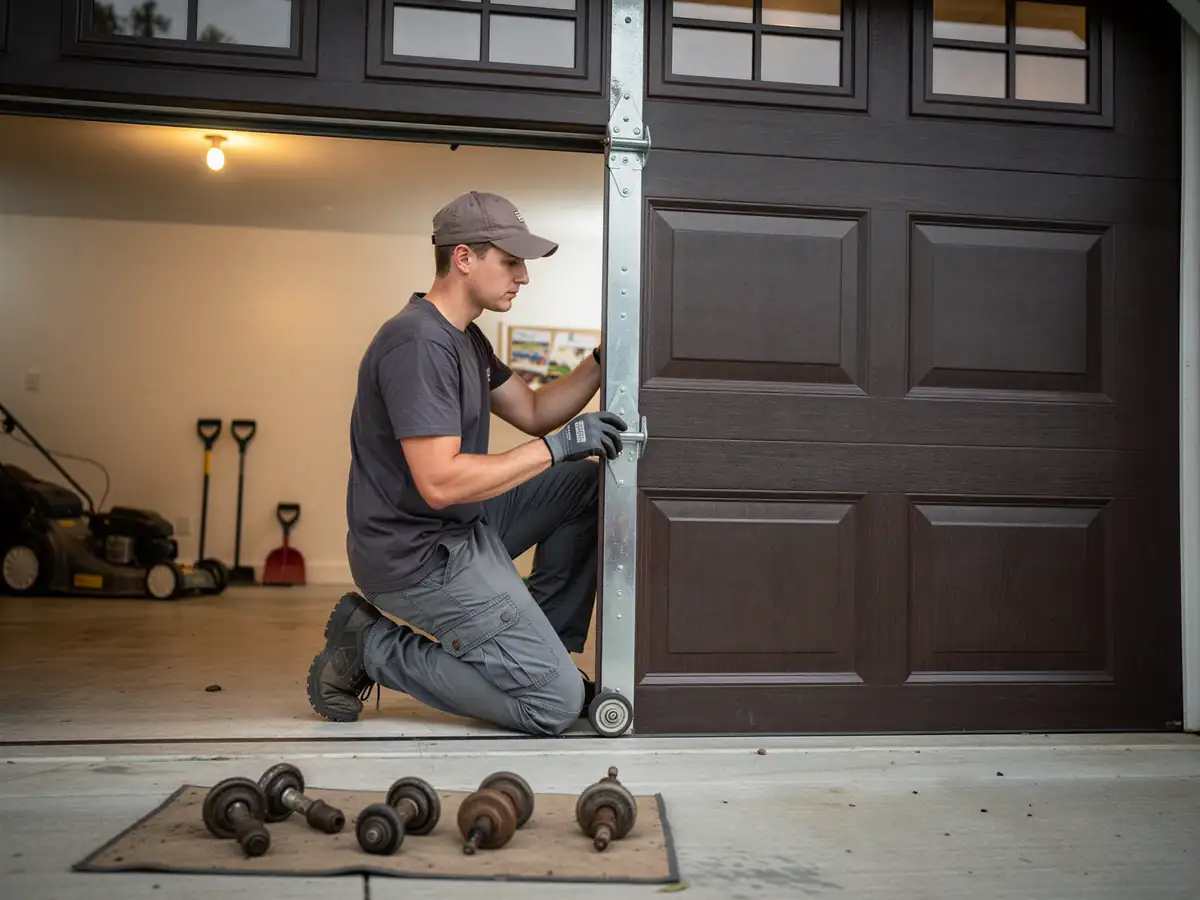
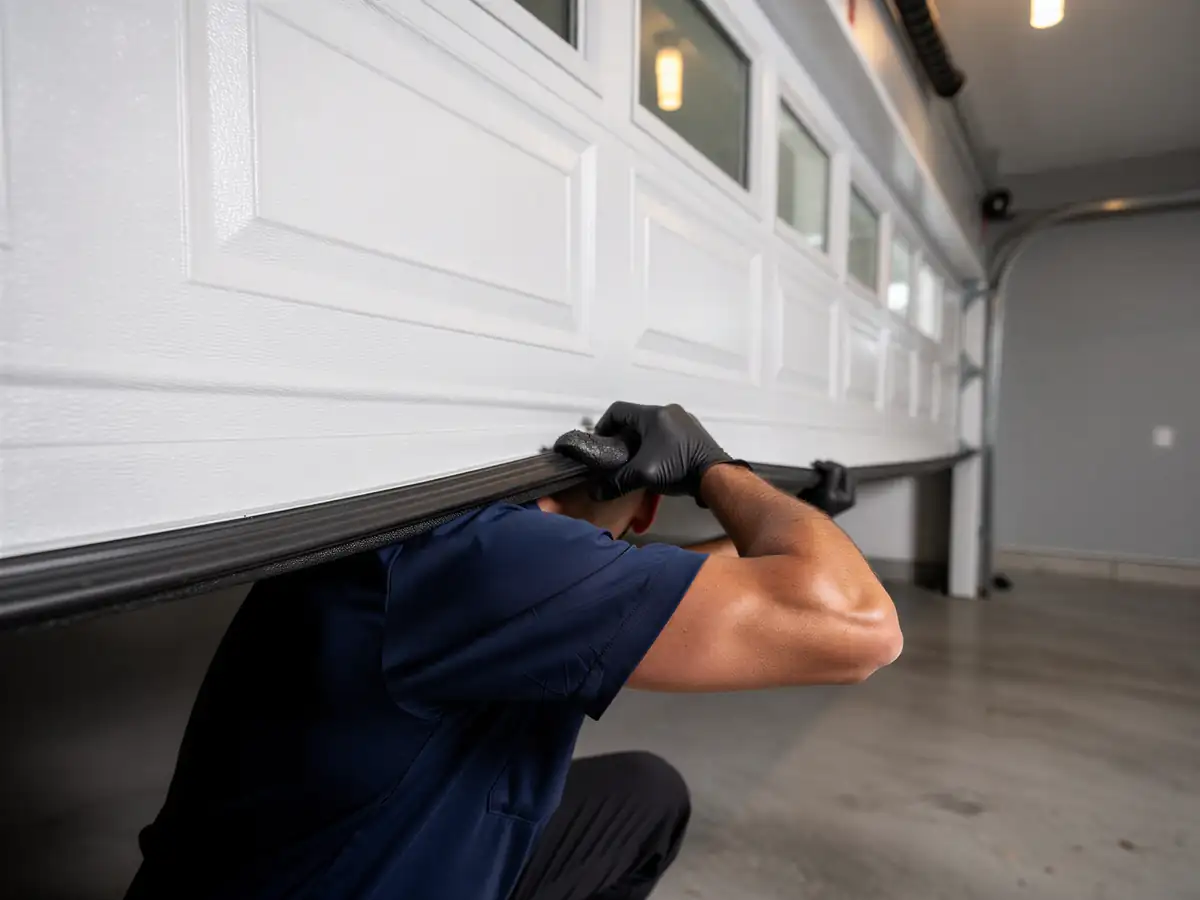
Most opener calls split into three buckets: a worn drive component (chain, belt, or screw), a dead or partially dead logic board, and a sensor or limit-switch problem that mimics a bigger fault. The first is a parts swap done on site in one visit. The second usually means replacing the board or the whole head unit, since boards from 1980s- and 1990s-era openers aren't stocked new anymore and a board-only fix can mean a wait we won't ask you to sit through. The third is often the cheapest fix of the three - a misaligned photo-eye or a limit switch knocked loose gets the door moving again without touching the motor at all. We diagnose on arrival rather than quoting blind over the phone, because an opener that 'just stopped working' in Tamarac is as likely to be a $40 sensor bracket as a $300 head unit, and guessing wrong wastes your afternoon.