What You Are Seeing
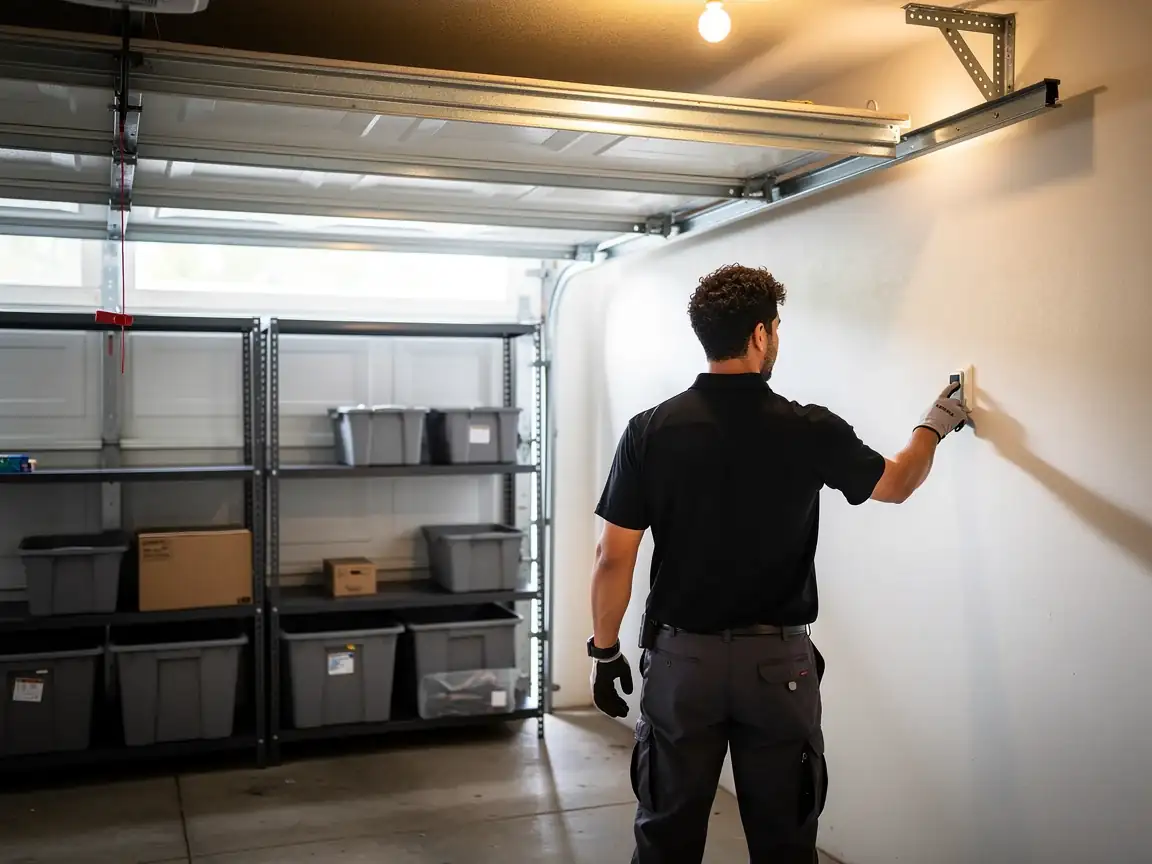
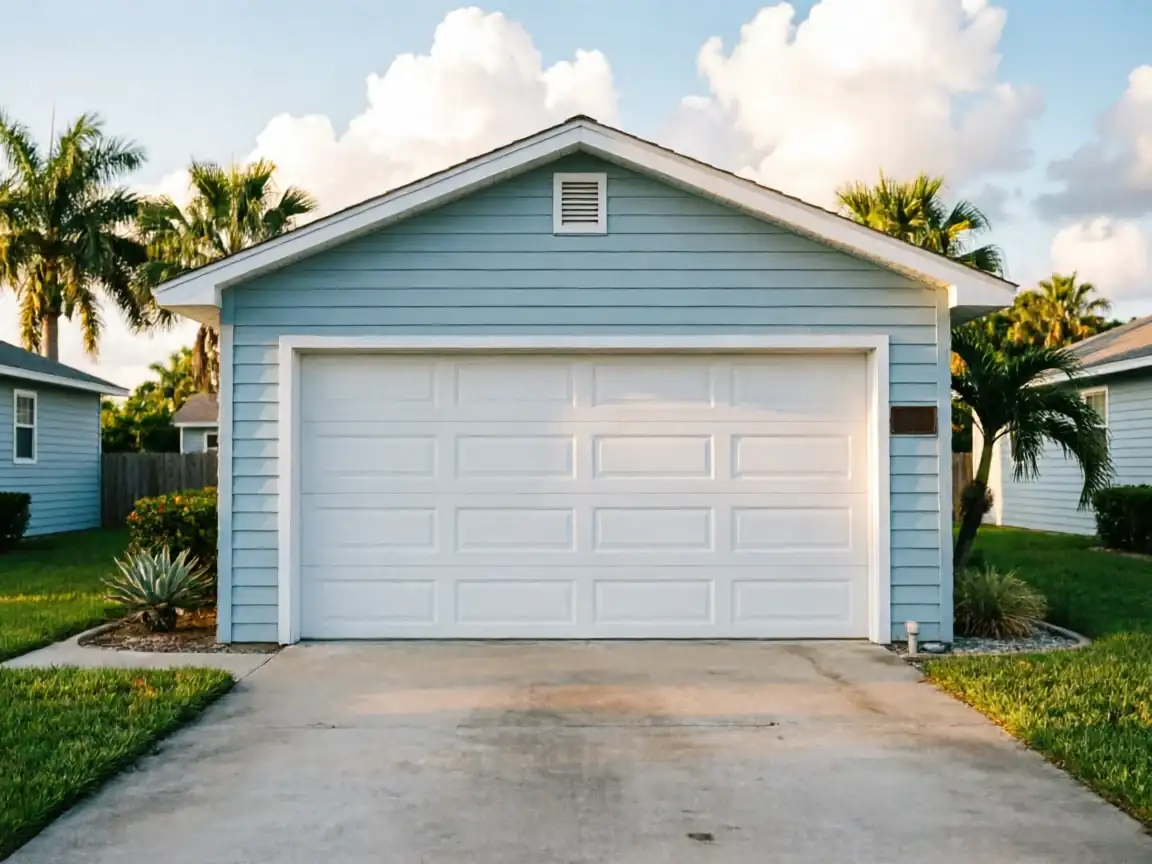
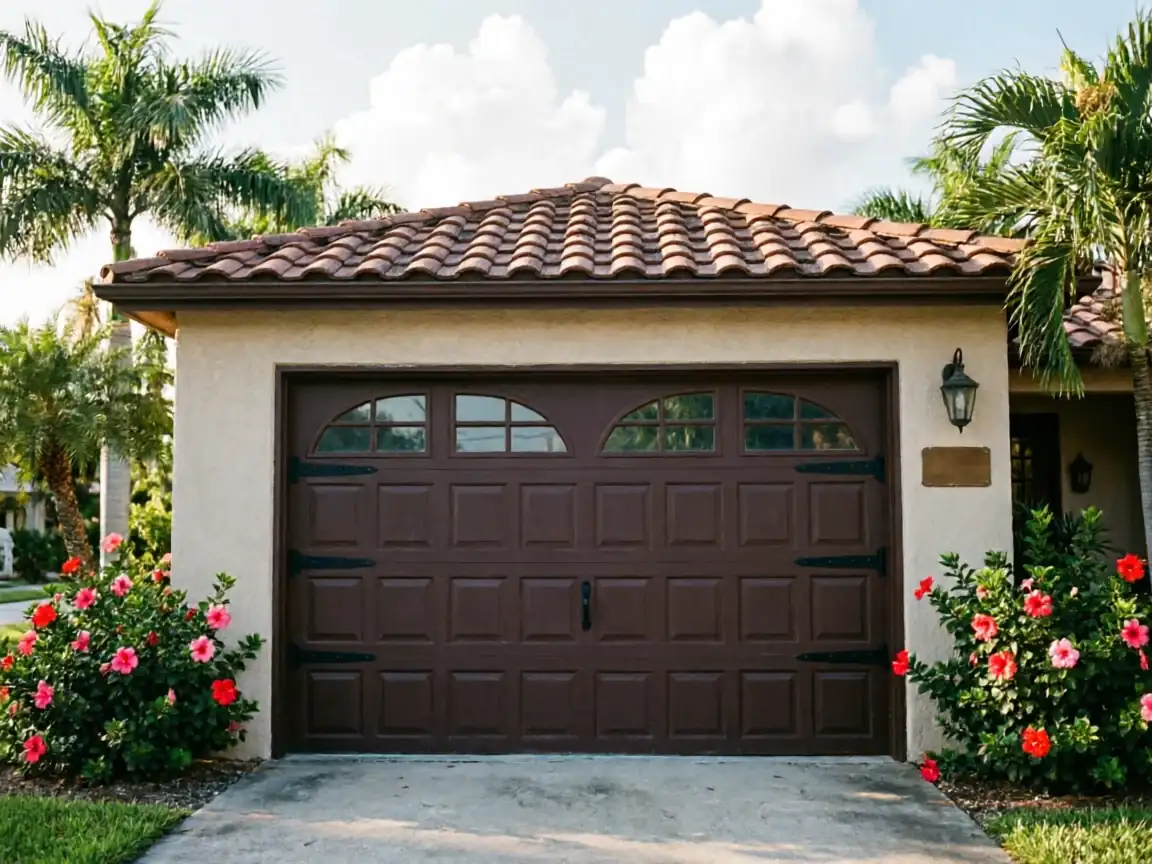
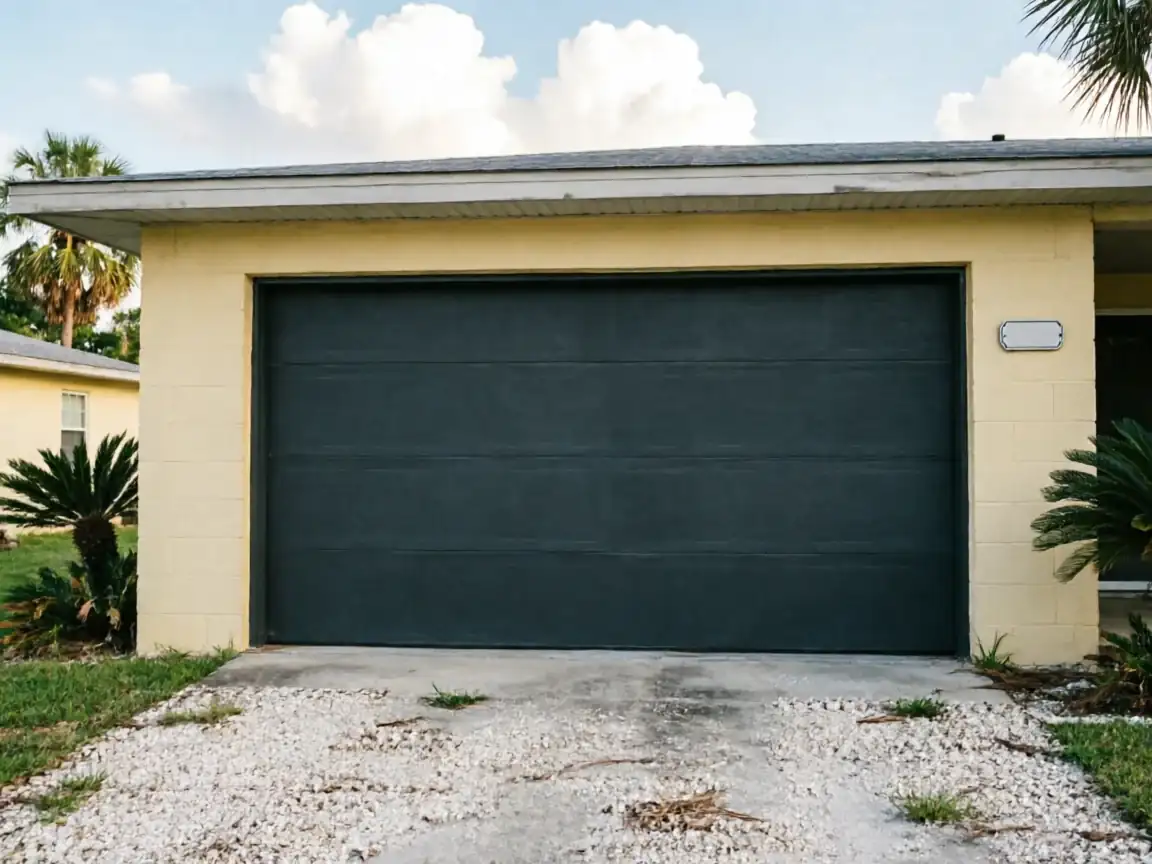
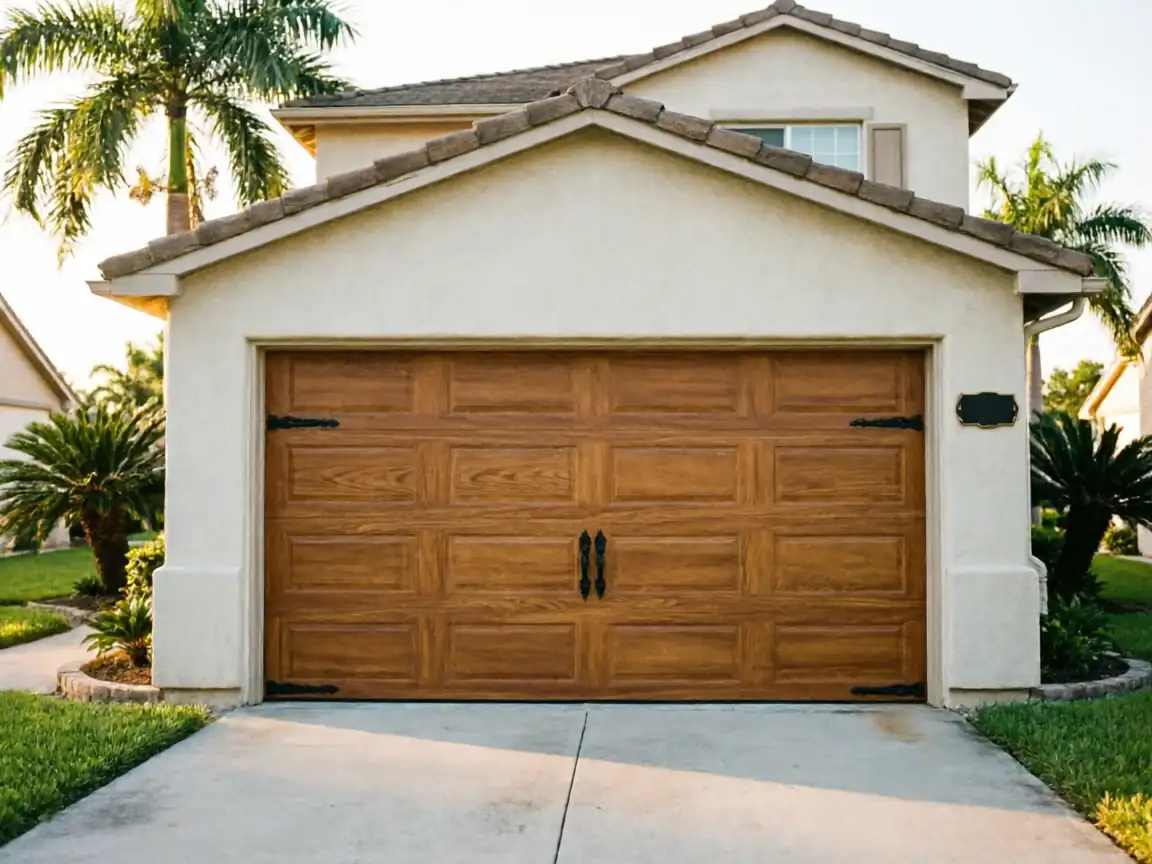
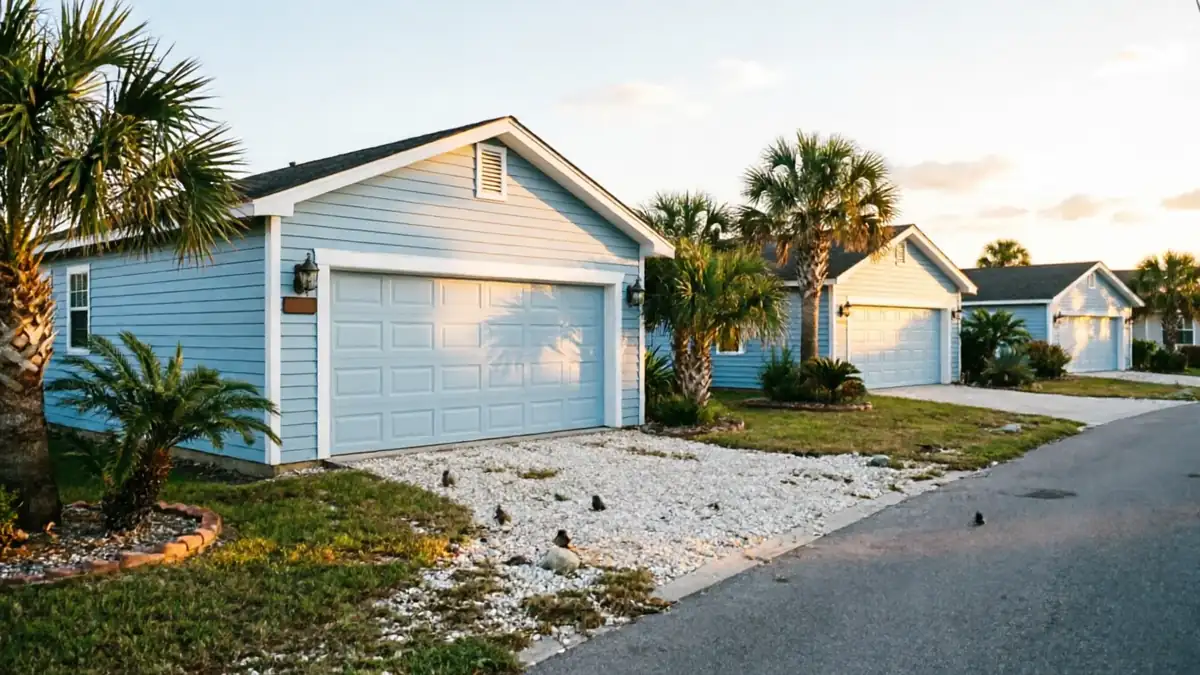
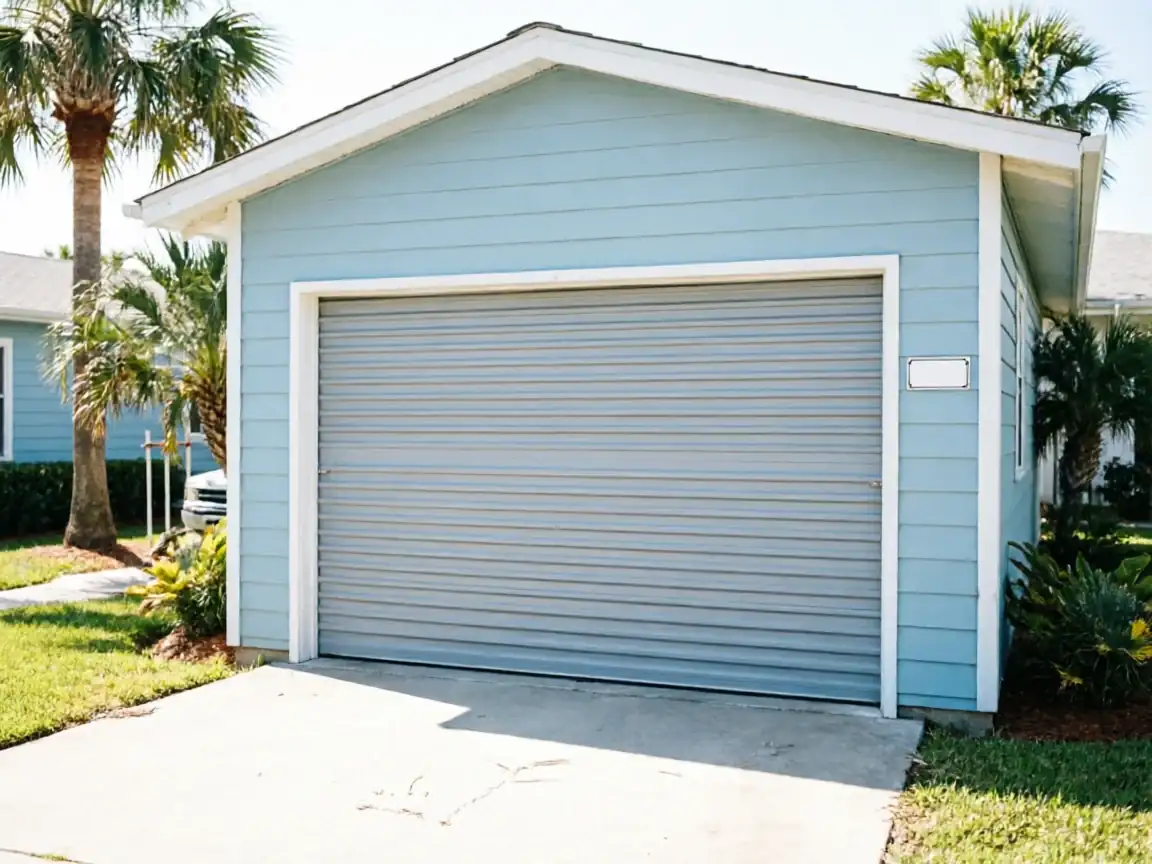
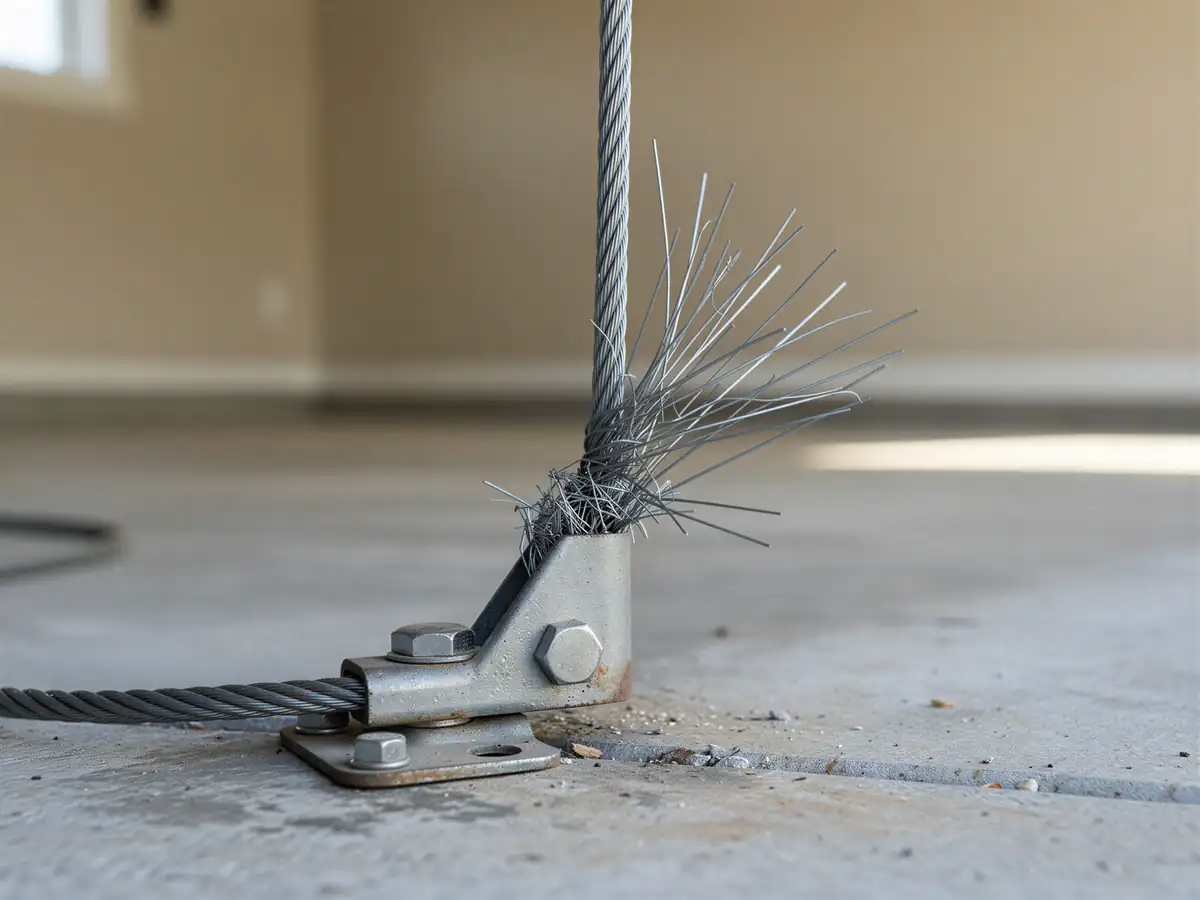
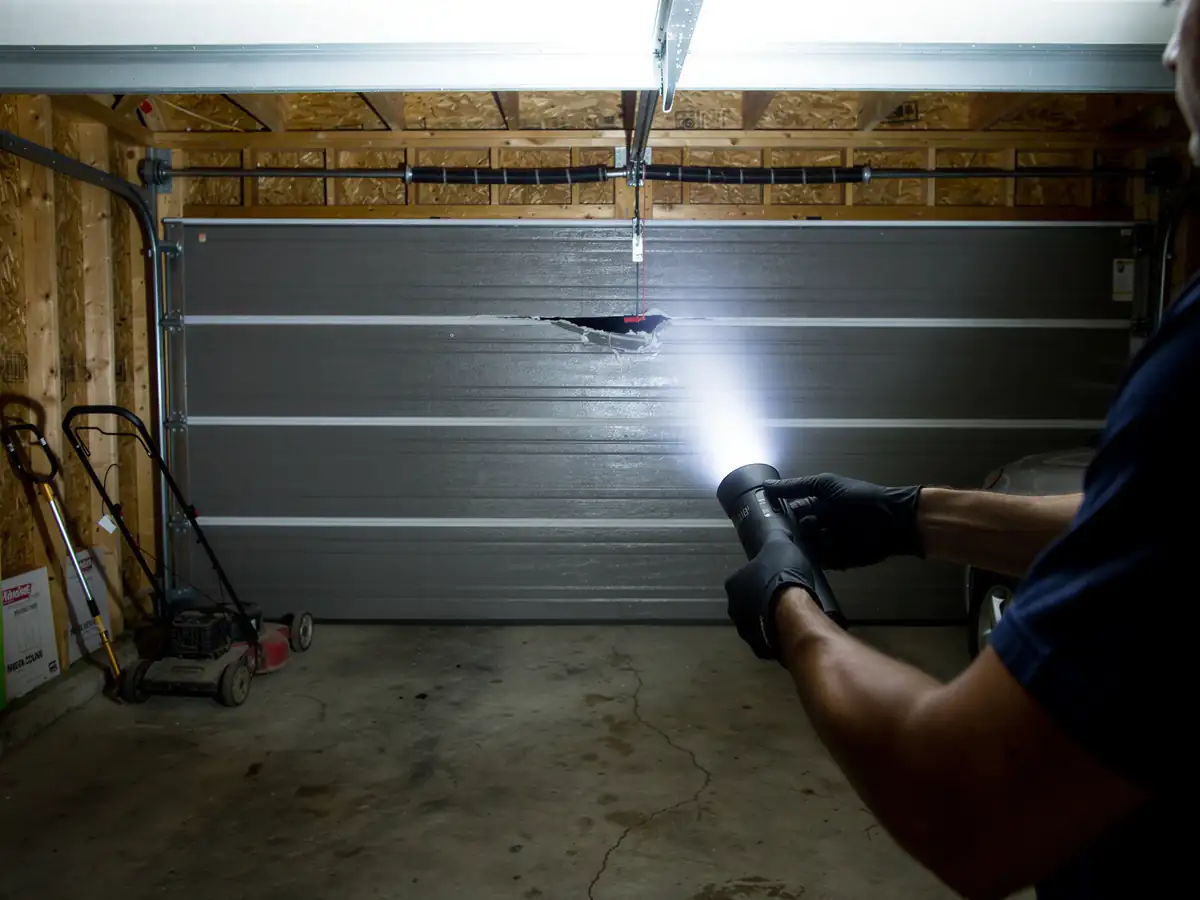
Tamarac's housing stock centers on 1981, which means a large share of garages here still carry the door, track, and spring setup they were built with - over forty years on hardware that was never engineered to run that long. Builder-grade doors from that era were thinner steel or wood composite, hung on tracks sized for lighter panels than what's sold today. If your opener is original too, it's likely a chain-drive unit with none of the force-sensing safety reverse that's now standard. None of that means the door is unsafe sitting still - it means the parts are tired, the panels have usually taken moisture and heat cycles for four decades, and when something finally gives, it's rarely a single bolt. It's the whole assembly reaching the end of its design life at once, which is a different conversation than a single broken spring.
What the Repair Takes
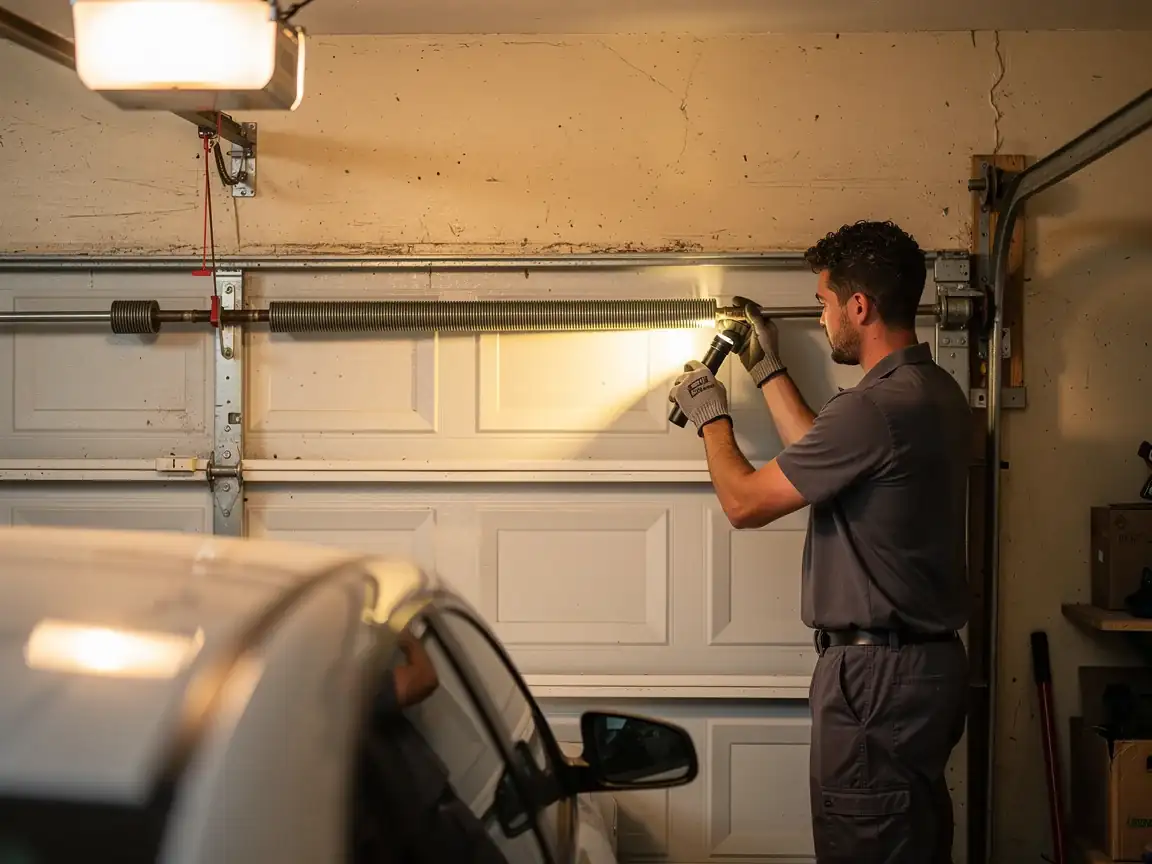
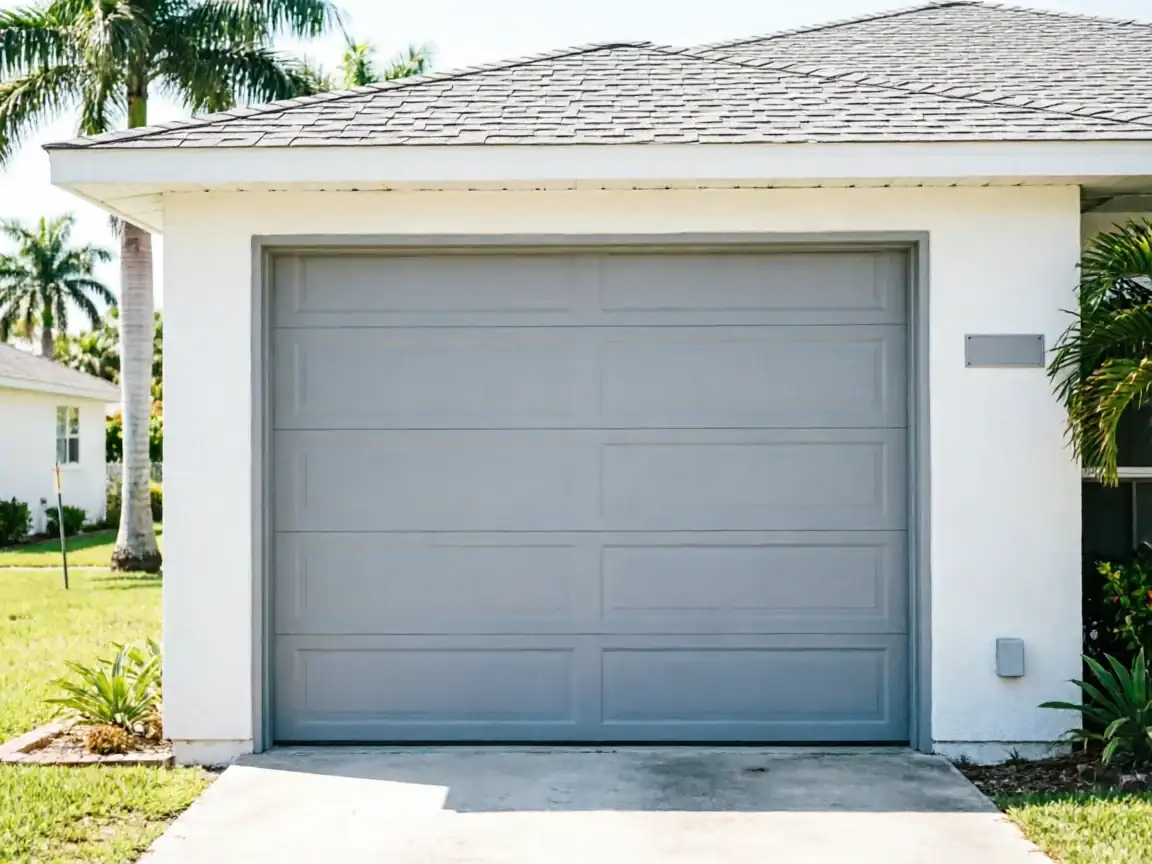
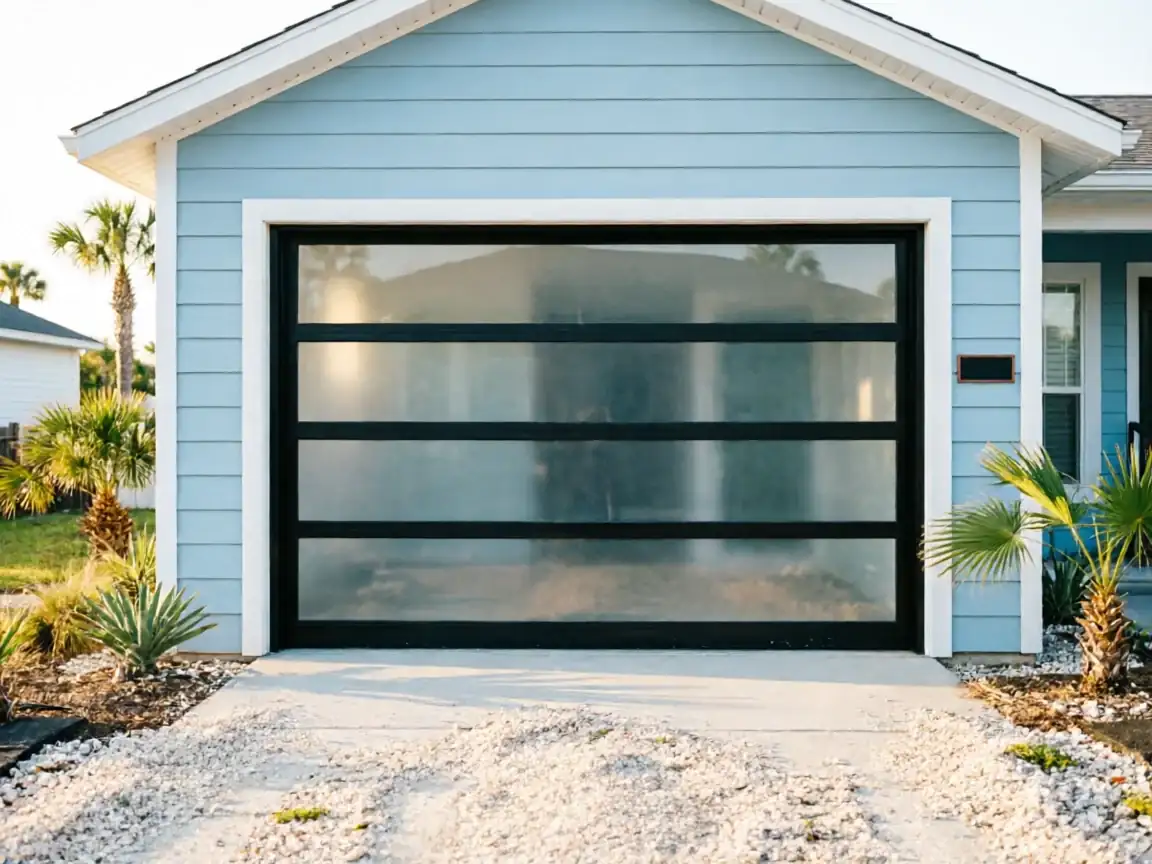
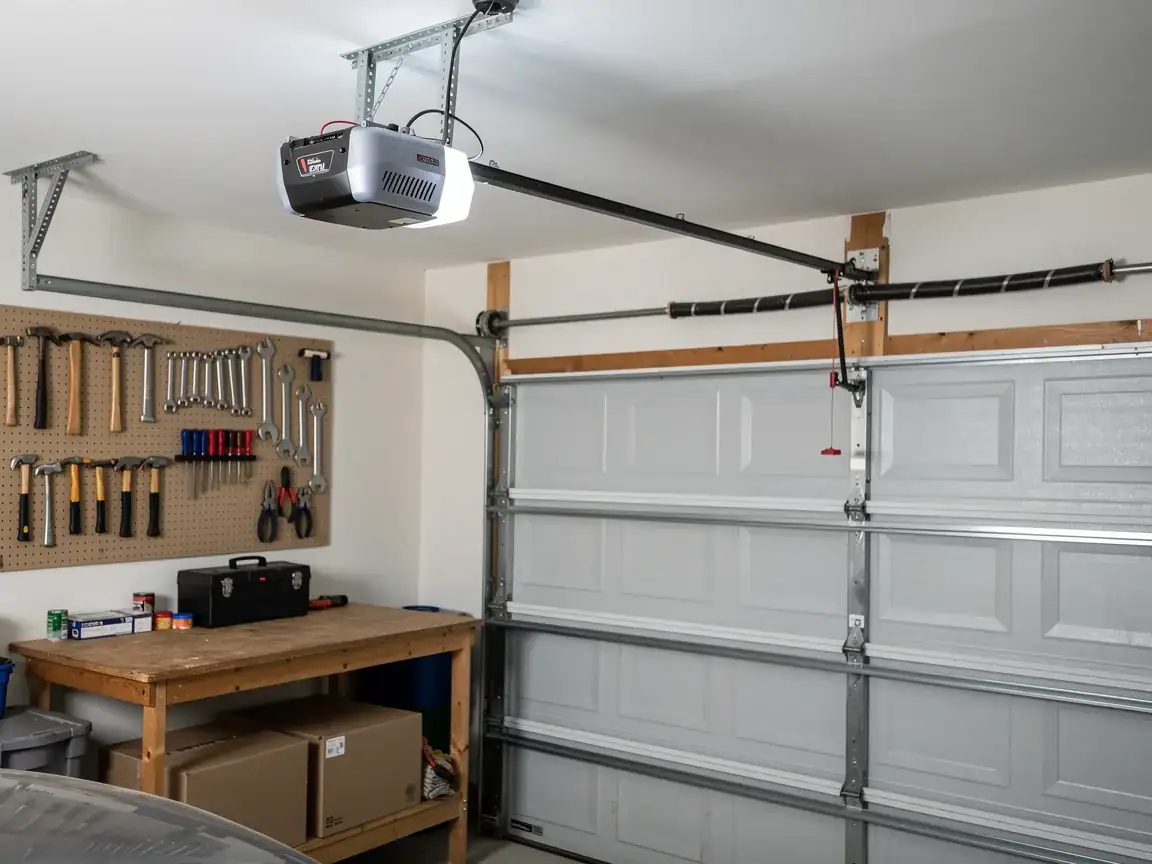
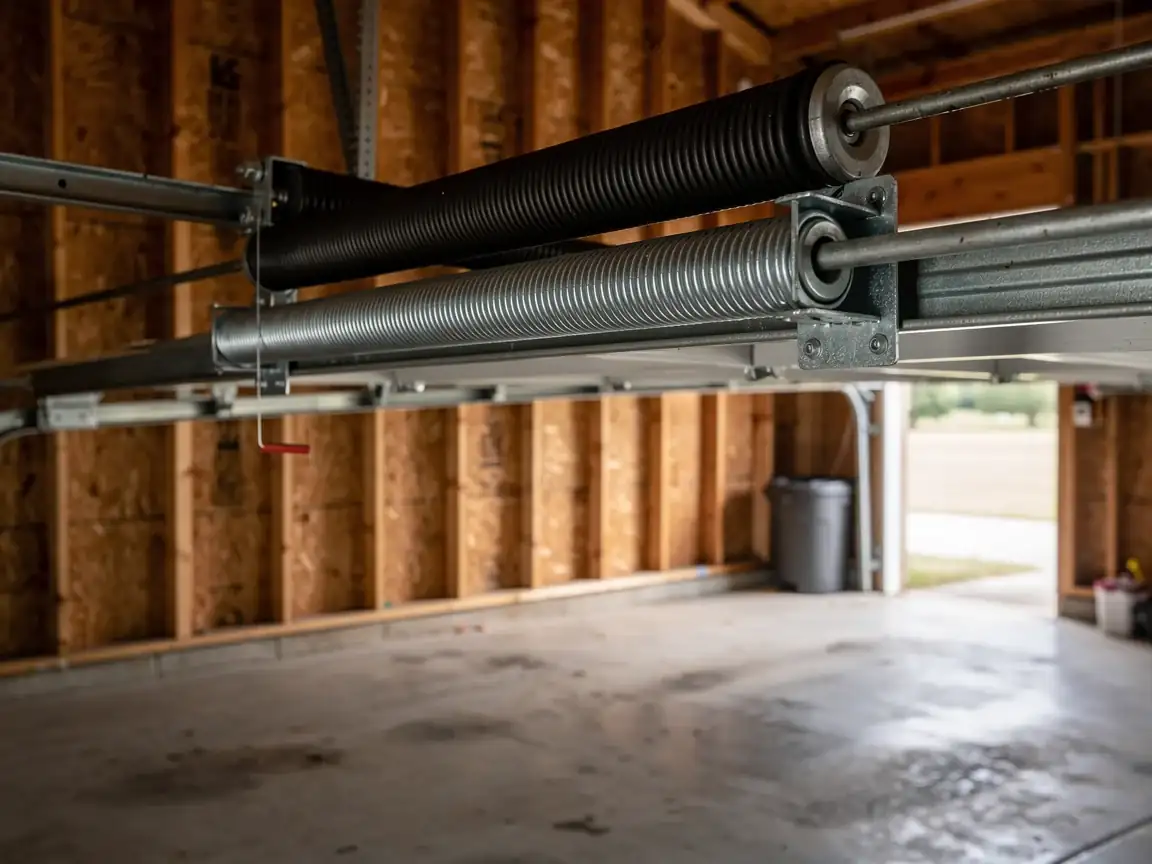
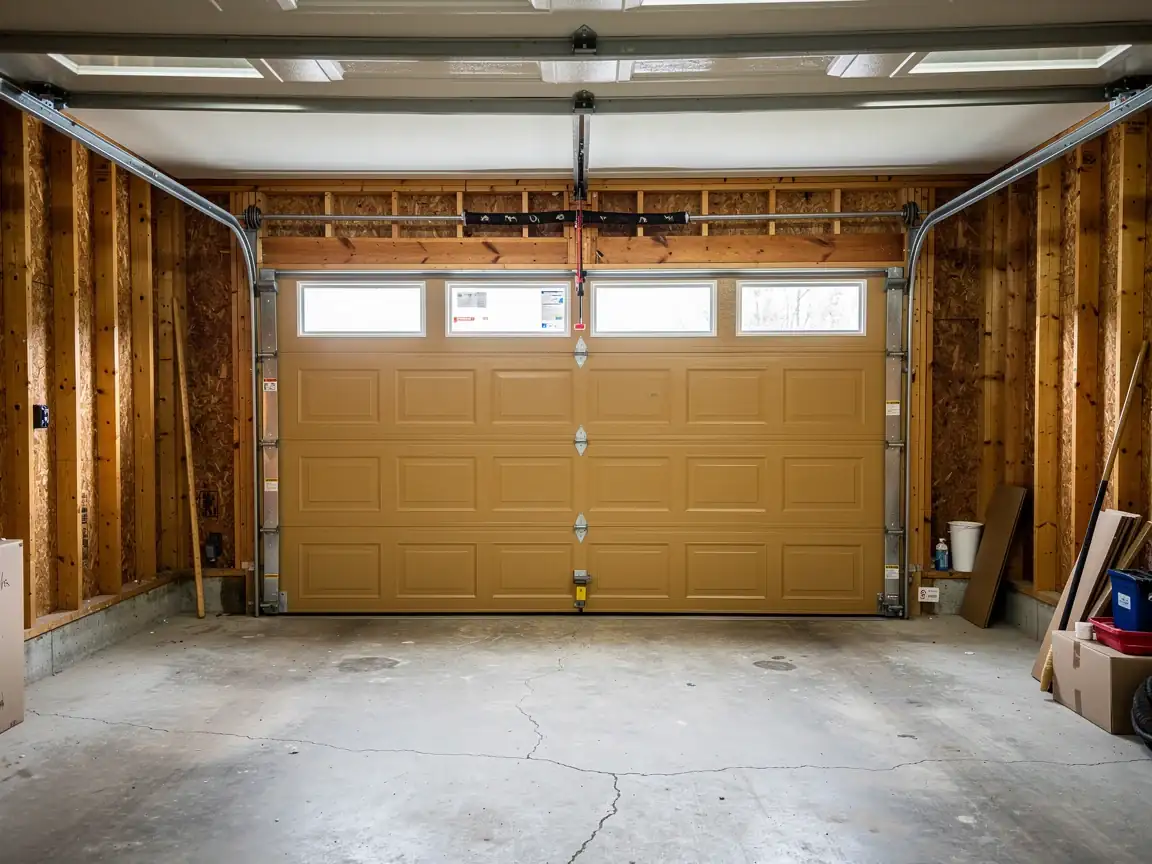
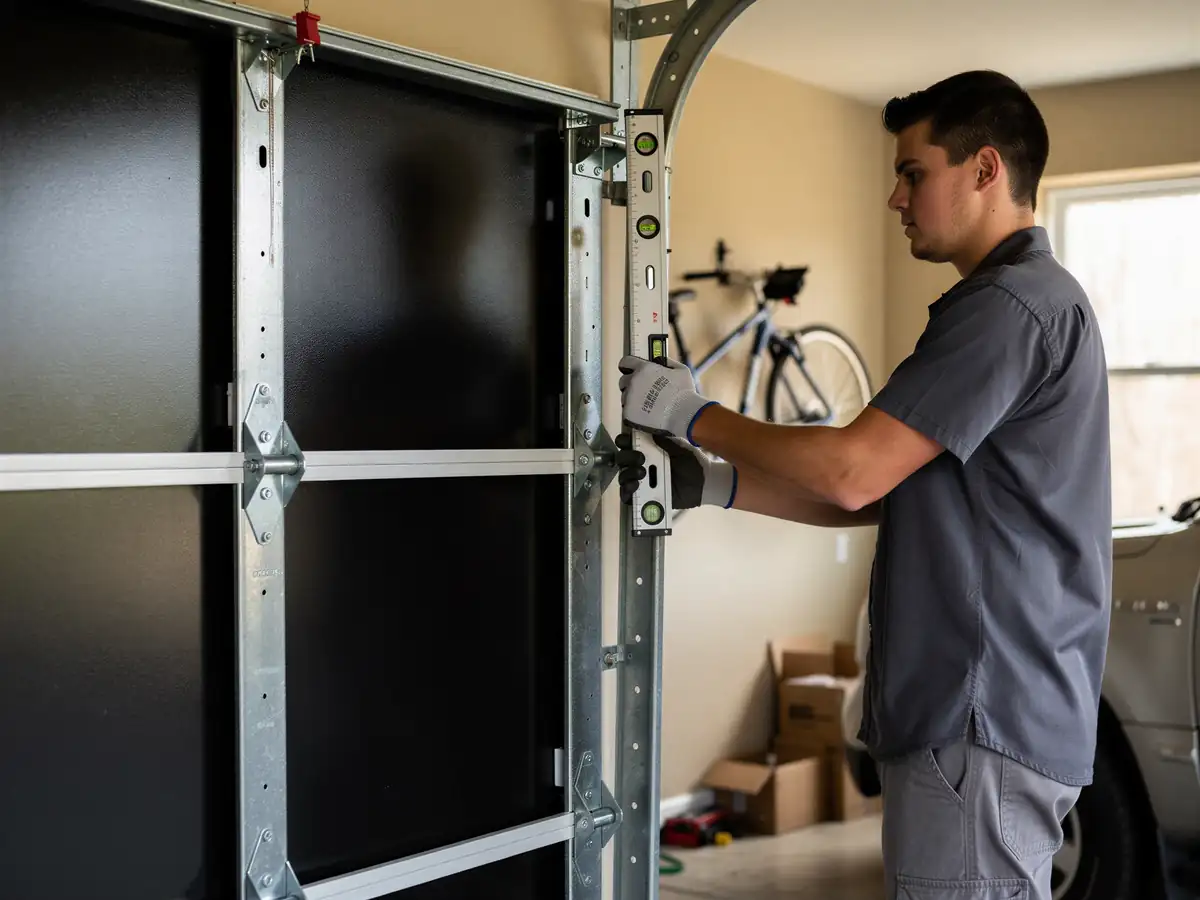
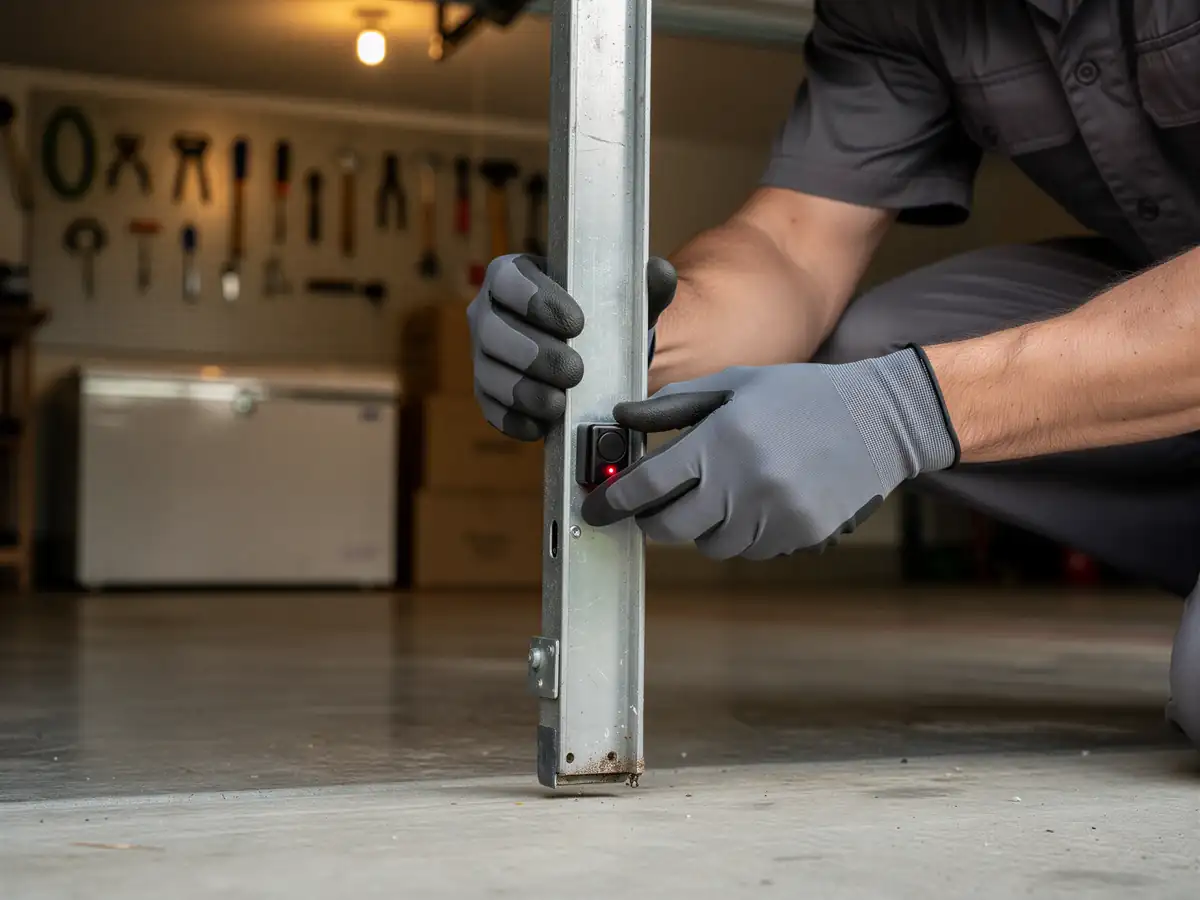
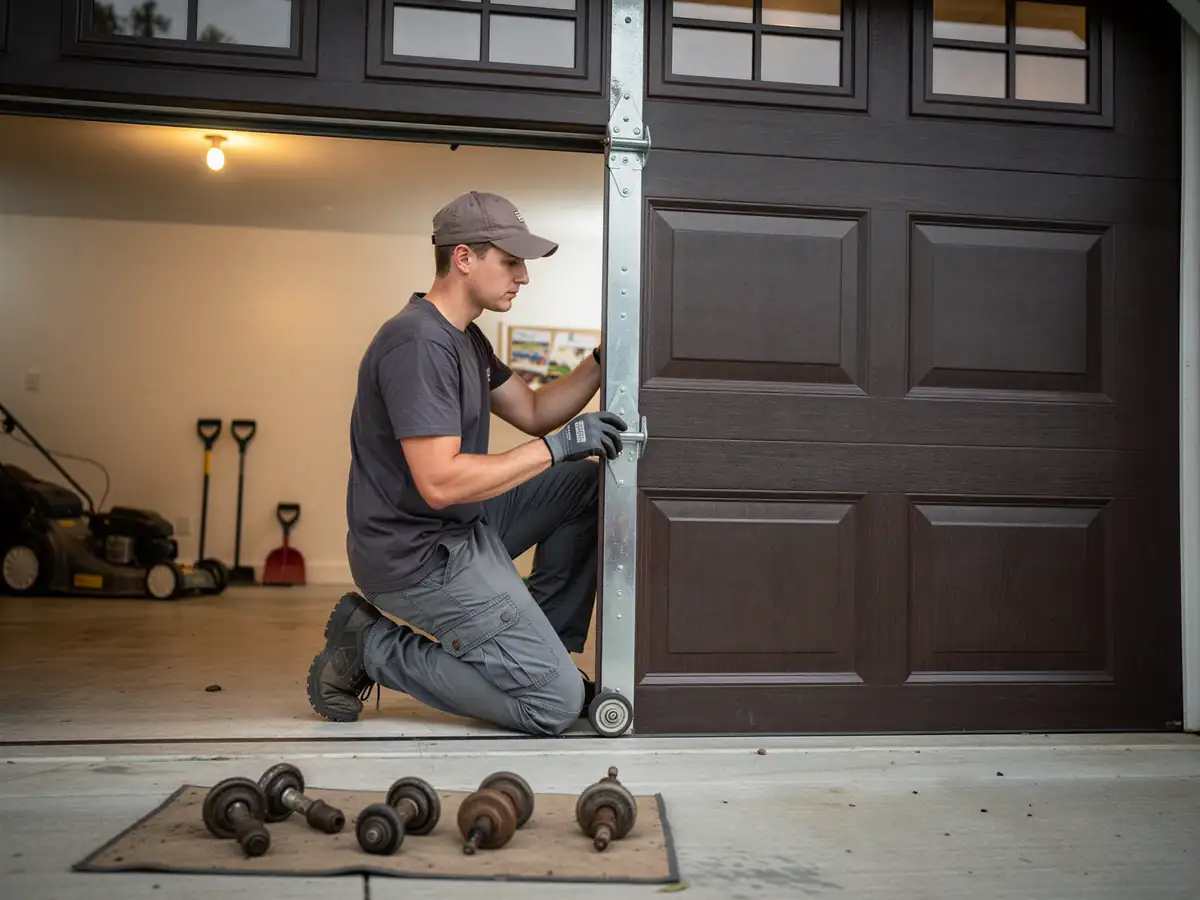
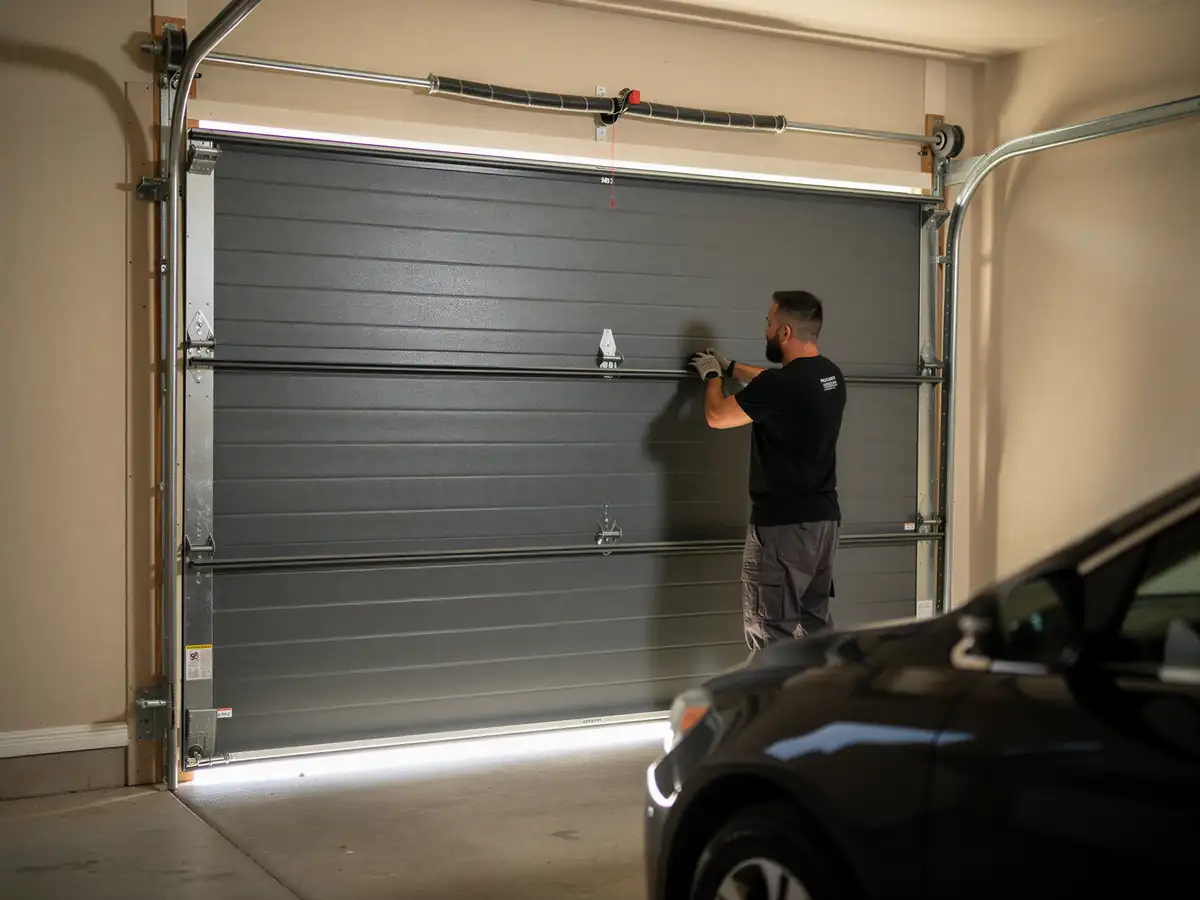
"Repair" isn't really the word once you're past a certain point - Tamarac's 1981-median stock means a lot of what we see is replacement, not patchwork. A full install runs: pull the old door and track, check the opening framing for square (older openings shift over time), set new vertical and horizontal track sized to the new panel weight, hang the door, and balance new torsion springs to that specific weight. Builder-grade double doors from this era often ran on a single spring sized for a lighter panel than what's standard now, so a modern insulated door usually needs the spring setup upgraded, not just matched. In the mild coastal climate here, we're not fighting frost heave or ice load on the track, which keeps the mechanical side of the job simpler than it would be up north - the wear you're fighting is heat and humidity on seals and hardware, not freeze-thaw on the structure.