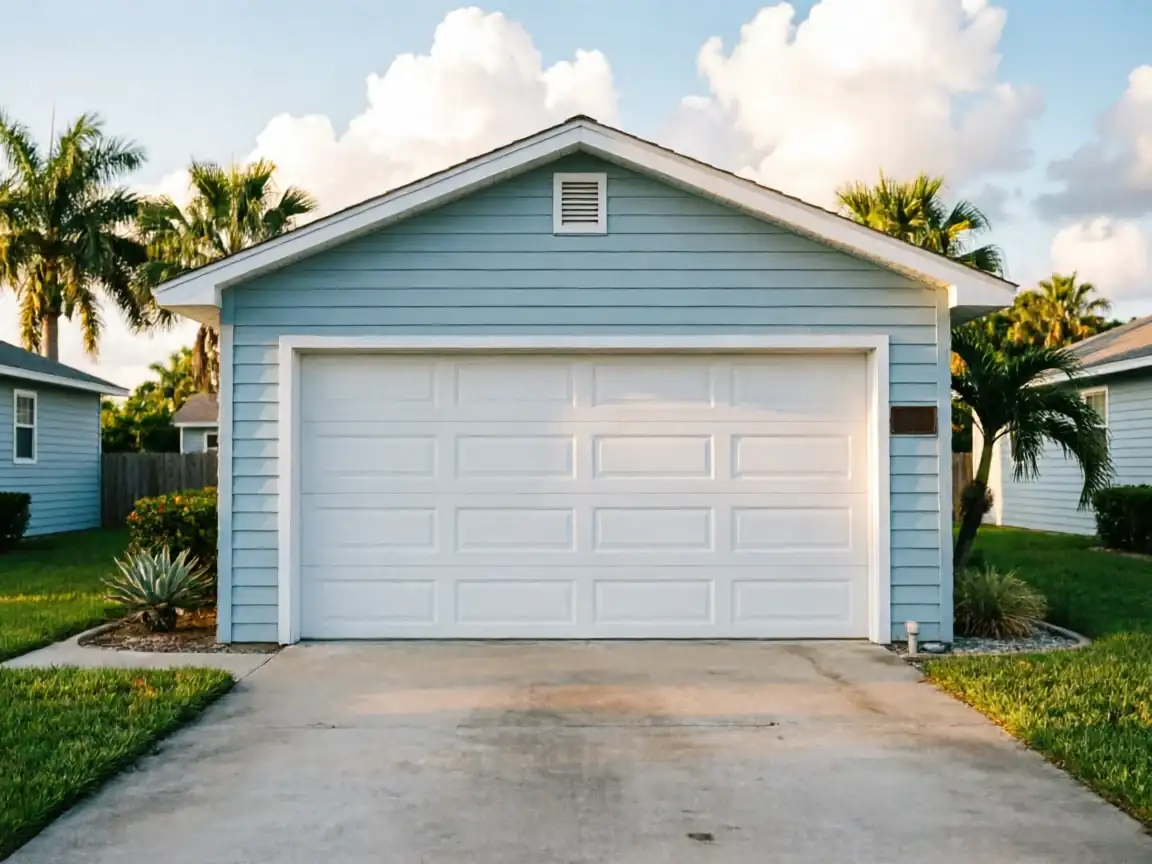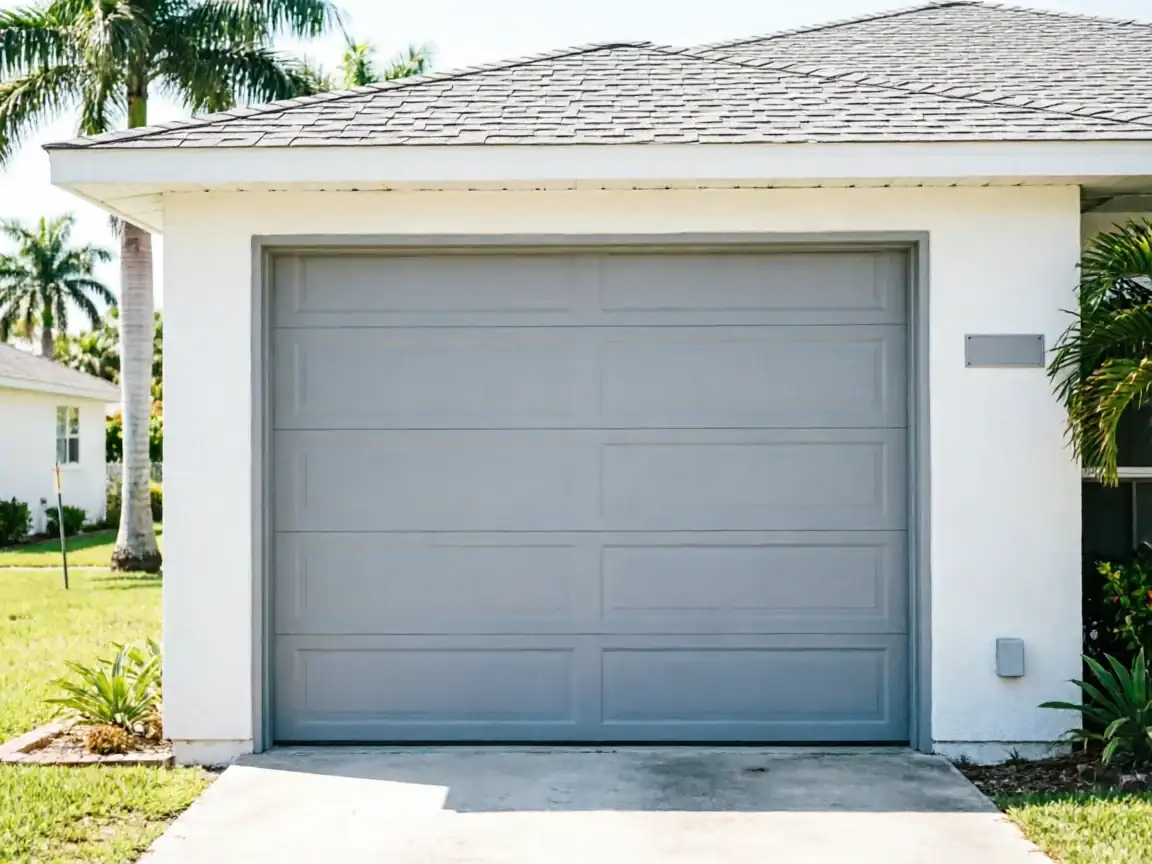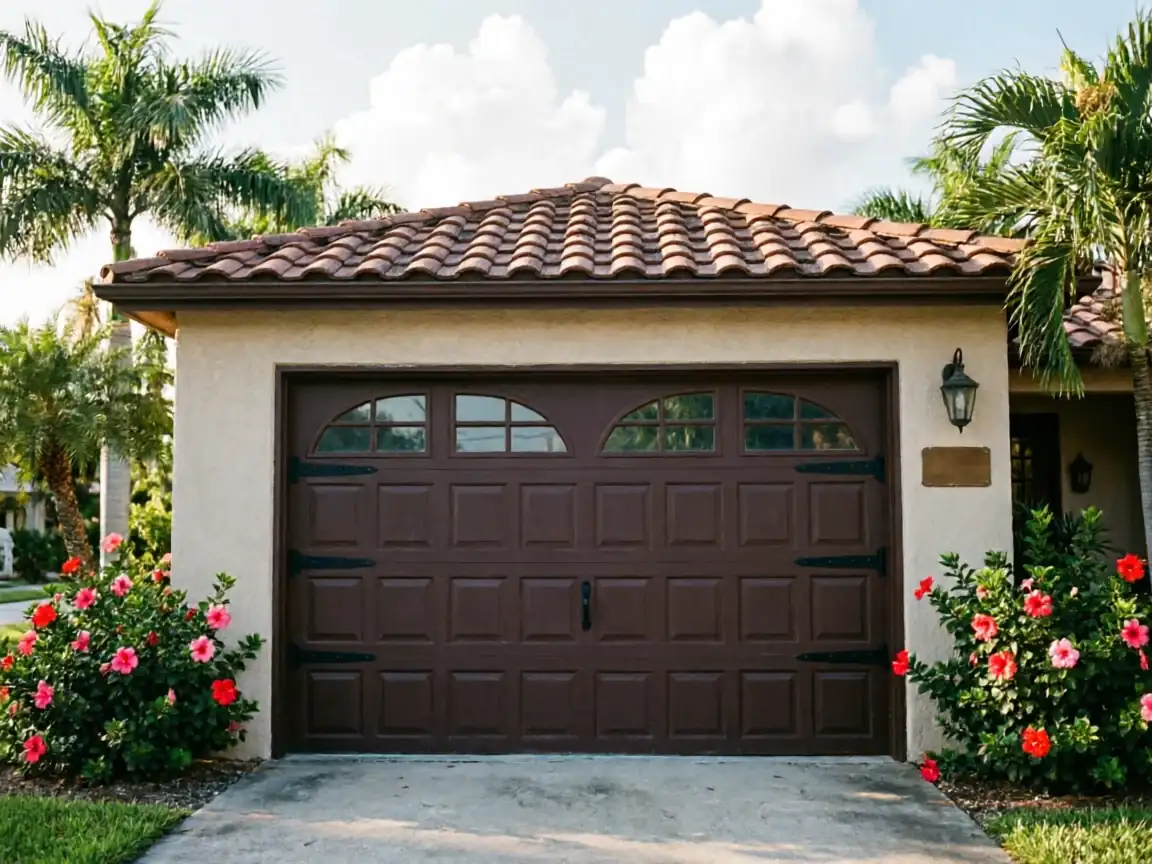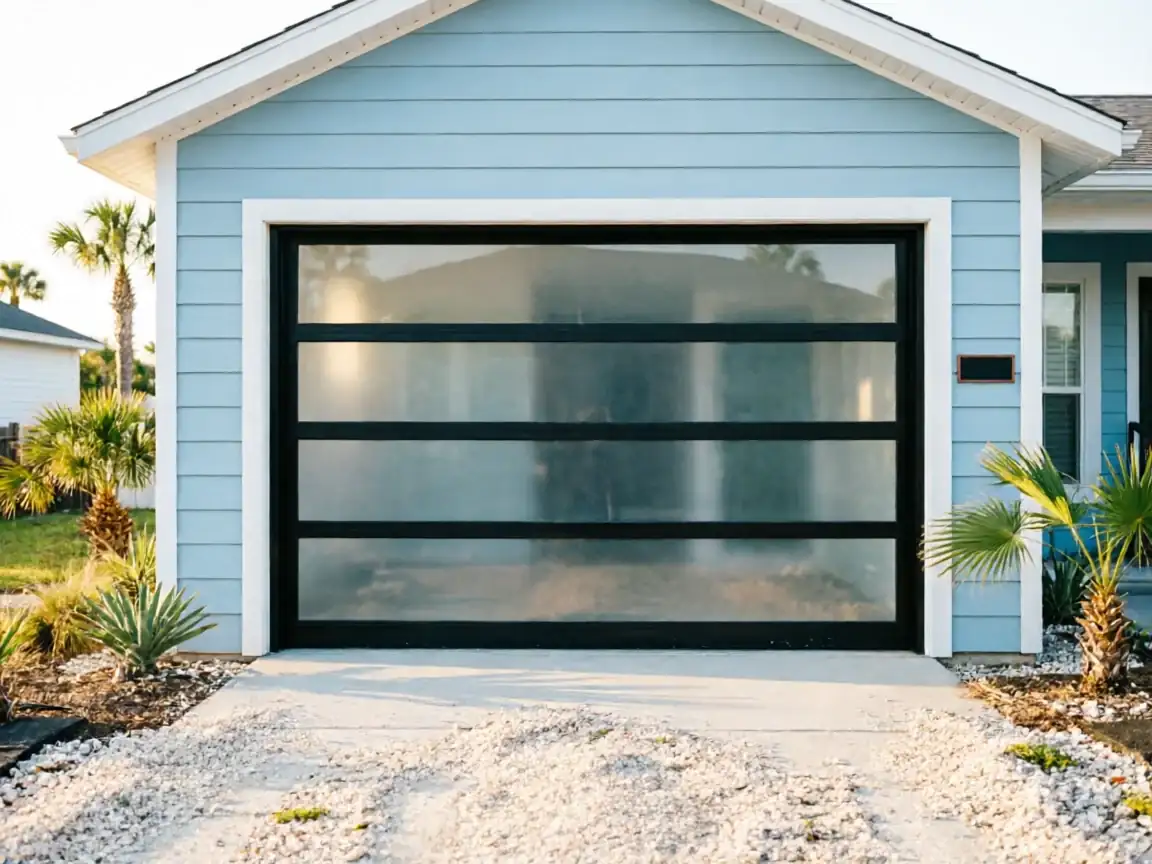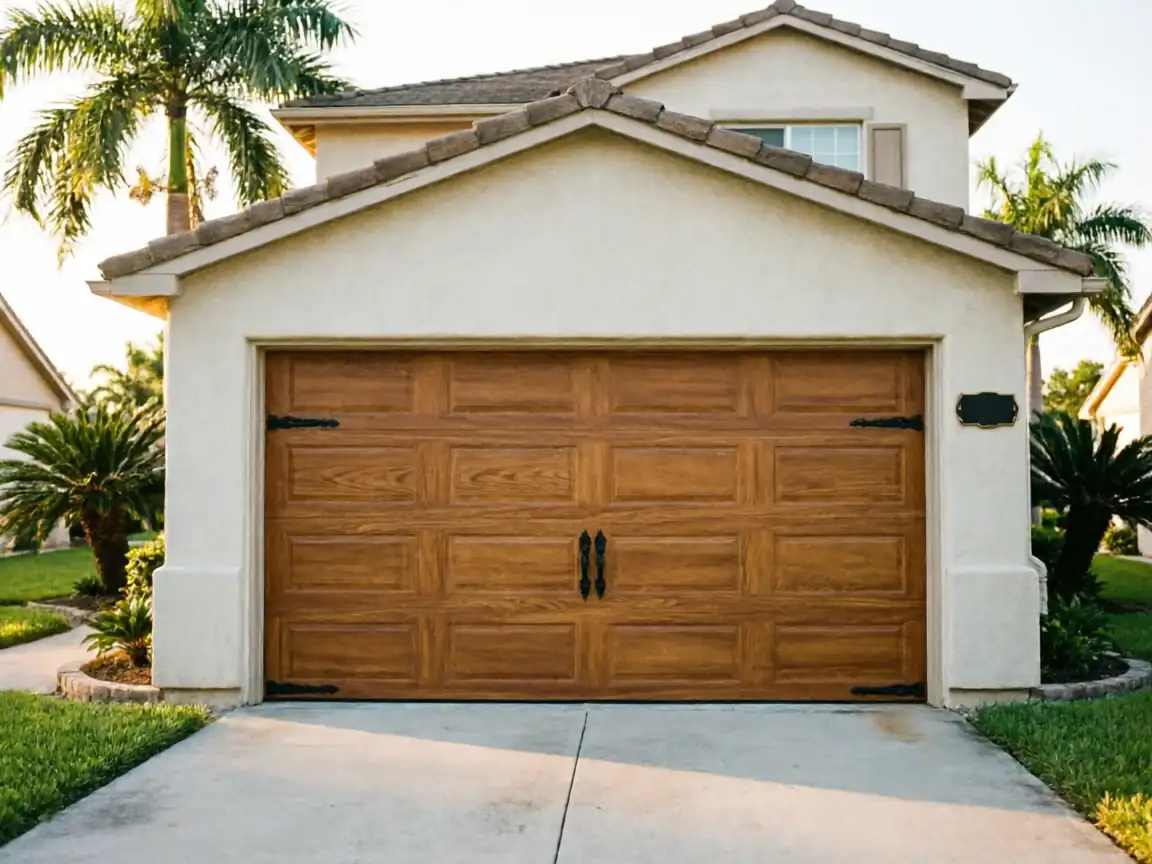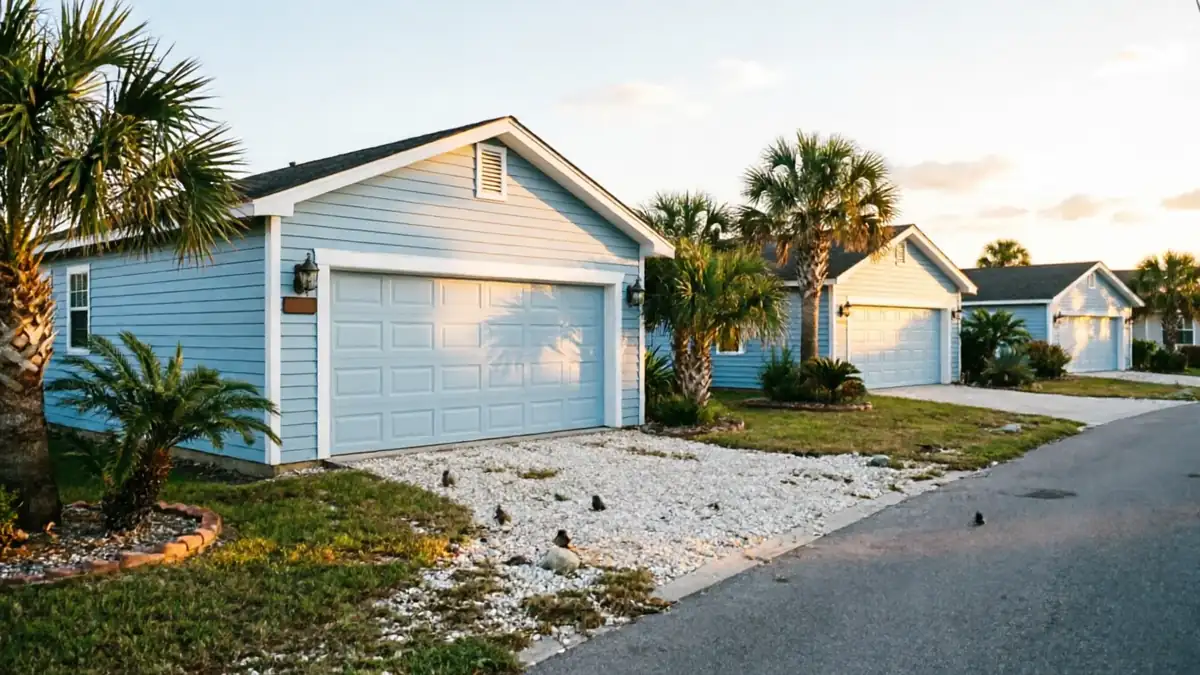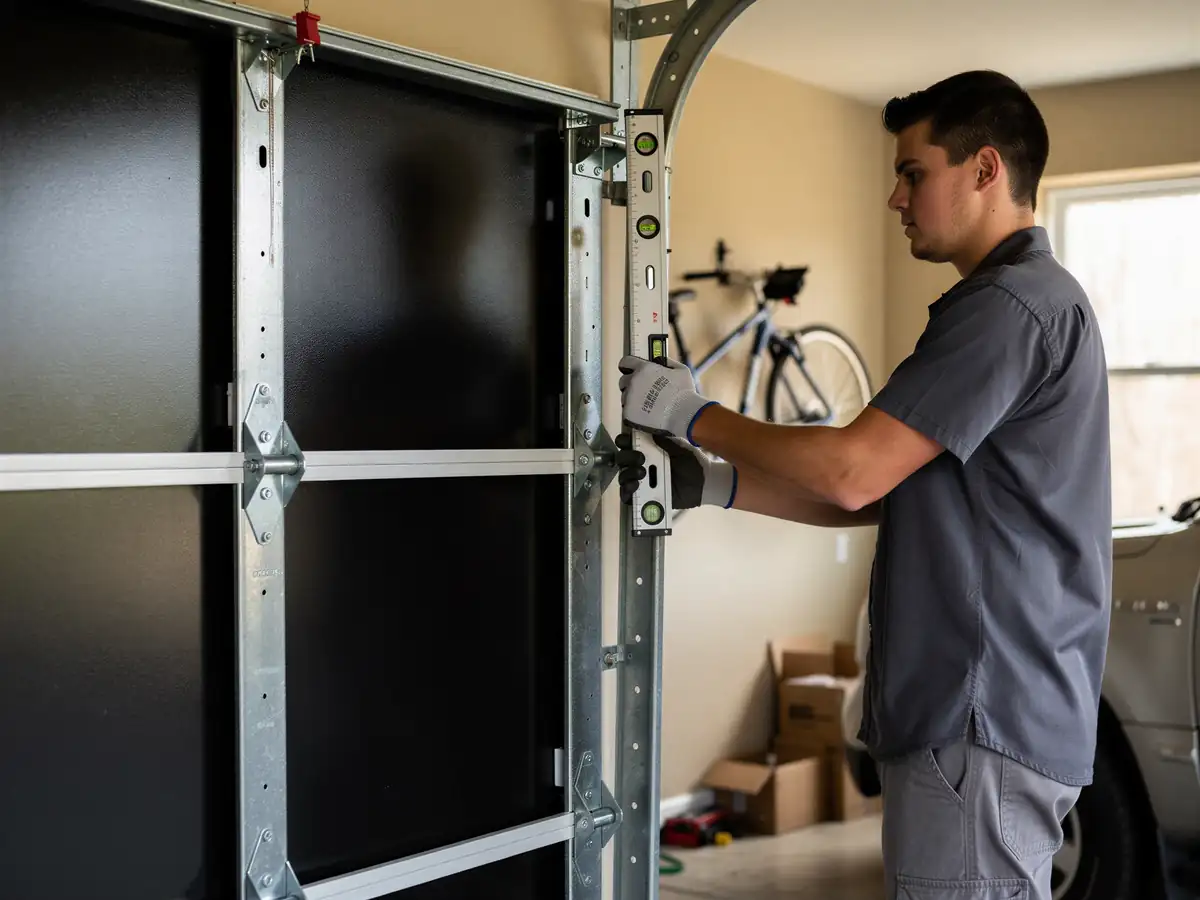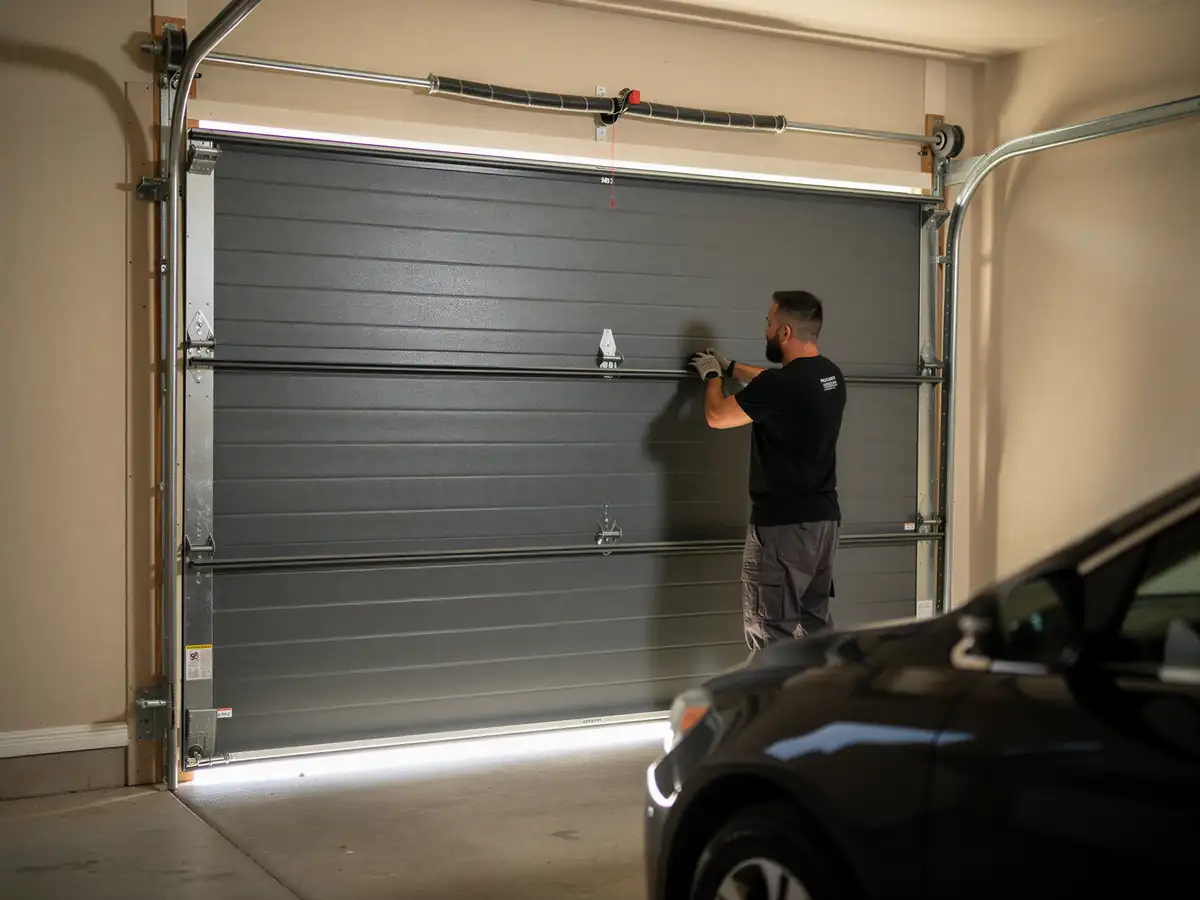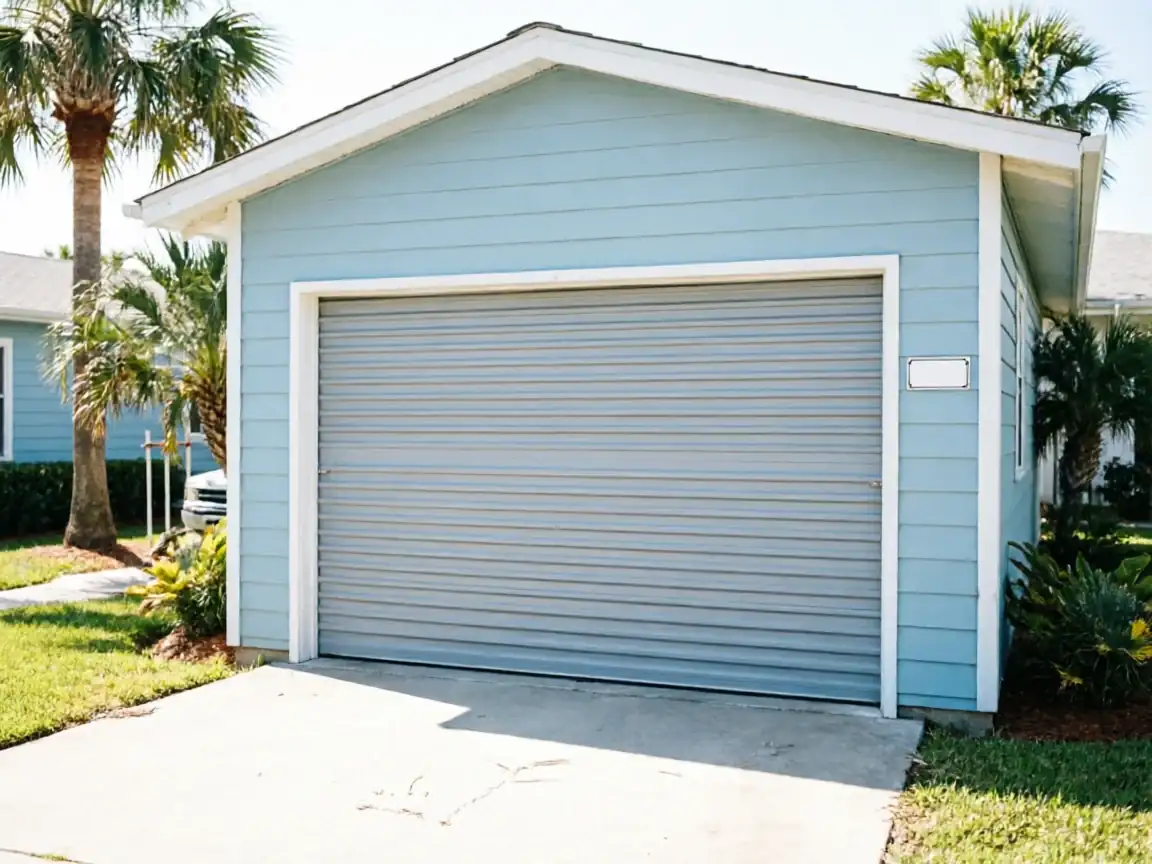
What You Are Seeing
Most of the calls we get from Parkland aren't the same calls we get from the older parts of our service area
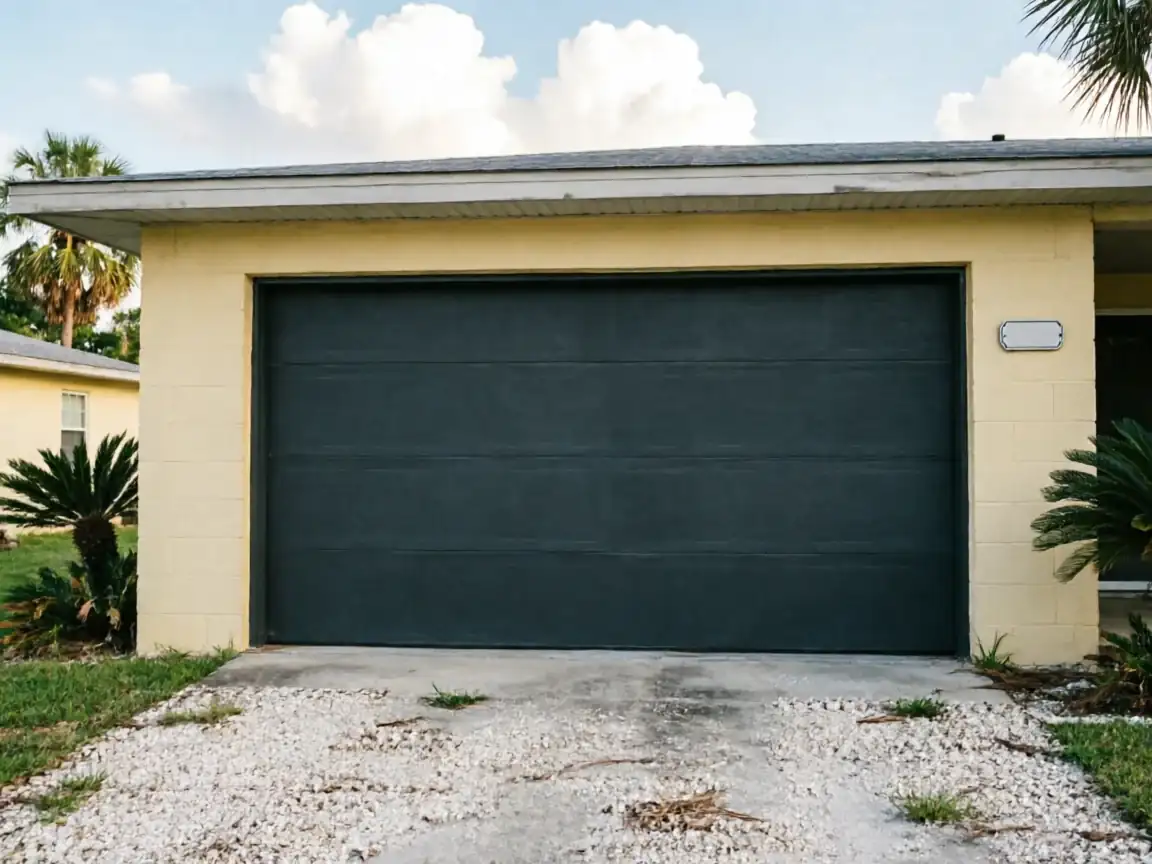
Across the wider territory we cover, the median home was built back in 1976, with stock running from the early 1960s through 2005. Parkland sits at the far end of that range - the typical house here went up right around 2005, which makes it one of the newest pockets we serve.
That matters because newer doors fail differently
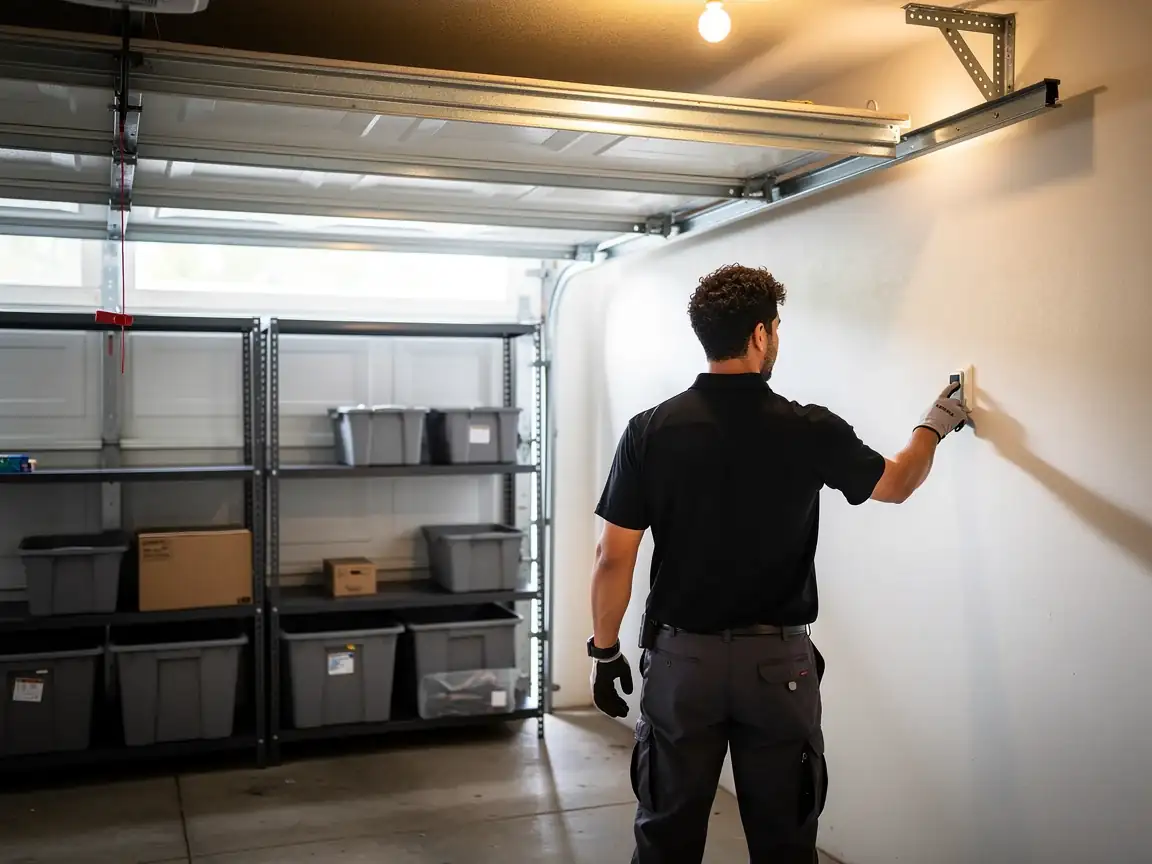
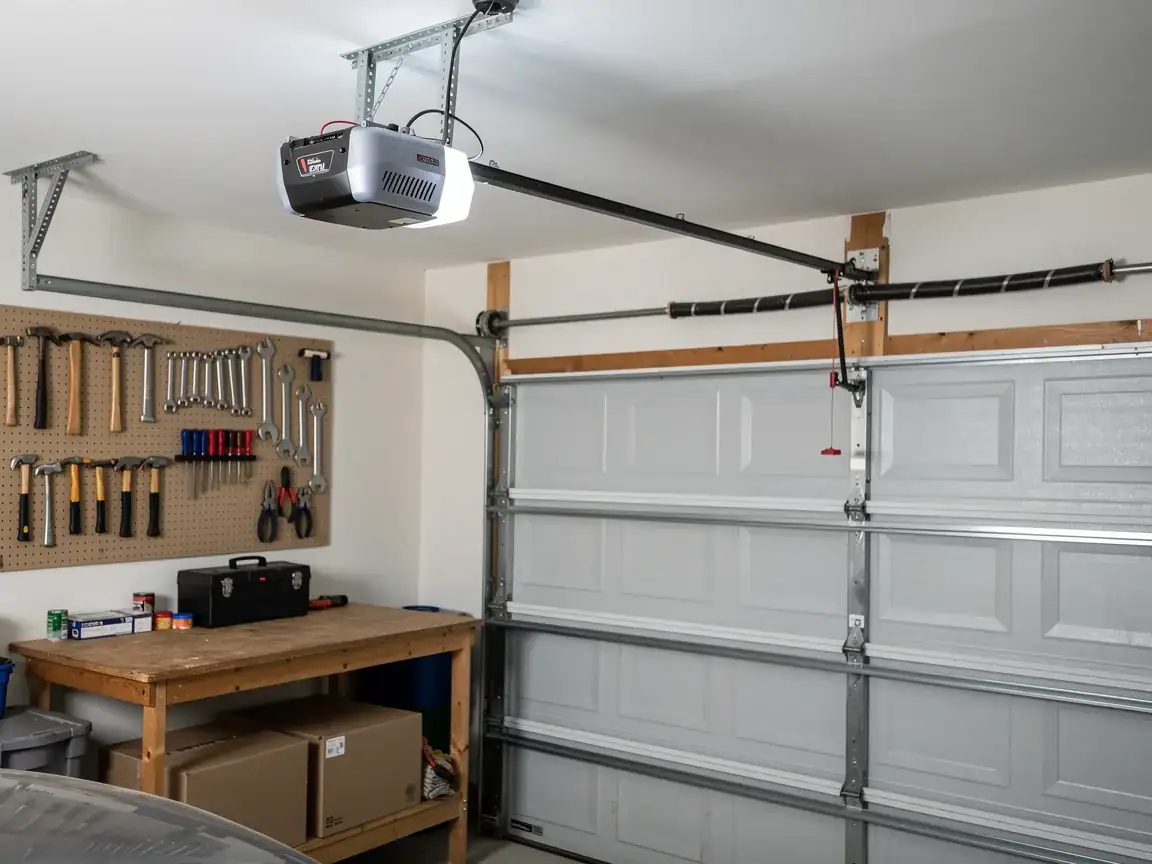
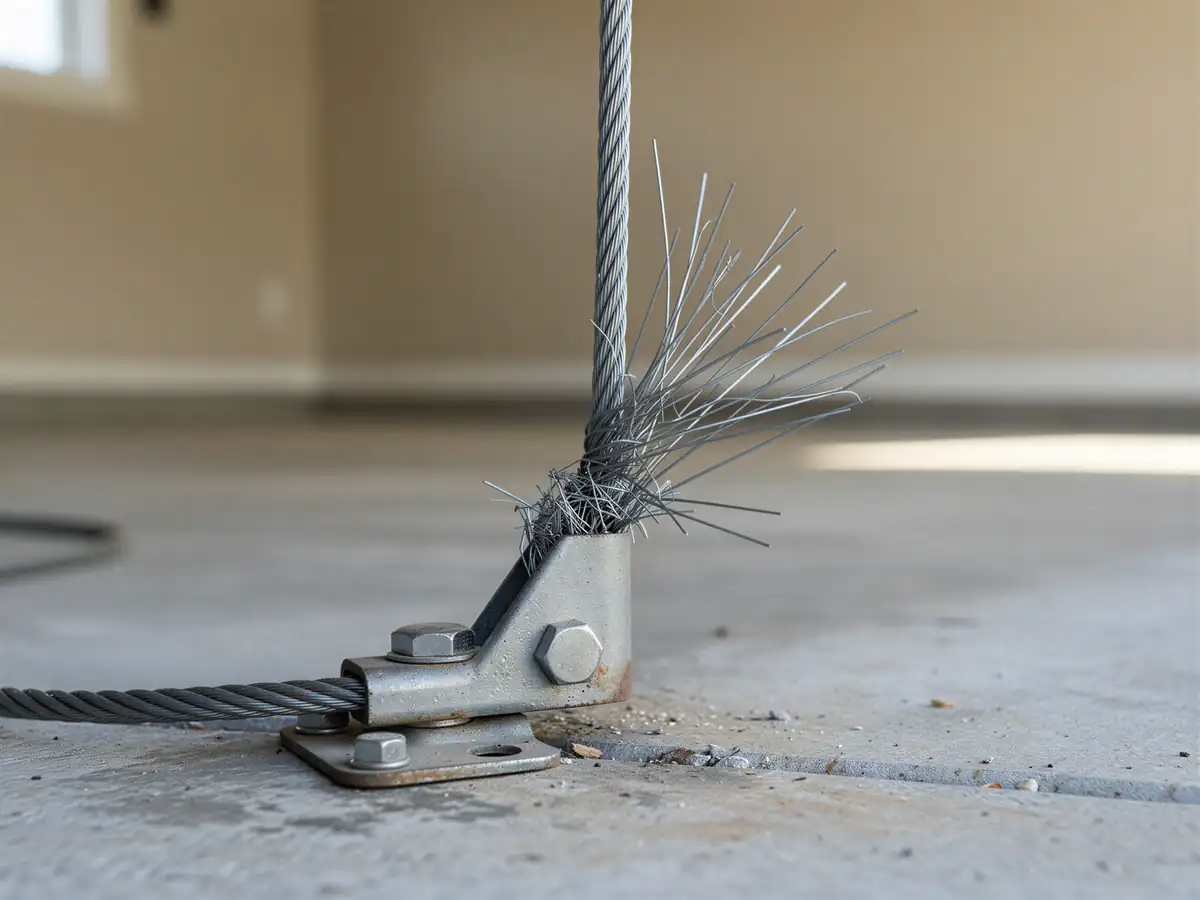
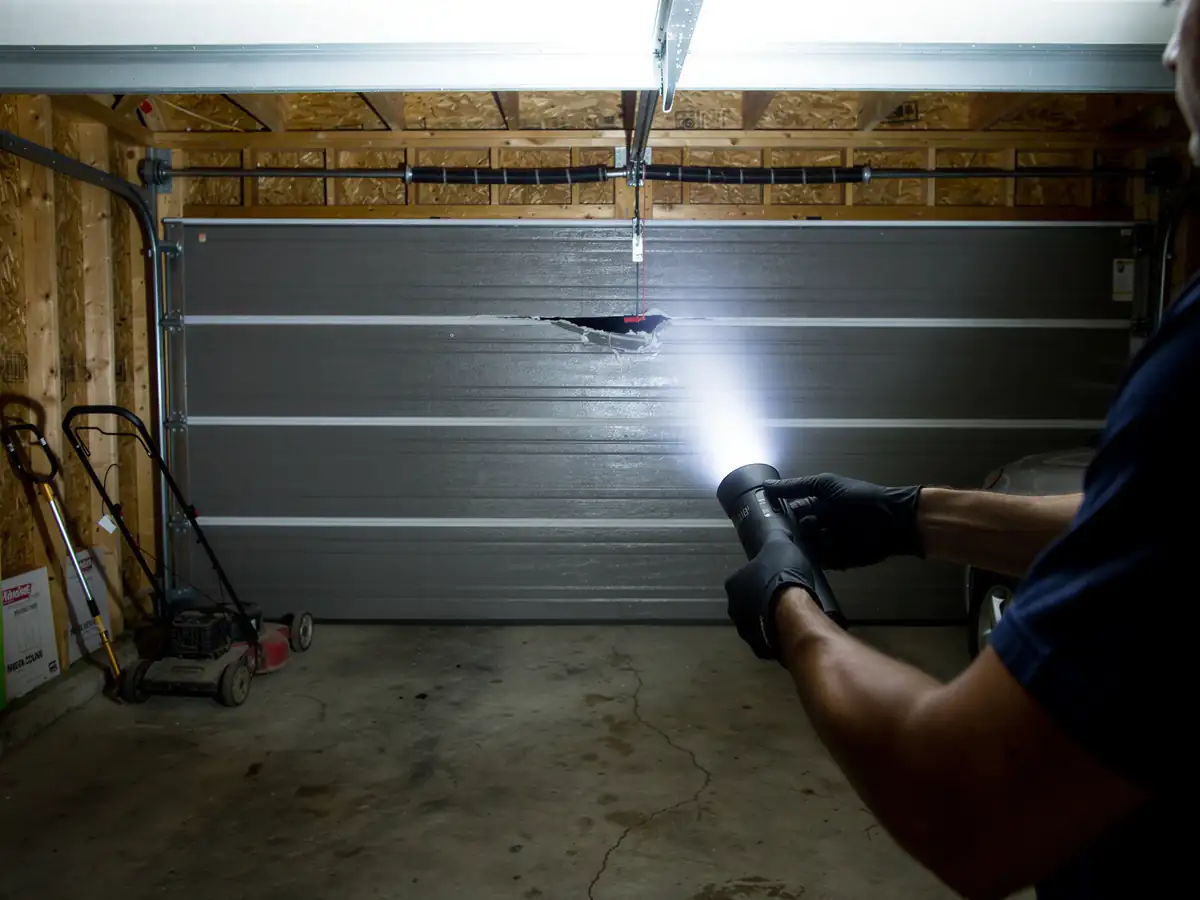
You're less likely to see a brittle, decades-old torsion spring snap on a worn cable drum, and more likely to see a modern opener's circuit board go bad, a safety sensor knocked out of alignment, or a door that won't respond to the remote because the logic board inside the opener head has failed. Springs on 2000s-era installs still wear out, but you're usually looking at a spring that's twenty years old, not forty.
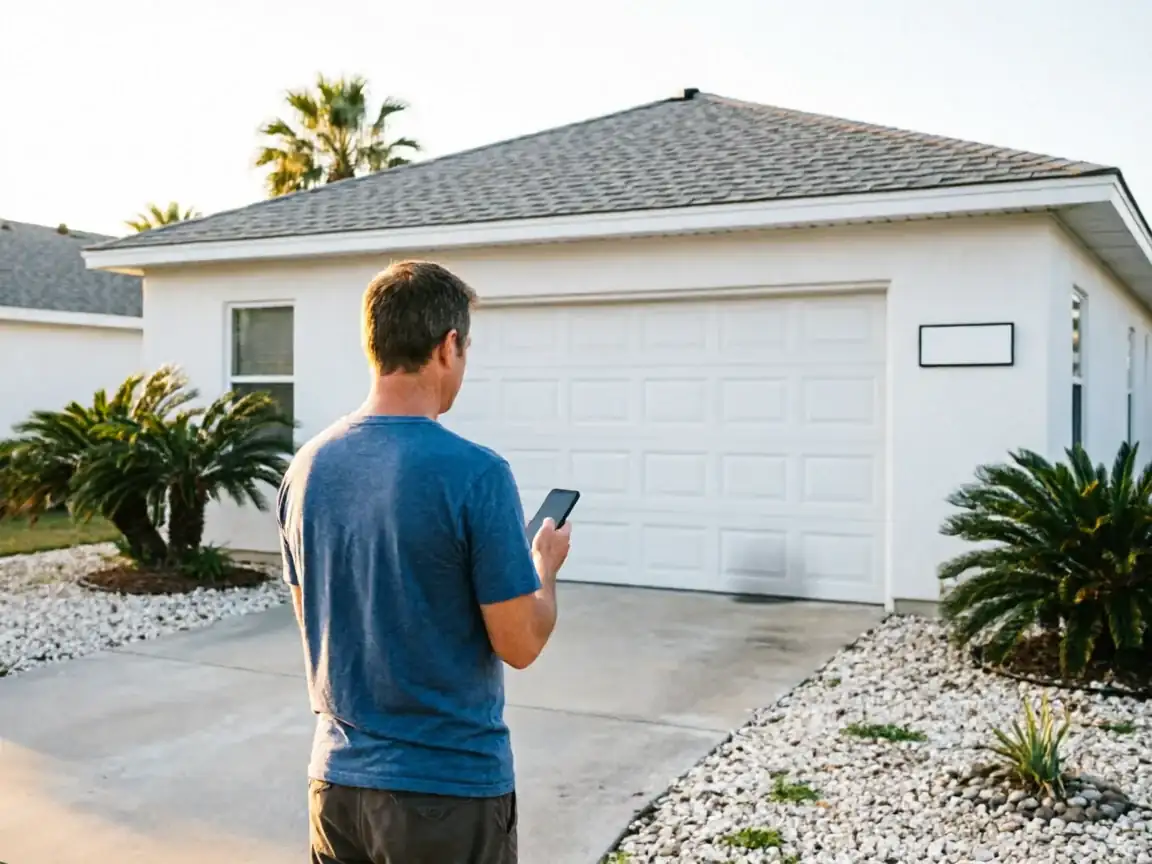
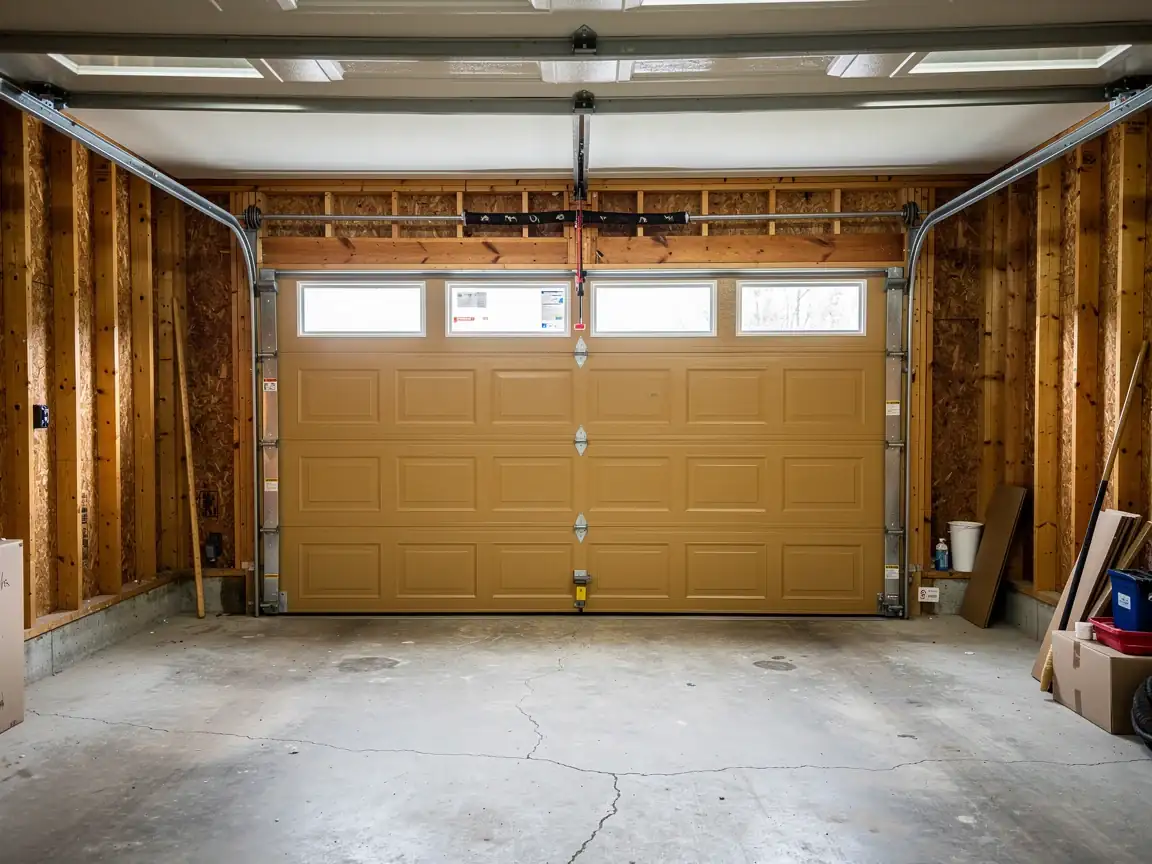
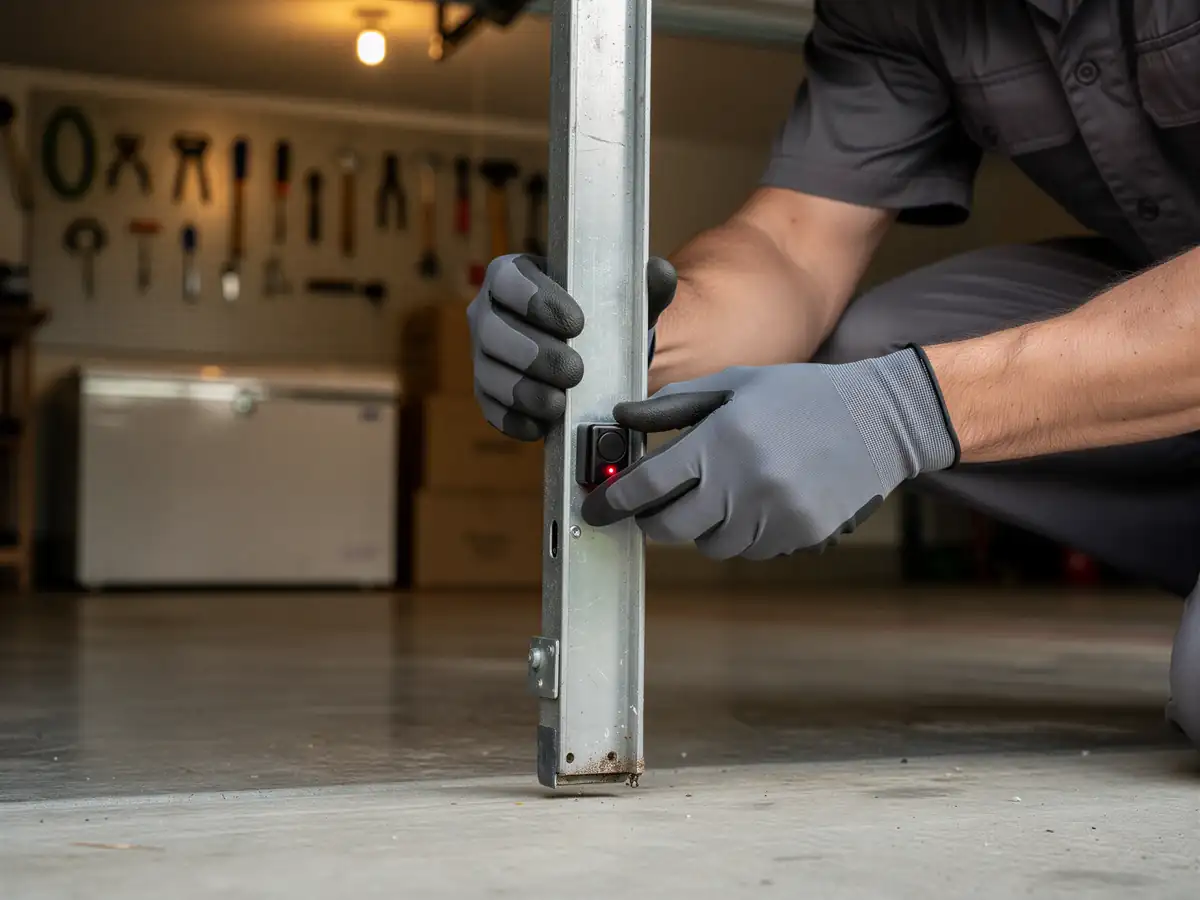
If your door won't open, won't close, or reverses halfway up, start by checking the two small sensor eyes near the floor on each track
A bumped sensor is the single most common reason a newer door in this area stops working, and it costs nothing to rule out before you call anyone.
What the Repair Takes
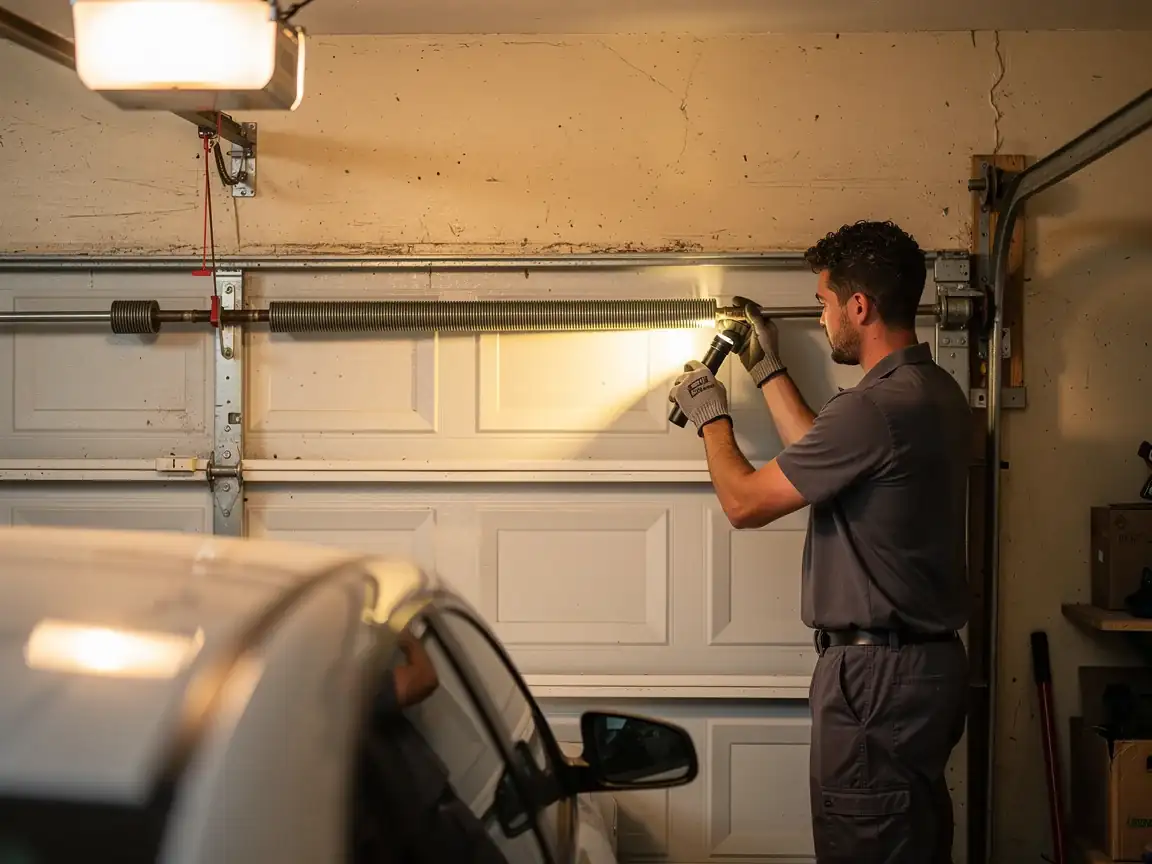
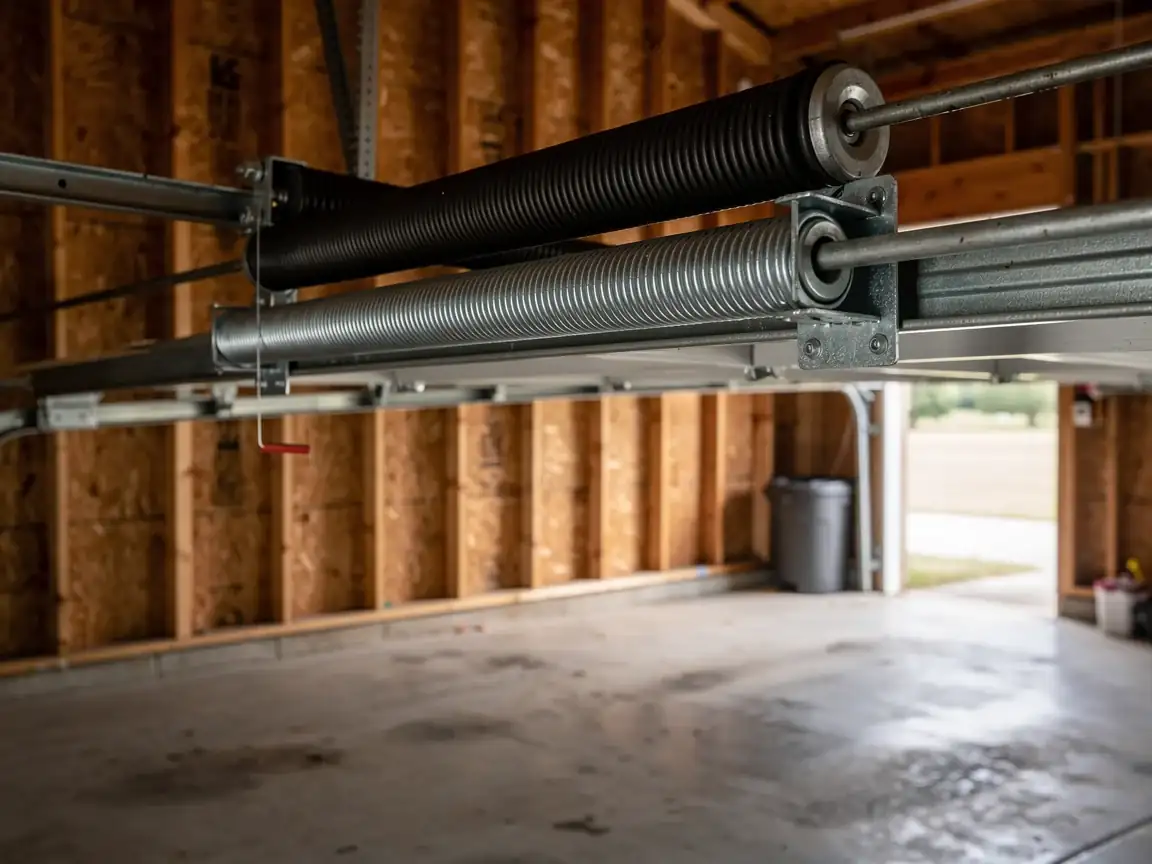
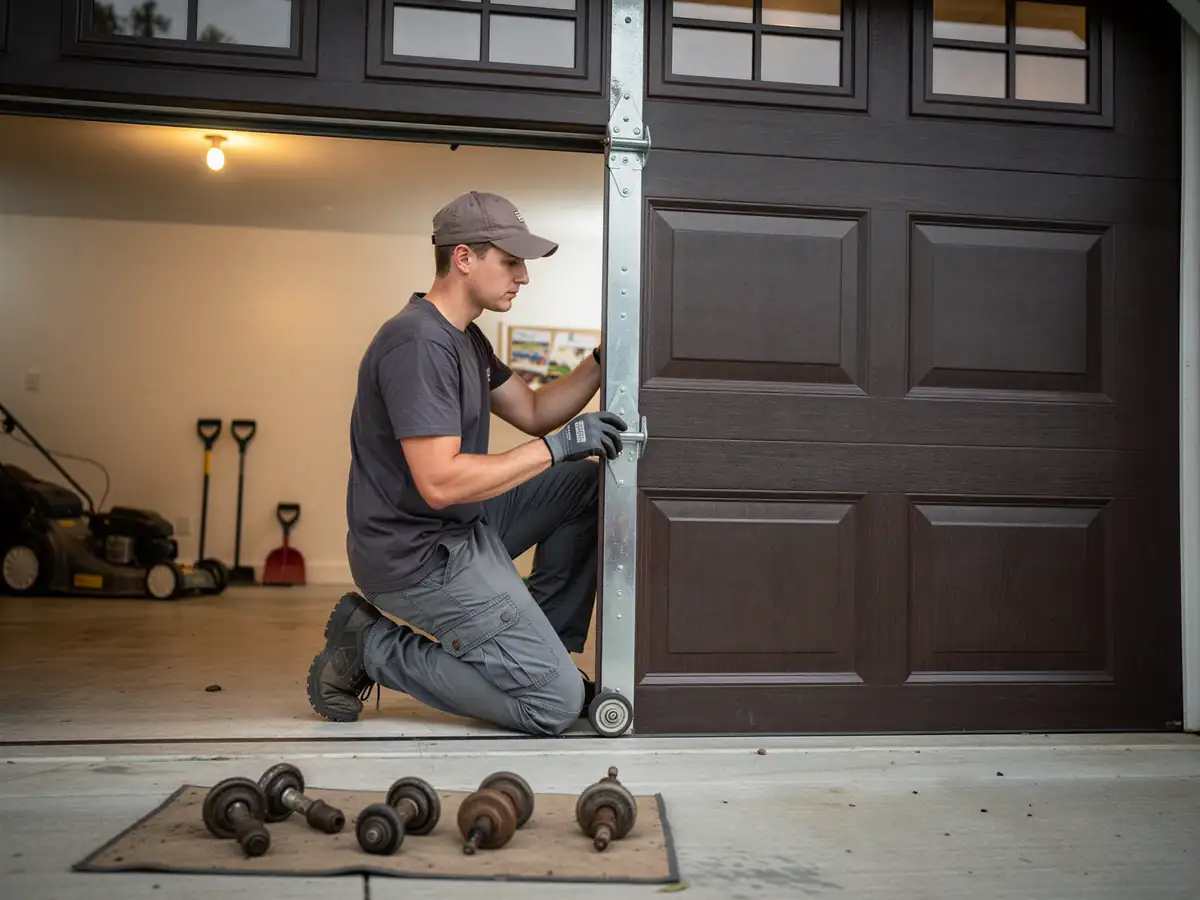
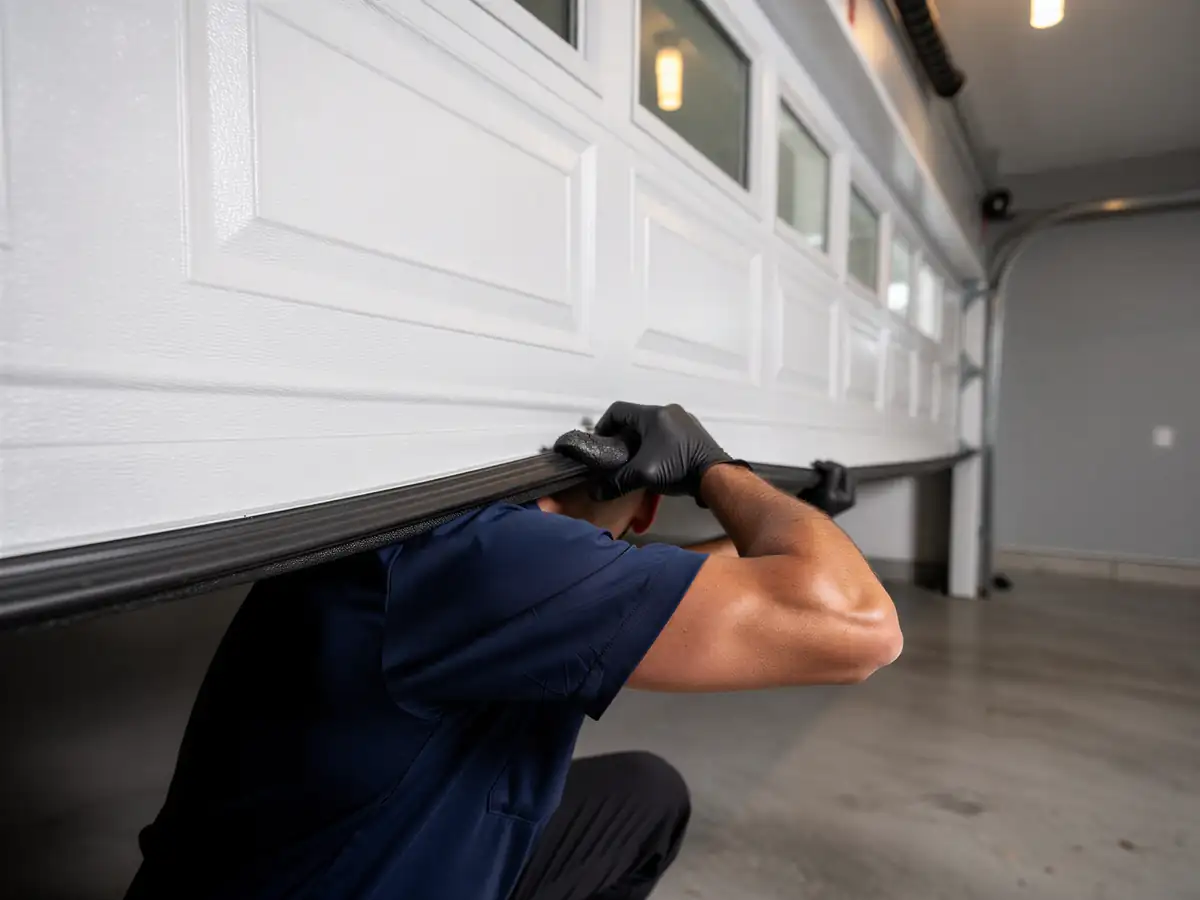
A broken spring job on a door from this era usually means swapping one or both torsion springs sized to the door's weight and cycle count, since 2000s-era doors are often heavier insulated panels than the single-layer doors common in older stock. If the opener itself is the problem - dead circuit board, stripped gear, failed logic board - that's a different repair than a spring job, and sometimes the opener is simpler to replace outright than to chase a board failure part by part.
We come out from Sunrise, about 10 miles away, so the job starts with a look at what's actually failed rather than a guess over the phone. Most single-spring or sensor-alignment repairs are a same-visit fix. Opener board failures sometimes mean a part has to be sourced, since boards aren't something every truck carries for every opener brand.
Can You Do This Yourself
Realign a sensor, yes - that's a five-minute fix with no tools beyond your hands and a level eye. Tighten a loose bracket, sure. But torsion springs on an insulated double-car door carry real tension, and the bar they sit on can take a hand off if the winding cone slips. That's not a DIY repair regardless of the house's age or the town it sits in.
One honest limitation: if your opener is more than a few years old and the board has failed, we may tell you a new opener costs less than chasing down a discontinued board for an obsolete model. That's not an upsell - it's often just the math.
Stocked Parts
We carry common torsion springs, standard cable, rollers, and hinges sized for the door weights typical of homes built from the 1960s through the mid-2000s
Which covers the bulk of what we see across the service area, Parkland included. Openers and opener boards are more model-specific, so a board swap sometimes means a short wait on a part rather than a same-visit fix.
Income levels in this area run well above the service-area median
And we've found that translates to more homeowners asking for full opener replacement over a patched repair when the opener's already a few years old - worth asking about if your opener keeps failing in different ways each time.
Why It Happens Here
Southeast Florida runs a mild temperate climate year-round, so the extreme heat-cycle stress that cracks doors and warps panels in harsher climates isn't the main driver of failures here. What does wear springs and openers down over time is simple use - cycle count - and Parkland's newer housing stock means the openers installed when these houses were built are now reaching the age where electronics, not hardware, start to fail first.
Parkland sits about 2 miles from Tamarac and roughly 4 miles from Lauderhill and Lauderdale Lakes, areas with noticeably older housing stock, which is part of why the fault patterns differ block to block depending on which decade a neighborhood went up.