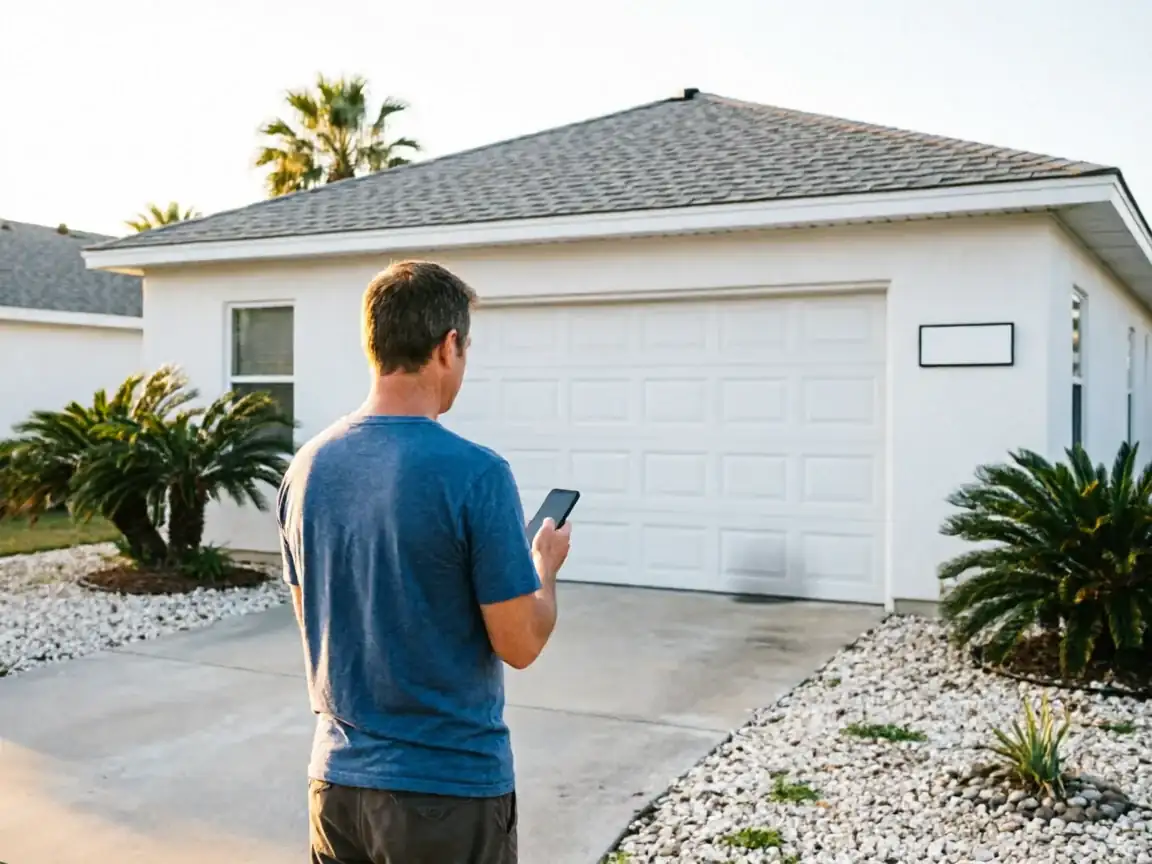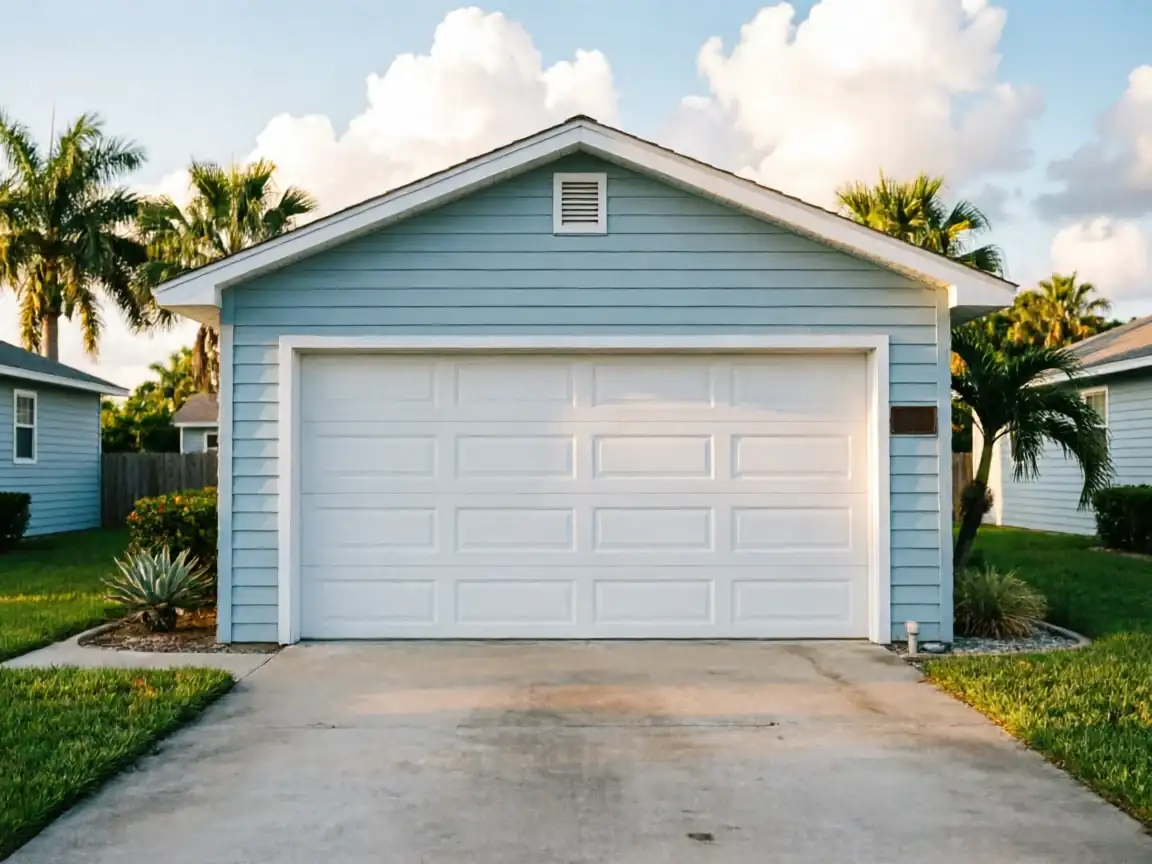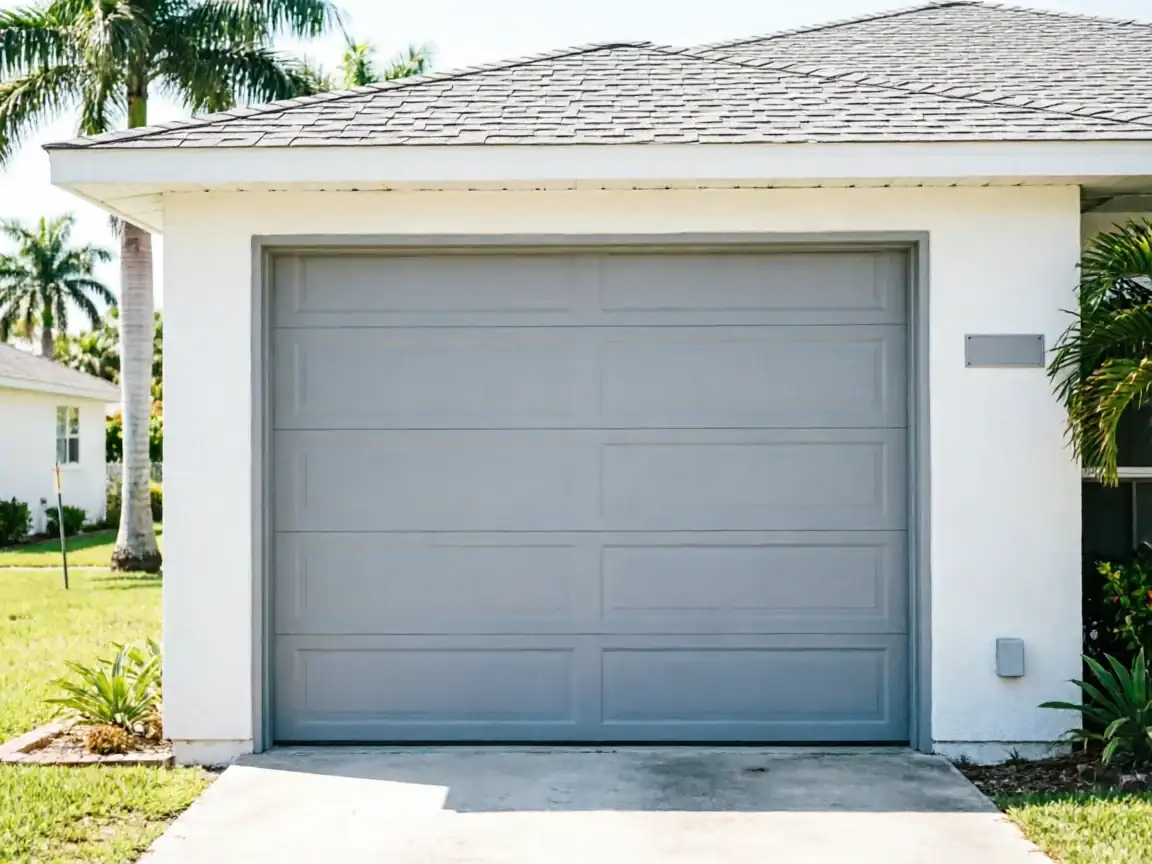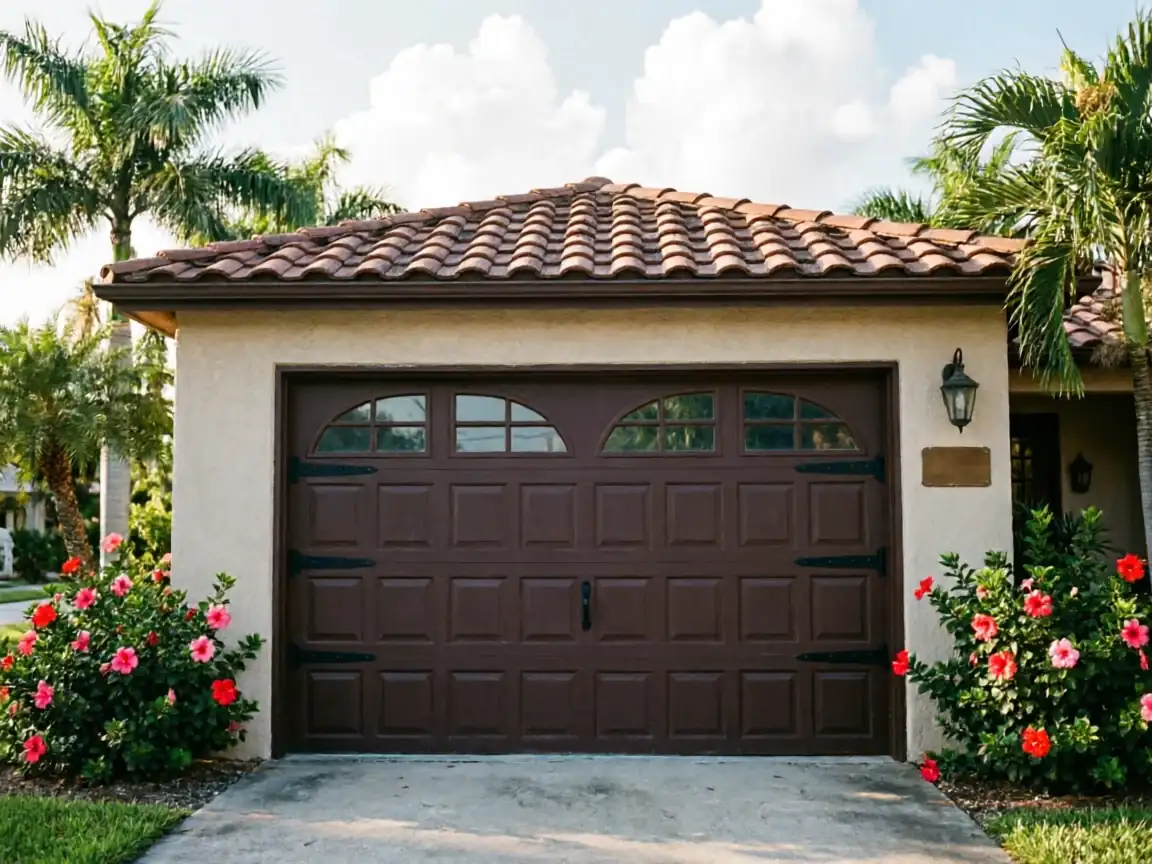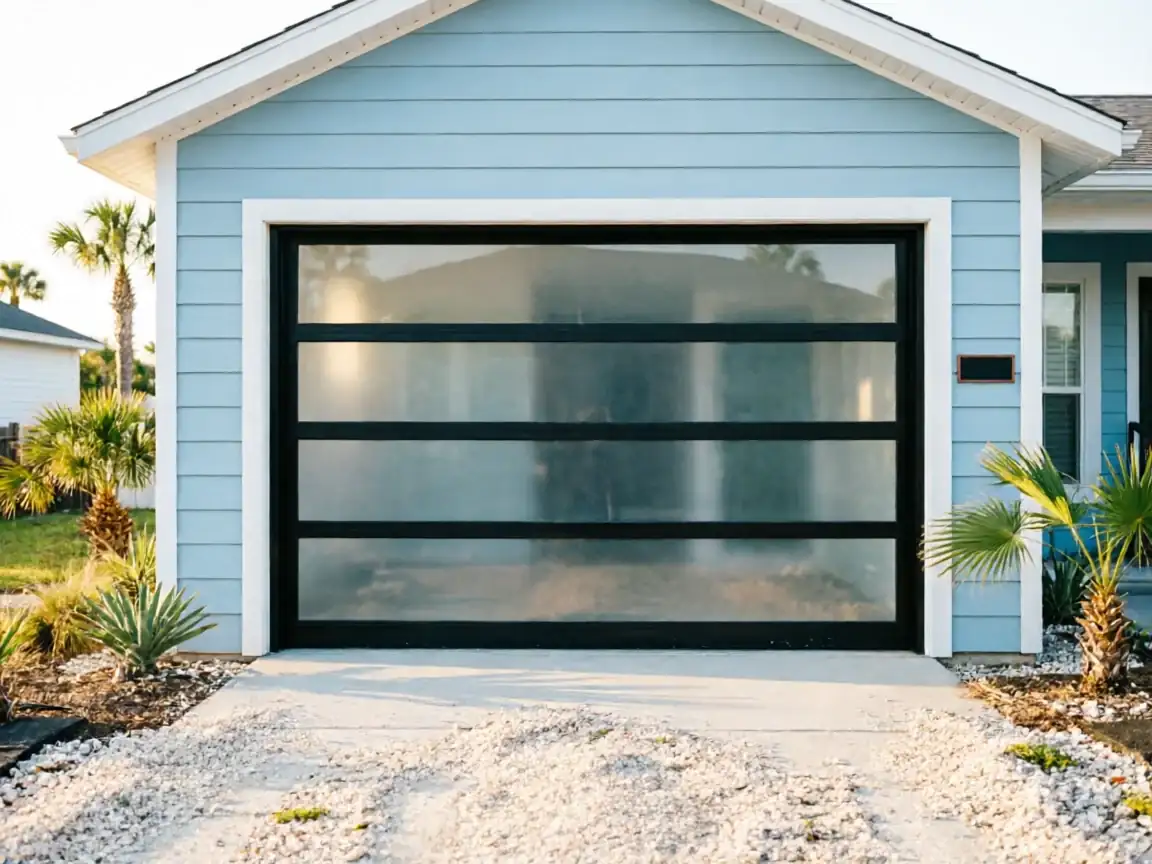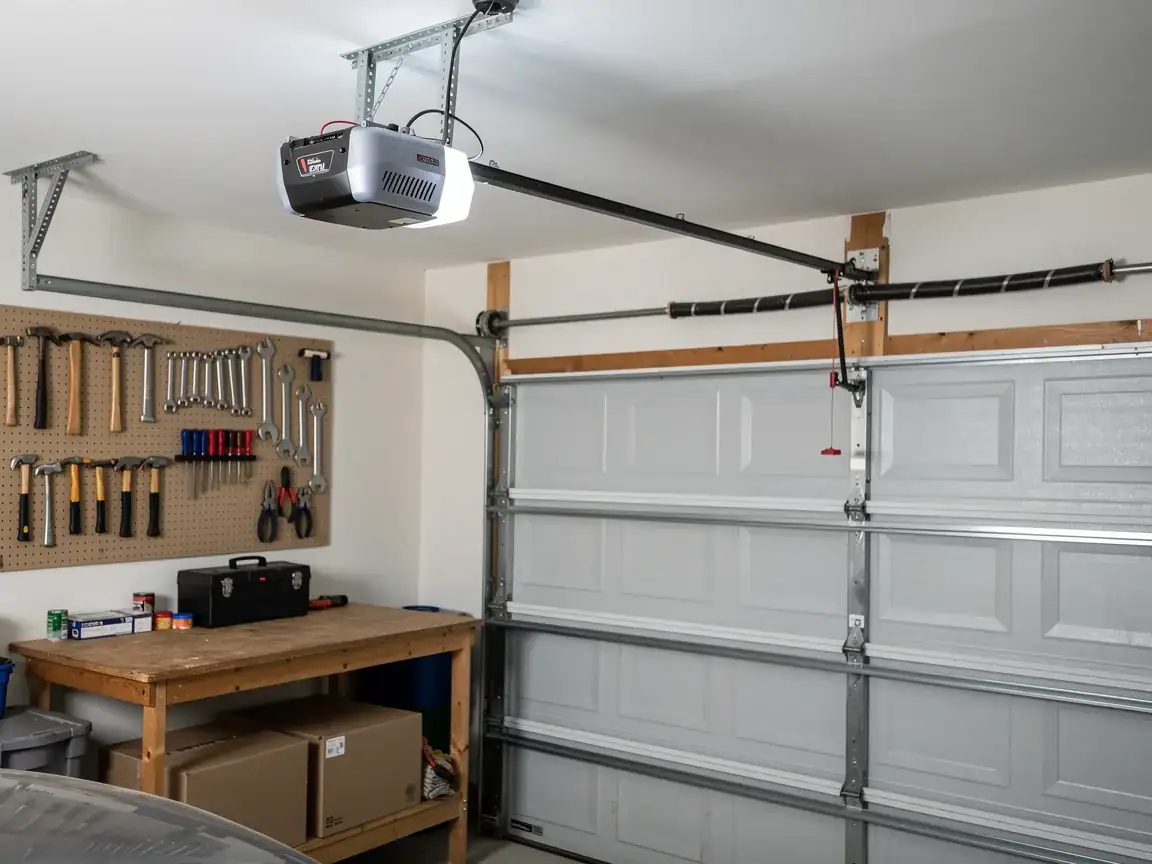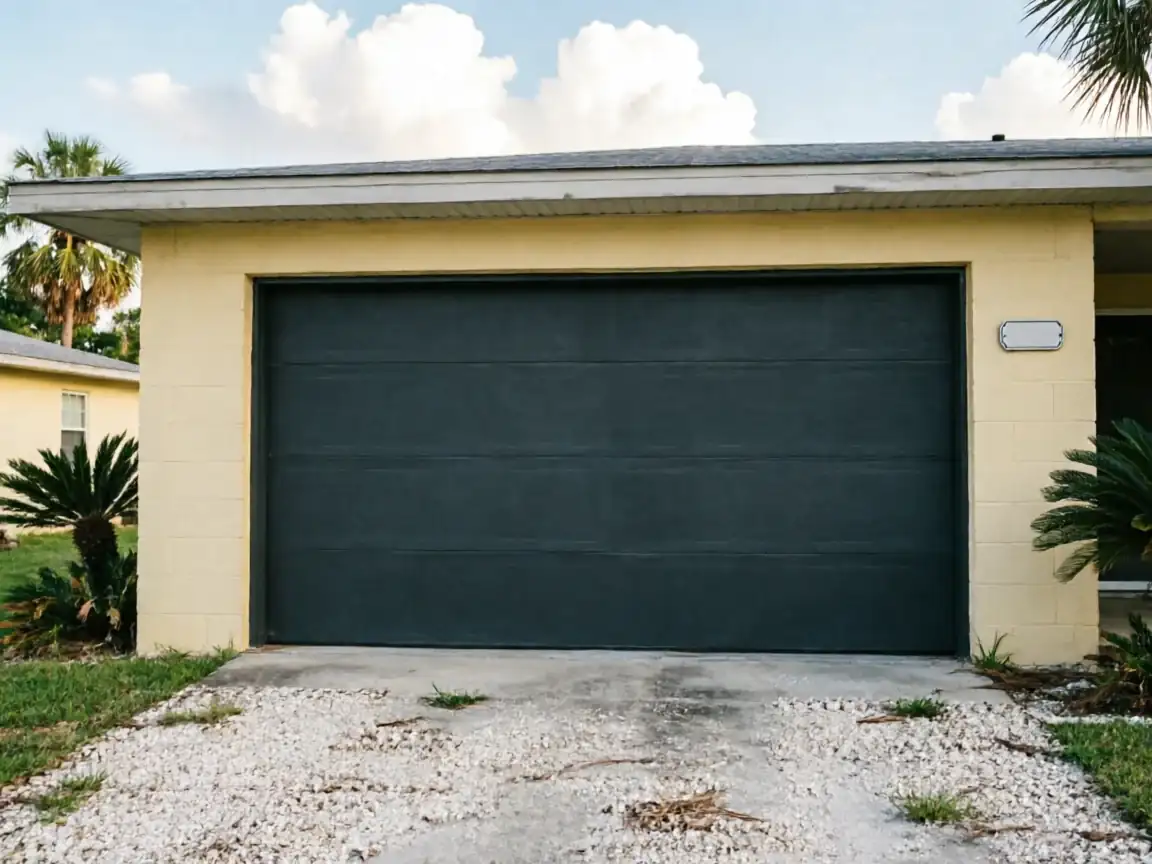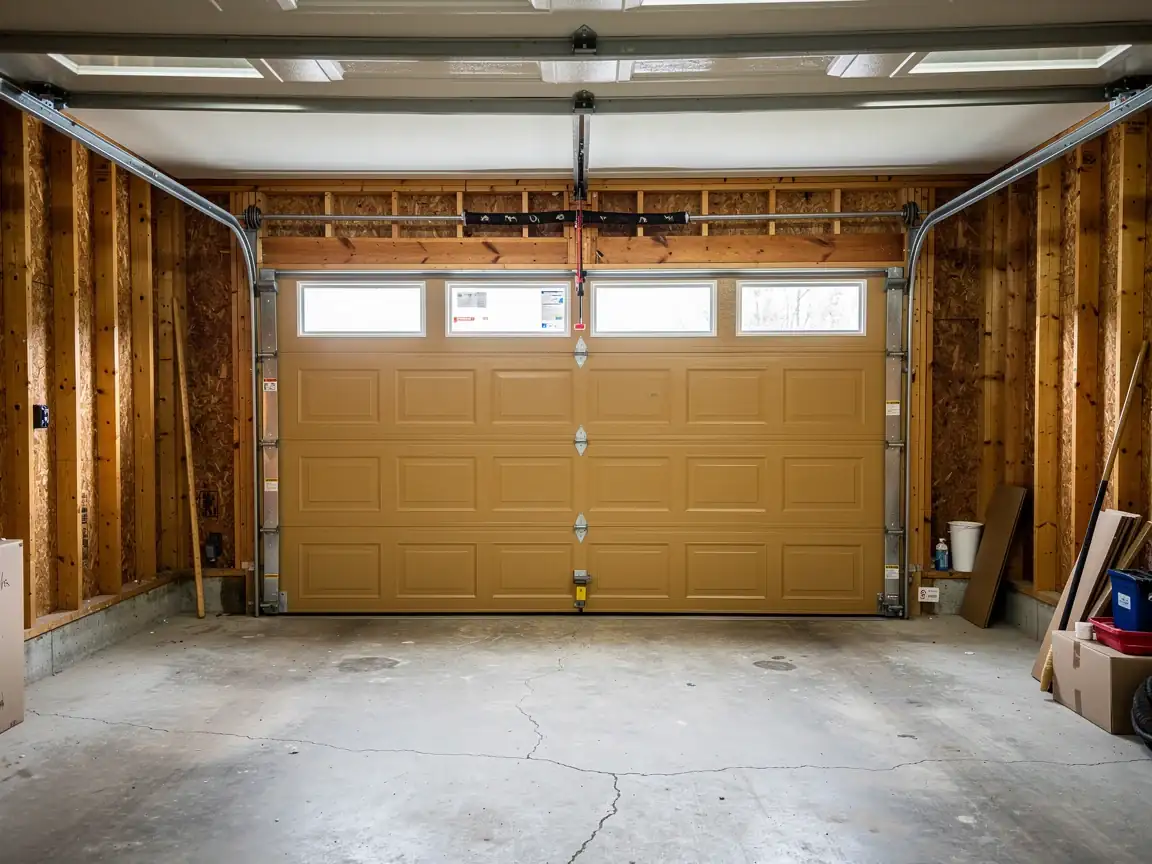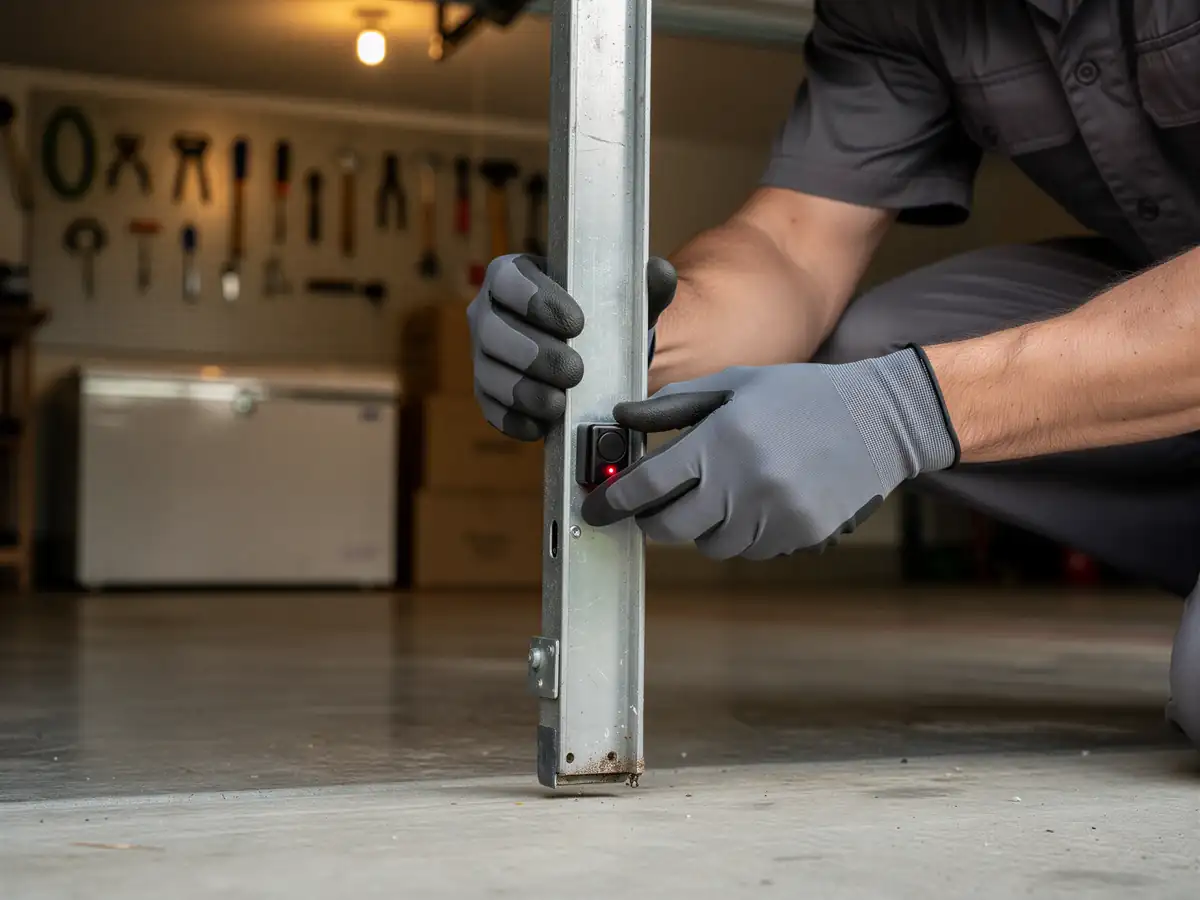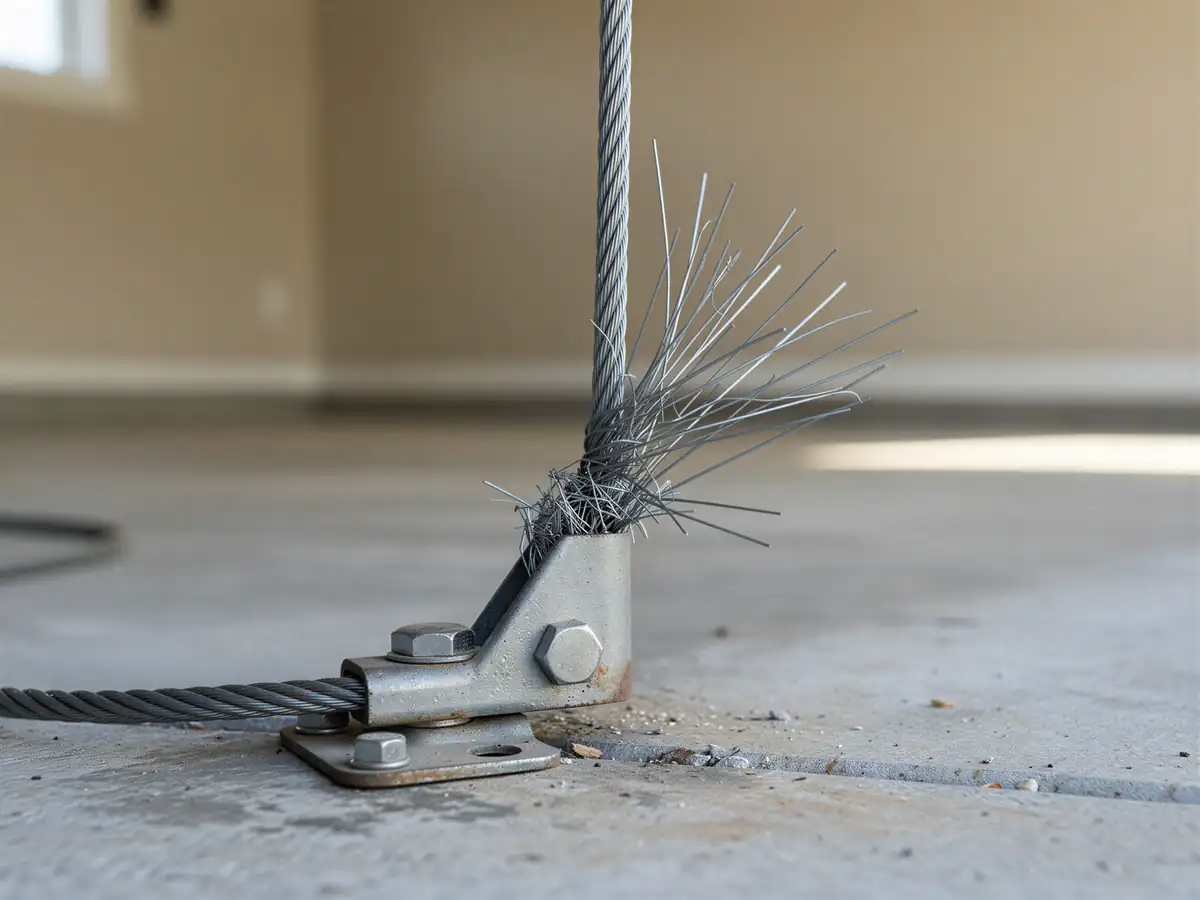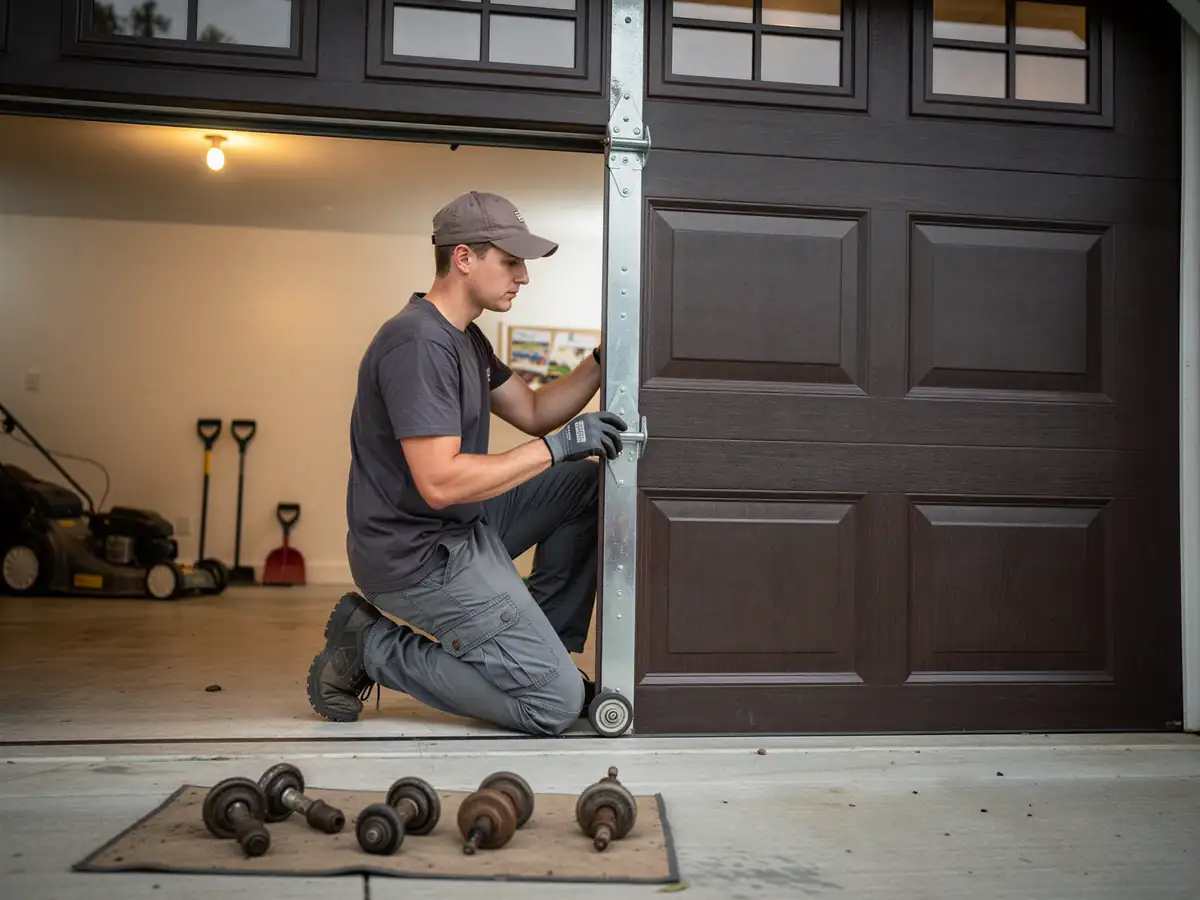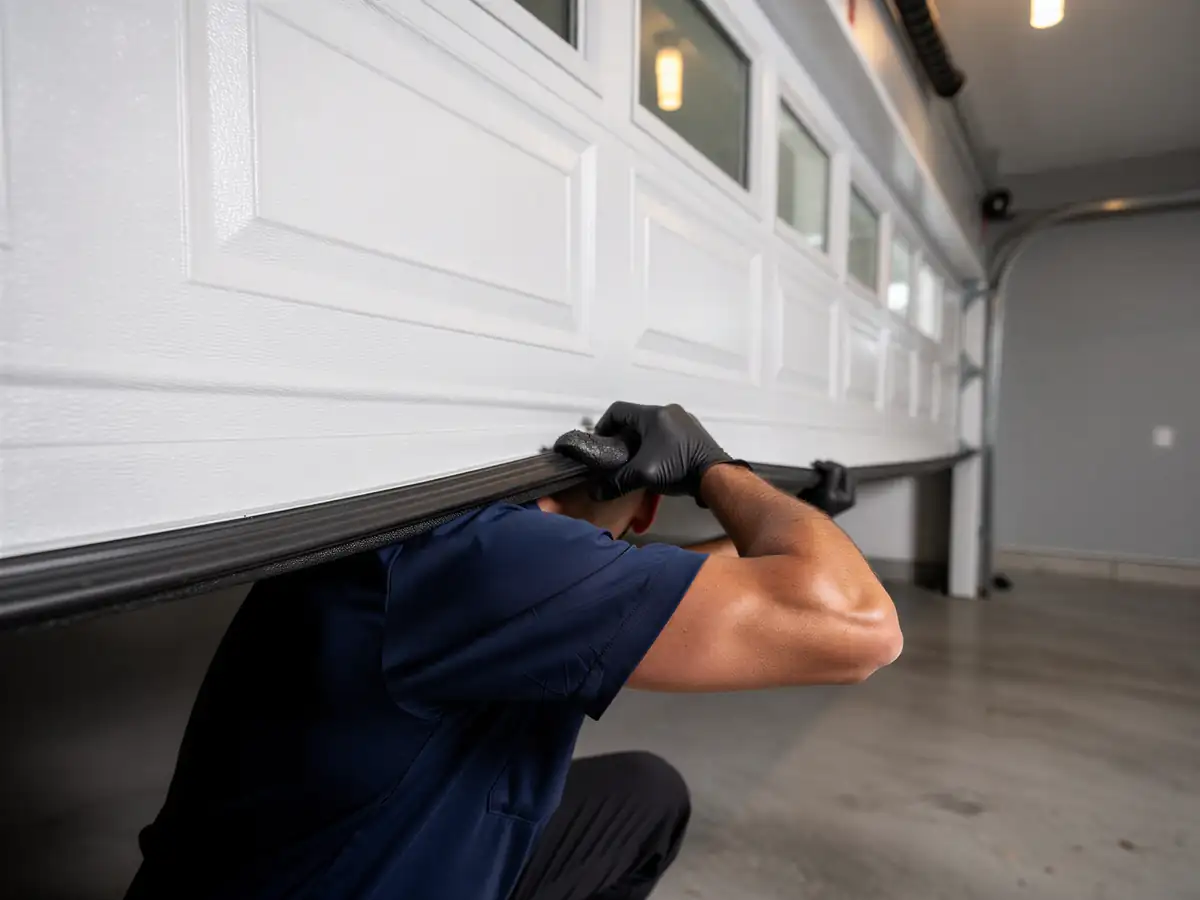
What You Are Seeing
Parkland's median household income runs $200,156
More than three times the $63,423 median across the rest of the area we cover out of Sunrise. That number changes the conversation before we ever talk about springs or panels. At this income level, most homeowners aren't deciding whether they can afford a new door - they're deciding whether the door they have is worth keeping at all, or whether it's time to upgrade to something heavier, better insulated, and quieter.
The houses themselves are newer than almost anywhere else we drive to
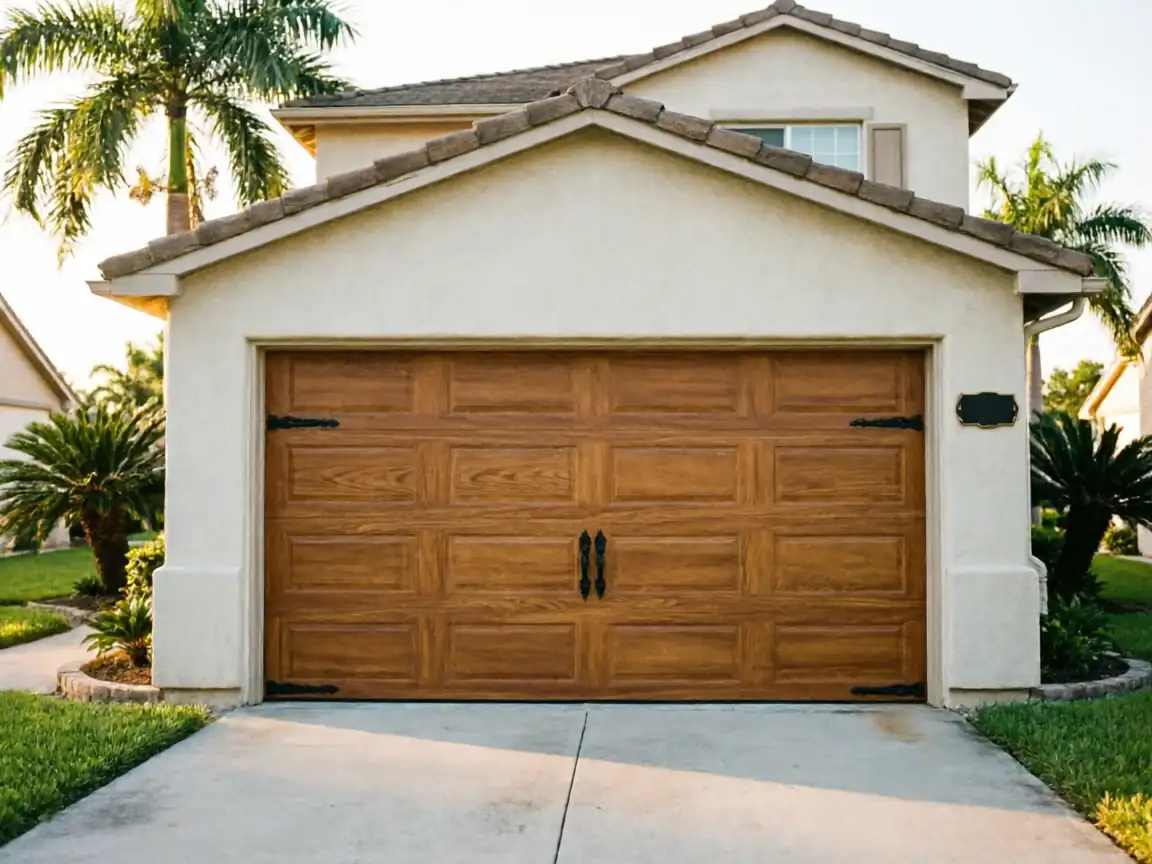
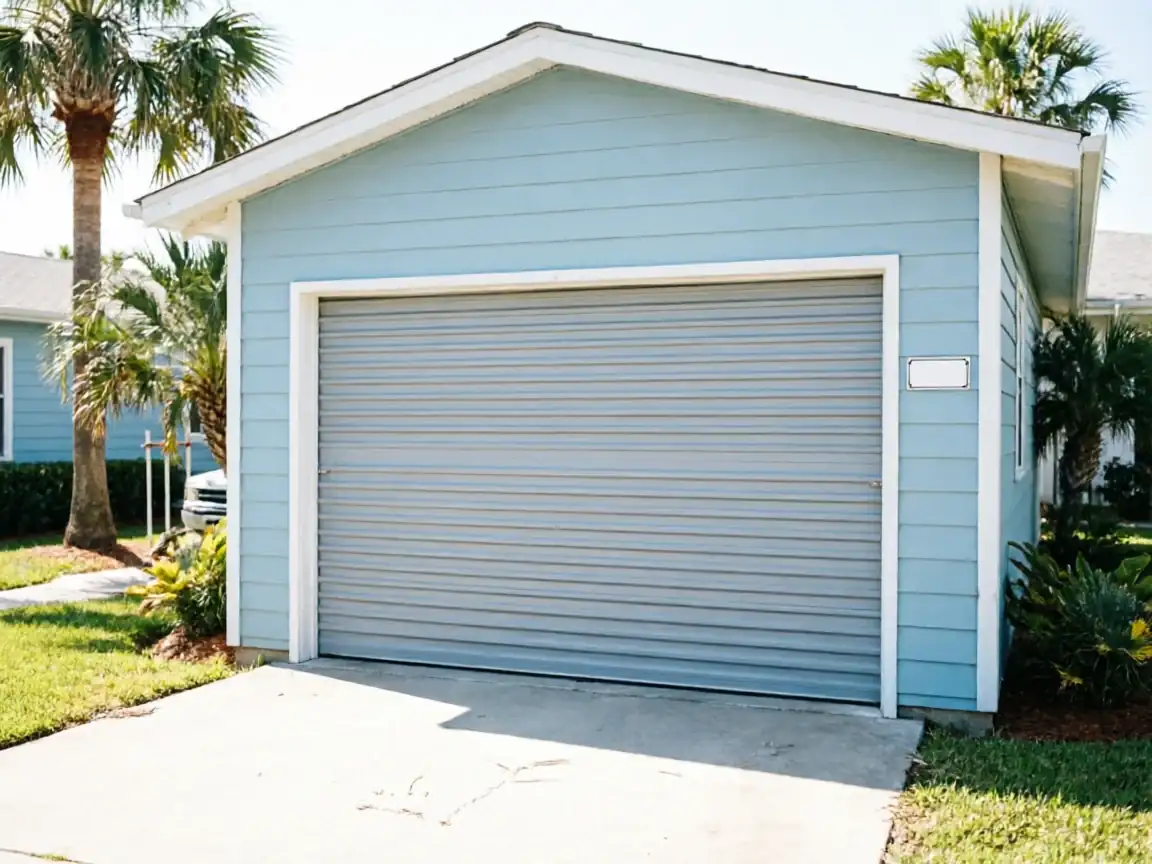
Parkland's housing stock centers on 2005, decades past the 1976 median for the broader service area. That means original builder-grade steel sectional doors, usually on standard torsion hardware, now pushing close to twenty years of use. They're not failing from age the way a 1970s door would - they're failing from component wear: springs rated for a cycle count that's finally run out, bearings that were never top shelf to begin with. The question in Parkland is rarely "is this door too old to fix," it's "does this door still match the house."
What the Repair Takes
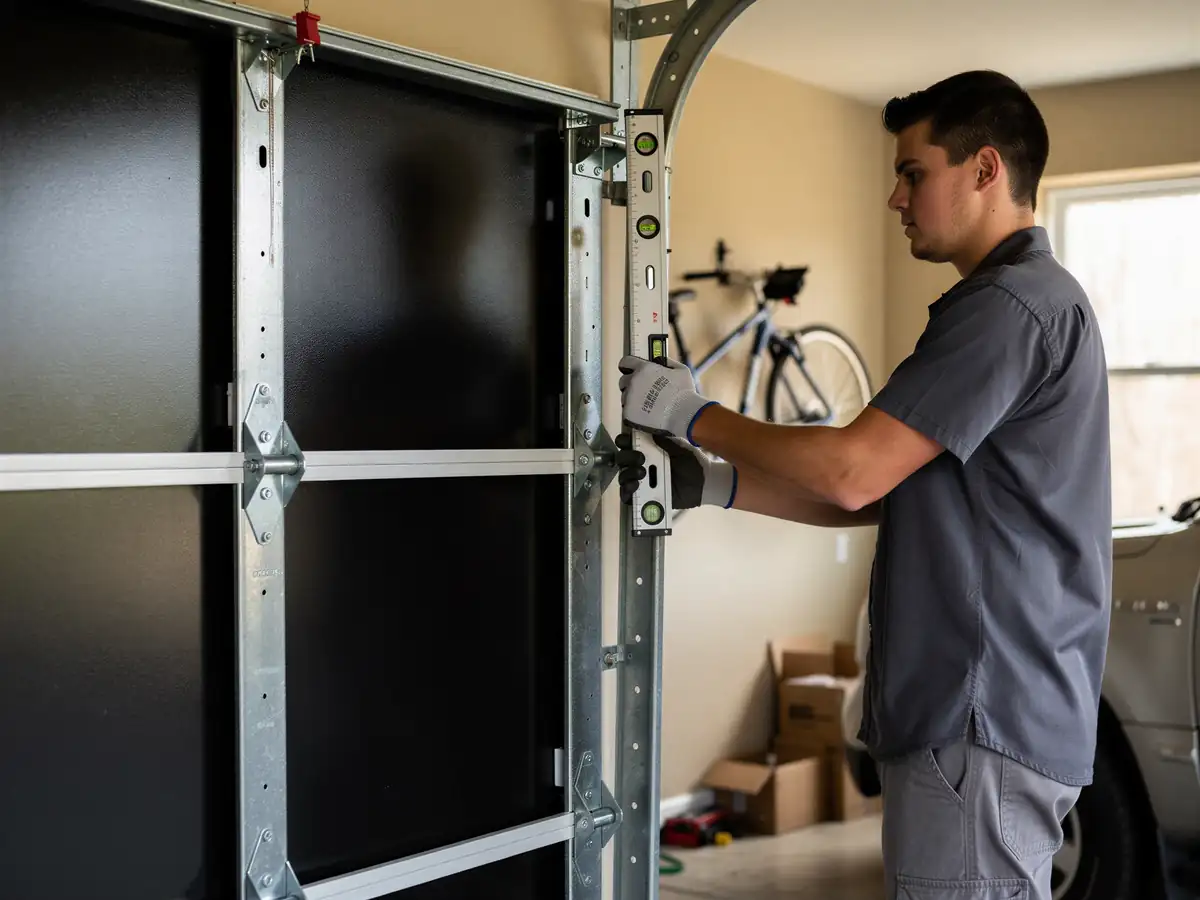
A straight swap - pulling an aging steel sectional door and hanging a new one on the existing track and opener - is a one-day job in most cases. Where it gets longer is when the opening itself needs attention: track realignment, a header that's shifted slightly over twenty years of settling, or an opener that's original to a 2005 build and due for replacement alongside the door.
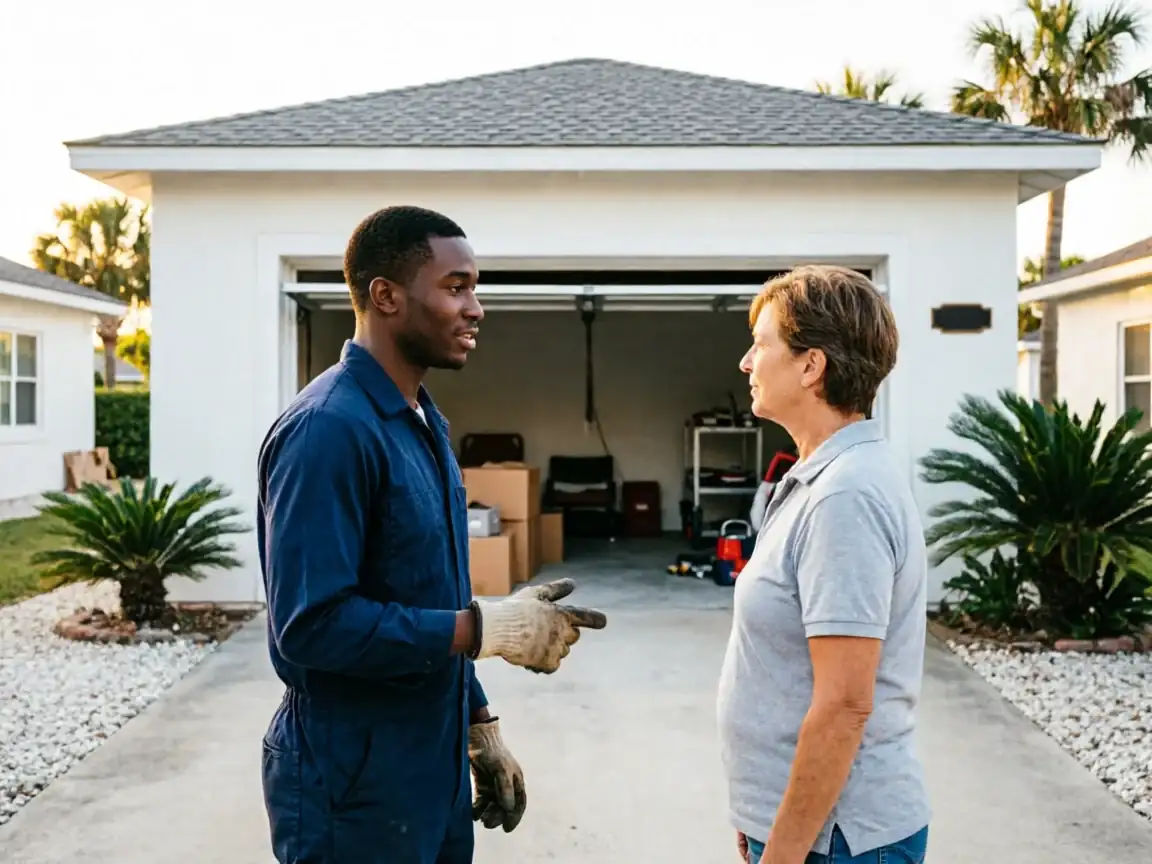
We travel the 10 miles out from Sunrise for every Parkland job, which means the work gets scheduled, not walked into same-day. That's worth knowing upfront - we don't keep a branch or a truck staged in Parkland, so timing the visit matters more here than it would somewhere closer to our base. Once we're on site, a full door replacement with a comparable insulated steel panel, new rollers, and matched hardware typically runs a single visit. Custom widths, glass-panel doors, or anything built to a non-standard opening takes longer because those units are ordered, not stocked.
Can You Do This Yourself
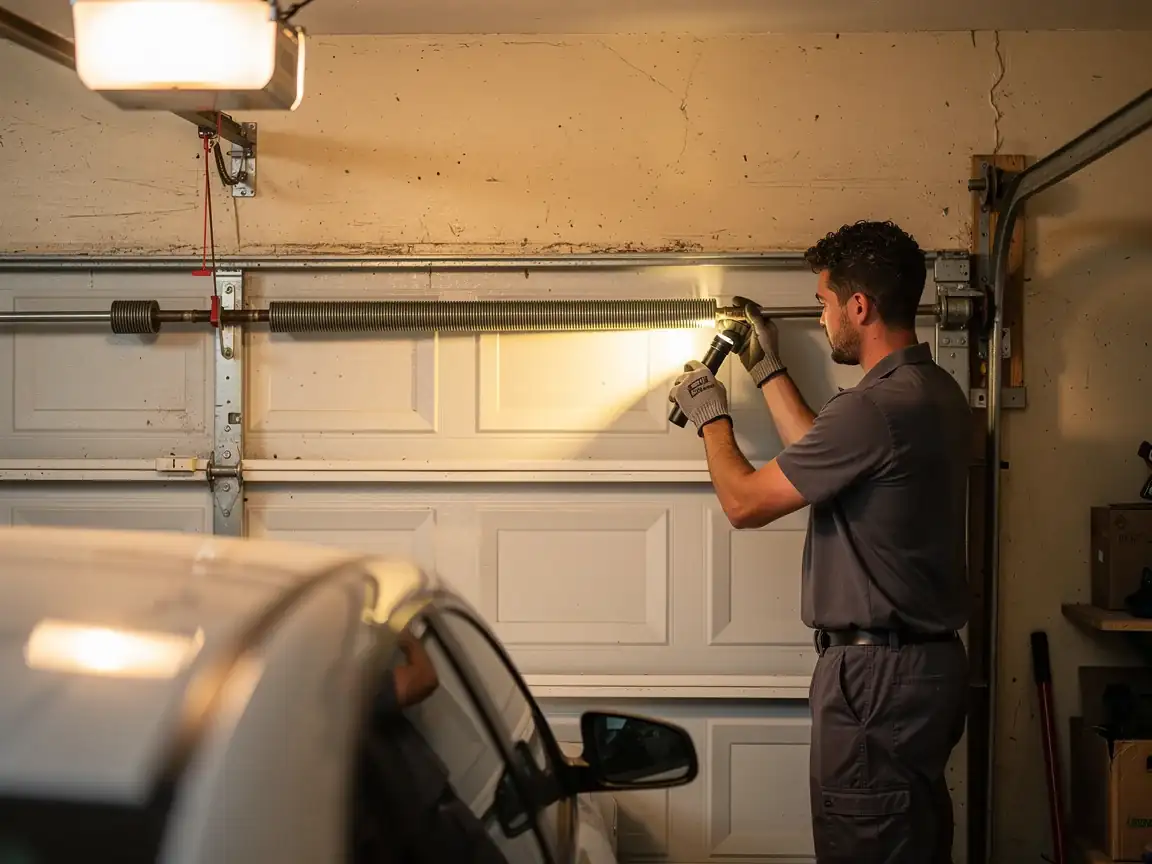
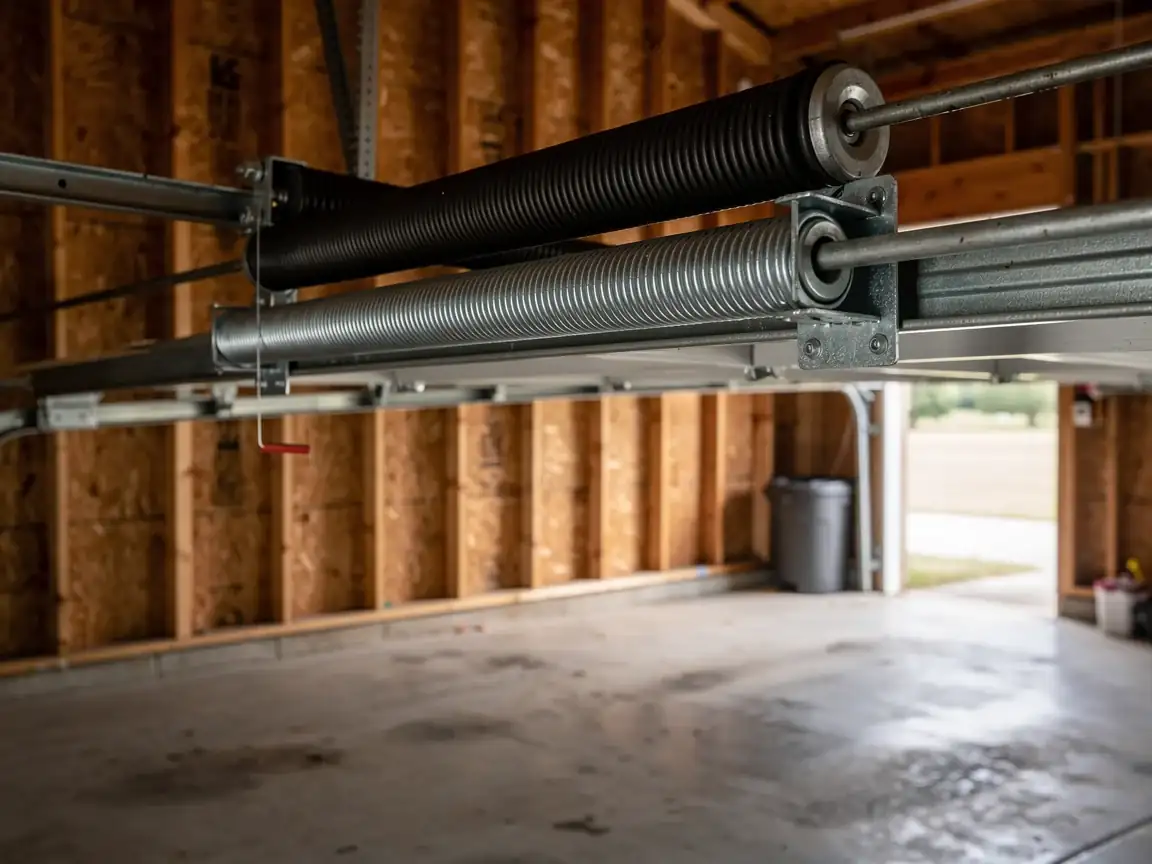
Swapping a garage door panel or two is within reach for a handy homeowner. Swapping the whole door is not, and this is the honest limit we'll name: a full door is heavy, the torsion spring holding it is under enough tension to break a bone or worse, and getting the new door plumb in the opening without the right lift equipment is where most DIY installs go sideways. We've been called out to finish jobs that started as a weekend project and ended with a door racked in its track.
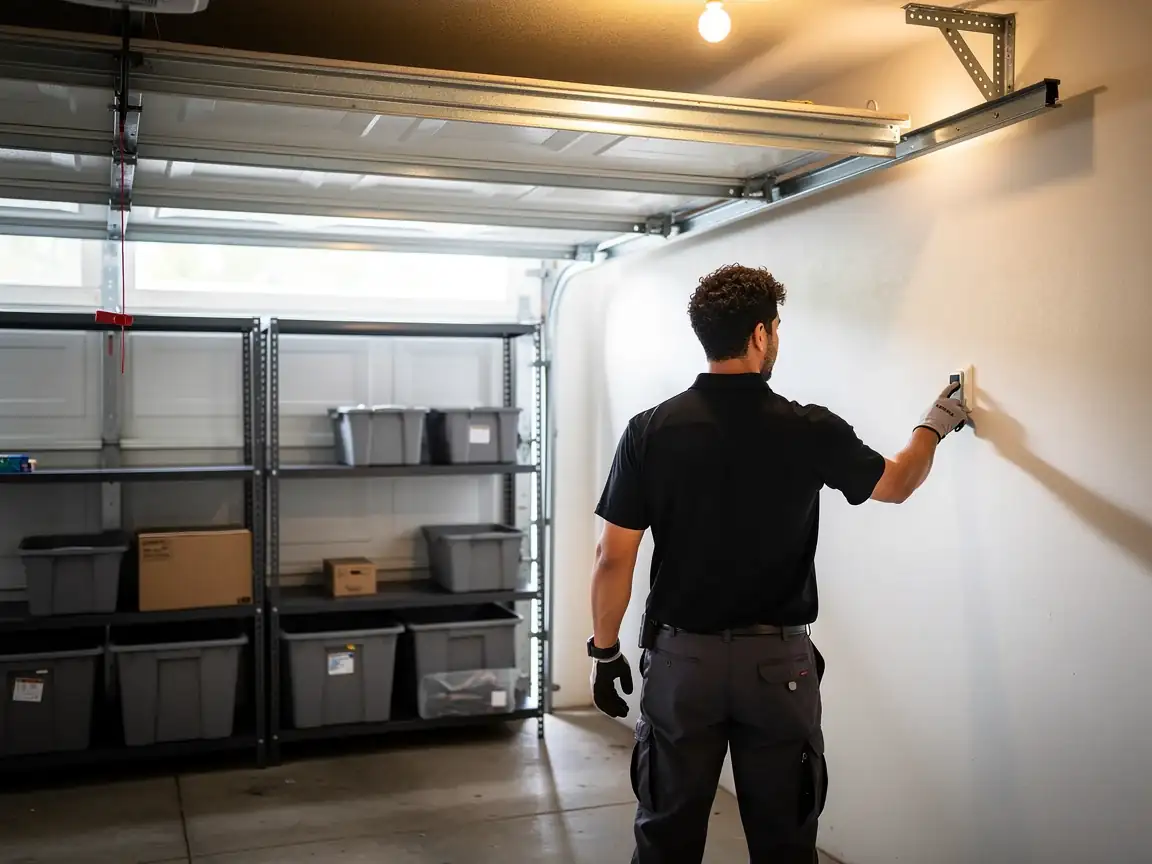
If the job is cosmetic - new hardware, a different color, swapping a window insert - that's reasonable to tackle alone. If it involves disconnecting the spring system or resetting the opener's force and travel limits, that's where we'd tell you to call rather than climb the ladder yourself. It's not about the work being secret, it's about the margin for error being small and the downside being an ER visit.
Stocked Parts
For the 2005-era builder-grade doors common across Parkland, standard torsion springs, rollers, and cables are stock items
We carry what fits a typical 16-foot double or 8-foot single opening without a special order. Where it slows down is custom work: insulated doors with higher R-values, wider openings on larger lots, or glass and carriage-style panels that some Parkland homeowners want to match a newer build. Those come from the manufacturer on a lead time, not off the truck.
We'd rather tell you that upfront than promise a same-day custom install we can't deliver
If your door is a standard steel sectional on standard hardware, parts aren't the bottleneck - scheduling the drive and the install crew is. If it's a specialty door, build that lead time into your plans before you tear out the old one.
Why It Happens Here
Parkland sits in the same mild, temperate band as the rest of our territory, so the usual causes of garage door failure elsewhere - humidity swelling wood panels, salt air corroding hardware near the coast - aren't the main drivers here. What is specific to Parkland is the age clustering: a huge share of the doors we see are installed within a few years of each other, around 2005, which means a huge share of them are reaching spring-fatigue and opener end-of-life within a few years of each other too.
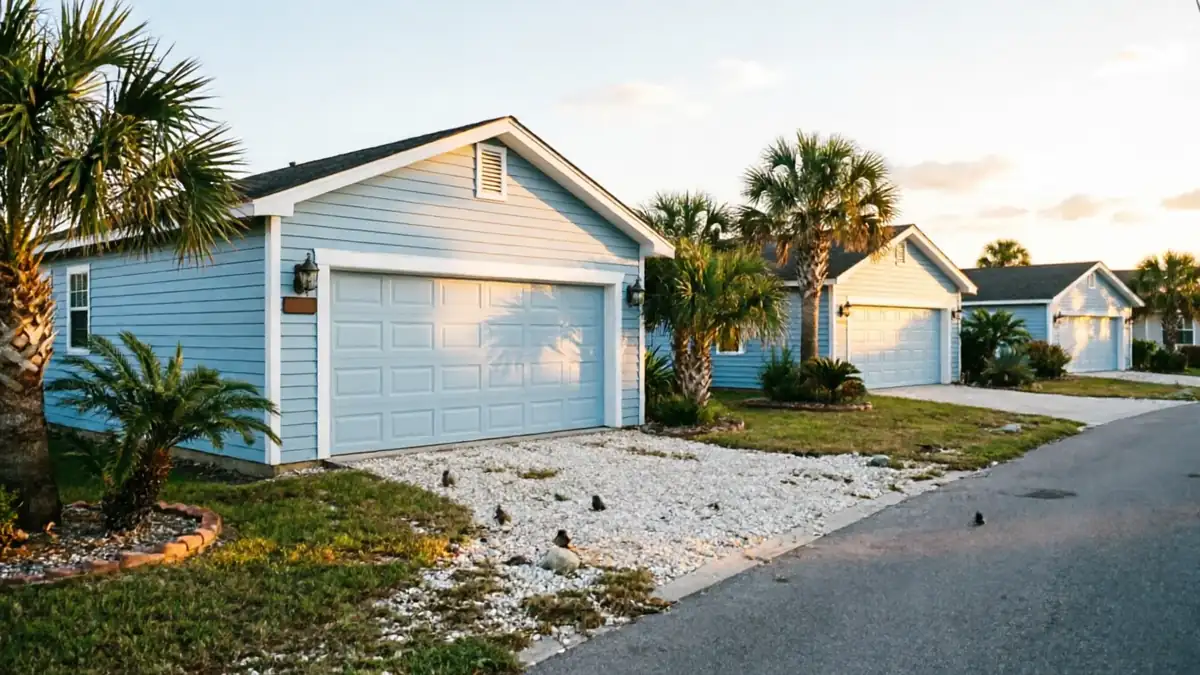
With 10,828 households in Parkland against 300,344 across the full area we serve from Sunrise, it's a small market, but a concentrated one - houses built in the same window, by the same builders, with the same door models. When one fails from cycle fatigue, the house next door built the same year usually isn't far behind.