What the Repair Takes
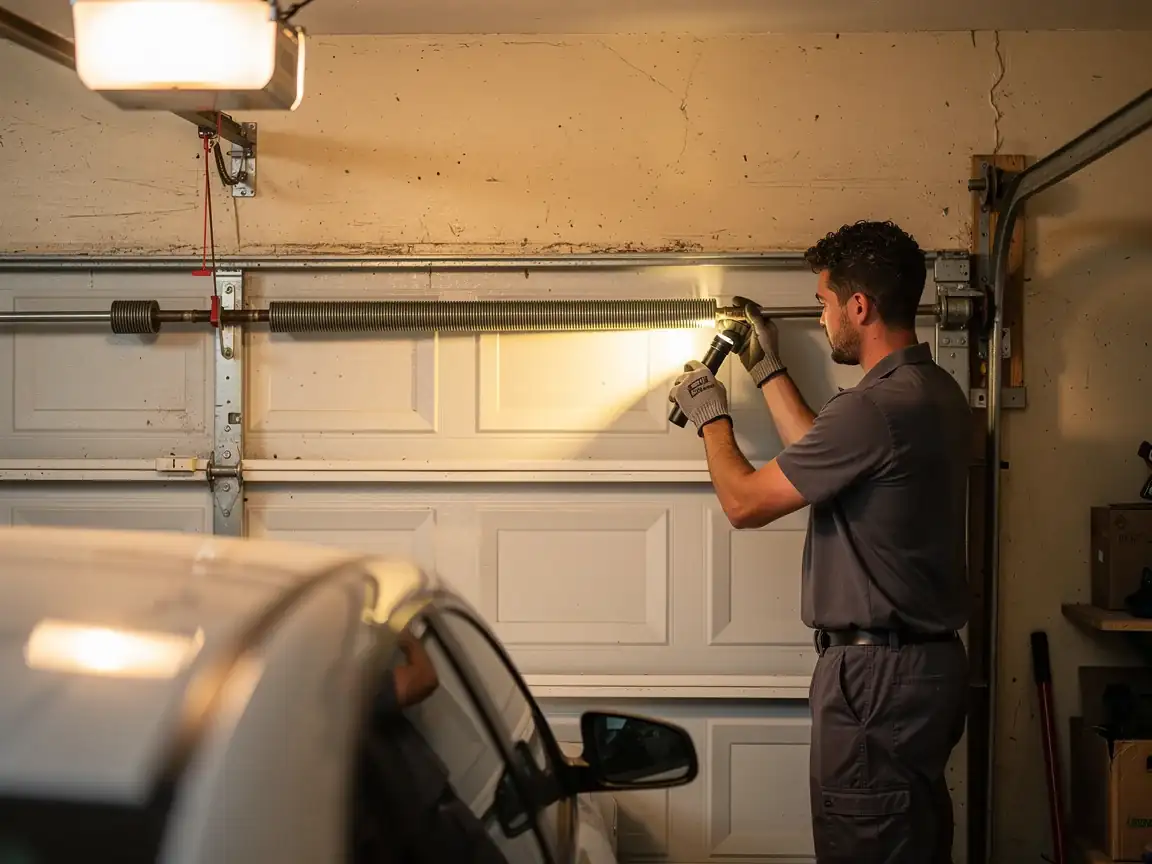
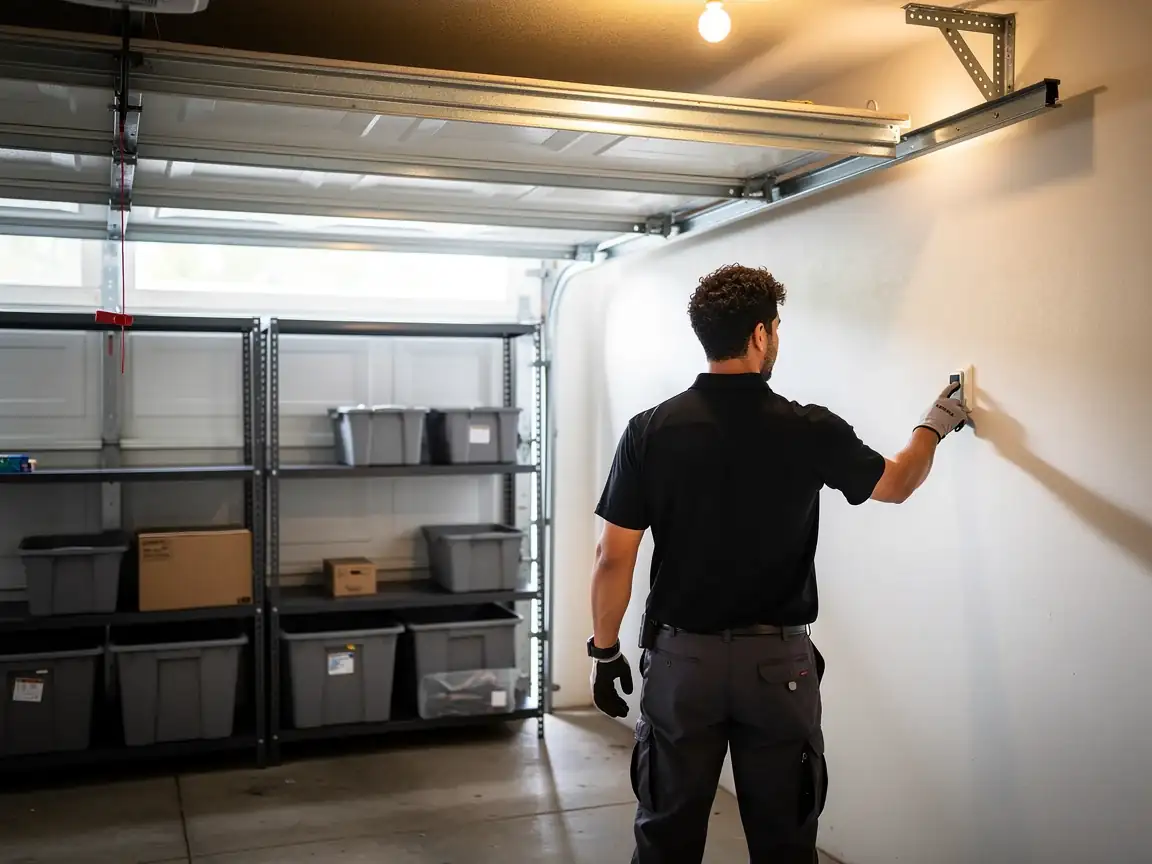
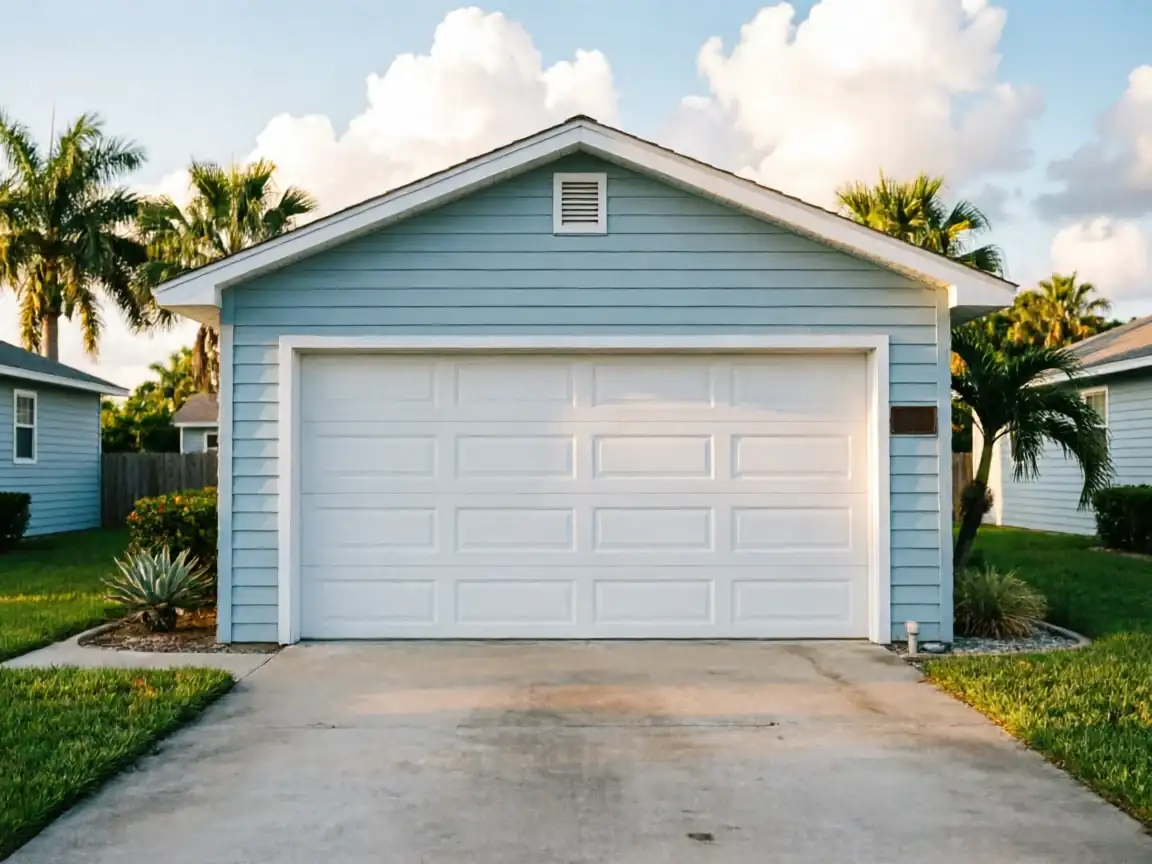
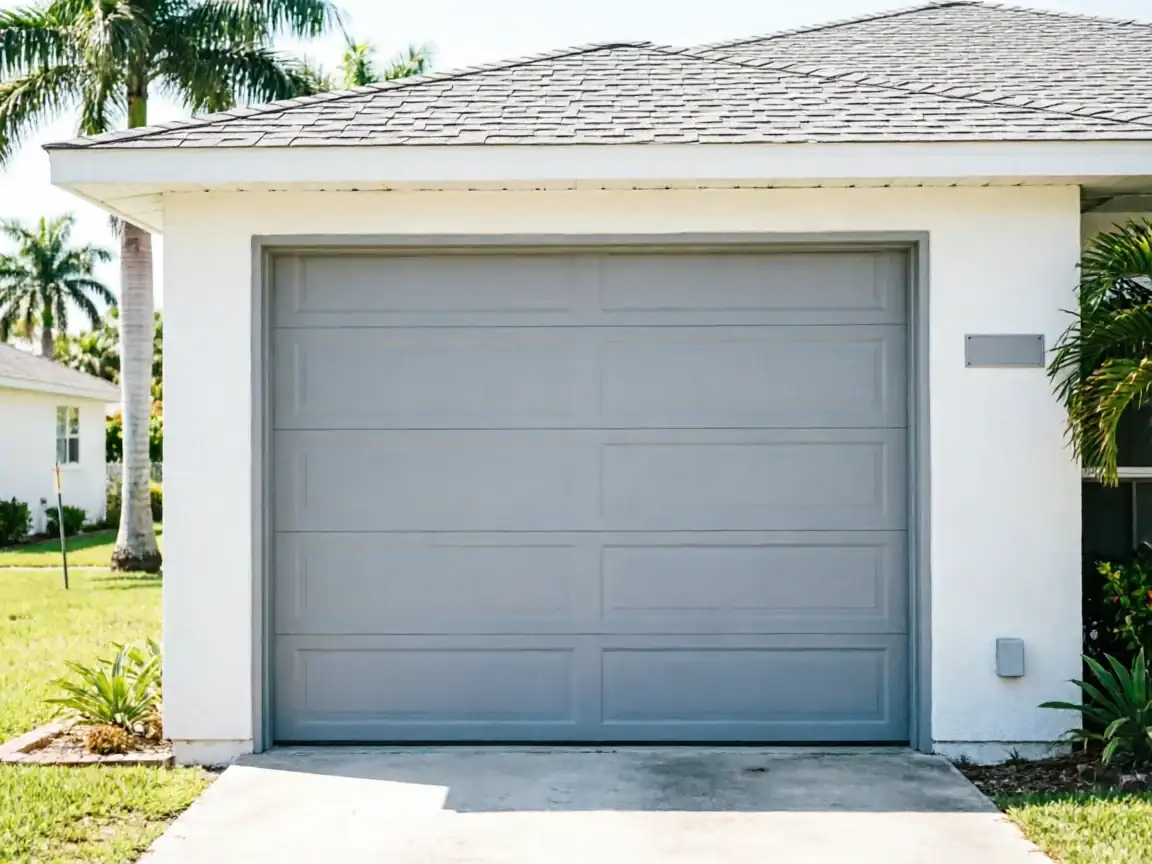
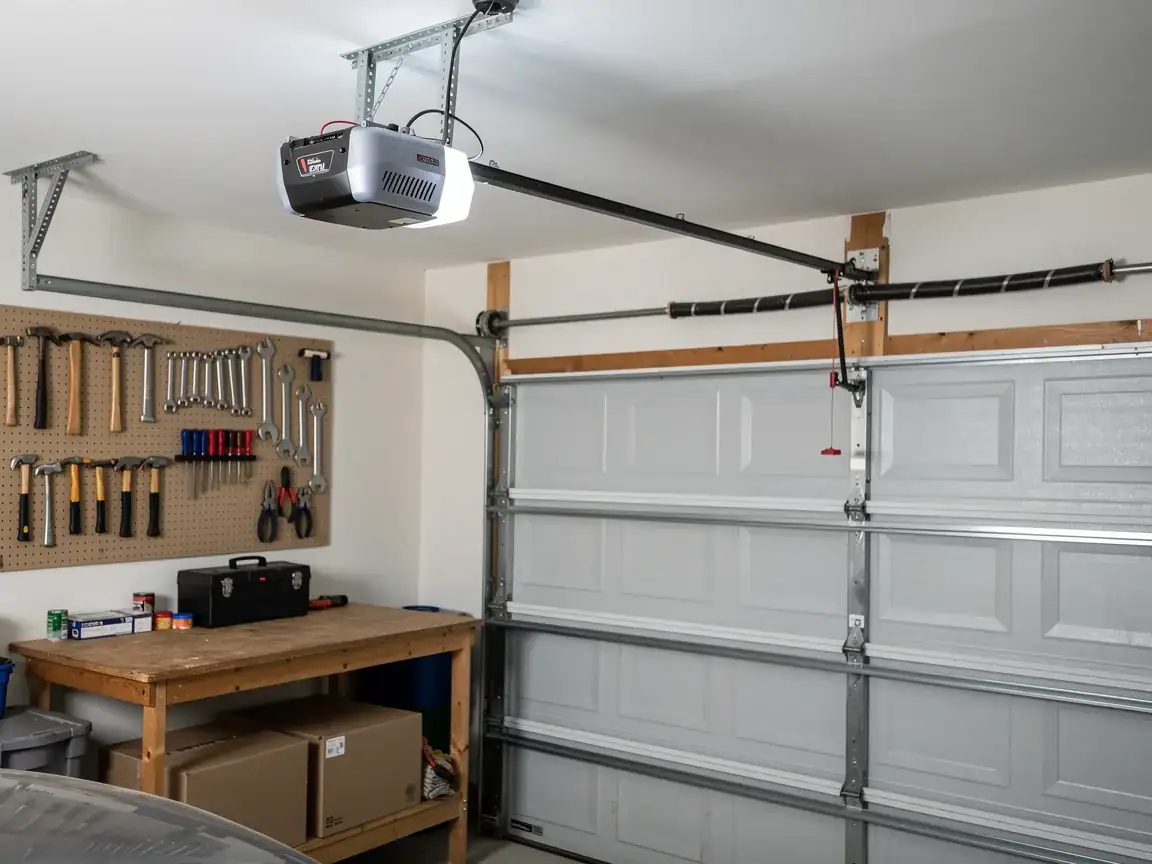
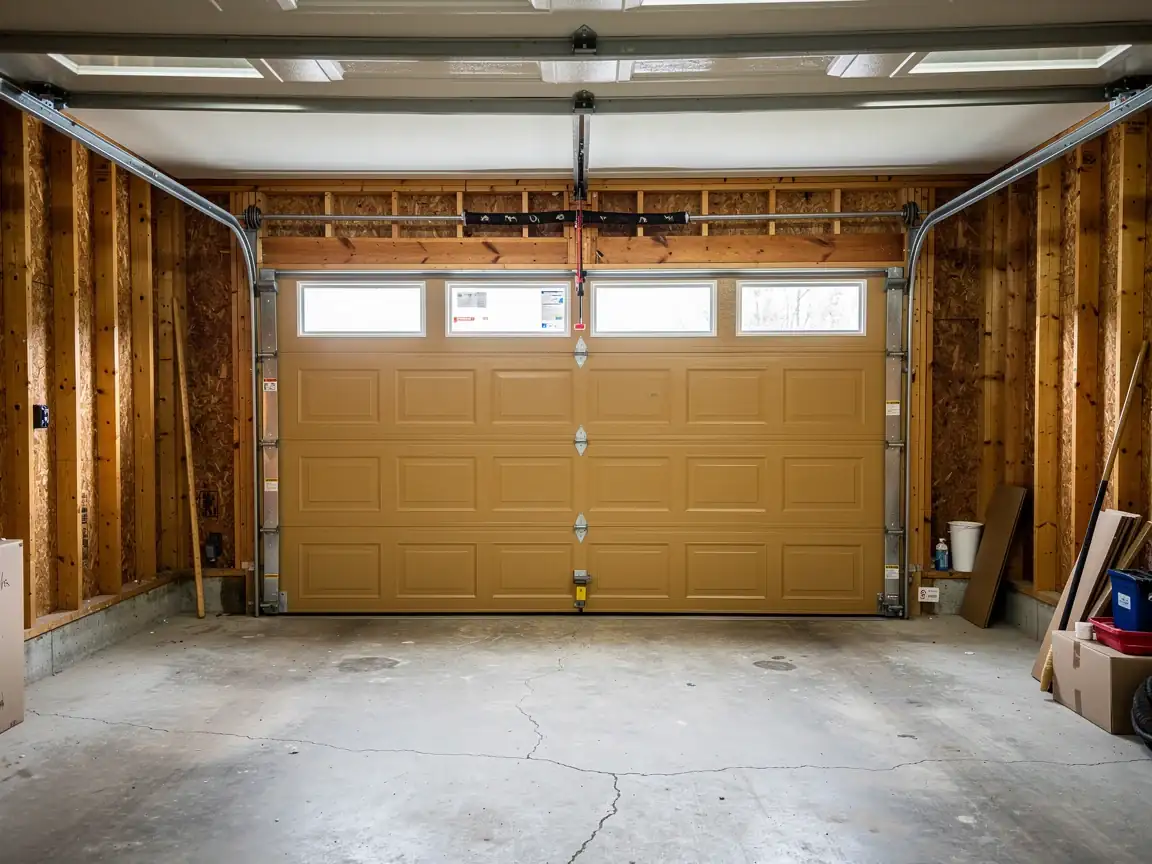
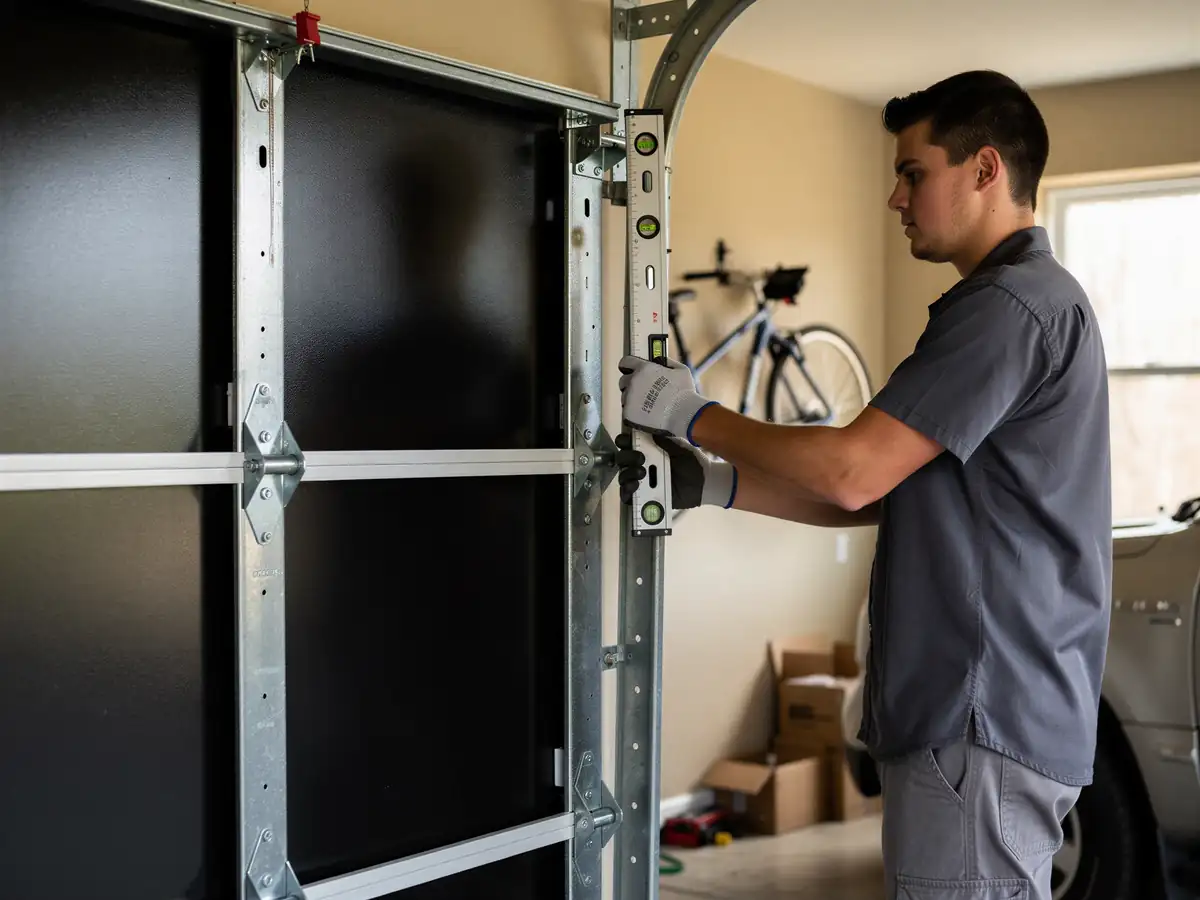
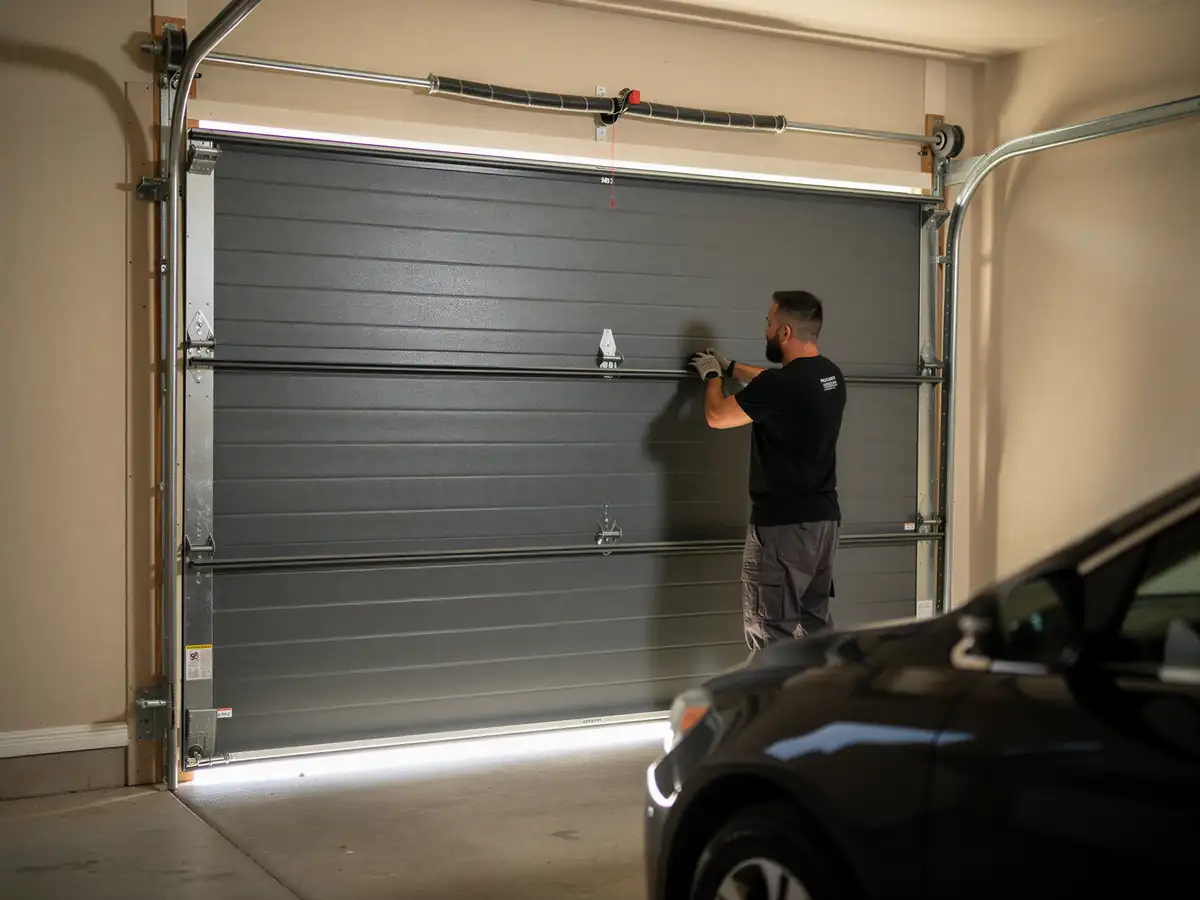
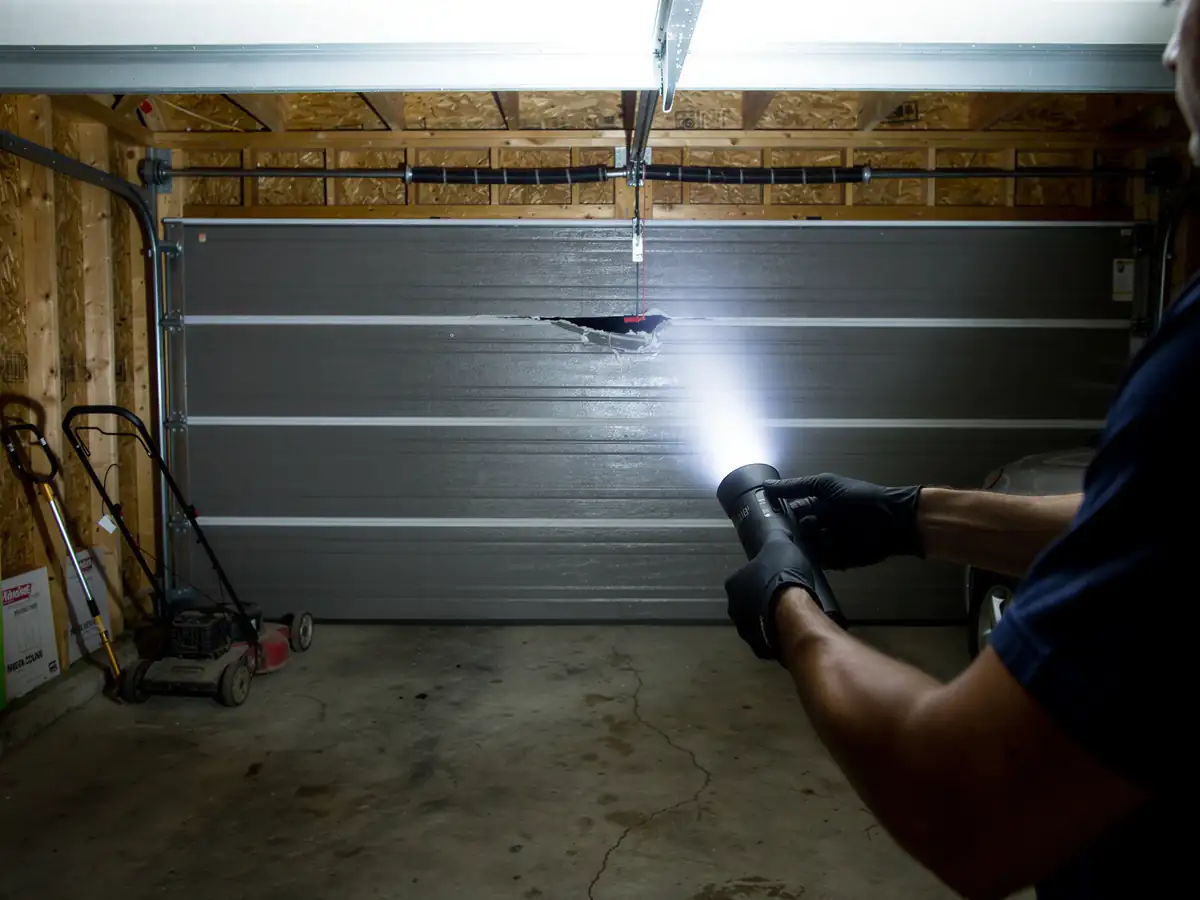
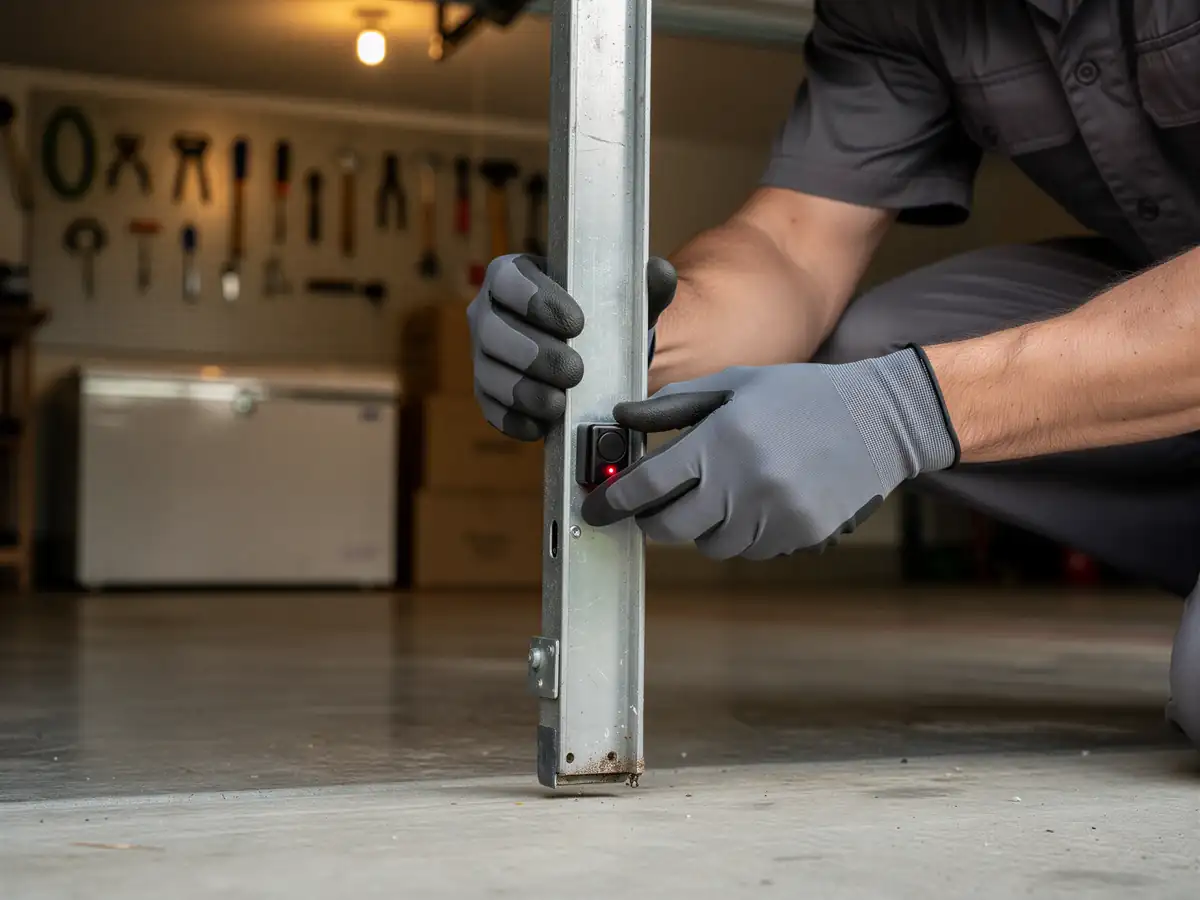
Because the crew comes from Sunrise, about 10 miles out, the first thing that happens is diagnosis on arrival rather than guesswork over the phone. On a 2000s-build opener, that usually means checking the drive gear (often stripped plastic, the most common failure point on belt and chain units of this vintage), testing the circuit board for a failed capacitor or relay, and checking the photo-eye sensors near the floor track, since federal safety-sensor rules were already in force when these homes were built and most still have the original pair. Travel limit settings get checked too - a door that reverses before it closes, or won't close at all, is often a limit switch out of adjustment rather than a dead motor. None of this is a five-minute fix on a wider door; the extra reach and weight means more careful alignment work than a single-car door would need.
Can You Do This Yourself
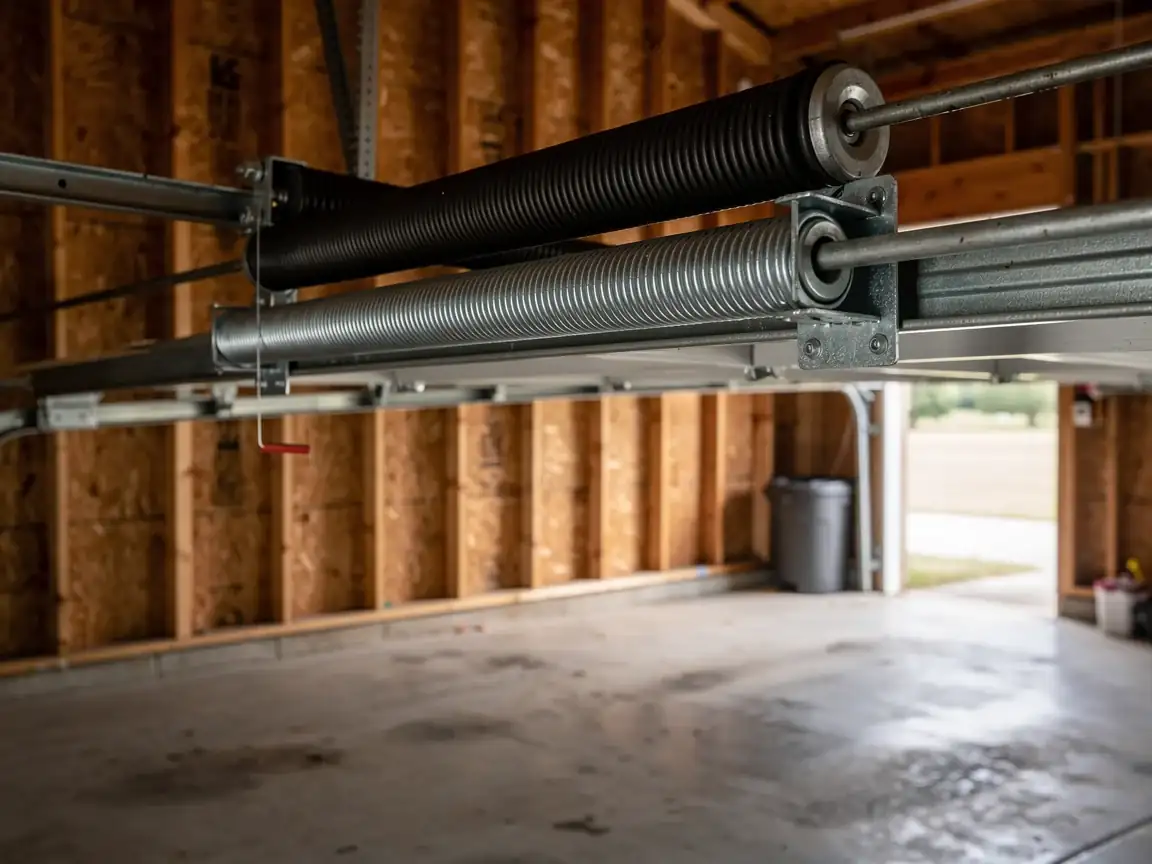
Some of it, yes. Reprogramming a remote or keypad, replacing a burnt bulb, cleaning a photo-eye lens - any homeowner can do that with a ladder and a manual. Where it stops being a DIY job is anything involving the gear assembly, the circuit board, or the overhead rail on a wider door. Pulling the motor housing on a two-car door opener without knowing the spring tension on the door itself is how people get hurt, and that's the honest limit here: this company works on the opener and its drive hardware, not on diagnosing or rebalancing the torsion spring system unless that's the actual job called in. If a opener keeps failing because the door itself is out of balance, fixing the opener alone won't hold, and the tech will tell you that rather than swap parts that won't solve it.
Why It Happens Here
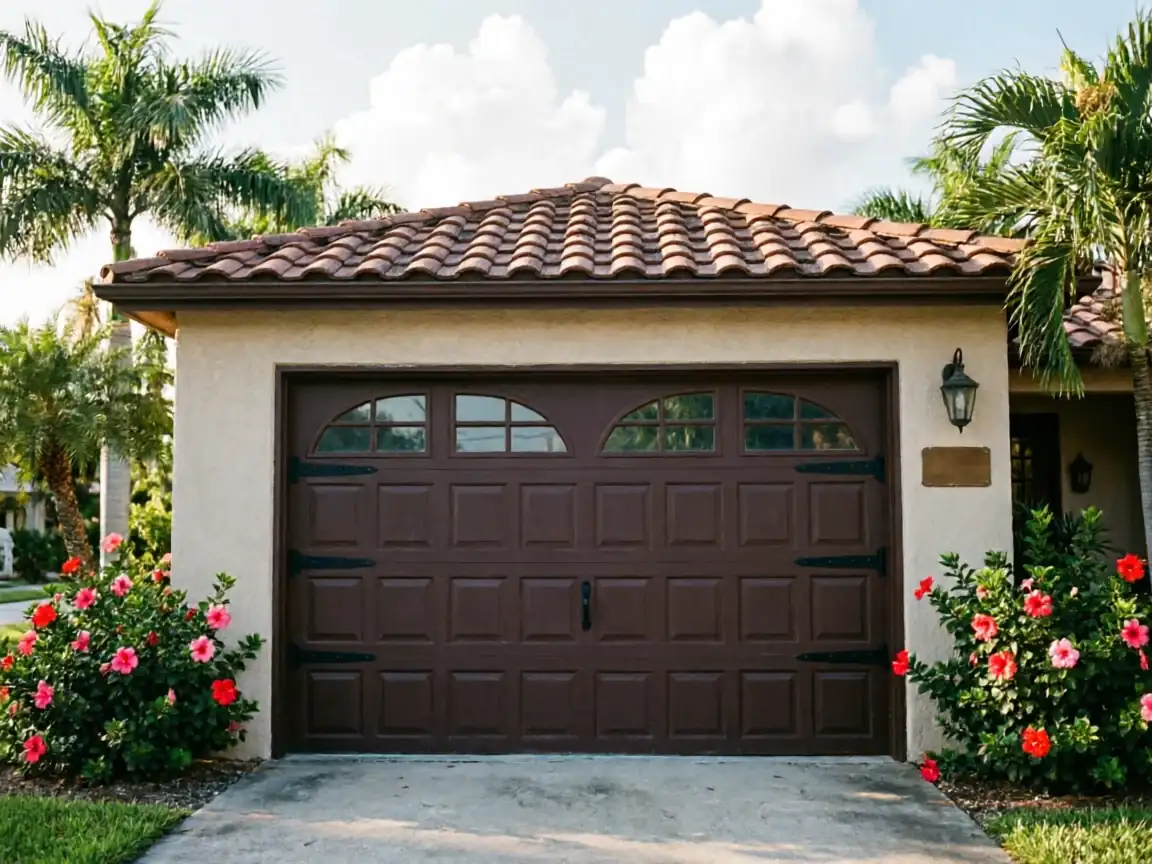
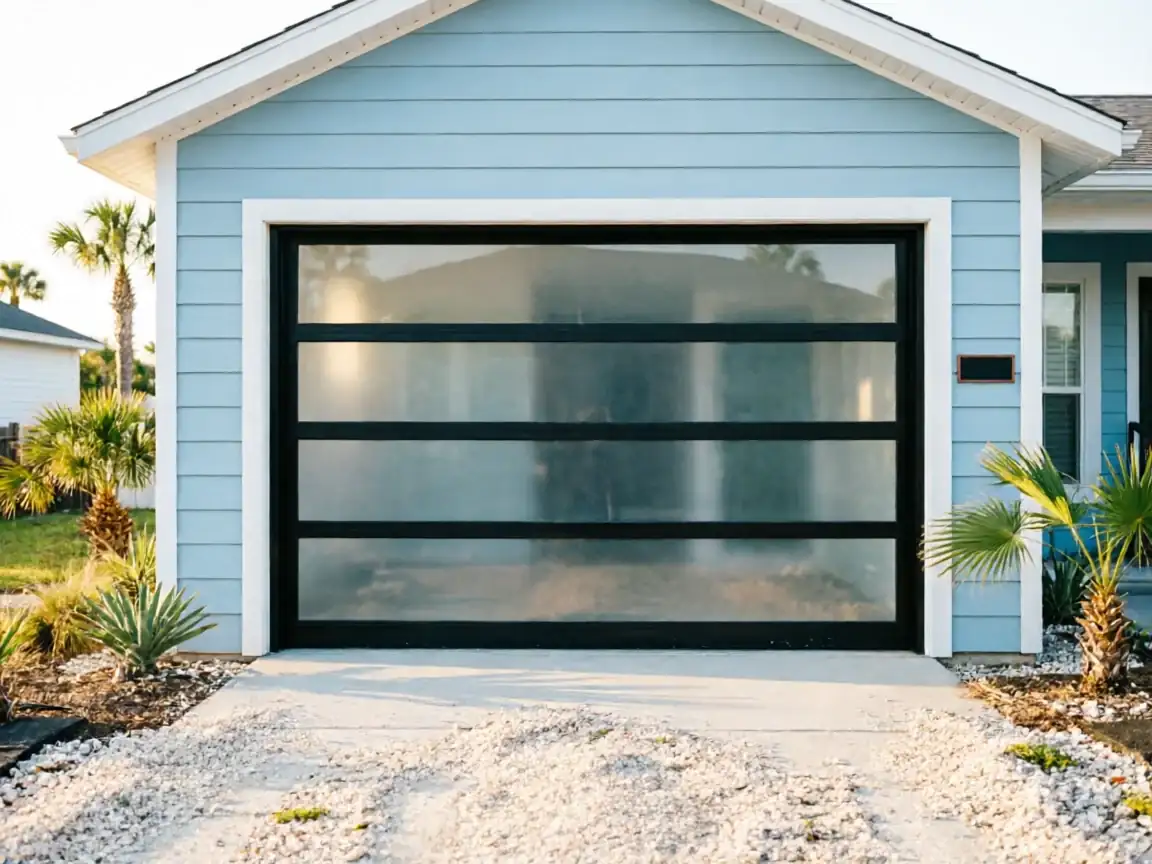
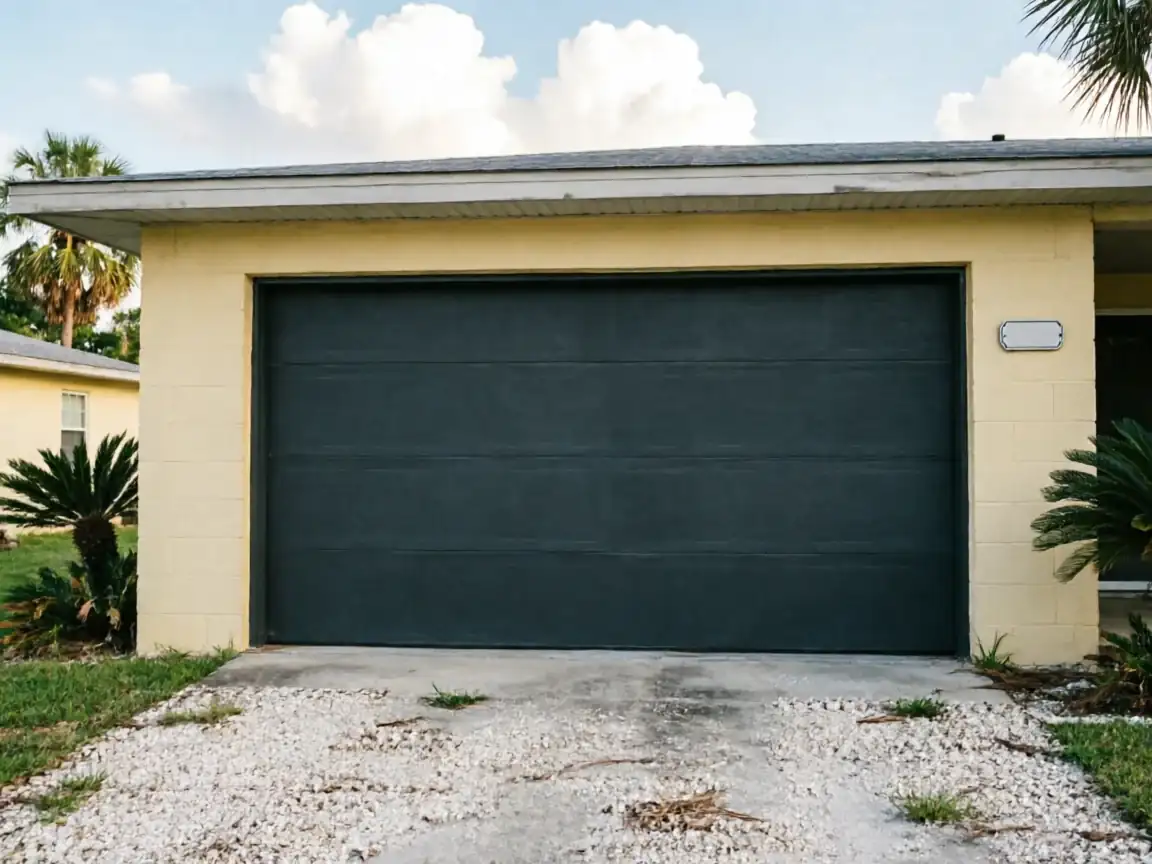
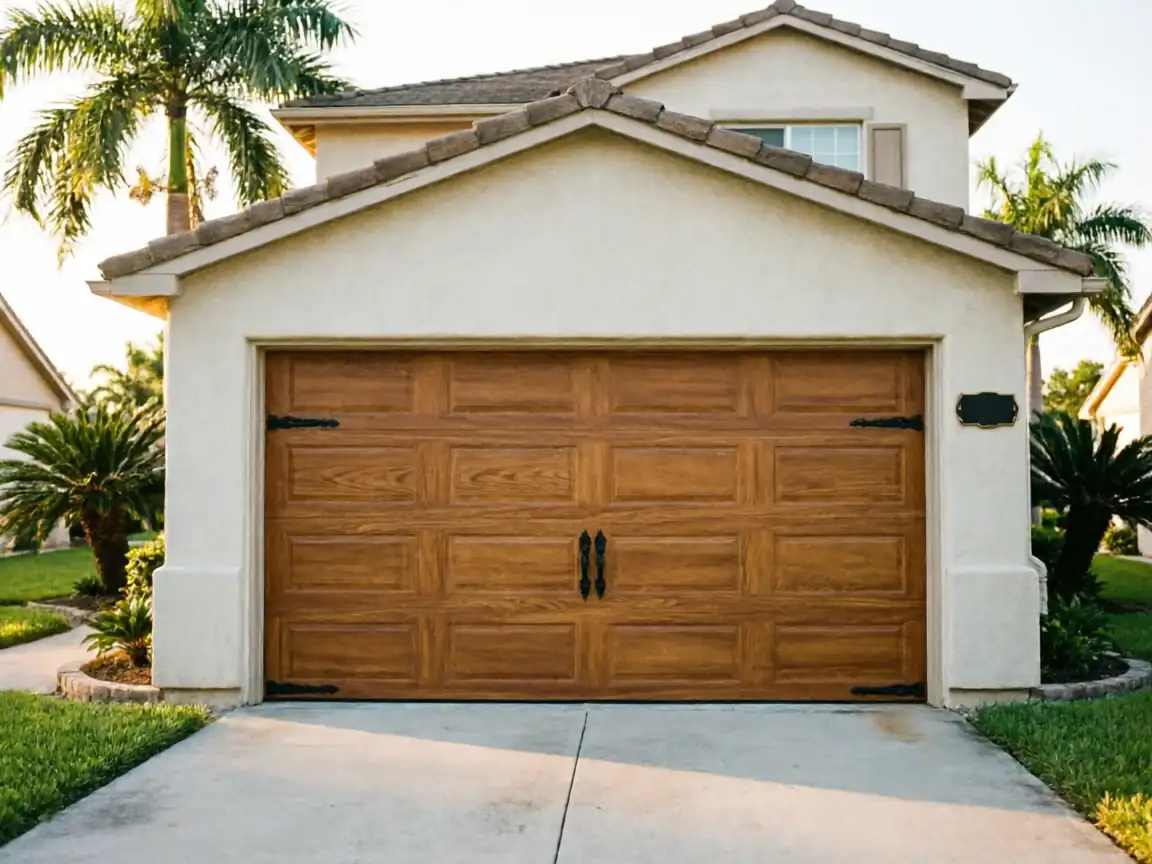
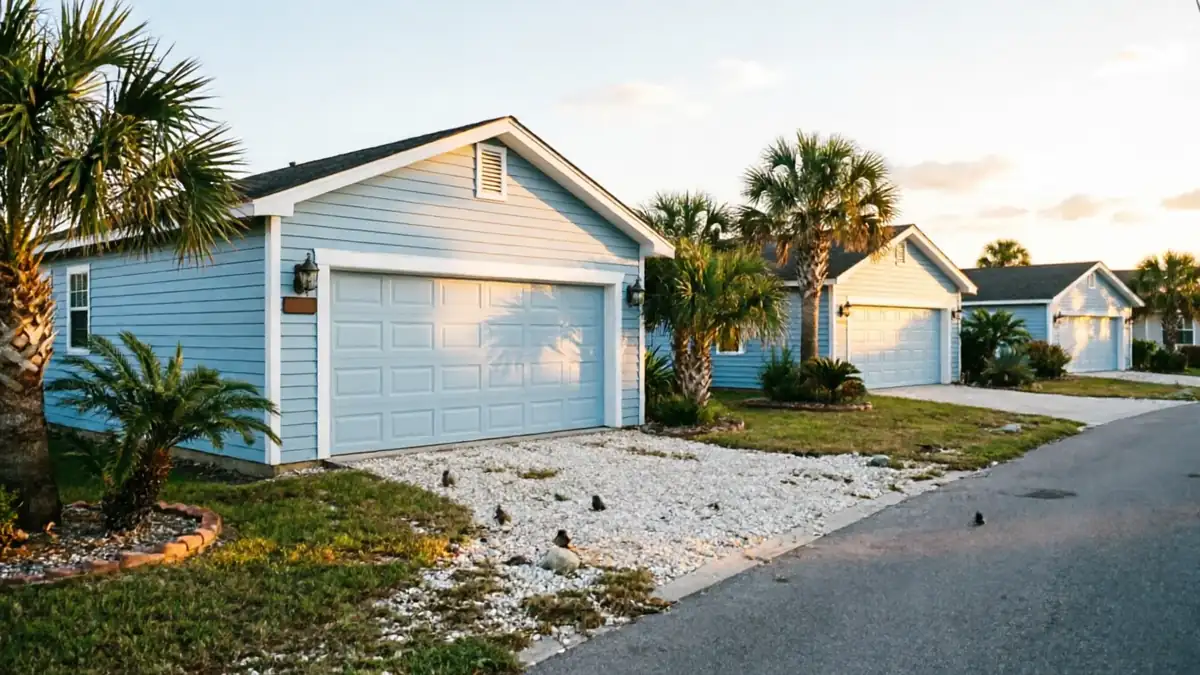
Parkland's housing mix skews newer and larger than most of the service area - roughly 10,828 households here against the 300,344 this company covers overall, and most of that larger total sits in older, smaller-door housing built decades earlier. The income picture is different too: median household income in Parkland runs around $200,156, more than three times the $63,423 median across the broader service area, and higher-income, newer-build households more often carry Wi-Fi-enabled openers with battery backup units, which have their own board and sensor failure points beyond a basic chain-drive unit. Add the mild, humid South Florida climate that affects the whole territory, and the pattern in Parkland tends to be heavier doors on stronger but more electronically complex openers, failing at the board or sensor level rather than from simple wear on a light door.