What the Repair Takes
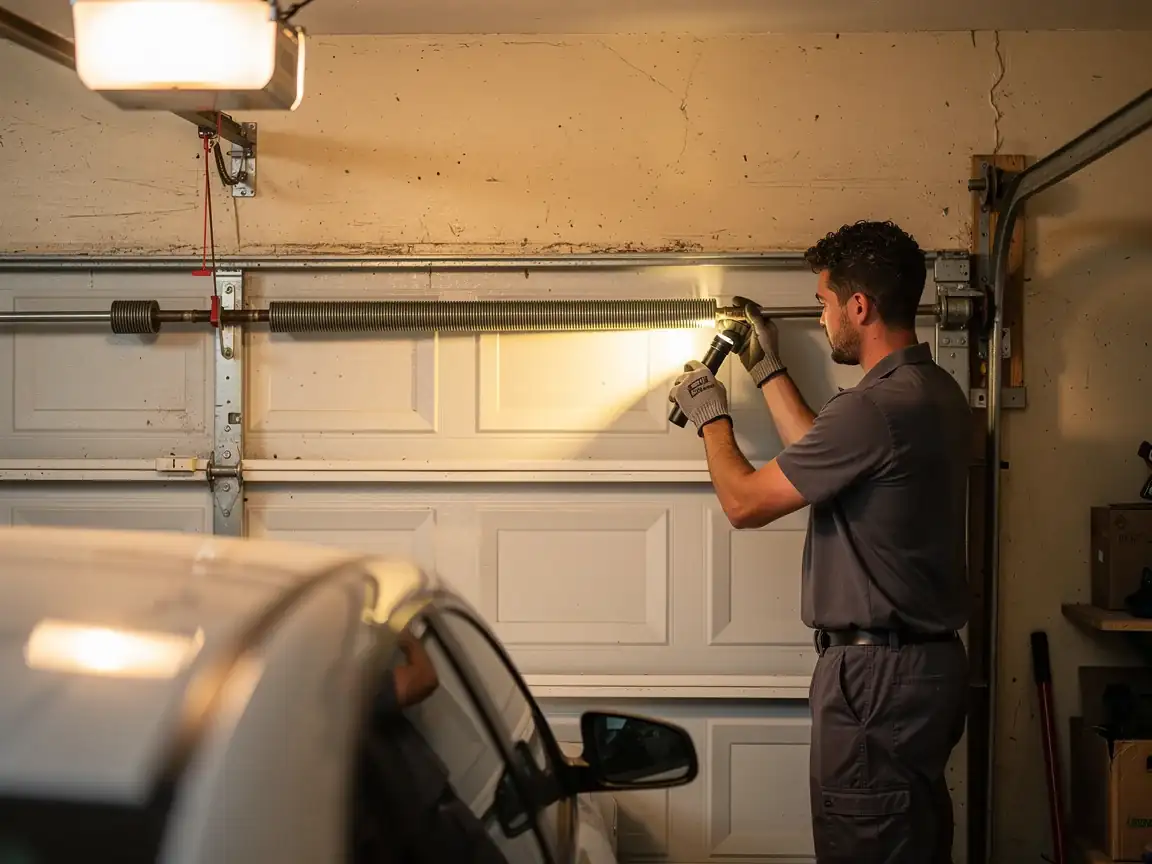
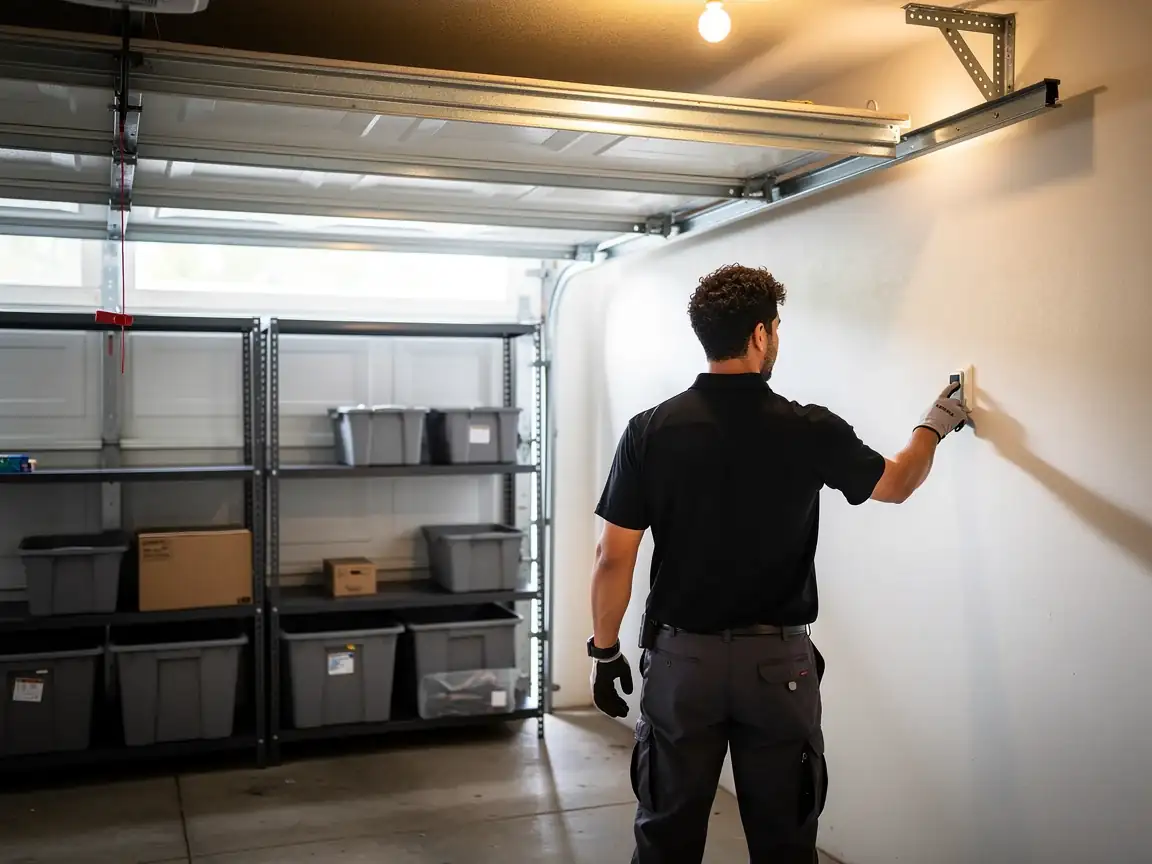
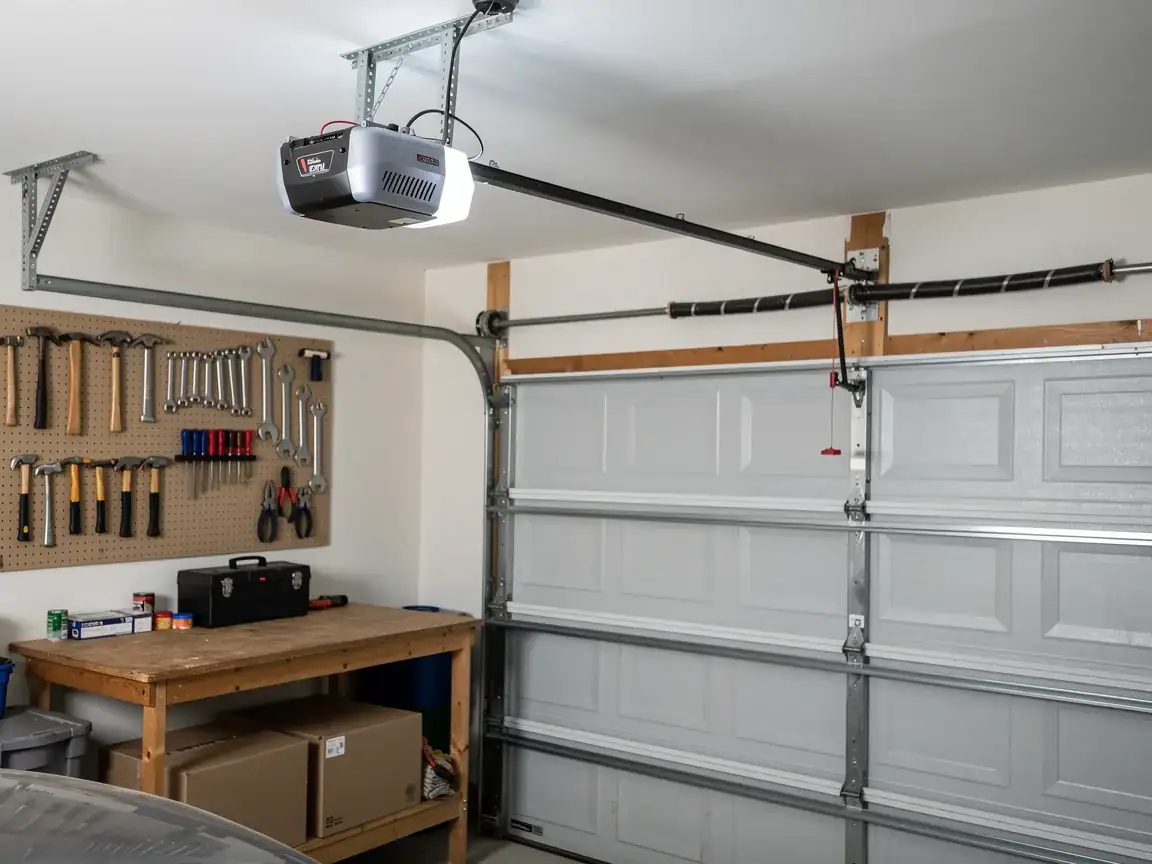
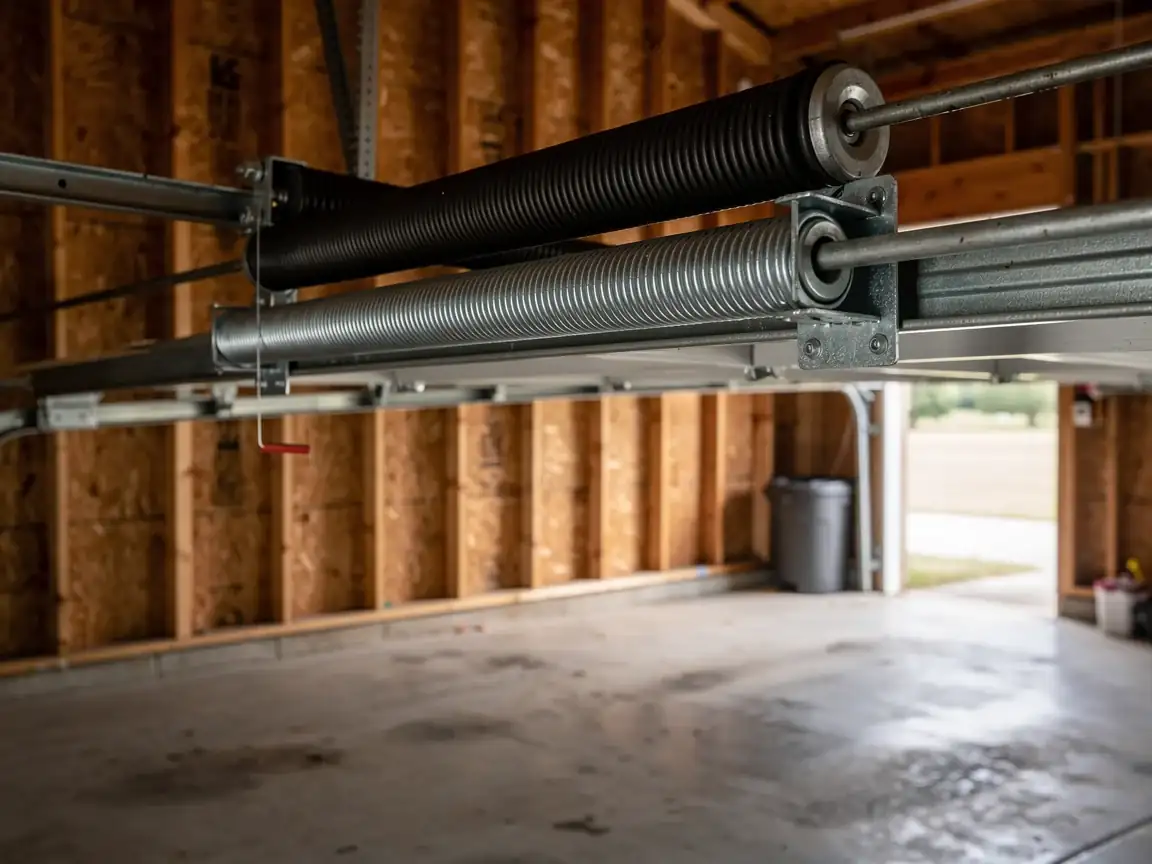
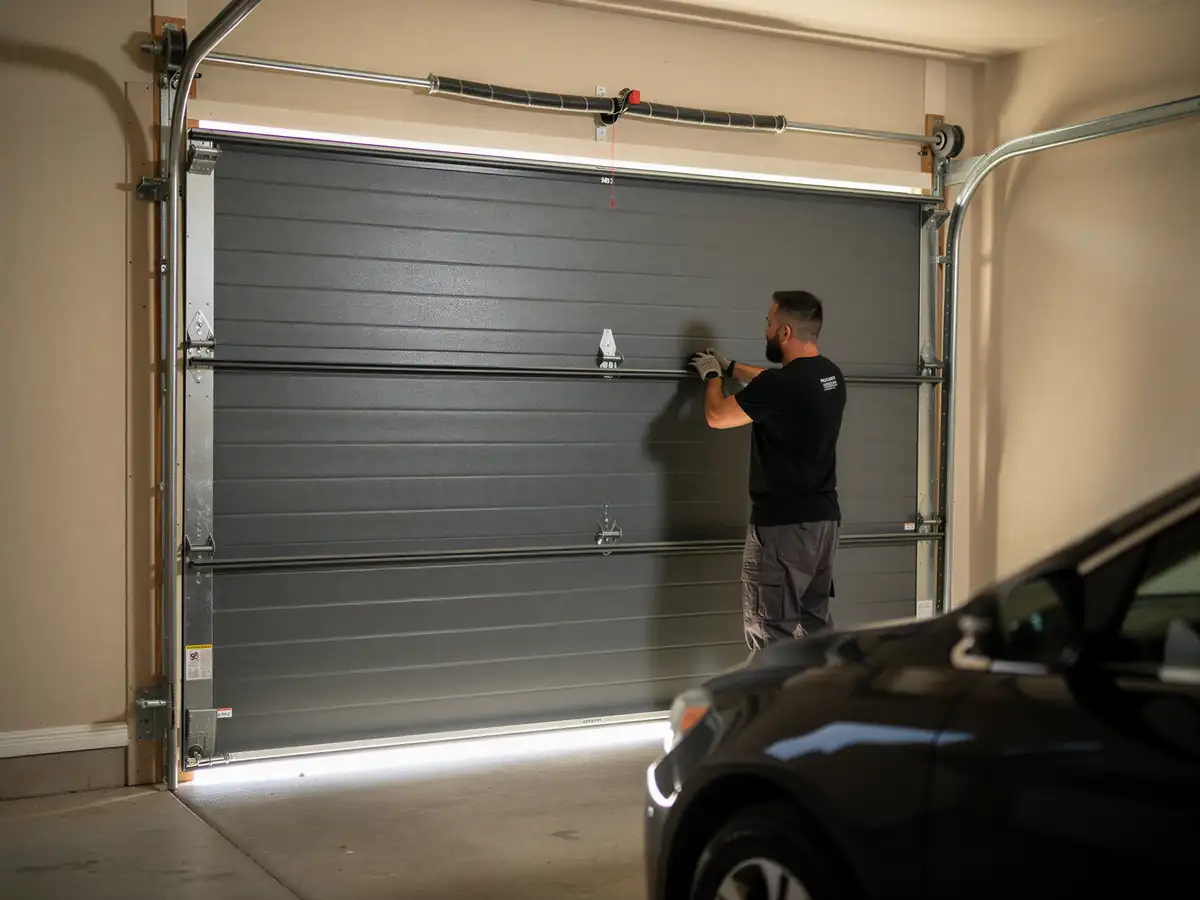
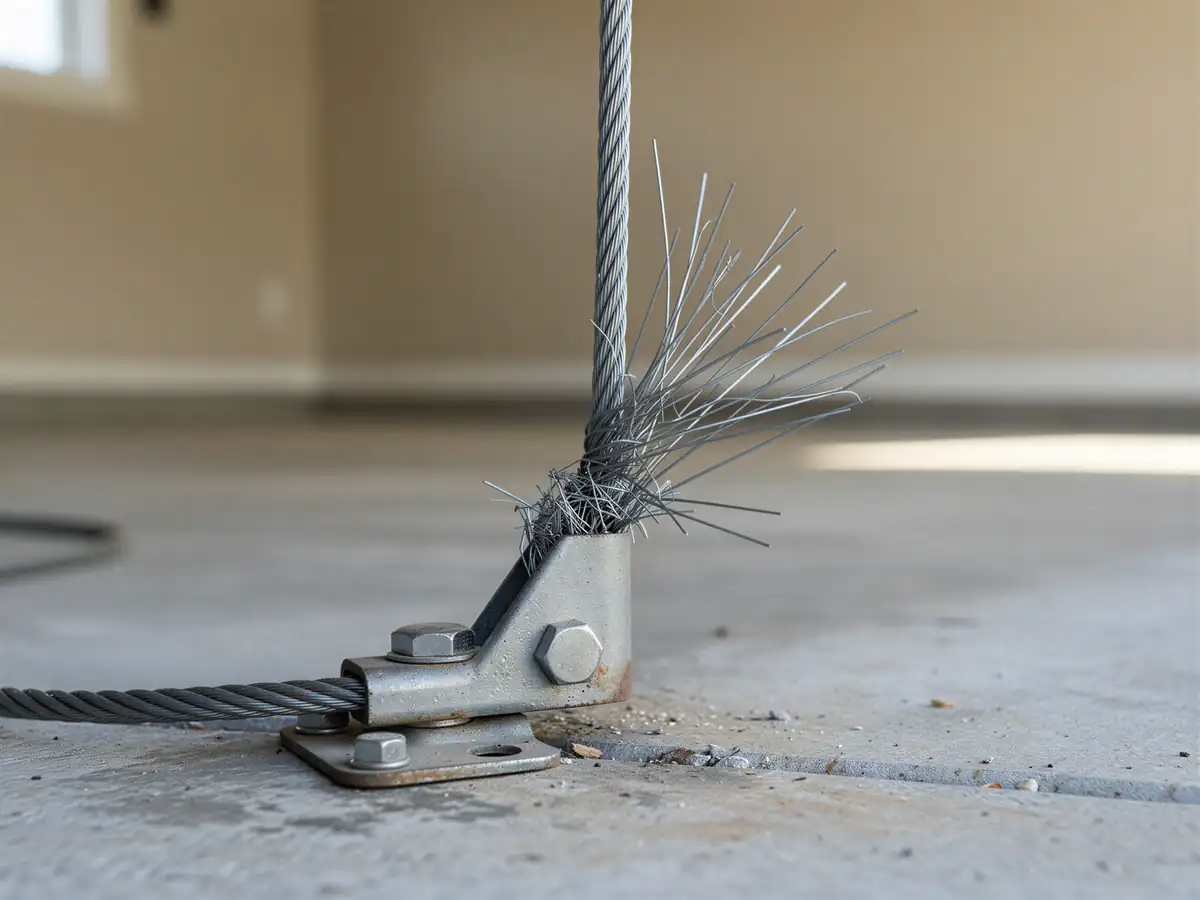
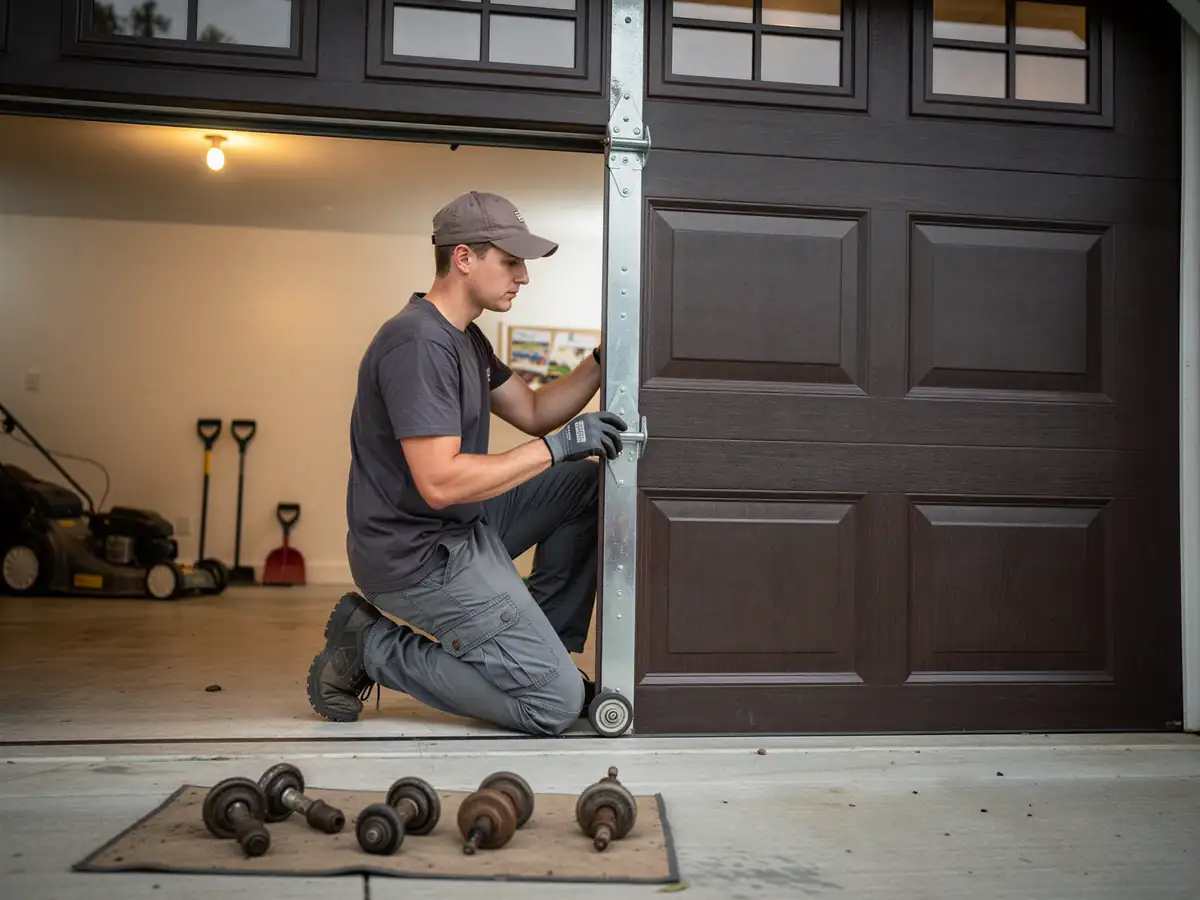
Because the drive is part of the job, we try to get a clear description of the fault before the truck leaves - is the door stuck half-open, does the opener hum without moving the door, is one cable visibly off the drum. That lets us bring the right spring size or roller set on the first trip instead of a second one. Given the 2005-median build year here, most of what we replace is factory-spec torsion spring and standard steel rollers; this isn't a neighborhood where we're hunting down obsolete side-mount hardware. A straightforward broken-spring call on a door this age usually runs shorter than a repair on an older door with seized or mismatched parts, simply because nothing's been swapped out or jury-rigged over forty years. Opener issues take longer to diagnose than spring issues, since newer units have circuit boards and sensors to check, not just a motor and a chain.
Can You Do This Yourself
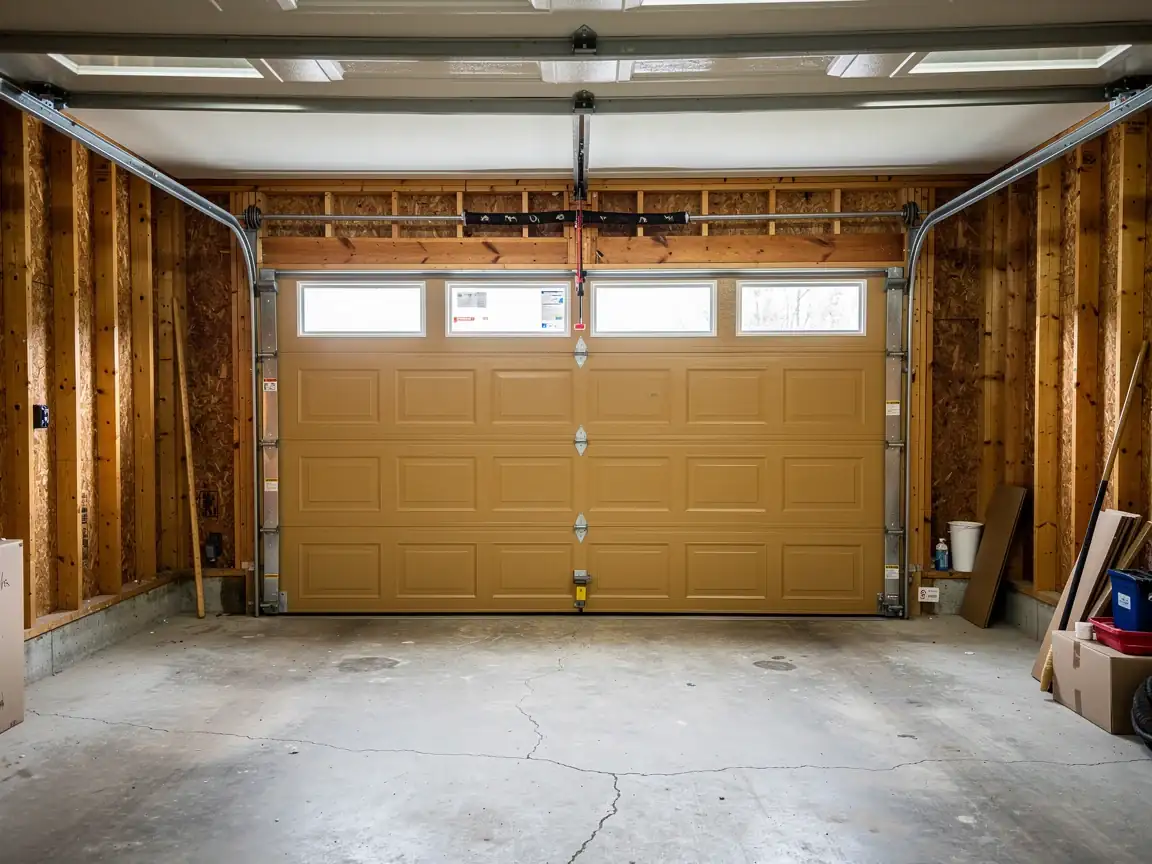
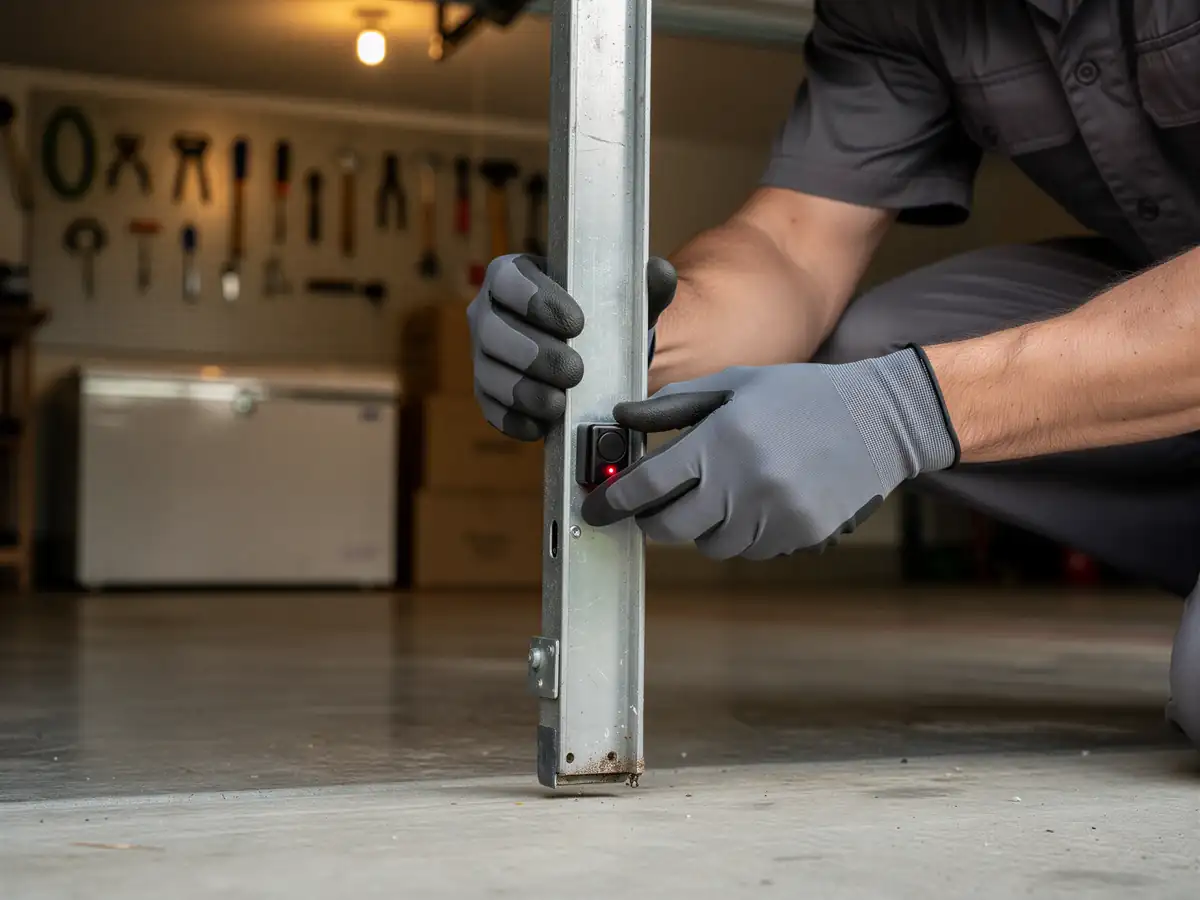
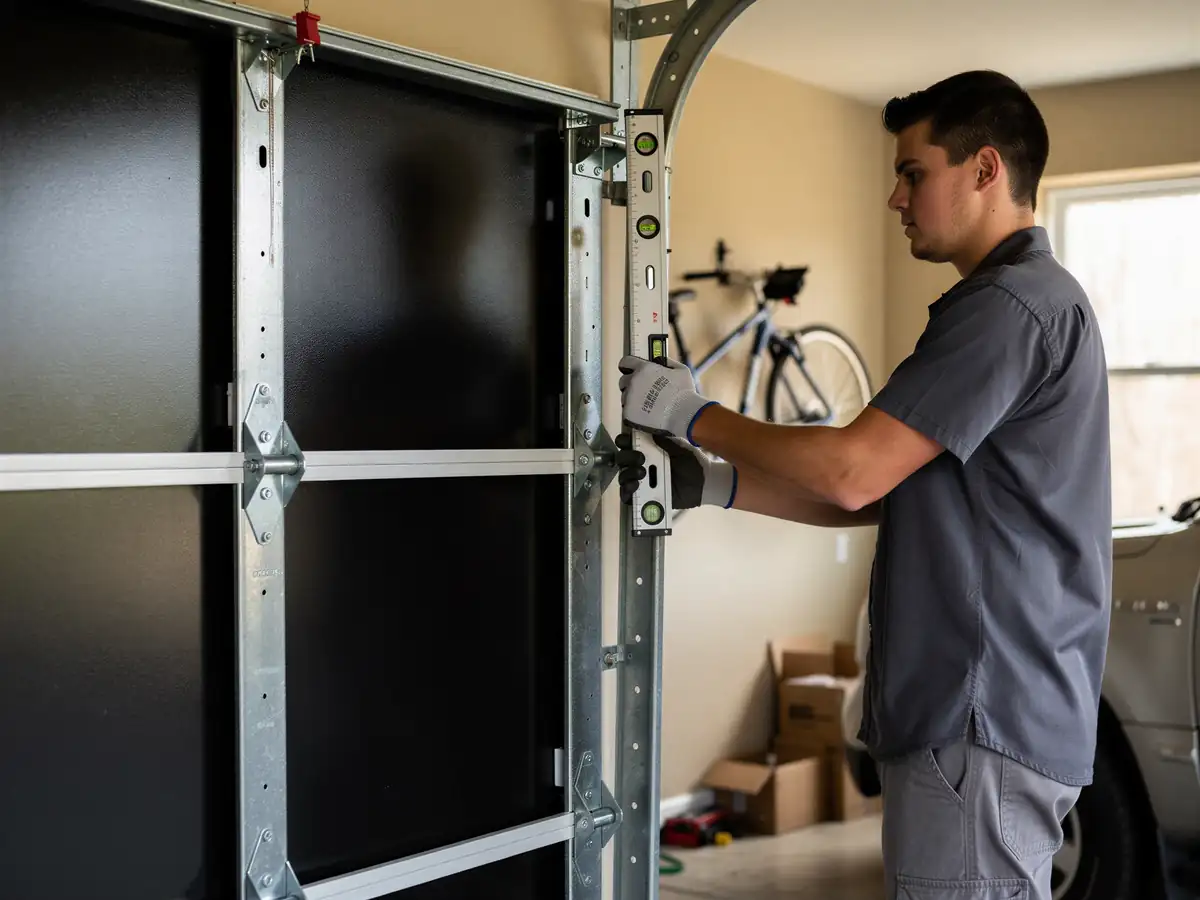
A torsion spring on a double door is under real tension, and we don't recommend homeowners touch it regardless of how new or old the door is - that's true everywhere, not just here. What you can do yourself: check that the track is clear of debris, that the photo-eye sensors near the floor aren't knocked out of alignment, and that the door balances evenly when disconnected from the opener and lifted by hand. If it doesn't balance, the spring is doing uneven work and that's a call-us situation, not a DIY one. One honest limit on our end - if a door's opener board is water-damaged or a proprietary part is on a long manufacturer backorder, we'll tell you that up front rather than quote a date we can't hit. Sometimes replacement is the faster and cheaper path than waiting on a part.
Why It Happens Here
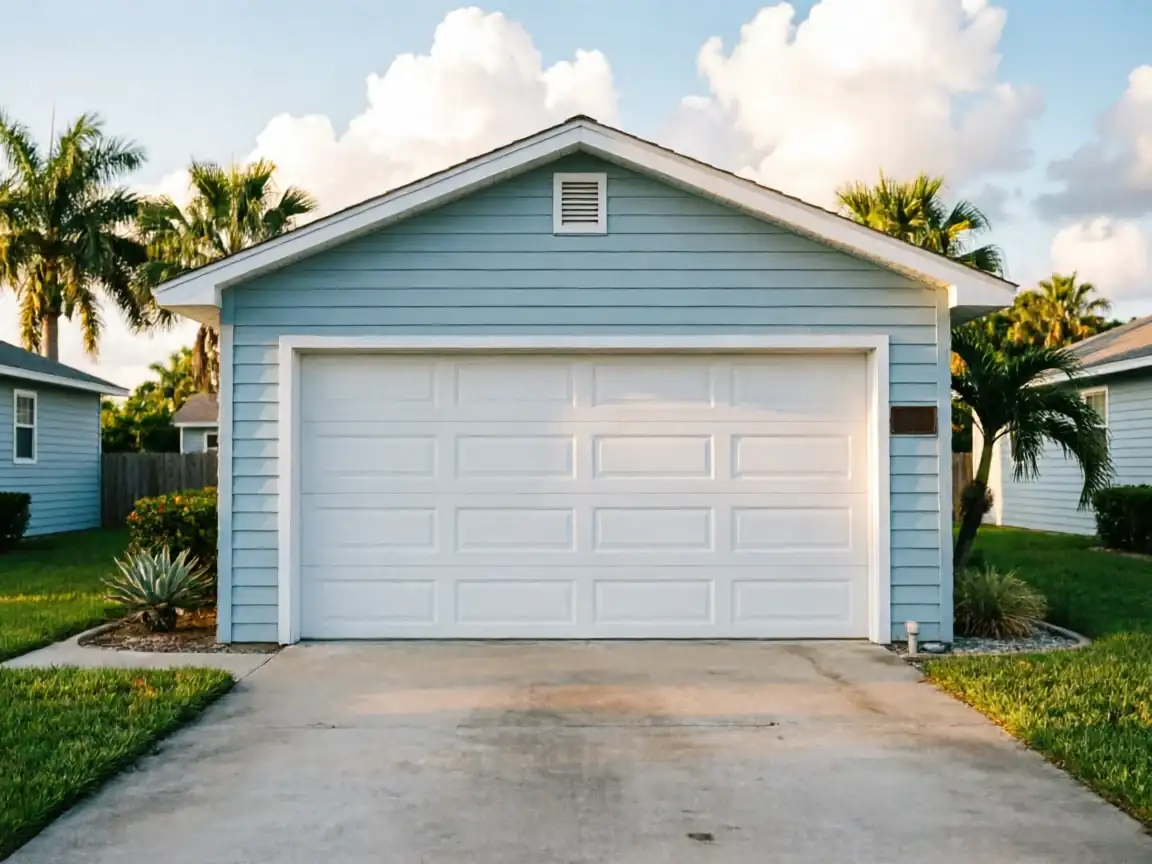
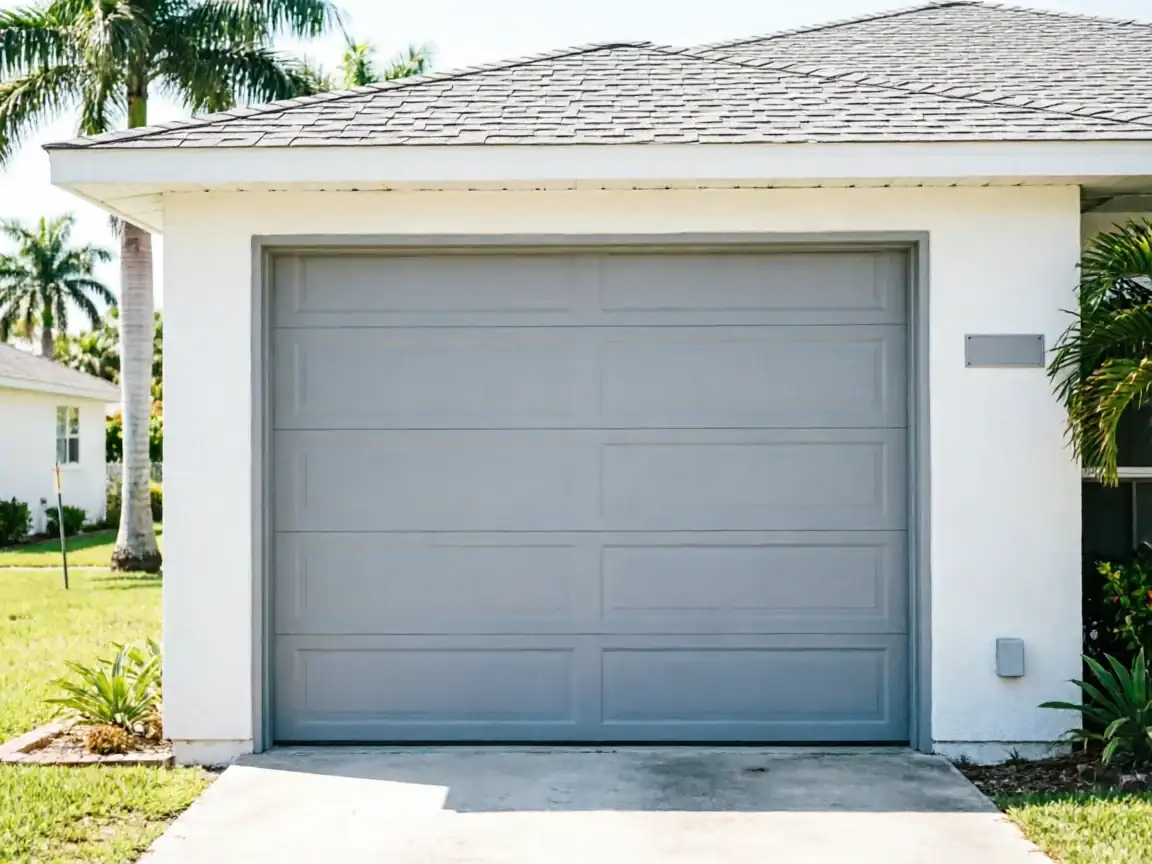
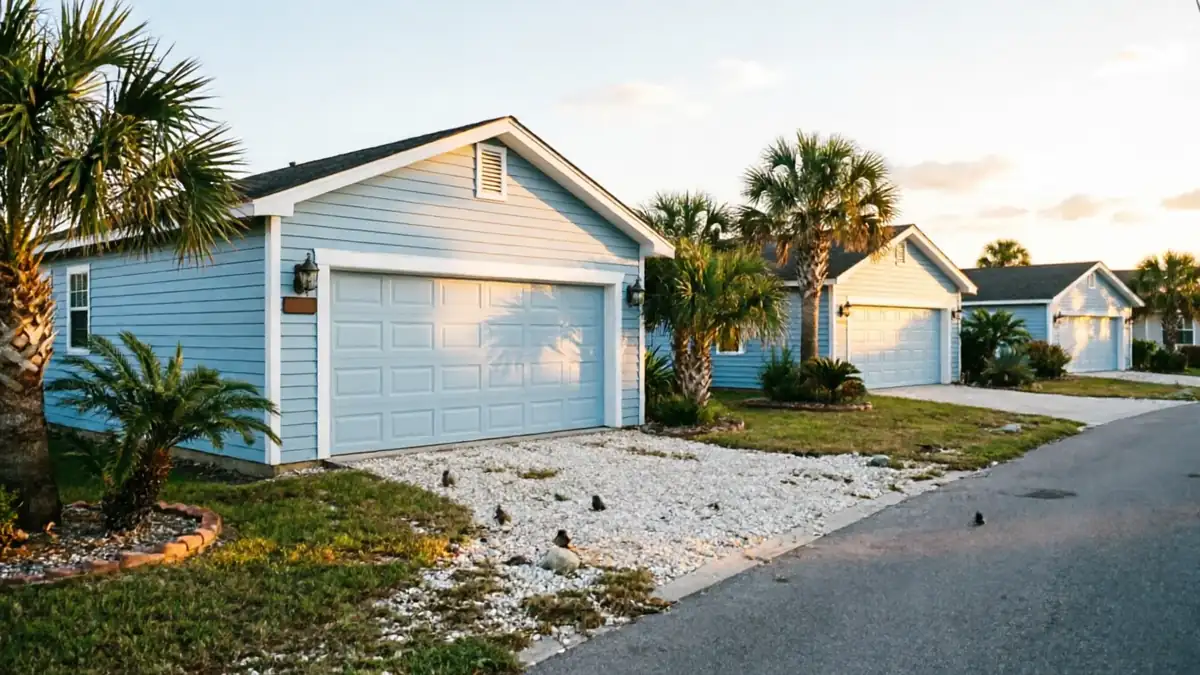
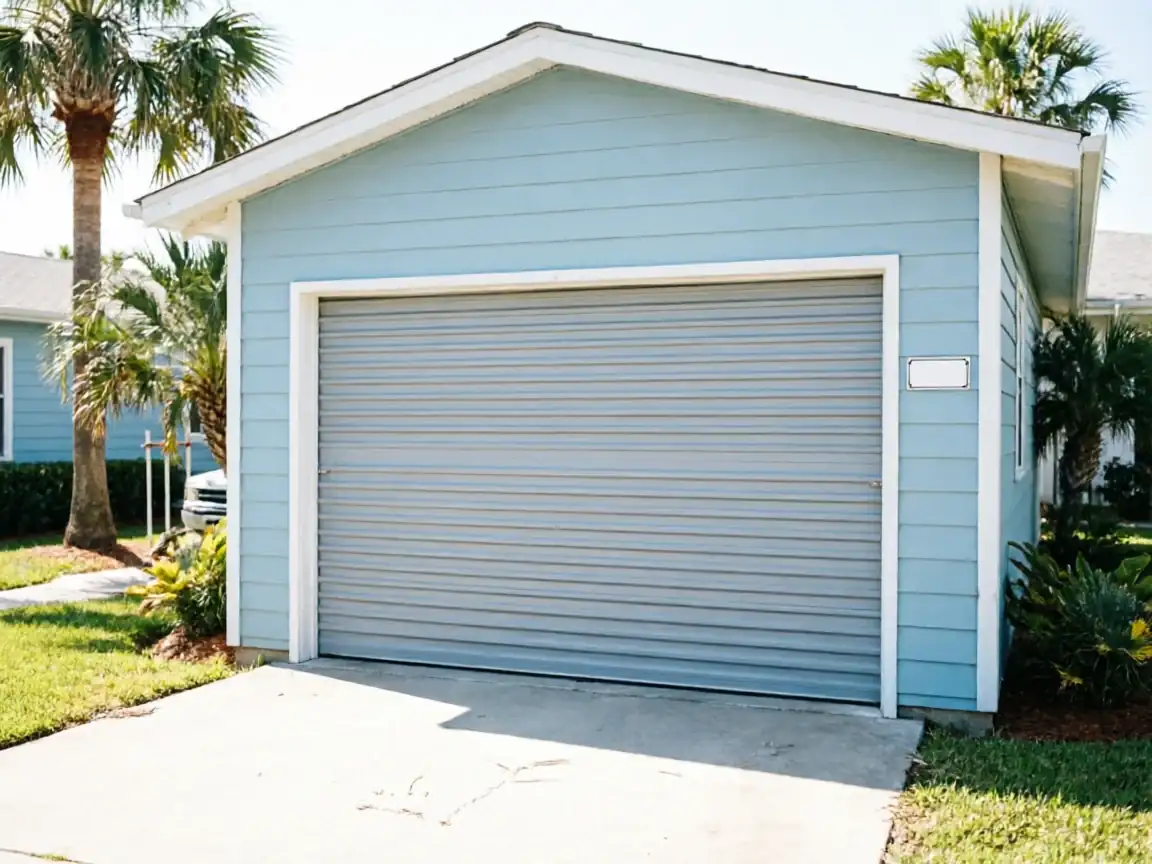
The service area sits in a mild temperate climate band - no hard freezes, no snow load on the door - so the failures we see aren't weather-driven cracking or warping the way they are up north. What does wear parts down here is steady heat and humidity working on lubrication and fasteners year-round, which is slow and constant rather than sudden. On a door with a 2005-era build, that typically shows up first as a spring losing tension or a roller drying out and binding in the track, well before any structural part of the door fails. Given that Parkland's housing sits at the newer end of the 1962-2005 range across the service area, we see fewer of the compounding issues that come with decades of prior patch-repairs - usually it's one worn part causing the problem, not three.