Can You Do This Yourself
A broken torsion spring, a cable off its drum, or an opener that hums but won't lift the door are jobs people search for online
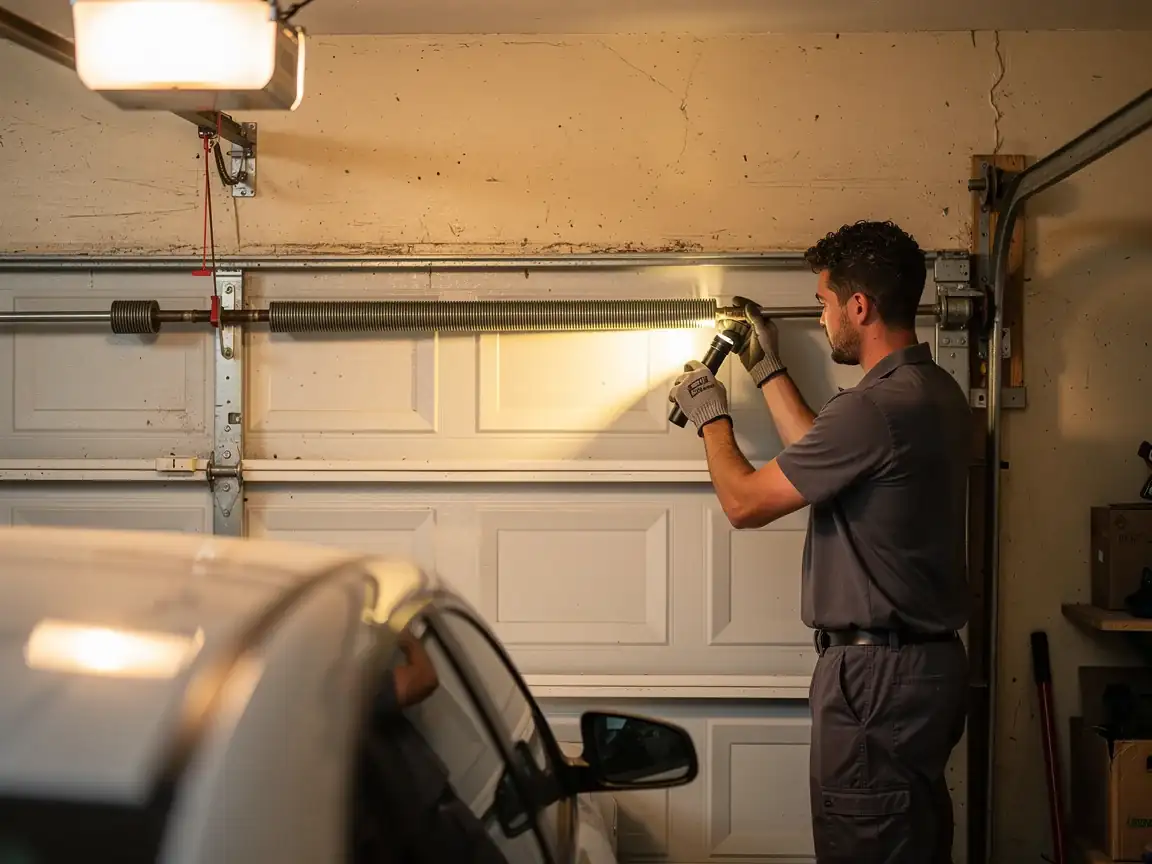
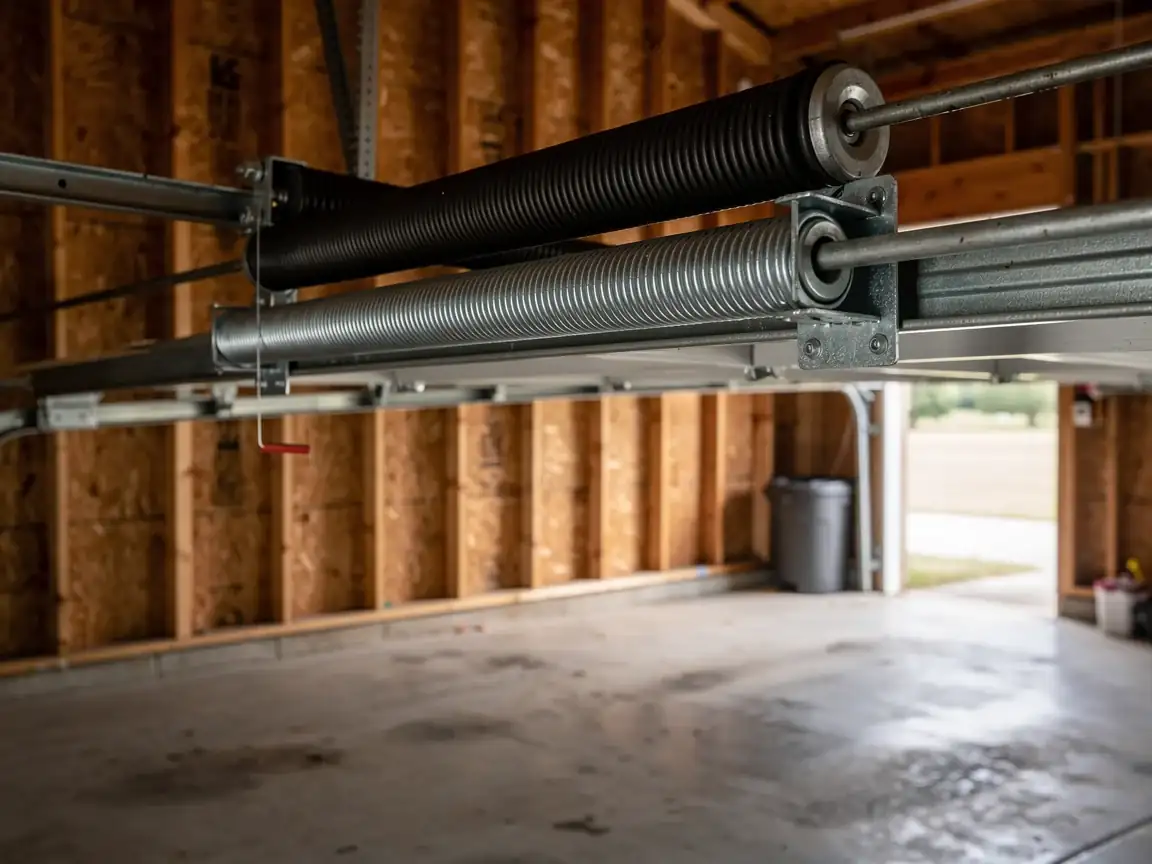
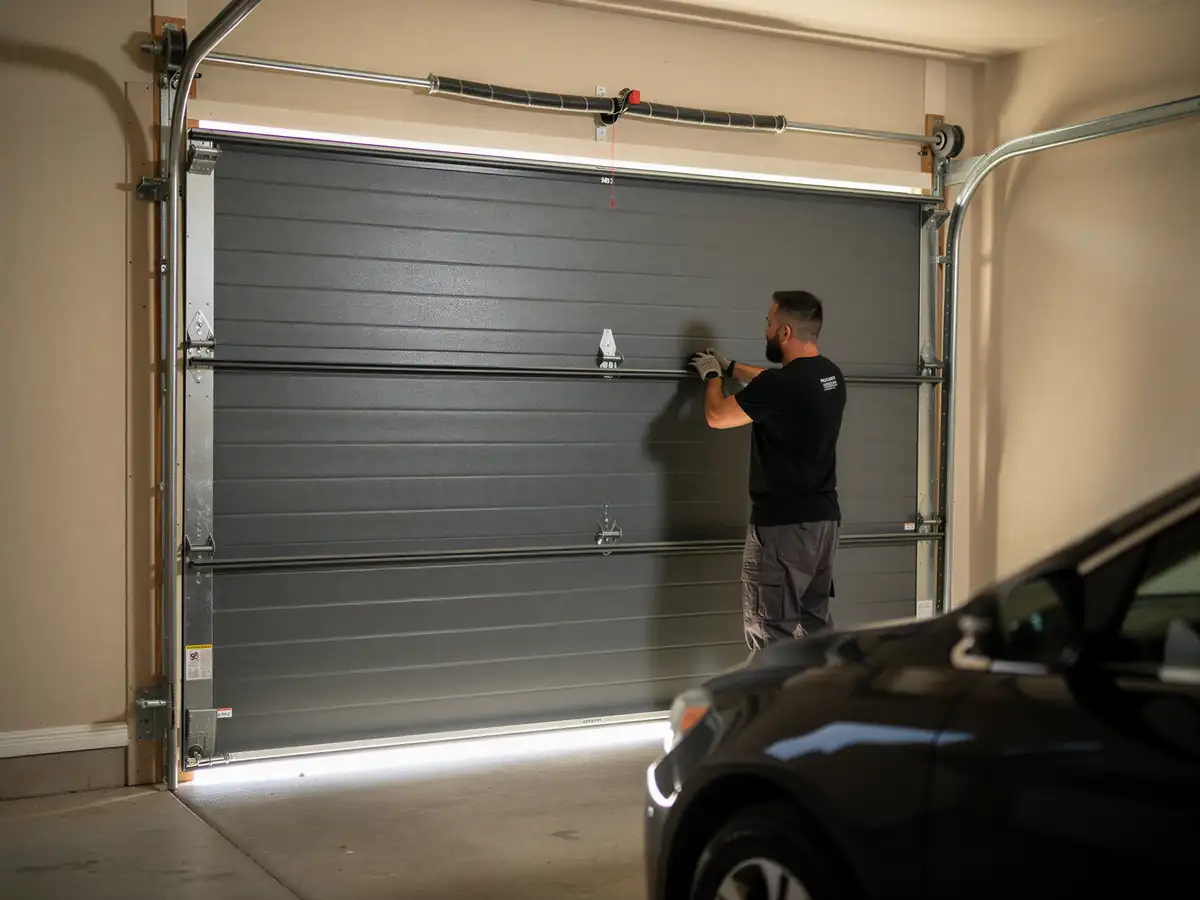
And some of it is doable with the right clamps and a lot of caution. But torsion springs are wound under real tension, and on the one-piece and early sectional doors common to houses built around 1972 in Oakland Park, the drums, cones, and shafts don't match what's sold in big box stores today. Swapping a spring without the matching cone size throws the door off balance, which wears out the opener gear inside a year.
What's reasonable to do yourself
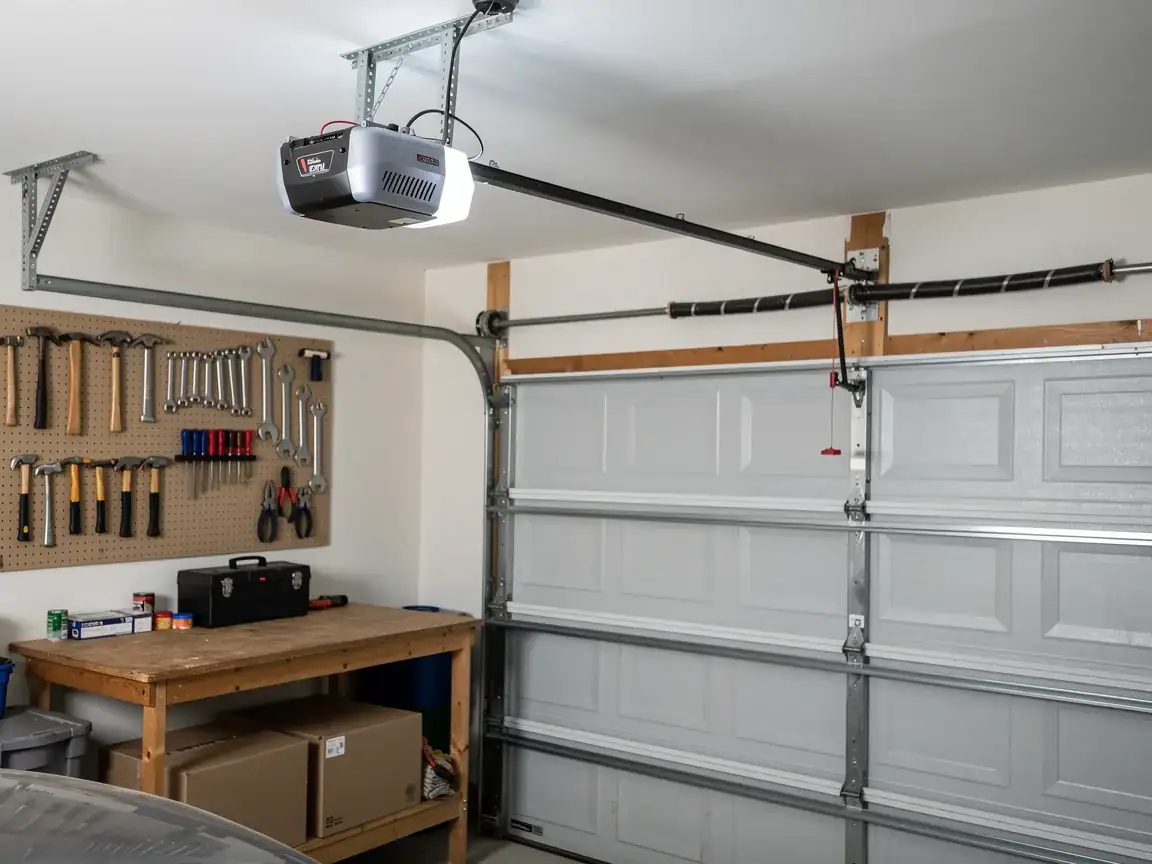
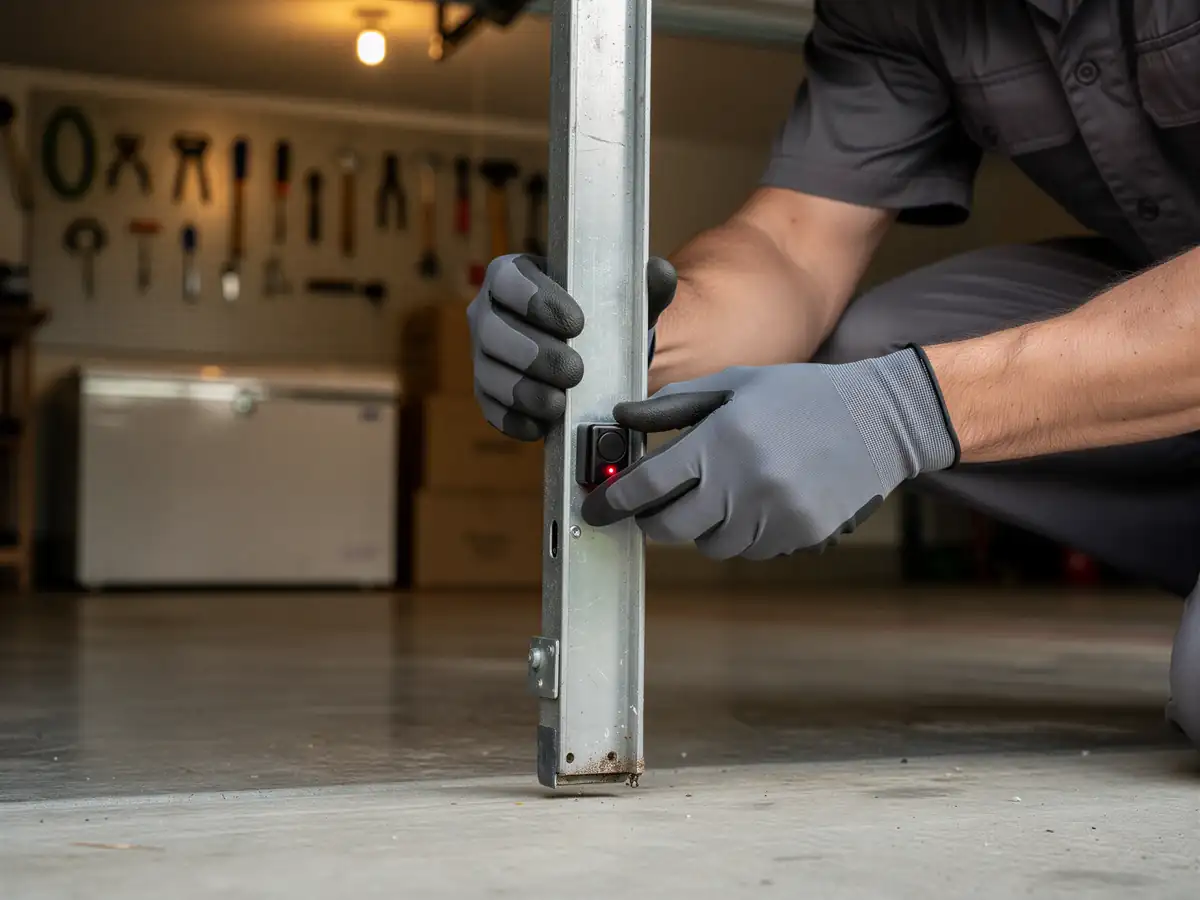
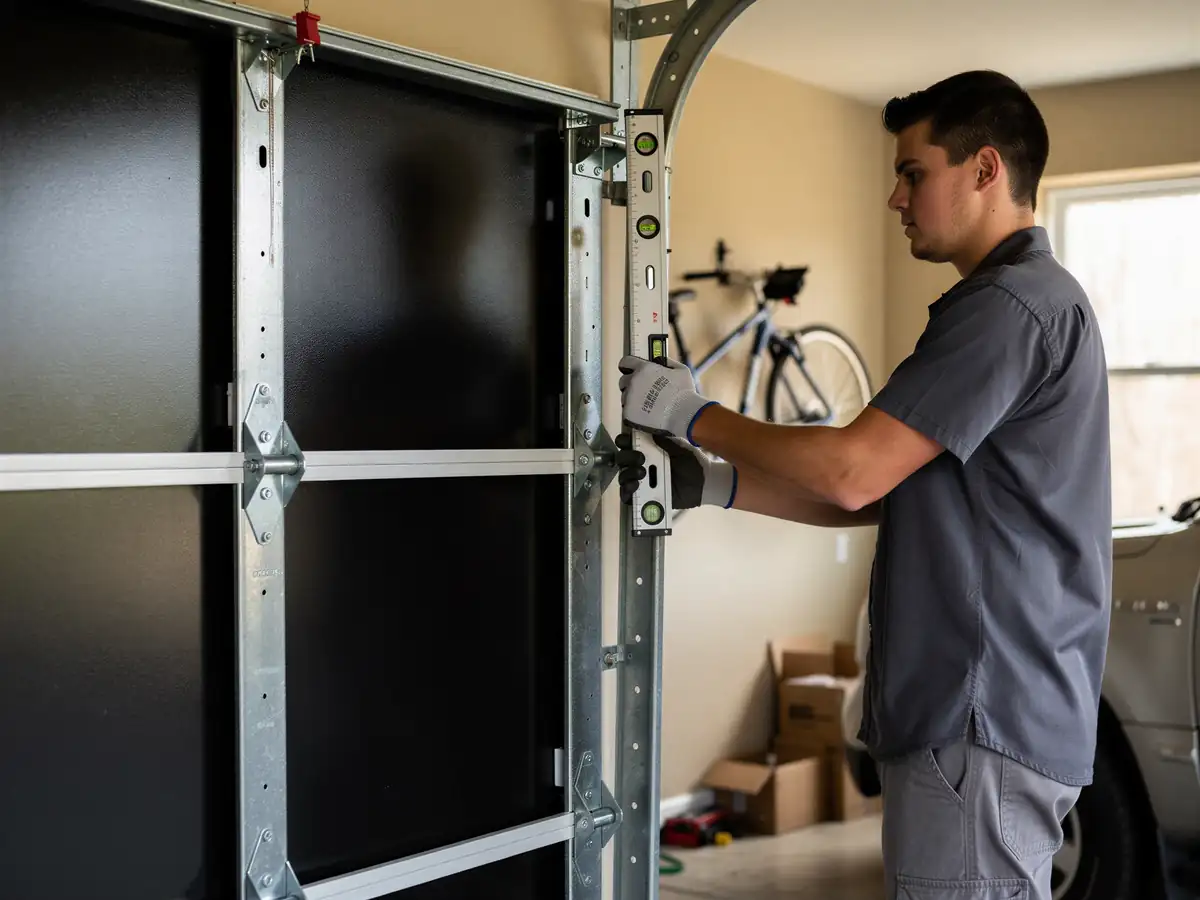
Lubricating hinges and rollers, tightening loose bolts on the track brackets, checking that the photo-eye sensors are aligned. What isn't: anything involving the torsion bar, the cables, or the bottom brackets under spring load. If the door is heavier than it used to feel, or it drops suddenly when you pull the release cord, that's a spring job, not a Saturday project. We travel to Oakland Park from Sunrise, about 7 miles out, so we're not the fastest same-day option on paper, but we show up with the right cone sizes for older torsion hardware instead of guessing twice.
- 7 miles
The Cost of This Job
Median household income in Oakland Park runs $68,424, a bit above the $63,423 figure across the wider service area we cover from Sunrise. That matters because it's close to where the repair-or-replace line usually sits: at this income level, fixing a cracked panel or swapping a worn spring on a door that's structurally sound is almost always the right call, while a full replacement only starts to make sense once the door itself - track, hardware, and all - is failing at once, not just one part of it.
We don't carry a universal price list here because the job itself decides the cost: spring size, panel count, whether the opener needs a new gear kit or a whole unit. What we can say is that houses from the early-to-mid 1970s built stock, which make up a lot of Oakland Park's 17,303 households, tend to need spring and roller work before they need a new door. Replacing a working door because one part failed is usually money spent on parts that didn't need it. We'll tell you straight when a repair isn't worth doing.
What the Repair Takes
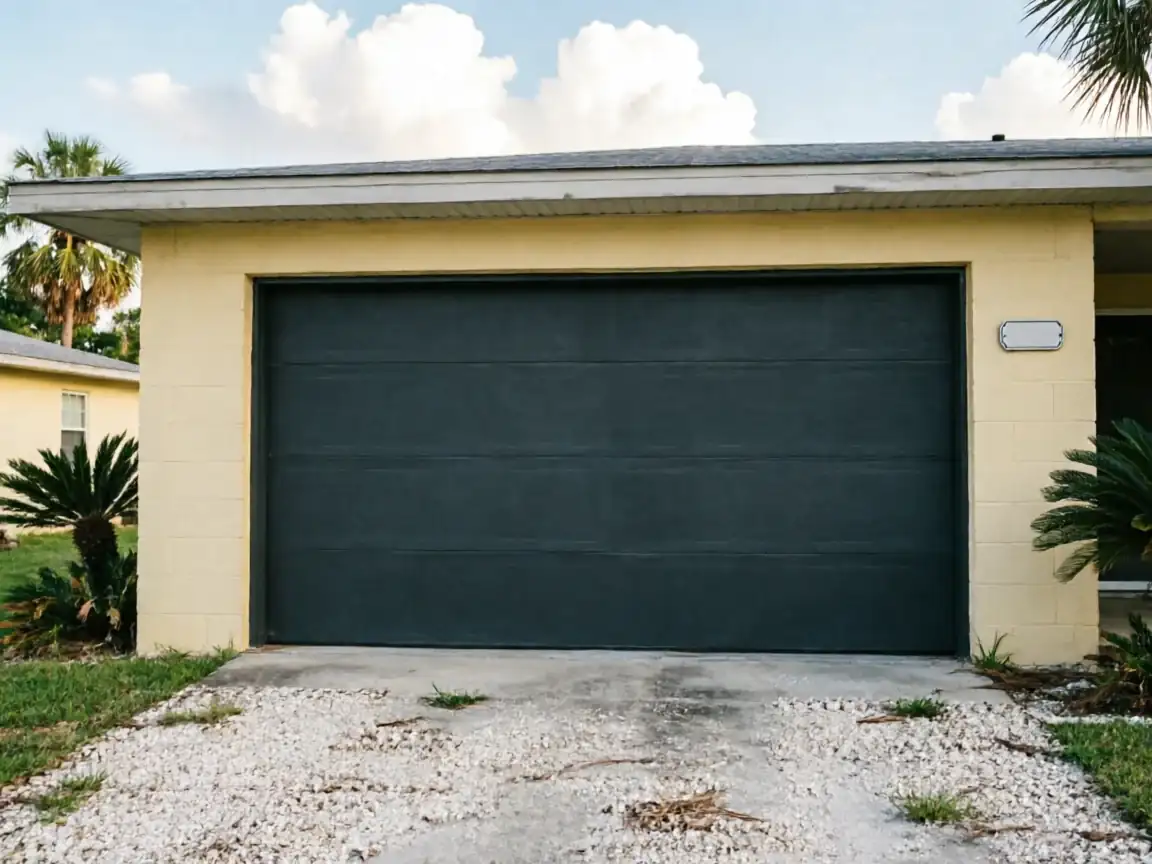
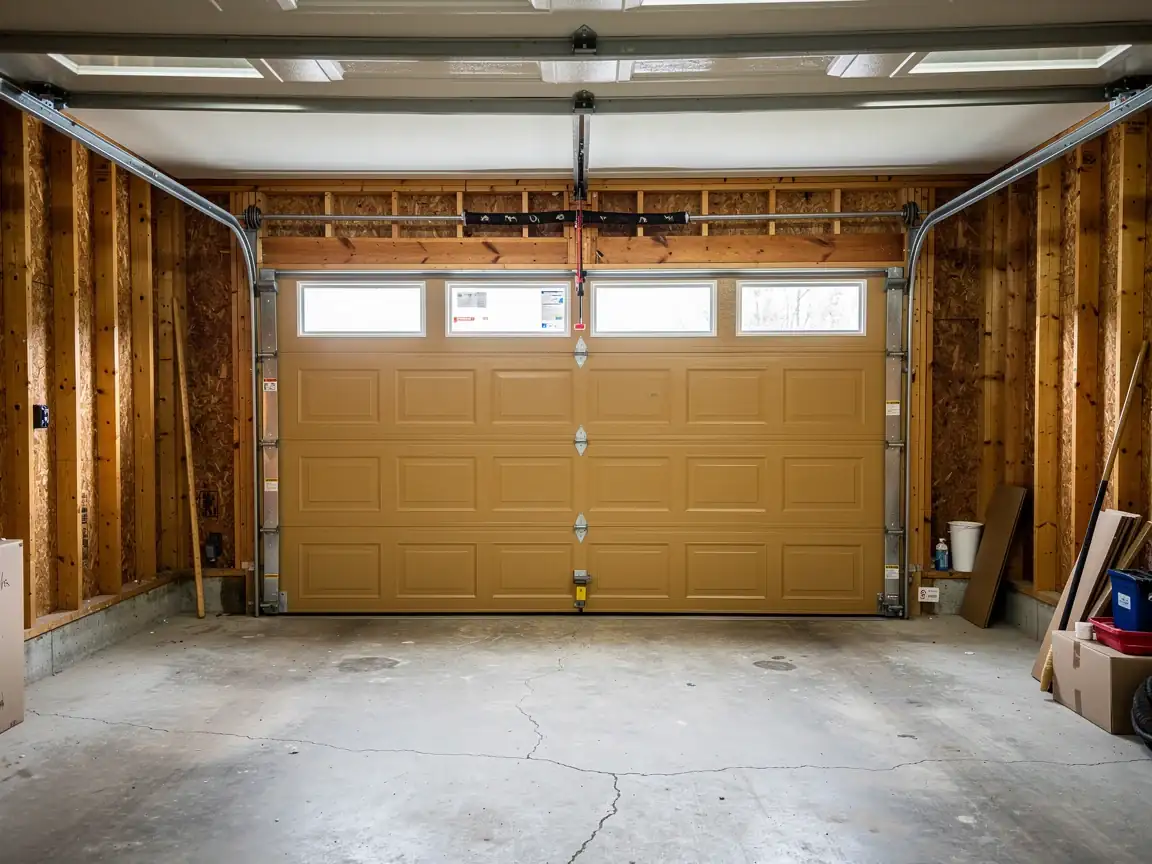
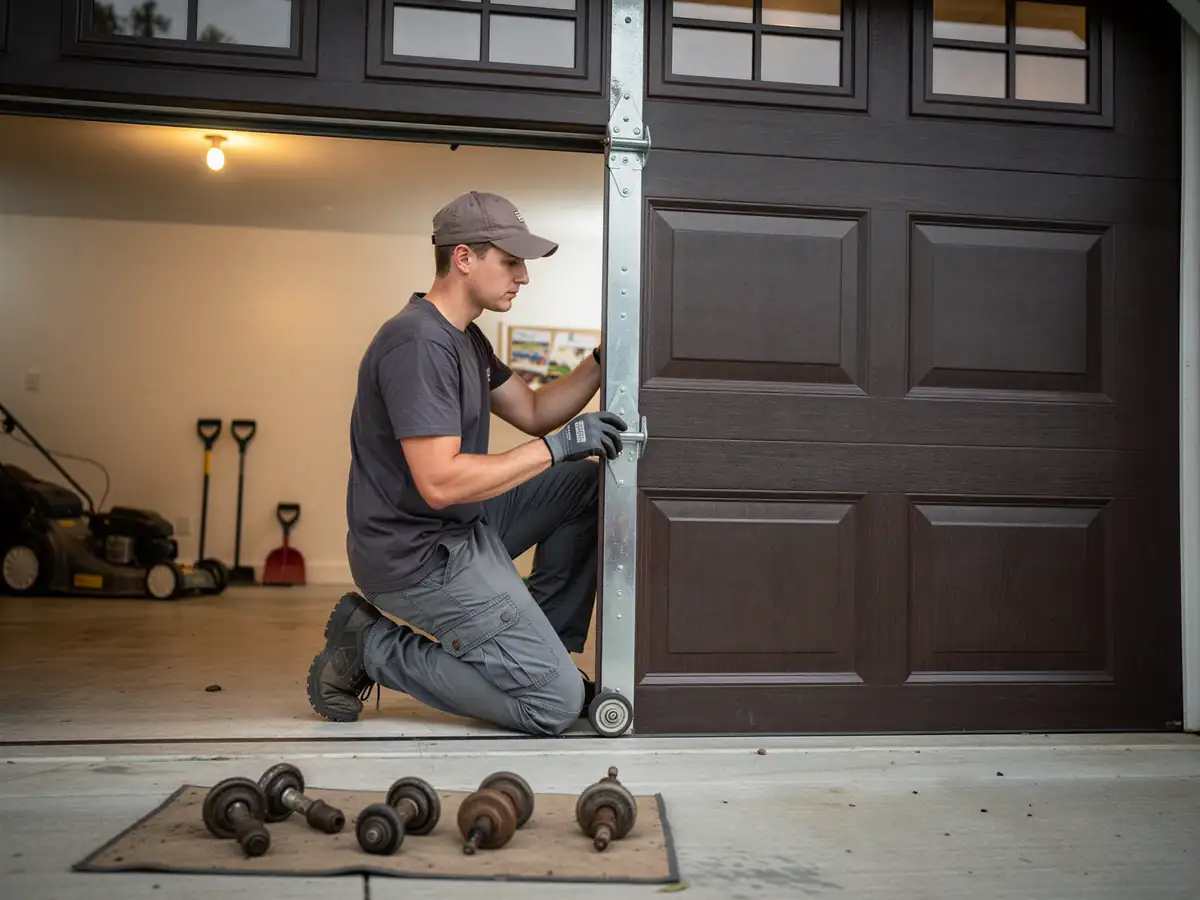
Across the 25 named areas we cover from Sunrise, most housing went up between 1962 and 2005, with a median build year of 1976 - Oakland Park sits right in that window at 1972. Doors from that era typically run side-mounted torsion springs rather than the center-mounted setups you see on newer construction, and the drums and cable drums that match them aren't something every supply house stocks on the shelf. If your door is original to the house, or close to it, expect us to check the cone size and cable gauge before anything else, because guessing wrong on either one means a second trip.
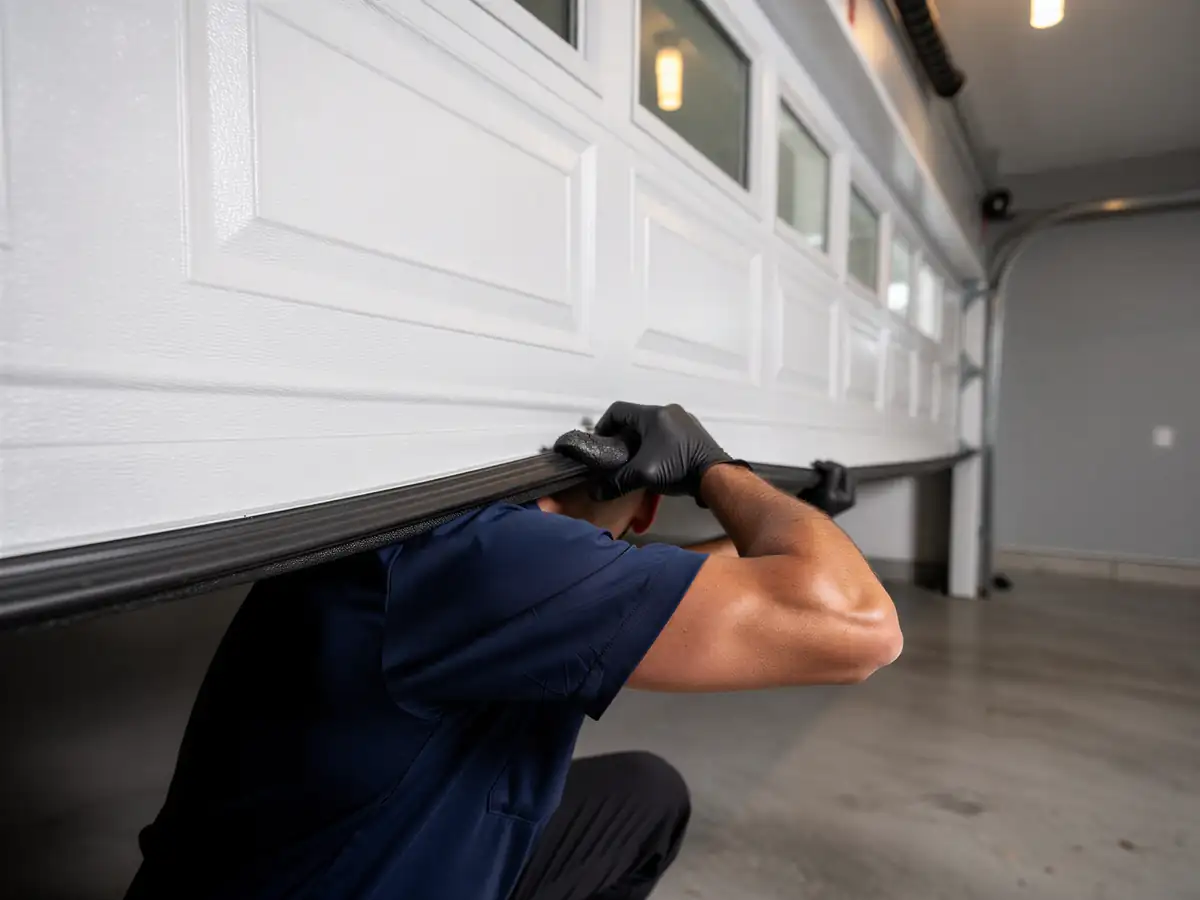
The mild, humid climate here doesn't freeze hardware the way colder regions do, but it does swell wood jambs and corrode exposed springs faster than you'd expect, especially on doors that haven't had a lube job in years. A repair visit usually means diagnosing the actual point of failure - spring, cable, roller, or opener - rather than replacing the whole assembly, and for houses in this age range that's almost always the cheaper and more durable fix.
What You Are Seeing
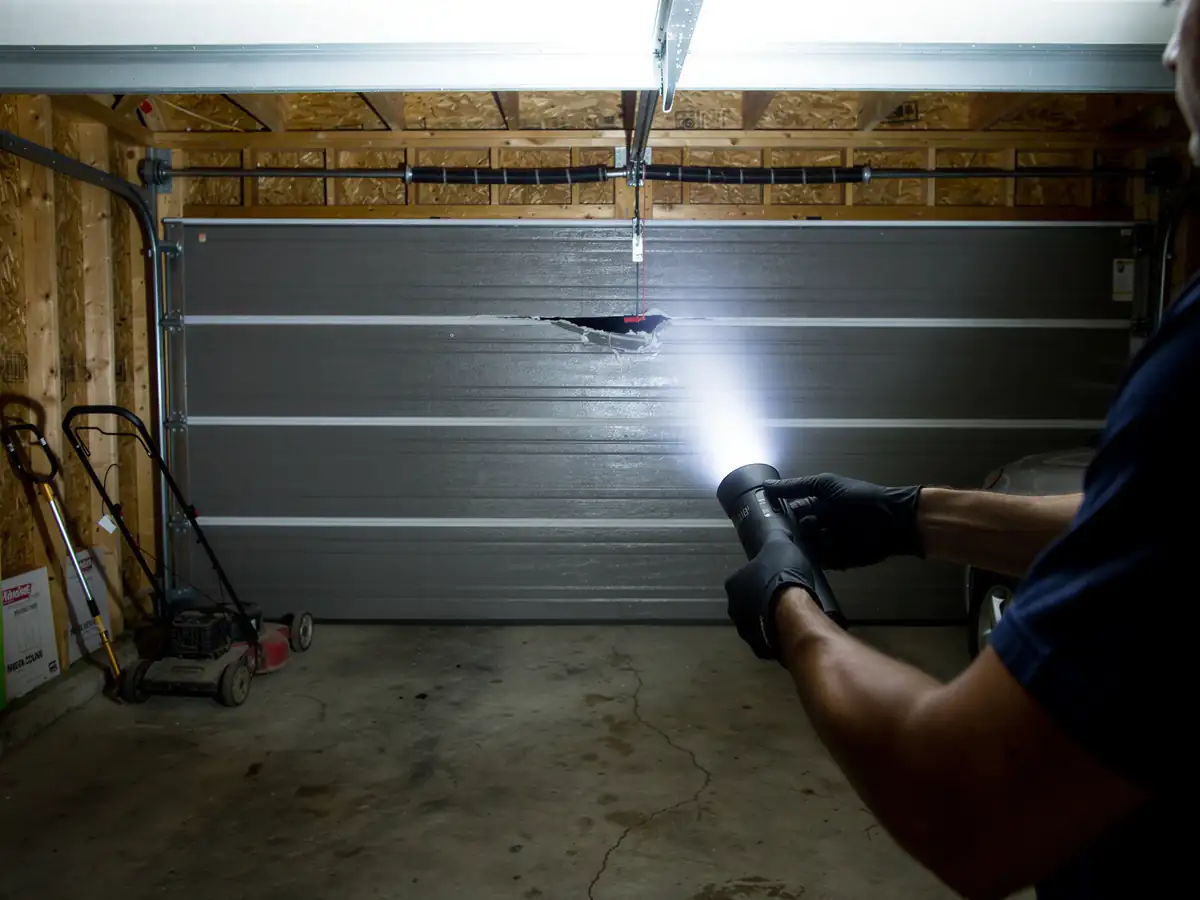
A door that reverses halfway up, or won't close all the way
Is usually a photo-eye alignment problem or a limit switch that's drifted - common on openers that have been running fifteen-plus years, which lines up with a lot of the original equipment still in Oakland Park's 1970s-built housing stock. A loud bang followed by the door refusing to open at all is almost always a broken torsion spring; the door will feel unusually heavy if you try to lift it by hand.
Grinding or popping from one side of the door points to a roller that's worn through its bearing
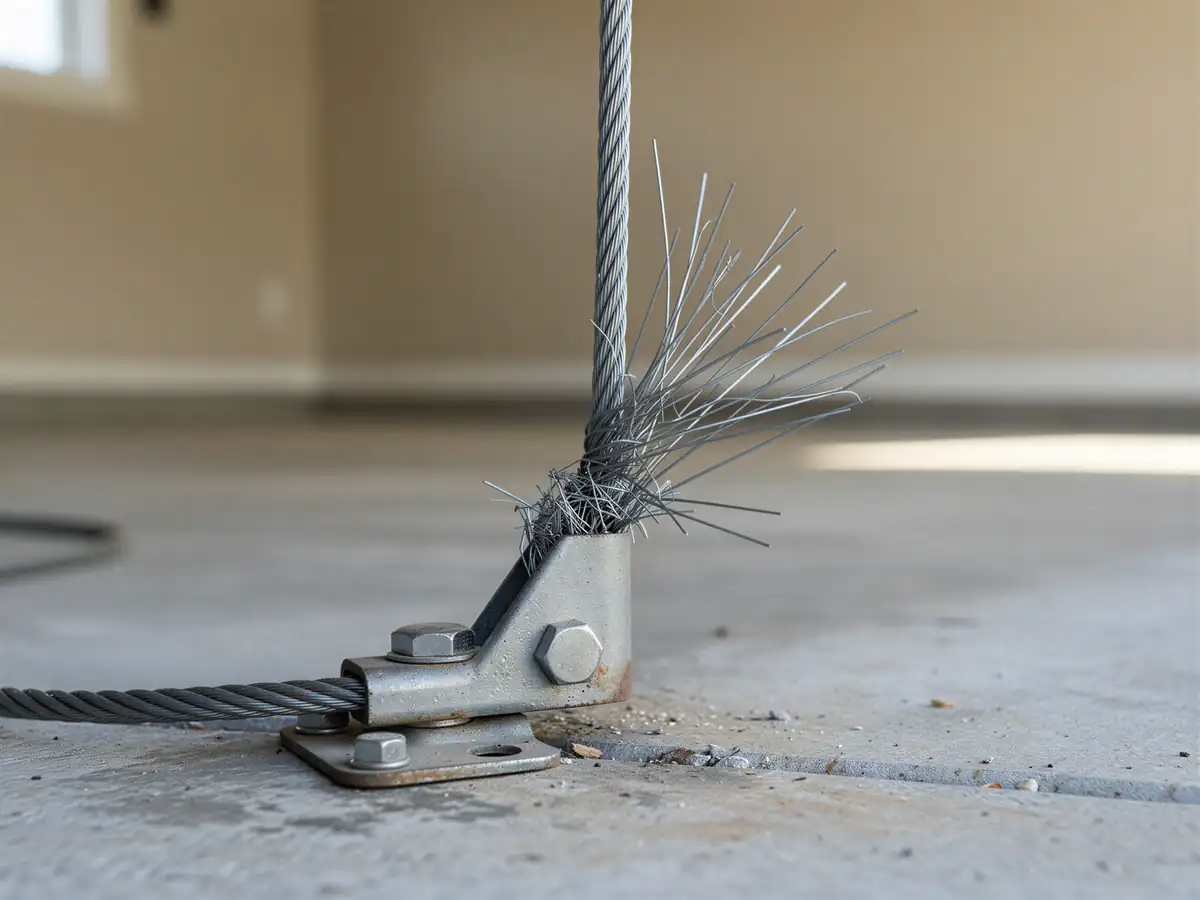
Especially on older steel-roller setups rather than nylon. Cables that look frayed near the bottom bracket should not be used again - that's not a tighten-it-and-go fix. If the opener runs but the door doesn't move, check the drive gear before assuming the motor's gone, since gear failure is cheaper to fix and more common on units that have been through a decade or more of South Florida humidity.