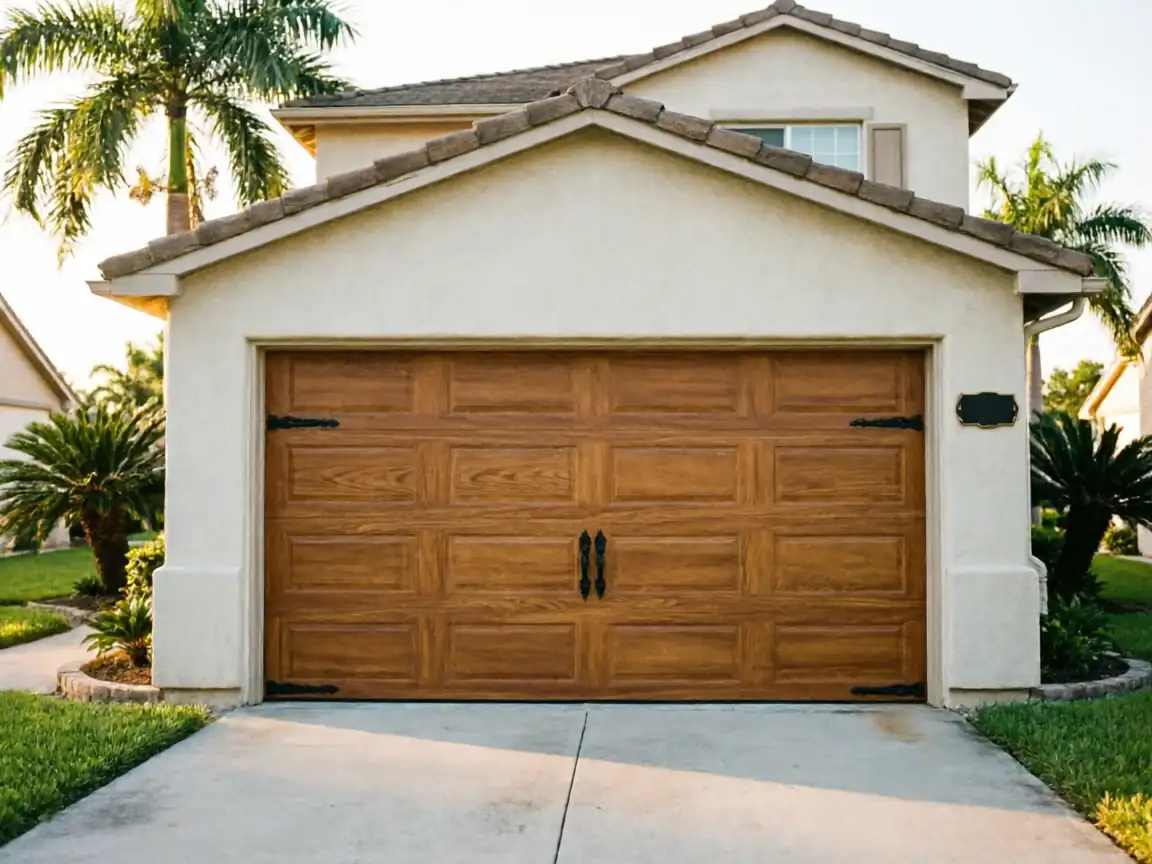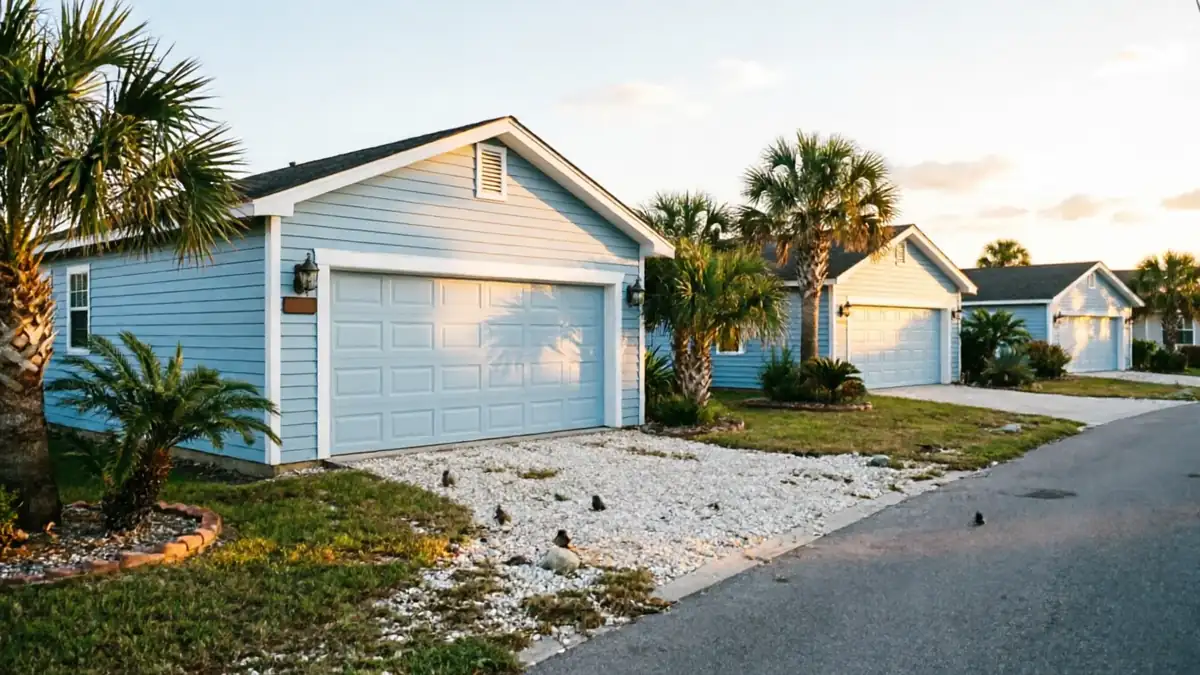
The Cost of This Job
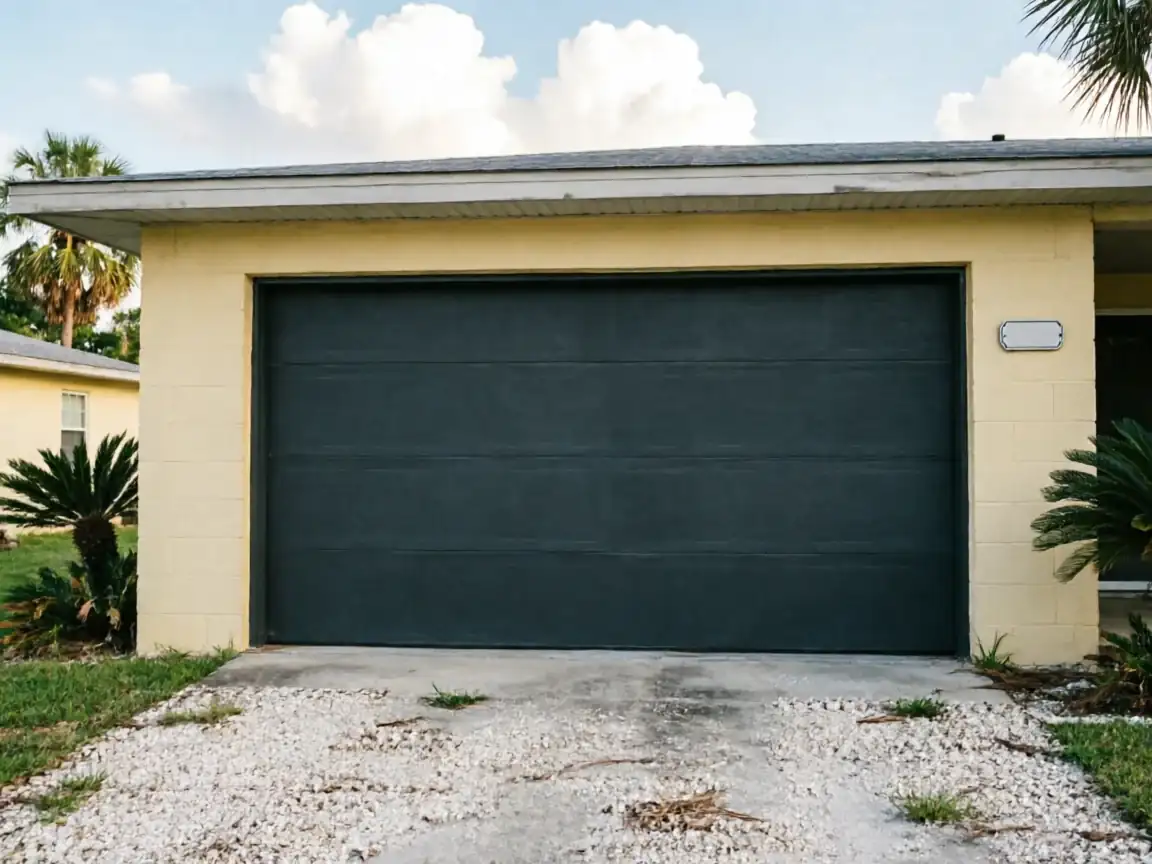
We don't publish a flat number here because the spread in Oakland Park is wider than you'd expect for a town this size. A straight ten-roller swap on a standard double door is the cheap end of the job. What pushes the price up is the track work that often comes with it on doors from the early-1970s construction wave that makes up a lot of this area's housing stock - bent track sections, loose jamb brackets, or hinges worn oval from decades of steel-on-steel rollers. Median household income here runs a bit higher than the broader service area, but that doesn't change what the hardware needs; it's the age of the door, not the neighborhood, that sets the price. Nylon rollers cost more up front than steel but run quieter and don't need the lubrication steel does, which matters less in this mild coastal climate than it would somewhere with hard freezes, but still adds up over years of salt-air exposure near the coast.
What the Repair Takes
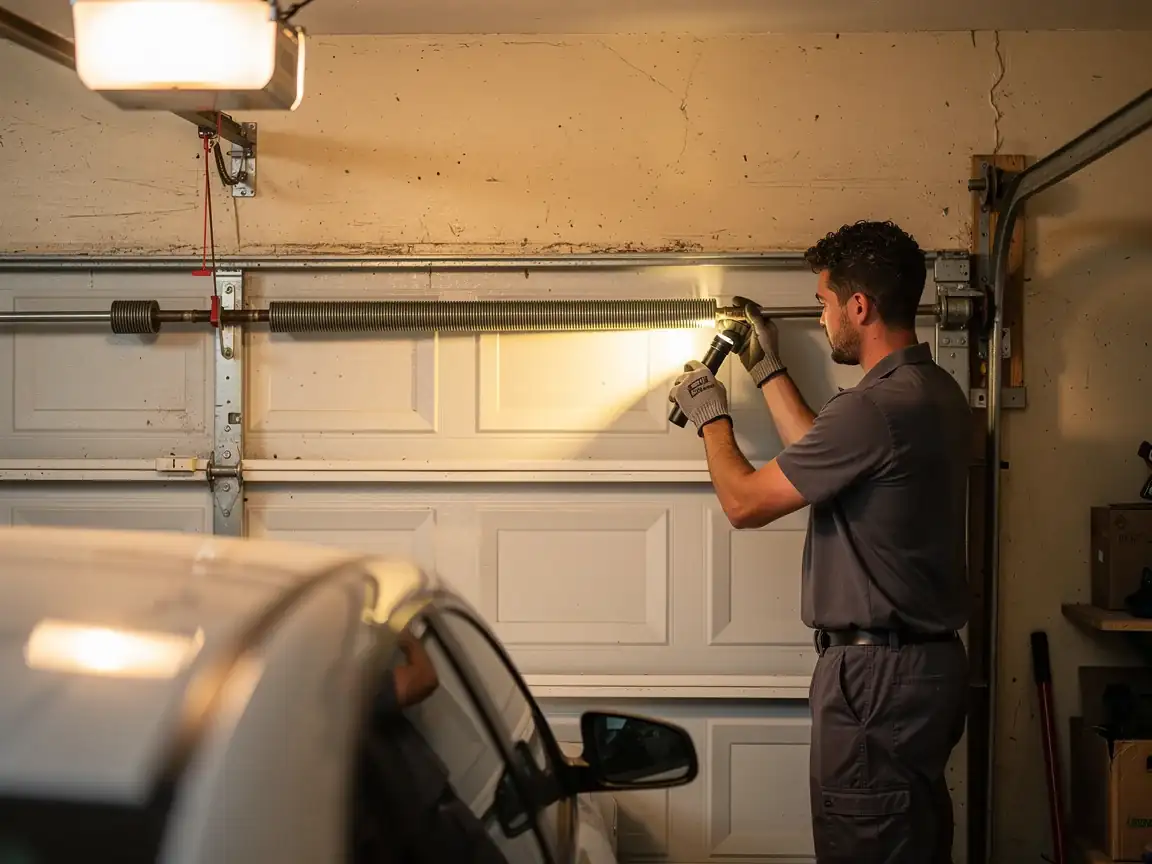
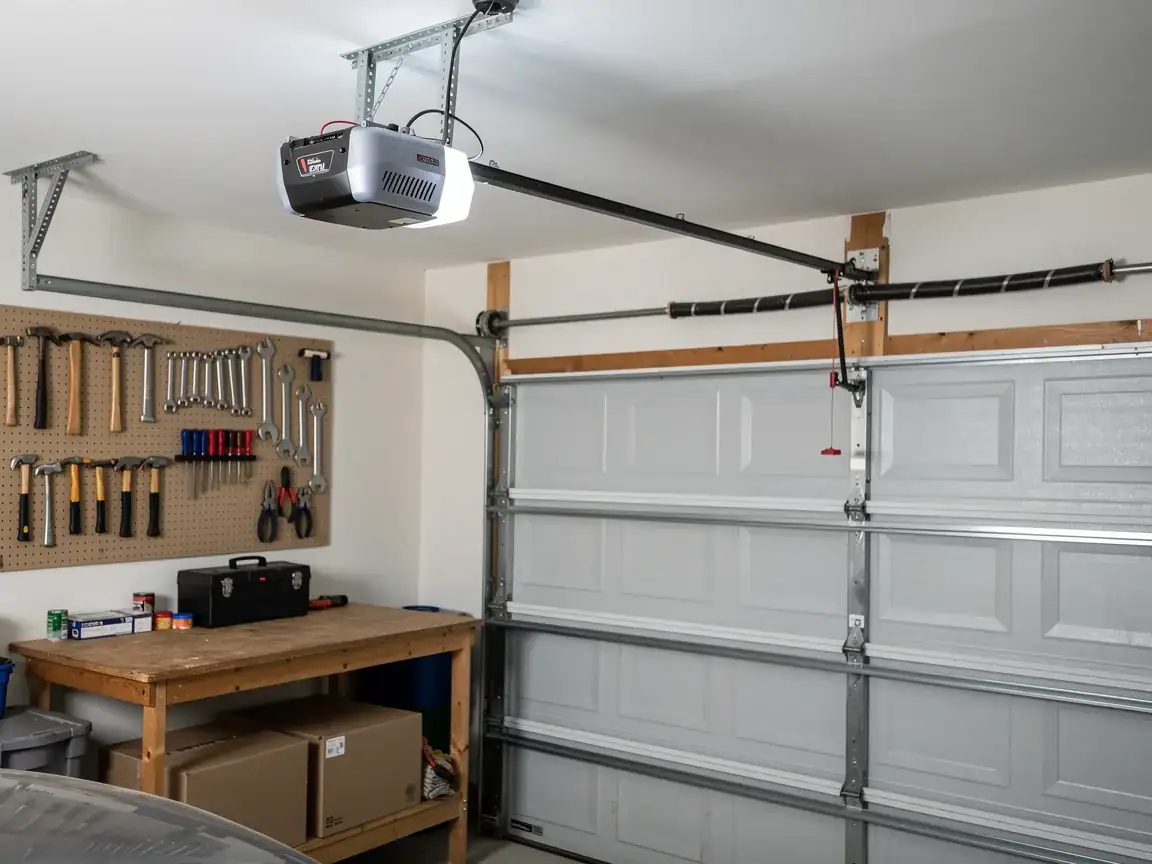
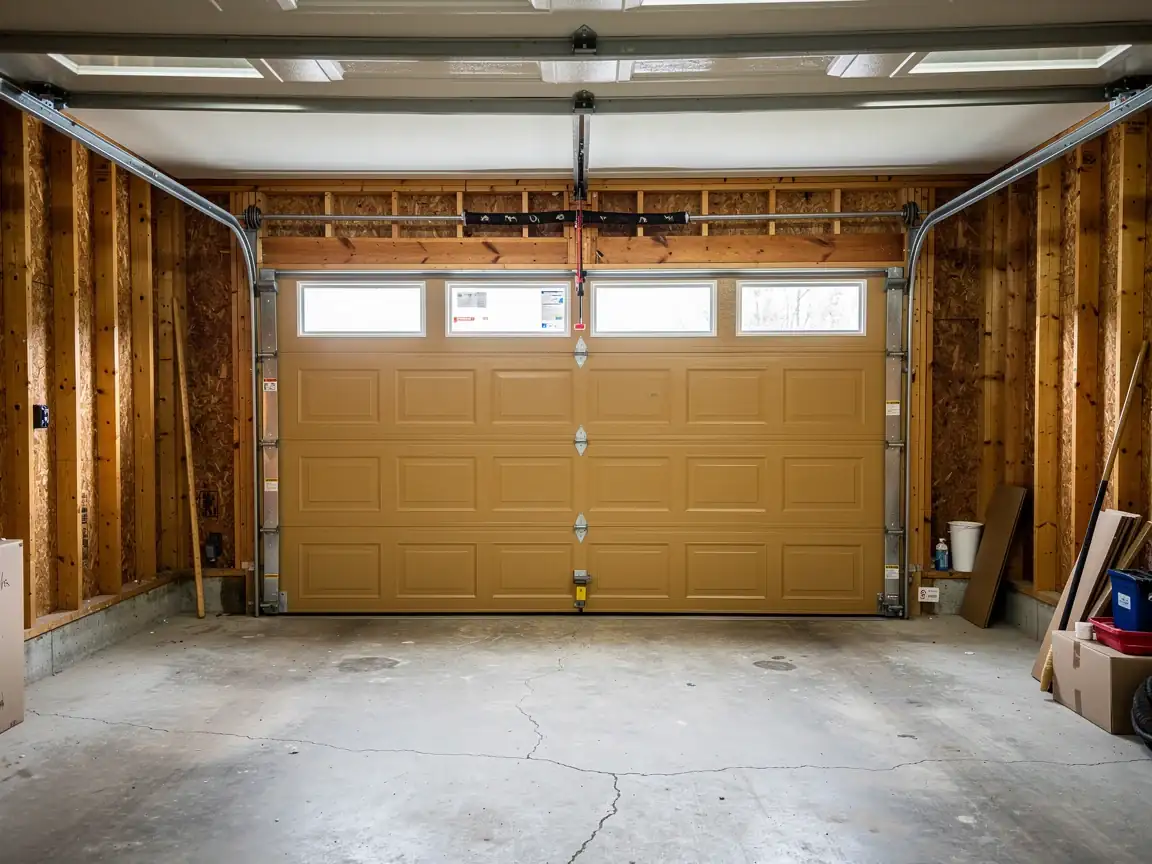
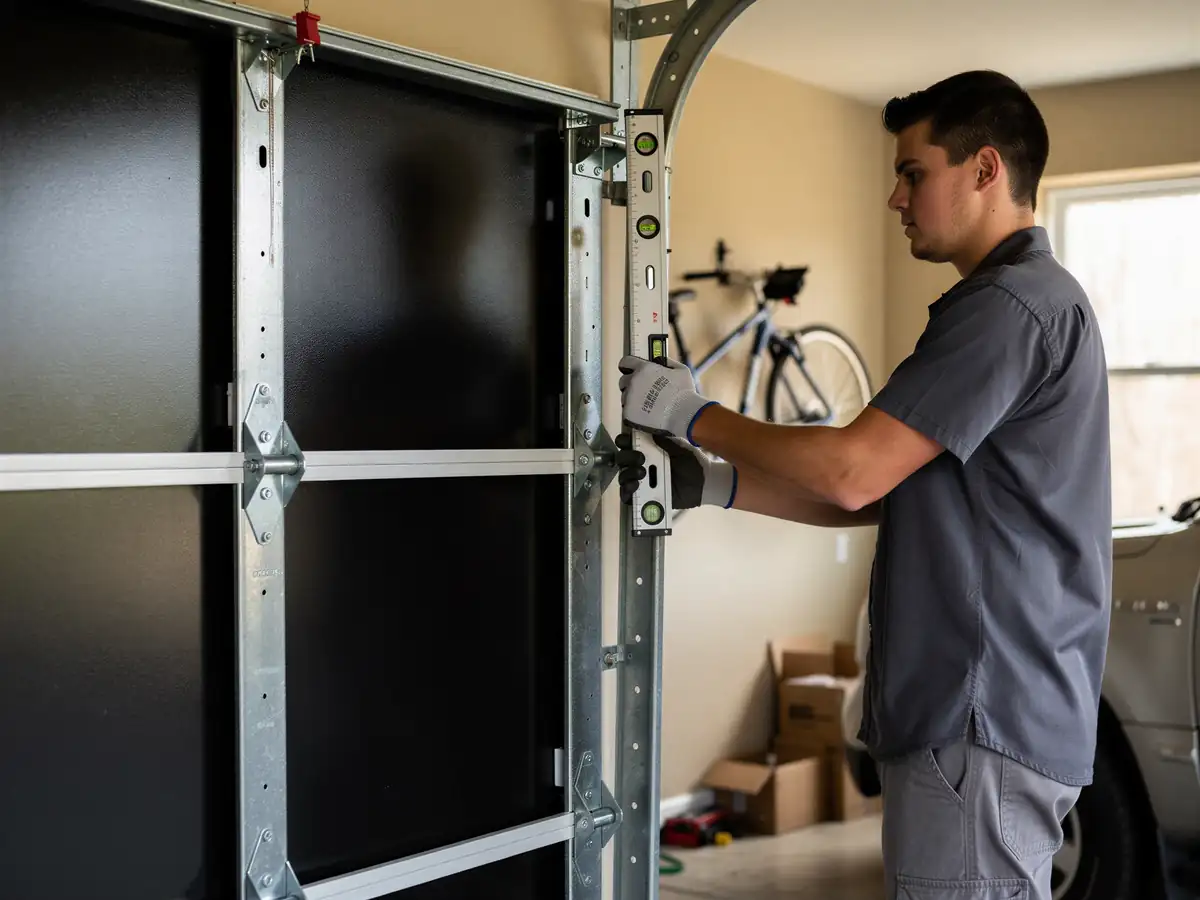
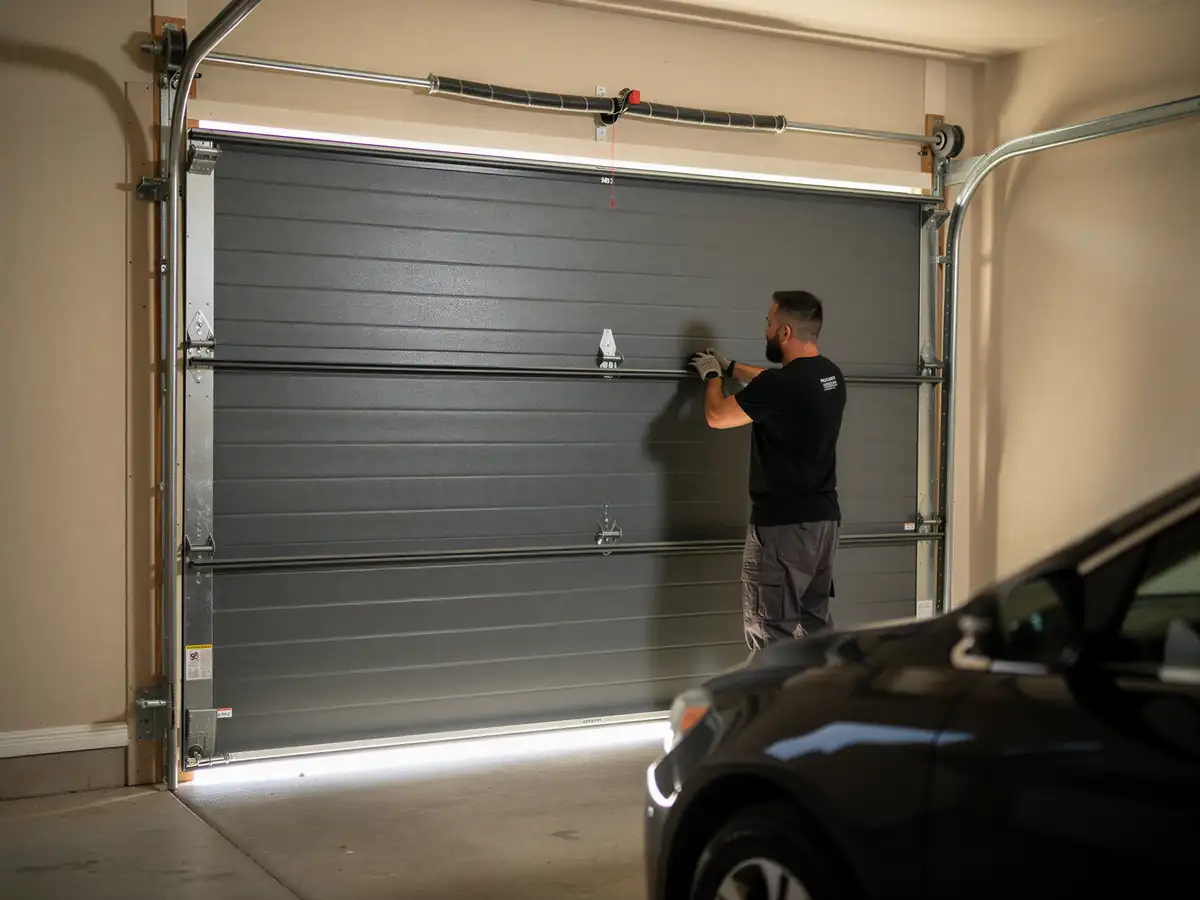
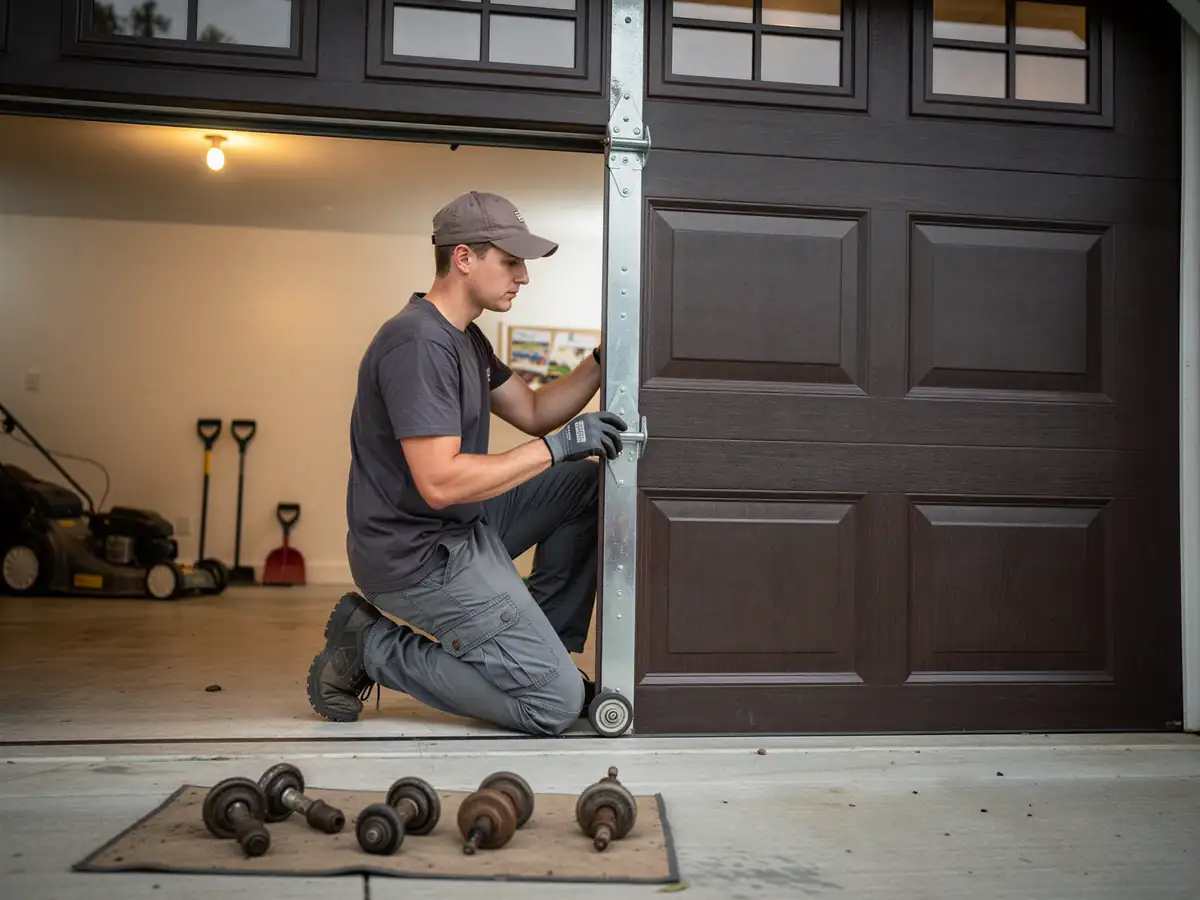
Full roller replacement on a double door runs ten rollers, and on most Oakland Park houses built in that early-1970s window, we're pulling steel rollers on plain bearings out of track that was never resurfaced. The door comes down to the floor, the opener gets disconnected, and each roller gets pulled from its hinge one at a time so the panel never comes free of the track entirely. On a well-aligned door that's a straightforward hour. Where it runs long is the track itself - checking it section by section for the kind of slow bend that comes from a roller riding rough for years, and re-shimming jamb brackets that have drifted out of plumb on a stucco-block house that's settled some since 1972. Nylon rollers with sealed bearings go back in if that's the upgrade; steel if the owner wants to match what's already there. We test the full travel under power before we call it done, listening for the specific rattle that means a roller's still dragging somewhere in the curve.