Can You Do This Yourself
Oakland Park is 7 miles out from our Sunrise shop
Which is close enough that a call here runs the same day as calls closer to home, but far enough that we ask a few questions up front so the truck comes loaded with the right part instead of a guess. That's worth knowing before you decide whether to open the opener housing yourself.
- 7 miles
Some of it you can check without tools
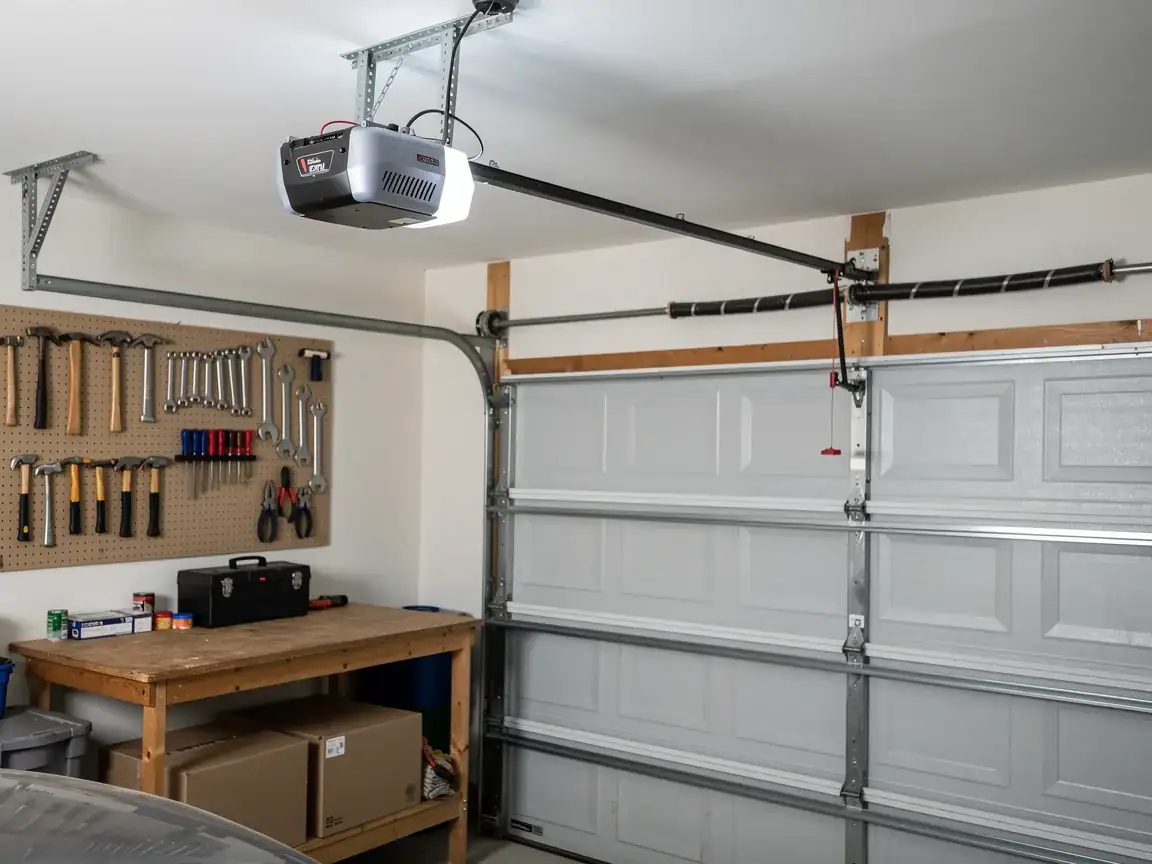
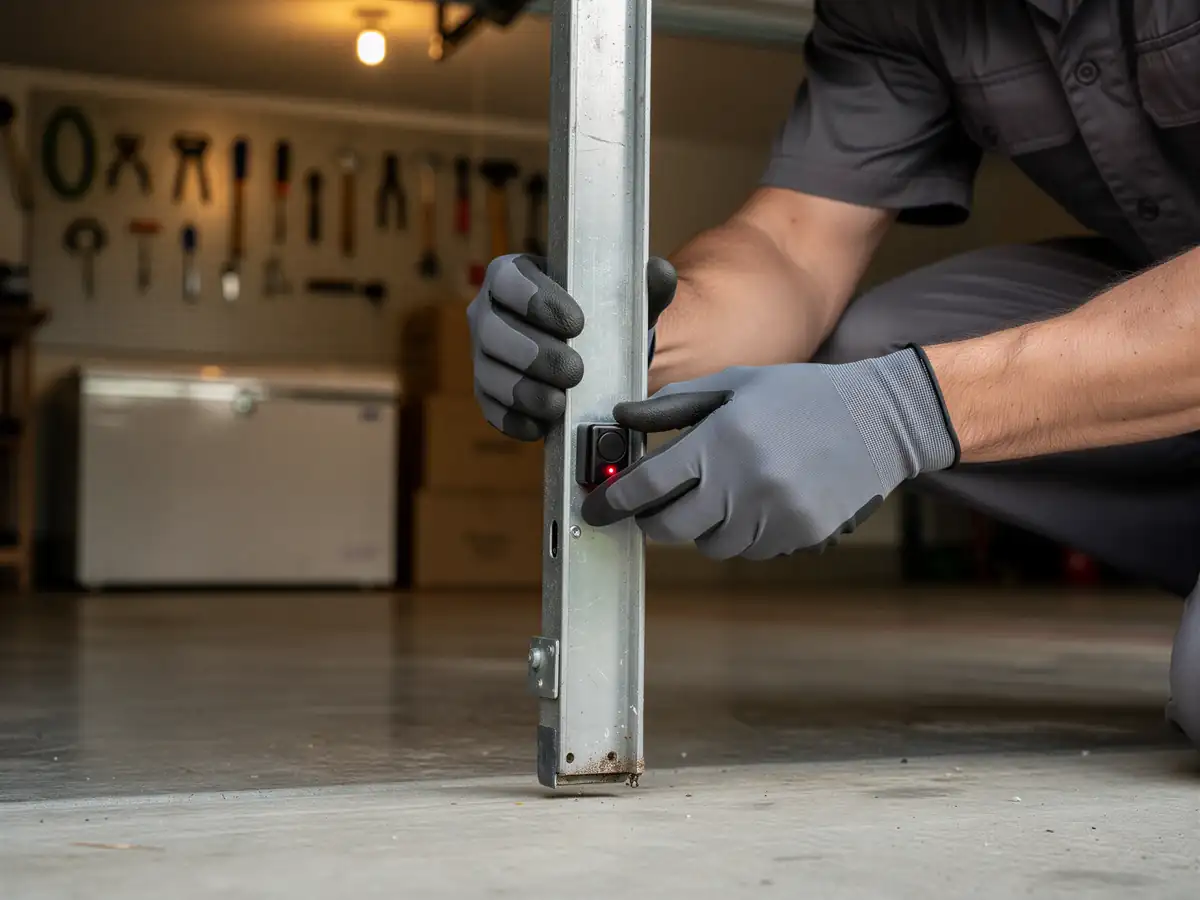
If the opener hums but the door doesn't move, look at the drive gear - on the 1970s-era chain and screw drives still common on this side of the county, that gear strips over time and is a cheap part once you know that's the problem. If the safety sensors at the bottom of the track blink instead of staying lit, somebody probably bumped one, and a few minutes of re-aiming fixes it for free.
What we don't recommend DIY on
The logic board, the drive motor itself, or anything involving the high-voltage side of the unit. Houses built around 1972, which is the median build year in this part of Oakland Park, often still carry the original circuit board design or a direct replacement, and wiring it wrong trips the breaker at best and fries the new part at worst. If you've gotten this far and the door still won't respond, that's the point to call rather than keep guessing. More on general repair options is on our Oakland Park garage door repair page.
The Cost of This Job
We don't post a flat number here because opener repair in Oakland Park splits pretty cleanly into two buckets, and the housing stock is why. With a median build year of 1972, a lot of the openers we find here are second or third replacements already - mid-weight chain drives from the 90s or 2000s - and those repairs are usually a sensor, a logic board, or a drive gear, all parts we carry on the truck.
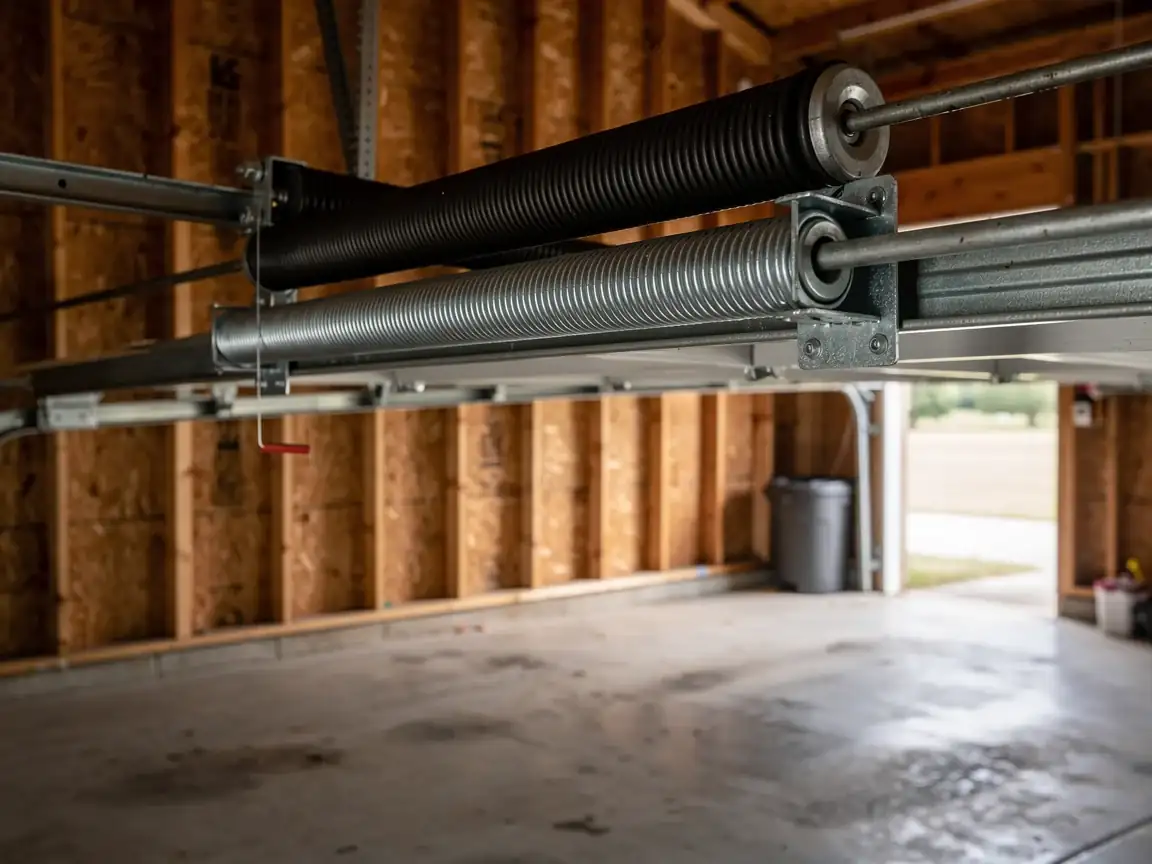
The other bucket is houses that never upgraded the opener when they upgraded the door, so you've got a modern torsion-spring door hung on an opener that's fighting above its weight class. That shows up as a motor that runs hot, trips the breaker, or strains audibly on every cycle. Fixing the symptom without addressing the mismatch just means another call in a year.
At $68,424 median household income, most Oakland Park owners we see choose the repair over replacement when the unit's under ten years old and the fault is a single part. Past that, and especially on original builders'-grade units, replacement usually costs less over five years than patching the same motor twice. We'll tell you straight which bucket your job falls into before we quote anything.
What the Repair Takes
Because the job starts with a 7-mile drive from Sunrise, we try to diagnose as much as possible over the phone first - what the door does when you press the button, whether the light blinks, whether you hear the motor at all. That cuts down on second trips.
Once the truck's there, the actual repair on most Oakland Park calls is fast: swap the drive gear, replace a failed sensor, or reseat and reprogram the logic board. These are bolt-in jobs on the chain and belt drives common to the area's 1960s-70s and later construction. Where it takes longer is when the opener is original to a house from that 1972 median build year and the mounting bracket or rail has been modified or rusted in place over fifty-plus years - then we're fabricating a fit, not just swapping a part.
One honest limitation: certain older logic boards and remote frequencies are discontinued by the manufacturer, and if yours is one of them, the repair becomes a full opener swap regardless of how small the actual fault is. We'll check the board's part number before we commit you to a repair quote, not after.
What You Are Seeing
The opener faults we get called for in Oakland Park track pretty closely with what the housing stock predicts
With a median build year of 1972 and 17,303 households in the immediate area, a good share of garages still run openers that are either original or a first-generation replacement - meaning chain drives, exposed logic boards, and safety sensors added on as a retrofit rather than built in.
- 17,303 households
The most common symptom: the door reverses before it closes, or won't close at all
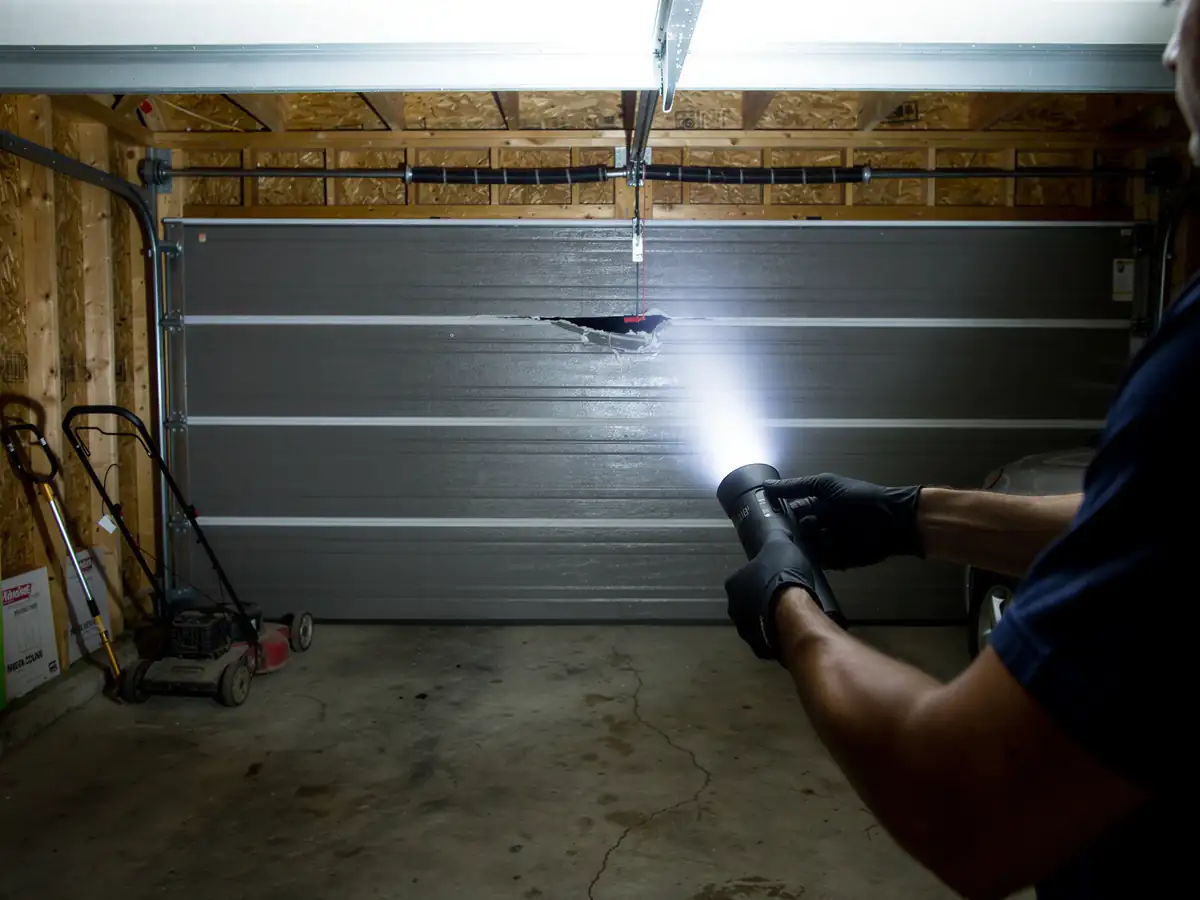
Nine times out of ten that's a sensor out of alignment or caked with the kind of dust that builds up in a garage that's been open to South Florida's mild, humid air for decades - not a sign the whole unit is failing.
Second most common
The remote works intermittently or not at all, which on older fixed-code openers is often the receiver itself aging out rather than a dead remote battery. Mild temperate climate here means we don't see the cold-weather motor strain some regions get, but humidity does its own slow damage to circuit boards over fifty years of use. If your opener predates rolling-code remotes entirely, that's worth flagging to us on the call.