Can You Do This Yourself
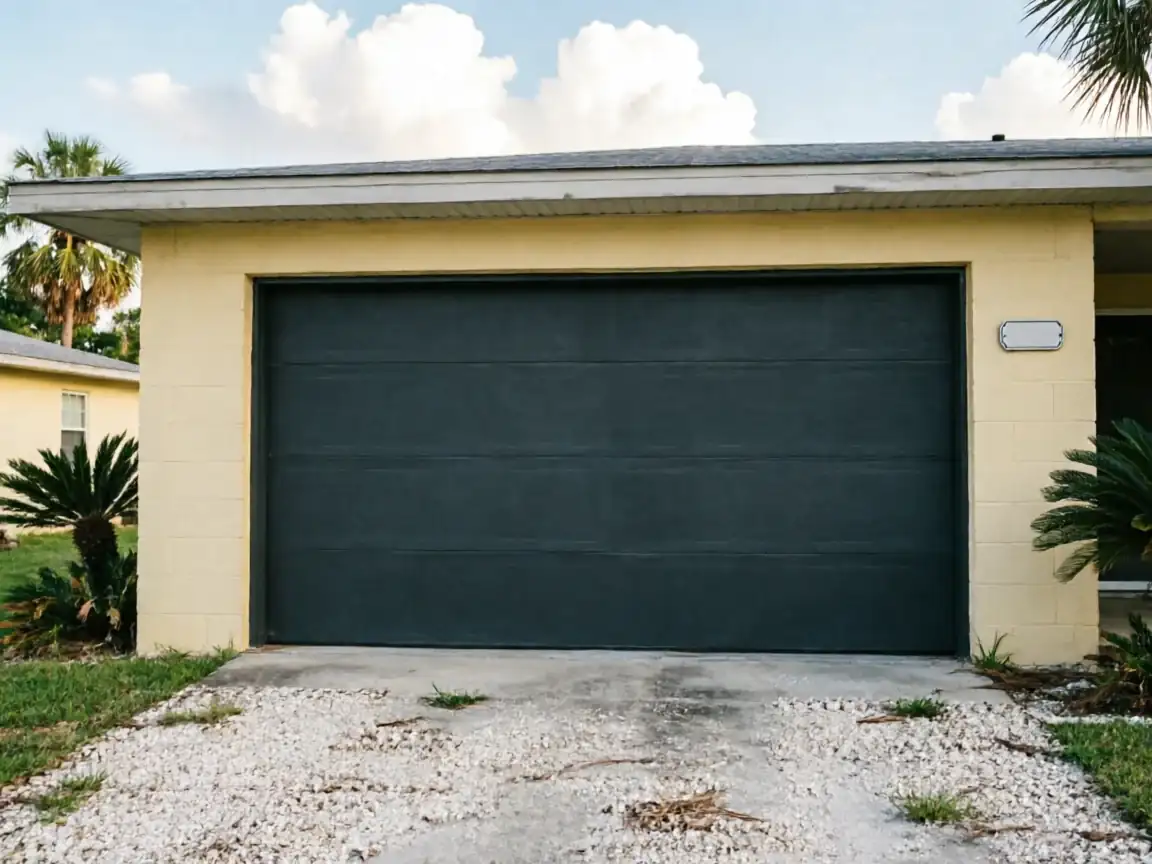
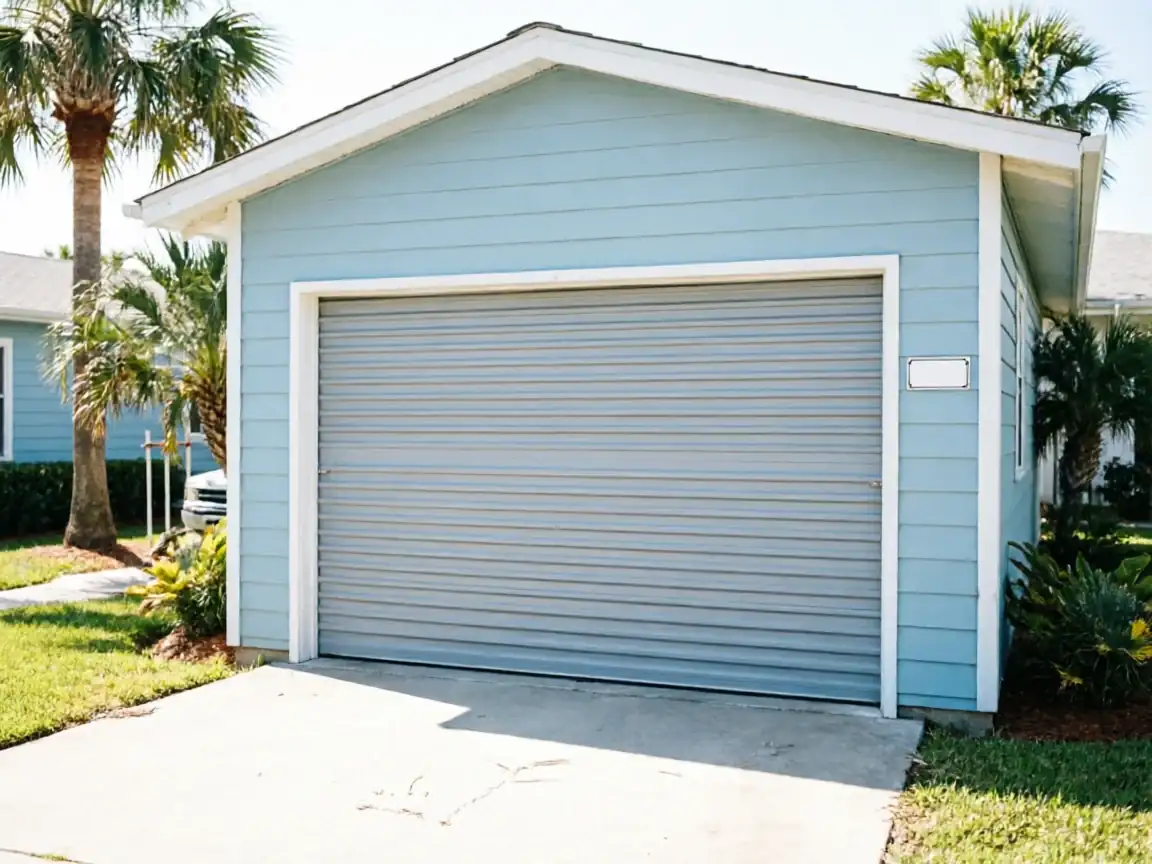
A good chunk of Oakland Park went up around 1972
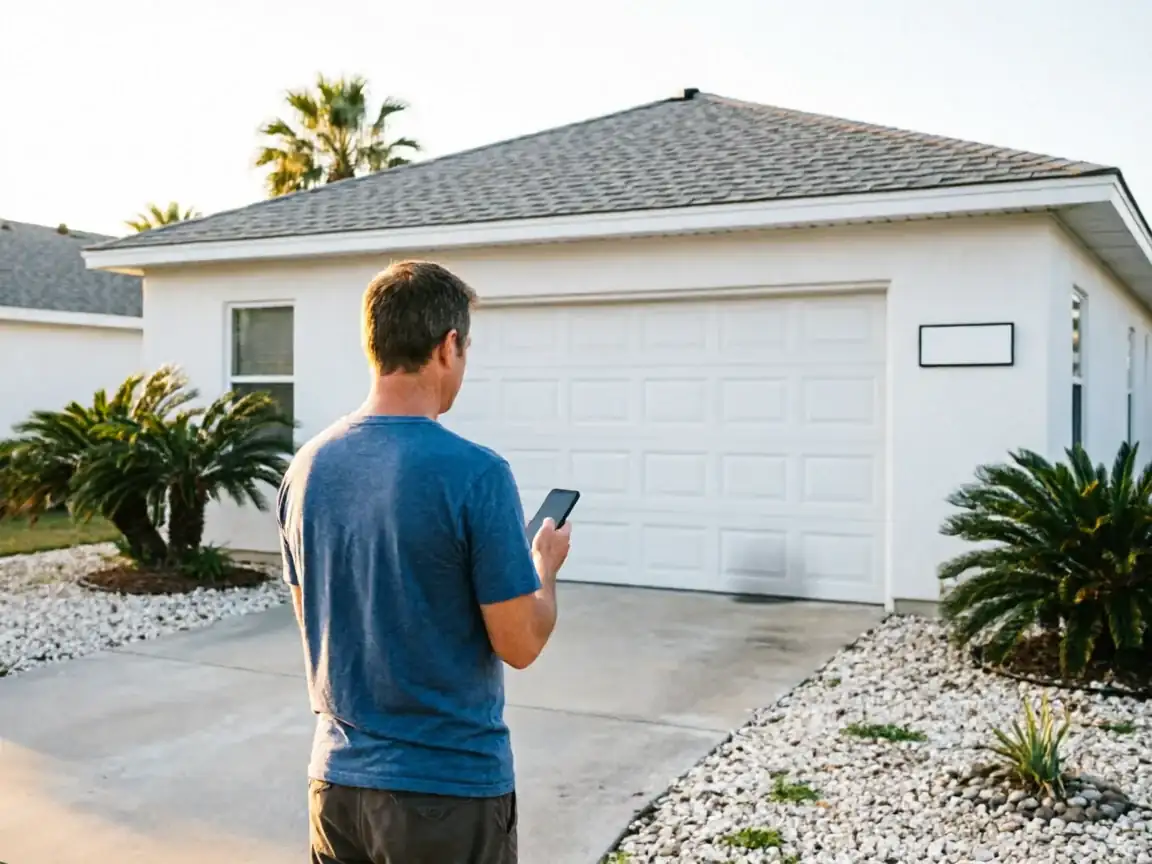
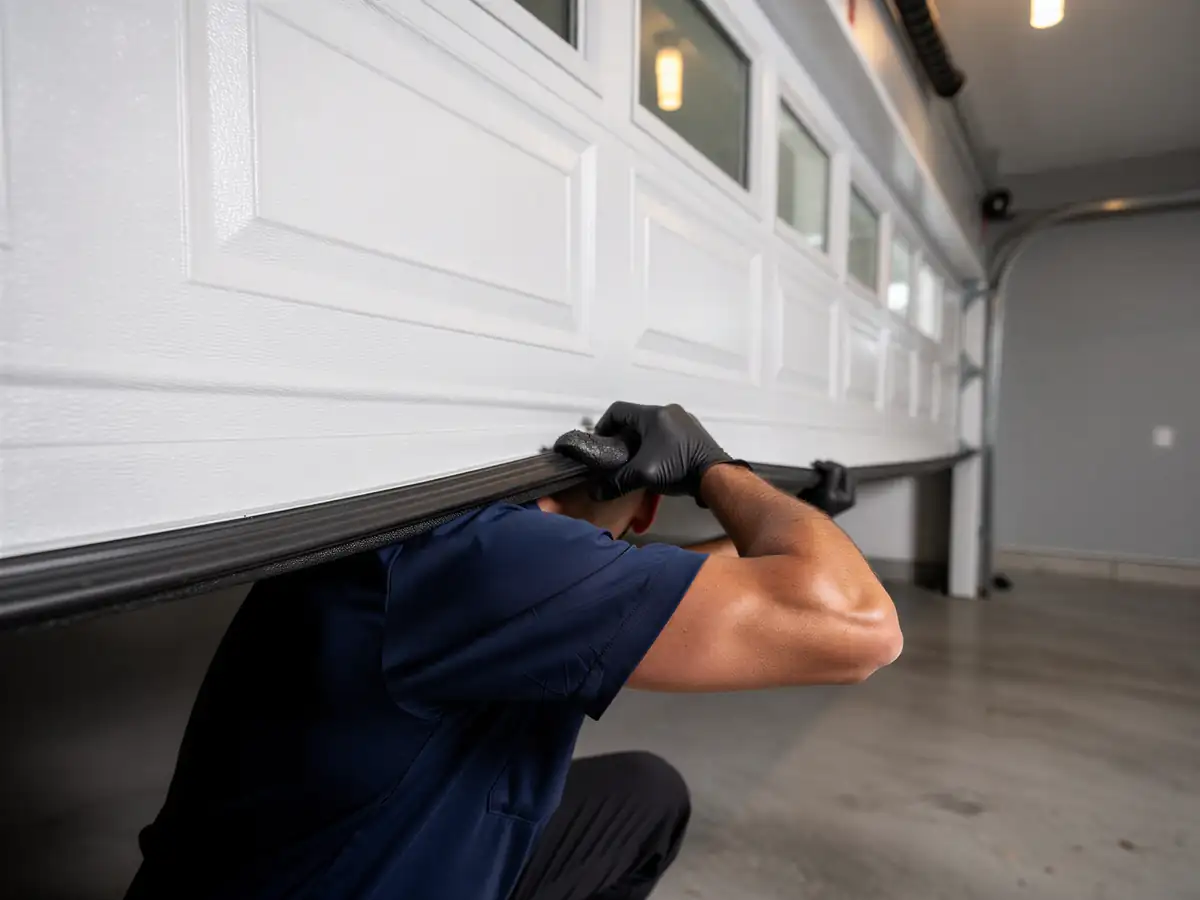
Which puts the neighborhood squarely in the service area's 1960s-70s build band. If your house falls in that range, you can handle the basics yourself: wipe down the tracks, check that the rollers turn freely instead of dragging, and look at the bottom seal for cracking. Mild temperate weather here doesn't put doors through the freeze-thaw cycles that crack hardware elsewhere, but humidity still dries out lubricant faster than most owners expect, so a light coat of garage-door lubricant on hinges and rollers every few months goes a long way.
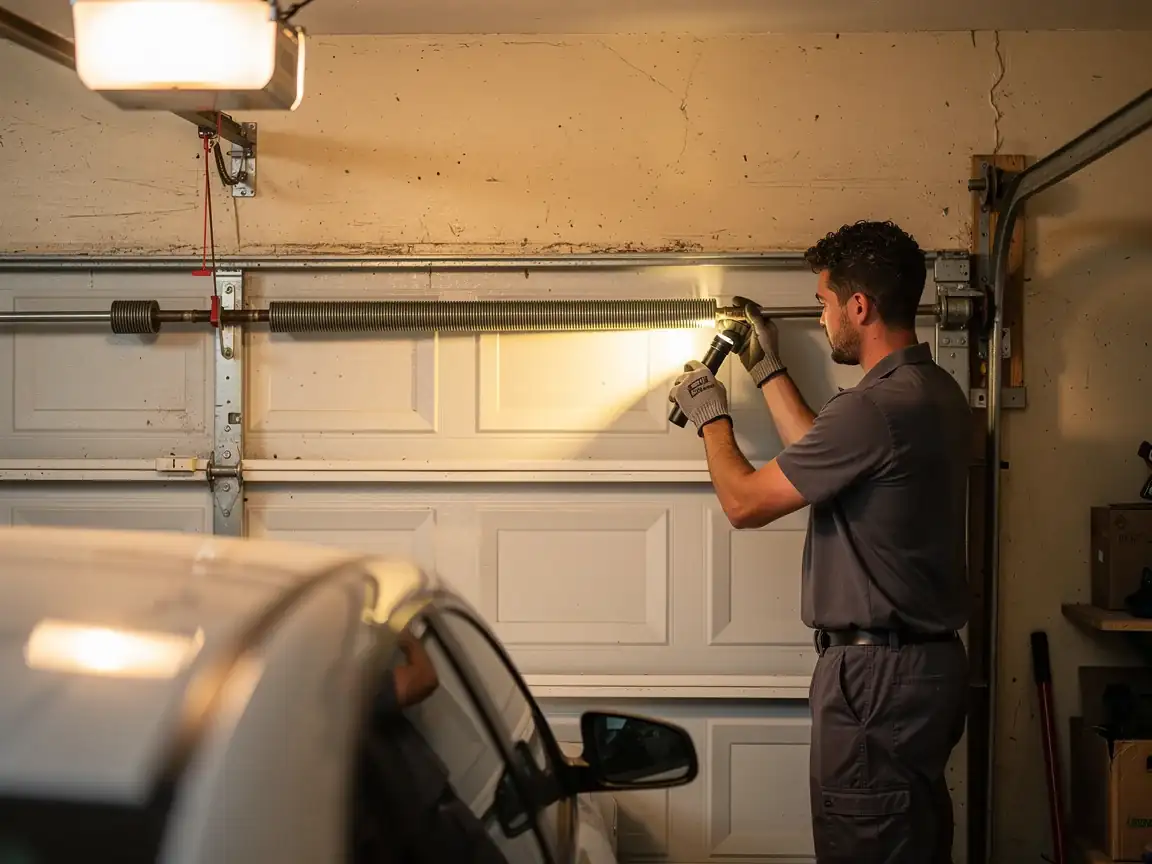
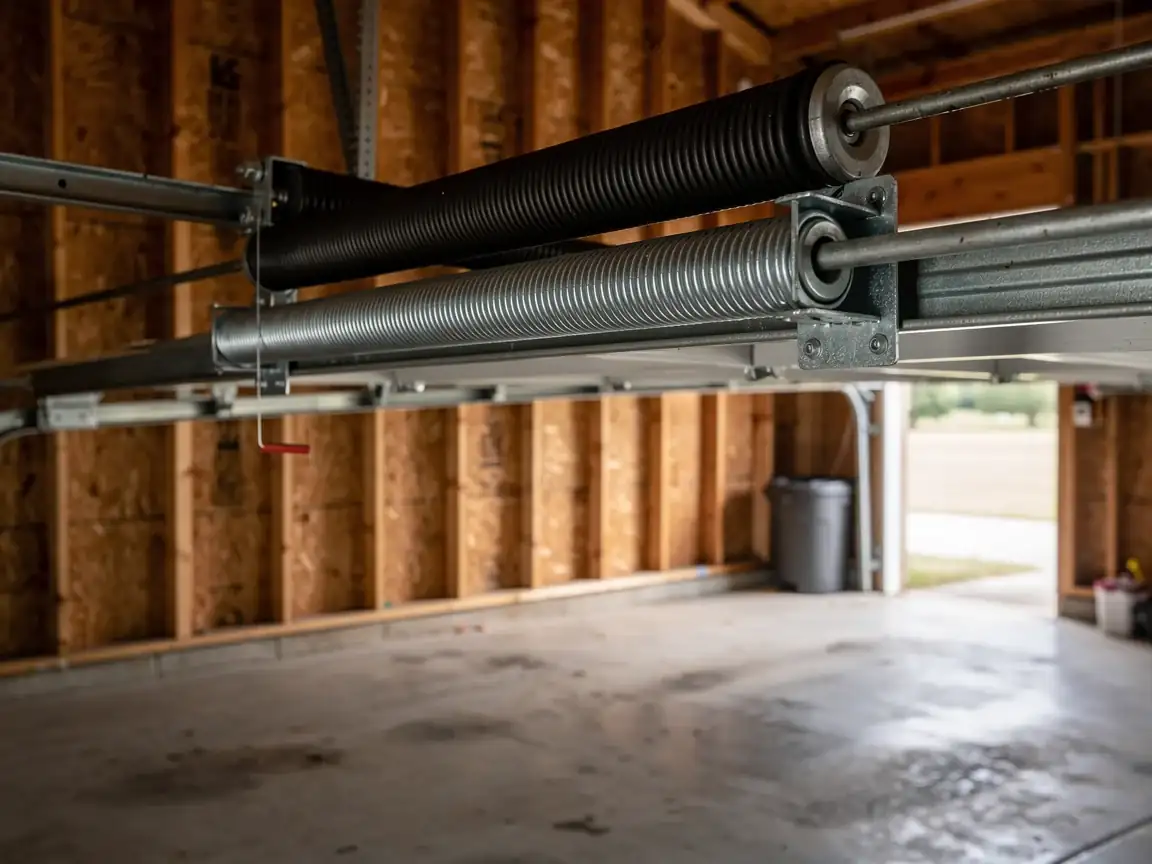
What you shouldn't touch is anything involving the torsion or extension springs
Those are wound under heavy tension, and on a door this age the spring may already be near the end of its cycle life without obvious warning. Checking balance - does the door stay roughly where you leave it halfway up - is fine to do yourself. Adjusting the spring that controls that balance is not. If the door feels heavy, uneven, or the balance has clearly shifted, that's a call, not a DIY afternoon.
The Cost of This Job
We don't have a flat number to quote here, and we're not going to make one up for Oakland Park specifically. What we can tell you is what drives the price on a maintenance visit: how much the hardware has drifted out of adjustment, whether rollers need replacing outright versus just lubricating, and whether the opener's safety features still work correctly. Houses built around the service area's median of 1976, with Oakland Park sitting close to that at 1972, often need more than a quick tune-up because the original hardware has had decades to wear.
Oakland Park's median household income sits at $68,424, a bit above the broader service area's $63,423. That doesn't change what we charge, but it's worth knowing the area's maintenance call volume isn't driven by owners deferring repairs for cost reasons the way it might be elsewhere. We travel the 7 miles from Sunrise for this work, and we'll give you a number before anything gets touched, not after.
What the Repair Takes
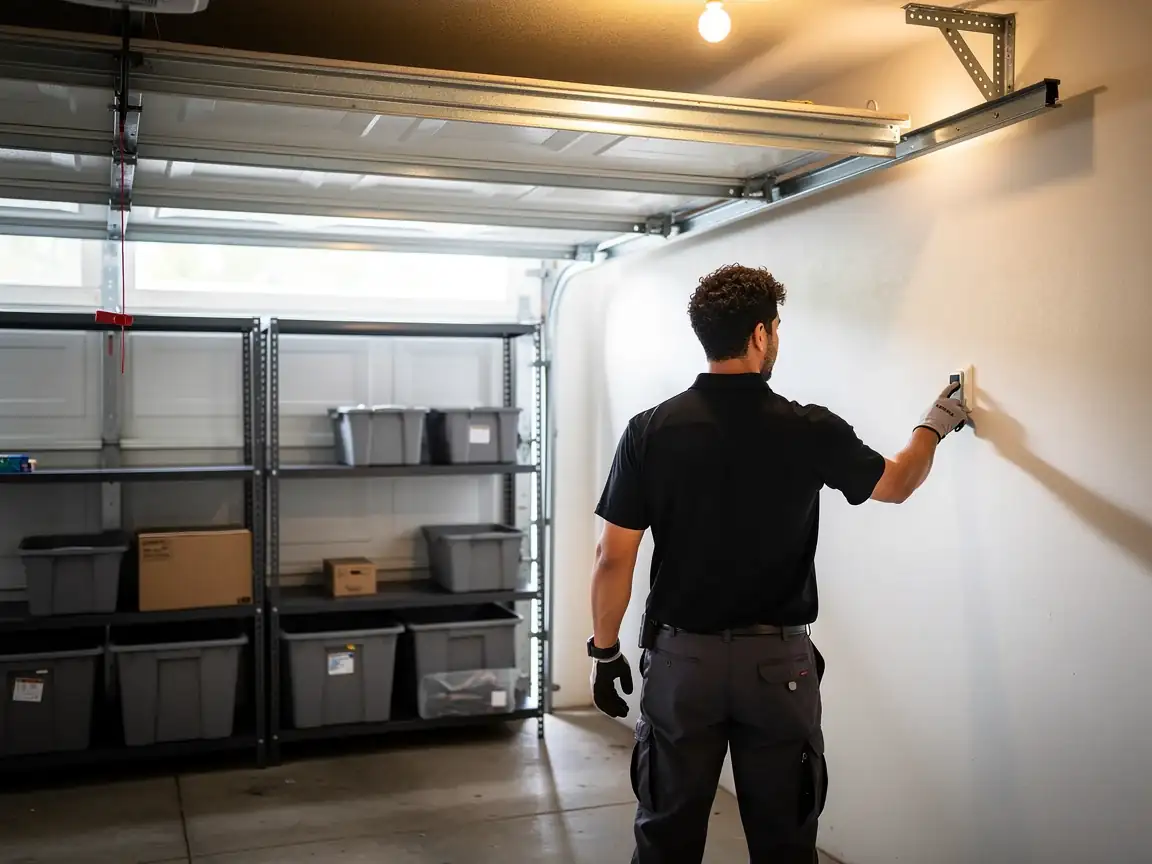
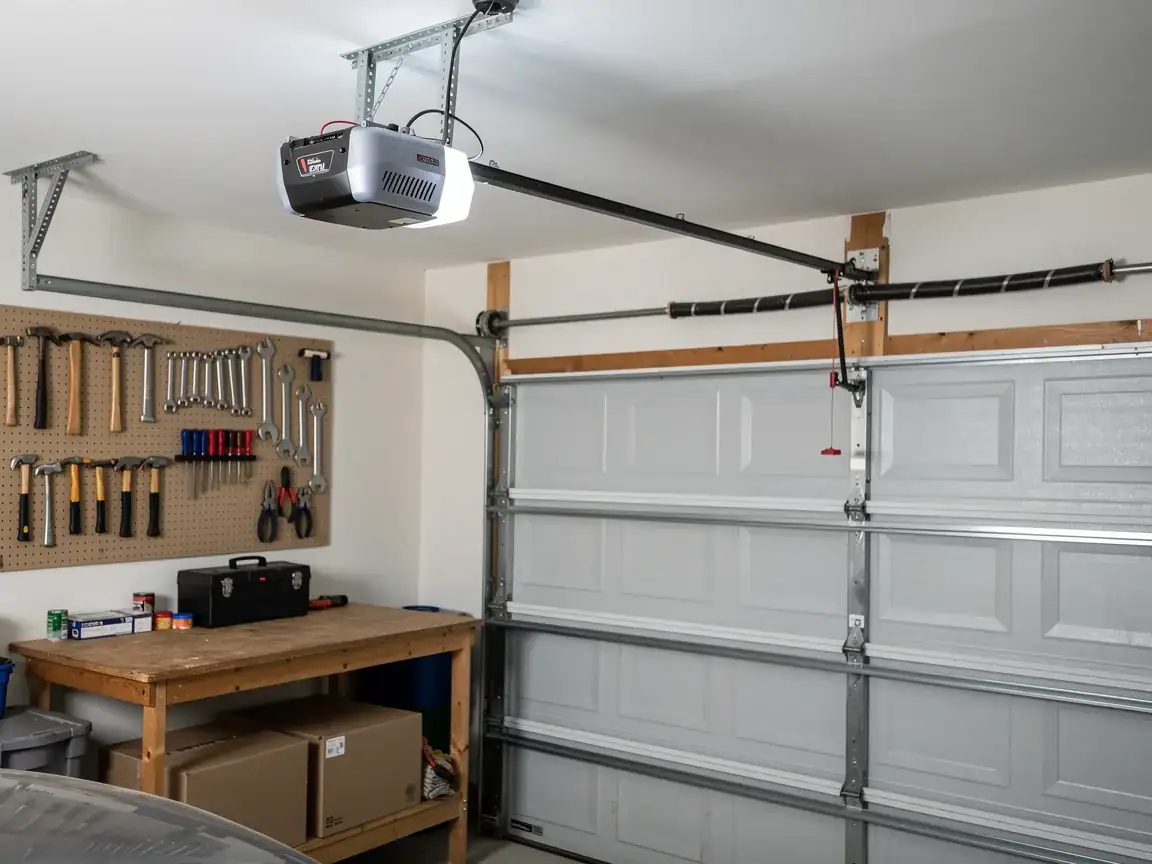
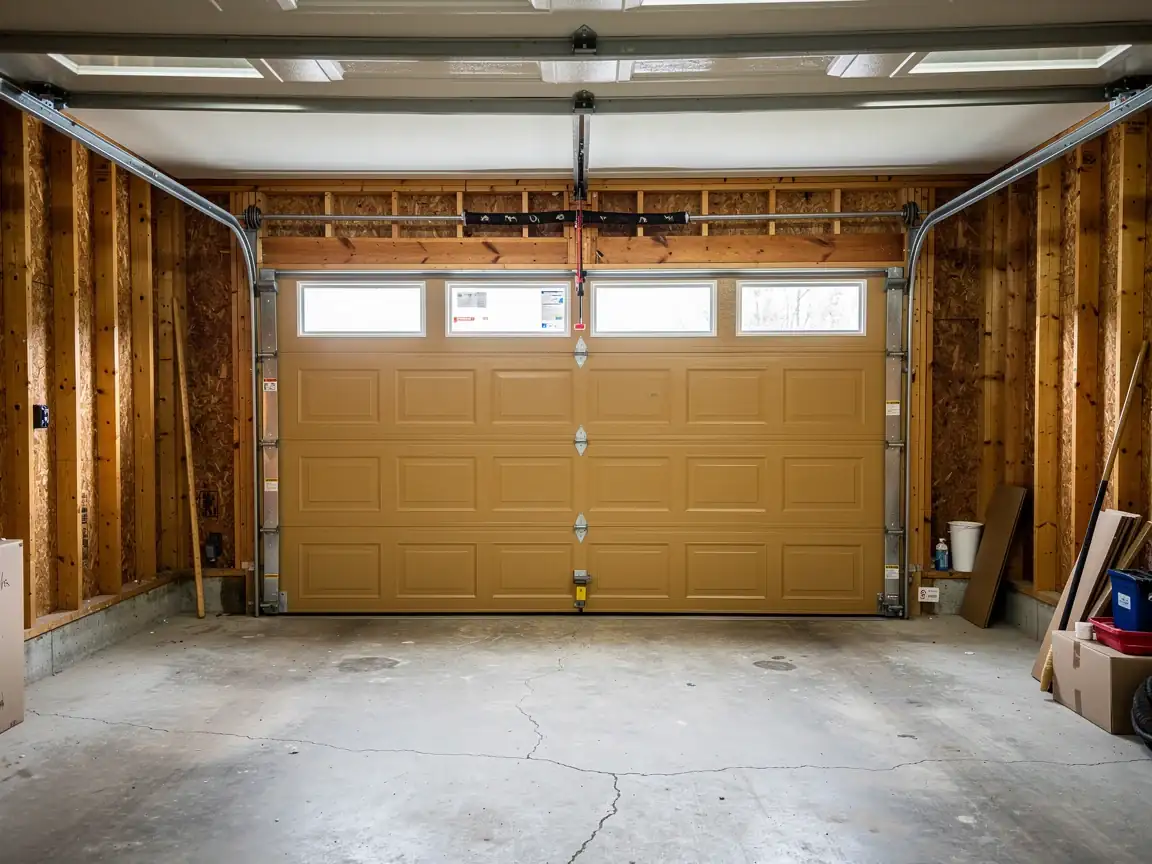
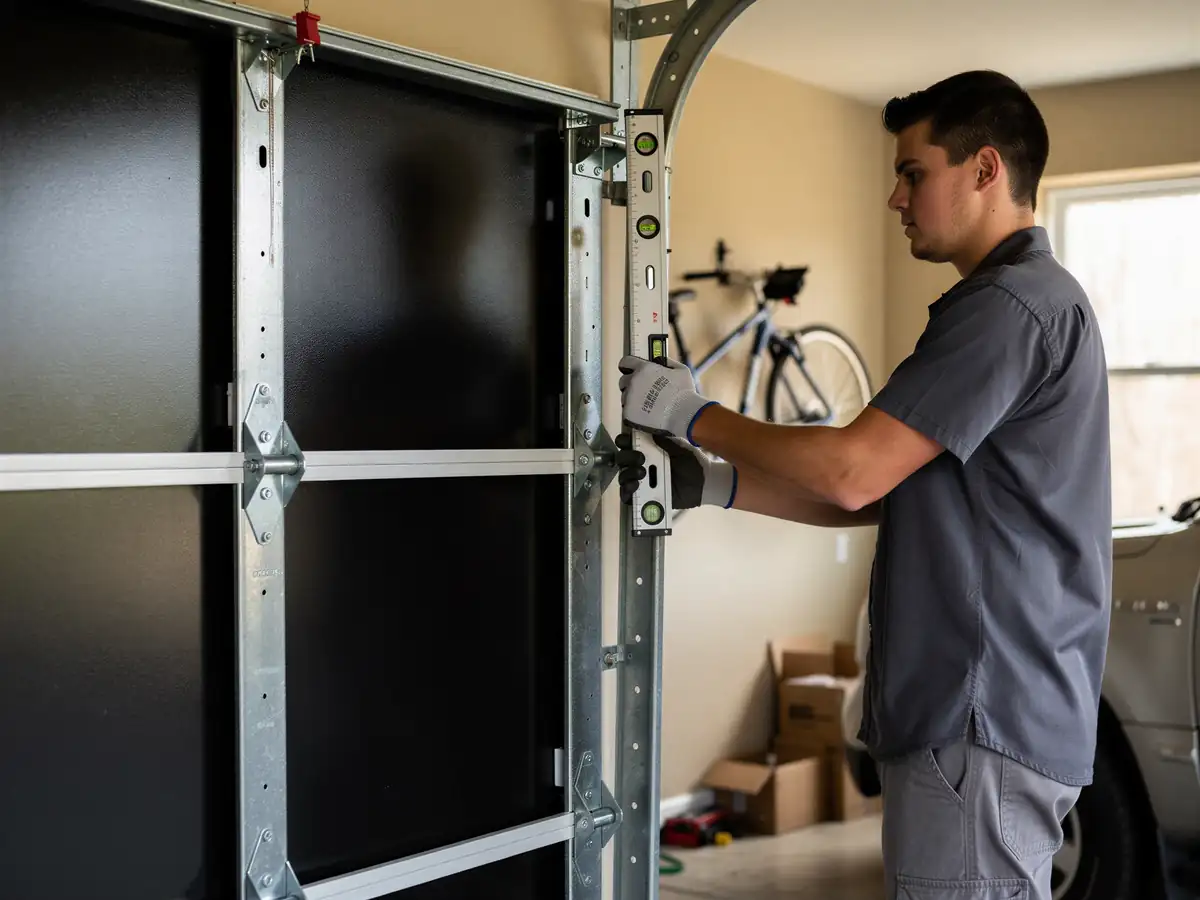
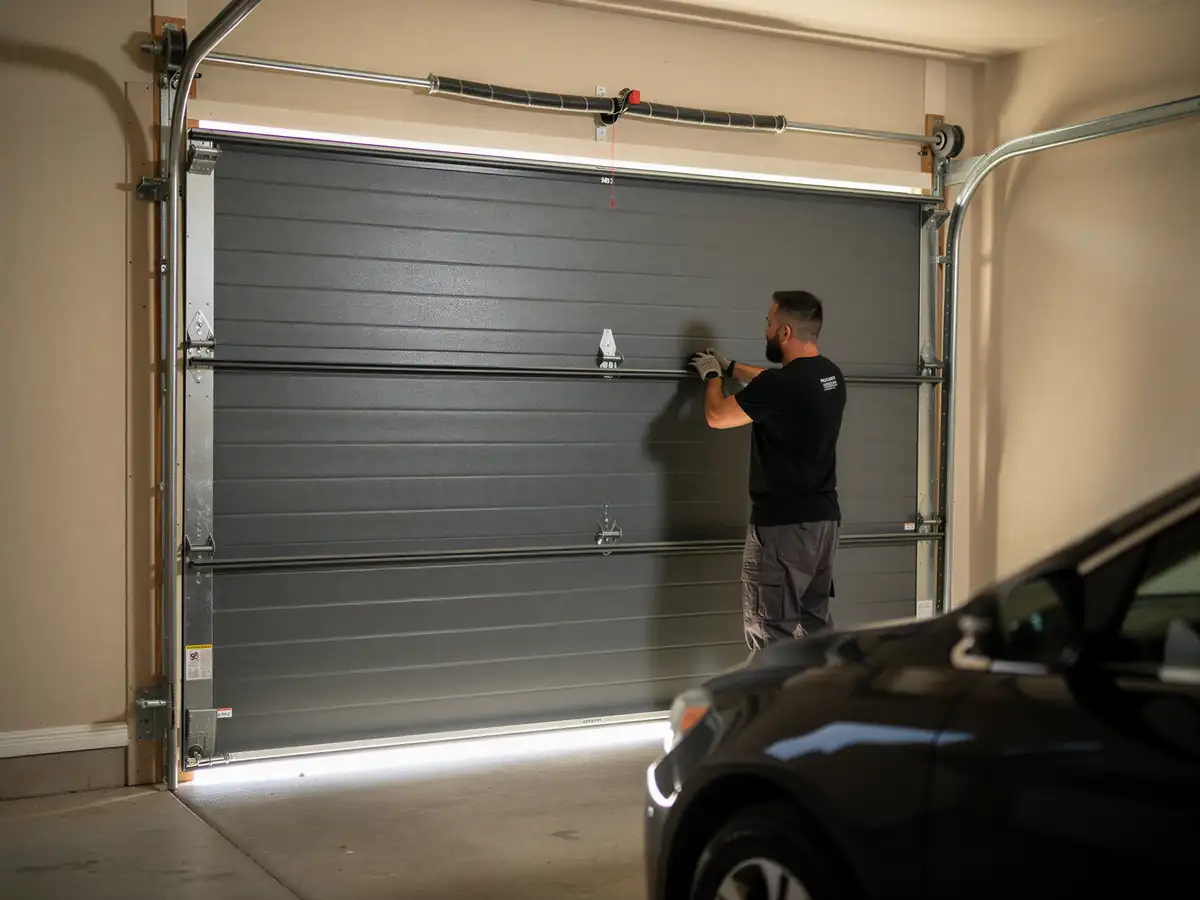
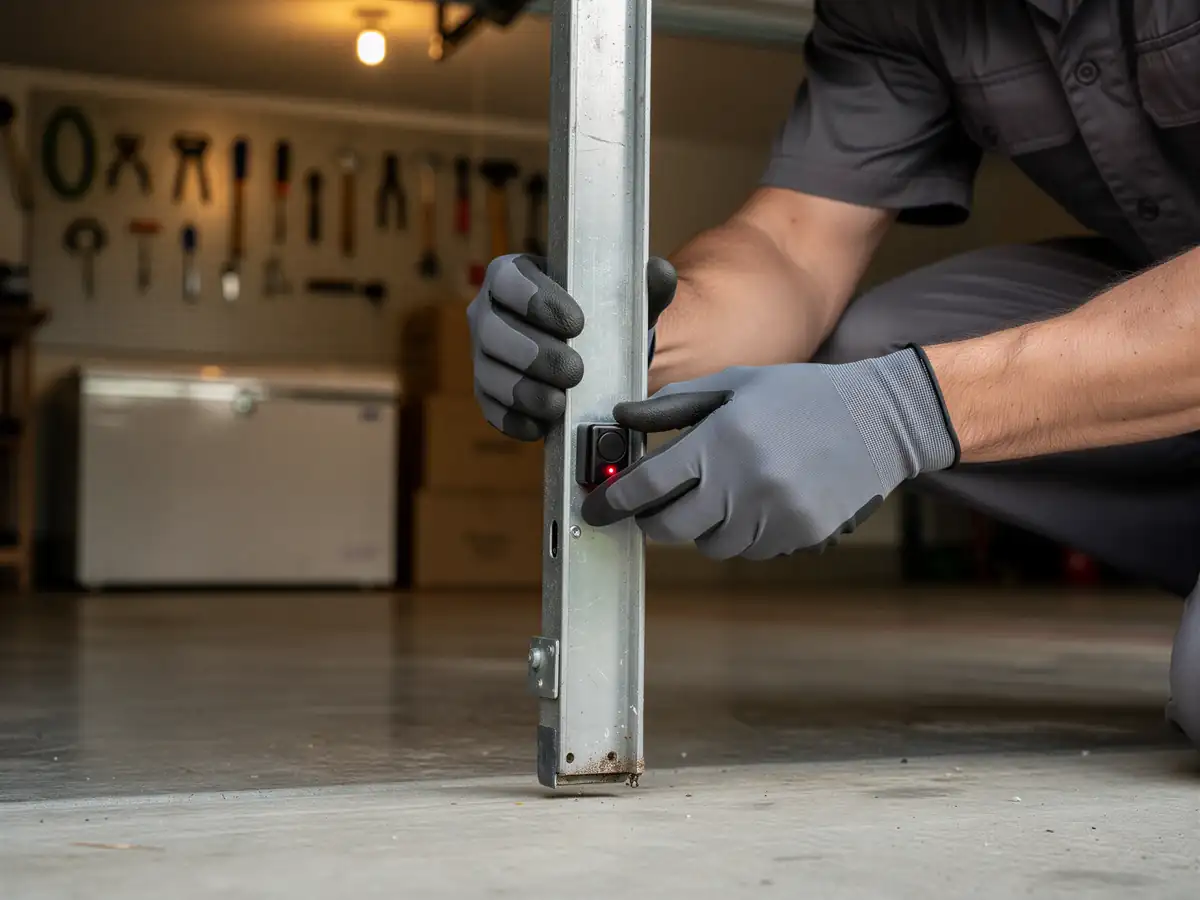
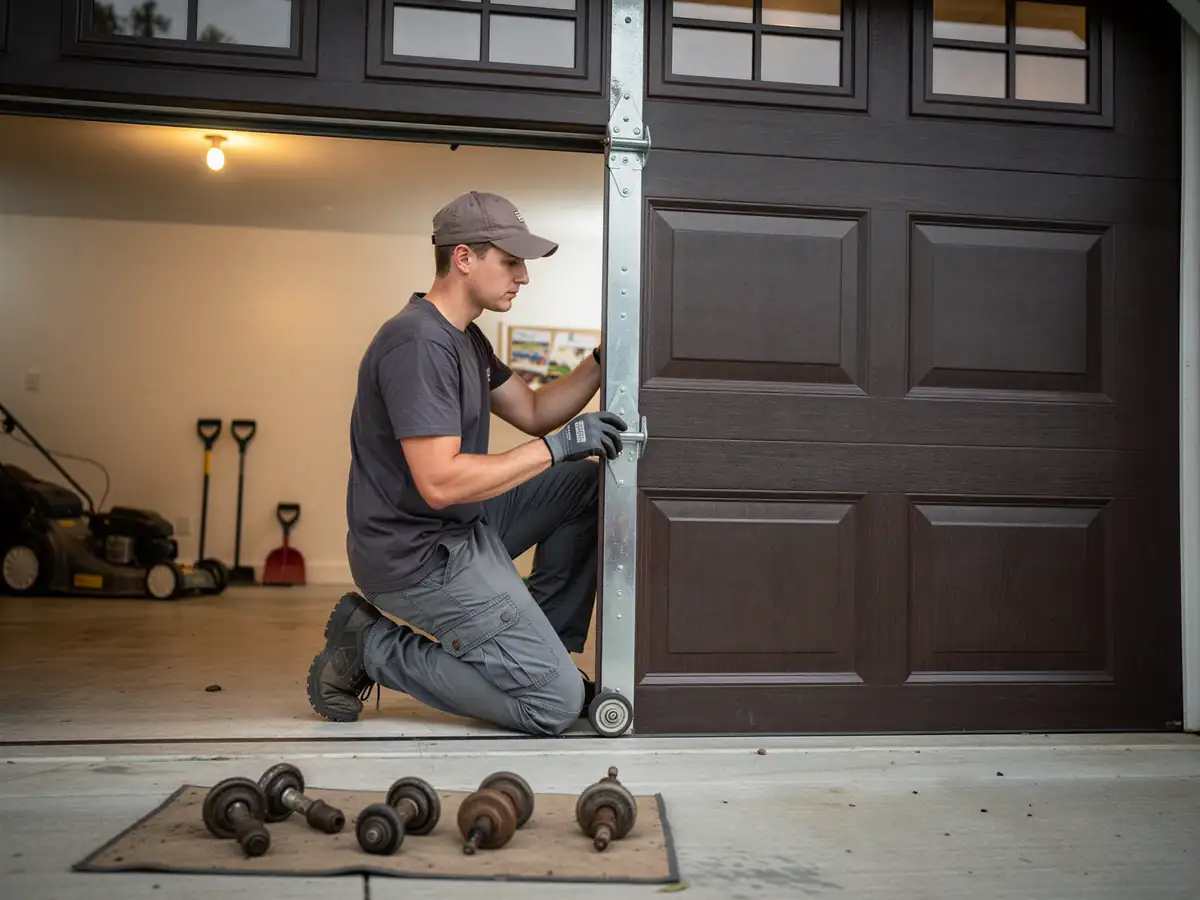
On a door with roughly 1972-era hardware, a maintenance visit usually means checking spring tension, inspecting cables for fraying, lubricating rollers and hinges, and testing the opener's reverse safety function if one has been added since the door went in. Track alignment gets checked too - doors from this era were set up with hardware tolerances that have usually shifted some over fifty years, even without any single dramatic failure.
We're not going to pretend every visit is quick. If a part is worn past adjustment - a roller that's chipped, a cable starting to fray, a spring that's lost tension - that's a repair, not a tune-up, and it may mean a second visit if a part has to be ordered. We won't push a full opener or spring replacement during a maintenance call just because the hardware is original; we'll tell you what's actually failing versus what's just old.
What You Are Seeing
The signs worth paying attention to on hardware this age
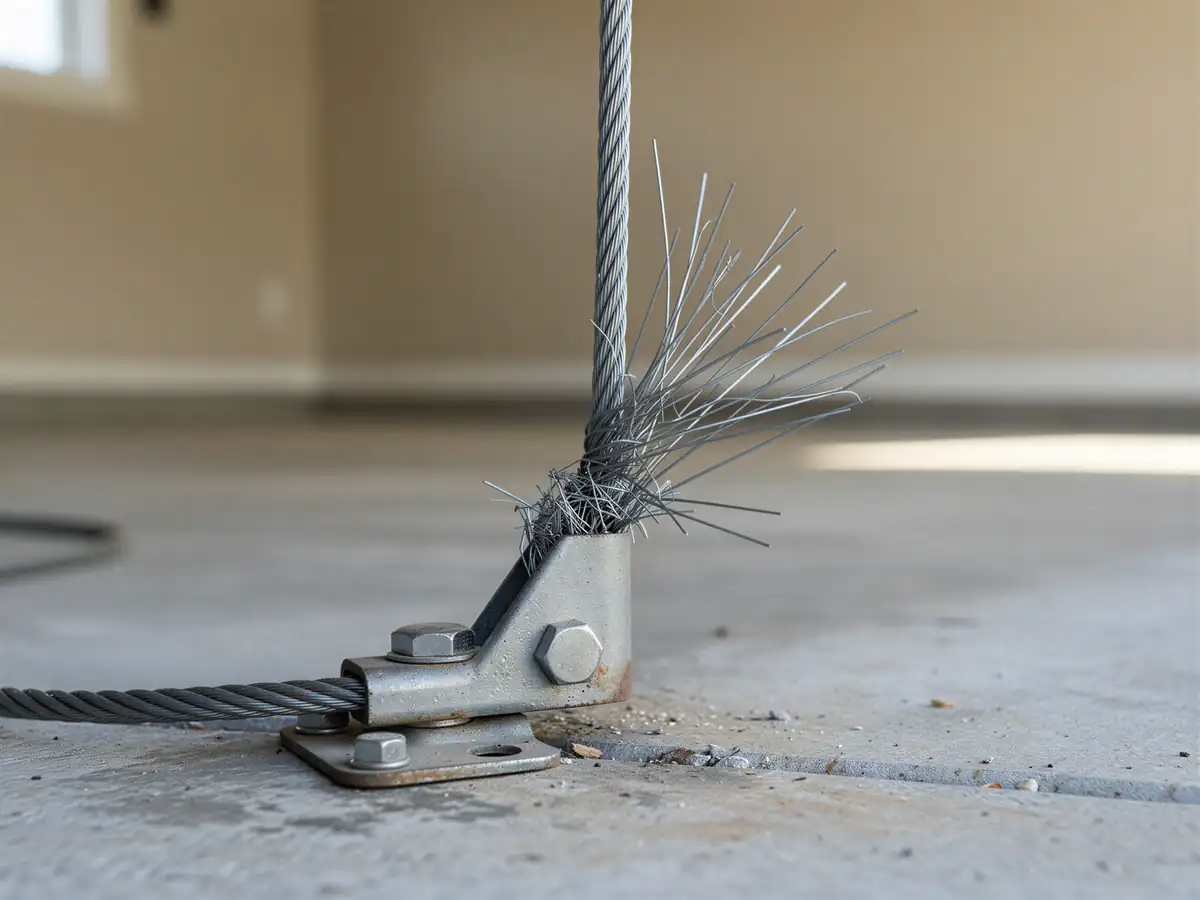
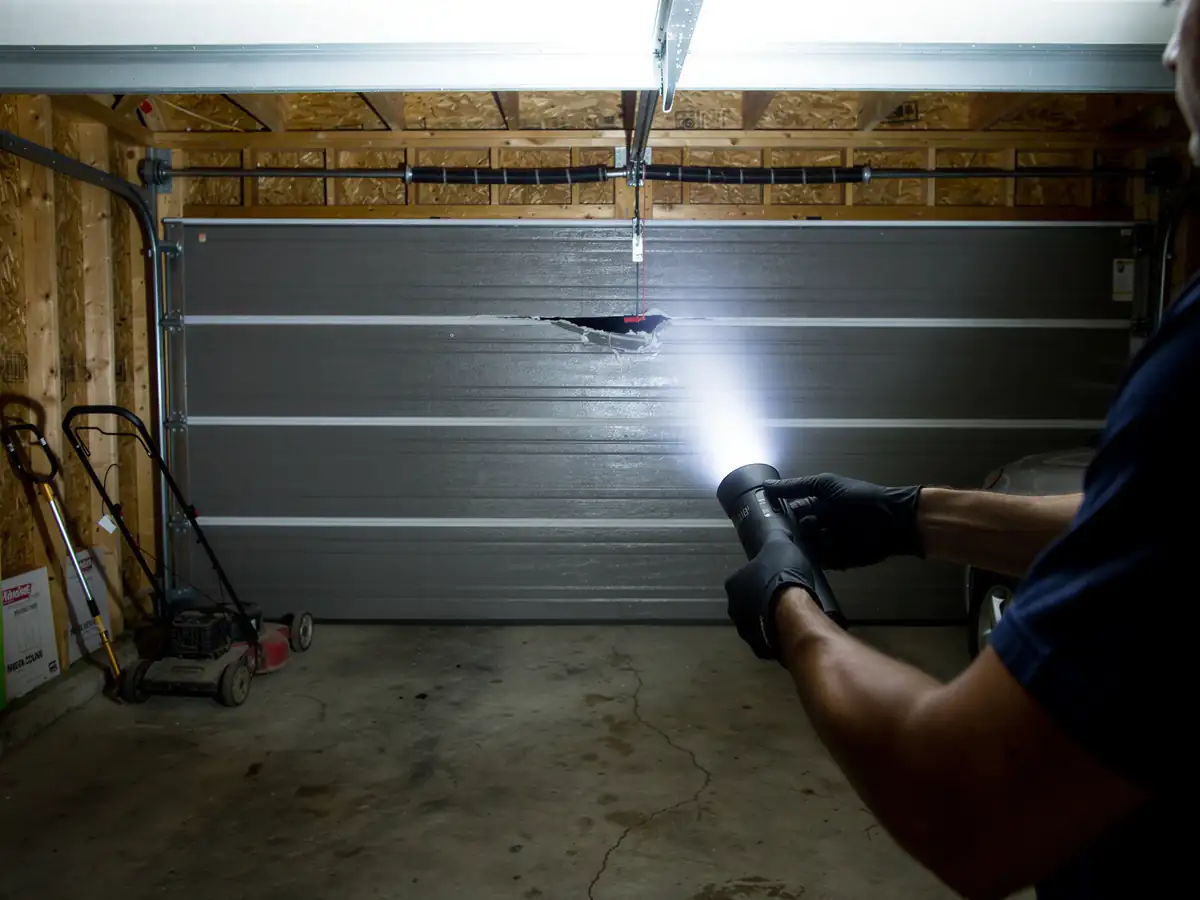
A door that jerks instead of gliding, especially at the halfway point where spring tension carries most of the weight. A grinding or popping sound from the tracks, which usually means rollers worn down past their useful life. Visible rust or fraying on the lift cables - mild temperate humidity here is gentler on metal than a true coastal salt environment, but it still shortens cable life compared to a dry climate.
If the opener struggles to lift the door the last foot or two
Or reverses partway through closing, that's usually spring balance, not the opener motor itself, and it's worth having checked before it becomes a stuck door. None of this is urgent the way a spring snapping mid-cycle is, but on hardware pushing fifty years old, small symptoms are often the last warning before something breaks outright.