Can You Do This Yourself
The fault we run into most on Oakland Park jobs isn't a worn panel, it's a framing mismatch
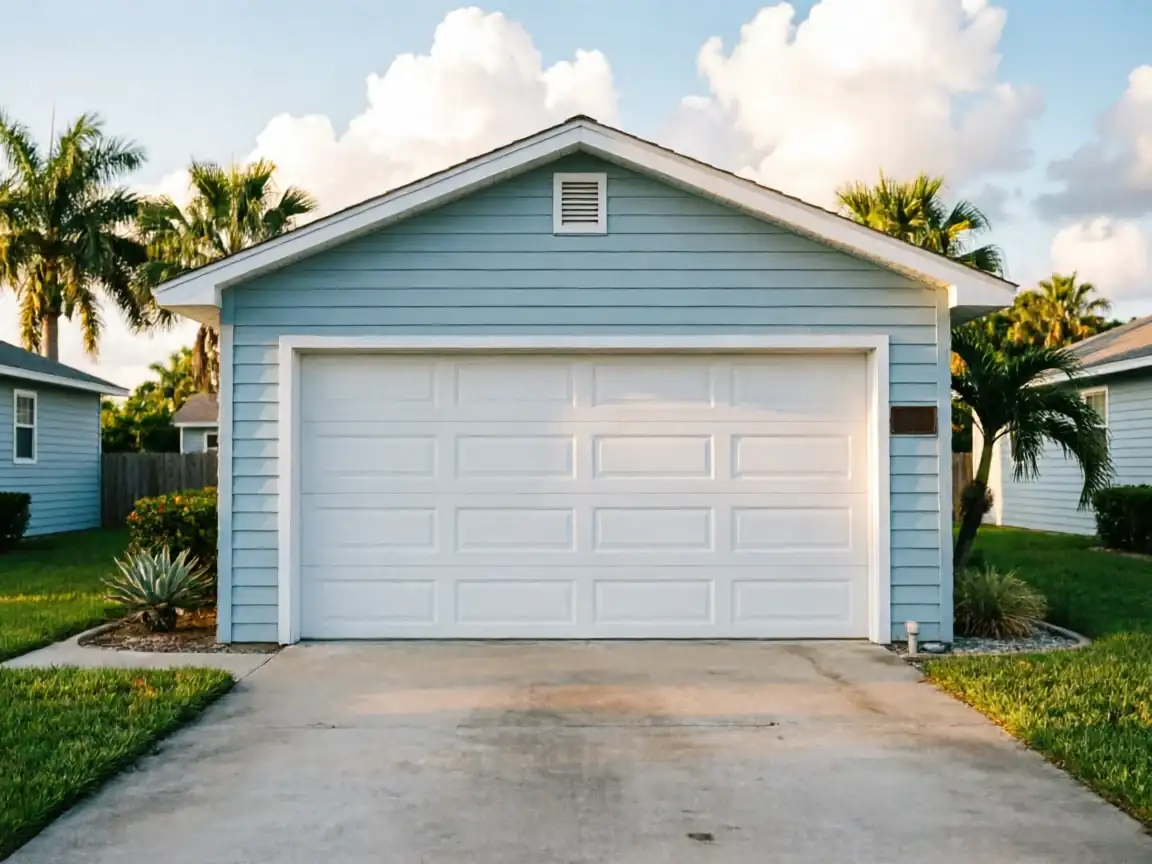
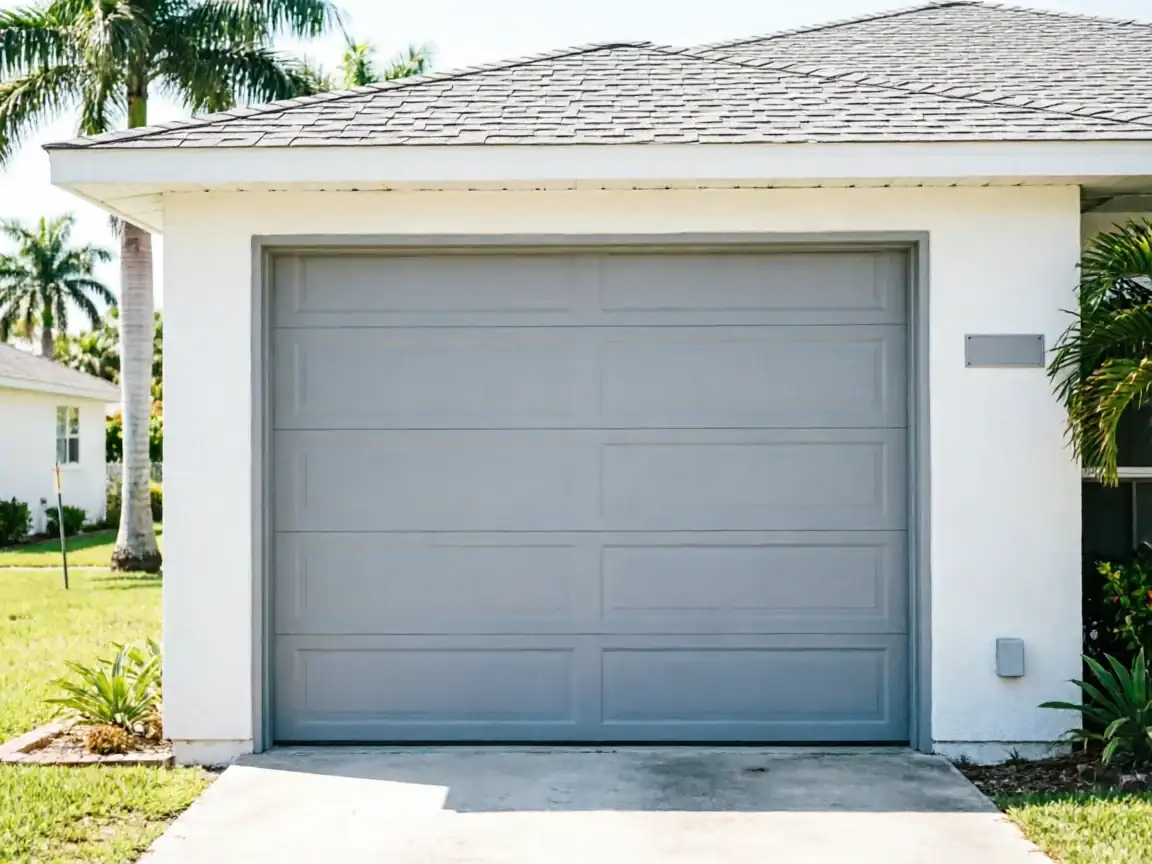
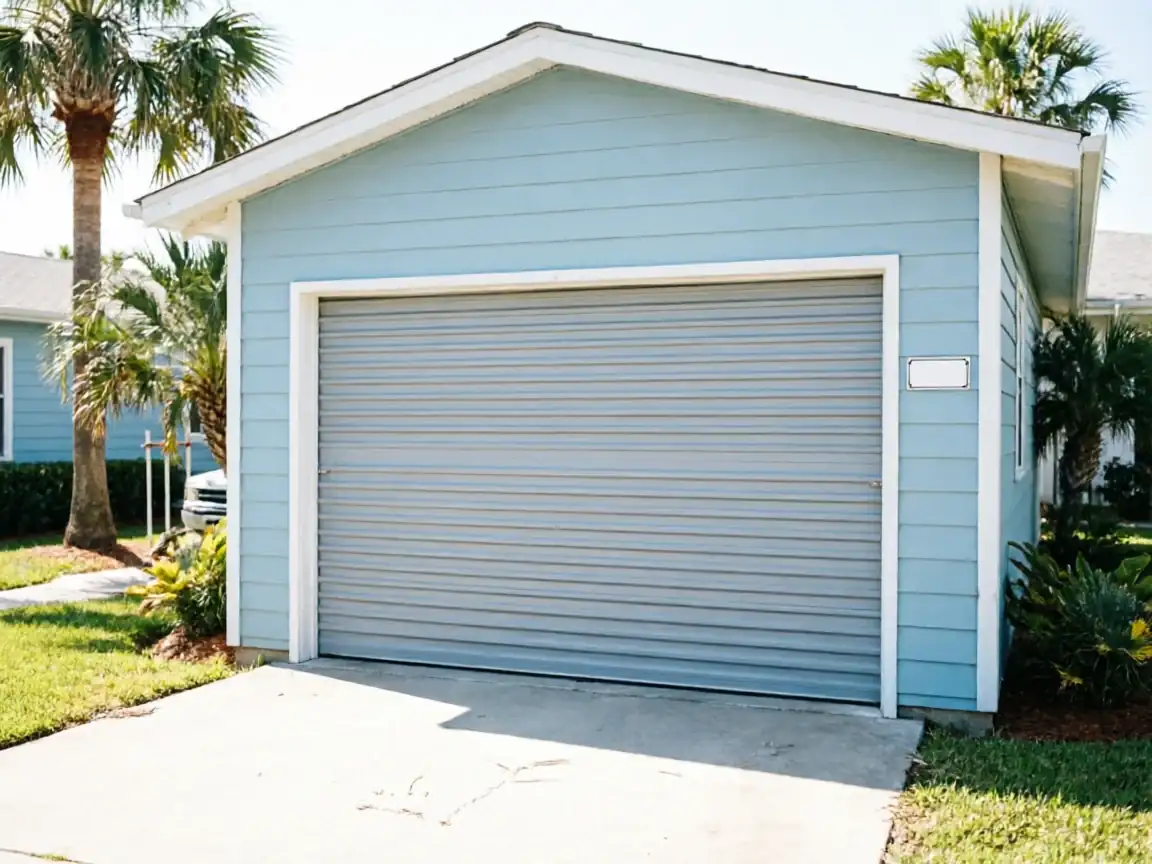
Oakland Park's housing stock centers on 1972, squarely inside the service area's 1962-2005 building boom, which means many garage openings here were framed to dimensions that predate today's standard door widths. A new 16-foot door built to current spec won't always drop into a jamb that's held the same single door since the Nixon administration without some trim and track work.
That's the part that trips up a DIY install
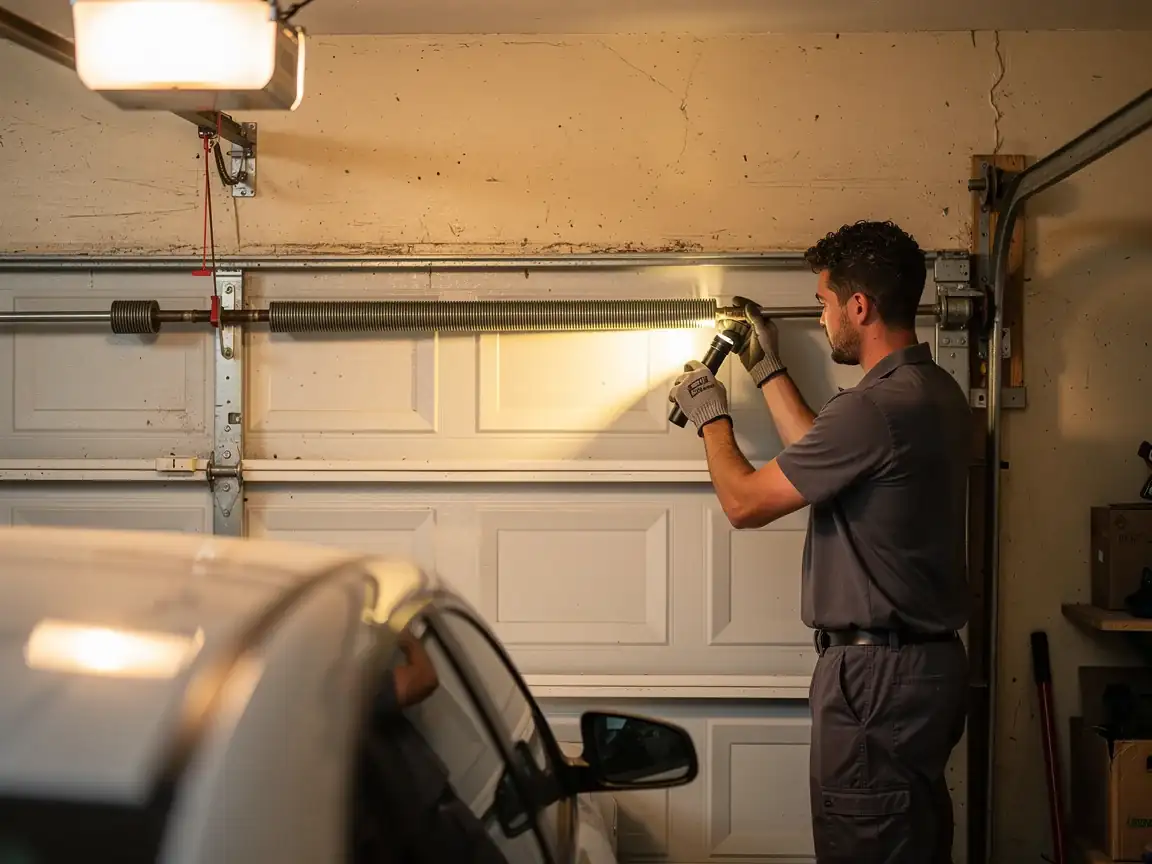
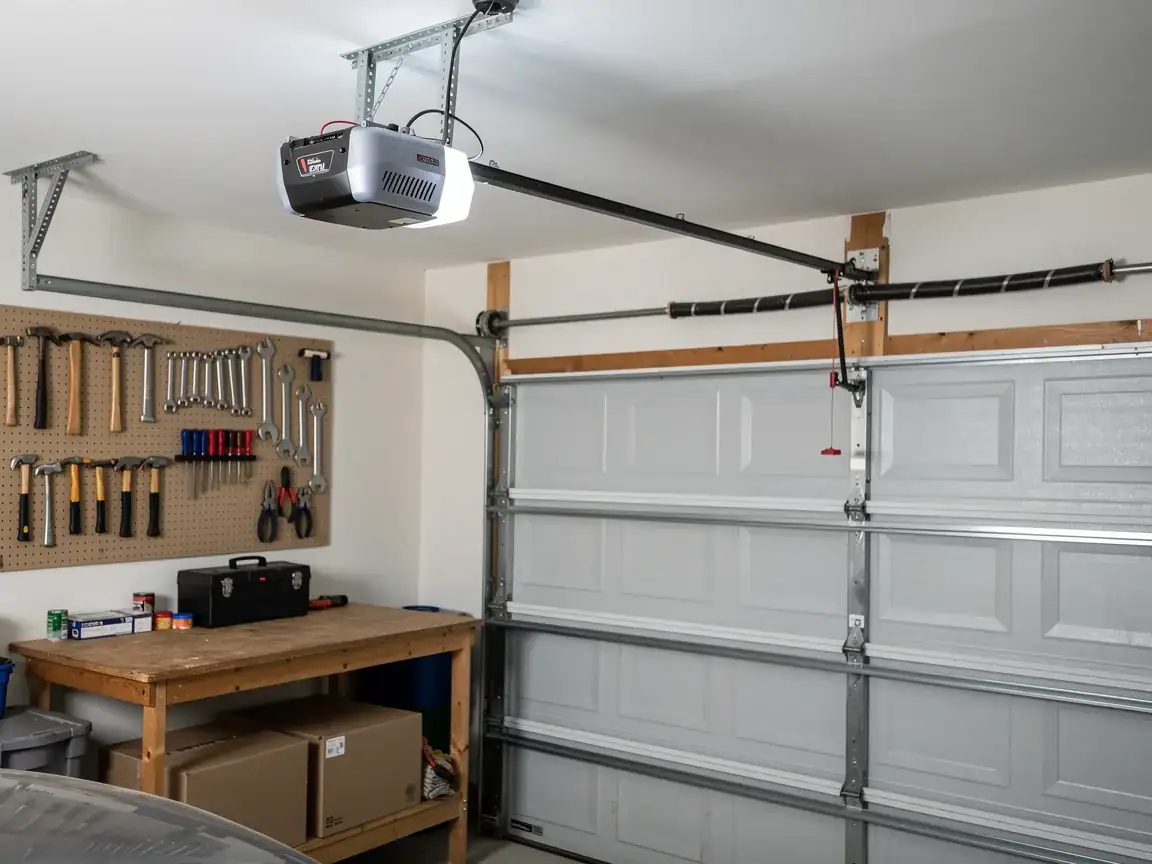
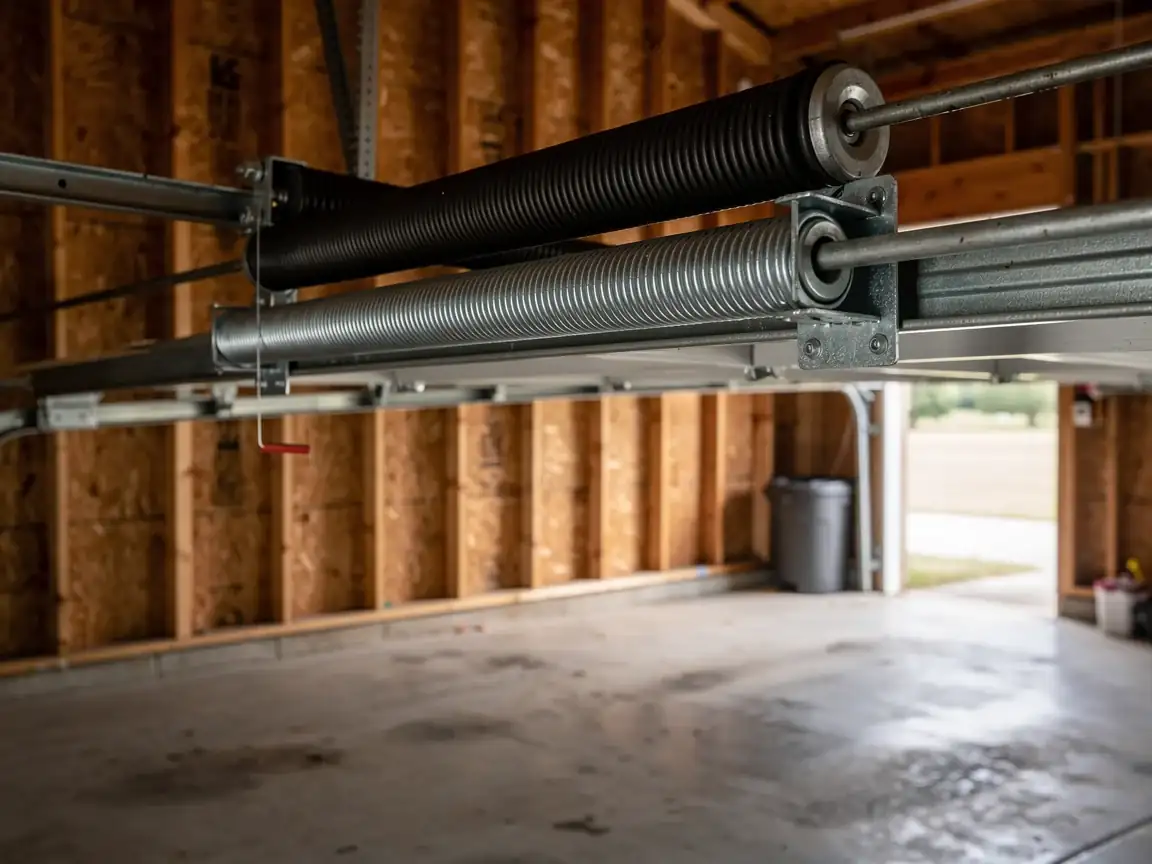
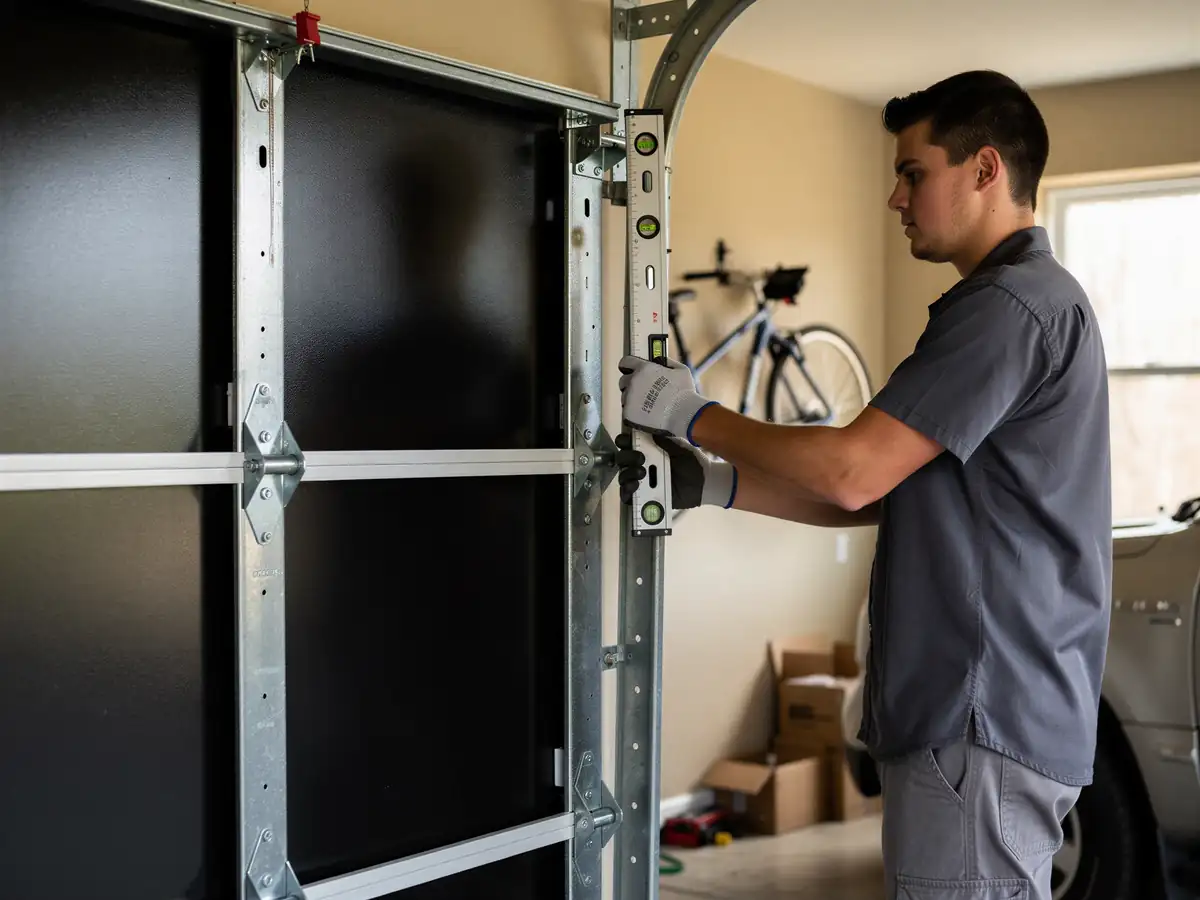
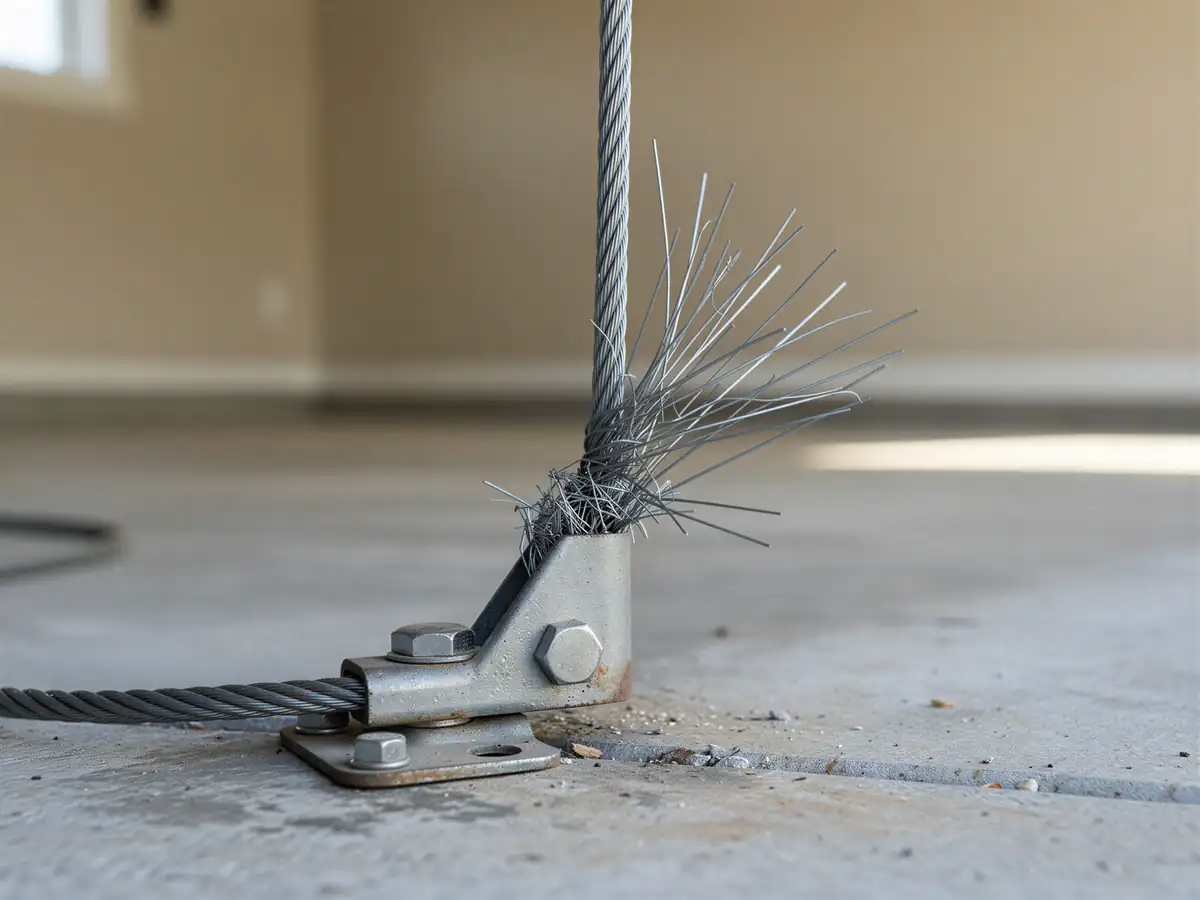
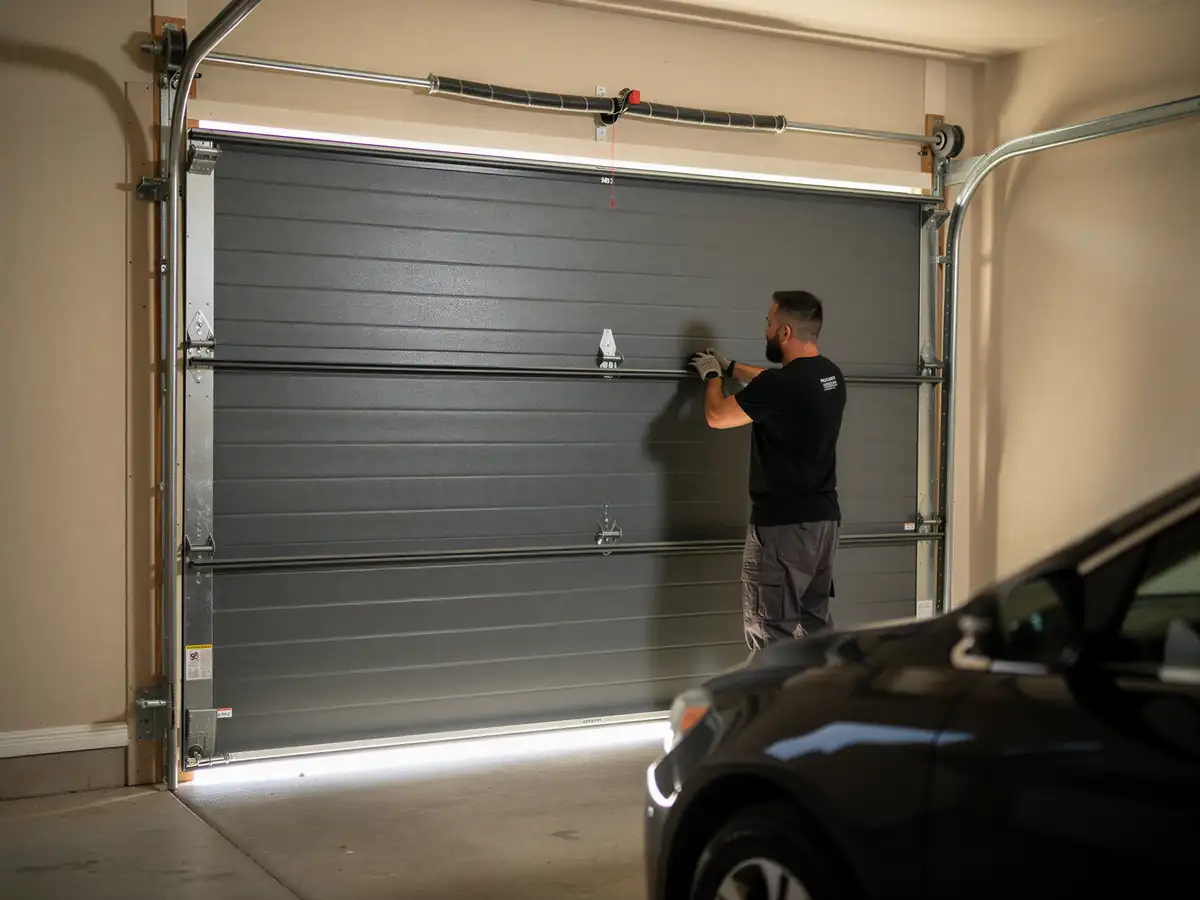
Swapping an opener head unit is forgiving - most people can manage that alone. Hanging a new door, squaring the track to an opening that has settled over fifty years, and setting spring tension to match the new panel weight is not. Get the spring count wrong on a heavier insulated door and you're either straining the opener motor or risking a cable jump.
We'll say the honest part
If your opening is a true standard size and the jambs are square, a handy homeowner can get most of the way there with a kit door and a weekend. If the framing has shifted, which is common in houses from this build era, that's a two-person job with a level and shims, not a one-afternoon project.
The Cost of This Job
We don't post a flat number here because the job itself isn't flat - insulated steel, non-insulated steel, and the width of the opening all move the price differently, and we're not going to make up a figure. What we can tell you is what drives the cost on a house like the ones common in Oakland Park.
With a median household income of $68,424 here - noticeably above the broader service area's $63,423 - we see more requests for insulated, heavier-gauge doors rather than the bare minimum builder-grade option. That's a buying pattern, not a price we can quote sight unseen.
The other cost driver is the opening itself. A 1972-era jamb that's shifted out of square adds labor time before the door ever goes up - shimming, re-squaring the track, sometimes replacing a section of rotted jamb board. We measure that at the house, not over the phone, because guessing on a fifty-year-old frame is how installers end up back on-site a week later. One limitation worth saying plainly: we don't carry every color and window-pane option on the truck, so a custom finish usually means a short order wait before install day.
What the Repair Takes
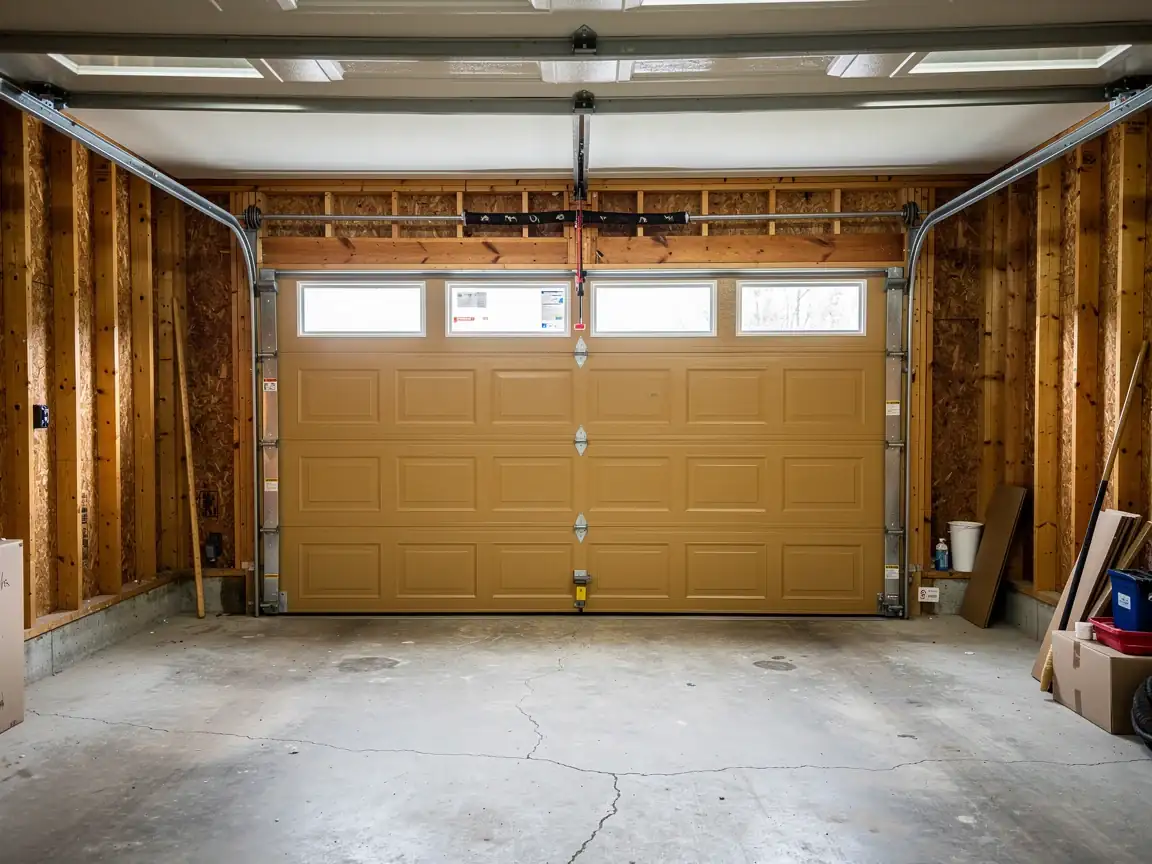
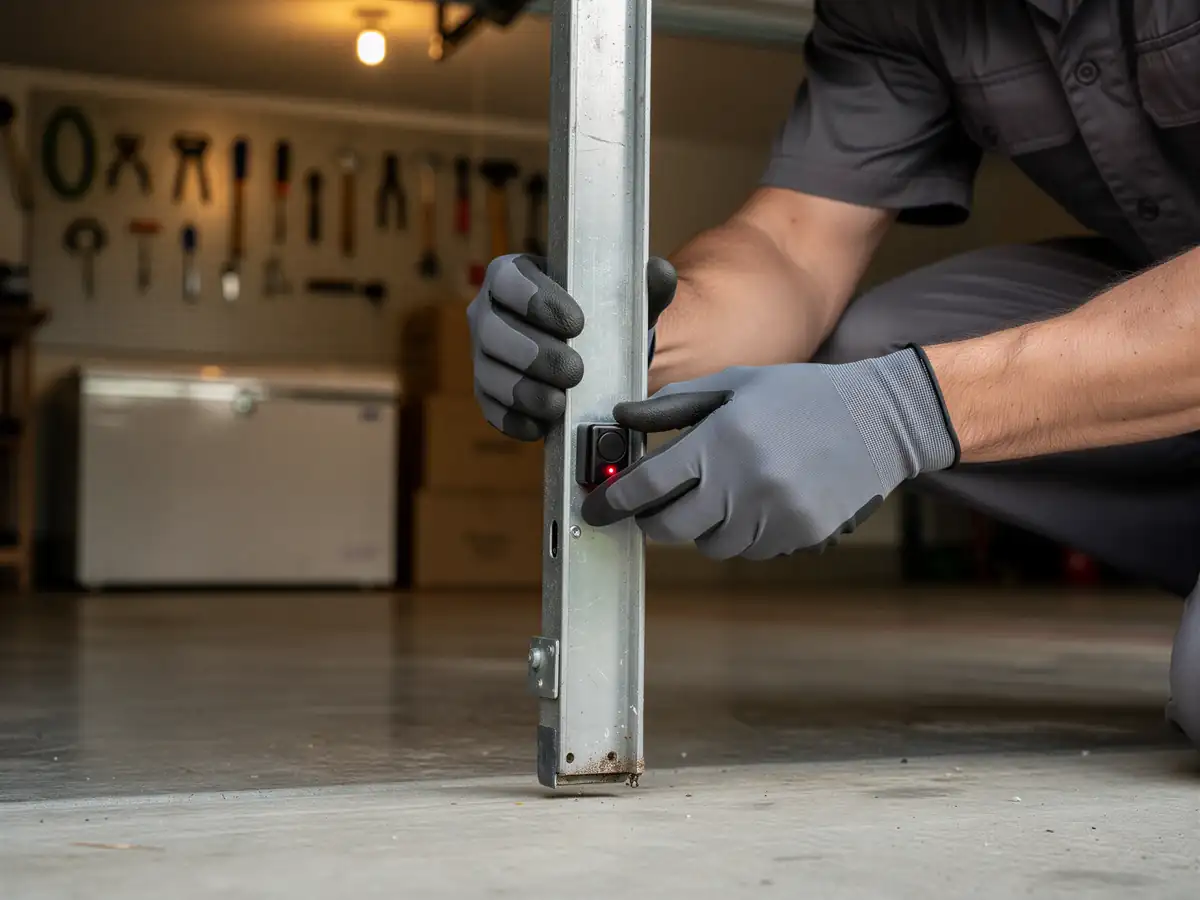
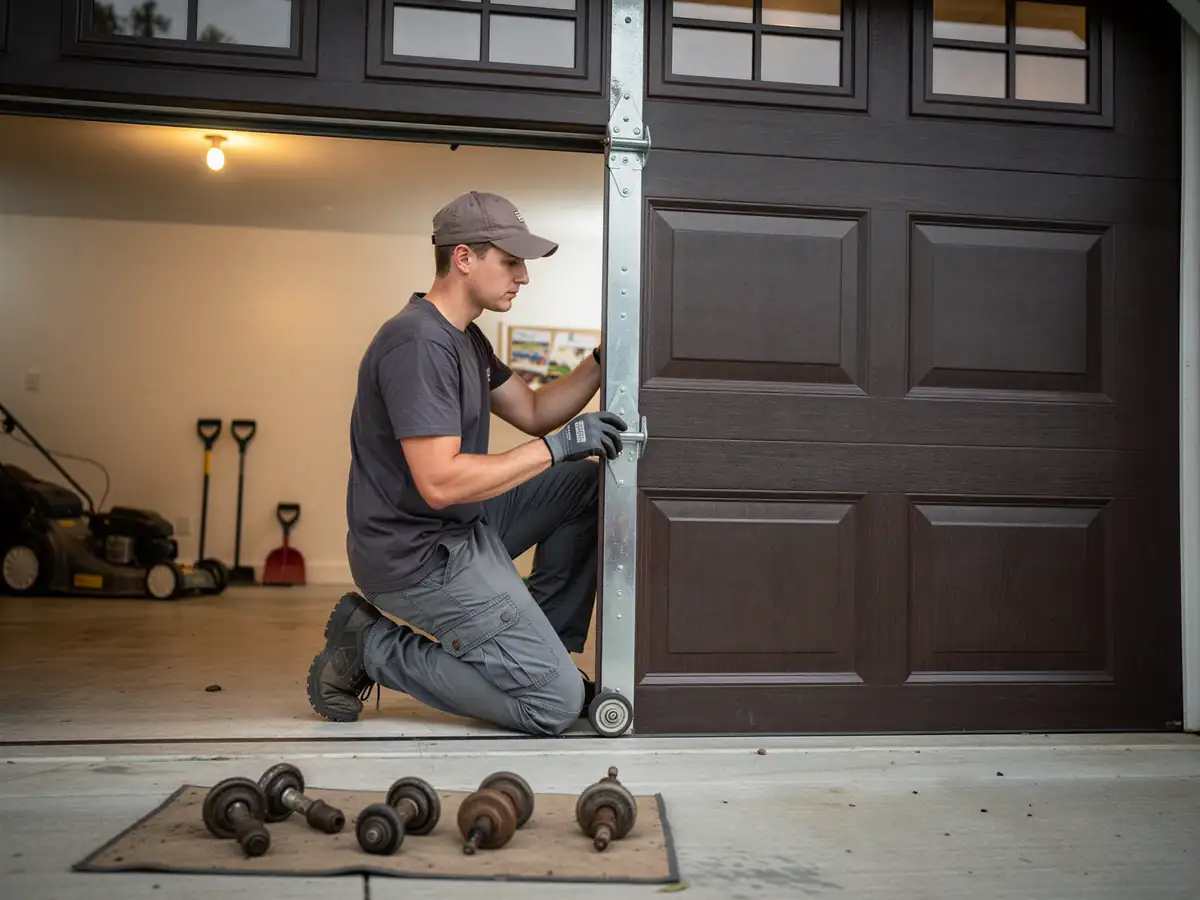
We travel from our Sunrise shop, about seven miles out to Oakland Park, so installs here get scheduled rather than dropped in same-hour. On arrival, the first step isn't the door - it's the opening. We check the jamb for square, look at how the existing track was mounted (face-mount versus jamb-mounted hardware shows up a lot in houses from this build era), and confirm the new door's rough-opening tolerance against what's actually there.
Once the old door and track come down, we set new vertical track, hang the panels, and size the torsion spring to the new door's actual weight - not the old door's. This matters more than people expect: a door installed new in 1972 was almost certainly lighter-gauge steel without foam insulation, and a modern insulated replacement can weigh considerably more, which changes spring count and drum size.
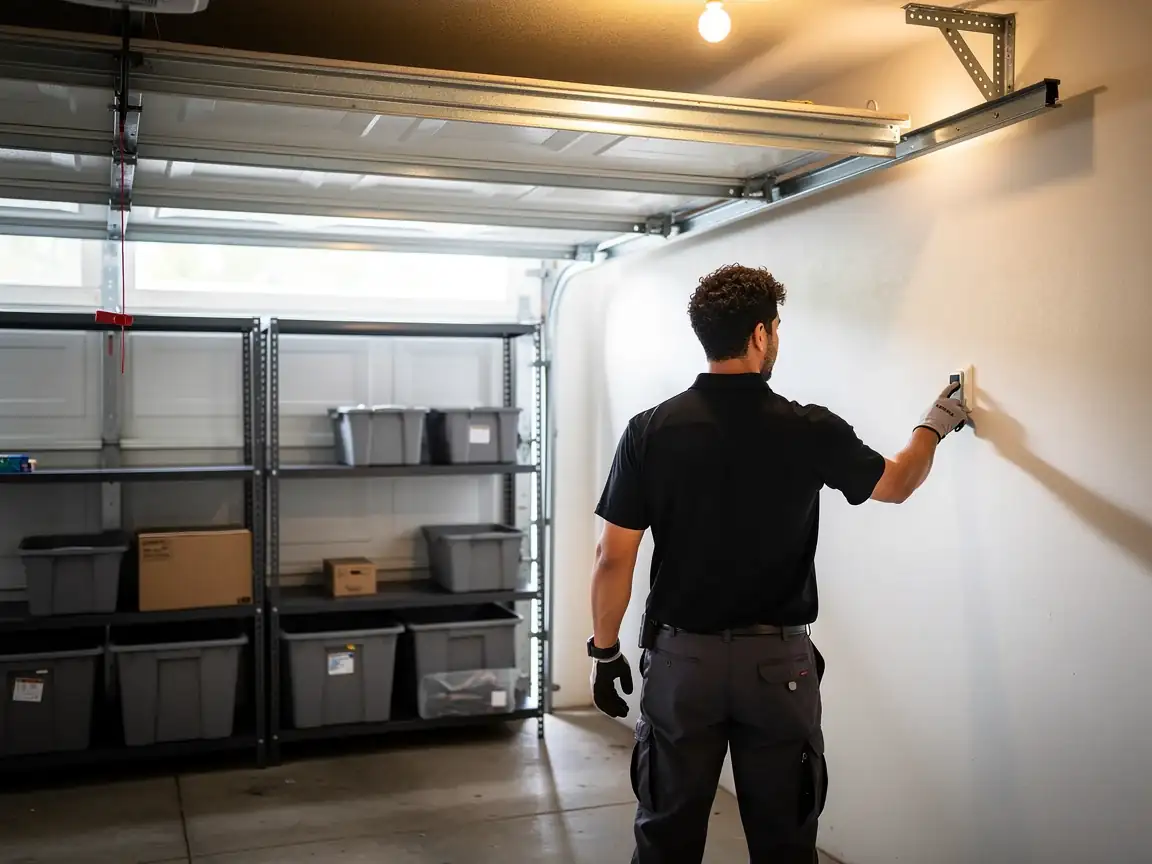
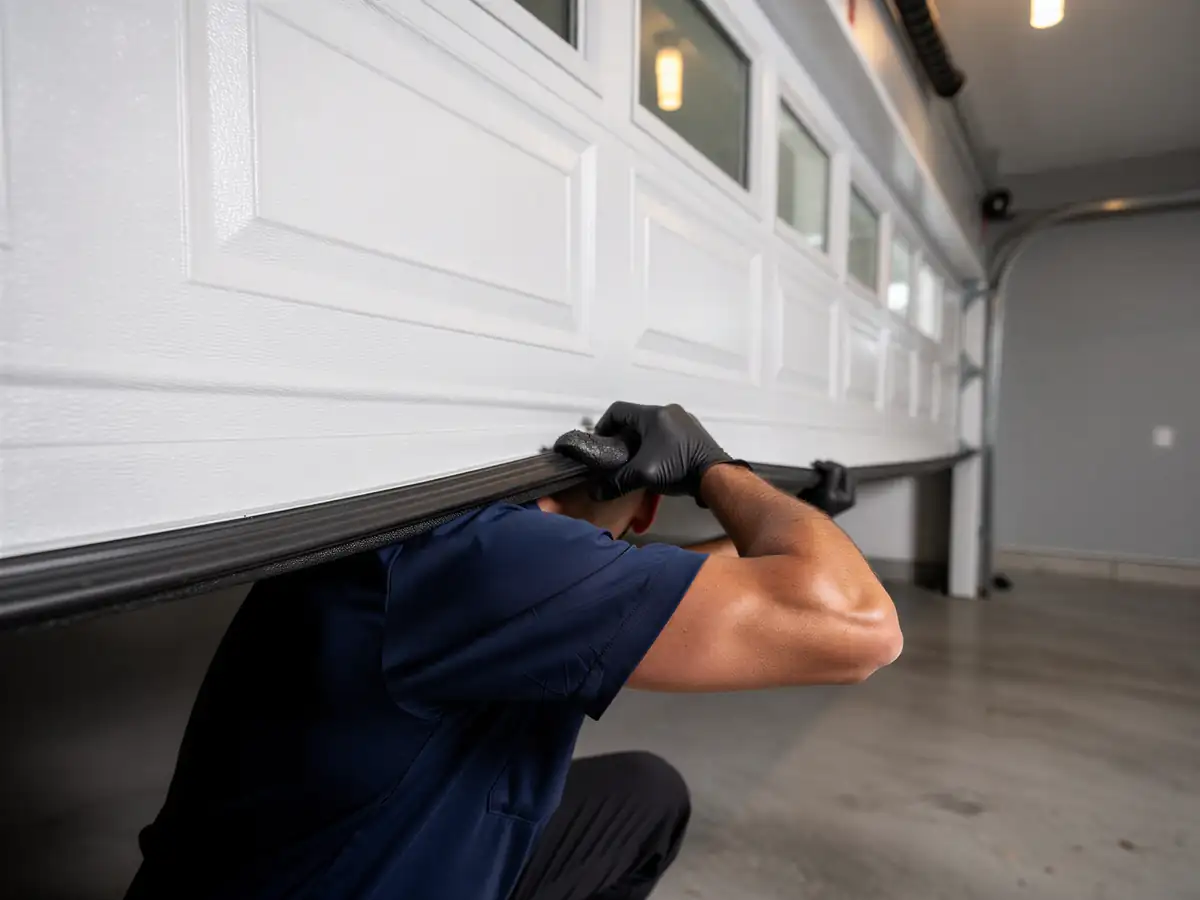
Because the region sits in a mild temperate climate band, we're not building in the heavy weatherseal packages that jobs up north require - the standard bottom seal and weatherstrip do the work here. Opener compatibility gets checked last, since older openers sometimes won't safely lift a heavier new door without an upgrade.
What You Are Seeing
If your house in Oakland Park dates to anywhere near that 1972 median build year
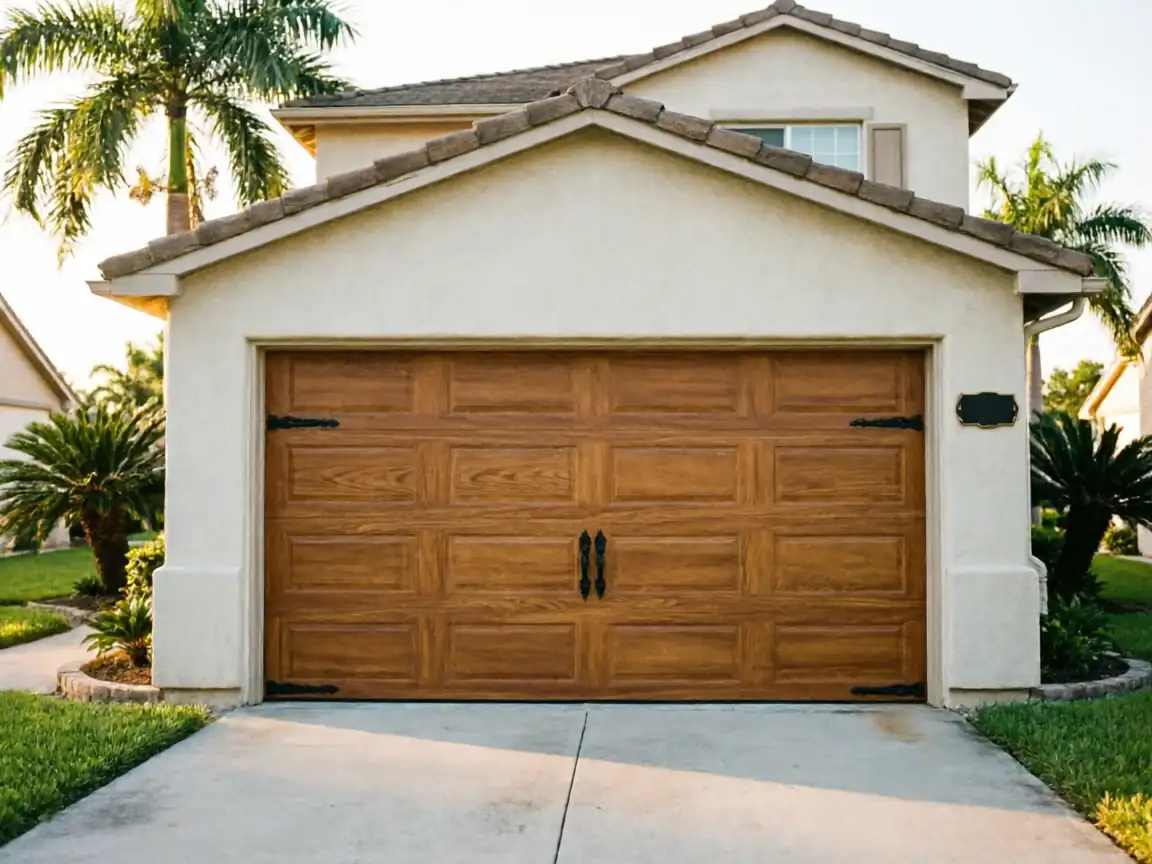
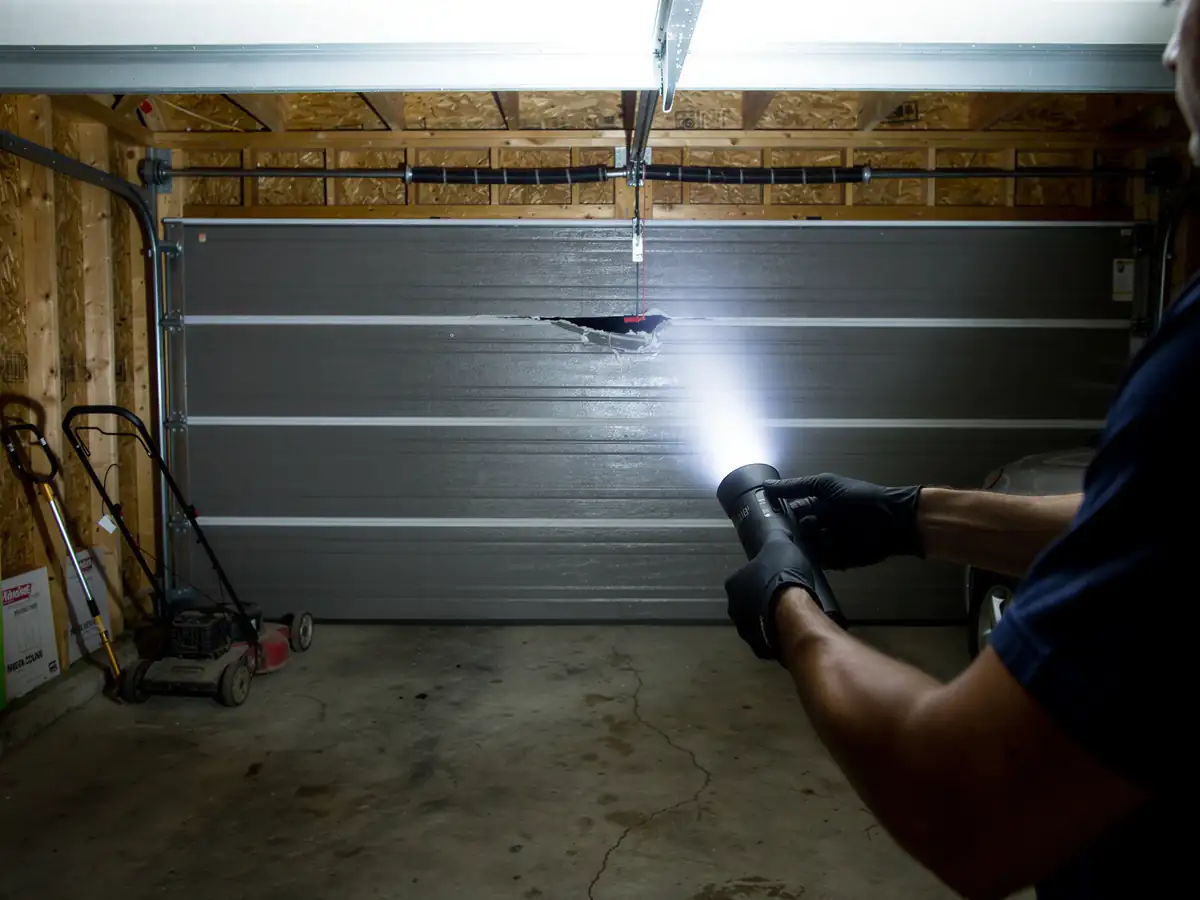
Here's what usually prompts the call. Doors installed during Oakland Park's 1972-era building run are now at the age where steel panels rust through at the bottom seam before the torsion springs give out - the spring often still has cycles left when the panel itself is flaking and letting water through.
You might also notice the door is heavier to lift by hand than it used to be
Or the opener strains and reverses partway up. That's frequently a sign the original hardware was never upgraded alongside a replacement opener at some point, leaving a mismatch between spring tension and a newer motor.
With 17,303 households in Oakland Park, we're seeing a steady run of original hardware from this same build window reaching the end of its service life around the same time - it's less a coincidence and more a predictable replacement cycle tied to when the neighborhood went up
If your panel is visibly bowed, delaminating, or the bottom corners have rusted through, that's a replacement conversation, not a repair one.
- 17,303 households